Coffee Lists
-
What's the Difference Between Kenya Coffee K72 Washed and Regular Washed Processing? Introduction to Thika Region Assalia SL28 SL34 Coffee Beans
Although Kenya and Ethiopia are both located in the East African region and share borders, the coffee flavors produced by these two countries differ significantly. Ethiopian coffee is characterized by floral notes, fresh citrus acidity, and tea-like qualities, while Kenyan coffee is known for its bright, rich plum and cherry tomato acidity with juicy sweetness

2024-11-27 Kenya Coffee K72 Washed Processing Thika Region Assalia SL28 SL34 Coffee Beans East African Coffee -
What is Black Coffee? What's the Difference Between Pour-Over and Americano? Which is Better, Americano or Pour-Over? How to Make Espresso?
The coffee-to-water ratio is a professional term frequently used when discussing brewing, and its meaning is just as its name suggests, referring to the proportion of coffee grounds to water we use. A larger ratio means less hot water is injected, while a smaller ratio means more hot water is injected. The size of the coffee-to-water ratio can significantly affect
2024-11-26 black coffee pour-over coffee americano espresso coffee brewing methods coffee to water ratio -
What is the ideal coffee-to-water ratio? What are pour-over coffee concentration and extraction rate? How much hot water should you use for pour-over coffee?
The coffee-to-water ratio is a professional term commonly used when discussing brewing. As its name suggests, it refers to the ratio of coffee grounds to water used. A larger ratio means less hot water is added, while a smaller ratio means more hot water is used. The size of the coffee-to-water ratio influences
2024-11-26 coffee to water ratio pour-over coffee coffee concentration extraction rate hot water amount brewing ratio -
What's the Difference Between Latte and Cappuccino? What Kind of Coffee is a Latte? What are the Characteristics of Cappuccino? Why is Latte Coffee Sweeter?
Latte and cappuccino, as "veteran-level coffees," are almost essential products at every coffee shop. However, despite both being very classic, as FrontStreet Coffee often says, those who haven't ventured into the coffee world will find it difficult to know the differences between them. Therefore, many beginners, when facing these two coffees
2024-11-26 latte cappuccino coffee differences coffee types espresso drinks milk foam coffee brewing -
How Long Should Coffee Beans Rest? What is Bean Resting? Does Espresso Need Bean Resting? What is the Purpose of Bean Resting?
"Bean resting" is a term that most coffee enthusiasts have likely heard about or are familiar with. In today's world where coffee has become part of daily life, even beginners who are just starting their coffee journey know that when they encounter freshly roasted coffee beans, they need to let them rest for a period of time before brewing. Therefore, FrontStreet Coffee
2024-11-25 coffee bean resting espresso brewing fresh coffee beans coffee degassing coffee preparation -
What's the Difference in Coffee Grind Sizes? How Fine Should Espresso Be? How Coarse Should Pour-Over Be?
Extraction is the process of using water as a medium to dissolve flavor compounds from coffee. Before extraction, we need to grind coffee beans using a grinder, because only then can the flavor compounds in coffee be dissolved more quickly and easily. This is what we commonly call coffee grinding.
2024-11-25 coffee grind espresso grind pour-over grind coffee extraction coffee brewing -
Why do Ethiopian coffee beans vary in size? What are the characteristics of Ethiopian coffee? What coffee variety are native heirlooms?
In FrontStreet Coffee's bean selection, Ethiopian varieties are the most numerous. Therefore, FrontStreet Coffee often receives "special feedback" from customers about Ethiopian beans. For example: the issue of bean size! Although coffee beans are agricultural products and cannot be replicated with identical templates like industrial products, initially
2024-11-25 Ethiopian coffee coffee bean size heirloom varieties coffee characteristics FrontStreet Coffee -
How to Make Delicious Americano Coffee? How to Make Non-Bitter Americano? What's the Difference Between Espresso and Americano?
In the article "How to Make a Delicious Americano Coffee," FrontStreet Coffee shares that a good Americano requires not only extracting a suitable espresso base but also achieving an appropriate concentration. Only when both requirements are met can the Americano coffee we make better suit our taste. So when we learn
2024-11-25 Americano coffee recipe non-bitter Americano espresso vs Americano difference coffee brewing guide -
Detailed Introduction to Coffee Bean Grading Systems Worldwide - Ethiopian and Kenyan Coffee Bean Grading Standards
Some friends might ask FrontStreet Coffee, "Why do some coffee beans have grades marked as AA, some as G1, and others as SHB? These letters seem to follow no pattern - how can I know which grade is higher and which is lower?" Why is grading necessary? When we walk into a fruit store, we often see the same type of fruit being divided into
2024-11-25 coffee bean grading coffee classification system Ethiopian coffee grades Kenyan coffee standards AA grade coffee G1 coffee SHB coffee coffee quality levels -
What Coffee Growing Regions Exist in West-Central Kenya? What Are the Characteristics of Kenyan Washed Coffee?
African coffee enjoys extremely high recognition in the global coffee market, with coffee primarily cultivated in the East African region, which boasts the highest terrain across the entire African continent. Traversed from north to south by the East African Rift Valley, this area brings numerous mountains, volcanoes, lava plateaus, and lakes along its route, rich in natural resources, resulting in several renowned coffee-producing countries such as...
2024-11-25 Kenyan coffee coffee growing regions washed coffee processing East African coffee coffee cultivation -
Where are Kenya's coffee growing regions located? What are the characteristics of the western coffee growing regions?
Located in the western part of the Eastern Hemisphere, Africa is the world's second-largest continent, predominantly characterized by plateaus which cover over 60% of the continent with an average elevation of 750 meters. Africa boasts abundant natural resources, including numerous mountains, volcanoes, lakes, and rivers. Spanning the equator with a predominantly tropical climate, these geographical and climatic conditions make Africa ideal for agricultural products such as coffee.
2024-11-25 Kenya coffee regions western coffee growing areas African coffee coffee cultivation -
Guatemala | Introduction to Selected Coffee Beans from Coffee Growing Regions
In the Americas, Guatemala stands as one of the ancient centers of Mayan Indian culture. The Republic of Guatemala (La República de Guatemala) covers a total area of 108,889 square kilometers and is divided into various regions throughout the country.
2024-11-25 Guatemala coffee coffee growing regions coffee beans Central America coffee Mayan culture -
What are the famous coffee regions in Costa Rica? What are their characteristics?
Central America is a narrow strip of land connecting South America and North America. The terrain here is dominated by highlands and mountains, with a volcanic belt stretching over 1,300 kilometers along the Pacific coast. The countries in this region are not large in area, with most of their land consisting of mountainous forest regions. The climate is hot and humid, but due to the accumulation of volcanic ash, the soil is fertile.
2024-11-25 Costa Rica coffee regions coffee characteristics Central America coffee -
What Are Costa Rica's Renowned Coffee Regions? What Makes Tarrazú Coffee Special?
Between South America and North America, connected by the narrow Central American isthmus, lies a region rich in natural resources. This area is traversed by the Cordillera mountain range, resulting in terrain dominated by highlands and mountains, interspersed with basins and valleys, abundant in forests, and extending along the Pacific side with a long
2024-11-25 Costa Rica coffee regions Tarrazú coffee production Central America coffee coffee characteristics -
Where is Colombian Coffee Primarily Grown? What Are the Characteristics of Coffee Produced in Colombia?
South America is the continent with the highest coffee production globally, producing approximately half of the world's coffee annually. It is home to Brazil, the world's largest coffee producer, and Colombia, the third largest. Colombia is the world's foremost producer of Arabica coffee. However, unlike Brazil's large-scale plantations, Colombia
2024-11-25 Colombian coffee coffee growing regions Arabica coffee South American coffee coffee characteristics -
What are Colombia's famous coffee-producing regions? What are the characteristics of the Tolima region?
Located in the southwestern hemisphere, South America is the fourth largest continent by land area. The western part of South America is primarily traversed by the Andes Mountains, consisting mainly of plateaus, hills, and mountains with numerous volcanoes at elevations between 300-3000 meters. The eastern part is dominated by the vast Amazon River basin, with multiple rivers and diverse geography.
2024-11-25 Colombia coffee regions Tolima coffee South American coffee Andes coffee Colombian coffee production -
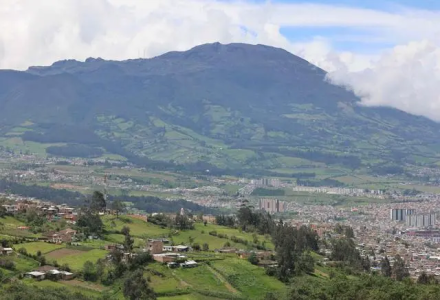
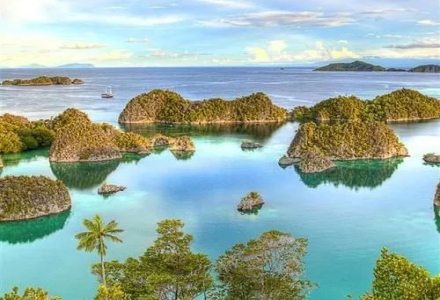
Which Islands in Indonesia Have Coffee Regions? Where is Java Coffee Grown?
Asia is the largest continent by area among the seven continents and also the highest in elevation except for Antarctica. It features a high center with lower surrounding areas, averaging approximately 950 meters in altitude, predominantly consisting of mountains, plateaus, and hills, and boasts many famous peaks and volcanoes. Additionally, the Asian continent spans three climate zones—cold, temperate, and tropical—with complex and diverse climate types.
2024-11-25 Indonesia coffee regions Java coffee Asian geography island coffee cultivation -
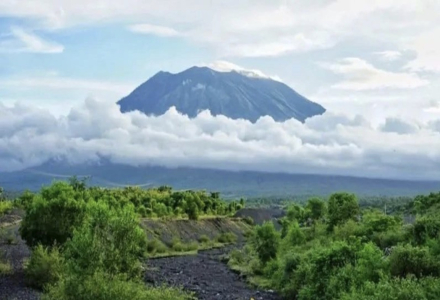
Introduction to Java Island, Indonesian Coffee Region
Asia is the largest and most populous continent among the seven continents, with varied terrain that is high in the center and low around the periphery. Mountains, plateaus, and hills account for three-quarters of its total area. Furthermore, the Asian continent spans cold, temperate, and tropical zones, with complex and diverse climate types. It can be said that many Asian countries are suitable for coffee cultivation, including Indonesia.
2024-11-25 Indonesia Java Island coffee region coffee growing Indonesian coffee -
What Variety is Geisha Coffee? Is it Arabica? Introduction to Geisha Coffee's Flavor Profile and Taste Characteristics
Discover the fascinating story of Geisha coffee, from its discovery in Ethiopia's Geisha forest in 1931 to its journey through Kenya's coffee research institute and subsequent introduction to Uganda and Tanzania in 1936. Learn about its unique flavor profile and characteristics.
2024-11-25 Geisha variety coffee Arabica flavor profile taste characteristics origin Ethiopia -
What is the taste of Gesha coffee? What are the flavor characteristics of Panamanian Gesha coffee and how many flavor profiles does it have?
For more professional coffee knowledge and coffee bean information, please follow Coffee Workshop (WeChat official account: cafe_style). Several years ago when we talked about coffee, the first things that came to mind were Jamaican Blue Mountain and Hawaiian Kona. At the time when specialty coffee culture was just beginning to develop, people, in pursuit of high class, drank coffee
2024-11-25 Gesha coffee taste what mouthfeel how many flavors profile