
Detailed Introduction to Coffee Bean Grading Systems Worldwide - Ethiopian and Kenyan Coffee Bean Grading Standards

A friend once asked FrontStreet Coffee, "Why do some coffee beans carry grades like AA, some like G1, and others like SHB? The letters seem to follow no pattern. How can I tell which grade is higher and which is lower?"
Why is grading necessary?
Walk into a fruit store and you will often see the same type of fruit displayed in two sections under the same product name but at vastly different prices. Look closer and you find that the pricier section holds larger, better-looking fruit, while the cheaper one holds smaller, less attractive pieces.
Agricultural products cannot achieve the same standardization as industrial products, so variation in quality is normal. Grading standards were therefore established to regulate coffee bean quality. They also give green bean traders a value reference when purchasing.

As that friend noted, AA, G1 and SHB are all grades of green coffee beans, but these grades come from standards set by different coffee-producing countries.
Why not adopt a single green bean standard?
Some friends wonder why coffee bean grading standards are not unified. It is because each producing country has a different geographical environment and cultivation pattern, so each develops a green bean grading system suited to its own conditions. The criteria adopted are adapted to local circumstances and generally fall into categories such as defect rate, bean size, growing altitude and cupping quality.
Ethiopia: grading based on defect rate
Ethiopia's grading system is primarily based on the number of defective beans per 300g of green beans. G1, for example, allows no more than 3 defective beans per 300g, while G2 allows 4-12 defective beans per 300g, and so on.
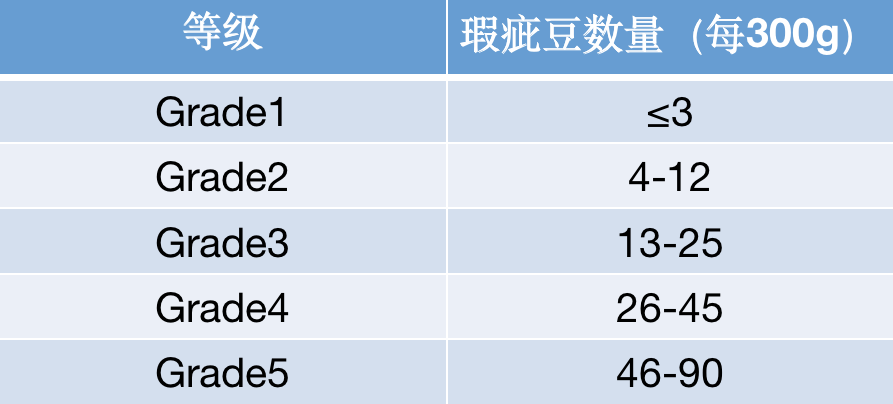
This is because Ethiopia's coffee cultivation model is relatively primitive, dominated by smallholder farming, and the rough processing methods of earlier years left bean quality extremely inconsistent. Grading therefore relies on the number of defects: batches with fewer defects earn higher grades and naturally command higher prices.
Ethiopia is home to many wild coffee varieties, generally referred to locally as heirloom varieties. Among these complex and numerous varieties, some have larger beans, some have smaller ones, and some, despite smaller beans, deliver excellent flavor. Using green bean volume for classification is therefore impractical. Ethiopia's terrain consists of high plateaus with high and relatively flat altitudes, which also makes altitude-based grading unsuitable.
Kenya: grading based on bean size
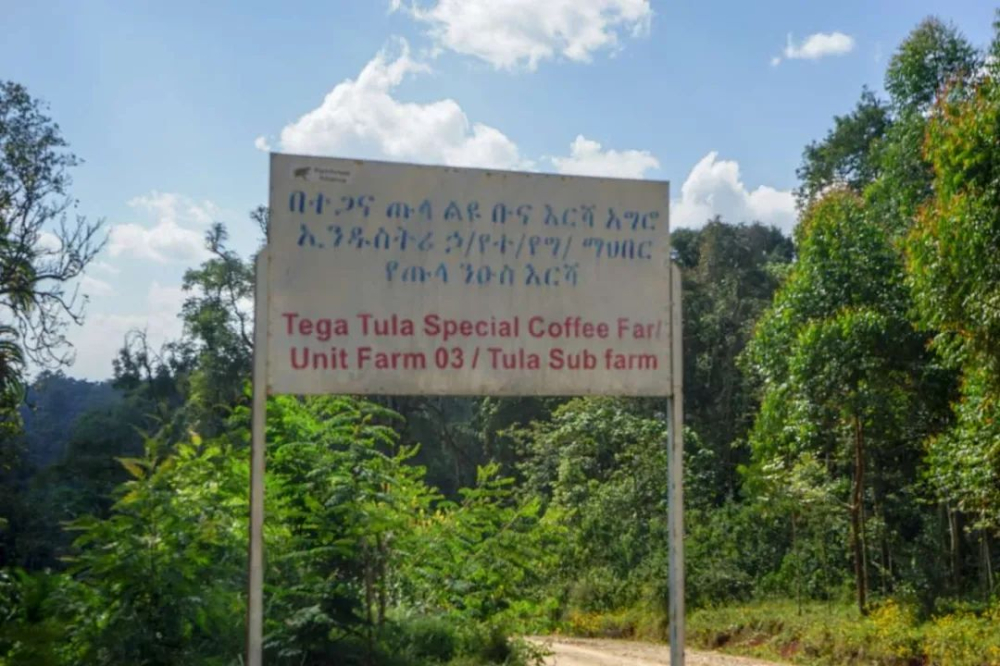
The most representative country that uses bean size as its grading standard is Kenya. Although Kenya has numerous coffee grades, consumers in practice encounter only beans graded AA, AB and PB. Kenya commonly cultivates the SL28 and SL34 varieties, and in theory the larger the bean, the better the quality.

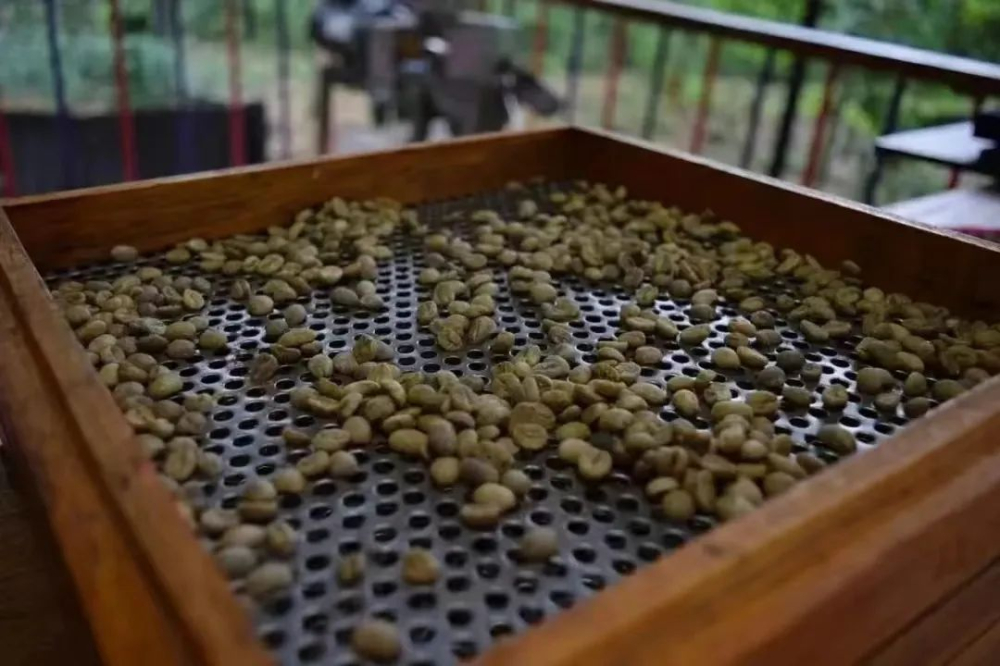
The PB grade is rather special. PB stands for Peaberry, meaning "round bean," which occurs when a coffee cherry contains only a single seed. Although its screen size is around 14-15, its distinctive shape allows it to be separated and sold at AA prices; otherwise it would be classified as Grade C.
Central America: altitude-based grading
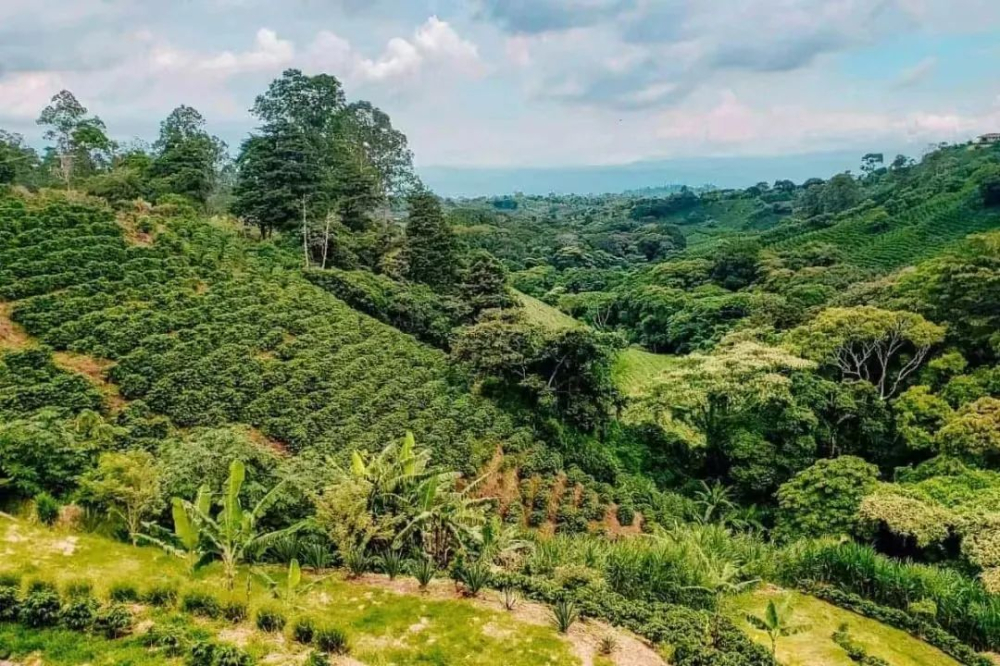
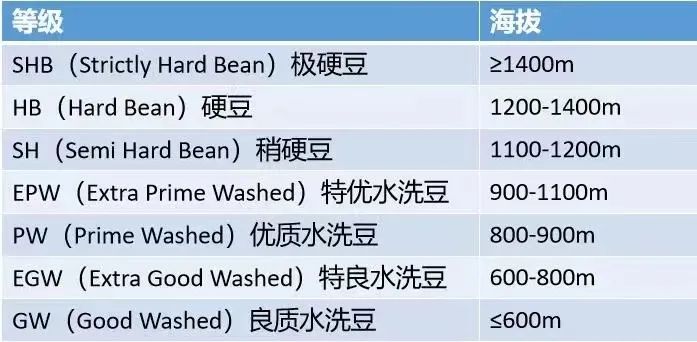
The producing countries that use altitude as their coffee grading standard are mainly concentrated in Central America, where towering mountains and large altitude ranges prevail. The higher Arabica is grown, the harder the bean's texture and the better its flavor. At the same time, the coffee-growing altitudes within these major producing countries are not entirely the same, so they have developed different grading standards based on their own conditions.
Costa Rica, Guatemala and Panama, for example, use hardness to describe grades, with SHB the highest grade in all three. Their altitude definitions for SHB differ slightly, however. Costa Rica defines beans grown above 1,200 meters as SHB, Guatemala defines those grown above 1,350 meters as SHB, and Panama defines those grown above 1,400 meters as SHB.
Multi-factor grading systems
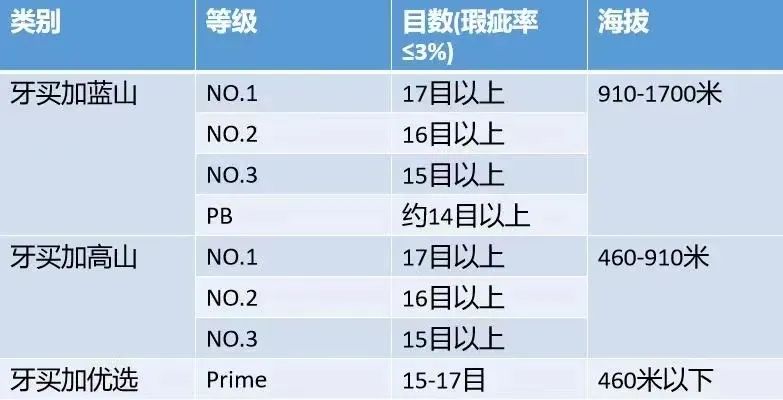
Some producing countries use multiple factors as the basis for grading. Jamaica's system, for instance, uses both bean size and altitude. By altitude it divides coffee into Blue Mountain Coffee, High Mountain Coffee and Jamaica Prime Coffee; by bean size it classifies them as No.1, No.2 and No.3.
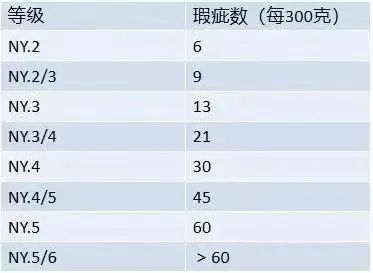
Brazil's green coffee bean standards are based on defect count, bean size and flavor evaluation. A bag of green beans might be labeled "NY2 SC-17/18 Good cup."
The leading NY2 indicates the defect count grade; Brazil's highest grade is NY2, as no NY1 grade exists.
SC-17/18 indicates that the green beans in the bag are size 17-18 screen. "Good cup" refers to the coffee's cupping quality. Cupping quality grades can be divided into "Fine cup, Good cup, Fair cup, Poor cup, Bad cup."
The criteria used by each country's coffee bean grading standards are therefore quite different. In other words, there is no unified standard for judging whether beans are good or bad, which makes cross-country comparisons of green bean grades impossible. These grading standards also target the state of green beans and serve mainly as a reference for green bean traders when purchasing.

When it comes to the roasted bean market, the influence of these grades is even more limited, since everything is uniformly labeled AA, G1 or SHB, the highest grades. At most you might encounter the top two grades of a given standard; the lower grades are rarely seen. As for which beans count as good or bad on the roasted bean market, the price differences at origin are not as significant as people might imagine.
FrontStreet Coffee Recommendation
Grades tell you how a lot was sorted, not necessarily how it tastes, and Ethiopia is a good case in point. FrontStreet washed Yirgacheffe is an accessible way to taste the origin: clear jasmine florals and bright citrus acidity, with a light, elegant body and a tea-like quality that drinks like a clean lemon tea.
For the sun-dried side of Ethiopia, FrontStreet Ethiopia Huakui brings tropical fruit and fermented aromas to the fore, with berry, floral, jackfruit, melon and honey notes. If you want to go finer still, FrontStreet Gududu, from a single village co-op, shows citrus and lemon tones with an elegant white floral character and a bright, delicate overall profile.
Important Notice :
FrontStreet Coffee is a long-established specialty coffee roaster in Guangzhou China, selling freshly roasted beans from its own farm in Yunnan as well as dozens of carefully selected single-origin beans from around the world for both pour-over and espresso. The products deliver consistently excellent quality and great value, with shipping within 24 hours. Guangzhou's FrontStreet Coffee shop is recommended by many coffee lovers, and the beans are now available online at the Tmall 。
FrontStreet Coffee has moved to a new address:
FrontStreet Coffee Address: 315,Donghua East Road,GuangZhou
Tel:020 38364473
 Scan and follow the En Gafei WeChat official account. Please indicate that the reprint comes from "En Gafei".

