What Variety is Geisha Coffee? Is it Arabica? Introduction to Geisha Coffee's Flavor Profile and Taste Characteristics
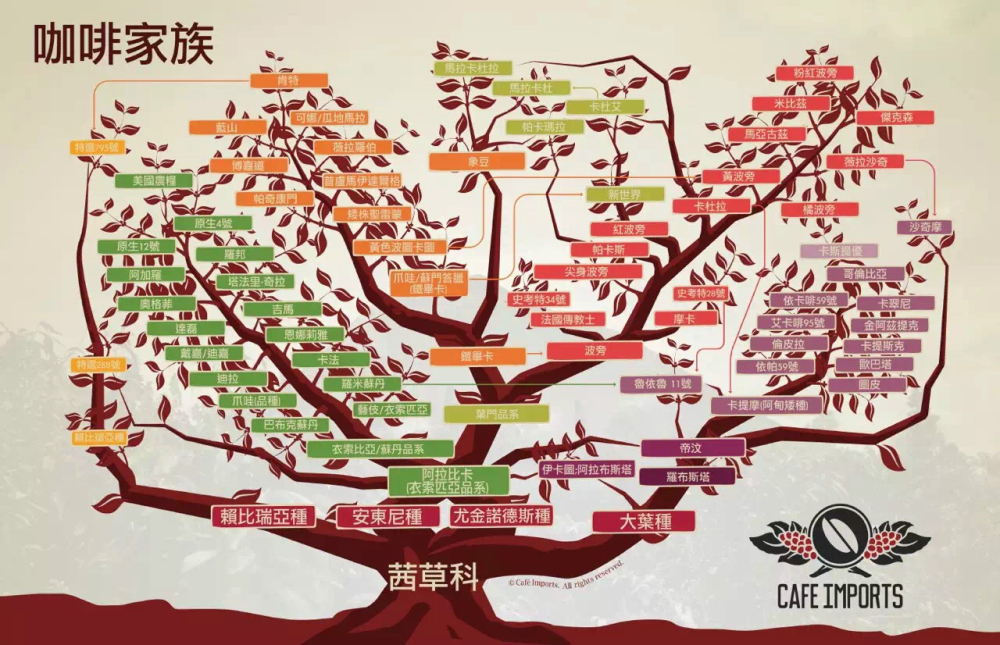
The Geisha variety was first discovered in the forests of the Gesha region of Ethiopia in 1931, making it a member of the Arabica family (of the Ethiopian lineage). Geisha seedlings were later transferred to research institutes in Kenya, Uganda, Tanzania, and other countries for trial cultivation. In 1953, the variety arrived at the Tropical Agricultural Research and Higher Education Center (CATIE) in Costa Rica, where it was recorded as T2722. Although Geisha had cultivation records on several local farms, its brittle branches and low yield won it no favor among farmers; instead it was used mainly for experiments and variety breeding, and so was never widely planted.
Starting in the 1960s, CATIE began distributing T2722 Geisha to Panamanian coffee farmers, and Geisha truly began to take root in Panama's fertile soil. From the 1990s onward, the Peterson family, owners of Hacienda La Esmeralda, turned their attention to coffee production and acquired a new high-altitude farm in Jaramillo. Many of the coffee trees there, however, were hit by leaf rust. Third-generation farm owner Daniel Peterson noticed that the Geisha trees were largely unscathed, and so decided to transplant the Geisha, which had been mixed in with other varieties, across more of the farm while raising its cultivation altitude.
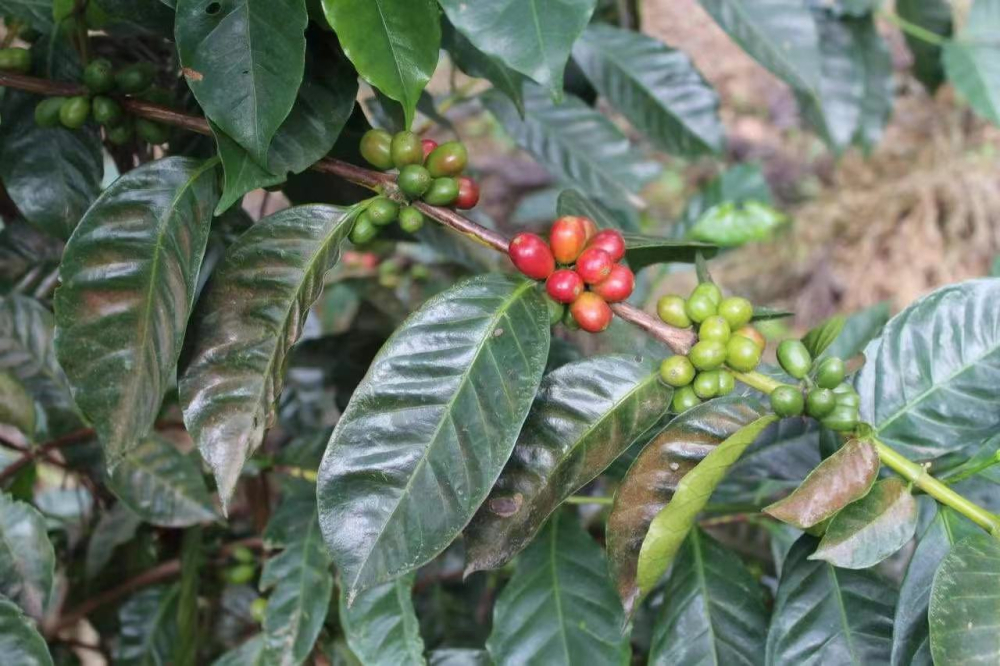
It was not until around 2000 that Hacienda La Esmeralda finally recognized Geisha's potential. When they first cupped it, they immediately sensed that unique, captivating flavor, reminiscent of refreshing fruit tea with an almost perfume-like quality. They spent several years separating out the uniquely flavored trees and tracing their origins. Then in 2004 they entered the variety in the Best of Panama (BOP) competition, where it took first place, and Geisha became famous overnight.
The Birth of Geisha Village
After the variety shot to fame, some coffee enthusiasts traveled back to the Gesha forests where Geisha was first discovered, searching for native varieties with characteristics similar to the renowned Panamanian Geisha. In 2010 they found native varieties related to Panamanian Geisha and established "Geisha Village" in the area. Although both are called Geisha, one is an outstanding variety that took 40 years to be recognized after taking root in Panama, and the plant itself keeps optimizing and changing to adapt to a region's terroir and climate. The Ethiopian Geisha varieties, by contrast, have grown alongside countless native old-growth coffee trees and never left the region, which means that genetically and in flavor they remain closer to the original Ethiopian varieties.

As the old saying goes, oranges grown south of the Huai River are sweet, while the same trees grown north bear bitter citrons. Panamanian Geisha and Ethiopian Geisha are, in effect, two different varieties.
Physical and Flavor Differences
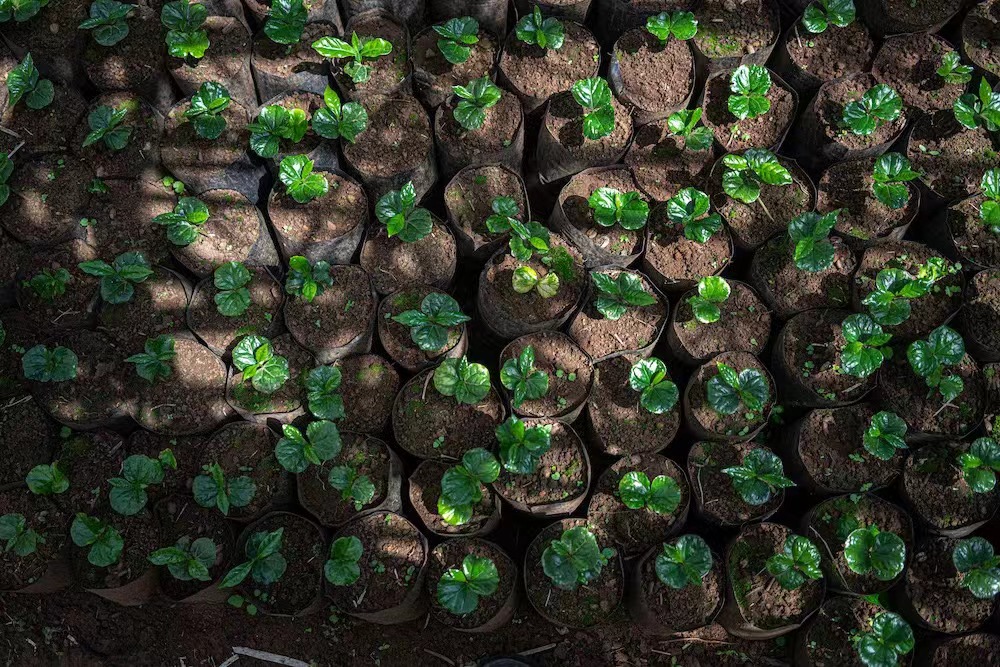
The two also differ visibly in physical form. Panamanian Geisha green beans are easier to identify: "pointed at both ends, elongated, plump and full, with large bean size." Ethiopian Geisha is "slightly smaller and not as elongated in shape."
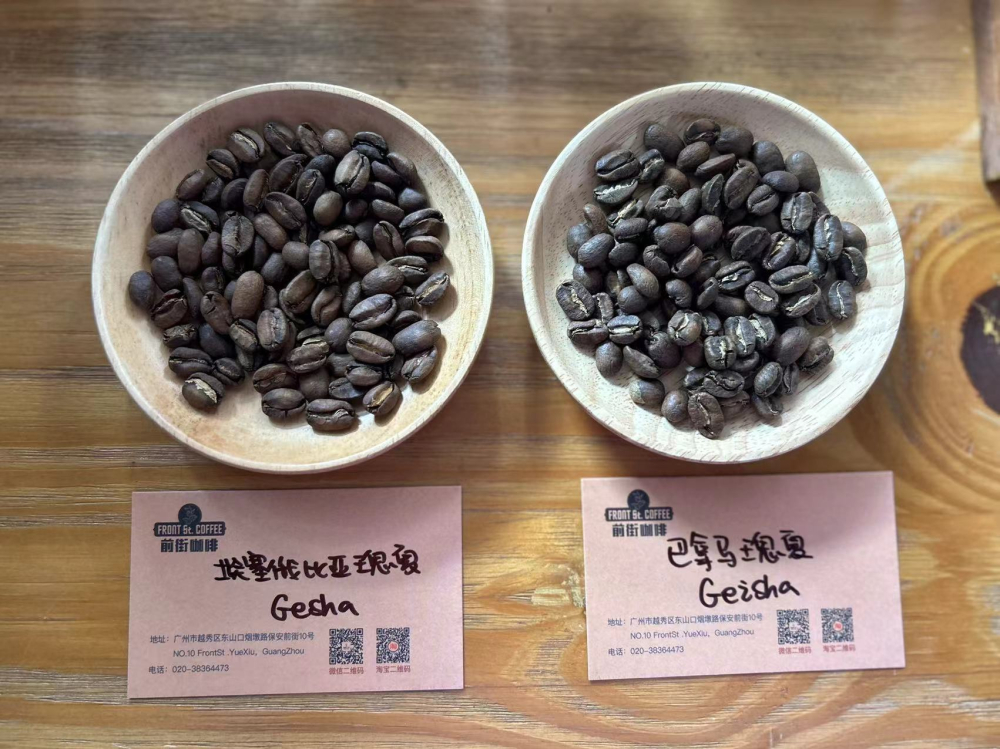
According to comparisons by FrontStreet Coffee, when both are natural processed and traceable to specific plots, the Panama Hacienda La Esmeralda Mario plot Red Label Geisha shows flavors of ripe strawberry, rose, black tea, and sweet-tart grapefruit in a floral-fruity tea profile, with berry sweetness in the aftertaste and a lingering sweet finish.
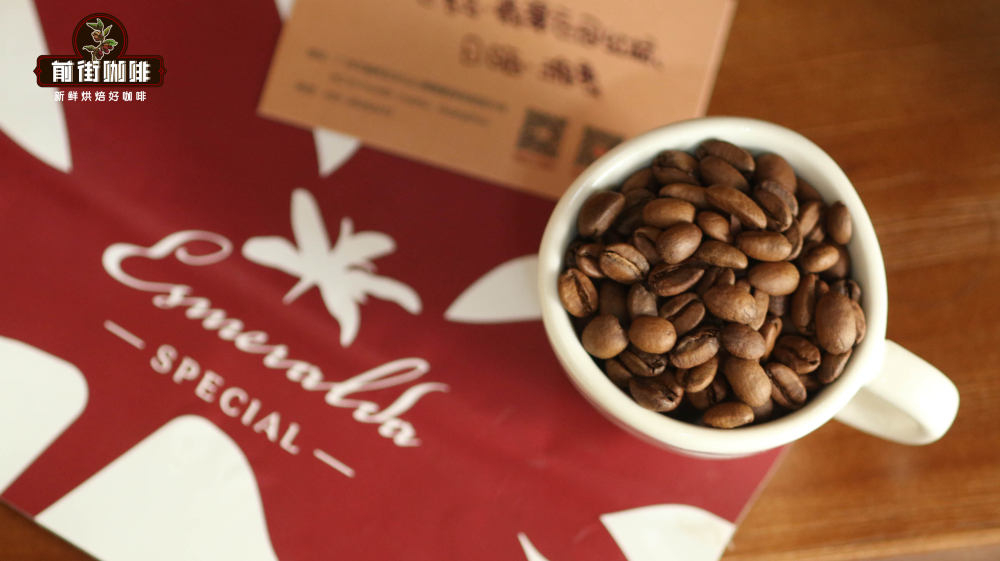
Meanwhile, the natural processed Geisha from Ethiopia's Geisha Village Oma plot shows sweet, fragrant berry aromas, a full and rich mouthfeel with some nutty notes, and an aftertaste of muskmelon with a tea-like sensation.
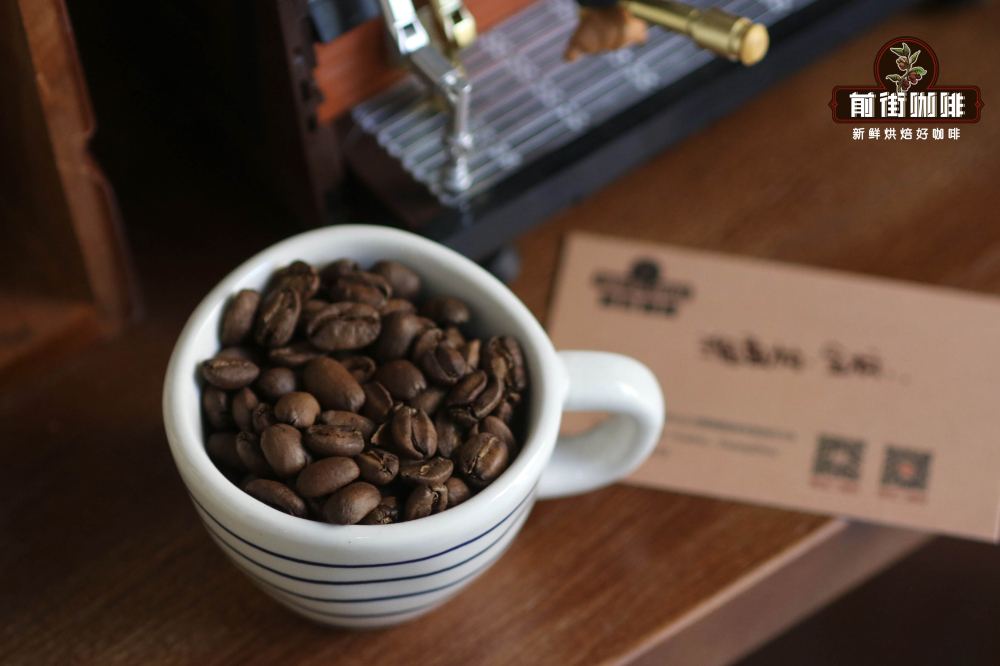
Currently, both "Geisha Village Gold Label" and "Esmeralda Red Label" on FrontStreet Coffee's menu are natural processed lots. The pricier Red Label comes from the Buenos Aires plot of Hacienda La Esmeralda's Jaramillo farm, while the Gold Label comes from the Oma plot of Geisha Village Estate.
Comparative Cupping Analysis

Setting price aside for a moment, we compared these two top-tier Geishas, each the flagship of its estate, through side-by-side brewing and tasting to see which truly excels in the cup. The brewing parameters were: 15g of coffee, EK43 grind setting 10 with an 80% pass-through rate on a #20 sieve, a 1:15 coffee-to-water ratio, 92°C water, a three-stage pour, and a V60 dripper.
Dry Aroma: The Gold Label grounds give off very bright citrus fruit aromas, a fresh orange-peel fragrance that is immediately appealing. The Esmeralda Red Label, by contrast, is dominated by round, sweet aromas of rose, preserved fruit, and apricot, with some nutty and toffee notes, emphasizing "sweetness."

Flavor: Freshly brewed, the Gold Label Geisha lifts with blueberry, sweet cherry, honeydew melon, and magnolia blossom, its bright acidity clean and elegant. As it cools slightly, a distinctive aftertaste of aged tangerine peel tea emerges. The Esmeralda Red Label smells wonderfully floral and delivers rich tropical fruit on the first sip; sipped slowly, it also reveals jasmine, cranberry, dried mango, and fruit candy. The fragrant finish is full-bodied without astringency and leaves a very comfortable impression. In a direct comparison, FrontStreet Coffee finds that the Esmeralda Red Label Geisha holds a slight edge in flavor complexity.
FrontStreet Coffee Recommendation
Geisha is the most sought-after Arabica variety precisely for its unique florals and superb sweet-tart balance, but low yield, weak disease resistance, and demanding cultivation keep prices high, so it pays to know the tiers before buying. For a first taste of classic Geisha, FrontStreet Coffee recommends the entry-level Panama Boquete Geisha: at an accessible price it delivers the classic orange-blossom-honey character of high-quality Panamanian Geisha, with an oolong-tea feel, delicate fruity sweetness, and clearly layered structure.
For the pinnacle, choose the Esmeralda Red Label Geisha (officially "Esmeralda Special"), grown at 1600-1800 meters, where every batch must cup above 90 points and every batch carries its own independent plot number so buyers can match subtle flavor differences. The more affordable Esmeralda Green Label ("Private Collection") blends lots from multiple plots to showcase the estate's signature high-altitude Geisha profile, making it the best value in the lineup. On the Ethiopian side, the Geisha Village Gold Label (Gesha 1931, just 10% of the estate's output, delicate natural process) and Geisha Village Red Label (Gori Gesha, 15% of output, scoring 88 or above on the SCA 100-point scale, fully traceable single-terroir lots) are the picks for advanced drinkers.
Brewing tip: Geisha is a medium-light roast with a hard, dense bean that tends to sink and clog the dripper, so grind for a 78% pass-through on the Chinese-standard #20 sieve (about the size of fine granulated sugar) and use water at 91°C. FrontStreet Coffee brews it with 15g of coffee in a small Hario V60 at a 1:16 ratio using a three-stage pour: bloom with 30g of water for 30 seconds, pour in small circles up to 125g, wait until the bed drains to half, then pour in small circles up to 225g. Total extraction time is around 2:10-2:20.
Important Notice :
FrontStreet Coffee is a long-established specialty coffee roaster in Guangzhou China, selling freshly roasted beans from its own farm in Yunnan as well as dozens of carefully selected single-origin beans from around the world for both pour-over and espresso. The products deliver consistently excellent quality and great value, with shipping within 24 hours. Guangzhou's FrontStreet Coffee shop is recommended by many coffee lovers, and the beans are now available online at the Tmall 。
FrontStreet Coffee has moved to a new address:
FrontStreet Coffee Address: 315,Donghua East Road,GuangZhou
Tel:020 38364473
 Scan and follow the En Gafei WeChat official account. Please indicate that the reprint comes from "En Gafei".