How to Drink Robusta Coffee and Introduction to Robusta Coffee Bean Origins
How to Drink Robusta Coffee
Robusta has at times been rated as tasting worse than even the lowest-grade Brazilian Santos coffee. Drink it straight and it can be rough — but added in small amounts to an Arabica blend, it boosts body and crema without masking Arabica's pleasant flavors.
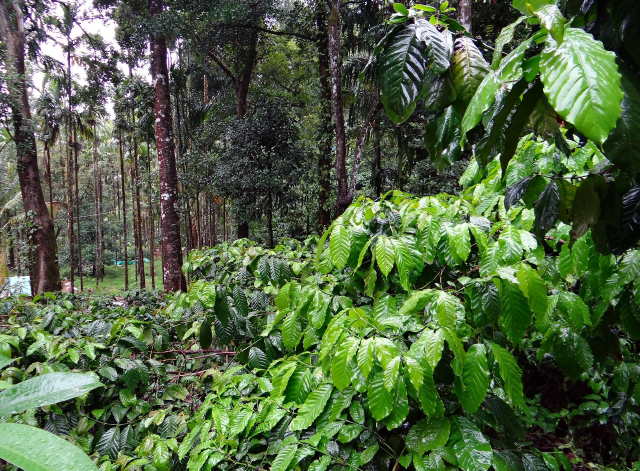
Robusta falls short of Arabica in acidity and sweetness, but its high concentration and intense bitterness are exactly what industrial coffee applications demand. It's also a survivor: strongly disease-resistant — particularly against coffee's greatest enemy, leaf rust — and high-yielding, which is why it's widely used in hybrid breeding and instant coffee production.
And some specialty-grade Robusta lots now earn their place in espresso blends purely to enhance body and richness.
Major Production Regions & Annual Output
Robusta accounts for 30-40% of world coffee production, grown primarily in Vietnam, Indonesia, Côte d'Ivoire, and Brazil. In recent years Brazil has committed heavily to Robusta, which now makes up 30% of its total output — surprisingly, Brazil has become a major producer vying with Vietnam for the top spot.
These regions typically sit at low altitudes with hot, humid climates — conditions where coffee trees grow and fruit without worry, but where diseases and pests also thrive. The less hardy Arabica simply cannot grow healthily in such environments.
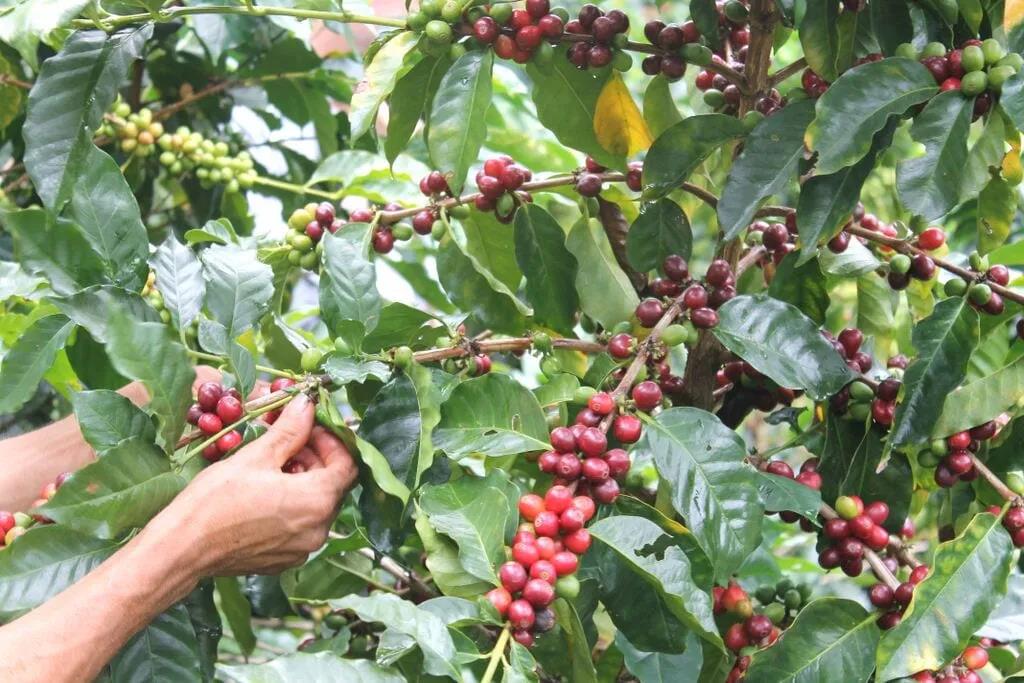
Robusta is a natural variety from West Africa, suited to lower altitudes and higher temperatures. Its adaptability is extraordinary: it shrugs off harsh climates and pests, needs minimal care in land preparation, weeding, and pruning, and can even grow wild. It is, by any measure, an easy tree to cultivate.
The secret to its hardiness is also the secret to its bitterness: Robusta is loaded with chlorogenic acid, intensely bitter. No pest wants anything to do with that flavor — and it's also why Robusta tastes far more bitter than Arabica. That same high chlorogenic acid content suppresses many of the desirable flavors we prize in coffee.
Why Is Robusta So Bitter?
Having established the gulf between Arabica and Robusta, a natural follow-up: what about the differences between Typica and Bourbon, both Arabica varieties? FrontStreet Coffee dug into the literature and found that, genetically and compositionally, there is almost nothing between them.
Still, raw-bean composition differs slightly, which does shape roasted aroma — but nothing on the scale of the Arabica/Robusta divide. The two are academically distinct species, as different as a mandarin and a grapefruit, with clearly different compositional balance — so their substantial taste differences are no mystery.
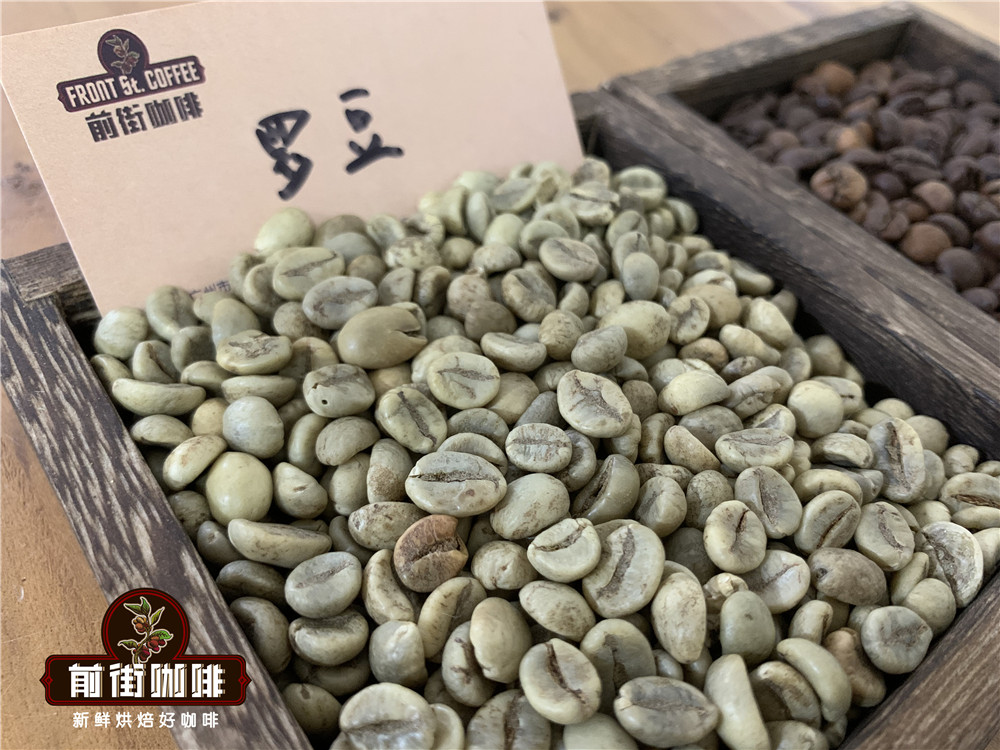
Scholarly analysis pins Robusta's bitterness on four sources:
① Caffeine — one of the refreshing bitter components;
② Chlorogenic acid — the source of coffee's body, bitterness, and astringency;
③ Proteins and amino acids — the source of the strong bitterness reminiscent of dark beer and chocolate;
④ Low fructose content. Fructose normally rounds bitterness out with gentle acidity and mellow sweetness, but in Robusta it's nearly absent. Acidity is barely perceptible, so the bitterness has no softening counterweight — the intense bitterness simply dominates, leaving a monotone, bitter-only cup.
Specialty Robusta
Cheap and rough as much of it is, not every Robusta bean is doomed to low quality.
In fact, India, Indonesia, and Vietnam all hold competitions and auctions to identify specialty lots among Robusta. And the judges on this stage aren't Q Graders but R Graders (Robusta Graders) — Q Graders are Arabica certifiers recognized by the Specialty Coffee Association of America (SCAA); R Graders are their Robusta counterparts.
In recent years, Liberica from the Philippines and Malaysia has begun entering the Japanese market as well, with taste evaluations split between supporters and skeptics — a genuinely personality-driven coffee.
Well-cultivated, well-processed Robusta can hold onto its high-body, low-acid character while showing pleasant notes of barley tea, nuts, and caramel. At the 2022 World Barista Championship, Japan's Takayuki Ishitani brewed a blend of Panama Hartmann Geisha and Vietnamese specialty Robusta — subverting an entire generation's definition of what specialty coffee can be.
Robusta may never match Arabica for flavor nuance, but its powerful body gives coffee a solid, rich texture. Brewed alone it can be unpleasant; in a blend, specialty Robusta is an excellent partner.
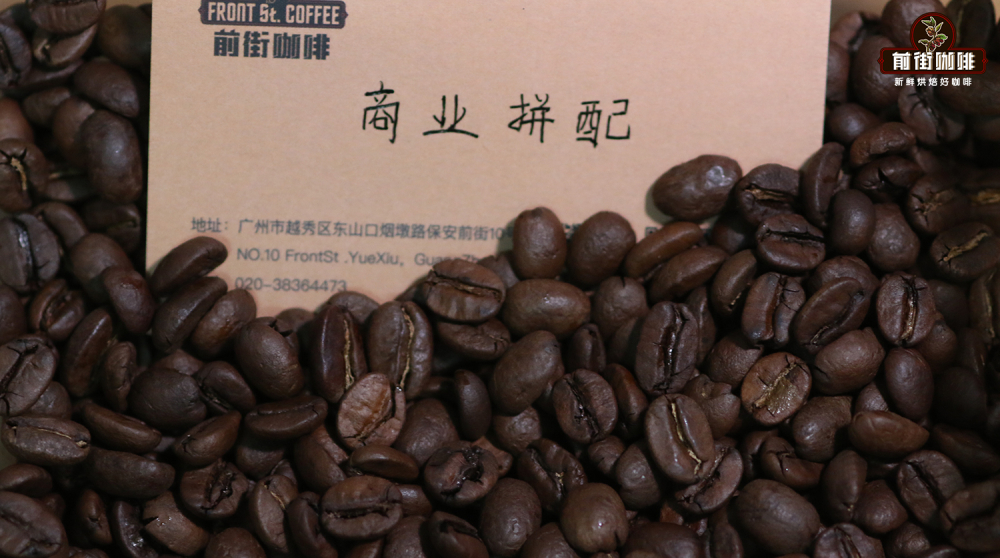
FrontStreet Coffee's espresso lineup includes a "Commercial Blend" made of 60% Brazilian Arabica + 30% Colombian Arabica + 10% Vietnamese Robusta. The Brazilian beans lay down the mixed-nut backbone, Colombian berry and caramel notes enrich the layers, and the small dose of Vietnamese Robusta lifts body and crema.
FrontStreet Coffee Recommendation
Because Robusta blends lean on Brazil, it helps to know what Brazilian beans bring to a cup. Brazil is the world's largest coffee producer, and its beans offer moderate acidity with an excellent balance of sweetness, bitterness, and body — ideal for medium roasts that coax out nutty aromatics and a mellow, faintly tart cup, working equally well as single origin or in blends.
If you want to taste Brazil on its own, try FrontStreet Coffee's pulped natural Cerrado Red Bourbon: a classic Brazilian single origin from a region famed for quality, medium roasted to reveal creamed peanut, toasted bread, caramel, and hazelnut aromas — round, non-acidic, with a light bitter edge — and versatile across pour-over, moka pot, espresso SOE, siphon, or French press. For something rarer, our Fazenda Rainha (Queen Estate) Yellow Bourbon from Mogiana grows in rich red volcanic soil near southern Minas; a genetic mutation of Red Bourbon with cleaner fruit character, it offers a sugarcane sweetness no other origin quite matches, alongside fruit and chocolate notes.
Brazil's low acidity, balance, and friendly price also make it the backbone of many espresso recipes: the crema-rich Classic Blend, the nutty Premium Blend, the barista-favorite Black Cocoa Blend, and the shop-oriented Commercial Blend (the 60/30/10 Brazil-Colombia-Vietnam formula above) all contain Brazilian beans — adding chocolate and cream aromas, soft sweet-sour-bitter balance, and the extraction stability that balance provides.
Important Notice :
FrontStreet Coffee is a long-established specialty coffee roaster in Guangzhou China, selling freshly roasted beans from its own farm in Yunnan as well as dozens of carefully selected single-origin beans from around the world for both pour-over and espresso. The products deliver consistently excellent quality and great value, with shipping within 24 hours. Guangzhou's FrontStreet Coffee shop is recommended by many coffee lovers, and the beans are now available online at the Tmall 。
FrontStreet Coffee has moved to a new address:
FrontStreet Coffee Address: 315,Donghua East Road,GuangZhou
Tel:020 38364473
 Scan and follow the En Gafei WeChat official account. Please indicate that the reprint comes from "En Gafei".