Colombian Huilan Coffee Beans Flavor Profile - Huilan Region Washed Coffee Pour-Over Taste
For professional coffee knowledge exchange and more coffee bean information, follow Coffee Workshop on WeChat (public account: cafe_style).
Colombia is currently the world's third-largest coffee producing country, and its coffee could be described as the archetype of the American coffee flavor. With its captivating nutty and cocoa notes, balanced mouthfeel and rich aroma, it is deeply loved by coffee enthusiasts around the world. In this article, FrontStreet Coffee shares what you need to know about Colombian coffee beans.
Colombian Coffee Cultivation History
The history of coffee cultivation in Colombia reaches back to the Spanish colonial era in the 16th century. Several stories surround coffee in Colombia:
One theory holds that coffee arrived by sea from the Caribbean island of Haiti, via El Salvador in Central America.
Another account states that in 1808 a priest first brought coffee beans to Colombia from the French Antilles by way of Venezuela. One of the earliest batches of Colombian coffee seeds entered through Santander Province from Venezuela.
A third version points to the earliest record of Colombian coffee cultivation in The Illustrated Orinoco by the Spanish missionary Jose Gumilla. He described his experiences while preaching along both banks of the Meta River in 1730 and mentioned local coffee plantations. By 1787 other missionaries had spread coffee to other parts of Colombia.
Colombian Coffee Bean Grades
When people think of coffee, many picture Colombia, the world's largest exporter of washed coffee. In reality, although all coffee comes from Colombia, quality varies widely. Most of the coffee we see carries labels such as "supremo" or "excelso," which are Colombia's internal bean grading standards. Many domestic merchants translate these as "premium" or "high-quality," but in fact they indicate bean size only and have no direct relationship to flavor or overall grade. Supremo beans are more uniform in shape with larger particles, while excelso beans are slightly smaller and less uniform. This does not necessarily mean that excelso-grade beans taste inferior to supremo.
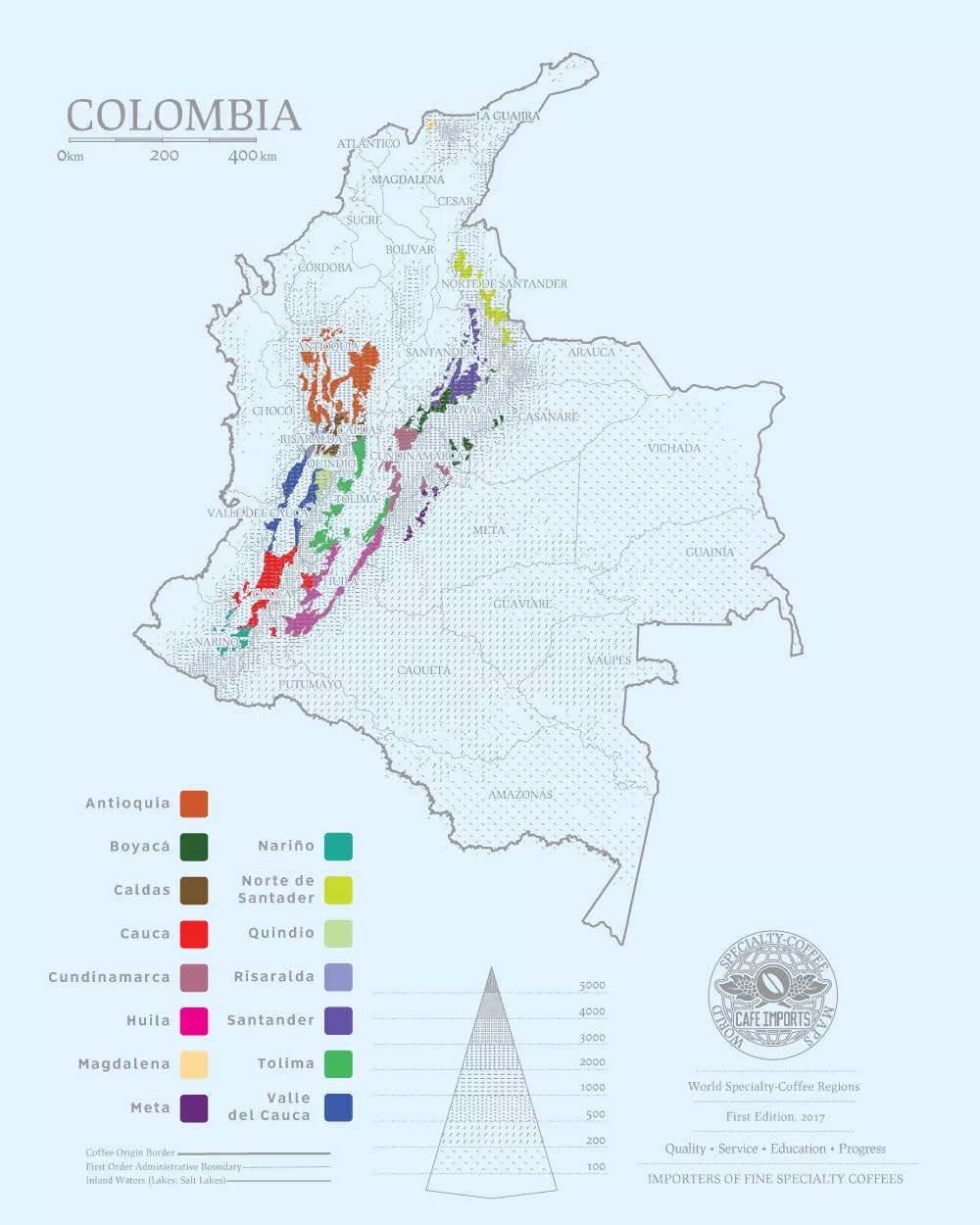
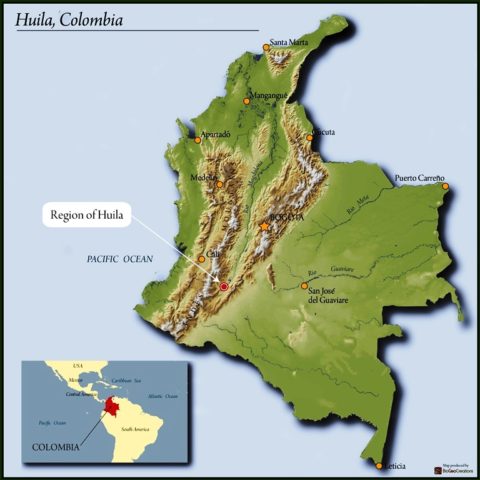
For this reason, Huila coffee beans seem to represent high-quality Colombian coffee in the minds of many coffee drinkers in China. Huila is one of Colombia's important coffee producing regions. Some merchants transliterate it as "Huilan," "Hui Lan," "Uila," "Wula" or "Hula," but they all refer to the same place — phonetic renderings of Huila.
Although Colombia produces high-quality coffee, not all Colombian coffee is necessarily high quality, and the same applies within Huila. Huila is an important producing region, but not every bean from Huila is of high quality. Many producers nevertheless use the Huila name to sell coffees of differing quality under one label. Here, quality means flavor and taste distinctions, not appearance.
Colombian Coffee Bean Growing Environment
Steeped in coffee, Colombia is now the world's third-largest coffee producer and exporter. Colombian coffee is renowned worldwide for its premium quality, smooth texture and high-grade character. All of this depends on Colombia's suitable climate, which gives coffee a true "natural pasture."
Colombia's coffee varieties are predominantly high-quality Arabica. Colombian coffee trees are grown mainly in the Andes Mountains, on steep slopes at altitudes around 1,300 meters. Temperatures there stay near 18°C year-round, with annual rainfall of 2,000-3,000 millimeters. These conditions suit coffee extremely well, and combined with a mild climate, humid air and the ability to harvest without seasonal restrictions, they explain why Colombian coffee is of superior quality and enjoys a premium reputation worldwide.
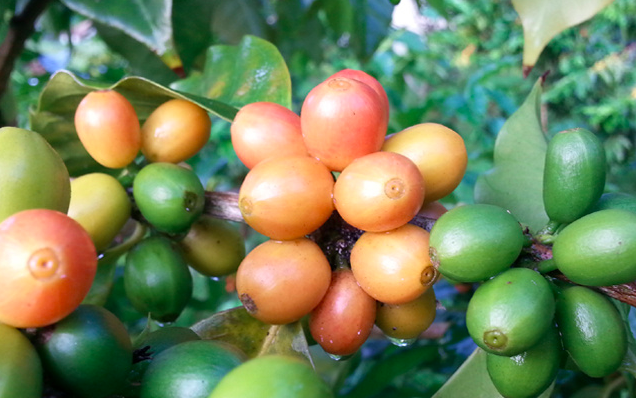
In Colombia, the most important cultivation area is the Huila region in the southwest. Huila has mountainous terrain, and coffee is grown on valley slopes that provide high altitudes suited to quality Arabica as well as appropriate temperatures. The valley-slope climate keeps cold winds out while delivering cool mountain breezes without excessive heat, and rainfall is relatively abundant. It is, one could say, an exceptionally blessed coffee-growing area. Colombian coffee workers climb the mountains to hand-pick the coffee fruit (also known as coffee cherries), allowing careful selection of the ripest, plumpest fruit. Most beans are washed processed. After a medium roast they brew into a light, silky cup, sometimes with a touch of acidity, unlike the bold flavors of Brazilian coffee or Italian espresso. In Colombia it is hailed as "green gold."
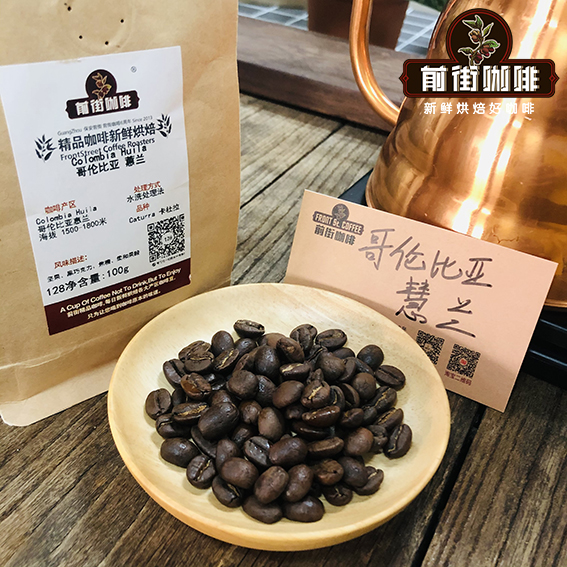
FrontStreet Coffee Colombian Huila Coffee Beans
Region: Huila
Variety: Caturra
Processing Method: Washed
Flavor: Rich acidity, caramel, sweet nuts and chocolate, with red wine notes and admirable fruity flavors.
Texture: Full viscosity, caramel sweetness, smooth and pleasant fruit acidity.
Roast Level: Medium-Dark Roast
FrontStreet Coffee Brewing Suggestions
Dripper: KONO dripper
Water Temperature: 86-87°C
Coffee Amount: 15 grams
Coffee-to-Water Ratio: 1:15
Grind Size: BG#6w
FrontStreet Coffee Brewing Technique Suggestions
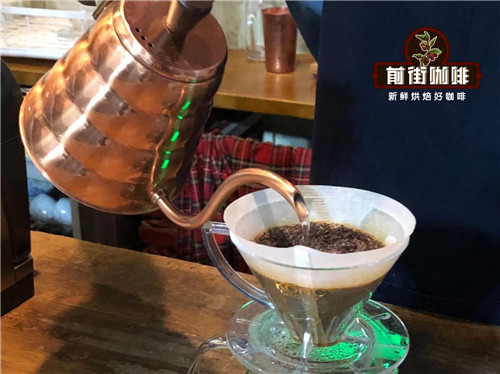
Segmented Extraction
For the first pour, use 30 grams of water for the bloom, with a blooming time of about 30 seconds. For the second pour, continue until reaching 125 grams of water, then wait until the water level drops to just before exposing the coffee bed. Continue with the third pour until reaching 225 grams to finish. Remove the dripper when the water level drops to just before exposing the coffee bed (timing starts from the bloom). Extraction time is 2'00".
FrontStreet Coffee Flavor Description: Overall well balanced with noticeable sweetness. Black chocolate, nuts and caramel on entry, with gentle fruit acidity as the cup cools.
For more specialty coffee beans, please add FrontStreet Coffee on private WeChat: kaixinguoguo0925
FrontStreet Coffee Recommendation
To taste Colombian coffee at its most classic, FrontStreet Coffee's washed Huila is an excellent starting point. Roasted medium-dark, it puts black chocolate and sweet nuts up front with a moderate body and a mellow mouthfeel, and it is just as comfortable in a pour-over or French press as it is extracted through a moka pot or espresso machine for an Americano or latte. If you would rather explore Colombia's more experimental side, FrontStreet Coffee's Finca La Frontera Sidra is anaerobically natural processed, developing passion fruit, grape and apricot notes that shine in a pour-over, cold brew or moka pot.
Colombian beans also give FrontStreet Coffee's signature espresso blend its dark cocoa bittersweetness, balancing the creamy nuttiness of Brazilian coffee for a rich, smooth latte that is very forgiving for beginners.
Important Notice :
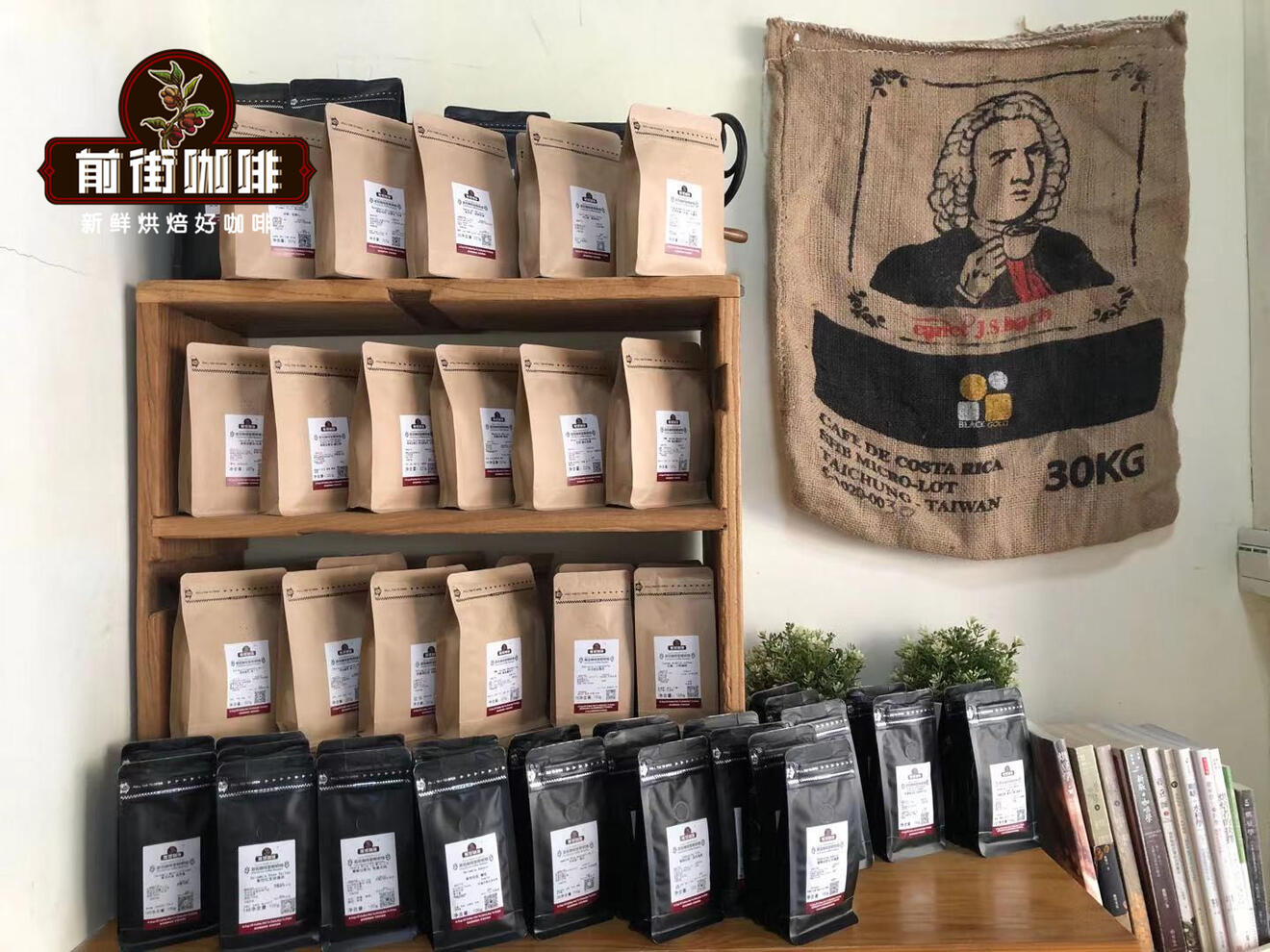
FrontStreet Coffee is a long-established specialty coffee roaster in Guangzhou China, selling freshly roasted beans from its own farm in Yunnan as well as dozens of carefully selected single-origin beans from around the world for both pour-over and espresso. The products deliver consistently excellent quality and great value, with shipping within 24 hours. Guangzhou's FrontStreet Coffee shop is recommended by many coffee lovers, and the beans are now available online at the Tmall 。
FrontStreet Coffee has moved to a new address:
FrontStreet Coffee Address: 315,Donghua East Road,GuangZhou
Tel:020 38364473
 Scan and follow the En Gafei WeChat official account. Please indicate that the reprint comes from "En Gafei".