Jasmine Aroma Geisha Specialty Coffee: Grind Size, Roast Level, and Processing Method Introduction

In 2001, Panama's Hacienda La Esmeralda identified Geisha coffee in its own fields through cupping results. The variety takes its name from the Gesha forest in Ethiopia, where it was thought to have been collected. Because "Geisha" sounds the same as the Japanese word for a performer, the variety is sometimes written as "Geisha coffee" in English.

Geisha originated in Ethiopia, the birthplace of coffee and its genetic heartland, where varieties are wildly abundant. That is why so many Ethiopian beans are labeled simply as "heirloom varieties" when it comes to cultivar. The Geisha variety was discovered in Ethiopia's Geisha forest in 1931. Locally it attracted little attention and was used as a windbreak until Hacienda La Esmeralda in Panama took an interest. From there it was sent to the Coffee Research Institute in Kenya, introduced to Uganda and Tanzania in 1936, to Costa Rica in 1953, and to Panama in 1970. Eventually Hacienda La Esmeralda separated it from other varieties, entered it in competition, and took the BOP championship in 2004. Fame came overnight, and that is how Geisha became a standout in specialty coffee.
Although Panama's Geisha was introduced and cultivated from Ethiopian stock, it still differs from Ethiopian Geisha in both variety and flavor. Geisha's delicate character depends on specific growing conditions: it is demanding about its environment and needs high altitude, cloud cover or generous shade, and fertile soil. High-altitude Geisha shows distinct floral aromas and a refined, elegant fruit acidity, which is why Panama's growing conditions are a major part of the variety's fame and its global popularity.
Once Panama Geisha became famous, growers around the world began to research and cultivate it, including estates within Panama itself. The Geisha beans FrontStreet Coffee sources come not only from Hacienda La Esmeralda in Panama but also from Colombia and Costa Rica, and of course Ethiopia. FrontStreet Coffee already carries over a dozen single-origin Ethiopian coffees and more than 50 single-origin beans from around the world.

Here is how those Geisha coffees differ.
Colombian Geisha Coffee
The "Flower Viewing" coffee FrontStreet Coffee sourced for this release is a blend of Geisha, Caturra, and Catuai. The estate originally planted Caturra and Catuai; in 2016 the owner and his team introduced Geisha from Panama, saw their first harvest in 2020, and reached commercial production in 2021. That makes this the first time Monte Blanco Estate has sold Geisha beans to the market.
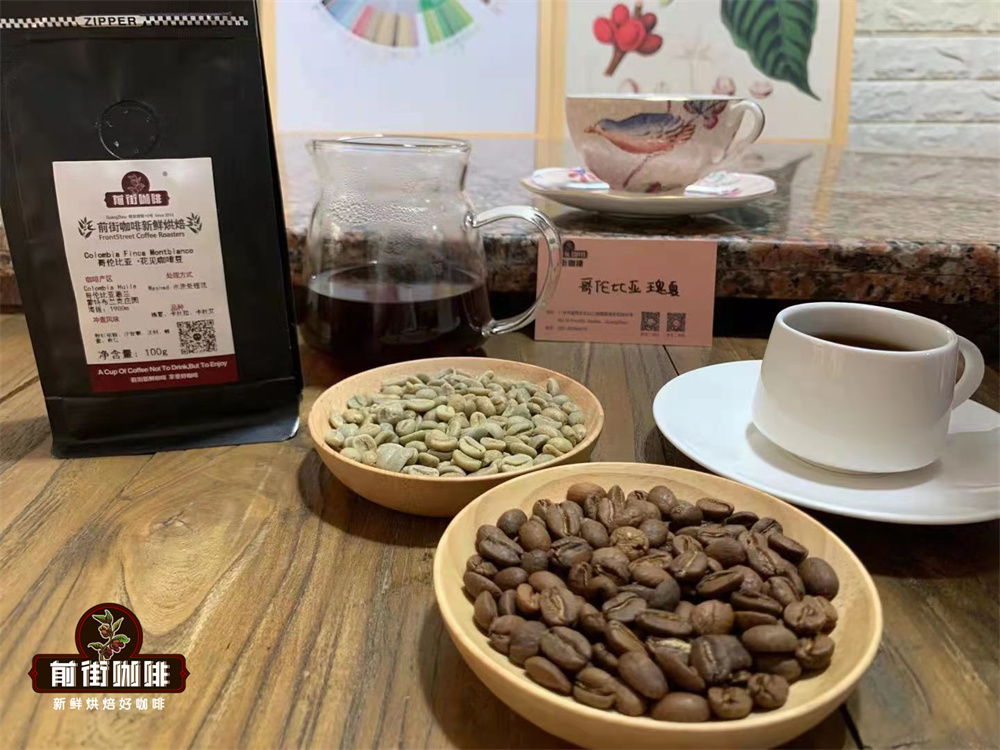
The Herrera family of "Hope Farm" in Colombia introduced Geisha from Hacienda La Esmeralda in Panama in 2007. The early attempts failed, but after years of experimental cultivation they took first place in the Coffees of the Year competition held by the Specialty Coffee Association of America in Houston in April 2011.
FrontStreet Coffee's Colombian Flower Viewing flavor characteristics: red pepper, chamomile, citrus, honey, almond.

Costa Rican Geisha
Costa Rican Geisha is also well known. Geisha reached Costa Rica in 1953, even earlier than Panama. Panama's introduction began in the 1970s, when Mr. Francisco Serracin of Don Pachi Estate obtained seeds from CATIE in Costa Rica and started cultivating Geisha. Yields are extremely low and the coffee is sold at auction, so this bean is genuinely hard to obtain.
Costa Rica's coffee regions offer fertile volcanic ash, mild and suitable temperatures, and steady, abundant rainfall, all important to producing excellent coffee. The country has grown coffee for nearly two hundred years, and as a major economic crop the industry is highly mature. Many new estates have since been established, most with the resources and the willingness to cultivate Geisha. The Mirasu Geisha blend, as the name suggests, is mainly 50% Geisha; beyond Geisha it also includes ET47, SL28, and MAICO varieties.
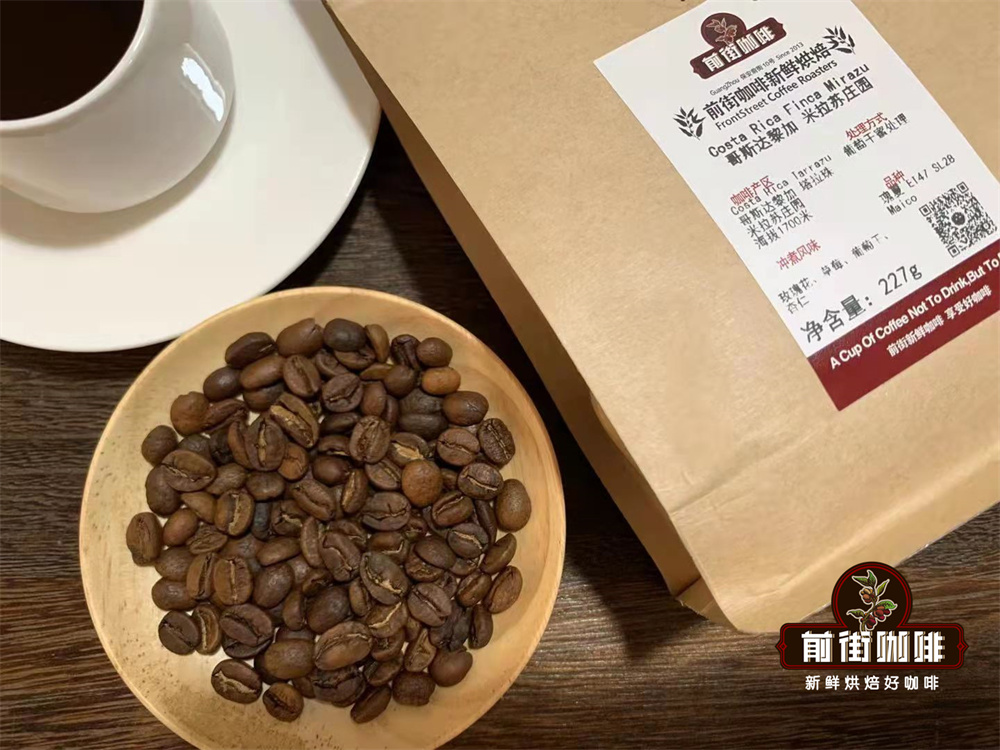
In FrontStreet Coffee's Mirasu Geisha blend, the Geisha component provides the jasmine aroma while the other varieties enrich the strawberry-berry fruit. The raisin honey processing method lifts the sweetness further.
FrontStreet Coffee's Costa Rica Mirasu flavor characteristics: jasmine aroma, sweet raisin flavor and strawberry-candy sweetness on the entry, nutty cream-like mouthfeel.
Ethiopian Geisha Coffee
Ethiopia is the birthplace of coffee. The Geisha variety was discovered there in 1931 and gradually spread to the Americas and beyond, which makes Ethiopia one of the most noteworthy Geisha origins alongside Panama. Unlike Panama and other American countries, though, Ethiopia has countless varieties grown mainly by smallholders, so it is nearly impossible to distinguish Geisha in the field; most is exported as "heirloom varieties." Adam and Rachel, owners of Geisha Village Estate, began their search in 2008 and after three years found an environment suited to coffee in high-altitude tropical rainforest between 1900-2100 meters, with a suitable climate, fertile forest soil, and long-established forest. With guidance from Mr. William, the "Godfather of Geisha," Geisha Village coffee has gone on to strong results in world competitions.
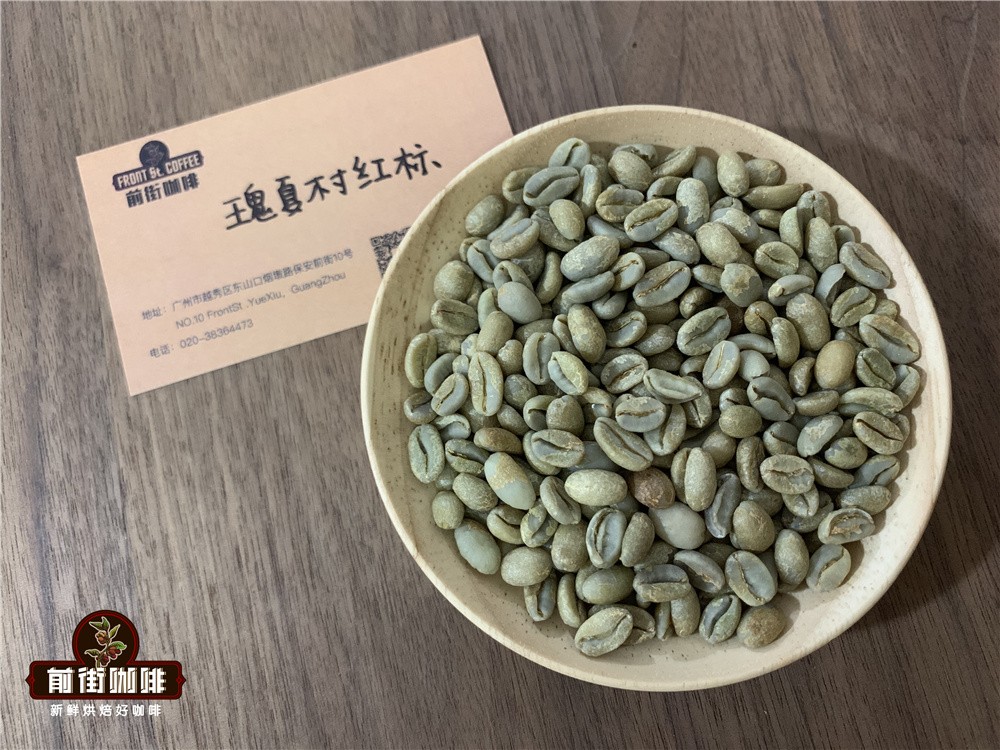
Geisha Village Estate is unlike most Ethiopian farms: not a smallholding but a large estate of over 400 hectares, with its own washing station and laboratory, located in the southwest near the Sudan border. The farm is divided into 8 zones with 3 main Geisha varieties. Its Geisha selection comes from native coffee forest 20 kilometers from the estate, which is also the origin of Panama's Geisha.
Geisha Village's Geisha differs in flavor from Hacienda La Esmeralda's. La Esmeralda's washed Geisha typically shows delicate florals, tea-like qualities, and almond-nut tones, while its natural Geisha often shows rich fruit, subtle florals, and, as it cools, ginger flower and citrus. Geisha Village coffee is built mainly on yellow stone fruit, reminiscent of yellow peach, with medium-to-high sweetness, and the better batches even show toffee.

Hacienda La Esmeralda
In 1964 American banker Rudolph Peterson retired, moved to Panama, and bought Hacienda La Esmeralda in Boquete, initially to run dairy operations. Later his son Price resigned from medicine to help manage the farm. In 1987 they introduced Caturra and Catuai, and in 1994 they built a washing station, giving the farm its own processing facility. In 1996 they acquired the nearby Jaramillo Estate, which had superior geography and good original varieties, and folded it into Hacienda La Esmeralda.

Jaramillo caught the Petersons' attention precisely because its coffee carried pleasant orange and floral-fruit aromas unlike the usual taste of Panamanian coffee. After cupping beans from different parts of the estate, they found that an unknown coffee tree growing at the estate's highest point was responsible. Because it yielded so little, the previous owner had used it as a windbreak. The Petersons decided to cultivate and propagate the trees in that area separately. After winning the Best of Panama BOP in 2004, the success was astonishing. Expert identification later confirmed the bean was Ethiopian Geisha. The Peterson family then put most of its energy into the infrastructure needed for excellent lot separation and fine processing.
Hacienda La Esmeralda Geisha Grades
After years of experimentation, Hacienda La Esmeralda found that only Geisha grown above 1400 meters altitude shows the delicate flavors it expects. The estate therefore classifies its Geisha into three grades, mainly by planting altitude and secondarily by actual cupping results: Red Label, Green Label, and Blue Label. In the first half of that year the estate announced the cancellation of the Blue Label brand. In the second half, FrontStreet Coffee came across a Geisha called "Las Rocas" (volcanic rock) on the market; after investigation and cupping, it proved to come from Hacienda La Esmeralda and to taste very much like the former Blue Label.
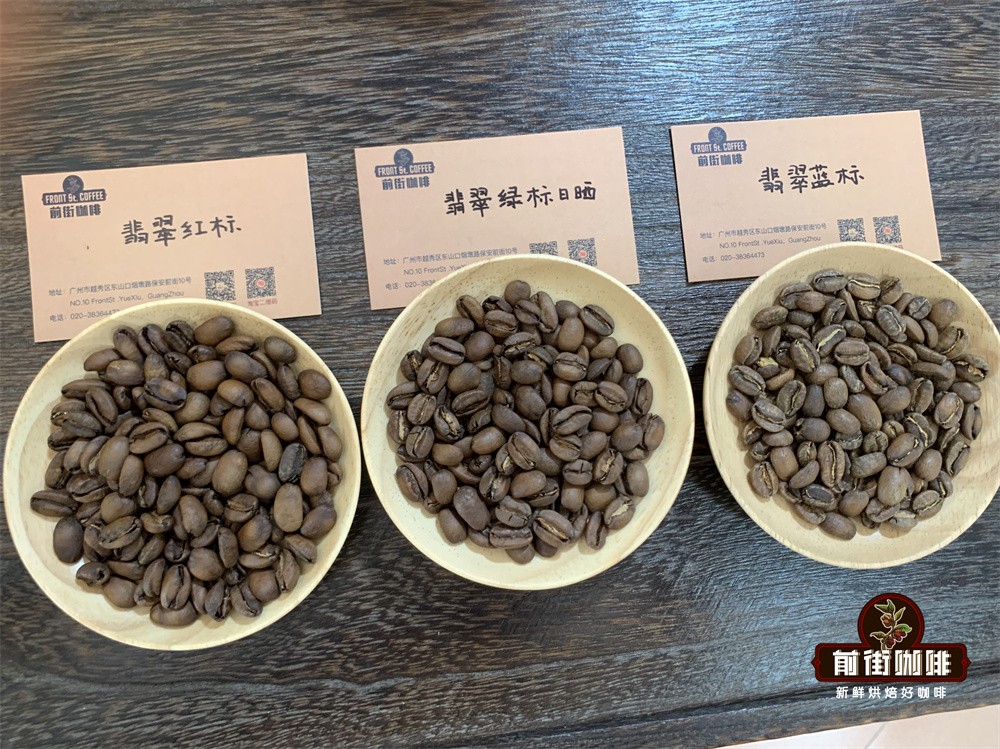
Red Label Geisha
The specially selected Geisha from La Esmeralda is what is commonly called Red Label. It uses Geisha planted at 1600-1800 meters, with cupping scores above 90 points, produced in the Jaramillo and Canas Verdess regions. The estate's independent auctions feature only the designated-plot Geisha batches entered as auction Red Labels. Non-auction Red Labels also exist on the market today: selected from the same plots but not entered in the auction, then released. Variety quality is identical; only the price differs.

FrontStreet Coffee has sourced natural-processed Red Label Geisha from the Jaramillo plot. This grade is processed either naturally or washed, and features bright, distinctive florals and citrus. The natural version has even more complex aromas and outstanding sweet-tart balance. If you want top-tier Geisha flavor at a premium price, La Esmeralda's natural Red Label is the classic choice: natural processing intensifies the Geisha character and leaves a fragrance that lingers long after drinking. The La Esmeralda Red Label on FrontStreet Coffee's shelf comes from the same Jaramillo farm as the beans that won the 2004 BOP championship.
Green Label Geisha
Private Collection, commonly known as Green Label, consists of non-competition batches: Geisha that does not enter auctions but is still of excellent quality. It uses Geisha planted at 1600-1800 meters, produced from micro-lot blends across plots including Jaramillo and Canas Verdess. Although it does not reach Red Label level, it still carries the classic Geisha flavors: florals, fruit, citrus-lemon acidity, and a thick, juicy body. Green Label is available in both washed and natural.
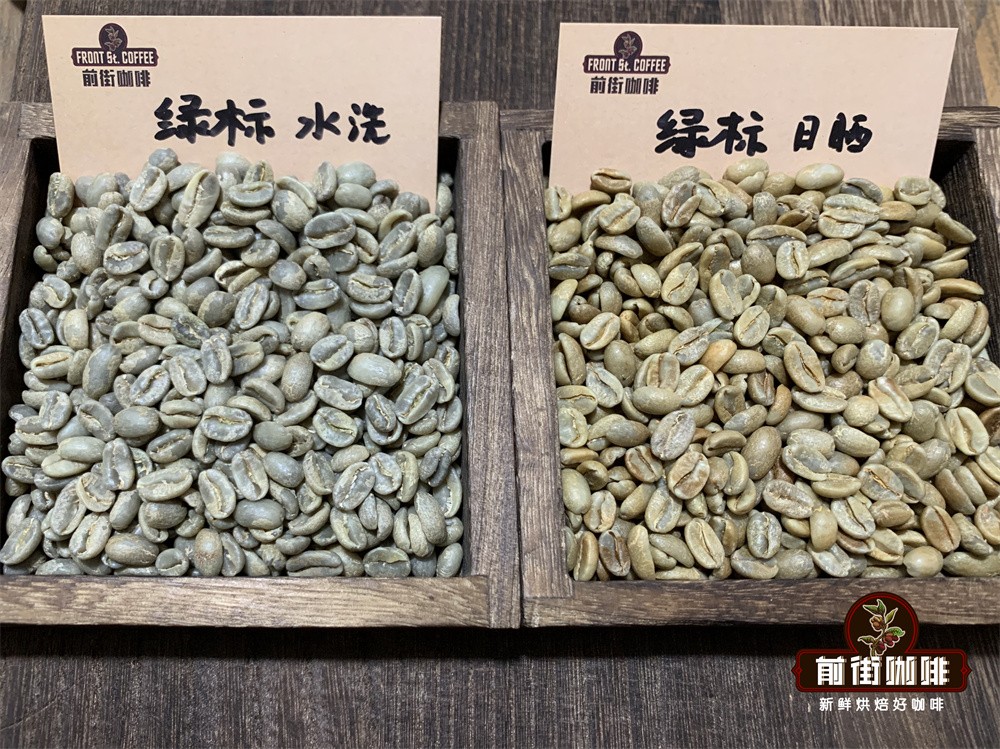
Compared with FrontStreet Coffee's natural Red Label, the washed Green Label is all freshness and elegance. The typical Geisha flavors are clearly readable and the overall character is very refreshing, much like drinking oolong tea, which makes it the value pick among La Esmeralda's Geisha offerings.
Blue Label Geisha
Blue Label uses coffee planted at 1400-1500 meters, produced from blended beans across three plots: Jaramillo, Canas Verdess, and El Velo. It shows subtle florals, fruit acidity, and sweetness, with a less full body. In earlier years Blue Label was washed only; the 2020 batch added a natural version. In 2021 Hacienda La Esmeralda canceled the Blue Label grade. Months later a Geisha called "Las Rocas" (volcanic rock) appeared, and FrontStreet Coffee's baristas found after cupping that it tastes very close to the old Blue Label.
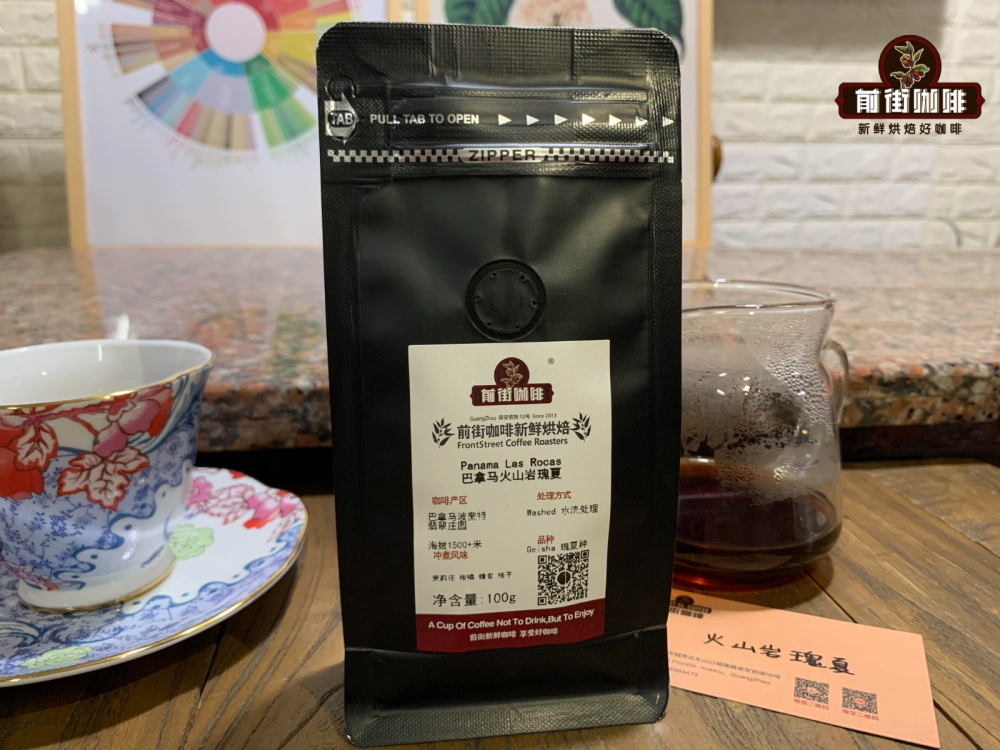
FrontStreet Coffee's washed Blue Label Geisha shows subtle florals, fruit acidity, and sweetness with a lighter body, while the natural version shows subtle florals, distinct fermentation notes, and a berry-juice mouthfeel with high sweetness. FrontStreet Coffee considers the estate's decision to add natural processing to Blue Label a clear benefit to drinkers. Previously, anyone wanting natural La Esmeralda Geisha usually had to buy the expensive Red or Green Label; the natural Blue Label lets people buy the estate's natural Geisha at a lower price and strong value.
FrontStreet Coffee Brewing Recommendations
For brewing, FrontStreet Coffee recommends freshly roasted beans to get the most out of the coffee's flavors. Every bean FrontStreet Coffee ships is roasted within 5 days, because freshness has a large effect on flavor. The roasting philosophy is "Freshly Roasted Good Coffee," so that every order arrives at its best. The resting period is about 4-7 days, which means the coffee is at peak flavor when it reaches you. Some customers prefer to have the beans ground, and that is fine, but FrontStreet Coffee reminds you that once beans are ground they should be brewed promptly: grounds oxidize quickly in air, the flavor dissipates, and the cup suffers. Grinding fresh and brewing immediately is the better way to appreciate the coffee.
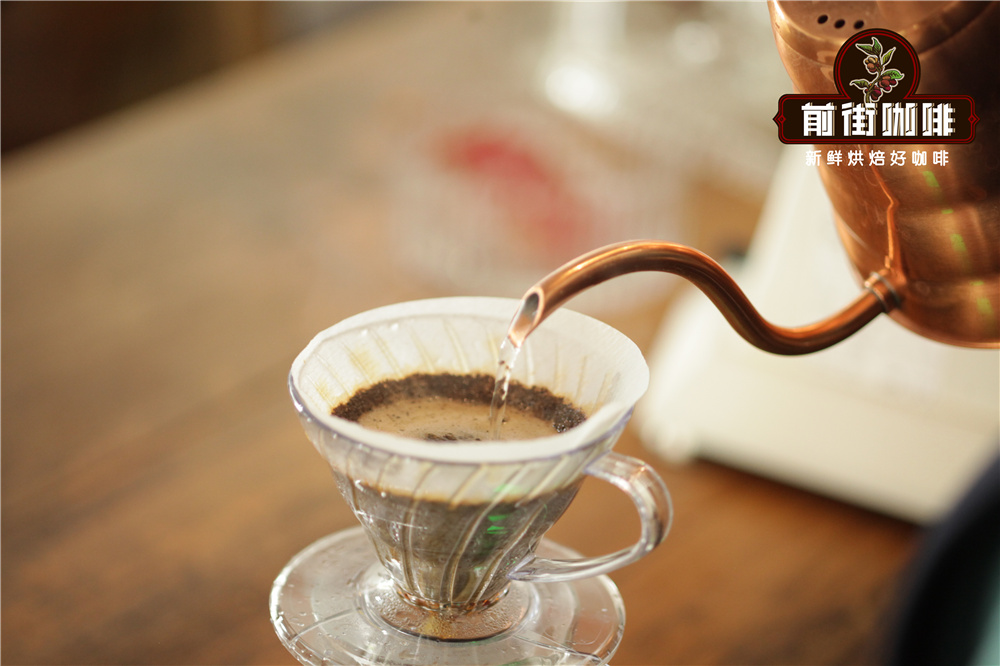
Panama La Esmeralda Estate Geisha Coffee Bean Brewing:
Dripper: Hario V60
Water Temperature: 90°C
Dose: 15 grams
Ratio: 1:15
Grind Size: Medium-fine grind (BG#6S) (No. 20 standard sieve pass rate 80%)
FrontStreet Coffee brewing method: Three-stage extraction
Use 30g of water for a 30-second bloom, then continue pouring in small circles to 125g to mark the first stage. When the water level drops and is about to expose the coffee bed, continue pouring to 225g and stop. Wait for extraction to finish, then remove the dripper. Timing starts when pouring begins, with a total extraction time of 2'00". Finally, take the whole cup, shake it well, and pour into cups for tasting.
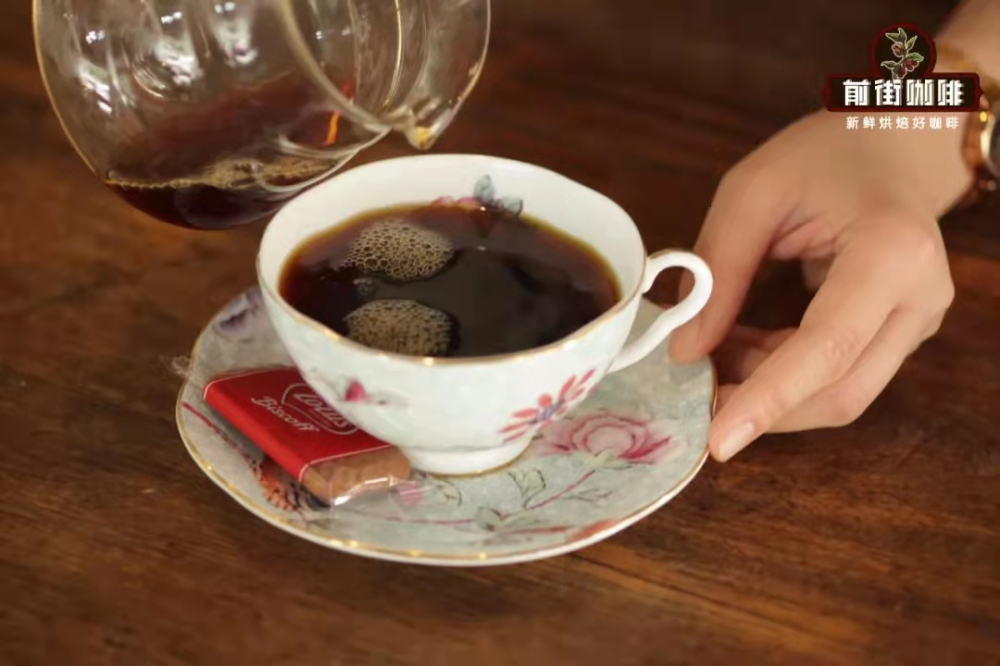
FrontStreet Coffee Hand-brewed Panama La Esmeralda Estate Geisha Flavor Descriptions
Natural Red Label: Bright rose and citrus aromas, brown rice, berries, apricot, complex fruits, honey, with a thick juice-like mouthfeel, rich layers, and distinct sweetness.
Washed Green Label: Rich jasmine on the entry, high sweetness, citrus, berries, juicy character, cream, green tea, orange peel, cantaloupe, with overall rich layers and a persistent floral and citrus finish.
Washed Blue Label: Gentle lemon and grapefruit acidity on the entry. As it cools slightly, oolong tea, honey, and cane sugar sweetness emerge, with a relatively clean and bright mouthfeel.
Natural Blue Label: Fermented aroma and fruity sweetness on the nose. On the palate, melon and tropical fruit sweetness with a juicy mouthfeel and overall very high sweetness.
FrontStreet Coffee Recommendation
Geisha rewards a careful choice of grade. FrontStreet Coffee's La Esmeralda line covers the top tier down to the everyday, and the Strawberry Candy blend offers a lower-priced way into the same floral-fruit style.
FrontStreet La Esmeralda Red Label Geisha - Geisha planted at 1600-1800 meters, cupped above 90 points, and drawn from a single named plot such as Jaramillo. The natural version is the more intense and classic expression: special, bright florals and citrus, plus a sweet-tart balance that lingers. This is the same Jaramillo terroir behind the 2004 BOP championship.
FrontStreet La Esmeralda Green Label Geisha - Also planted at 1600-1800 meters, but blended across plots rather than separated by lot, which makes it the value option. The classic Geisha markers are all present: floral, fruity, citrus-lemon acidity, and a thick, juicy body, with an overall freshness that recalls oolong tea.
FrontStreet Strawberry Candy - A blend of Costa Rica honey-processed coffee with Panama Geisha, created as a more accessible take on Geisha. It combines delicate florals with sweet fruit. It suits pour-over, moka pot, and espresso machine, and makes a refreshing cold brew, with notes of grape juice, rose, sweet orange, and fruit wine.
Important Notice :
FrontStreet Coffee is a long-established specialty coffee roaster in Guangzhou China, selling freshly roasted beans from its own farm in Yunnan as well as dozens of carefully selected single-origin beans from around the world for both pour-over and espresso. The products deliver consistently excellent quality and great value, with shipping within 24 hours. Guangzhou's FrontStreet Coffee shop is recommended by many coffee lovers, and the beans are now available online at the Tmall 。
FrontStreet Coffee has moved to a new address:
FrontStreet Coffee Address: 315,Donghua East Road,GuangZhou
Tel:020 38364473
 Scan and follow the En Gafei WeChat official account. Please indicate that the reprint comes from "En Gafei".