Panama Premium Butterfly Coffee Bean Flavor and Characteristics | Panama Butterfly Coffee Story
FrontStreet Coffee: Panama Butterfly Coffee Beans

Country: Panama
Region: Boquete, Baru Volcano area
Varieties: Catuai, Caturra, Geisha
Process: Washed
Roast Level: Medium (light-to-medium roast)
Flavor Notes: Peach, nuts, honey, green tea

Region Introduction
In Boquete, Panama, there is an exceptionally cost-effective coffee with a beautiful name: Panama Butterfly. Panama is a Central American country, bordering Costa Rica to the west and Colombia to the east. Anyone familiar with single-origin coffee knows that Panama is famous for the Geisha variety from Hacienda La Esmeralda — a country that pursues excellence in coffee and produces high-quality beans.

Panama's fame rests on the Geisha of Hacienda La Esmeralda, and the estate's home is equally renowned: the Boquete region of Chiriqui Province. Boquete is a town in Chiriqui, near the border with Costa Rica and close to the famous Baru Volcano, with beautiful scenery, fertile soil, and a climate perfect for quality coffee.
Boquete hosts many excellent estates. Besides the famous Hacienda La Esmeralda, there are well-known names like Elida Estate and Kotowa Duncan Estate, all producing high-quality specialty coffee. This owes much to the superior ecological conditions of Boquete and the fertile volcanic ash soil of the Baru Volcano area.

Another key factor is the microclimate of the Boquete highlands, a unique resource for the region's specialty coffee. Panama's east-to-west orientation causes cold air currents to converge above 6,500 feet through the central mountains, creating a variety of microclimates across Boquete. Temperature and rainfall are exceptionally suited to plant growth, and coffee trees planted here thrive.

Panama Butterfly beans contain over 50% Geisha heritage and are composed of three varieties: Geisha, Caturra, and Catuai. They are grown in the Baru Volcano area of Boquete at an altitude of 1,600 meters, and processed with meticulous care at the washing station. Panama's special microclimate brings abundant rainfall, and the day-night temperature differences are significant. Combined with the unique volcanic rock soil and careful harvesting and processing, this coffee performs exceptionally in body, acidity, and floral aromas.
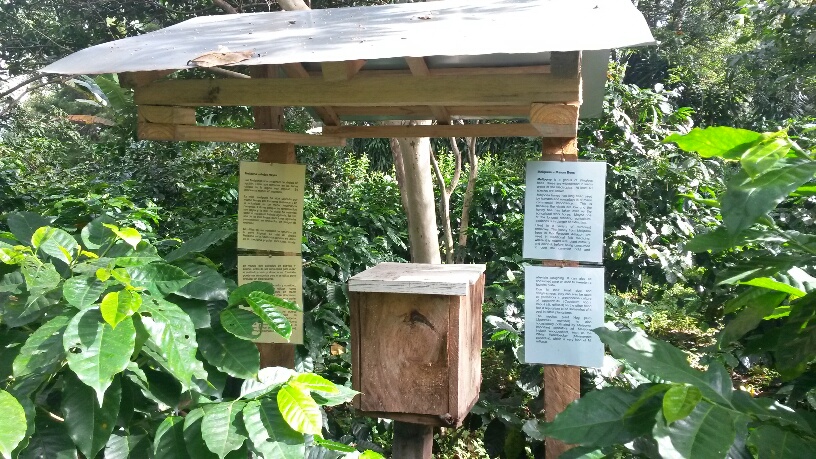
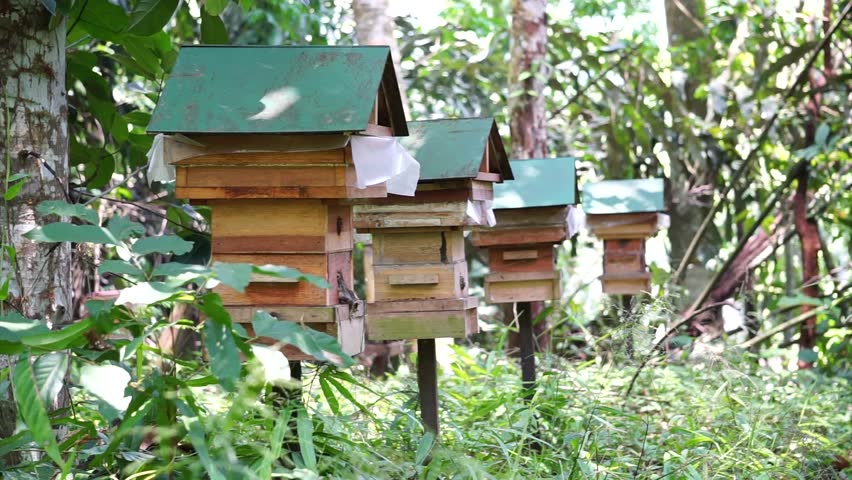
(Honey is also produced locally, with wild butterflies circling the mountains.)
Even more surprisingly, on top of the excellent quality, the very approachable price makes this bean outstanding value. Its special feature is the presence of the Geisha variety, which gives the coffee distinct Geisha flavor characteristics.
Is Butterfly a Blend?
According to the information FrontStreet Coffee has gathered, the estate originally mixed Geisha trees with Caturra and Catuai for higher yields. To simplify harvesting, farmers later sorted the three varieties in the field, then mixed them again at export to achieve the desired rich flavor profile.
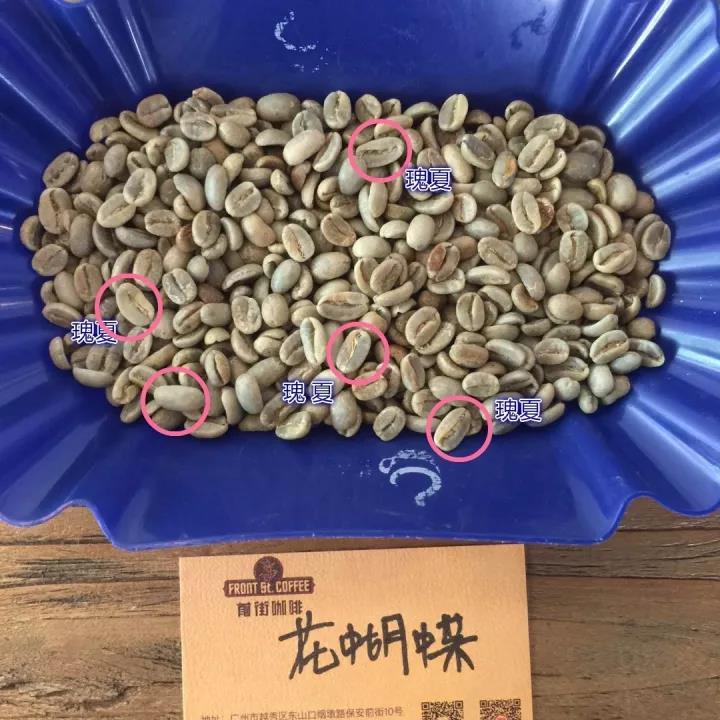
Since all three varieties in Butterfly come from the same origin and region, it still counts as a single-origin coffee!

Like the famous Hacienda La Esmeralda, it is a coffee from the Boquete region containing 40% to 70% Geisha, and its flavor carries authentic Panamanian Geisha character. Most importantly, the price is very approachable.
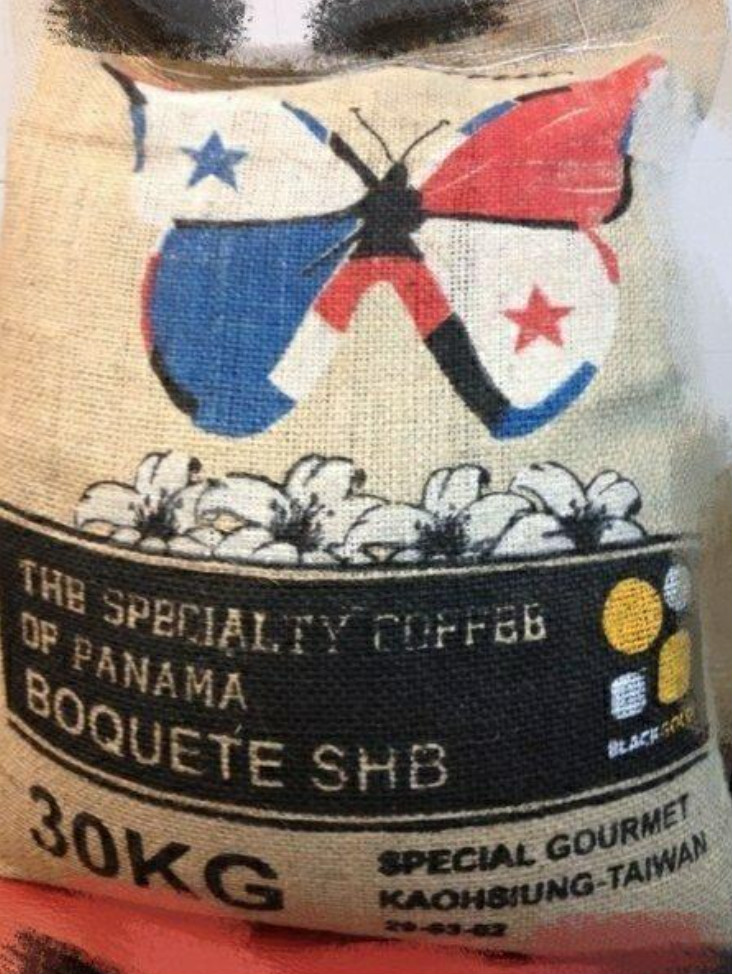
Butterfly is entirely washed processed. The cleanliness and clear floral aromas of washed beans, combined with the green bean supplier's reported moisture content of only 9.9%, led to a roasting plan of low-temperature charge, then high heat with a small air vent to accelerate drying. After the drying stage, medium airflow and medium heat are used to avoid rushing the Maillard reaction, and the beans are dropped at the peak of first crack.
Roasting Process
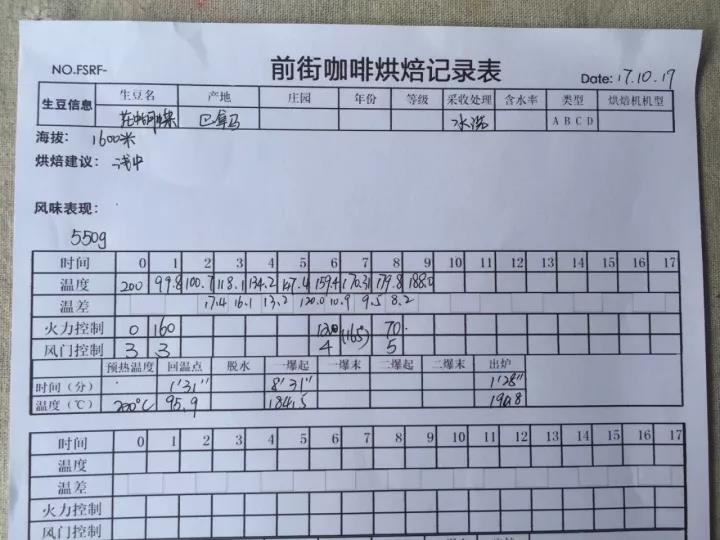
Given the special nature of this "Butterfly" coffee, we use a light-to-medium roast to set its final flavor direction, shortening the Maillard reaction time and following a relatively fast curve. Because the beans are dense and hard, we start with high heat for drying, then reduce the heat and rate of rise before first crack to preserve the small-molecule aromatics — protecting the characteristic Geisha florals, white grape, caramel, honey, and black tea notes from damage.

Roasting amount: 550g (full capacity).
Entry temperature: 200°C
First crack point: 184.5°C ±0.5°C at 8:31 ±3 seconds
The next day, cupping produced the following results:
Wet aroma: citrus, hints of jasmine
Flavor: peach, grape, caramel, honey

Brewing Guide
Suitable brewing methods: pour-over drip, siphon, French press, cold drip, and coffee bags
Pour-Over Log
Summary

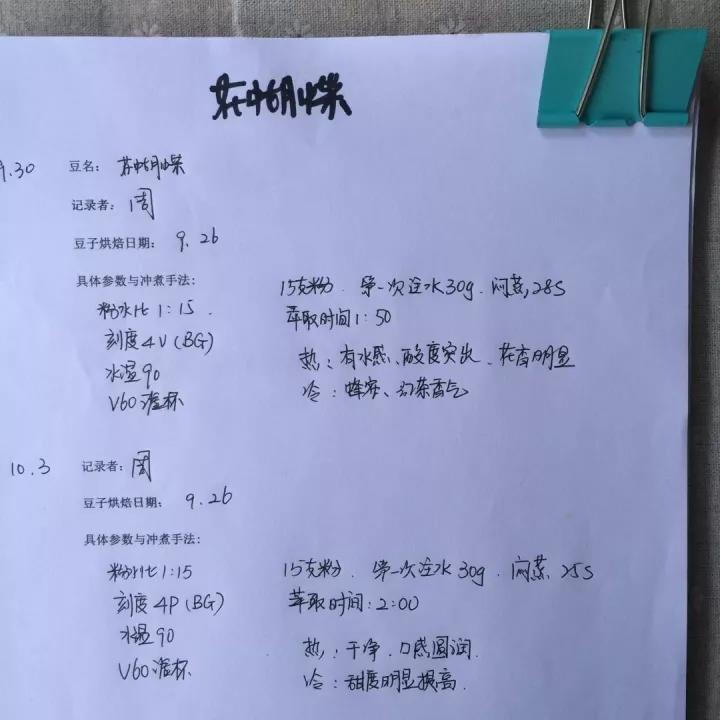
For pour-over Panama Butterfly on a V60, FrontStreet Coffee recommends 15g of coffee with water at 89–90°C.

Water-to-coffee ratio 1:15, EK43s grinder setting 10, V60 dripper.
For the first pour, use 30g of water and bloom for 28–30 seconds. The state of the bloom and how far the bed expands determine how long to keep a fine water stream. After blooming, the grounds still hold some trapped air.
During the second pour, foam will form. The fineness of that foam reflects the air still held in the grounds, which in turn determines whether the grounds float on the water or sink to the bottom of the filter. With higher air content, the grounds float, so use a gentle, fine stream to agitate them and let the air escape.
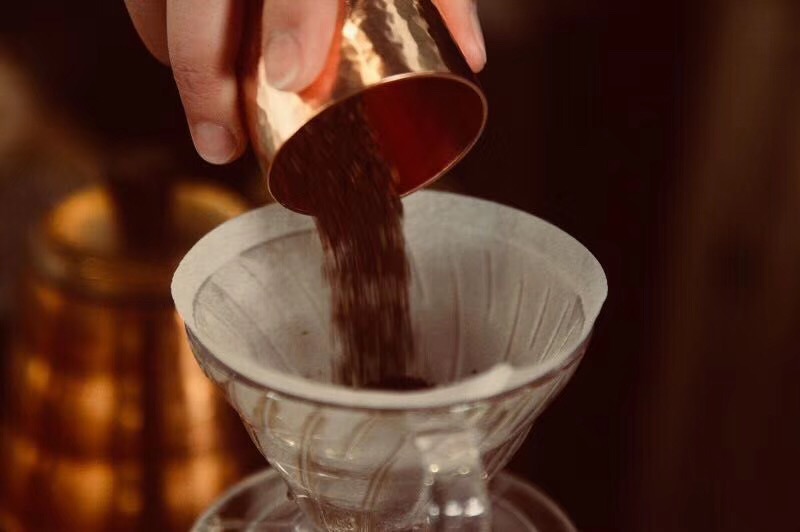
Pour until reaching 110g of water, then stop at 140g. Wait until the water level in the bed drops to half before pouring again, slowly continuing to 225g — skipping the last 5g. Extraction time: 2:00. FrontStreet Coffee believes this method brings out Butterfly's higher sweetness and soft fruity acidity; everyone can fine-tune to their own taste.

Flavor: a clean, transparent body with white grape and caramel aromas followed by honey, and a captivating high-mountain black tea note! High sweetness, medium acidity, and a smooth mouthfeel.
FrontStreet Coffee Recommendation
If you love Butterfly's Geisha character and want to climb the ladder, the legendary names to know are Esmeralda's Red Label ("Esmeralda Special") and Green Label ("Private Collection"). Red Label grows at 1600–1800 meters, with every batch cupping above 90 points and drawn entirely from a single plot such as Jaramillo; Green Label blends batches from multiple high-altitude plots to showcase the estate's signature Geisha style at a more attainable price — which is why FrontStreet Coffee considers Green Label such strong value.
For brewing any of these floral-fruity Geishas, FrontStreet Coffee suggests a medium-light roast, a grind at 78% pass-through on the #20 sieve (about fine-sugar size), 91°C water, 15g of coffee on a small Hario V60, and a 1:16 ratio: bloom with 30g of water for 30 seconds, pour in small circles to 125g, then finish at 225g for a total brew of roughly 2 minutes 10 seconds to 2 minutes 20 seconds. If you would rather enjoy Geisha as espresso, the medium-roast Granana Estate Geisha SOE from Ethiopia shows white florals and bright lemon acidity as espresso, turning to dried apricot, caramel, and nuts.
Important Notice :
FrontStreet Coffee is a long-established specialty coffee roaster in Guangzhou China, selling freshly roasted beans from its own farm in Yunnan as well as dozens of carefully selected single-origin beans from around the world for both pour-over and espresso. The products deliver consistently excellent quality and great value, with shipping within 24 hours. Guangzhou's FrontStreet Coffee shop is recommended by many coffee lovers, and the beans are now available online at the Tmall 。
FrontStreet Coffee has moved to a new address:
FrontStreet Coffee Address: 315,Donghua East Road,GuangZhou
Tel:020 38364473
 Scan and follow the En Gafei WeChat official account. Please indicate that the reprint comes from "En Gafei".