Robusta Coffee Beans: Flavor, Taste, and Aroma Characteristics - Why Robusta Beans Have Their Notorious Reputation
Coffee Bean Varieties: Understanding the Three Main Types
Coffee beans fall mainly into three varieties: Arabica (small-grain), Robusta (medium-grain), and Liberica (large-grain). The two you will meet most often, though, are Arabica and Robusta.
Arabica varieties are usually regarded as specialty coffee, and they have more demanding growing requirements, such as shade trees and high altitudes. They also resist disease poorly and yield relatively little. Robusta, by contrast, is undemanding about its environment and highly disease-resistant. As we know, high-altitude beans naturally deliver better flavor — Geisha grown at Panama's Hacienda La Esmeralda, for example, differs markedly from Ethiopian Geisha. Robusta grows at lower altitudes and naturally does not taste as good as Arabica, so it is more often used in commercial blends, espresso, or instant coffee.
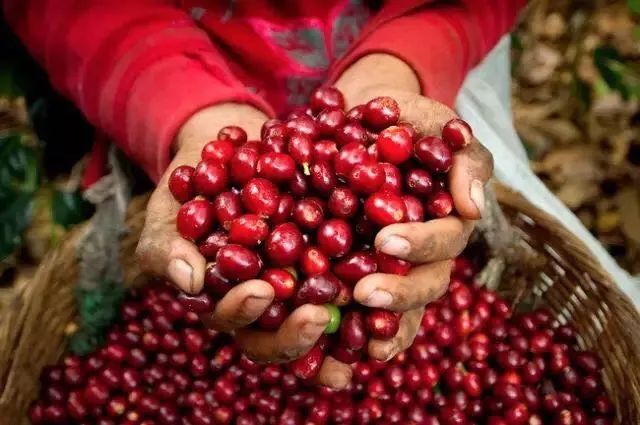
Arabica trees have a fairly tidy shrub form with oval green leaves and grow naturally to heights of 5–6 meters. An Arabica tree lives 20–30 years, but each tree yields relatively little, and together they account for about 70% of the world's coffee beans. Robusta trees are a sturdier shrub, suited to tropical or subtropical regions at altitudes up to 800 meters. They grow vigorously, demand little from their environment, adapt easily, cost less to plant, and yield heavily.
Arabica
Small-grain Arabica coffee originates in the Ethiopian highlands. Because of its excellent flavor quality, it is now widely cultivated and accounts for 70% of global coffee production. Varieties we hear about often — Typica, Bourbon, and Geisha — all belong to the Arabica species.
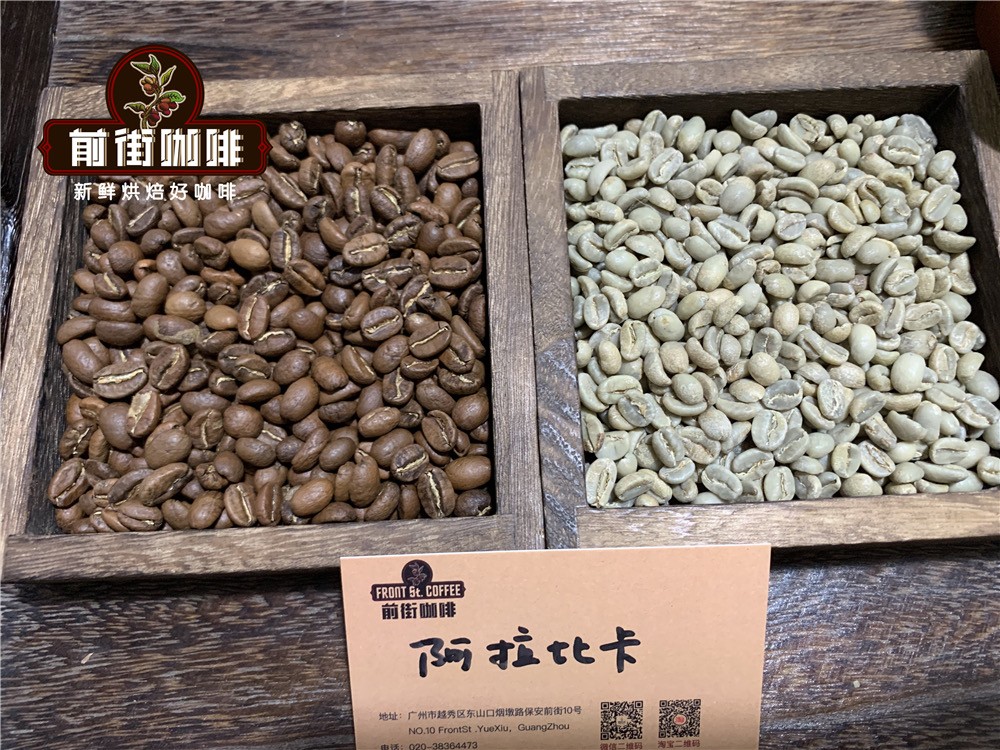
Arabica is very sensitive to its growing environment, so the areas suited to it sit mostly within the coffee belt, on high mountain terrain between the Tropics of Cancer and Capricorn. Arabica needs growing altitudes between 800 and 2,000 meters, and the higher the altitude, the better the coffee quality. It is currently the most widespread coffee variety, cultivated across Asia, Central and South America, and Africa. Ethiopia, Kenya, Panama, Colombia, and Brazil are all famous Arabica-producing nations.
Robusta
Medium-grain Robusta should properly be called Canephora. Robusta is a widely cultivated subspecies of the Canephora species, and it has almost completely replaced Canephora as the representative name for the species. Robusta originated in the Congo Basin of West Africa and is widely grown thanks to its low growing altitude, high yield, and ease of cultivation. It accounts for 20%–30% of global coffee production.
Appearance of Robusta Coffee Beans
A Robusta fruit holds a single bean. Robusta beans are rounder in shape and C-shaped; the center line looks like a "1", and the raw beans have a yellowish-brown color.
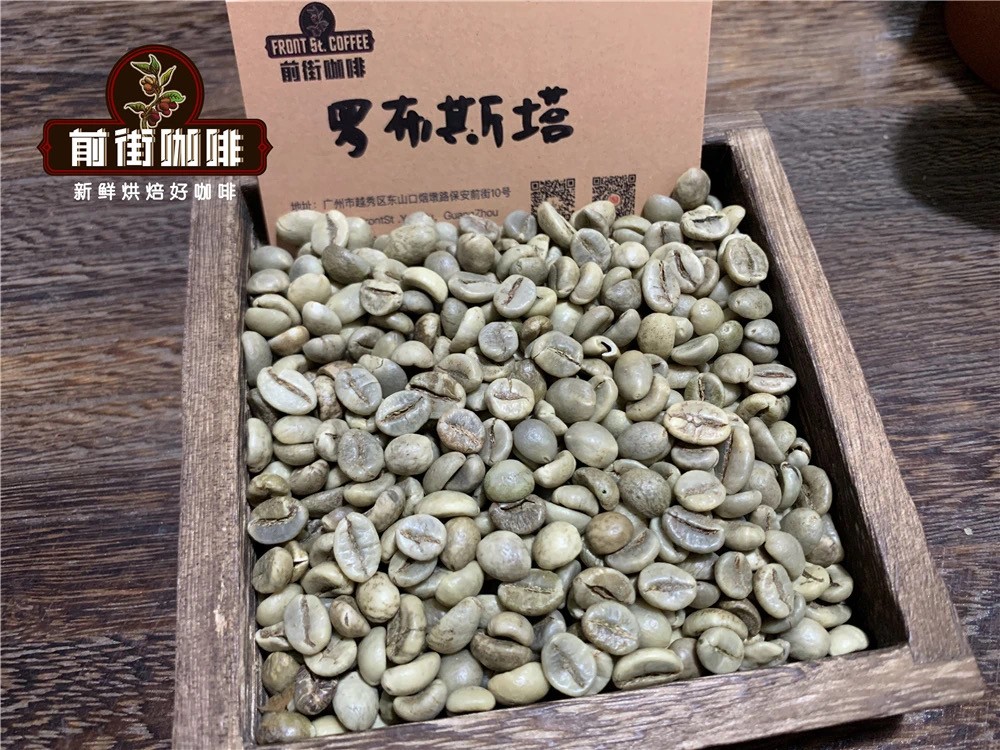
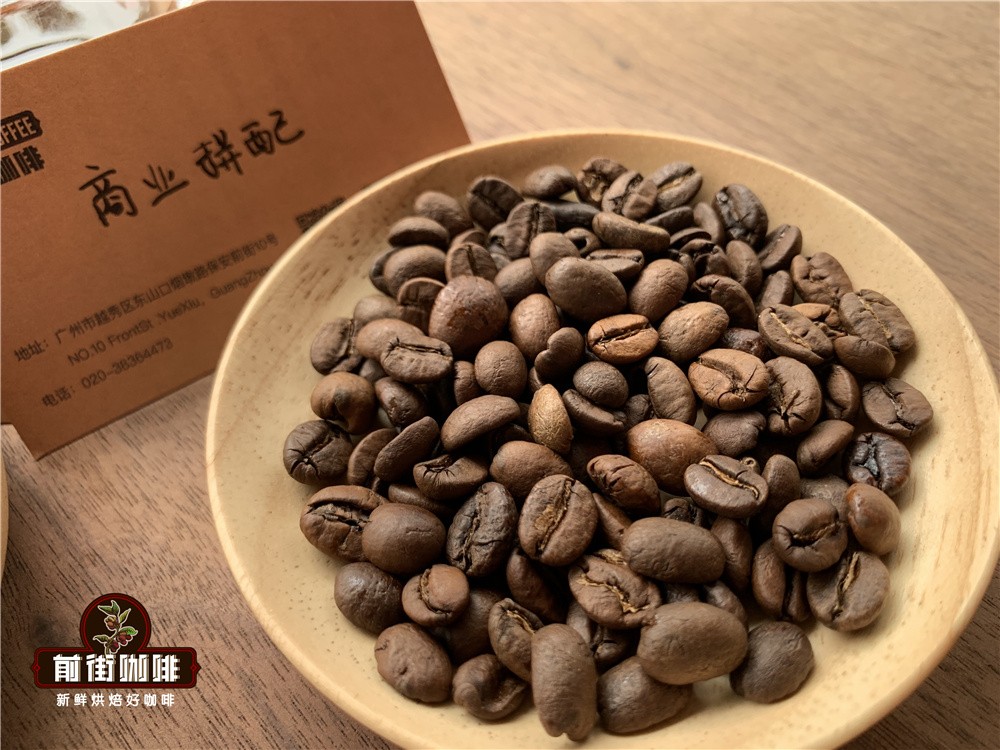
Because Robusta adapts so well to its surroundings, it thrives even at altitudes of 0–800 meters. It carries more chlorogenic acid, roughly 7% to 10%, which makes it less vulnerable to pests and climate shocks. It is generally planted at low altitudes and produces many fruits quickly. Its main growing regions today are Vietnam, Hainan, and Indonesia. FrontStreet Coffee's Robusta comes from Vietnam and is used mainly in FrontStreet Coffee's commercial blends.
Liberica
Large-grain Liberica originally grew in the low-altitude forests of Liberia on the West African coast, which is where its name comes from. Because of its poor flavor and the tall trees that make harvesting difficult, it is now grown on a relatively small scale, accounting for about 2%–5% of global production.
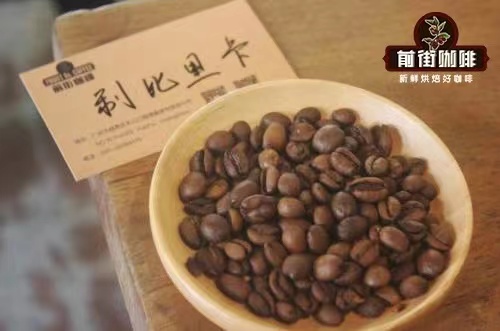
Liberica trees are much taller than Arabica or Robusta, reaching 6–20 meters. Their coffee fruits are also larger than those of the other two species, which is why Liberica is called the large-grain variety. Cultivation today is concentrated in Southeast Asia, with the Philippines the largest producer of Liberica coffee.
Is Robusta Considered Specialty Coffee?
Thanks to its high caffeine content and rich oils, Robusta was often used in espresso formulations during the years when espresso took the world by storm. Back then, a major reason people loved coffee was the caffeine hit. Its caffeine content is far higher than that of Arabica varieties — approximately 3.2%.
With the arrival of the specialty coffee concept, however, people began to prize regional flavors. Robusta's built-in bitterness, along with walnut, peanut, hazelnut, and smoky notes, came to be seen as undesirable in coffee. Above all, its counterpart Arabica, once regionalized, shows flavor profiles that far surpass Robusta. Call it an inherent limitation: Robusta simply performs far less appealingly than Arabica on the palate, which is why people tend to choose Arabica.
Some Arabica varieties yield little but have balanced flavors and cost a great deal, while others yield heavily with average flavors at a more moderate price. Superior as Arabica is, not every Arabica variety makes a good coffee.
Most coffee on the market, therefore, is Arabica — specialty coffee in particular is almost exclusively Arabica. Good varieties alone are not enough, though: brewing a delicious cup still comes down to freshness. FrontStreet Coffee has always believed that freshness shapes flavor enormously, so it ships beans roasted within 5 days. Its roasting philosophy is "Freshly Roasted Good Coffee," ensuring that every customer who places an order receives the freshest coffee. The resting period is about 4–7 days, so the coffee reaches peak flavor right around the time it arrives.
For those who need ground coffee, FrontStreet Coffee offers a gentle reminder: once beans are ground in advance, no resting period is needed, because the pressure of the carbon dioxide building up in the packaging during transit also helps develop the flavor, so you can brew a cup the moment your ground coffee arrives. Ground coffee does need to be brewed promptly, though, since it oxidizes quickly once exposed to air, meaning the flavor fades fairly fast and quality drops. FrontStreet Coffee therefore recommends buying whole beans and grinding them fresh before brewing, to better appreciate the coffee's flavor.
For professional coffee knowledge exchange and more coffee bean information, please follow Coffee Workshop (WeChat official account: cafe_style).
For more specialty coffee beans, please add FrontStreet Coffee's private WeChat account: qjcoffeex
FrontStreet Coffee Recommendation
If the Geisha varieties mentioned above have sparked your curiosity, there is no better place to start than Panama, where the variety made its name. FrontStreet's Boquete Geisha is an approachable entry into the category, offering the classic high-quality Panamanian Geisha tangerine-honey sweetness, an oolong-tea character, a delicate fruit-acidity, and clearly defined layers. For something closer to the family's home in Ethiopia, FrontStreet's Grana Estate Geisha — a native Geisha dried on raised beds for 14–20 days and roasted medium-light — shows a bright citrus acidity, an elegant ginger-flower aroma, ripe-fruit sweetness, and the variety's signature refined finish.
If you would like a taste of Geisha character at a friendlier price, try FrontStreet's Strawberry Candy. This blend of a Costa Rican honey-process coffee and Panama Geisha brings together a delicate floral aroma and sweet fruit, and it is versatile enough for pour-over, a moka pot, an espresso machine, or a refreshing cold brew — where it opens with notes of grape juice, rose, sweet orange, and fruit wine.
Important Notice :
FrontStreet Coffee is a long-established specialty coffee roaster in Guangzhou China, selling freshly roasted beans from its own farm in Yunnan as well as dozens of carefully selected single-origin beans from around the world for both pour-over and espresso. The products deliver consistently excellent quality and great value, with shipping within 24 hours. Guangzhou's FrontStreet Coffee shop is recommended by many coffee lovers, and the beans are now available online at the Tmall 。
FrontStreet Coffee has moved to a new address:
FrontStreet Coffee Address: 315,Donghua East Road,GuangZhou
Tel:020 38364473
 Scan and follow the En Gafei WeChat official account. Please indicate that the reprint comes from "En Gafei".