Rich Aroma African Coffee | Introduction to Kenya's Coffee Culture, History, Growing Regions, Varieties, and Characteristics
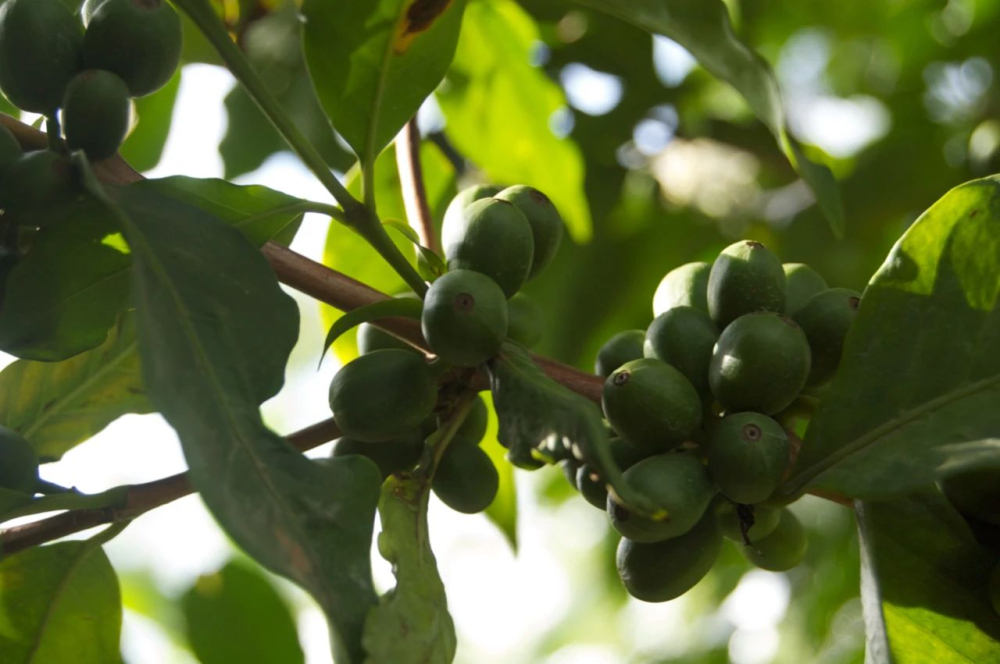
Introduction to Kenyan Coffee
Although it neighbors Ethiopia, the birthplace of coffee, Kenya's coffee industry developed relatively late, and coffee was not commercialized until the early 1900s. In just a few decades, Kenyan coffee has become one of the world's representatives of specialty coffee.
Overview of Kenyan Coffee Cultivation
Kenya lies in eastern Africa, with the equator crossing its central region and the East African Rift Valley running north to south. It borders Somalia to the east, Tanzania to the south, Uganda to the west, Ethiopia and Sudan to the north, and the Indian Ocean to the southeast. The country is characterized by high plateaus with an average altitude of 1,500 meters.
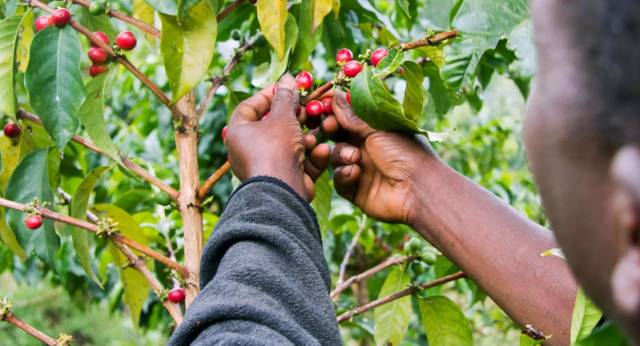
Lying in the tropics, Kenya has two concentrated rainy seasons each year, which gives it two harvest seasons. Coffee is grown mainly in volcanic regions at altitudes of 1,600-2,100 meters, from around the capital Nairobi to the Kenyan mountain areas. This altitude is ideal for flavor development, since the mountainous regions are cooler and growth is slower, allowing aromatic compounds to develop fully and producing more pronounced fruit acidity and harder beans. This fertile, crescent-shaped coffee region is the main production area for Kenyan specialty beans.
French missionaries brought Bourbon coffee seeds from Bourbon Island, now known as Reunion Island, to the Kenyan coast in the late 1800s. According to FrontStreet Coffee's research, John Paterson introduced the plant to Kenya in 1893 on behalf of the Scottish mission. This coffee was first introduced to Kenya's fertile Kiambu-Kikuyu region in 1896. By 1912 the area had plantations covering hundreds of acres, growing mainly Bourbon and Kent varieties. After independence in 1963, local Kenyan farmers used their long-acquired expertise to establish the high coffee quality standards of today. Currently, more than 50% of Kenyan coffee is produced by small-scale farmers.

Kenya places great emphasis on coffee variety cultivation. SL28, developed by professional research teams, is a direct descendant of Bourbon coffee beans and represents the finest quality and flavor of Kenyan coffee. Located in East Africa and bordering the ancient coffee nation of Ethiopia, Kenya is a world-renowned coffee producer with an extremely important position, and its coffee has always been famous for its high quality. Bold acidity and rich aromatic fruit flavors like blackcurrant and grapefruit make up the rugged, mature character of Kenyan coffee.
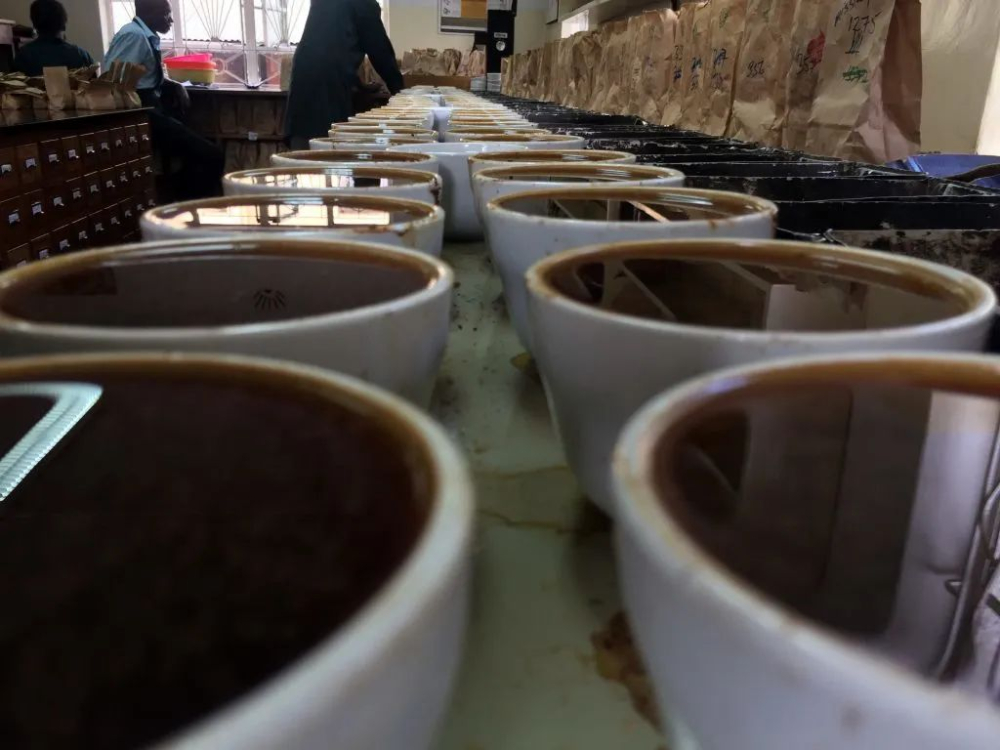
Kenyan Coffee Growing Regions
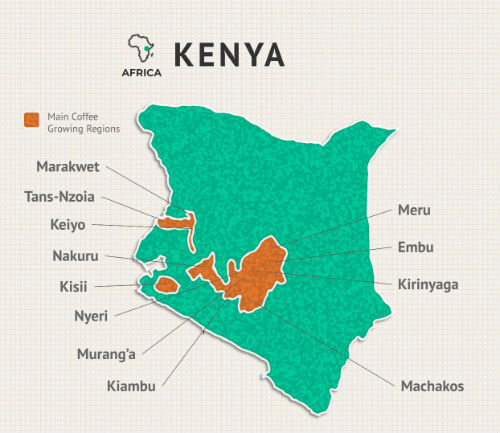
Kenya's position along the equator provides a unique climate suited to coffee cultivation. Deep, fertile volcanic soil and well-drained ground at high altitude are particularly suitable for Arabica varieties. The acidic soil gives the coffee produced here a bright, uplifting fruit acidity. Most of Kenya's coffee grows at altitudes between 1,400 and 2,000 meters, in temperatures between 15 and 24 degrees Celsius, in deep and well-drained red volcanic soil.
Kenyan coffee cultivation is concentrated in 6 regions: Thika, Kirinyaga, Mt. Kenya West, Nyeri, Kiambu, and Muranga. 60% of production comes from the central regions of Thika, Nyeri, Kirinyaga, Muranga, and Kiambu. These areas have fertile volcanic soil and the right sunlight and rainfall, allowing coffee cherries to take in nutrients fully and develop rich fruit flavors.
SL28 and SL34
These are the two most representative premium coffee varieties in Kenya, conquering the world with their bright fruit acidity and elegant black plum and blackcurrant flavors. SL stands for Kenya's Scott Laboratories. In the 1930s, Kenyan coffee trees suffered a widespread outbreak of coffee berry disease, so Scott Laboratories was commissioned by the government to start breeding disease-resistant varieties. Among the results, numbers 28 and 34 showed strong disease resistance and outstanding flavor, and farmers began planting the two widely.
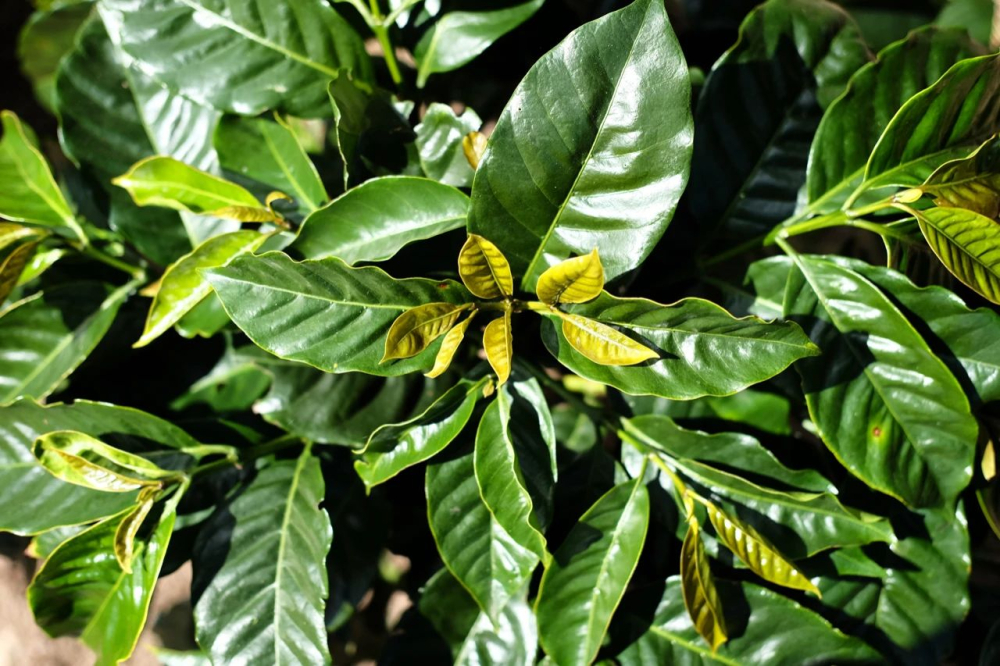
As a drought-resistant variety, SL28 shows wine-like high acidity on the cupping table, with a rich, viscous mouthfeel and deep, intense fruity aromas. SL34 has French Mission, Bourbon, and more Typica lineage. Its copper-colored leaves and broad, bean-shaped coffee beans bring wonderful sweetness, balance, and complex, shifting flavors, with prominent citrus and black plum characteristics.
Kenyan Coffee Flavor Profile
Kenyan coffee is renowned for its distinctive, complex berry and fruit flavors, with a solid fruit acidity and sweet juice sensation that leaves a lasting impression. The blackberry fragrance comes not only from phosphate components in Kenyan soil but also from Kenya's most famous K72 washed processing method.
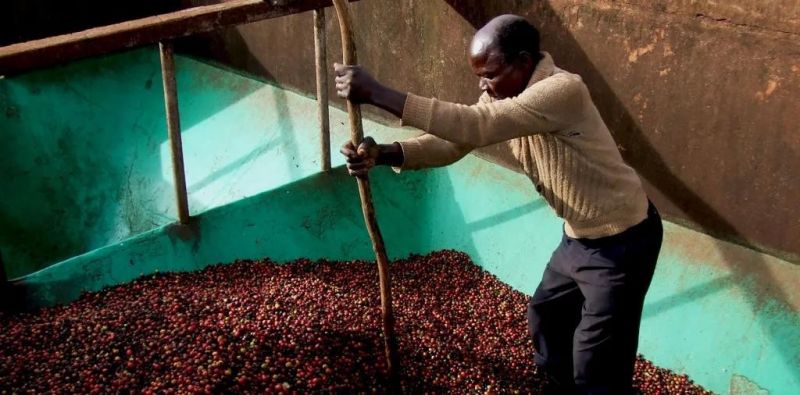
Washed beans typically have brighter acidity because the wet fermentation in processing is semi-aerobic, and semi-aerobic fermentation breaks down sugars in the beans, producing more organic acids, so washed beans taste more acidic. Generally, fermentation time does not exceed 36 hours. Kenya, however, differs from its neighbors: its coffee washed fermentation runs a full 72 hours.
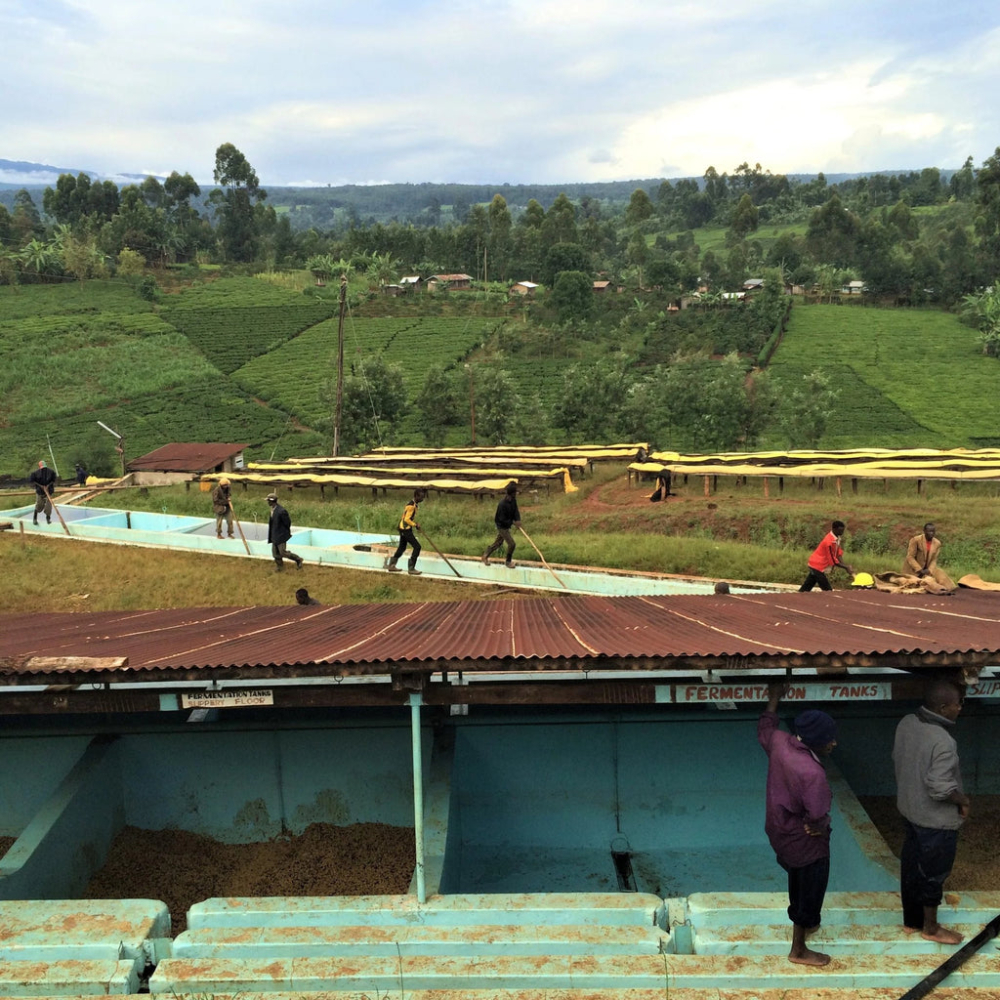
This soaking fermentation is not completed in one go, but divided into three rounds of 24 hours each. After each round, fresh clean water is replaced and the beans are re-soaked, until the full 72 hours of fermentation is complete, before the beans move to the next step. This unique washed processing is therefore called Kenyan-style 72-hour fermentation washed processing, or K72 for short. Because the fermentation time is double that of others or more, Kenyan beans have more abundant acidity. The drying process matters too: Kenyan farmers do not casually spread beans on any flat surface to dry, since that easily cultivates "wild" flavors.
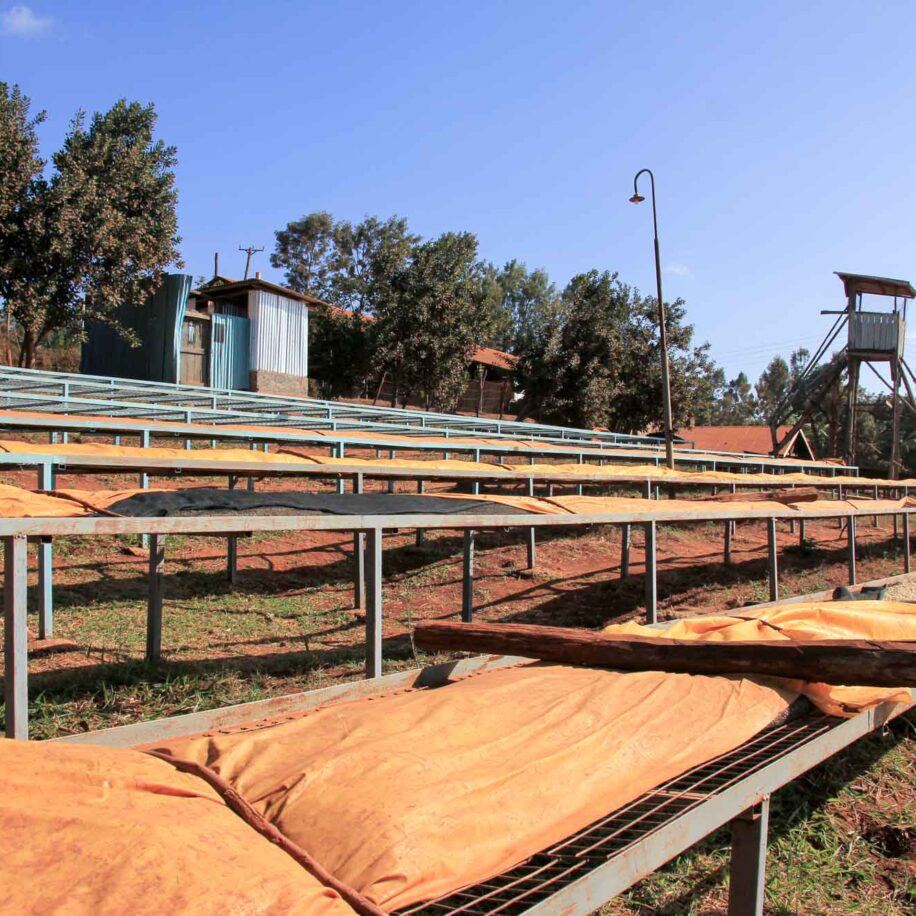
Instead, they place the beans on specially designed steel plates to dry. The plates are elevated, away from the ground, so the beans do not easily absorb dust and ash from below. The plates have evenly spaced holes of the same size, which let the beans dry more evenly and stay better ventilated during drying. With fewer unstable factors affecting the process, Kenyan coffee achieves a cleaner taste, and these specially designed steel plates are called "Kenyan steel beds."
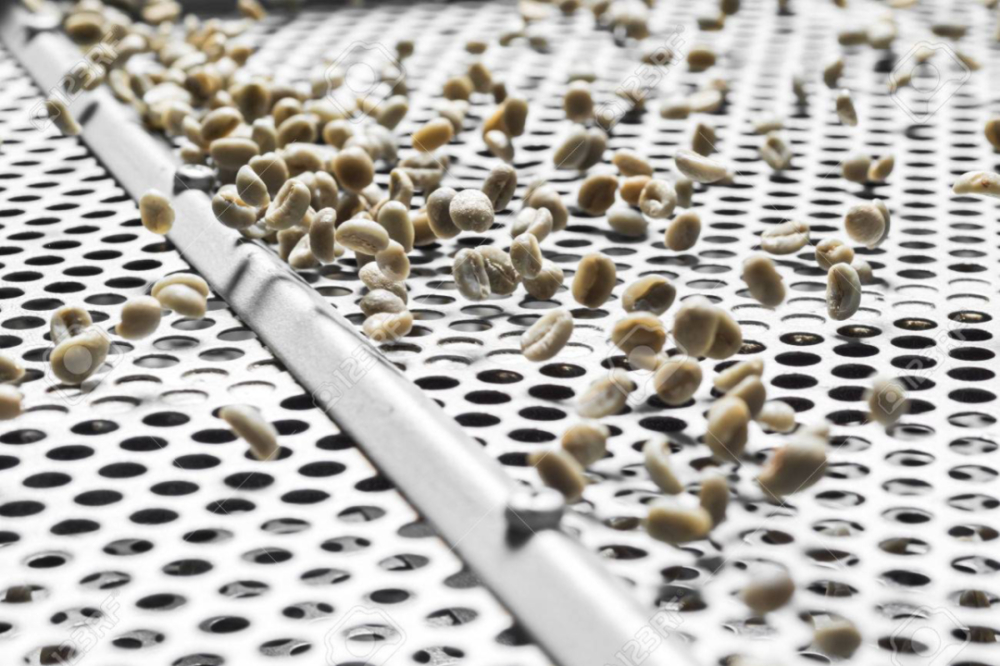
FrontStreet Coffee's house-roasted Kenyan Assalia coffee beans use K72-hour washed processing, selected from local high-quality SL28 and SL34 varieties, and the local highest AA grade. Anyone curious about what Kenyan coffee tastes like might want to give them a try.

FrontStreet Coffee's Brewing Recommendations
Coffee-to-water ratio: 1:15
Coffee grounds: 15g
Total water injection: 225ml
Water temperature: 90°C~91°C
Grind size: Fine sugar granularity | EK43s setting 10 (80% pass rate through #20 standard sieve)
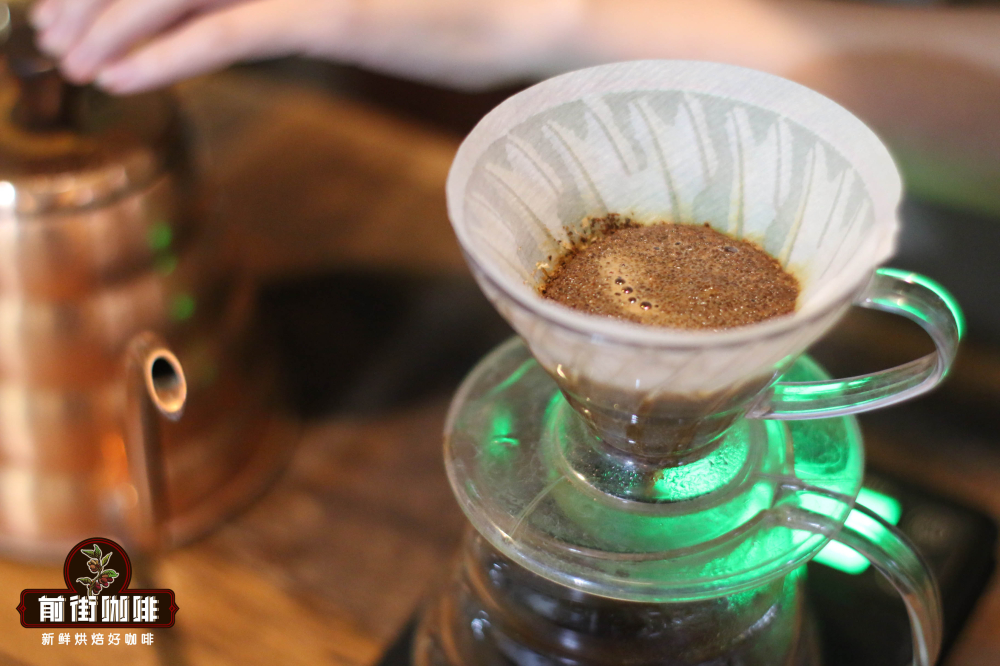
FrontStreet Coffee's barista uses a three-stage extraction. After grinding the coffee, pour it into the filter paper and start from the center with 30g of water for a 30-second bloom. Keep the water flow small throughout, moving steadily from inside to outside in circles. In the second stage, inject 95g of water, and when the coffee liquid has almost finished dripping, start the third stage with 100g of water. Remove the filter cup once all the coffee has filtered through. The time is approximately 2 minutes, with about 10 seconds of margin.

Brewing flavor: The first sip brings black plum and cherry tomato, with strong, solid acidity in the mouthfeel. The mid-palate shows prominent sweetness with a black plum-like juice sensation. The aftertaste has berry fragrance and brown sugar sweetness, accompanied by a faint tea aroma.
Kenyan coffee is a rewarding place to explore the world's great washed coffees, and the K72 method explains much of its signature intensity.
FrontStreet Coffee Recommendation
To taste what East Africa is capable of, Ethiopia is the natural companion to Kenya, and FrontStreet's Ethiopian range covers the styles from everyday to wild. The FrontStreet washed Yirgacheffe is the entry-level choice, with clear jasmine florals and bright citrus acidity; Yirgacheffe is a small town in southern Ethiopia, green all year, often wrapped in mist, cool and damp, where thousands of coffee trees flourish and produce that interweaving of florals and fruit acidity, light and elegant with a tea-like body that drinks like a clean, refreshing lemon tea. The FrontStreet Gutingding Cooperative coffee comes from the Worka area at the southeastern end of Yirgacheffe and was originally part of the Worka cooperative under the Yirgacheffe Coffee Farmers' Cooperative Union; as the pursuit of traceability grew, Gutingding, with about 300 member farmers, became an independent cooperative in 2012. Because the fruit is depulped before drying, the coffee's inherent aromatics come through more clearly, with citrus and lemon tones and elegant white florals, bright and delicate overall. The FrontStreet sun-dried Red Cherry uses natural processing: damaged or moldy cherries are removed first, then the fruit dries in the sun for two weeks until the sugars and essence have seeped into the beans and moisture falls to 12%, after which the hardened pulp, pectin layer, and parchment are scraped away by machine and the beans are checked for density and color to reject defects, with workers removing any missed cherries by eye; the result is a clean, refined coffee with a rich, alluring fruit aroma of peach, cocoa, honey, and lemon. The FrontStreet sun-dried Huakui comes from the Hambella area of Guji in Sidamo, from a farm of 200 hectares using traditional natural processing; to keep the drying fruit free of mold or earthy off-notes, workers lay the ripe cherries on raised beds to dry for 21 days, turning them constantly for even drying and loss of moisture, and every 3-5 days the farmers hand-sort out any defective or moldy cherries. Once the skin has dried hard it is removed with a hulling machine, and after the green beans are obtained the farmers screen them one final time for a perfect cup. Because the fruit and skin stay on throughout drying, a medium-light roast brings out a light fermented wine note, florals, citrus, and mango, with a dense, complex body carrying honeyed sweetness, a cocoa note, and a little spice. The FrontStreet sun-dried Sidamo Hamasho, also from Sidamo, comes from a processing station whose consistent quality and distinctive flavor have made it a regular on Ethiopian green-bean competition lists, working mainly with the 74 series of disease-resistant varieties released by JARC, the Jimma Agricultural Research Center; the 74158 bean is on the small side with pronounced floral and fruit notes, smelling of perfume lemon, strawberry, and starfruit and tasting of strawberry, starfruit, and green grape, with a light floral note emerging behind. Finally, the FrontStreet Kaffa Forest coffee is unusual in representing wild coffee, with trees growing in shade at 1,400-2,100 m, where the untouched ecosystem, microclimate, red soil, and abundant rainfall give ideal growing conditions; medium-light roasted, it grinds with obvious white florals and drinks with bright lemon acidity, sweet orange, and bergamot, and a finish of faint melon and nut with a green-tea-like body.
Important Notice :
FrontStreet Coffee is a long-established specialty coffee roaster in Guangzhou China, selling freshly roasted beans from its own farm in Yunnan as well as dozens of carefully selected single-origin beans from around the world for both pour-over and espresso. The products deliver consistently excellent quality and great value, with shipping within 24 hours. Guangzhou's FrontStreet Coffee shop is recommended by many coffee lovers, and the beans are now available online at the Tmall 。
FrontStreet Coffee has moved to a new address:
FrontStreet Coffee Address: 315,Donghua East Road,GuangZhou
Tel:020 38364473
 Scan and follow the En Gafei WeChat official account. Please indicate that the reprint comes from "En Gafei".