Delightful Colombian Coffee: A Brief Description of Regional Flavor, Mouthfeel, and Aromatic Characteristics
Colombian Coffee
When Colombian coffee comes up, FrontStreet Coffee finds that many enthusiasts are simply enchanted by it—and by the wonderfully romantic names of its beans, like "Flower Moon Night" with its chocolate liqueur flavors, or "Rose Valley" with rose and peach notes, both of which have captivated countless coffee lovers.
Colombians' love of coffee rivals their passion for football. Their streets are lined with coffee shops bustling from morning to night, often without a single empty seat, and even restaurants serve coffee as the complimentary after-dinner drink.
As FrontStreet Coffee understands it, Colombian coffee owes its excellent quality to the country's emphasis on product development and production promotion. Combined with superb geography and climate, this focus has made Colombian coffee renowned worldwide for its outstanding quality and delicious flavor.
Roasted Colombian beans release a sweet fragrance, with fine acidity that carries sweetness and bitterness in balance. Thanks to its moderate concentration, it often appears in premium blends. Brewed, Colombian coffee gives off a light, elegant aroma—not as strong as Brazilian coffee, not as acidic as African coffee, but a delicate sweetness that is understated and refined.
Colombian coffee is also famous for its silky smooth texture. Among all coffees it has the best balance and a soft, smooth mouthfeel that suits any time of day, and it has earned praise no other coffee can match: the title of "green gold."
Many enthusiasts who have tasted it at FrontStreet Coffee fall in love with it immediately.
Of course, Colombian coffee's pure flavor is inseparable from its natural environment, which offers ideal conditions for cultivation. But beyond that, the diligent work of local growers is an equally indispensable ingredient in every delicious cup.
As FrontStreet Coffee understands it, coffee cultivation in Colombia covers 1.07 million hectares across roughly 302,000 farms, with 30% to 40% of the rural population depending directly on coffee for their livelihood. Although there are many farms, none is large: each averages only about 2 hectares, over 80% of plantations have around 5,000 coffee trees, and the average is 3,000—a portrait of small-scale farming.
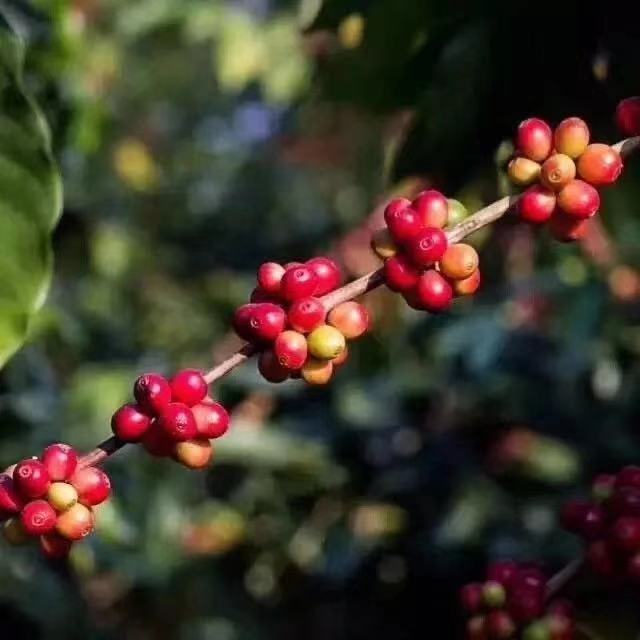
The main variety is Arabica (coffea arabica), also called small-fruited coffee. Small-fruited coffee has several varieties: Brazilian coffee, which ranks first in world production, has relatively large seeds, strong adaptability, and high yields, whereas the mild coffee grown in Colombia belongs to a higher-quality tier, shaped by its special geography and climate. Colombian coffee is divided into more than 200 grades with strong regional character; SUPERMO is the highest grade, followed by EXCELSO. As FrontStreet Coffee understands it, only SUPERMO beans of size 18 (18/64 inches in diameter) or larger qualify as specialty coffee.
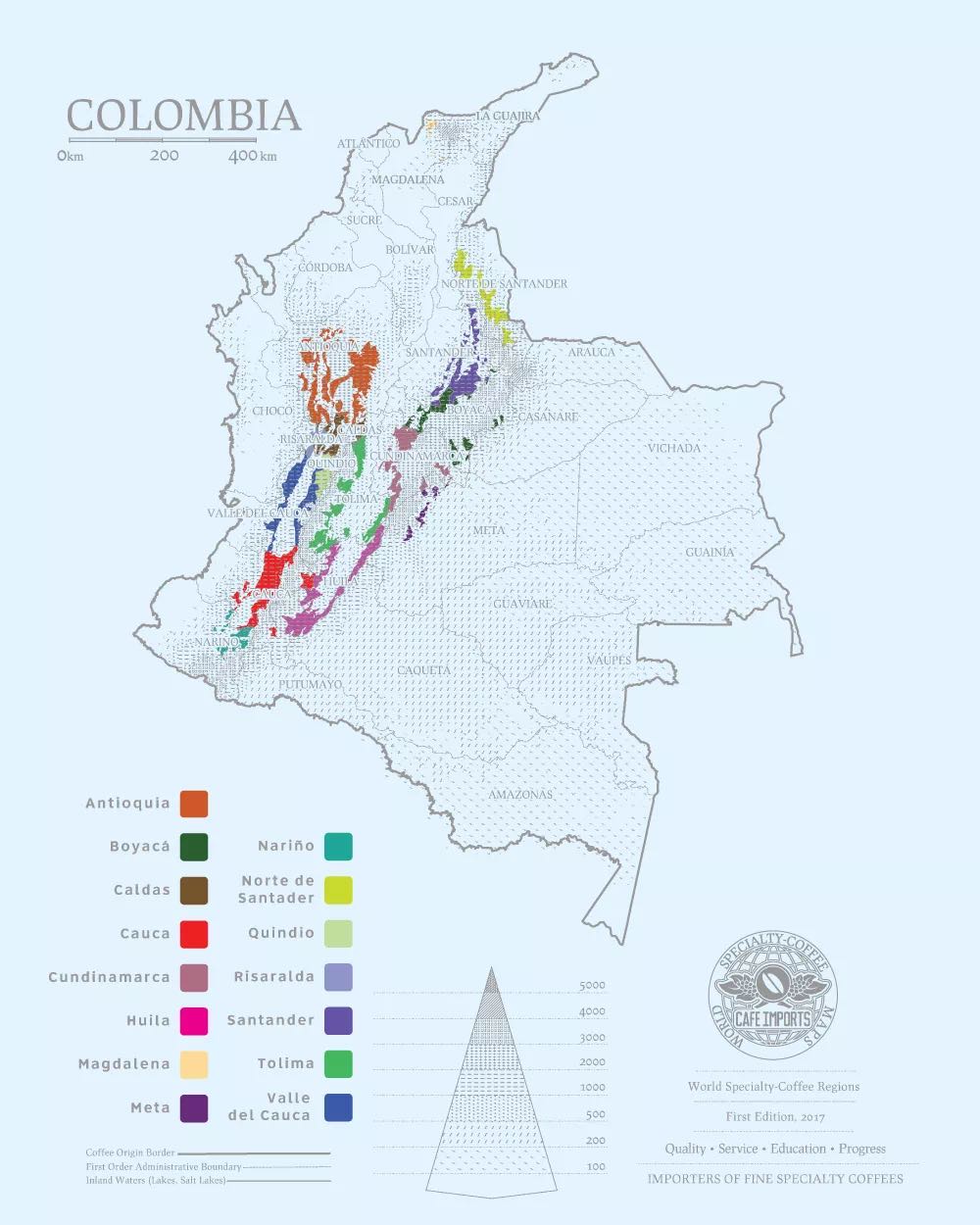
Colombia's coffee-producing regions lie mainly in the south at altitudes above 1500m, primarily in Huila, Cauca, Nariño, and Tolima. FrontStreet Coffee finds all of them show refined acidic aromas, berry sweetness, and abundant sweetness.
Next, FrontStreet Coffee introduces the character of each of these regions!
Huila Department
Located in the southern part of Colombia's central mountain range, this is the country's most famous specialty coffee region. It consists of hills ringed by mountains, cultivated above 1500 meters, and Colombia's most important rivers converge here, bringing abundant water and moisture. Contrary to the common image of Colombian coffee as smooth and balanced, many small-producer micro-batches carry distinct regional character. In recent years, as the international market has prioritized quality and specialty requirements, the old bean-size grading has gradually given way to micro-batches from small farmers in micro-regions: dozens of growers pool their harvests into a single micro-batch, allowing each batch to be cupped individually and exceptional coffees from specific small farms to be selected directly.
Cauca Department
A Colombian origin-certified region with an average altitude of 1758m, reaching up to 2100m at its highest. Topography, precipitation, temperature, and volcanic soil all favor coffee here. 80% of the area is mountainous, with parallel ranges in the east and center belonging to the Andes, and the central range holds two main volcanoes, Sotara and Petacas. Like other southwestern regions, Cauca shows a unimodal rainfall pattern: the dry season falls mainly in August–September each year, and the subsequent rains trigger a concentrated flowering, followed by a concentrated harvest the next year.
Its biggest climatic distinction is the wide temperature swing: the average daily temperature is 11°C, while the average daytime temperature is 18°C. That day-night difference is a key factor in quality—cool nights and relatively high altitude slow the coffee's growth rhythm, letting the seeds absorb nutrients from the cherries more fully, which builds better acidity and Cauca's famously praised sweetness.
Nariño Department
Located in the country's southwest, bordering the Pacific to the west and Ecuador to the south, with the Andes running through the entire province. Coffee grows in the high-altitude cloud belt between 1600–2300 meters in fertile volcanic soil; the beans are smaller but full, a vibrant green. Most of Nariño's annual production is bought by large American bean merchants. The province's magnificent ranges and beautiful scenery are crossed by many rivers flowing south, and as part of Colombia's high-mountain coffee zone it has nurtured many small specialty farms. Nariño's total annual production is about 150,000 bags, but only about 6,000 bags qualify as premium select beans.
Tolima Department
Adjacent to Huila and Cauca, Tolima is crossed by the north–south running Andes and Cordillera ranges, between which the Magdalena River flows from south to north. The name comes from the region's first inhabitants, the Pijao people—in their ancient language, "tolima" means "snow-covered." Tolima's farms are generally a bit larger than elsewhere in southern Colombia, averaging 10–15 hectares. Cooperatives are popular here too, with farmers delivering small batches of fresh cherries to cooperative processing plants; some also process their own coffee in small facilities sized to handle a single day's harvest.
Those are Colombia's main producing regions. Climate and altitude shape flavor to a degree, but FrontStreet Coffee believes processing methods determine it just as much. The cherries from Hacienda San José, coming up next, are fermented in rum barrels; Flower Moon Night uses anaerobic natural processing; Rose Valley uses double anaerobic enzyme fermentation—quite different from the washed and natural methods FrontStreet Coffee usually discusses. If you're curious, read on for the coffees themselves and how these special processes work.
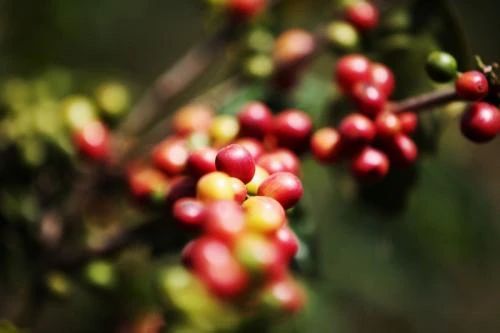
Below are all Colombian coffees currently available at FrontStreet Coffee
FrontStreet Coffee Colombia Hacienda San José Coffee Beans
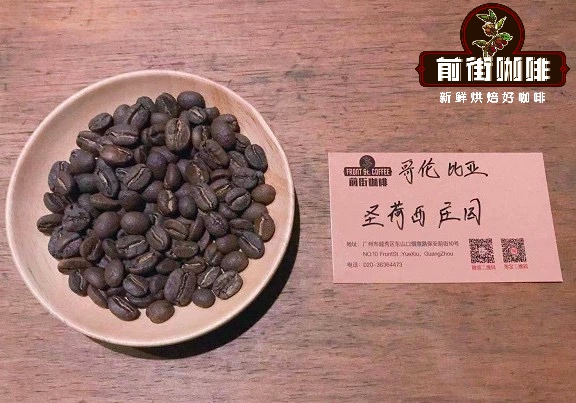
Country: Colombia
Region: Caldas
Altitude: 1750m
Variety: Castillo
Processing: Refined Washed Rum Barrel Fermentation
Flavor: Rum, chocolate liqueur, tropical fruits, maple syrup
The owner of Hacienda San José is the very creator of the rum barrel fermentation mentioned above. FrontStreet Coffee decided to stock this bean after cupping and brewing it: San José lays rich tropical fruit over its wine notes—similar to others yet with its own distinctive character.
The origin of the method is charming. It was invented by the farm's third-generation female owner, who—determined to promote Colombian coffee—wanted to chart a path between traditional production and modern specialty trends. While making rum with her husband one day, inspiration struck: what if she put green beans into oak barrels? Would they absorb the barrel flavors like the liquor and achieve barrel-aged character?
Pursuing that idea, since 2013 the owner, Monsalve Botero, has placed green beans in rum barrels of different ages for winemaking-style low-temperature fermentation, comparing the flavors across fermentation times. Through these experiments she selected the best barrels and duration, found the optimal combination, and created a rum-barrel-fermented coffee entirely unlike traditional washed processing.
FrontStreet Coffee Colombia Isabella Coffee Beans
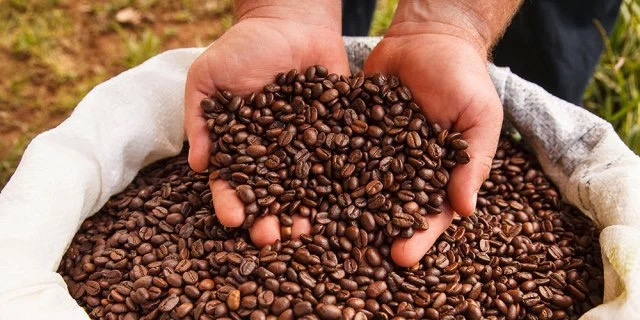
Country: Colombia
Region: Huila
Altitude: 1760m
Variety: Pink Bourbon
Processing: Semi-washed
Flavor: Citrus, floral, honey, fruits
Experienced drinkers will know Bourbon, but Pink Bourbon may be a first encounter. So how did this delicately feminine variety come about? Pink Bourbon was first planted in Huila, initially mixed with other Bourbon and Caturra trees before being harvested and processed separately. When the cherries ripen they turn a romantic pink, but holding that color is extremely difficult: the final cherry color is decided by recessive genes in the pollen grains, requiring the hybrid pollen to carry both the yellow-leaning genes of Yellow Bourbon and the red-leaning genes of Red Bourbon—all recessive and prone to interfering with each other, which makes Pink Bourbon very rare.
This lot is semi-washed: the cherries are first dried naturally, then the skin and pulp are washed away with water. Unlike full washing, there is no fermentation-tank stage, so semi-washed beans remain slightly sticky—but their acidity and sweetness are excellent and the aroma is captivating.
After cupping and brewing, FrontStreet Coffee finds Isabella delicate, rich, and subtly complex: juicy, vibrant, balanced acidity with a silky, light mouthfeel, crisp and sweet, with saturated flavor in the aftertaste. We recommend it to anyone with a romantic streak.
FrontStreet Coffee Colombia Flower Moon Night Coffee Beans
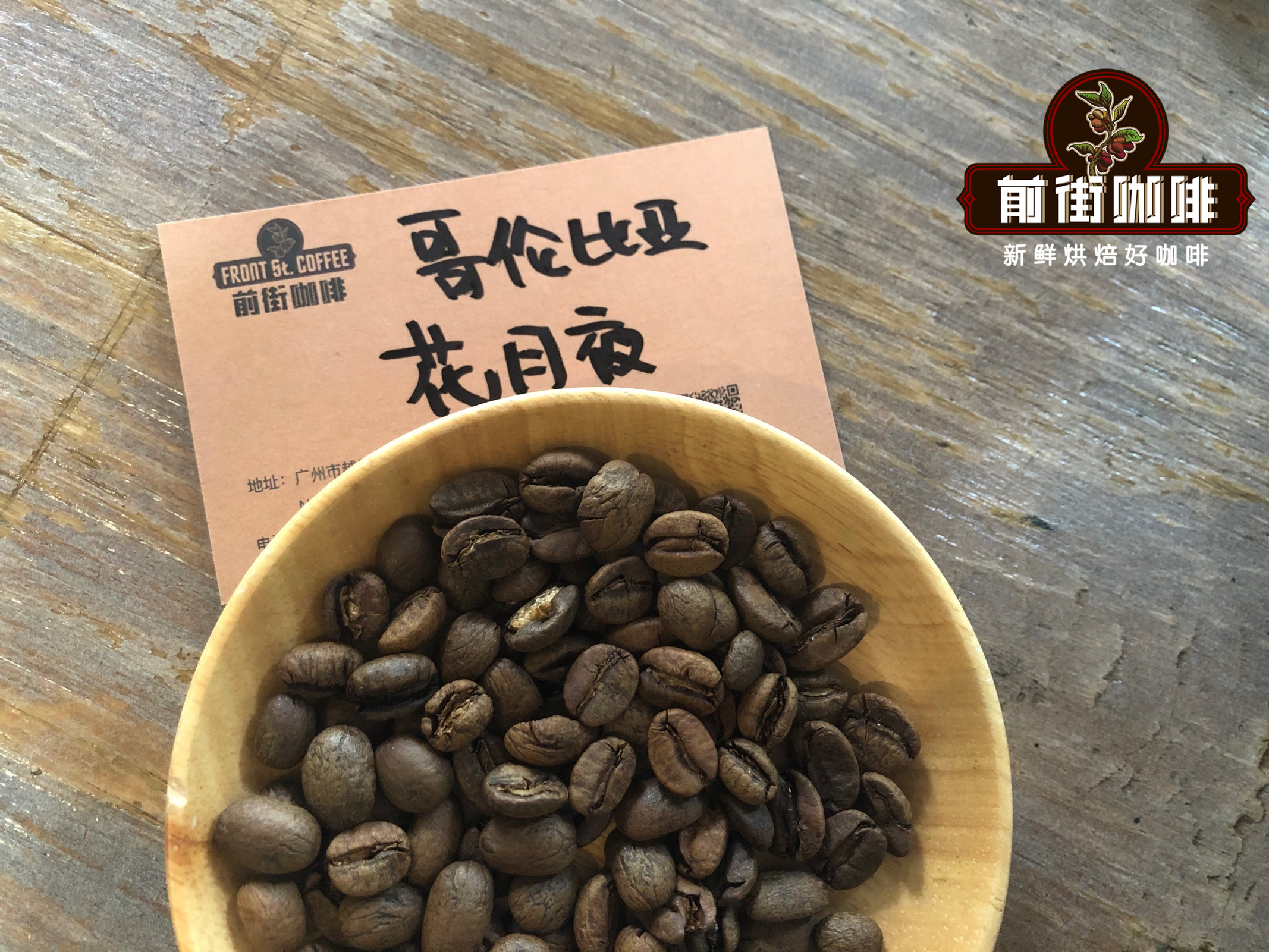
Country: Colombia
Region: Huila (El Escondido Farm)
Altitude: 1800m
Variety: Caturra
Processing: Anaerobic Natural
Flavor: Strawberry, peach, fermented wine aroma, chocolate, fruit wine
"Flower Moon Night" sounds poetic before you even taste it. Through cupping and brewing, FrontStreet Coffee found a rich aroma, bright wine notes, and a full body—low in acidity yet with excellent sweetness, genuinely impressive. So we brought it to our coffee-loving friends to try.
How was it born? Credit Ramirez, owner of El Escondido Farm, who developed this anaerobic natural process. He comes from a coffee-growing family, started in coffee at 18, worked coffee jobs in the city of Acevedo, then bought a farm of his own, sold it, and a year later bought El Escondido. The farm grows Caturra, a natural Bourbon mutation that typically shows refreshing fruit acidity and light sweetness—a foundation for Flower Moon Night's character.
In fact, three years earlier the farm's previous owner had launched a special-processing project and taught Ramirez the method. Driven by his passion for cultivation, Ramirez rebuilt the fermentation process that had failed to deliver: he sealed the cherries in fermentation tanks for low-temperature fermentation, extending the whole process. With 15–20 days of fermentation, the coffee's flavor possibilities expanded enormously, and slow drying let the cherries develop optimal water activity—flavor development on one hand, and beans that hold up longer in storage on the other. After fermentation, the cherries dried naturally, and Colombian Flower Moon Night was born from that tank on a flower moonlit night—what FrontStreet Coffee now calls anaerobic natural processing.
FrontStreet Coffee Colombia Rose Valley Coffee Beans
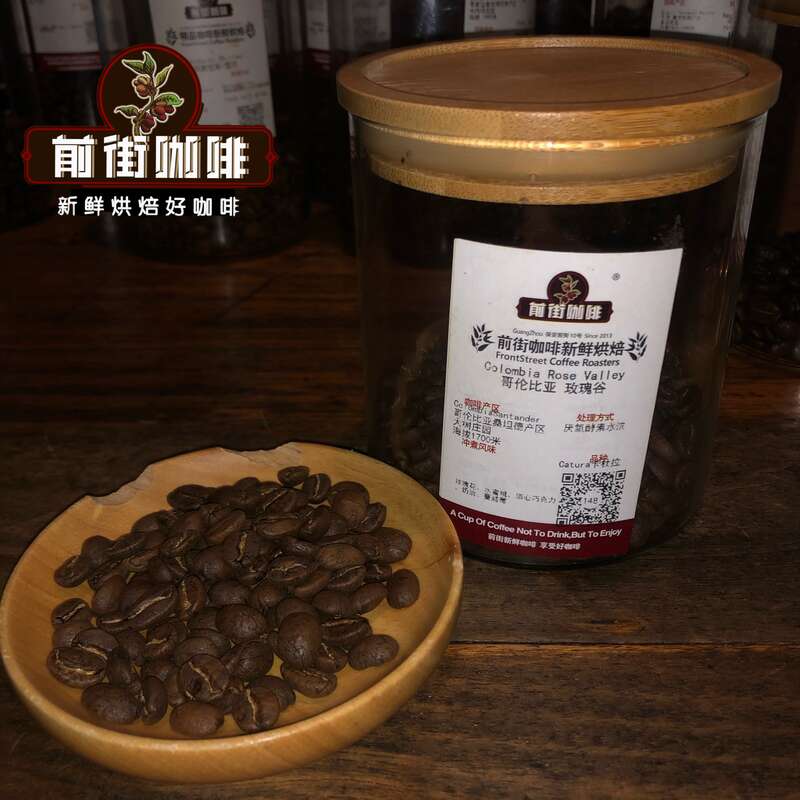
Country: Colombia
Region: Santander (Hacienda El Arbol)
Altitude: 1700m
Variety: Caturra
Processing: Anaerobic Double Enzyme Washed Processing
Flavor: Honey, juicy, strawberry
The name Rose Valley evokes being surrounded by countless roses—and drinking the coffee, FrontStreet Coffee is happy to report, delivers exactly that feeling. The charming floral and fruit aromas are delightful, and the cup feels as soft as flower-and-fruit tea.
How was it made? Rose Valley comes from Hacienda El Arbol in Santander, where the owner Vargas has grown coffee for 20 years. Only fully ripe, bright red cherries are picked; defective floaters are removed in washing, then the beans go through two rounds of anaerobic fermentation with special enzyme groups added. Drying gets equal care—excessive heat is avoided in favor of slow drying—which is why Rose Valley tastes so remarkably "clean."
As for what "double anaerobic enzyme washed" means, credit the owner's research: after floaters are removed, the coffee goes into a sealed container where carbon dioxide is injected to displace oxygen. In that oxygen-free environment the sugars in the mucilage decompose more slowly and the pH falls more gradually, extending fermentation to develop better sweetness and more balanced flavor—hence "double anaerobic."
FrontStreet Coffee Colombia Decaf Coffee Beans
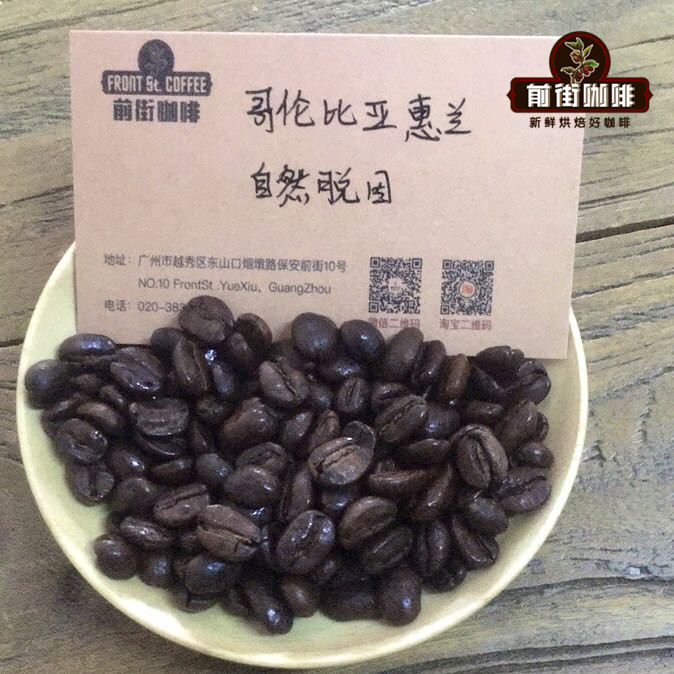
Country: Colombia
Region: Huila
Altitude: 1750m
Variety: Typica
Processing: Swiss Water Processing
Flavor: Berries, citrus, cocoa, nuts
Some of you may ask what decaf coffee is. As the name suggests, it is coffee with only trace amounts of caffeine. Caffeine acts noticeably on the human body, so for people who love coffee but can't take caffeine, decaf is the best choice.
Arabica beans generally contain 1.1%–1.7% caffeine and Robusta 2%–4.5%. Decaf coffee is regulated to hold no more than 0.3% caffeine in brewed coffee—no more than 5 milligrams per cup.
Decaf processing must start from green beans. FrontStreet Coffee's research finds three main methods: traditional/European processing, Swiss water processing, and supercritical carbon dioxide processing. All three remove most of the caffeine, leaving just 2–3% of the original content in the beans.
This decaf uses Swiss water processing, because it best preserves the original flavor the green bean should have—which is exactly what FrontStreet Coffee wants to bring you.
The Swiss water workflow: beans are first soaked in warm water so caffeine and other components dissolve out; activated carbon then filters the caffeine from the extract; finally the caffeine-free extract is returned to the original beans so they reabsorb the components they lost. The result: decaf green beans.
FrontStreet Coffee Colombia Sakura (Cauca) Coffee Beans
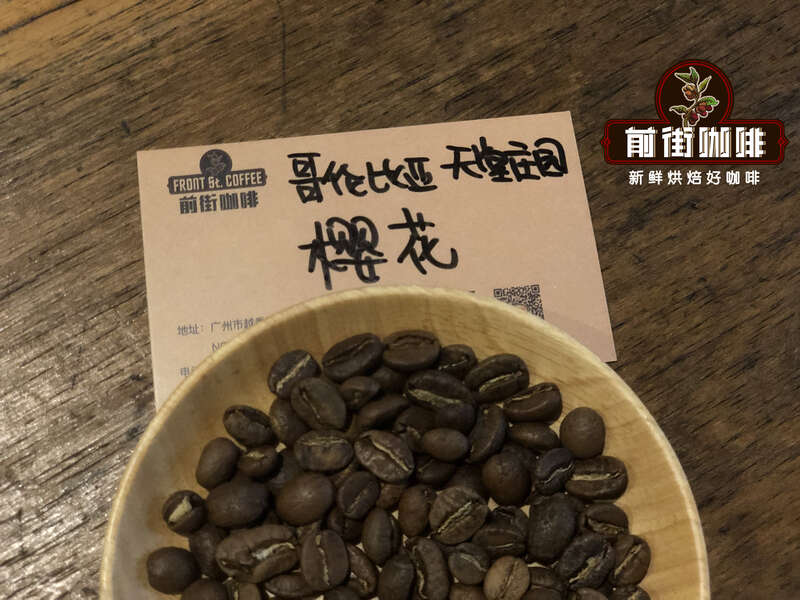
Country: Colombia
Region: Cauca (Hacienda Paraíso)
Altitude: 2050m
Variety: Castilo
Processing: Double Anaerobic Washed Processing
Flavor: Spices, tea-like, citrus
"Sakura" comes from Hacienda Paraíso in Cauca Department. FrontStreet Coffee suspects the name was chosen for its sakura-like aroma.
Hacienda Paraíso was only discovered by coffee enthusiasts in 2015—a true rising star. Mr. Diego Samuel started the farm in 2008 as a small, 2.5-hectare family estate, pouring each year's harvest surplus into coffee research and constantly studying how to produce better specialty flavors.
Not until 2015 did he enter a local regional competition for the first time—and won first place. Famous overnight, he gained industry recognition and redoubled his commitment to specialty cultivation, which is how Hacienda Paraíso became a name among coffee lovers.
FrontStreet Coffee Colombia Huila Coffee Beans (Daily Coffee)
Country: Colombia
Region: Huila
Altitude: 1500-1800m
Variety: Caturra
Processing: Washed Processing
Flavor: Nuts, dark chocolate, caramel, soft fruit acidity
As noted above, Huila is Colombia's most famous coffee region, so its cherries best represent Colombian coffee's original character—that sweet, light fragrance and clean feeling. This FrontStreet Coffee lot is therefore washed, the method that most faithfully expresses the cherry's original flavor.
How does washing work? FrontStreet Coffee explains:
First, farmers pour the harvested cherries into large water tanks: underdeveloped, inferior fruit floats while mature, full fruit sinks, and the floaters are removed. A pulping machine then strips away the skin and pulp, leaving beans still coated in slippery mucilage. These go into fermentation tanks for 16–36 hours, where microorganisms decompose the mucilage; afterward, large volumes of clean water wash away the residue, and the beans dry in the sun. This washed process gives the beans soft yet bright acidity, appropriate body, and a sweet, spicy aroma.
Those are the Colombian coffees FrontStreet Coffee recommends, along with what we know of the country behind them. We hope coffee lovers with a taste for Colombian flavors now understand them more deeply.
FrontStreet Coffee Recommendation
Colombia's balance has a counterpart across the continent: Brazil, the world's largest producer, whose enormous range of coffees shares the same moderate acidity and excellent interplay of sweetness, bitterness, and body. Brazilian beans respond beautifully to medium roasting—nutty aromas, a mellow mouthfeel, and just a whisper of acidity—making them as versatile in a single-origin pour-over as in a blend.
For a first taste of Brazil, FrontStreet Coffee's pulped-natural Cerrado Red Bourbon is the classic pick. Cerrado is one of the country's most respected regions for quality beans, and this lot, at medium roast, offers dense aromas of creamy peanut, toast, caramel, and hazelnut—round on the palate, not sour, with only light bitterness. It works in pour-over, moka pot, single-origin espresso, siphon, and French press alike. For something rarer, the Queen Estate Yellow Bourbon from Mogiana—grown in fertile red volcanic soil—delivers the cleaner fruit character of this Red Bourbon mutation, revealing a sugarcane sweetness with fruit and chocolate notes that no other origin quite matches.
Brazil's low acidity and gentle balance have also made it the backbone of many espresso blends: FrontStreet Coffee's classic blend, premium blend, black cocoa blend, and commercial blend all contain Brazilian beans, contributing chocolate and cream aromatics, gentle sweetness, acidity, and bitterness, and a balanced profile that supports stable extraction. If the romantic, aromatic Colombian lots above are your indulgence, a Brazil-forward blend is the dependable daily companion alongside them.
Important Notice :
FrontStreet Coffee is a long-established specialty coffee roaster in Guangzhou China, selling freshly roasted beans from its own farm in Yunnan as well as dozens of carefully selected single-origin beans from around the world for both pour-over and espresso. The products deliver consistently excellent quality and great value, with shipping within 24 hours. Guangzhou's FrontStreet Coffee shop is recommended by many coffee lovers, and the beans are now available online at the Tmall 。
FrontStreet Coffee has moved to a new address:
FrontStreet Coffee Address: 315,Donghua East Road,GuangZhou
Tel:020 38364473
 Scan and follow the En Gafei WeChat official account. Please indicate that the reprint comes from "En Gafei".