Introduction to Peruvian Specialty Coffee Varieties, Growing Conditions, Climate, Altitude, and Production Overview
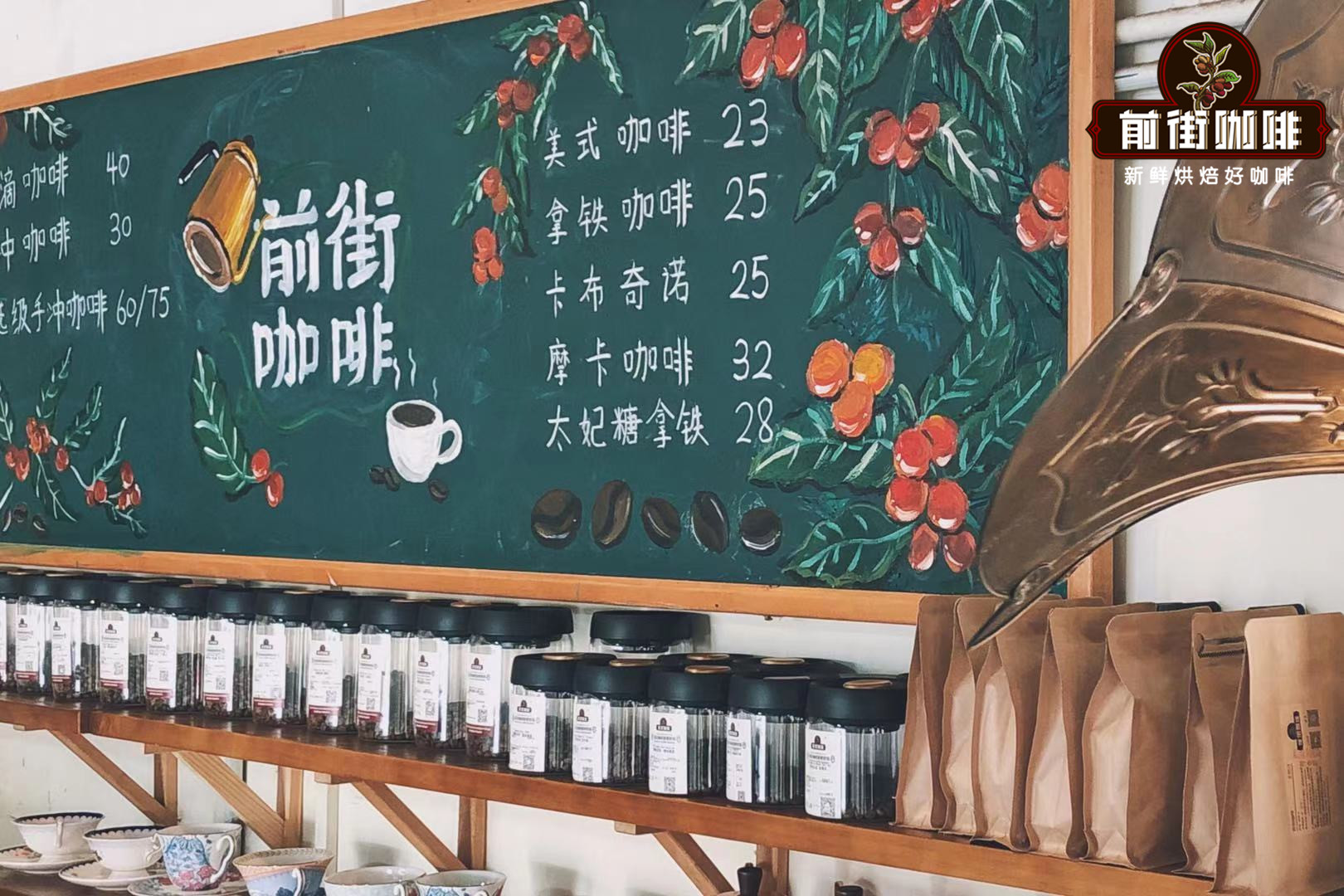
FrontStreet Coffee - Peru Coffee Introduction
Peruvian coffee features a gentle acidity, medium body, and excellent flavor and aroma, making it an indispensable component in blended coffees. FrontStreet Coffee's exceptional Peru single-origin coffee boasts a rich aroma, a smooth and layered texture, intense sweetness, and an elegant, mild acidity that gently awakens the taste buds. The finest Peruvian coffee is produced in Chanchamayo, Cusco, Norte, and Puno. Most Peruvian coffee is grown under natural conditions, though it is difficult to confirm the growing conditions of every coffee tree. Naturally grown coffee commands a premium of 10-20% over other varieties and is exported to the United States and Japan.
Quality and Production
The quality of FrontStreet Coffee's Peru coffee can compete with any coffee from Central or South America. Besides a portion used for instant coffee production, most of Peru's premium coffee is shipped to Germany for blending before being exported to Japan and the United States, which further demonstrates its high quality standards. Peru is also a major coffee producer. As much as 98% of Peruvian coffee is grown in forest areas, with most producers being small farmers. The coffee has excellent, balanced quality, making it suitable for blended beverages.
Economic and Political Stability
Peru's favorable economic conditions and stable political situation help ensure the excellent quality of its coffee. In the mid-1970s, Peru's annual coffee production was about 900,000 bags, later growing steadily to around 1.3 million bags annually. Although private exporters purchase coffee from remote areas through intermediaries, the main market was still government-controlled. Later, the private Peruvian Coffee Exporters Association (Cámara de Exportadores de Café del Perú) was established, dedicated to improving coffee quality. Its primary mission was to establish standards and eliminate inferior products, creating a quality-first atmosphere. This positive initiative signaled a bright future for the coffee industry. Rising prices subsequently encouraged farmers to grow coffee actively instead of the region's traditional economic crop, cocoa.
Emerging International Recognition
Peru's coffee cultivation history is not long, but as an emerging star, Peruvian coffee is gradually gaining recognition and entering the international market.
Geographic and Growing Conditions
Located in western South America, Peru has a coastline stretching 2,254 kilometers. The Andes Mountains run north to south, with mountainous areas accounting for one-third of the country's territory. It belongs to the tropical desert zone, with a dry and mild climate. Most Peruvian coffee is grown at the foothills of the Andes Mountains, where premium Central American-style coffee beans of traditional quality are produced.
Coffee Bean Characteristics
Peruvian coffee beans, particularly those from the central Chanchamayo region and the southern Cusco region, are the most famous. Additionally, some areas in northern Peru produce distinctive organic coffee. Organic coffee uses beans grown under shade trees. Although shade-grown methods result in lower bean yields, the quality can reach premium coffee standards. This is because shade slows the maturation of coffee trees, helping the coffee grow fully so it contains more natural ingredients, develops superior flavors, and reduces caffeine content. Peru's planned approach to coffee cultivation has significantly increased production. Peruvian coffee has a mellow taste and appropriate acidity. This balanced, moderate character has made it increasingly popular among coffee lovers. Peruvian coffee has always been used as one of the blending beans that stabilizes the richness of blended coffees. Its rich acidity and mellow smoothness are its most distinctive characteristics.
FrontStreet Coffee Recommendation
Because Peru's balanced, mellow character is built for blending, the most natural way to taste it is through FrontStreet Coffee's espresso blends. The Specialty Blend pairs Brazil Cerrado with Colombia Huila for a classic, well-rounded profile of nuts, dark chocolate, and caramel with gentle acidity, and it handles milk beautifully in a latte. FrontStreet Coffee's Black Cocoa Blend combines Yunnan washed small-batch coffee with Brazil half-sun-dried coffee, so the cup balances nut and ripe-plum acidity with cream-chocolate and cocoa-cookie aromas - ideal for opening a café or for home brewing. If you would rather start from a single origin, FrontStreet Coffee's Peru coffee itself shows the gentle acidity, medium body, and intense sweetness described above, and it is an easy bean to enjoy on its own or to use for stabilizing a blend of your own.
Important Notice :
FrontStreet Coffee is a long-established specialty coffee roaster in Guangzhou China, selling freshly roasted beans from its own farm in Yunnan as well as dozens of carefully selected single-origin beans from around the world for both pour-over and espresso. The products deliver consistently excellent quality and great value, with shipping within 24 hours. Guangzhou's FrontStreet Coffee shop is recommended by many coffee lovers, and the beans are now available online at the Tmall 。
FrontStreet Coffee has moved to a new address:
FrontStreet Coffee Address: 315,Donghua East Road,GuangZhou
Tel:020 38364473
 Scan and follow the En Gafei WeChat official account. Please indicate that the reprint comes from "En Gafei".