Introduction to World-Renowned Rwandan Coffee: Grind Size, Roast Level, and Processing Methods
Coffee carries the hopes of the Rwandan people on more than one level. The country bets on coffee exports to drive economic development, and on coffee farming itself as a way for the once-warring Hutu and Tutsi communities to work side by side, heal old grievances, and build a shared future. Taste a carefully produced Rwandan Bourbon and you'll understand why that hope is well placed—the cup truly is excellent.
Recommended Single Origin: Rwanda West Province Rutsiro Mushonyi CWS Bourbon
Product Details
Product Name: FrontStreet Coffee Rwandan Bourbon Premium Coffee
Quality Grade: AA
Roast Level: Recommended city or dark city roast
Grade: Good
Bean Size: ★★ Full
Acidity: ★★★ Slightly acidic
Balance: ★★ Stable
Coffee Region: Rutsiro Region, Western Province, Rwanda
Altitude: 1,500-1,800 meters
Green Bean Variety: BM-139 (Bourbon)
Green Bean Processing: Washed, dried on raised African beds
Flavor Profile: Red apple, cherry, cinnamon, honey
Rwanda's dense forests and humid climate give its coffees a rich aromatic profile, with natural fruit and floral notes baked in.
The country is divided into five major coffee-producing regions, each with slightly different aromatics and taste, but all sharing a common thread: Rwandan coffee leans bright and acidic, yet leaves a long, sweet aftertaste. "Good coffee is like Chinese tea—you only feel the sweetness after drinking it," as exporter Mustafali put it. Global chains have taken notice; Starbucks sources some of its raw material from Rwanda. Though Rwandan coffee had not yet formally entered the Chinese market at the time, producers were working to bring authentic Rwandan coffee there within two years. One visitor from Atlanta—on the final day of a two-week trip to China—hurried to the Rwanda Pavilion specifically to buy beans for her coffee-loving mother, and left with a gifted bag and repeated thanks.
Rwanda, the "Land of a Thousand Hills," is a tapestry of mountains and plateaus under a mild, cool tropical highland and savanna climate. Around 33,000 hectares are planted with coffee, and some 500,000 people make their living from it. Few countries on earth enjoy such harmony between soil, altitude, and climate: fertile volcanic soil, ample rainfall, and steady, moderate temperatures year-round—ideal conditions for Arabica.
Rwanda's highland coffee culture runs deep, and the country focuses on high-quality Arabica. Specialty-grade coffee accounts for 20% of Rwanda's total production and is in growing demand internationally. According to Karuretwa, Marketing and Promotion Officer of the Rwanda Coffee Association, Rwanda planned to export 3,000 tons of coffee that year and to keep raising output to meet demand. Even Starbucks partnered with the Rwandan government to import its coffee—fitting, given the national logo: a brown pigeon flying from a coffee cup above the words "Cup of Hope."
The Bourbon grown in Rutsiro, Western Province, is one of the original heirloom varieties of Arabica, and Rwanda's washed Arabica beans from this area are winning increasing recognition in international markets.
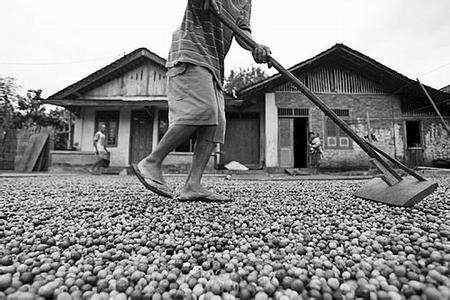
Like much of Africa, Rwandan coffee is produced mainly by smallholder farmers, who harvest ripe cherries and deliver them to centralized washing stations. The Mushonyi station's trophy case is remarkable: besides winning the Cup of Excellence championship in 2010, it took four placements in 2011 alone—champion, 12th, 16th, and 28th place. During harvest, farmers hand-sort the deliveries to exclude unripe or damaged fruit, then the cherries are depulped and fermented in washed fermentation for 12–18 hours in a cool, low-temperature environment before the mucilage is rinsed away in channels. On the raised African drying beds, station workers turn the parchment by hand and watch it carefully, making sure even sunlight doesn't overdry or dry it unevenly, until the green bean moisture drops below 14%.
The cup shows a fresh, grassy aroma with a tropical character. Beyond the fruit sweetness, there's a refreshing brightness and clarity throughout. Rwandan Bourbon is prized for its fruit-driven sweetness—rich and full, with no astringency and a long finish. Expect citrus-like sweetness, deep chocolate tones, notes of red apple, cherry, cinnamon, and honey, with excellent sweetness and balance, and a finish of cinnamon, almond, and chocolate.
FrontStreet Coffee Recommendation
Washed processing is what makes coffees like this shine. By floating, depulping, fermenting, and rinsing the cherries before drying, the washed method removes the fruit layer early—shortening drying time and letting the seed's own character speak. Long contact with water drives chemical changes inside the bean, consuming simple sugars while developing organic acids, which is why washed coffees taste clean, fresh, and brightly acidic, with the bean's innate aromas front and center.
If the Rwandan Bourbon appeals to you, two more washed lots from FrontStreet Coffee deserve a spot on your shelf. The washed Yirgacheffe from the Banko Gotiti Cooperative shows jasmine florals and vivid citrus acidity, with green tea and honey emerging in a medium-light roast—excellent as pour-over, cold brew, or even espresso. And the Kenya Cherry Tomato is a masterclass in Kenya's double washed process: an extra round of soaking, rinsing, and fermentation yields a intensely juicy cup of cherry tomato, dried plum, snow pear, black plum, and raw sugar—sweet, tart, and a favorite among serious coffee hobbyists.
For a gentler, balance-first washed coffee, the Jamaica Blue Mountain No. 1 is the classic. The washed process preserves Blue Mountain's dense fragrance while keeping the cup perfectly even: hazelnut, cream, chocolate, and caramel notes in harmony, with no single element overpowering the rest.
Important Notice :
FrontStreet Coffee is a long-established specialty coffee roaster in Guangzhou China, selling freshly roasted beans from its own farm in Yunnan as well as dozens of carefully selected single-origin beans from around the world for both pour-over and espresso. The products deliver consistently excellent quality and great value, with shipping within 24 hours. Guangzhou's FrontStreet Coffee shop is recommended by many coffee lovers, and the beans are now available online at the Tmall 。
FrontStreet Coffee has moved to a new address:
FrontStreet Coffee Address: 315,Donghua East Road,GuangZhou
Tel:020 38364473
 Scan and follow the En Gafei WeChat official account. Please indicate that the reprint comes from "En Gafei".