Flavor Characteristics, Grind Settings, Taste Profile, Processing Methods, and Origin of Geisha Coffee
Geisha Variety
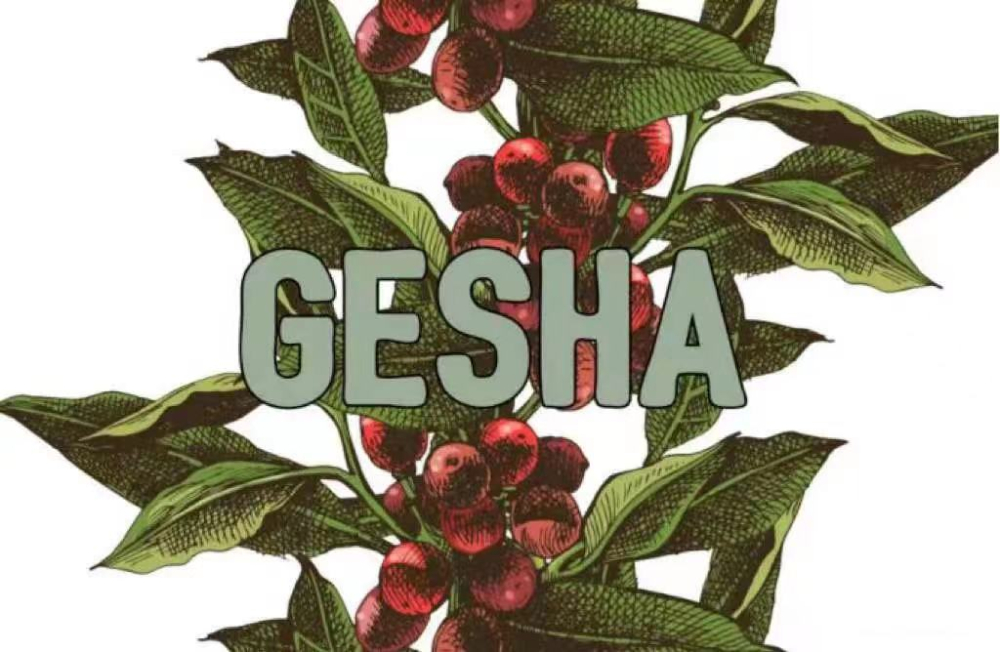
The Geisha variety originates from Ethiopia, the birthplace of coffee. It was discovered in the Geisha forest of Ethiopia in 1931 and sent to the Kenyan Coffee Research Institute. It was then introduced to countries including Uganda, Tanzania, and Costa Rica before being brought to Panama in 1970. At first, Geisha's cultivation in Panama drew little attention. Because it couldn't achieve mass production, it was even used as windbreak trees. It wasn't until the owner of Hacienda La Esmeralda separated it out and entered it in the Best of Panama competition — winning the 2004 BOP championship — that Geisha gained widespread recognition.
Geisha trees have high demands on their environment. They need high altitudes and cloud cover or plant shade, and cannot be exposed to direct sunlight; they also require fertile soil. Geisha grown higher up has a longer cherry maturation period, resulting in more complex and unique flavors.

Unlike other varieties, Geisha trees have very thin foliage, so their photosynthesis efficiency is quite low, and their root systems are fragile, absorbing water and nutrients slowly. As a result, production is very low. Combined with the high-altitude environment, the cherries also ripen later. A Geisha tree produces only half the yield of a Caturra tree — one reason Geisha is so precious.
Geisha is now cultivated in many regions worldwide and has become the new king of specialty coffee. Among these, Latin American countries such as Panama, Guatemala, and Colombia produce particularly high-quality Geisha, with Panamanian Geisha standing out as the finest in the specialty coffee world.
Panamanian Geisha
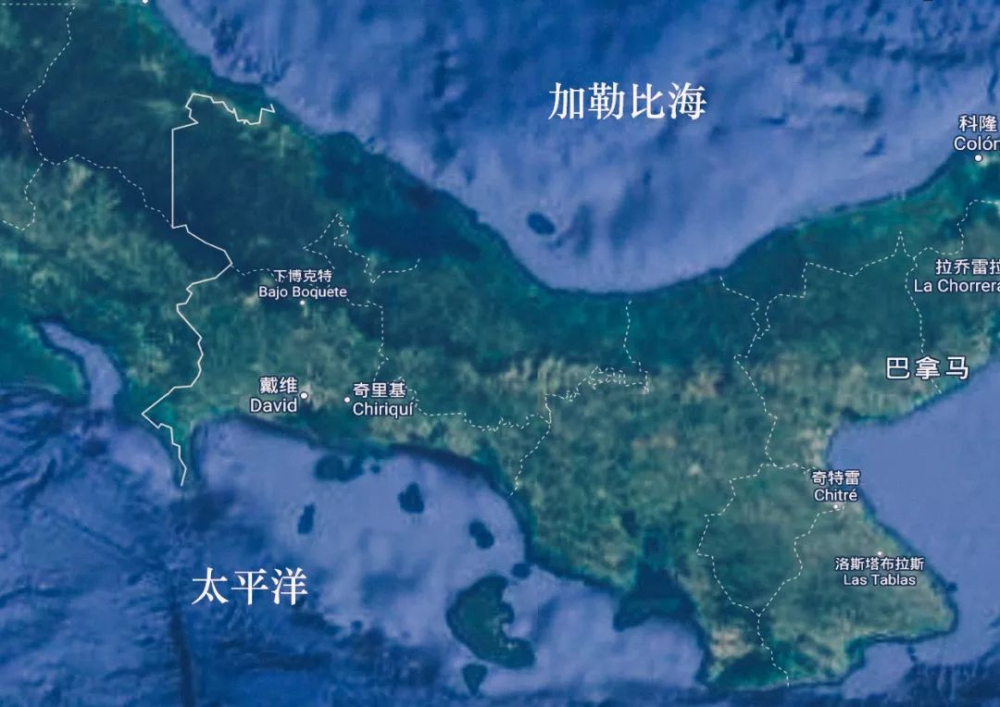
Panama lies at the southernmost tip of Central America, with coffee grown mainly in the western regions near Costa Rica and along the Pacific coast. Panama is roughly divided into four producing regions, with Boquete in Chiriquí Province the most famous. Close to the Barú Volcano and its fertile volcanic soil, the unique mountain microclimate gives the coffee here its signature aromatics, the sweet-and-sour notes of ripe fruit, and a long-lasting aftertaste.
The Hacienda La Esmeralda we often hear about is in the Boquete region. Without its efforts, we wouldn't have the astonishing Geisha coffee we know today.
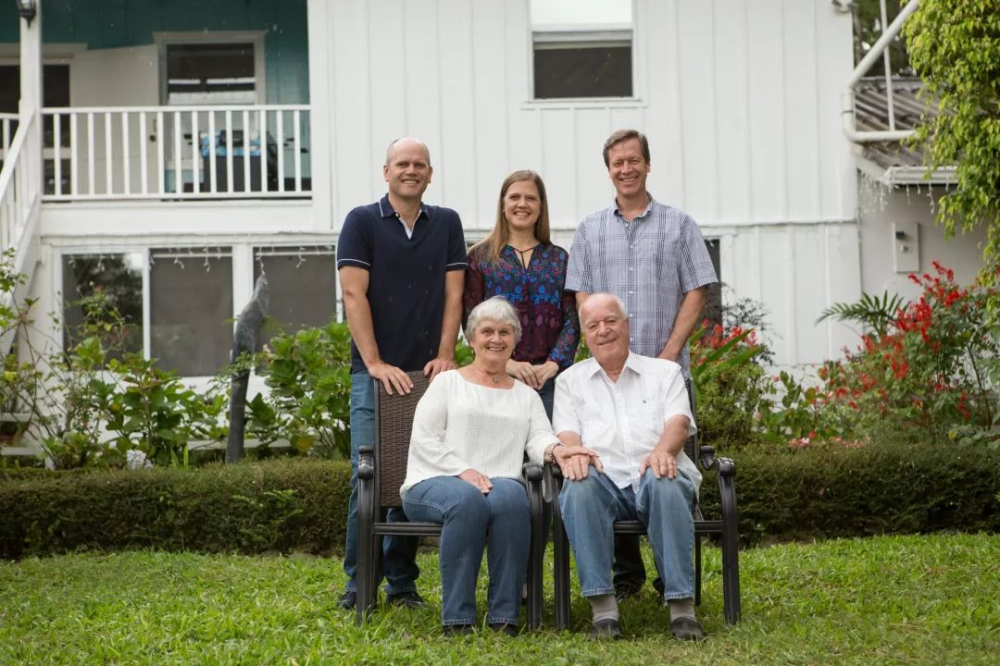
In 1964, Hacienda La Esmeralda's first-generation owner, Rudolph A. Peterson, bought a farm in Boquete, mainly running a dairy business. In 1973, his son Price Peterson resigned from his doctoral position to help his father manage the farm. He introduced the Caturra and Catuai varieties and built a wet processing mill, officially beginning to produce coffee.
Hacienda La Esmeralda has three farms growing Geisha: El Velo, Cañas Verdes, and Jaramillo. Among them, the highest-quality Geisha lots come from Cañas Verdes and Jaramillo.
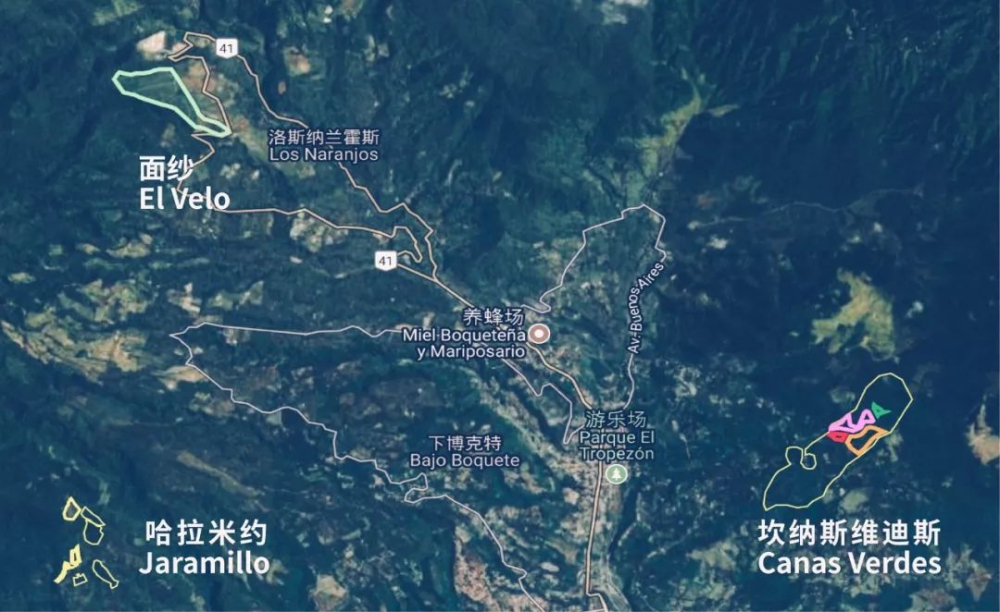
After acquiring the superior Jaramillo farm, third-generation owner Daniel Peterson discovered through cupping that its Geisha beans had exceptionally unique flavors. He then cupped other parts of the farm, comparing and recording the flavors of different lots. After years of experimentation, it emerged that only Geisha grown above 1,400 meters developed the distinctive flavors. The Peterson family divided the growing plots by altitude — which is why we now have the well-known Red Label, Green Label, and Blue Label classifications.
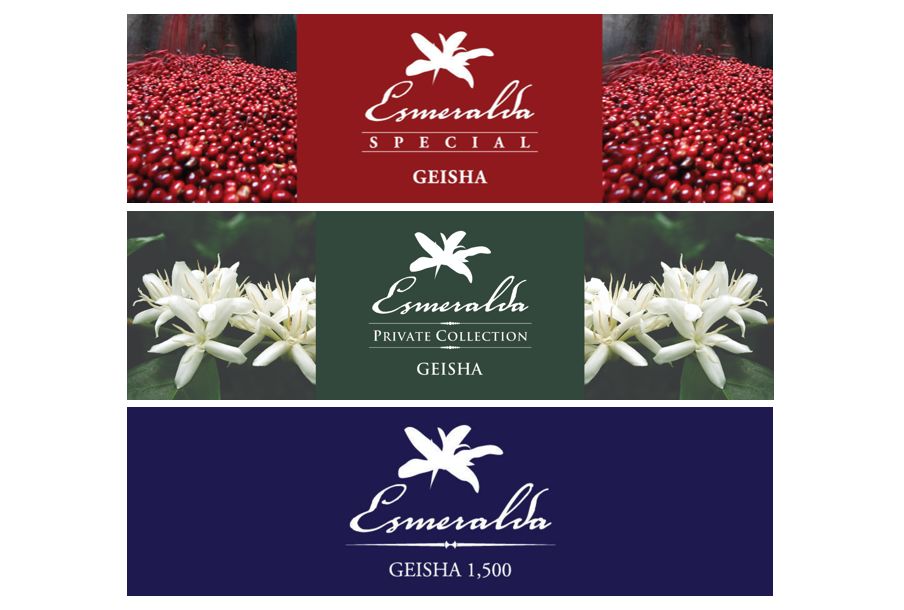
The Red Label represents Esmeralda Special: Geisha grown between 1,600-1,800 meters with cupping scores exceeding 90 points, and the highest-quality Geisha from Hacienda La Esmeralda. The Green Label, also known as Private Collection, grows at the same altitude as the Red Label but contains mixed harvest lots without detailed plot markings, so its flavors sometimes echo the Red Label's floral, fruity notes with sweet-and-sour juice sensations. The Blue Label consists of Geisha grown at 1,400-1,500 meters. Starting in 2021, the Blue Label series was discontinued, and Hacienda La Esmeralda began selling Geisha from that region externally as Volcanic Geisha coffee.
It's worth noting that the Red Label in the Esmeralda Special series has a unique characteristic: every bean in a given lot comes from the same plot. For example, the Red Label purchased by FrontStreet Coffee comes from the Cañas Verdes plot, which lets buyers make detailed purchasing choices.
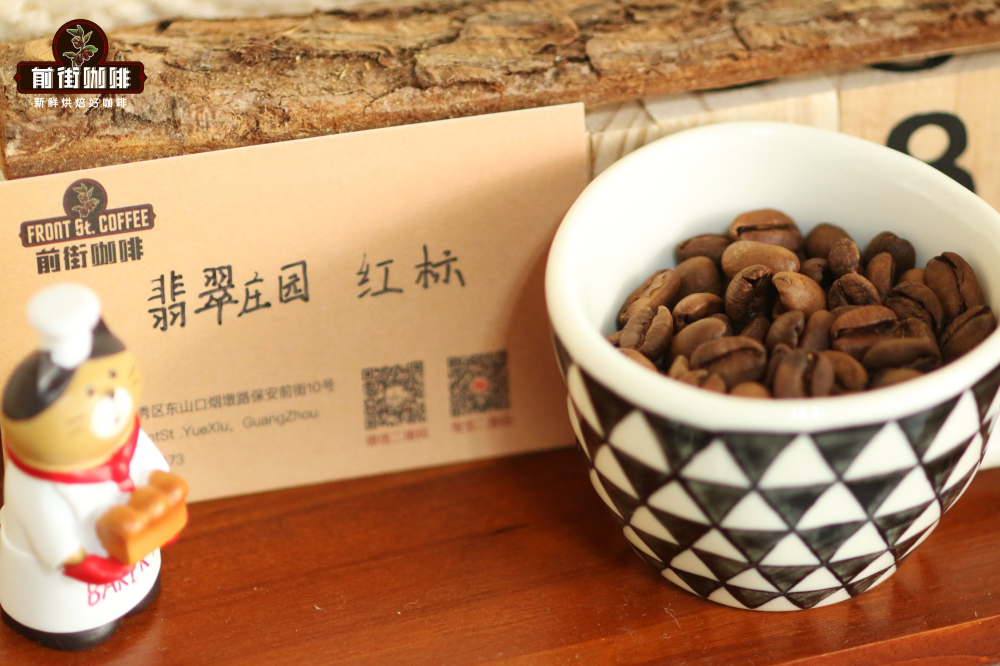
FrontStreet Coffee: Red Label Geisha Coffee Beans
Region: Boquete
Estate: Hacienda La Esmeralda, Cañas Verdes
Altitude: 1,700+ meters
Variety: Geisha
Processing: Natural Process
Flavor Notes: Citrus, Complex Fruits, Rose Tea, Honey
Of course, when it comes to high-quality Geisha, there are many other renowned estates on FrontStreet Coffee's menu worth trying. Elida Estate, a multiple Best of Panama winner, has also been added to FrontStreet Coffee's regular offerings so everyone can experience it.
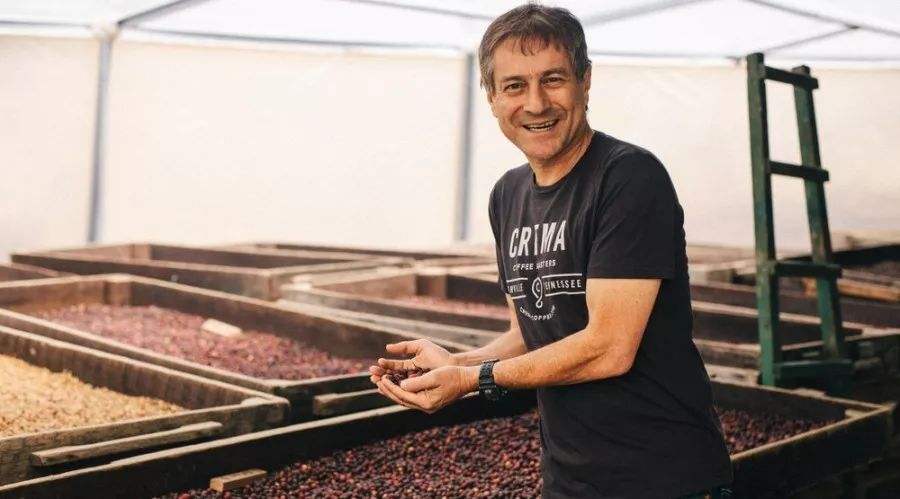
Elida Estate has a century-long history of coffee cultivation, established in 1918 by the Lamastus family and now passed to its fourth-generation owners. More than half of Elida's growing area lies within Barú Volcano National Park, the highest in Central America. The microclimate the volcano creates, plus the high-altitude environment, lets the plants thrive. Besides coffee, many rare high-altitude fruit varieties are grown here.
Elida's owners set exceptionally high standards for harvesting and green bean processing. They harvest only the most mature cherries, whose mucilage layer is high in sugar, yielding complex fruit acidity and sweetness in the cup. That is what has let Elida's Geisha achieve excellent results in multiple competitions.

FrontStreet Coffee: Elida Estate Geisha Coffee Beans
Region: Boquete
Estate: Elida Estate
Altitude: 1,900 meters
Variety: Geisha
Processing: Anaerobic Fermentation Low-Temperature Slow Natural Process
Flavor Notes: Fermentation Aroma, Rose, Citrus, Green Tea, Cream, Nuts
Processing Methods
For high-quality Geisha, estates in Panama typically use natural and washed processing after harvesting ripe cherries.

Natural Process
The most mature cherries are strictly screened and spread evenly on patios — not too thick — requiring regular hand turning to maintain uniform, slow drying. Because they dry with the fruit pulp intact, the green beans develop berry sweetness, with more intense floral and fruity aromas and a thicker, fuller mouthfeel.
Anaerobic Fermentation Low-Temperature Slow Natural Process
There is also a special method based on natural processing: the Anaerobic Fermentation Low-Temperature Slow Natural Process (NATURAL-ASD), used for the Geisha produced by Elida Estate. Harvested cherries are placed in sealed containers to ferment for 4-5 days, then spread in thick layers on drying beds to dry slowly, letting the cherries develop optimal flavors. Since ASD requires precise control over every detail, it demands significant time and effort.

Washed Process
Before drying, the cherries are depulped, and the mucilage layer clinging to the beans is removed through fermentation with acidic substances. The beans end up with a cleaner surface, and the final cup is fresher with brighter acidity. Washed processing requires large amounts of clean water to wash the green beans, making it relatively costly.

Brewing Reference
After all this discussion, how do we brew a cup of Geisha with excellent flavor? FrontStreet Coffee believes freshly roasted beans are the primary requirement. Coffee's aroma changes with storage environment and time; once past the optimal tasting period, it loses aroma more quickly. FrontStreet Coffee understands how important freshness is, so all shipped beans are freshly roasted within 5 days, ensuring they're ready to brew when they arrive.
FrontStreet Coffee has found that some customers find grinding coffee for pour-over troublesome. If you don't have grinding equipment, FrontStreet Coffee offers grinding services both online and at physical stores. Because beans release aroma more readily once ground, they should be consumed as soon as possible. To experience the coffee's full flavor, FrontStreet Coffee suggests equipping yourself with a grinder and grinding fresh before brewing.
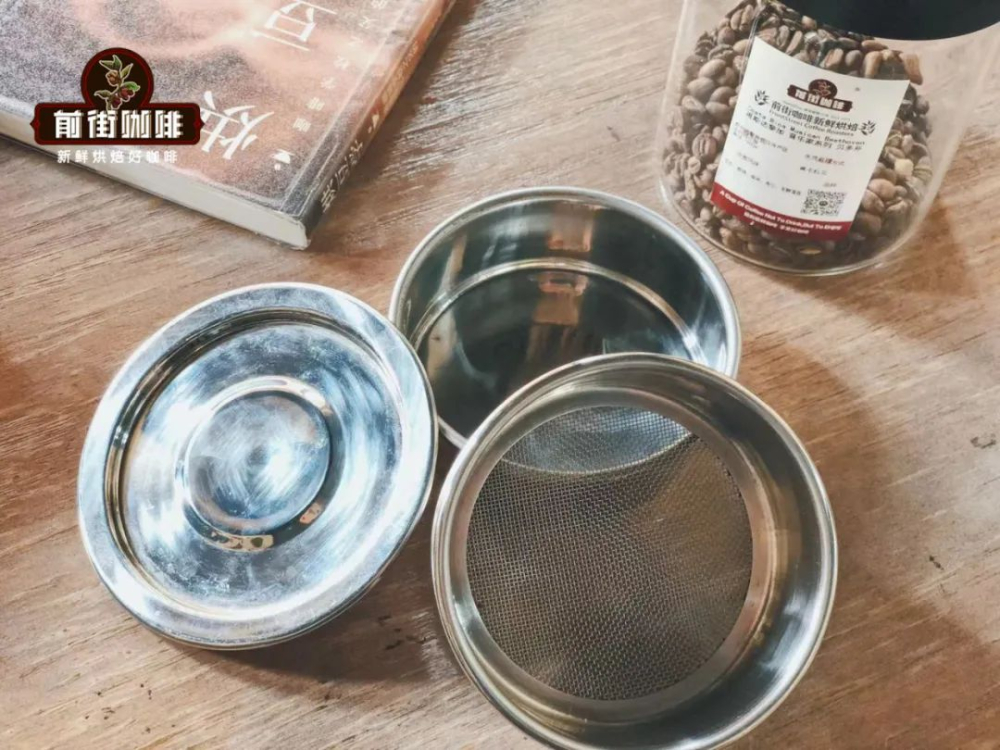
On choosing a grind size for pour-over, FrontStreet Coffee's parameters are based on the Chinese standard #20 sieve. For medium-light roasts like Geisha, an 80% pass-through rate is selected. Since grinders differ in installation, use, and maintenance, even the same setting can produce different coarseness. If possible, FrontStreet Coffee suggests preparing a standard sieve to calibrate your grinder, which makes adjusting grind parameters clearer.
FrontStreet Coffee has chosen the most popular Hacienda La Esmeralda Red Label Geisha. Because Geisha is lightly roasted and lightly roasted beans dissolve less readily than dark roasted ones, FrontStreet Coffee brews at higher water temperatures to ensure full extraction, while also choosing a finer grind.
Dripper: V60
Water Temperature: 90-91°C
Grind Size: 80% pass-through rate on standard #20 sieve
Coffee-to-Water Ratio: 1:15
Coffee Amount: 15 grams
Pour the grounds into the V60 and wet the coffee bed with twice the weight of the grounds in water, forming a dome, and let it bloom for 30 seconds. Then, with a small stream, pour in concentric circles from inside out until reaching 125g, then pause. When the coffee bed drops to half the height of the dripper, continue with the same fine stream to pour the third stage to 225g. Remove the dripper once all the liquid has filtered through, in about 2 minutes.
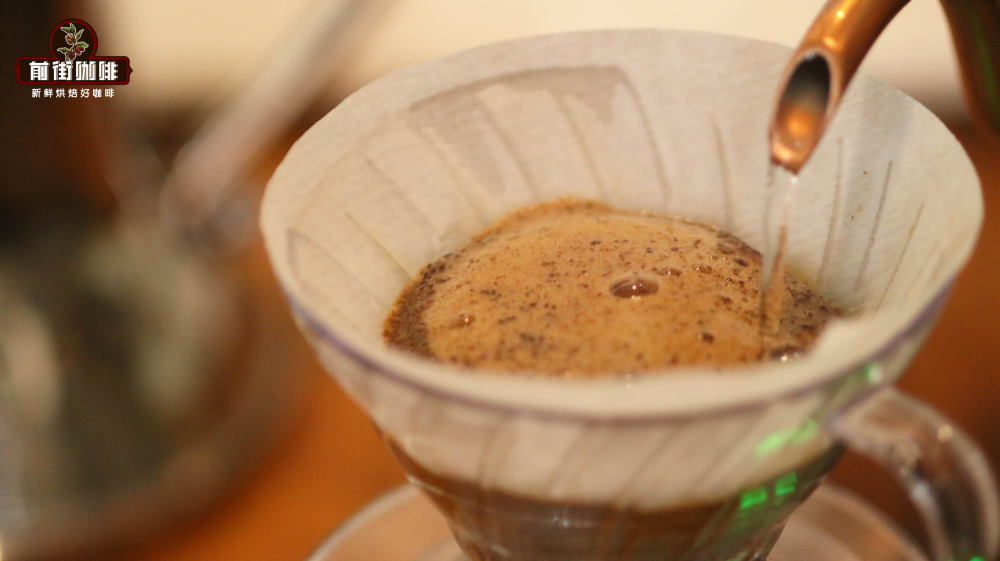
The ground Red Label Geisha has captivating rose and citrus aromas. On tasting, it reveals berries, apricots, complex fruits, and honey, with a substantial juice sensation, rich layers, and distinct sweetness.
For professional coffee knowledge exchange and more coffee bean information, follow Coffee Workshop (WeChat Official Account: cafe_style).
For more specialty coffee beans, please add FrontStreet Coffee on WeChat: qjcoffeex
FrontStreet Coffee Recommendation
Beyond Panama, FrontStreet also carries Geisha from Ethiopia, the variety's homeland. FrontStreet's Geisha Village Gold Label beans are of the Gesha 1931 variety, making up 10% of Geisha Village's total production — the estate's top coffee outside auction, often chosen by competitors. Refined natural-processed, they offer complex, rich flavor with a memorable dry aroma, flavor, and aftertaste. The Geisha Village Red Label is the Gori Gesha variety, 15% of production, scoring 88 or above on the SCA 100-point scale as a single-terroir series, so each lot carries full traceability including farm block, variety, and processing date.
For a more accessible Ethiopian Geisha, FrontStreet's Genlana Gesha comes from a processing station at the border of Kochere and Genlana Abaya, established in 2014 and covering 700 hectares of mostly uncultivated, fertile, shade-covered land. Hand-picked fully ripe cherries are dried on raised beds for 14-20 days depending on weather; roasted medium-light, it shows bright citrus acidity, elegant ginger-lily florals, ripe-fruit sweetness, and a delicate, silky body with Geisha's signature refined finish. To enjoy Geisha as espresso, FrontStreet's medium-roasted Genlana Gesha SOE shines: extract 20g of grounds at a 1:2 ratio for a 40g shot in 25 seconds, then add 200g of hot water at 1:5 for an Americano with orange, nut, and blueberry notes, or 200g of milk for a latte with a silky cream-cookie texture.
Important Notice :
FrontStreet Coffee is a long-established specialty coffee roaster in Guangzhou China, selling freshly roasted beans from its own farm in Yunnan as well as dozens of carefully selected single-origin beans from around the world for both pour-over and espresso. The products deliver consistently excellent quality and great value, with shipping within 24 hours. Guangzhou's FrontStreet Coffee shop is recommended by many coffee lovers, and the beans are now available online at the Tmall 。
FrontStreet Coffee has moved to a new address:
FrontStreet Coffee Address: 315,Donghua East Road,GuangZhou
Tel:020 38364473
 Scan and follow the En Gafei WeChat official account. Please indicate that the reprint comes from "En Gafei".