Introduction to Coffee Bean Varieties and Flavor Characteristics - A Comparison of Arabica Specialty Coffee Bean Varieties and Tastes
An Introduction to Coffee Bean Varieties
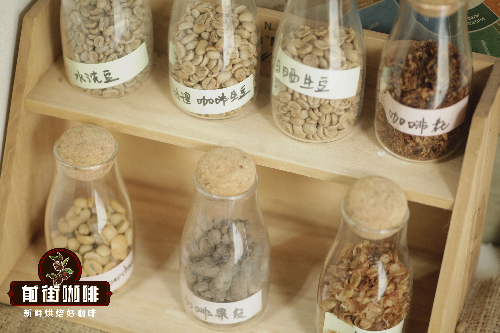
As coffee culture spreads, coffee has worked its way into daily life. Some people have come to love black coffee; others prefer their espresso softened with sugar and milk. Different beans yield wildly different cups — some fruity, some sharply acidic, some gently bitter. Here, FrontStreet Coffee walks you through the varieties behind all that diversity.
For all the hundreds of named varieties, coffee beans fall into three species-level categories: Arabica, Robusta, and the far rarer Liberica. Specialty shops like FrontStreet Coffee and other independent cafés brew Arabica almost exclusively, while Robusta dominates the instant-coffee shelf.
Classified by origin, the list grows much longer — Jamaican, Ethiopian, Indonesian, Tanzanian, and on and on — and each producing country tastes dramatically different, as we've learned firsthand.
Growing Regions and What Makes Them Distinct

FrontStreet Coffee has tasted beans from more than 50 growing regions, each with a signature profile. Here are the origins that left the deepest impression on us.
Costa Rica is a case in point. In cupping sessions with Costa Rican beans, we found excellent balance and richness, vibrant acidity, and fruity aromatics, with a sweetness that lingers long after the swallow. Not every Costa Rican lot is exceptional, though — ordinary beans can be undistinguished, so it pays to taste widely before settling on a favorite.

When Costa Rica comes up, honey process is what it's famous for. FrontStreet Coffee's Costa Rican single origins use more than two honey-process styles, among them the honey-processed coffees of the Canet Estate "Musician Series" — the FrontStreet Bach and FrontStreet Mozart beans.

Honey-processed beans taste noticeably sweeter than coffees put through other methods. Take FrontStreet Bach: it's a raisin honey process. After flotation sorting selects only mature cherries, the skin and pulp are removed, but instead of washing the mucilage off in fermentation tanks, the beans are dried in the sun with the mucilage left on. Depending on how much mucilage remains, the process splits into yellow honey (40% of the mucilage), red honey (25%), and black honey (nearly all of it retained).
Ethiopian Coffee Beans
Ethiopian beans have a character all their own. Thanks to the country's economic conditions and protective policies, Ethiopian coffee is essentially all native landrace varieties — which is why, when you buy Ethiopian coffee, you'll notice bean sizes varying considerably.

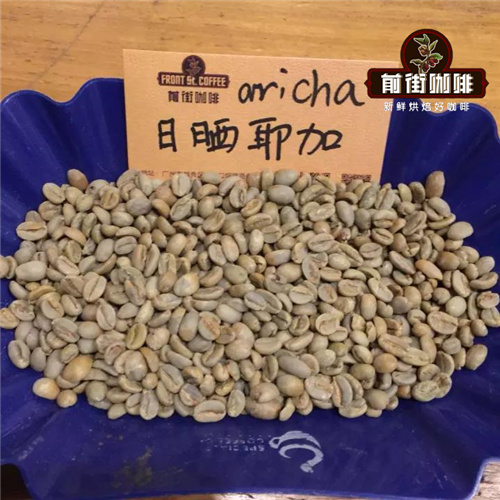
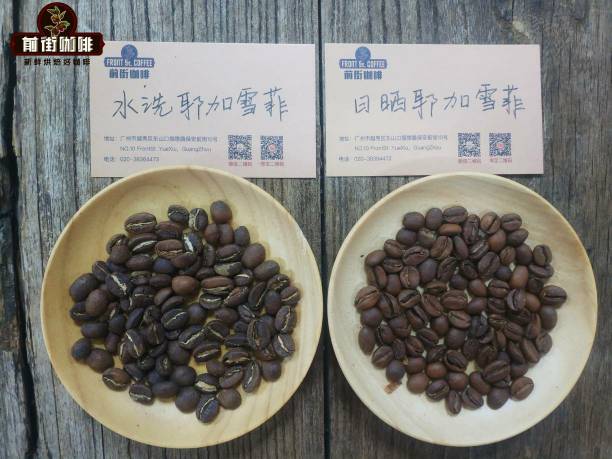
Ethiopia's most famous regions are Sidamo and Yirgacheffe — the latter broke away as its own named origin precisely because its flavor is so distinctive. Both washed and natural Yirgacheffe are renowned. If you visit FrontStreet Coffee often, you'll see plenty of green and roasted samples around the shop: washed greens tend toward a bluish-green, naturals toward a yellowish-green.
The processing methods leave visible traces. Washed beans carry more silver skin, naturals relatively less — though roast level matters too, since the darker the roast, the more completely the chaff burns away. Yirgacheffe coffee was traditionally natural-processed, but washing is also used to guarantee consistent quality. FrontStreet Yirgacheffe Gotiti, for instance, is washed, showing citrus and black tea notes in the cup.
Panamanian Coffee Varieties
Panama's claim to fame is Geisha. FrontStreet Coffee has cupped both Panamanian La Esmeralda and Ethiopian Geisha lots. While cupping the FrontStreet Ethiopian Geisha Village Geisha, we also picked out the excellent-value FrontStreet Panamanian La Esmeralda Green Label Geisha on the shelf. Its dry aroma leads with berries; once hot water hits the grounds and they begin to bloom, aromas of ripe fruit grow stronger. On tasting, beyond an intense berry sweetness, there are cherry and honey flavors plus the lightly fermented finish typical of natural processing. As the cup cools, more berry and caramel notes emerge, with pronounced sweetness and a long aftertaste.
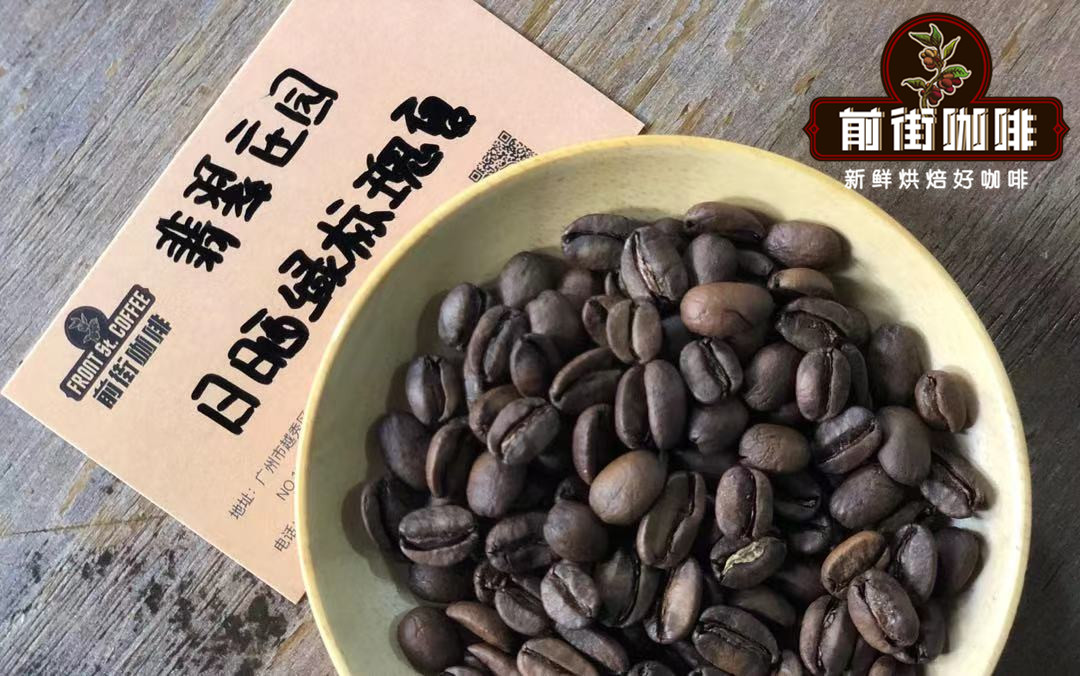
Beyond Geisha, Panama also grows Caturra and Catuai. La Esmeralda Estate grades its Geisha rigorously and markets its Caturra and Catuai under the Diamond Mountain and Palmilla brands.
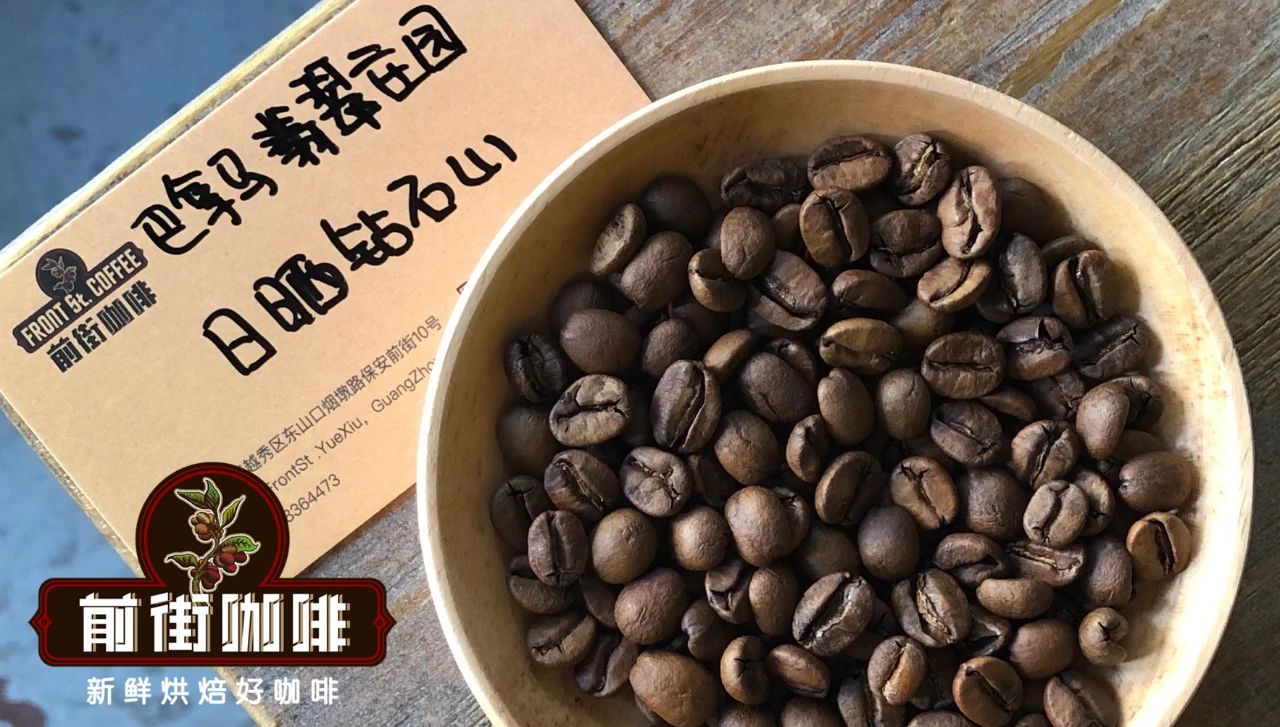
FrontStreet Coffee recently brought in the FrontStreet Panamanian Diamond Mountain beans. Grown on the same estate as the Geisha, they taste remarkably different: without the Geisha's intense florals and fruit, Diamond Mountain leans toward chocolate, with prominent spice notes and plenty of sweetness.
Final Thoughts
There are many more coffee stories where these came from. If you're curious, follow FrontStreet Coffee for more.
FrontStreet Coffee Recommendation
Ethiopia is the birthplace of coffee and a treasure trove of native varieties — the origin many coffee lovers stay loyal to for life. For a first taste of what Ethiopian specialty coffee can do, FrontStreet Coffee recommends starting with our washed Yirgacheffe: a clear jasmine fragrance and bright citrus acidity, light and elegant with a tea-like finish, like a clean lemon tea. The town itself, cool, misty, and spring-like year-round, lets thousands of coffee trees flourish and gives Yirgacheffe its signature weave of florals and fruit.
For natural process, two lots stand out. The Red Cherry natural from Yirgacheffe is defect-sorted at every stage — bad cherries removed before drying, two weeks in the sun, then density and color grading plus hand sorting — and delivers peach, cocoa, honey, and lemon. The Huakui natural, from the Hambella area of Guji in Sidamo, dries whole cherries for 21 days on raised beds, turned constantly and hand-sorted every three to five days; roasted medium-light it shows a faint fermented wine note, florals, citrus, and mango, with a thick body, honeyed sweetness, cocoa, and a touch of spice.
If you'd rather explore something wilder, try the Kaffa Forest beans: coffee grown truly wild at 1,400-2,100 meters under forest shade. Roasted medium-light, it opens with white florals, shows a bright lemon acidity with sweet orange and bergamot, and finishes like a green tea with faint notes of melon and nut. For all these delicate coffees, a pour-over brewer and a medium-light roast will show the clarity best.
Important Notice :
FrontStreet Coffee is a long-established specialty coffee roaster in Guangzhou China, selling freshly roasted beans from its own farm in Yunnan as well as dozens of carefully selected single-origin beans from around the world for both pour-over and espresso. The products deliver consistently excellent quality and great value, with shipping within 24 hours. Guangzhou's FrontStreet Coffee shop is recommended by many coffee lovers, and the beans are now available online at the Tmall 。
FrontStreet Coffee has moved to a new address:
FrontStreet Coffee Address: 315,Donghua East Road,GuangZhou
Tel:020 38364473
 Scan and follow the En Gafei WeChat official account. Please indicate that the reprint comes from "En Gafei".