Latte Art Tutorial: Illustrated Guide to Milk Frothing Techniques for Latte Coffee Making

When many beginners first start making latte coffee, they often begin to doubt their abilities at the milk frothing step - either the foam is too thick or too coarse. Many friends have asked FrontStreet Coffee whether we offer latte art classes, hoping to enroll and learn. FrontStreet Coffee does not currently run coffee classes, but we share coffee knowledge every day on our account to satisfy everyone's curiosity. In this article, FrontStreet Coffee explains how to achieve smooth, fine milk foam.
What Is the Principle Behind Frothing Milk?
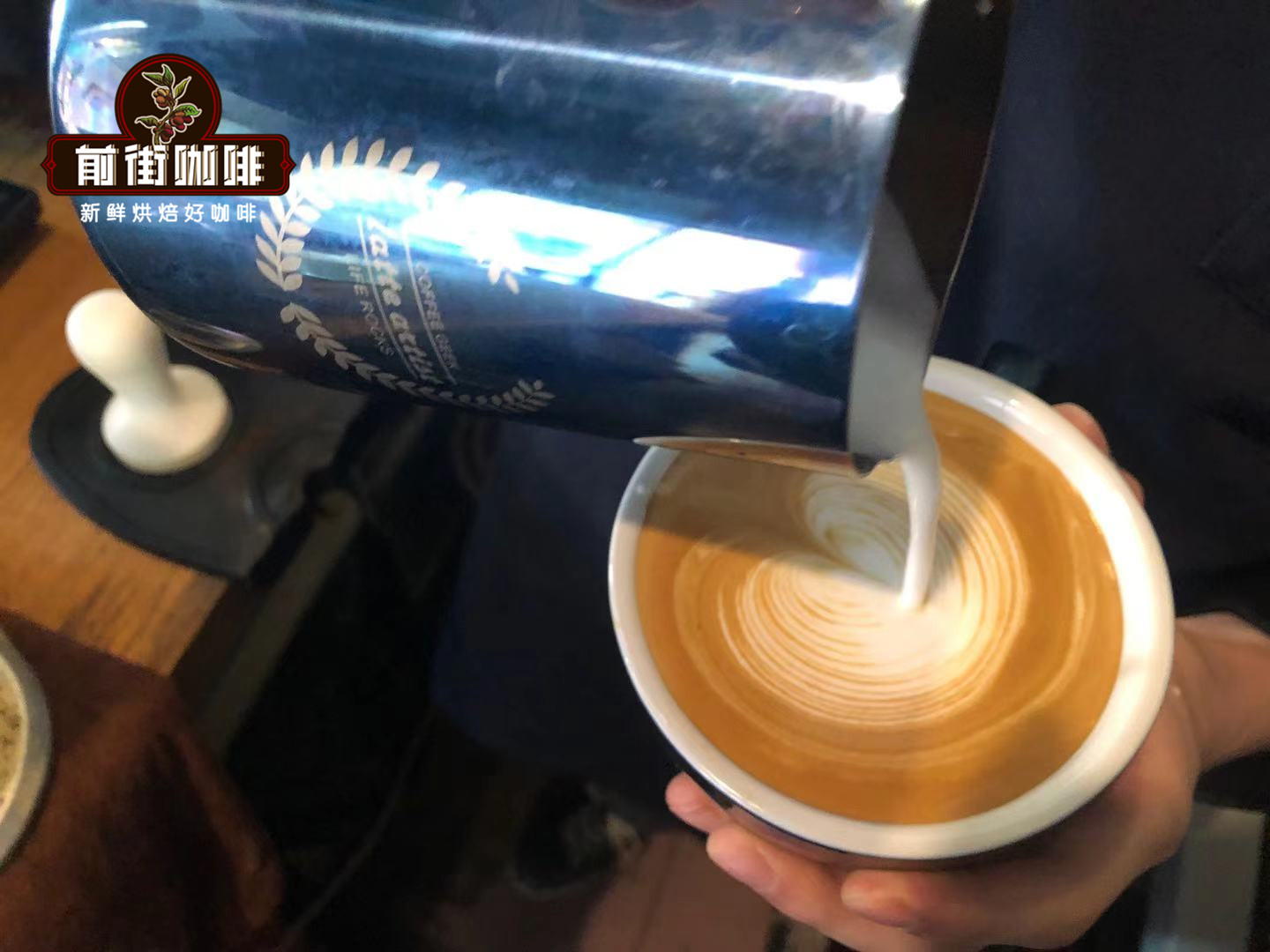
The basic principle of milk frothing is to use steam to aerate milk, introducing air into the liquid and relying on the surface tension of milk proteins to form fine foam. This causes the liquid to expand in volume, becoming foamed milk.
Why Does Frothed Milk Taste Sweeter?
During frothing, as the milk temperature rises, lactose breaks down into more sugar molecules that blend into the milk. Milk fat makes the foam formed by milk proteins more stable, and the bubbles trap the milk's aromatic compounds and sweet substances. When we drink that foam, the fine bubbles burst in the mouth, making the milk taste exceptionally sweet and fragrant. This is also why FrontStreet Coffee's latte tastes sweet even without added sugar.
What Kind of Milk Is Suitable for Frothing?
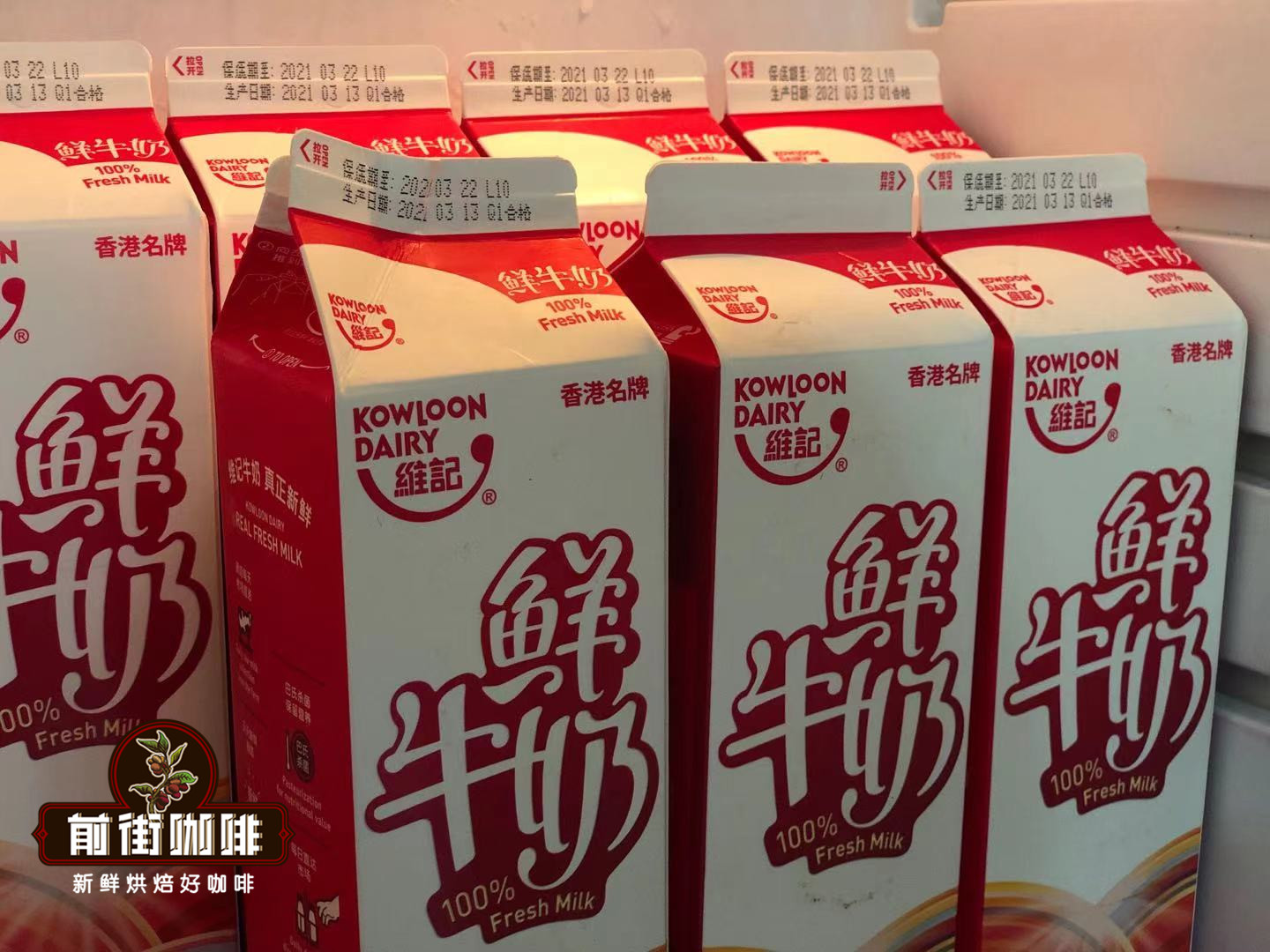
Not every type of milk works as a base for frothing. FrontStreet Coffee recommends pasteurized milk that must be kept refrigerated, since pasteurization better preserves the milk's nutrients, lactose, and proteins. Many shelf-stable milks commonly seen in supermarkets undergo high-temperature sterilization, which breaks down milk proteins and lactose prematurely and scatters the aromatic compounds. Shelf-stable milk also has some milk fat removed to extend its shelf life. When milk fat and proteins are insufficient, the foam is naturally unstable, and once lactose has already broken down, reheating the milk to room temperature will not restore the sweet flavor.
How Do You Create Smooth, Fine Milk Foam?
Now that you understand the key factors in milk frothing, FrontStreet Coffee will explain how to create foam suitable for latte art. There are two main points to focus on: the angle between the steam wand and the milk pitcher, and the temperature for frothing.
Angle: Generally, the steam wand should be positioned using the pitcher spout as a 12 o'clock reference, angled toward the 2-3 o'clock or 9-10 o'clock position relative to the pitcher. This positioning lets the milk rotate quickly during frothing, forming a small vortex that draws coarser bubbles down into the milk, resulting in a smooth consistency after frothing.
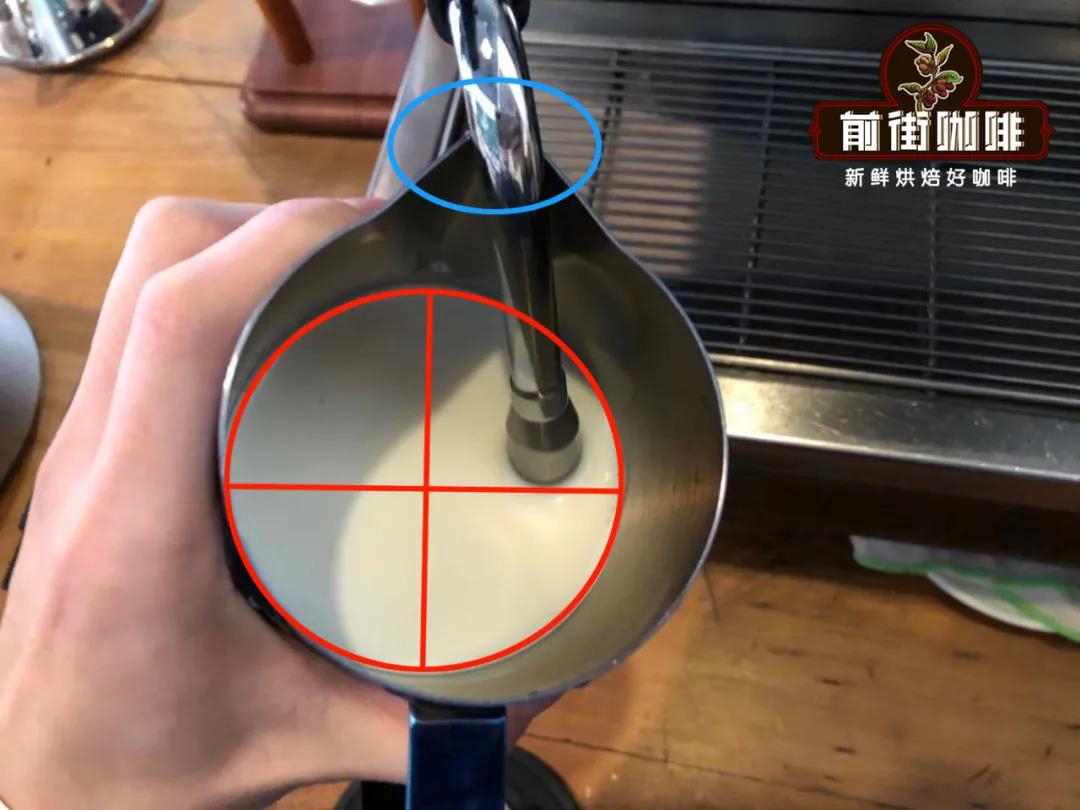
Temperature: The ideal temperature for milk frothing is between 55-65C. Below that, the milk's sweetness is not fully activated. Above it, too many proteins denature. Overheating also alters the milk's taste, producing sulfur-like flavors, causing frothing to fail, and leading milk proteins to separate from the water and form curds that hurt both texture and nutritional value.
Milk Frothing Steps
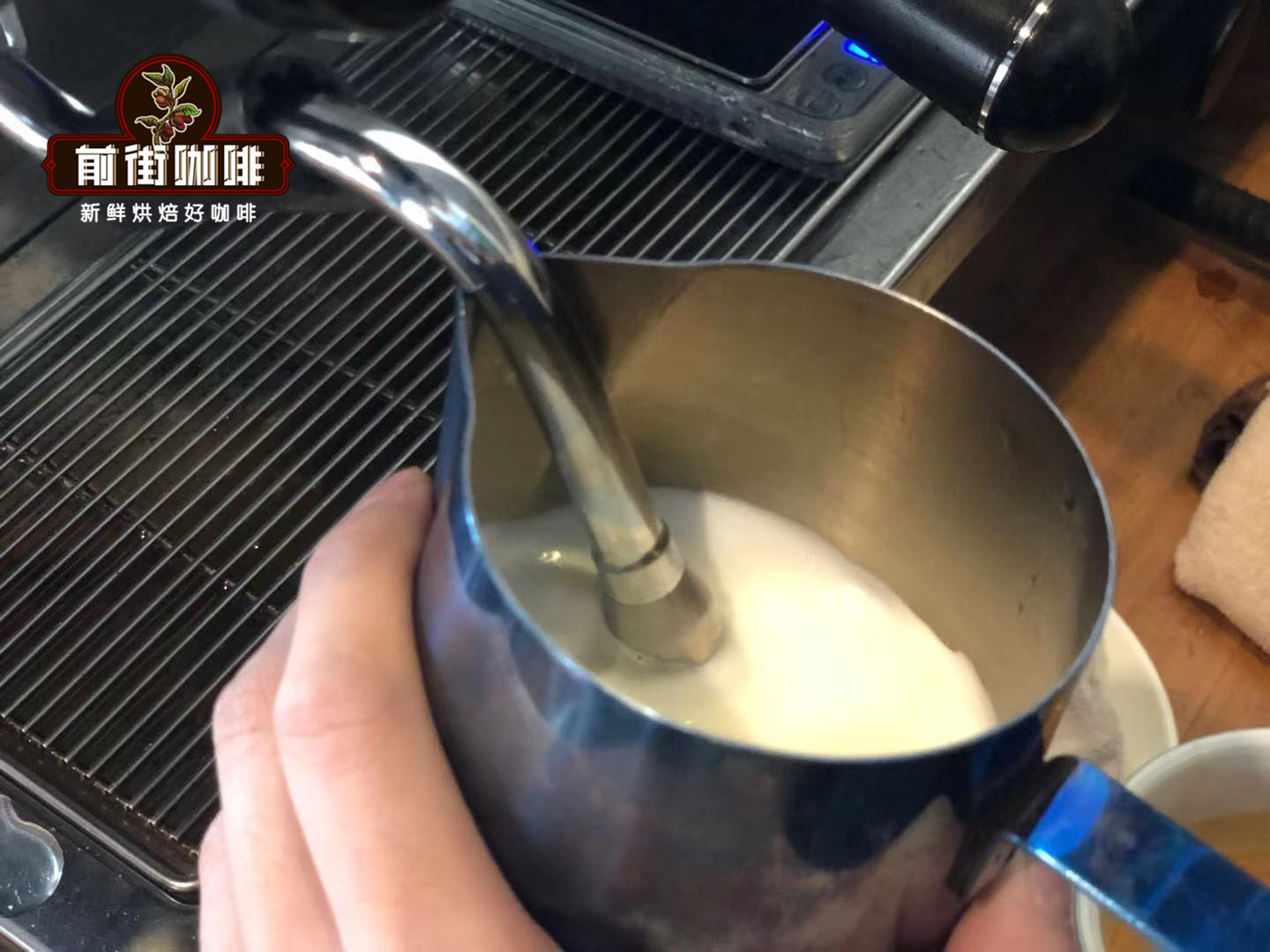
First, you will need a steam wand - most semi-automatic espresso machines come with one. Second, you will need a container for the milk, such as a milk pitcher or latte art pitcher (professional equipment makes the process more efficient). Before frothing, briefly open the steam wand to release condensed water steam, then close it. Position the steam wand at a 45-degree angle, using the pitcher spout to stabilize its position. In this example, with a counter-clockwise vortex, position the steam wand to the right of the center of the liquid, with the steam tip partially submerged.
Open the steam switch, and you will hear a "shhh-shhh" sound - this is the frothing stage. The frothing time depends on how thick you want the foam (a longer time gives thicker foam).
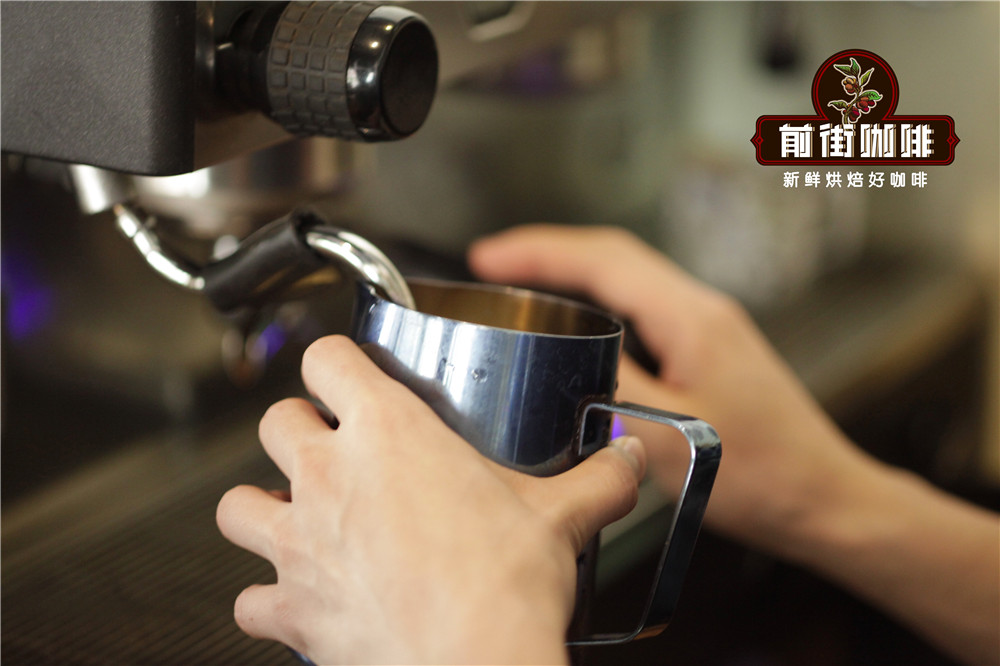
Typically, frothing milk from 5/6 full to about 6/7 full (for latte foam thickness) takes about 3 seconds. The milk should rotate evenly in a vortex. At this point, fully submerge the steam holes to heat only, without adding more foam. Do not bury the steam tip at the very bottom - keeping it in the foam layer helps refine the texture by breaking coarse bubbles into fine ones. When should you stop? This depends on the milk temperature, generally controlled between 55-65C. Higher temperatures cause protein denaturation (protein denaturation in food generally begins around 60C).
FrontStreet Coffee Recommendation
Fine foam is only half the equation - the other half is a bean that gives you the crema to pour against, and FrontStreet Coffee's espresso blends are built for exactly that. FrontStreet Coffee's Classic Blend is the one to start with. It is a medium-dark Italian recipe drawn from three growing regions, inspired by the old "Mamba" style of Mandheling and Brazil, with a small amount of Robusta added for extra aroma and crema. As it extracts, it gives off pronounced butter, toasted bread, and caramel-cookie aromas, with a strong flavor, a solid body, and fine crema, and it stays remarkably stable from shot to shot - a must-have home coffee for beginners.
If you prefer a nutty, aromatic profile, FrontStreet Coffee's Premium Blend is also a medium-dark Italian-style bean. It pairs washed Colombian coffee with semi-washed Brazilian coffee in a classic combination, and as espresso it shows nuts, dark chocolate, and caramel. Made as an Americano, latte, or flat white, it brings forward the soft aromas of cream, almond, and cocoa, and its crema stands fully level with what a cafe produces - more than enough for practicing latte art, which makes it ideal for anyone aiming to open a shop or train at home. FrontStreet Coffee's Commercial Blend, meanwhile, builds on FrontStreet Coffee's Premium Blend with a little added Robusta to deliver more fine, dark-brown crema and a heavier body, so an Americano, latte, or mocha carries nuts, cocoa, and caramel and pours latte art with ease.
Important Notice :
FrontStreet Coffee is a long-established specialty coffee roaster in Guangzhou China, selling freshly roasted beans from its own farm in Yunnan as well as dozens of carefully selected single-origin beans from around the world for both pour-over and espresso. The products deliver consistently excellent quality and great value, with shipping within 24 hours. Guangzhou's FrontStreet Coffee shop is recommended by many coffee lovers, and the beans are now available online at the Tmall 。
FrontStreet Coffee has moved to a new address:
FrontStreet Coffee Address: 315,Donghua East Road,GuangZhou
Tel:020 38364473
 Scan and follow the En Gafei WeChat official account. Please indicate that the reprint comes from "En Gafei".