Characteristics and Aroma Description of Brazilian Cerrado Coffee Beans: Who Introduced Brazilian Coffee Seeds and From Where?
For more specialty coffee knowledge, follow the official WeChat account: FrontStreet Coffee
Coffee market prices have been in the news lately, and nearly every one of those stories mentions a single producing country: Brazil. Brazil has been the world's largest coffee producer since 1960. While compiling production data by country, FrontStreet Coffee found that Conab, the Brazilian government's food supply and statistics agency, put the country's total coffee production for 2021 at 46.88 million bags (60 kg per bag) — a figure that already reflects the sharp decline caused by a once-in-a-century drought and severe frosts across Brazil's coffee-growing regions.
The History of Brazilian Coffee
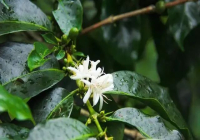
Despite its dominance today, nearly 300 years ago there was not a single coffee plant in Brazil. The country's decisive contribution to the coffee world traces back to a Portuguese officer named Francisco de Melo Palheta. While in French Guiana on a diplomatic mission, he became acquainted with the local governor's wife — and the two fell in love. As the officer prepared to return to Brazil, the governor's wife handed him a bouquet of flowers with coffee seeds hidden inside. Once home, he planted them. Thanks to a climate highly favorable to coffee, the trees adapted to Brazil in a remarkably short time and spread southward.
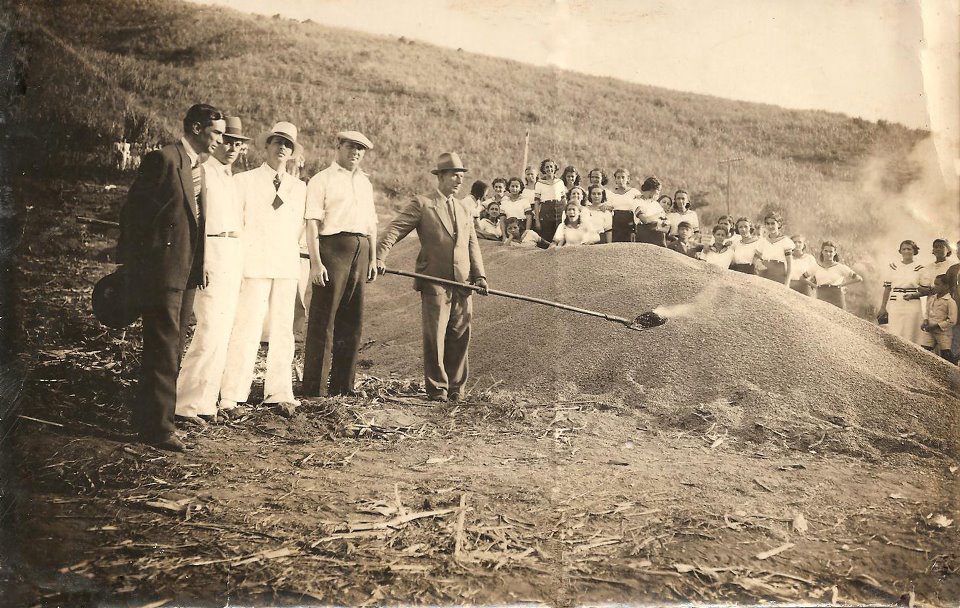
By the 1830s, Brazilian coffee accounted for 30% of world production; by the 1840s, 40%; and by the 1920s, a full 80%. At that time Brazil's main export market was the United States to the north. When the Great Depression struck, Brazilian coffee prices collapsed by nearly 90%. Americans could no longer afford to import Brazilian coffee, so warehouse inventories ballooned and prices kept falling. To prop up the market, the Brazilian authorities made the drastic decision to burn billions of pounds of coffee beans.
Brazilian Coffee Bean Grades
On the market we routinely see designations like Kenya AA, Yirgacheffe G1, or Blue Mountain No. 1 — FrontStreet Coffee has noted in many origin articles that these are the producing countries' expressions of green bean grade. So why is there no "Brazil AA"? Because Brazil's grading system works differently. Anyone visiting FrontStreet Coffee's stores can easily spot the "identity card" of Brazilian green beans.
Printed on Brazilian green bean sacks you will often see something like 'Brazil NY.2 SC – 17/18 FC'. To read it, break it into three parts: the defect count, the bean size, and the cupping quality.
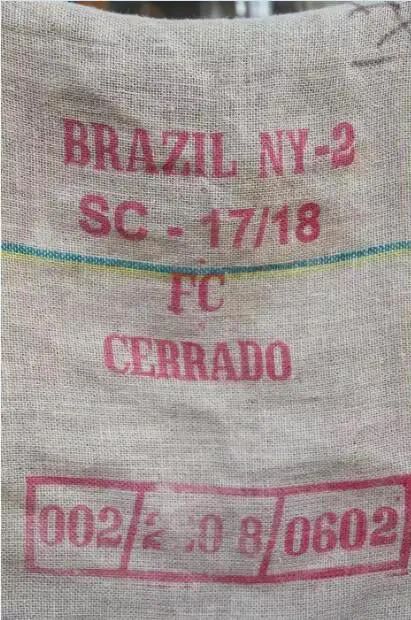
Defect Rate
The defect classification runs through 8 levels.

Bean Size
Green beans are graded by sieve, measured in 1/64-inch increments, typically from 14 to 20 mesh.

Cupping Quality
The cup labels are Fine Cup, Fine, Good Cup, Fair Cup, Poor Cup, and Bad Cup. In practice, Fine Cup (FC) and Good Cup (GC) are the most common.
Brazilian Coffee Regions
Most of Brazil's coffee grows on vast plains in temperate zones with suitable temperatures. The main producing states are Bahia, Minas Gerais, São Paulo, Mato Grosso and Mato Grosso do Sul, Espírito Santo, and Paraná.
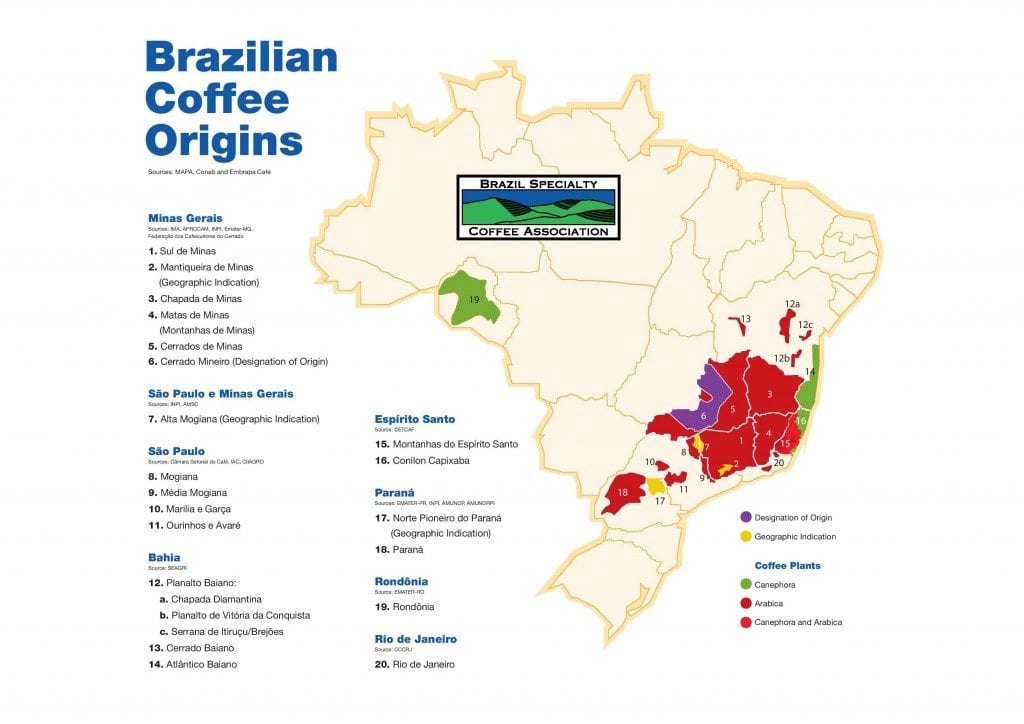
Bahia
Bahia began growing coffee as early as the 1970s. Unlike Colombia's blessing of mountains and water, Bahia relies on high-tech agriculture and excellent varieties, and its coffees have drawn growing attention.

Minas Gerais
This is by far Brazil's most important coffee state — nearly half of the country's coffee comes from here. Fertile soil and higher altitudes make it a near-perfect home for Brazilian specialty coffee. The Cerrado region within the state is a classic Brazilian producing area, and the character of Cerrado beans is widely taken as the classic taste of Brazil itself. FrontStreet Coffee's daily-bean series includes a Cerrado lot as Brazil's representative flavor. Thanks to its rich coffee aroma it suits many brewing methods — moka pot, pour-over, drip machine, espresso machine, and more — and can be purchased from FrontStreet Coffee's Tmall flagship store.
To help beginners quickly find the regions they love, the daily-bean series selects a representative lot from each distinctive region. To show each region's most fundamental terroir, all of these daily beans are washed processed — with one exception: the Brazilian bean, which is pulped natural, because pulped natural is Brazil's traditional processing method.

FrontStreet Coffee: Brazilian Red Bourbon Coffee Beans
Region: Cerrado, Brazil
Altitude: 1000m
Variety: Red Bourbon
Processing Method: Pulped Natural
São Paulo
São Paulo state may be best known for its export gateway, the Port of Santos, but it grows coffee too. The Mogiana region within the state can produce high-quality specialty coffee, blessed with fertile soils, an ideal altitude of 900 to 1100 meters, varied terrain, and suitable temperatures.
Mato Grosso and Mato Grosso do Sul
Coffee output here is low. Despite its high terrain, the average altitude of around 600 meters and flat landscape fail to meet the 1200-meter threshold for Arabica cultivation, so the land is better suited to ranching.
Espírito Santo
Espírito Santo is Brazil's second-largest coffee-producing region. Nearly 80% of its coffee trees are Robusta, and its coffees show rich fruit flavors and high acidity.
Paraná
Paraná is the world's southernmost coffee-growing region. It covers only 2.5% of Brazil's land area yet produces 25% of its crops. Altitudes here are lower and the climate runs cool.
How to Brew Brazilian Coffee?
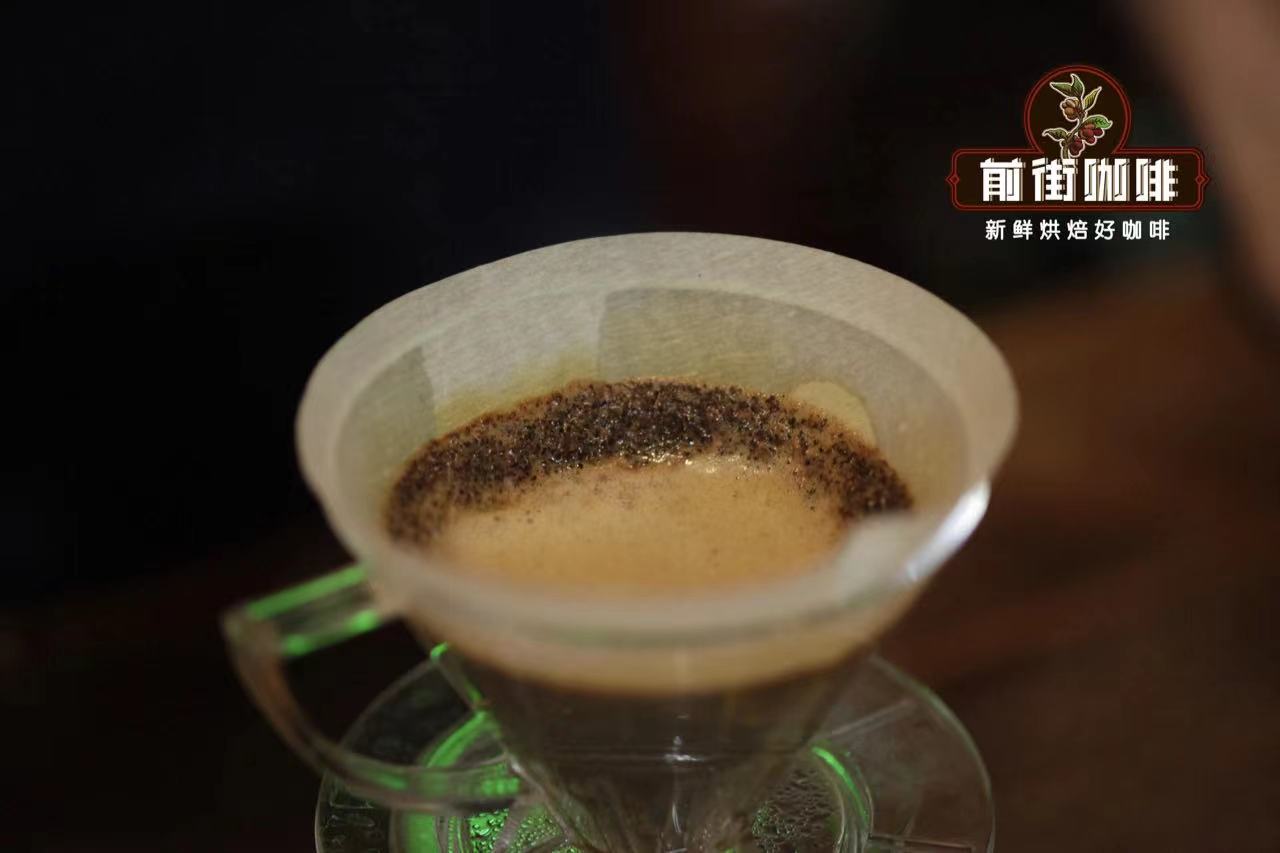
The Brazilian beans on FrontStreet Coffee's menu are medium-dark roasted, highlighting aroma while keeping a solid body. For brewing, FrontStreet Coffee's baristas choose a KONO dripper for its slow flow rate, which maximizes contact between grounds and water.
Dripper: KONO
Dose: 15 grams
Coffee-to-water ratio: 1:15
Water temperature: 88°C
Grind size: EK43s #10.5 (75% passing rate on a #20 sieve)
The baristas pour in three stages, which gives the finished cup richer layering.

Start by pouring 30 grams of water for a 30-second bloom. Because these medium-dark beans are freshly roasted within 5 days, you will see a beautifully domed bloom "hamburger." Pour the second stage up to 125 grams, wait for the water level to drop until the coffee bed is just about to be exposed, then pour the third stage up to 225 grams and stop. Once all the water has drawn down, remove the dripper. Total extraction time: 2'00".
One caution for the third pour: if the water level rises above the coffee bed and runs down the dripper wall, some water bypasses the grounds and the cup turns "watery." If the level is too low, some grounds never join the extraction and the cup turns thin and weak.
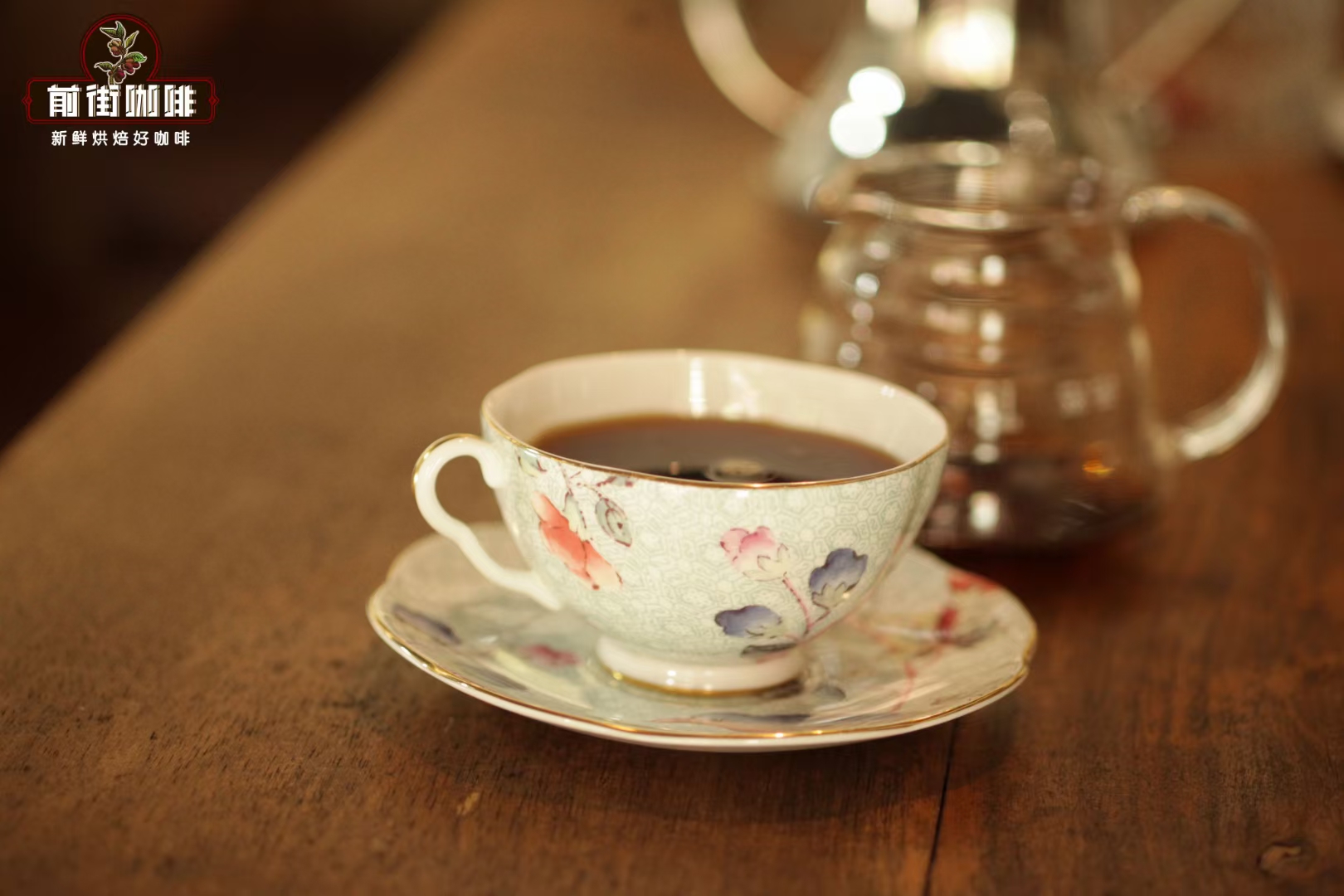
This Red Bourbon from the Cerrado delivers the classic Brazilian profile. Because Brazil's sun-grown coffee cherries ripen quickly, the beans have a soft character. In the brew you will catch peanut and nutty aromas; the palate is smooth and comfortable, with low acidity, caramel sweetness, and a dark chocolate aftertaste.
FrontStreet Coffee Recommendation: Taste Cerrado in the Cup
If this article has you curious about Brazilian terroir, the simplest answer is the FrontStreet Coffee Brazil Cerrado Red Bourbon. Grown at 1000 meters in the classic Cerrado region and processed pulped natural — Brazil's traditional method — then roasted medium, it fills the nose with creamy peanut, toasted bread, caramel, and hazelnut. The cup is rounded and smooth, with almost no acidity, just a gentle bittersweet edge.
It adapts happily to pour-over, moka pot, espresso, siphon, or French press, so you can explore one bean across many methods. Want to go further? The Brazil Queen Estate Yellow Bourbon from Mogiana adds a clean sugarcane sweetness with fruit and chocolate notes that few other origins can match.
Important Notice :
FrontStreet Coffee is a long-established specialty coffee roaster in Guangzhou China, selling freshly roasted beans from its own farm in Yunnan as well as dozens of carefully selected single-origin beans from around the world for both pour-over and espresso. The products deliver consistently excellent quality and great value, with shipping within 24 hours. Guangzhou's FrontStreet Coffee shop is recommended by many coffee lovers, and the beans are now available online at the Tmall 。
FrontStreet Coffee has moved to a new address:
FrontStreet Coffee Address: 315,Donghua East Road,GuangZhou
Tel:020 38364473
 Scan and follow the En Gafei WeChat official account. Please indicate that the reprint comes from "En Gafei".