Why Starbucks Uses Dark Roast Beans for Americano and Why Espresso Beans Develop Surface Oil
Coffee Roast Levels: Understanding the Art of Coffee Roasting
The degree of roasting largely dictates where a coffee's flavor will go. When you buy coffee, the bag usually tells you the roast — "light roast" or "dark roast" are straightforward enough. But labels like "cinnamon roast" or "city roast" can leave people scratching their heads. In this article, FrontStreet Coffee walks you through everything worth knowing about coffee roast levels.
Starbucks Medium Roast vs Dark Roast
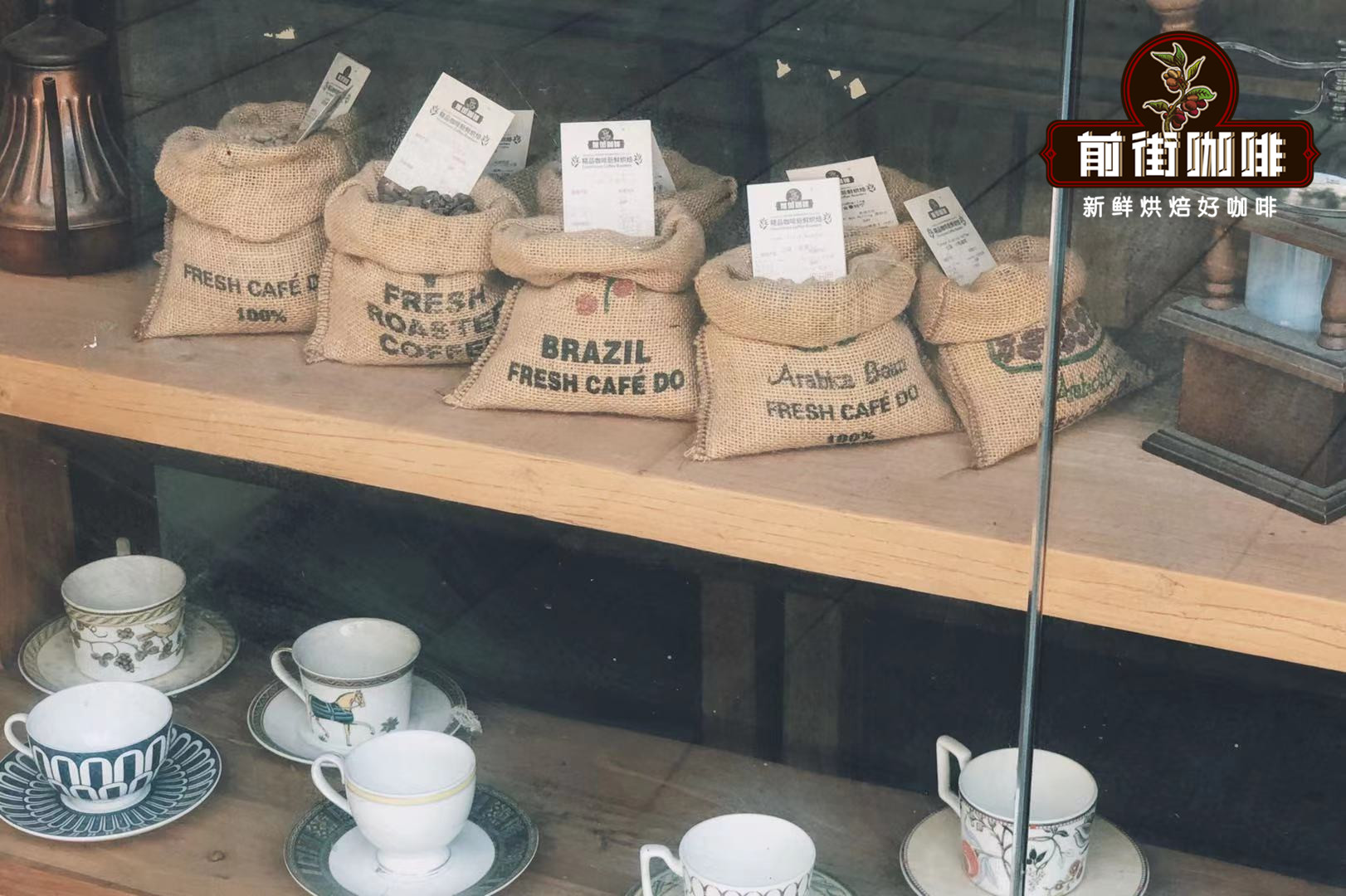
Every roastery reads roast levels a little differently. Take Starbucks, the brand everyone knows: its medium and dark roast classifications differ sharply from conventional roasting standards. Starbucks roasting grew out of the heavy-roast fashion that once dominated the United States, where most beans were considered at their most beautiful when black and glistening with oil.
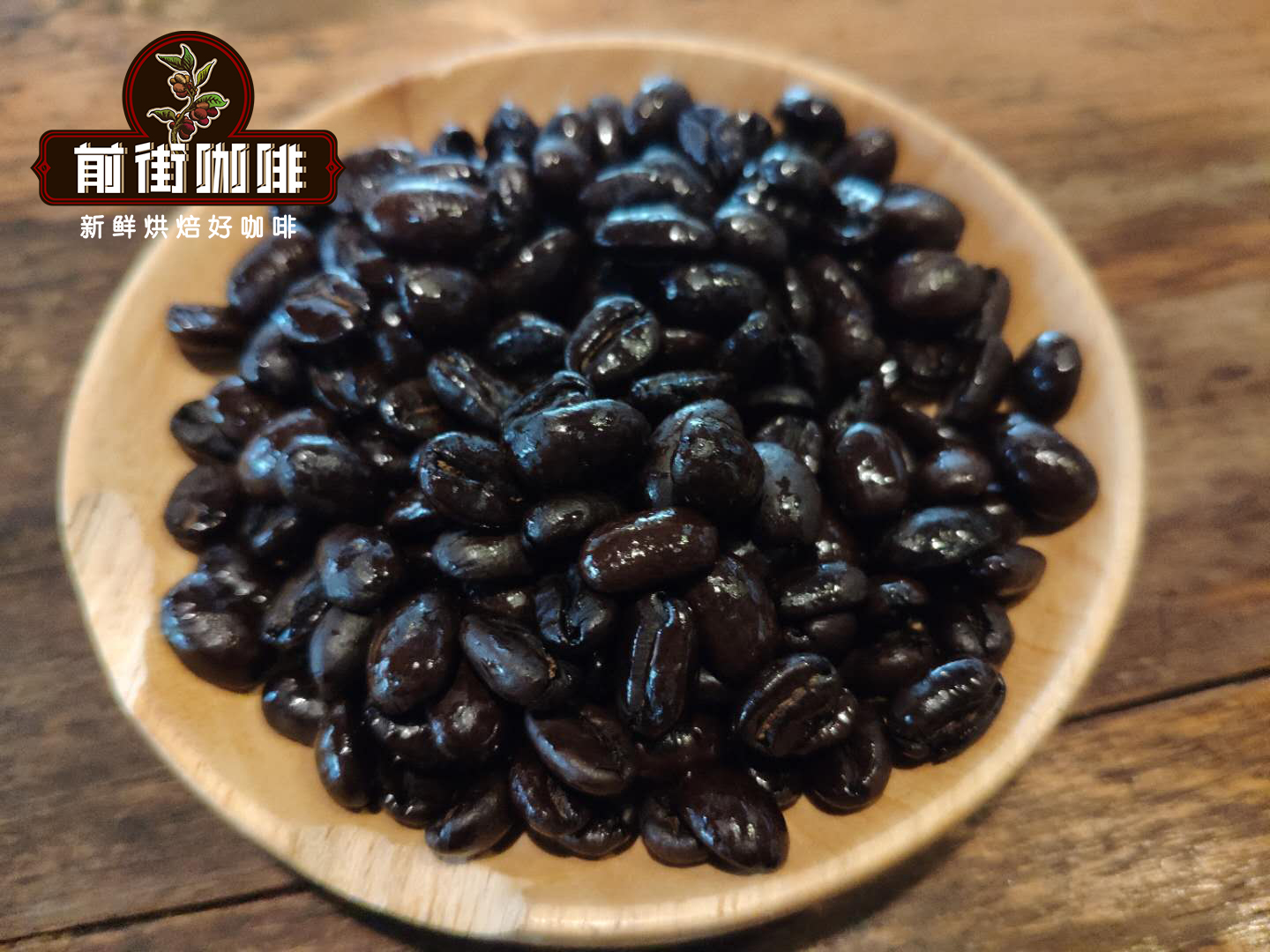
Starbucks' "medium roast" is dark brown with no surface oil — yet for many conventional roasters, that is already a fairly dark roast. Starbucks' "dark roast" sits near Italian roast level, with beans that appear black and oily.
Because coffee is almost always shipped green and roasted near where it's consumed, roasting philosophies have diverged widely. In Europe alone, the standards shift as you travel from Nordic countries in the north down to Italy in the south. What one region calls light, medium, or dark may be unrecognizable to another — there is simply no common yardstick.
Defining Roast Level by Color Values
That is why the Specialty Coffee Association of America (SCAA), working with Agtron, established coffee Agtron color values as a standard, in an attempt to unify roast-level language. It has since become one of the standard ways to verify roast degree — after all, with numbers on the table, everyone can finally talk on the same channel.
In roasting there are a few pivotal moments, the most important being first crack. Before first crack, the beans can be considered not yet "cooked." After first crack begins, intensifies, and ends, a quiet period of 1-2 minutes follows before second crack arrives. The later you drop the beans after first crack, the darker the roast.
SCAA uses infrared caramelization measurement technology (Agtron) to read the bean's color, splitting the light-to-dark spectrum into eight equal parts — eight standard color blocks the coffee industry uses to recognize roast levels.
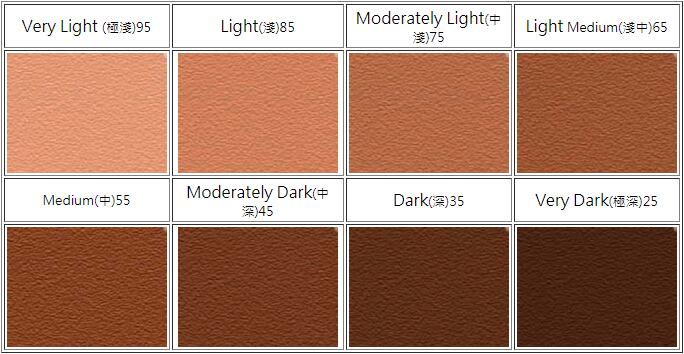
Agtron Color Value #95: Light Roast
Drop time: Just before the end of intense first crack
Agtron Color Value #85: Cinnamon Roast
Drop time: Around the end of first crack
Agtron Color Value #75: Medium Roast
Drop time: After the end of first crack
Agtron Color Value #65: High Roast
Drop time: During the quiet period between first and second crack
Agtron Color Value #55: City Roast
Drop time: At the beginning of second crack
Agtron Color Value #45: Full City Roast
Drop time: Before intense second crack
Agtron Color Value #35: French Roast
Drop time: During intense second crack
Agtron Color Value #25: Italian Roast
Drop time: When oil begins to seep to the bean surface
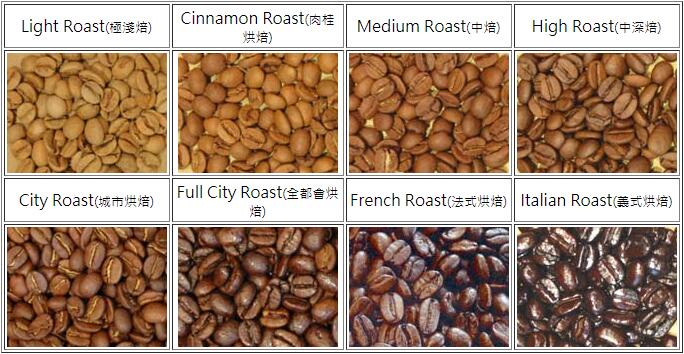
Starbucks' medium roast generally falls between color values 45-55 — city roast to full city roast — while their dark roast sits around 25, Italian roast territory.
FrontStreet Coffee, by contrast, generally roasts between cinnamon and city roast — considerably lighter than Starbucks.
What Does Roast Level Affect?
The most direct impact is on flavor. Light-to-medium roasts express the coffee's inherent character — florals, fruit notes, the sweet-tart taste of fresh fruit. Medium-to-dark roasts express what caramelization and extended development create instead: nuts, caramel, cocoa.
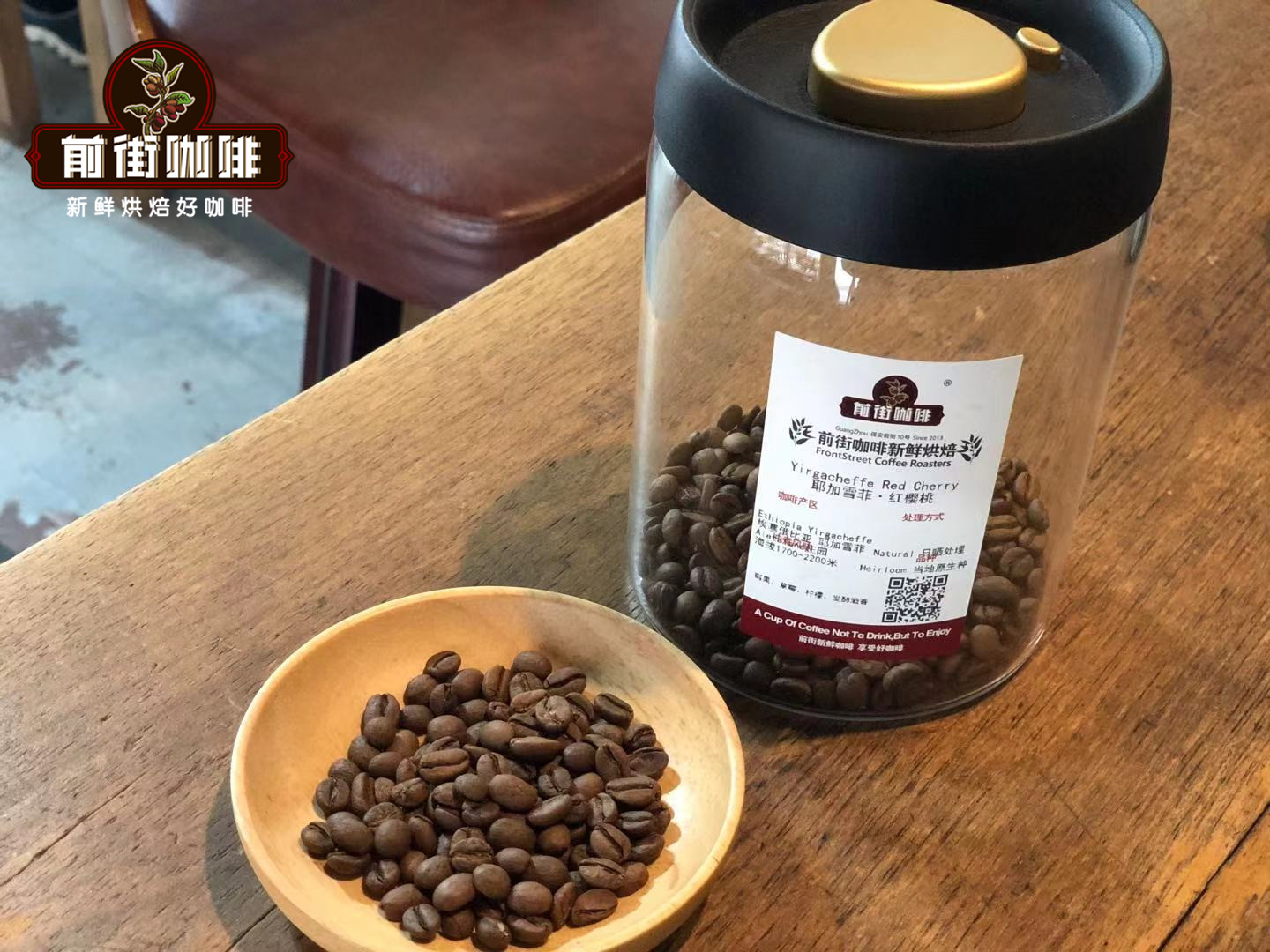
Light to Medium Roast Example: FrontStreet Coffee's Ethiopian Yirgacheffe
FrontStreet Coffee Yirgacheffe Natural Red Cherry
Region: Ethiopia Yirgacheffe
Estate: Altland Estate
Altitude: 1700-2200m
Variety: Local heirloom
Processing: Natural process
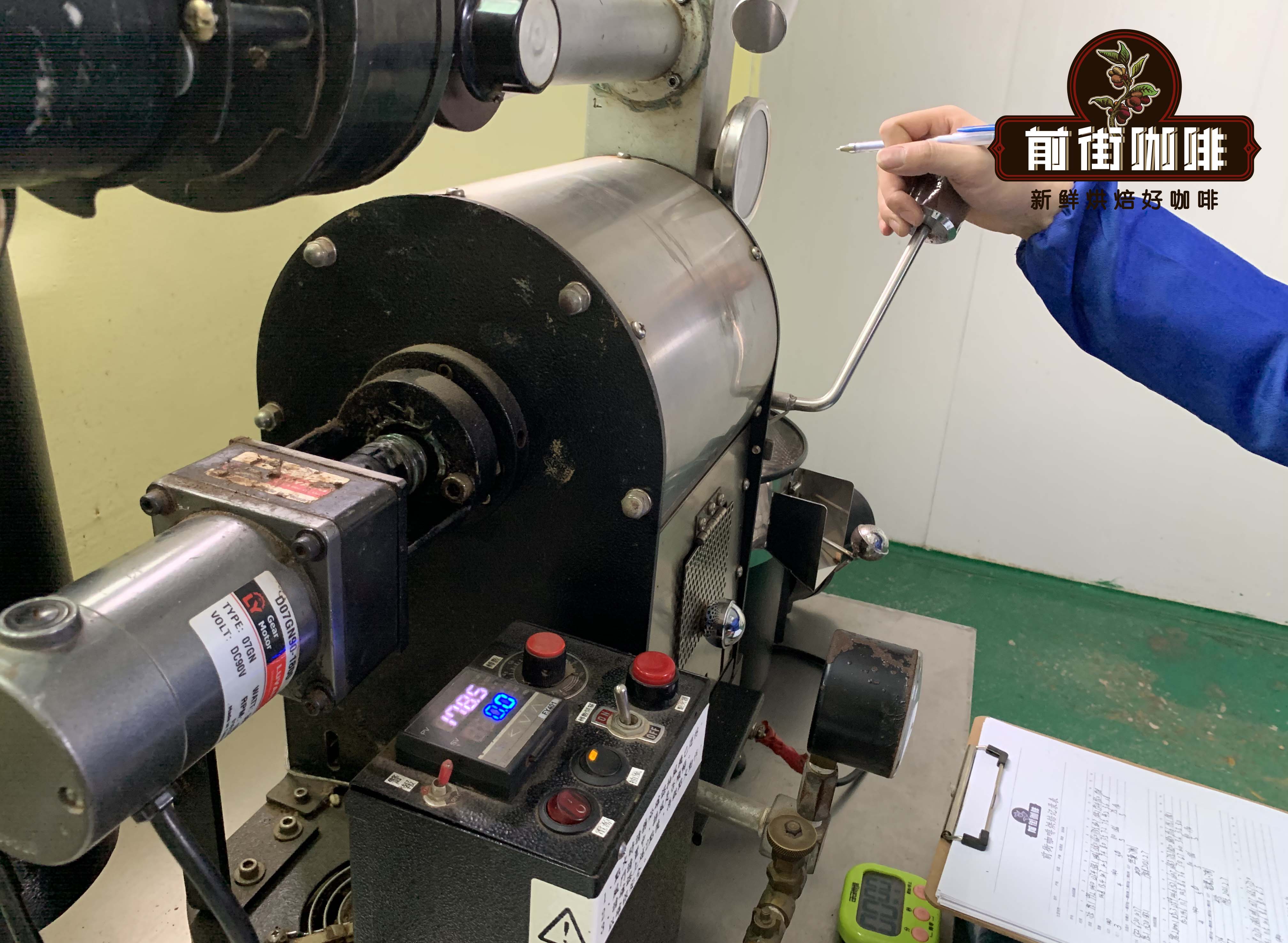
FrontStreet Coffee roasts it light-to-medium on a Yangjia 800N with a 600g charge: preheat to 200°C, damper at 3.5; after 1 minute reduce heat to 160°C, damper unchanged; one more heat adjustment at 148°C, down to 130°C. Roast to 5'03" at 151°C, when the bean surface yellows, the grassy smell disappears completely, and dehydration is complete; reduce heat to 105°C and open the damper to 4. At 8 minutes, the bean surface shows wrinkles and black spots and the toast smell turns unmistakably into coffee aroma — the prelude to first crack. Listen carefully. First crack begins at 9'07"; reduce heat to 70°C (carefully — never so low that the crackling stops) and open the damper fully. Drop at 194°C.
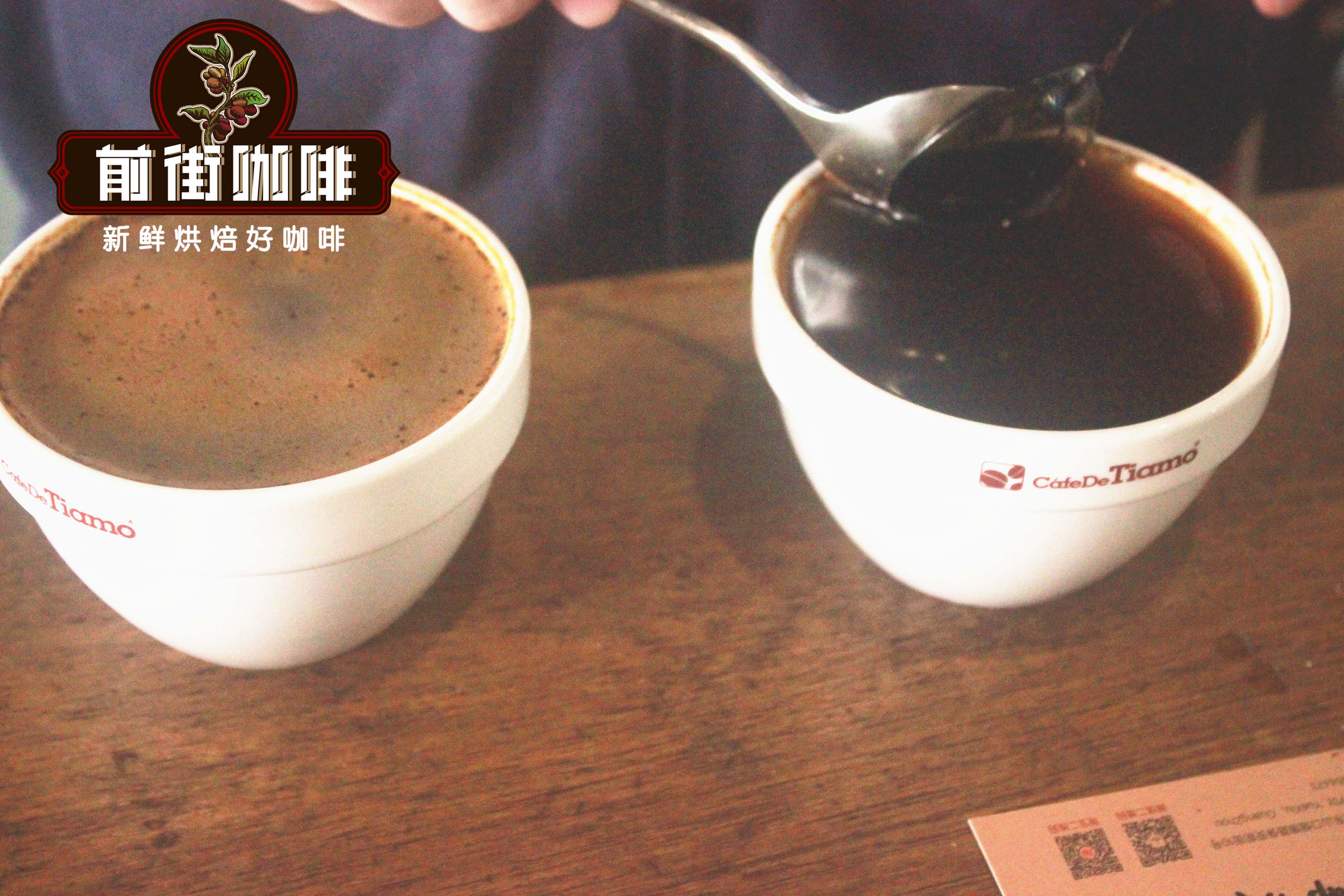
On the cupping table, the natural Red Cherry's dry aroma is rich with fruit — heavy dried fruit, strawberry, mango, and apricot jam. The wet aroma smells of sweet syrup, thick apricot pulp wrapped in rustic honey and chocolate. The entry is gentle, the body medium, like fruit tea.
Medium to Dark Roast Example: FrontStreet Coffee's Indonesian Golden Mandheling
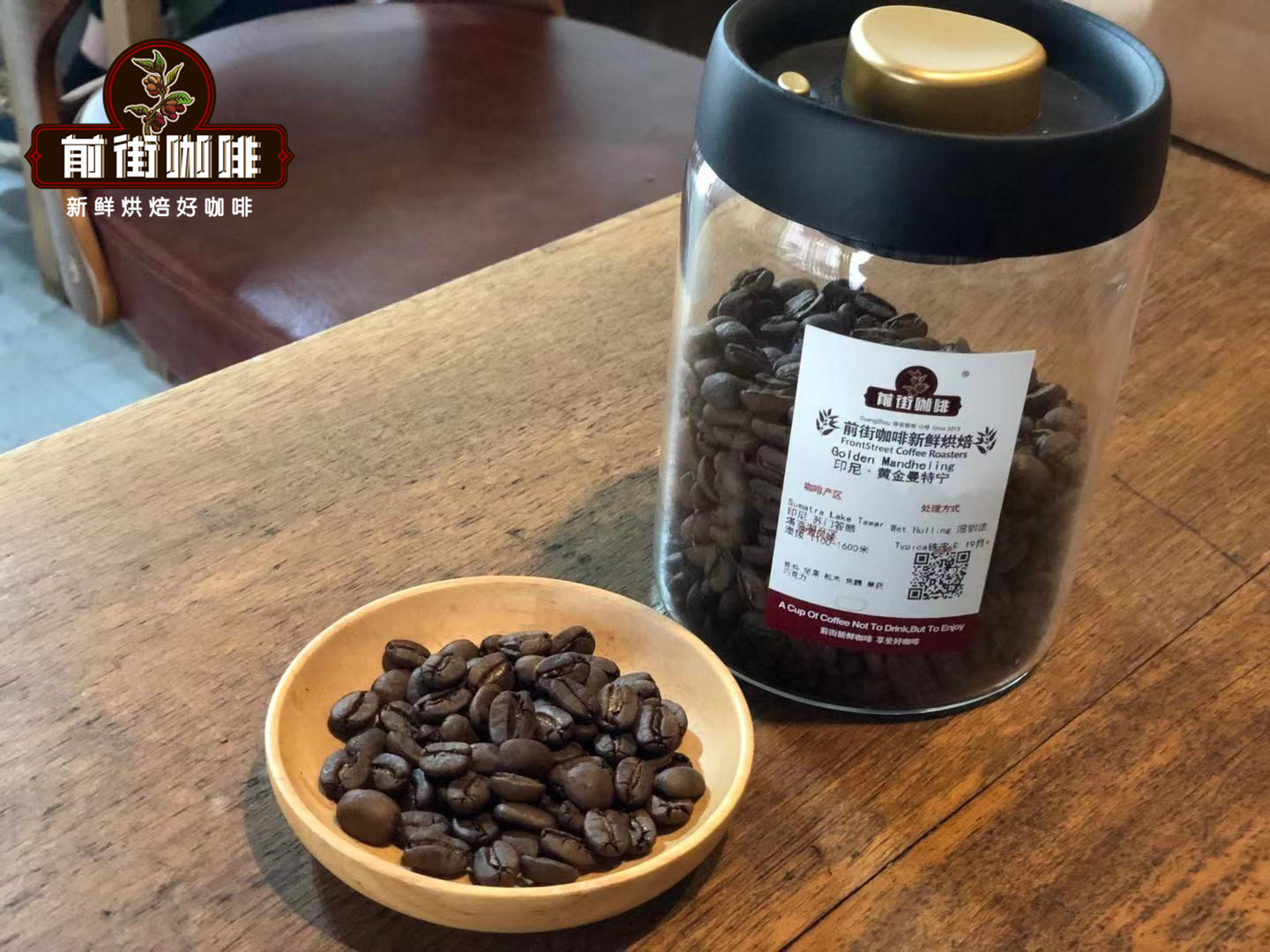
FrontStreet Coffee Indonesian PWN Golden Mandheling
Region: Mount Gayo, Aceh, North Sumatra
Altitude: 1100-1600m
Variety: Ateng
Processing: Wet-hulled
Grade: G1 Triple hand-picked
FrontStreet Coffee roasts both the PWN Golden Mandheling and the Lake Toba Golden Mandheling on a Yangjia 800N with a 480g charge: preheat to 200°C, damper at 3; after 1 minute reduce heat to 160°C, damper unchanged. Roast to 5'40" at 148°C, when the bean surface yellows and the grassy smell vanishes — dehydration complete; reduce heat to 140°C and set the damper to 4. At 9'40", wrinkles and black spots appear and toast turns into coffee aroma — the prelude to first crack. First crack begins at 9'54"; reduce heat to 60°C, set the damper to 5, and drop at 204.5°C.
On the cupping table, Golden Mandheling shows caramel-biscuit sweetness with honeyed almond and fresh grass aromas, carrying nut, cocoa, and caramel flavors. The body is full and rich, with a touch of apple acidity in the aftertaste.
FrontStreet Coffee Recommendation
If you're an inexperienced hand making americano with a coffee machine, go straight for the FrontStreet Coffee Classic Blend — a traditional Italian-style recipe built from Indonesian Mandheling, Brazilian Red Bourbon, and washed Vietnamese beans. It pairs Asia's low-acid, herbaceous depth with the balanced smoothness and creaminess of the Americas, extracting notes of butter, nuts, spices, and dark chocolate, with wild character and heavy crema whether you pull an americano or a latte.
Watching the budget? The FrontStreet Black Cocoa basic blend — Yunnan Small Bean plus Brazil Cerrado — makes a gentle, well-priced americano with nut, chocolate, and cream aromas plus a ripe-plum acidity, versatile enough to be a café's house bean. And when dark roasts grow tiring, the medium-roasted FrontStreet Strawberry Candy espresso blend — washed, natural, and honey lots from Colombia, Costa Rica, and Ethiopia — brings rose florals, low bitterness, notes of grape, dried blueberry, sweet orange, and fruit candy, finishing on a distinctive almond aroma.
Important Notice :
FrontStreet Coffee is a long-established specialty coffee roaster in Guangzhou China, selling freshly roasted beans from its own farm in Yunnan as well as dozens of carefully selected single-origin beans from around the world for both pour-over and espresso. The products deliver consistently excellent quality and great value, with shipping within 24 hours. Guangzhou's FrontStreet Coffee shop is recommended by many coffee lovers, and the beans are now available online at the Tmall 。
FrontStreet Coffee has moved to a new address:
FrontStreet Coffee Address: 315,Donghua East Road,GuangZhou
Tel:020 38364473
 Scan and follow the En Gafei WeChat official account. Please indicate that the reprint comes from "En Gafei".