Differences Between Drip Bag Coffee and Instant Coffee: Brewing Methods and Long-term Risks

The biggest difference between drip bag coffee and freshly ground pour-over is that drip bags are pre-ground coffee. Is there really much difference between pre-ground and freshly ground? There is always a little!
Once coffee beans are roasted they contain large amounts of carbon dioxide, which helps preserve the coffee's flavor and aroma. When the beans are ground into particles, the increased surface area accelerates the release of flavor and aroma. Producing drip bag coffee requires grinding the beans to the appropriate particle size in advance, then placing them in specialized filter bags and sealing each one separately.
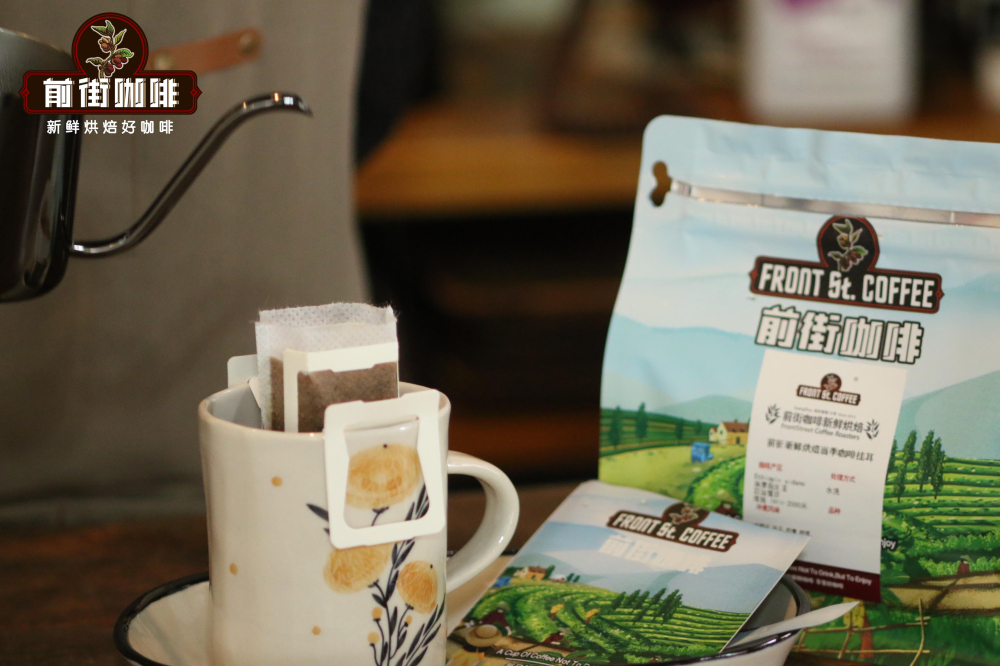
Even when sealed, coffee flavor and aroma dissipate faster than in whole-bean form. The optimal tasting period for drip bag coffee is therefore around 20-25 days.
Freshly ground coffee means grinding the beans into particles only at the moment of brewing. Because the beans stay whole until then, they preserve the aromatic compounds better and more effectively. Freshly roasted, sealed coffee beans therefore have an optimal tasting period of around 30-45 days.
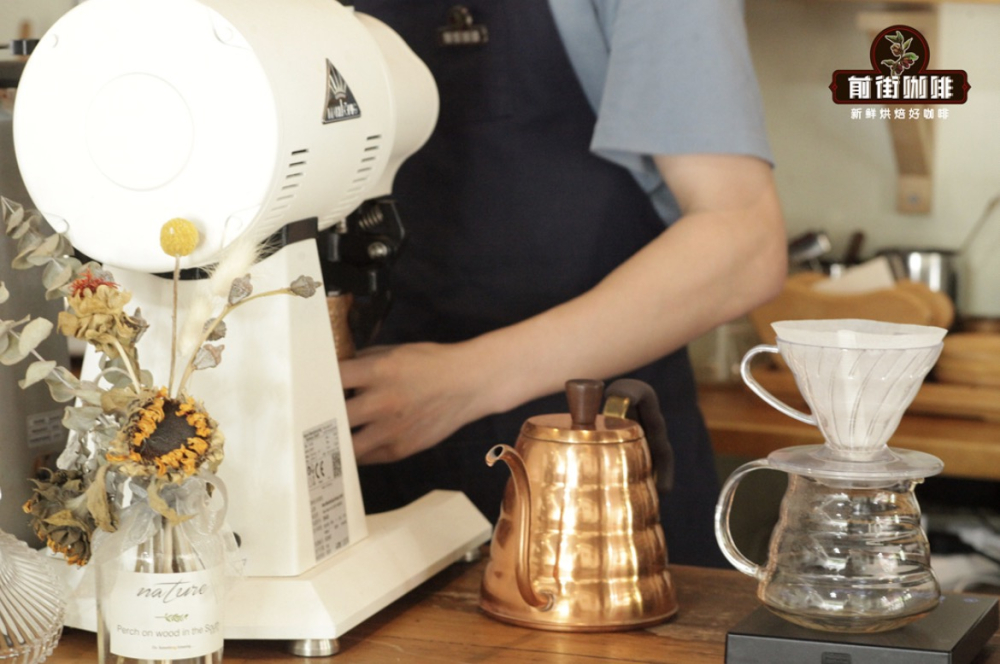
Every product FrontStreet Coffee sells, whether drip bag or whole bean, is freshly roasted! All of it ships within 5 days of roasting, because only freshly roasted beans have better coffee aroma and flavor.
To help drip bag coffee retain more flavor and aroma, FrontStreet Coffee grinds the beans to the appropriate size immediately after roasting and cooling, then packages them into individually sealed drip bags as quickly as possible, with each bag holding 10g.
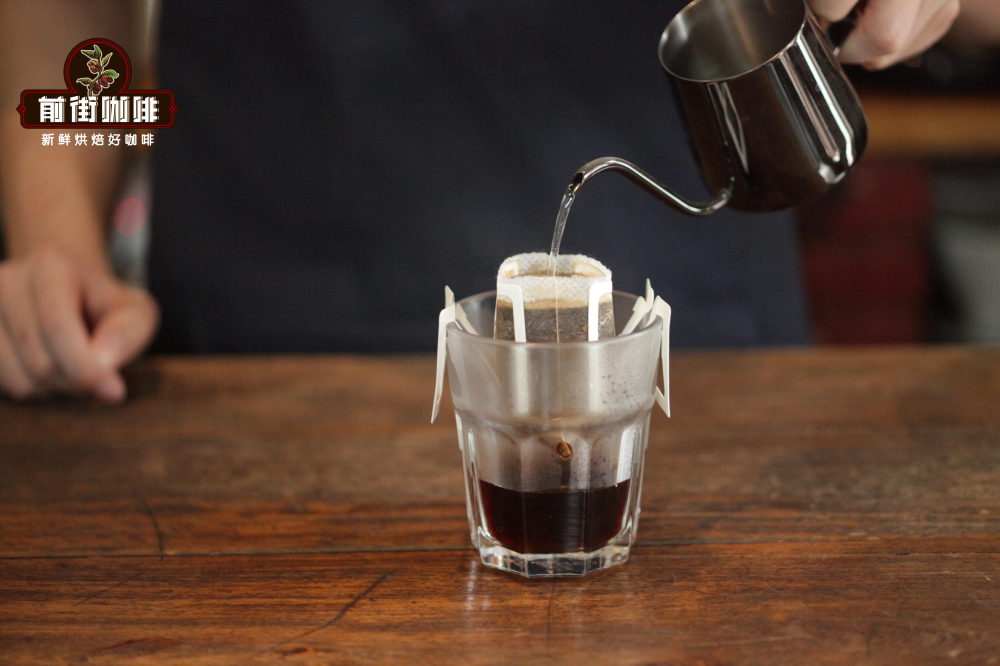
Drip bag coffee differs from instant coffee. The particles inside a drip bag are actual coffee beans, mostly made up of woody fiber, so they cannot dissolve directly in water. Instant coffee, by contrast, is made by grinding roasted beans under specific temperatures and pressures, extracting the soluble components into water, and then drying it - which is why instant coffee can dissolve directly in water.
Both drip bag coffee and instant coffee have their merits. Brewed drip bag coffee has more aromatic flavor and a richer, thicker taste; it is black coffee, so milk and sugar can be added to taste. Instant coffee wins on convenience and price, but it contains various non-dairy creamers and sugars, so FrontStreet Coffee does not recommend drinking it long-term!
How to Brew Drip Bag Coffee
The brewing method for drip bag coffee is as follows:
1. Prepare a straight-walled cup, pour in hot water to warm it, then discard the water.
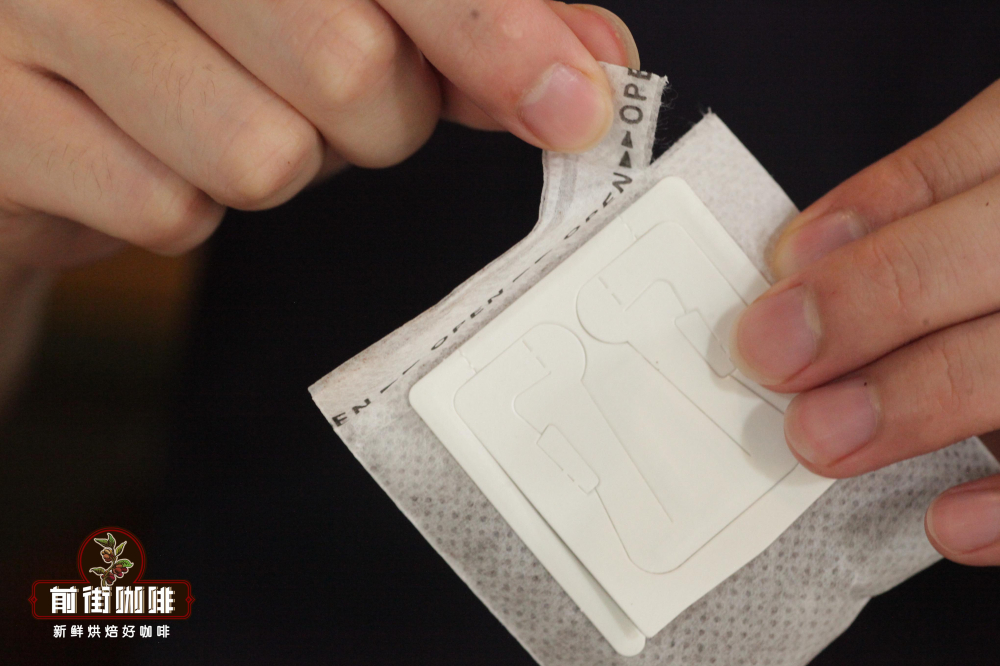
2. Open the packaging and take out the drip bag. Tear along the dotted line above, then pull the small "ears" and hang it on the rim of the cup.
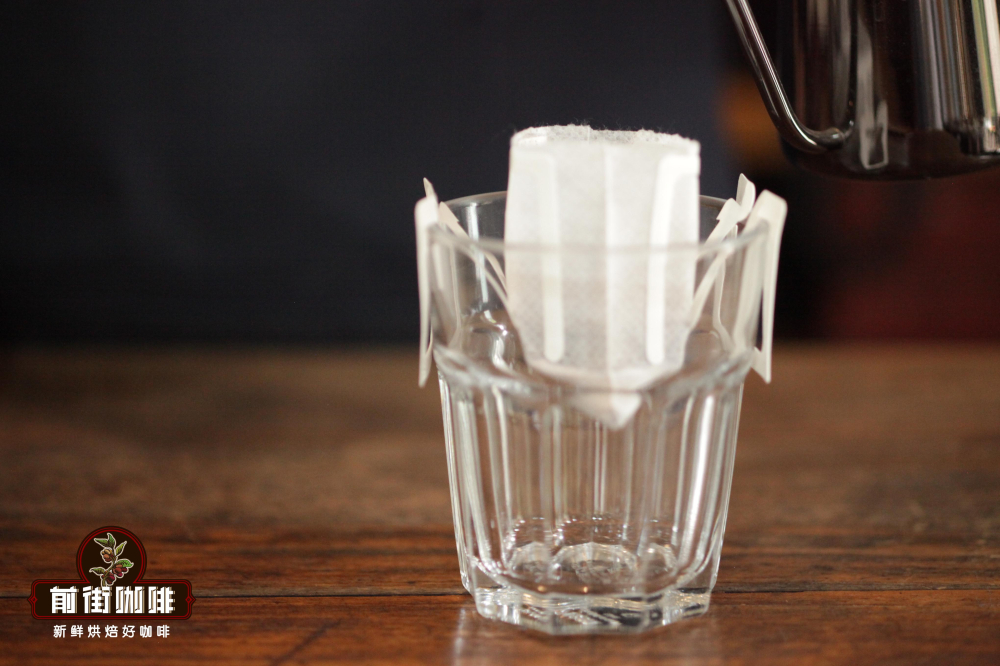
3. Use 92°C water (if you do not have a thermometer, boiled water will do).
4. With a thin stream of water, wet the coffee grounds with about 20ml of hot water and let it bloom for 30 seconds.
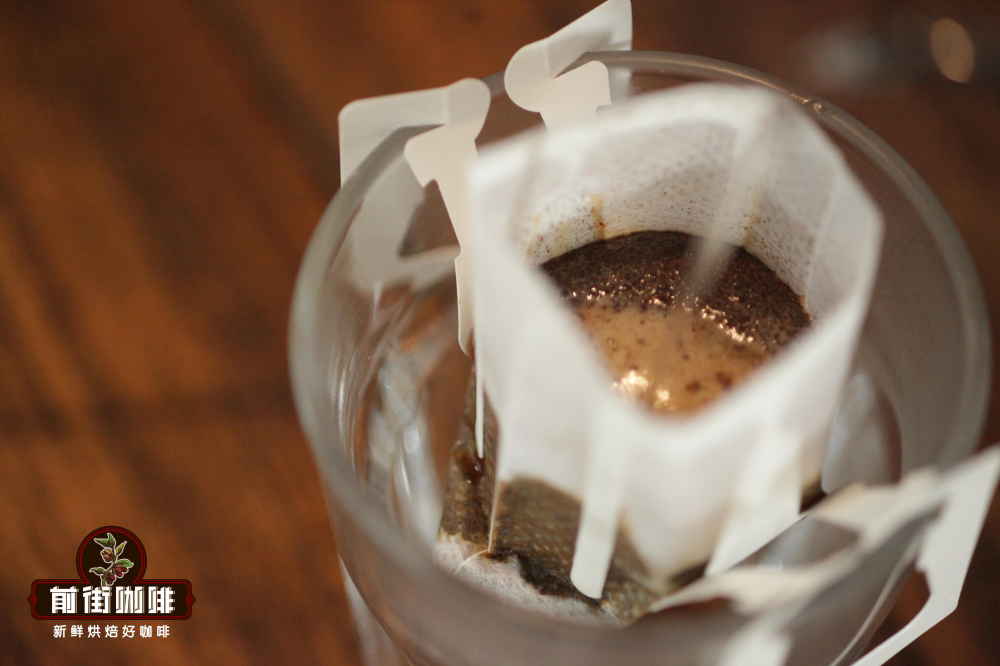
5. Then pour in another 130ml of hot water (if you do not have a scale, this is about two full pours from the drip bag).

If you have a gooseneck pour-over kettle, use it. If not, a regular kettle will do. Pay attention to controlling the water flow - pour steadily and slowly in circular motions from the inside out!
Premium Drip Bag Coffee Recommendations
Many office workers ask FrontStreet Coffee to recommend beans suitable for making drip bags. FrontStreet Coffee's menu features over 50 single-origin beans from various regions, all of which can be made into drip bag coffee. Below, FrontStreet Coffee recommends several classic drip bag coffees.
1. FrontStreet Coffee Washed Yirgacheffe Gedeb Cooperative Drip Bag
FrontStreet Coffee's Gedeb Cooperative coffee beans come from the famous Yirgacheffe region of Ethiopia. The harvested beans are processed using the washed method. Traditionally, Yirgacheffe coffee used the oldest natural processing method, but since early natural-processed beans were often dried directly on the ground, they inevitably picked up earthy and dusty off-flavors. In addition, because of poor sorting, natural-processed beans were generally of average quality. In 1972, Ethiopia imported washed processing technology from Central and South America to improve coffee quality, making Yirgacheffe's jasmine floral notes and bright citrus and lemon acidity clearer and more transparent, and it quickly became one of the world's representatives of specialty coffee.

FrontStreet Coffee Yirgacheffe Gedeb Cooperative Coffee
Region: Yirgacheffe, Gedeo Zone
Producer: Gedeb Cooperative
Altitude: 1900-2300m
Variety: Local Heirloom
Processing: Washed
Grade: G1
Flavor: Citrus, Berries, Lemon, Sugarcane, Green Tea
2. FrontStreet Coffee Brazil Queen Farm Drip Bag
Queen Farm is located in the Mogiana region of São Paulo state, Brazil. Unlike the many large Brazilian regions that compete on quantity, this area has a higher elevation, creating a relatively unique microclimate. The farm also hand-harvests coffee fruits at the right ripeness and processes each batch in small, refined quantities, producing mostly premium beans. Queen Farm's greatest pride is its Yellow Bourbon variety, which has won multiple awards at Brazil's Cup of Excellence with its delicate, refined flavors. FrontStreet Coffee's Queen Farm beans are medium-dark roasted, highlighting the classic rich aroma of Brazilian coffee while showcasing Bourbon's natural sweetness. We can taste not only the rich coffee fragrance but also a clear sweet aftertaste.

FrontStreet Coffee Brazil Queen Farm Coffee Beans
Region: Mogiana Region, Brazil
Farm: Queen Farm
Altitude: 1400-1950m
Variety: Yellow Bourbon
Processing: Natural
Flavor: Dark Chocolate, Cream, Peanut, Sugarcane, Nuts
3. FrontStreet Coffee Natural Guji Guji Drip Bag
This Guji coffee bean introduced by FrontStreet Coffee was the champion of the natural processing category at the 2017 Ethiopia TOH coffee competition. It made a stunning appearance with its unique strawberry-cream flavor and caused a sensation. As a result, this batch of green beans was imported to China by the Beijing green-bean trader Hongshun in the same year. That same year, Li Jianfei used this bean to take second place in the China region of the 2017 World Brewers Cup. This Ethiopian bean stood out among many Geisha competitors, earning it the name "Guji Guji" (Flower Champion).

FrontStreet Coffee: Ethiopia Natural Guji Guji Coffee
Country: Ethiopia
Region: Sidamo
Altitude: 2250-2350m
Variety: Local Heirloom
Processing: Natural
Flavor: Berries, Floral Tea, Honey, Lemon, Black Tea
FrontStreet Coffee Recommendation
Almost any FrontStreet Coffee bean can be bagged for drip brewing, but a few stand out for convenience and clarity. For a bright, floral, easy-drinking drip bag, FrontStreet Washed Gedeb Cooperative, an Ethiopian Yirgacheffe at 1,900-2,300 meters, is washed and graded G1 and brews citrus, berries, lemon, sugarcane, and green tea. If you prefer fruit-forward sweetness, FrontStreet Ethiopia Huakui is a natural Sidamo coffee with prominent tropical-fruit aromas of strawberry, passion fruit, jackfruit, and lychee, low bitterness, and a juicy smoothness that even people who dislike bitter coffee tend to enjoy. For a rounder, sweeter cup, FrontStreet Brazil Queen Estate is a rare Yellow Bourbon with cream, peanut, toasted-bread, and sugarcane notes that suit pour-over, French press, clever dripper, moka pot, and espresso alike. If you love a deeper, low-acid drink, FrontStreet PWN Golden Mandheling is dark-roasted with very low acidity and a full, lingering body of herbs and dark chocolate. And if you want the finest floral expression, FrontStreet Panama Emerald Estate Red Label Geisha, grown at 1,600-1,800 meters and cupping above 90 points, brings jasmine, citrus, and bergamot with a clean, transparent body and a long sweet finish. Choosing a Hario V60 dripper for the light-roasted lots - its 60° cone and single large hole suit the fast, controllable pours that flatter floral and fruity beans - will get the most from these coffees however you brew them.
Important Notice :
FrontStreet Coffee is a long-established specialty coffee roaster in Guangzhou China, selling freshly roasted beans from its own farm in Yunnan as well as dozens of carefully selected single-origin beans from around the world for both pour-over and espresso. The products deliver consistently excellent quality and great value, with shipping within 24 hours. Guangzhou's FrontStreet Coffee shop is recommended by many coffee lovers, and the beans are now available online at the Tmall 。
FrontStreet Coffee has moved to a new address:
FrontStreet Coffee Address: 315,Donghua East Road,GuangZhou
Tel:020 38364473
 Scan and follow the En Gafei WeChat official account. Please indicate that the reprint comes from "En Gafei".