Where Do Geisha Coffee Beans Come From - An Introduction to Coffee Origins and Varieties

Because "Geisha" happens to be spelled the same way as the English word for a Japanese performer, friends in Taiwan translated it literally. But the name actually carries a double meaning in Ethiopia: it refers both to a specific region in the country's southwest and to the coffee varieties native to that region. So the literal translation misses the point. When Geisha first entered mainland China in 2006, importer Mr. Yuan of Kalu Meng Coffee gave it the distinct name "Gui Xia."
Understanding the Geisha Variety
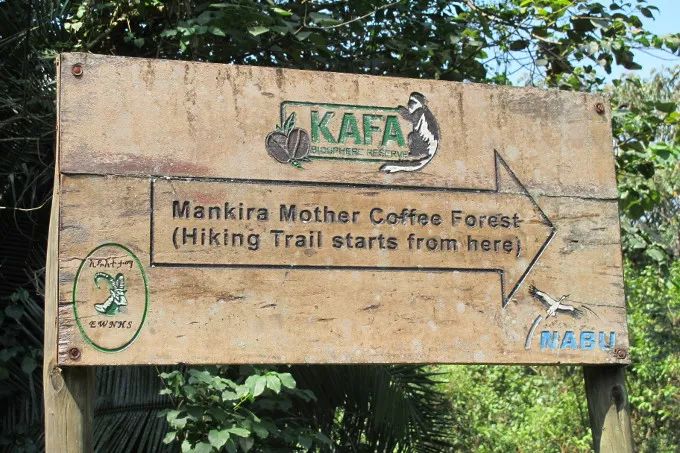
Geisha seedlings were first collected from the wild forests of southwestern Ethiopia as part of a search for disease-resistant stock, named for the nearby Geisha mountain. In 1954 the variety reached Costa Rica, where it was recorded as accession T2722. Through the 1950s and 60s it was trialed across Central and South America, but low yields and fragile plants kept it from spreading. Not until 2003, when the Peterson family of Hacienda La Esmeralda recognized its potential — and their Geisha won the 2004 Best of Panama competition — did the Panamanian Geisha era begin.
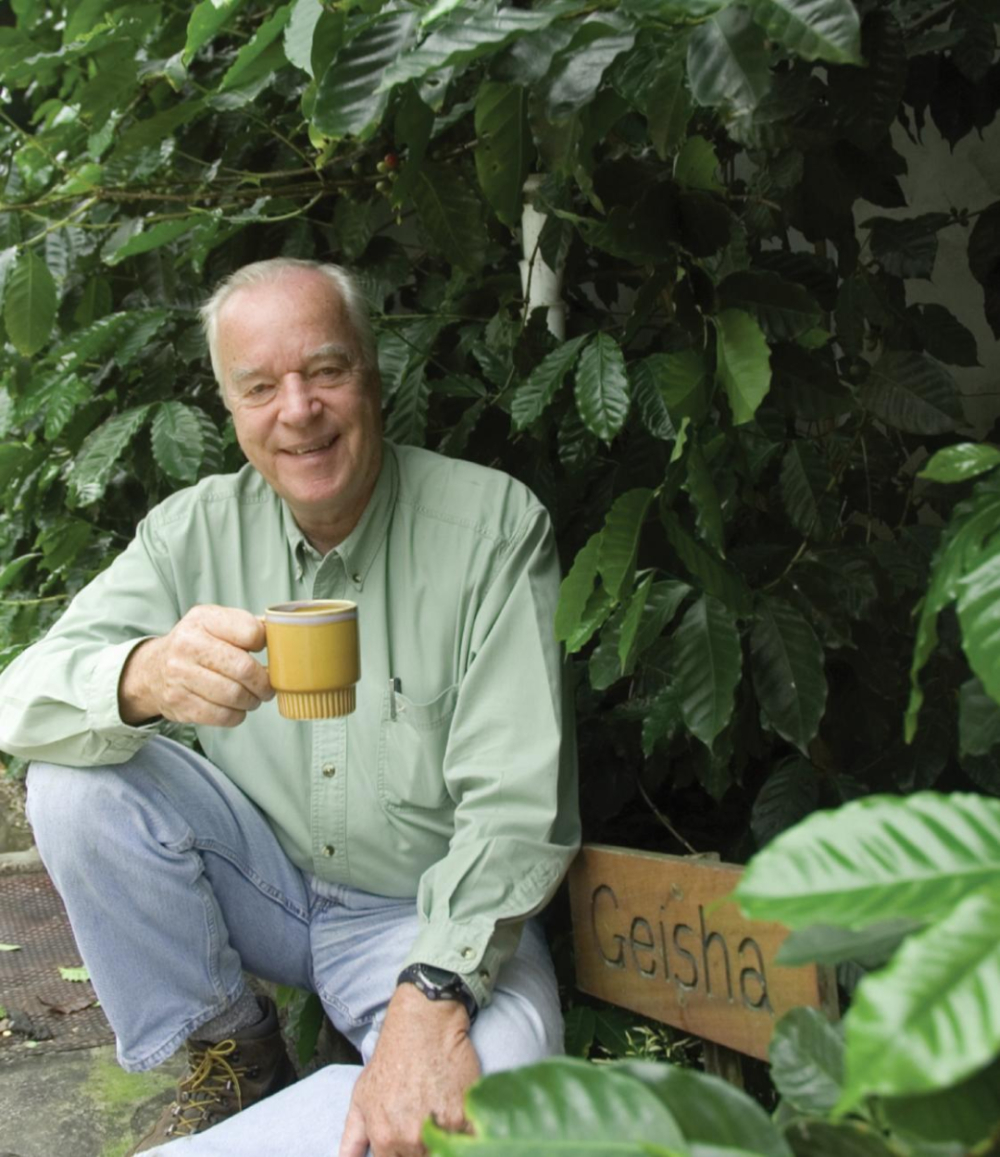
Geisha is particular about where it grows: high altitude, fertile soil, and cloud or shade cover are non-negotiable, and harsh direct sun will damage it. Hacienda La Esmeralda's owner has noted that the estate relies on numerous shade trees to protect the delicate plants and that traditional pruning is essential early on, or the trees may simply die. At higher elevations the cherries ripen more slowly, which builds more complex and distinctive flavors.
Compared with other varieties, Geisha trees carry unusually thin foliage, so photosynthetic efficiency is low, and the fragile root systems take up water and nutrients slowly. Yields are correspondingly scarce, and at high altitude the cherries mature late besides. A single Geisha tree produces only about half the fruit of a Caturra tree — one of the main reasons the variety is so precious.
Since Geisha's fame spread, farmers worldwide — well beyond Central and South America — have rushed to plant it. But every region has its own terroir, and terroir shapes quality and flavor, so Geisha now expresses itself in many registers. FrontStreet Coffee finds the most representative cups still come from the variety's birthplace, Ethiopia, and the place that made it famous, Panama.
Flavor Characteristics of Geisha from Different Regions
Panama has just three major coffee regions — Boquete, Volcan, and Renacimiento — yet it grows some of the world's most expensive coffee. Boquete, a highland town in Chiriquí Province, sits at roughly 1,000-2,000 meters on the eastern side of Barú Volcano, catching warm, humid Caribbean monsoon winds with cold Atlantic currents behind it. The steep mountains include Barú Volcano National Park, an ecological reserve rich in biodiversity that spans seven microclimates; year-round mist and abundant rainfall complete a near-perfect growing environment. FrontStreet Coffee's Geisha from Hacienda La Esmeralda and Elida Estate both come from Boquete.
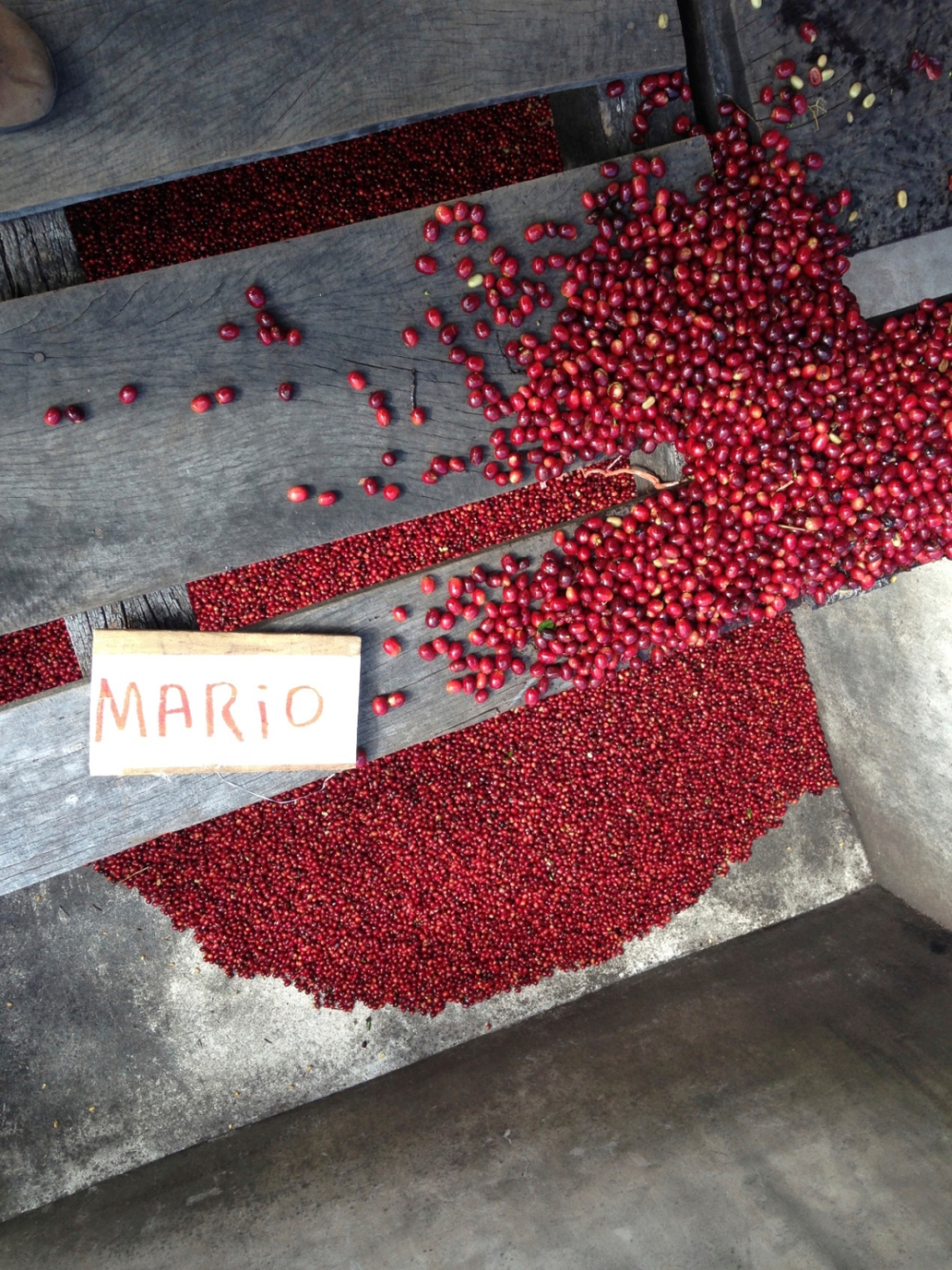
After the championship wins, the Petersons reorganized their Geisha plantings by altitude, zone, and cupping performance, dividing the estate's Geisha land into three main sections — Cañas Verdes, Jaramillo, and El Velo — and splitting each section into smaller plots so that any batch can be traced to the exact plot that produced it.
Geisha was first found in the Jaramillo section, and it was there that the Petersons chose to push the variety to higher altitudes. As its discovery and cultivation ground, Jaramillo is now the estate's most famous section, averaging above 1,650 meters — cold, humid mountain air that fills the coffee with natural fragrance. FrontStreet Coffee's Esmeralda Red Label comes from the Mario plot in Jaramillo; processed naturally, it offers rose, citrus, berries, and honey.

Back at the variety's point of origin, Ethiopian growing altitudes generally run 1,900-2,000 meters. That extra elevation favors sugar accumulation inside the cherries, and FrontStreet Coffee finds that Ethiopian Geisha leans toward yellow stone fruit — reminiscent of yellow peaches — with medium-high sweetness; the best batches even show toffee notes.
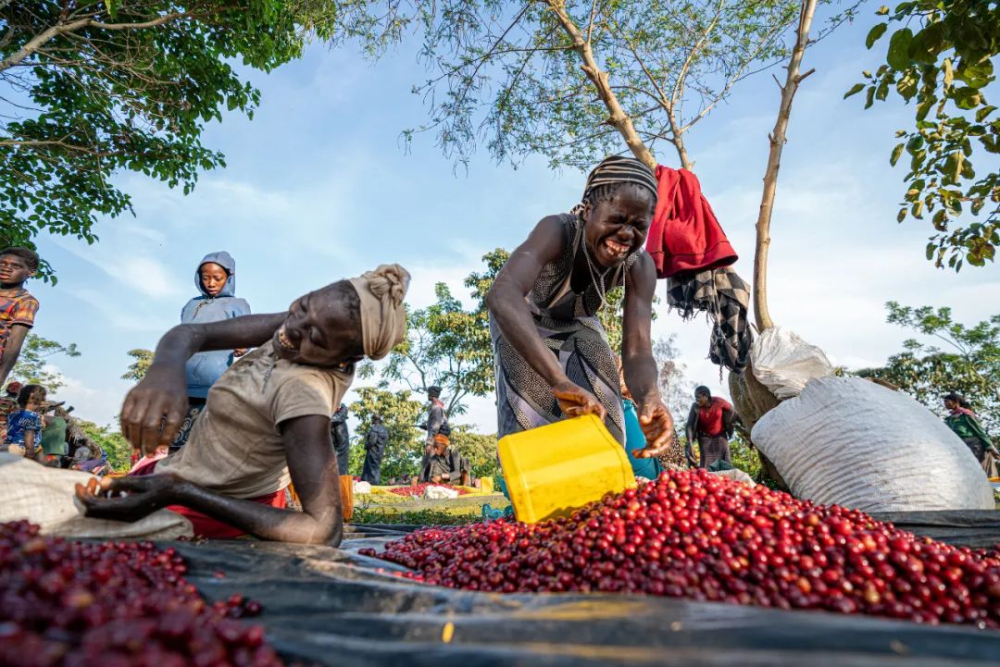
Ethiopia's flagship Geisha comes from Gesha Village, whose varieties differ from Panama's. The estate grows three: Gori Gesha, Gesha 1931, and Illubabor Forest. Gori Gesha and Gesha 1931 share a lineage with Panamanian Geisha without being identical, and Gesha 1931 in particular behaves very much like the Panamanian coffee; Illubabor, by contrast, is a disease-resistant variety supplied by the Ethiopian research institute. To guarantee quality, estate owner Adam built a strict grading ladder: Auction, Gold Label, Red Label, Green Label, and CHAKA.

Auction lots represent Gesha Village's absolute top tier and are available only to winning bidders. FrontStreet Coffee's Gesha Village Red Label carries full traceability, accounts for 15% of annual production, and cupps 88 points or above on the SCA scale. Natural-processed, it delivers the classic Geisha signature of complex fruit, honey, and florals, layered with the bright, elevated acidity typical of African coffee — a batch FrontStreet Coffee considers outstanding value for dedicated Geisha lovers.
Processing and Brewing
FrontStreet Coffee's Gesha Village Red Label is a natural process. After picking, the cherries are floated and screened to remove debris, then dried in thin layers on African raised beds under plastic sheeting. During drying they are sorted again to pull out insect-damaged and green beans. Total drying time is 18-30 days.

FrontStreet Coffee's brewing parameters for Geisha coffee:
Geisha is world-famous for dense florals and complex fruit. Our recipe: a V60 dripper, water at 91°C, a 1:15 ratio, a 15g dose, and a medium-fine grind (80% pass-through on a #20 standard sieve).

FrontStreet Coffee's staged extraction: first, 30g of water to swell the bed into a proper "hamburger" and bloom for 30 seconds. For the second pour, at the 1'00" mark, add water to 125g, then wait until the level drops to two-thirds of the bed. For the third pour, at 1'40", add water to 225g. Once all the liquid has drawn down — total extraction around 1'59" to 2'00" — swirl gently to blend the coffee before tasting.
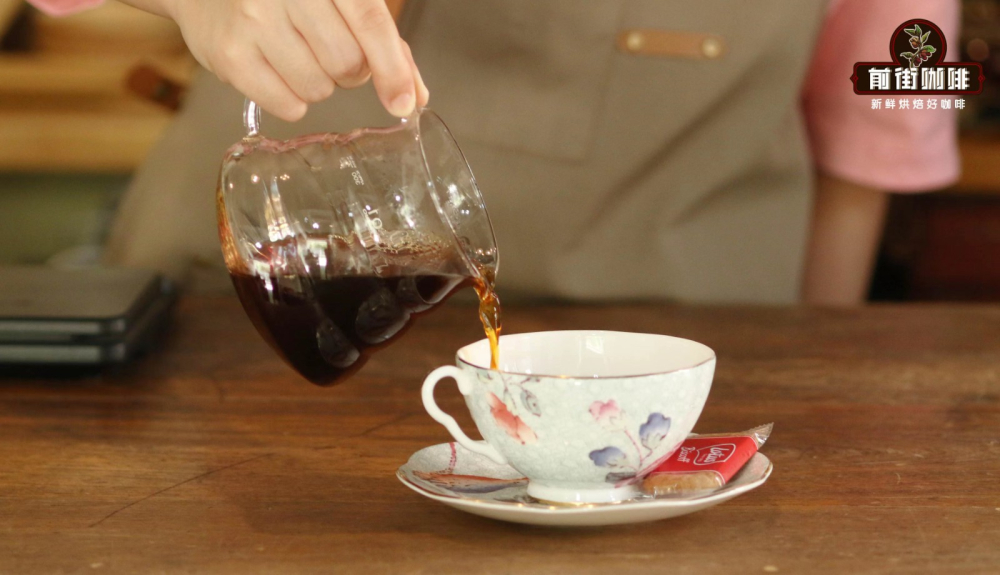
The brewed Gesha Village cup shows coconut, licorice, cream, chocolate, toffee, citrus, almond, and strawberry with a gentle fermented aroma — remarkably balanced overall, with a rich mouthfeel and prominent nutty notes.
FrontStreet Coffee Recommendation
Ethiopia is where Geisha began, and Gesha Village is the estate that brought it home: a couple built its 475 hectares just 12 miles from the original Geisha forest, then identified the variety closest to Panama's — in effect the native Geisha — and replanted it. Within the estate's strict grading, the Gold Label (Gesha 1931) accounts for 10% of production and is the estate's top coffee outside the auctions, regularly chosen by competing baristas; FrontStreet Coffee's Gold Label lot is a refined natural of remarkable complexity, from dry fragrance to aftertaste. For a friendlier entry point, the Genlana Gesha comes from a processing station founded in 2014 and run by Israel Degefa, surrounded by 700 hectares of mostly untouched, shade-dotted land; its fully ripe cherries dry on raised beds for 14-20 days, and roasted medium-light it yields bright citrus acidity, elegant ginger-flower aroma, the full sweetness of ripe fruit, and Geisha's signature refined finish.
As for brewing, Geisha is a light-to-medium-roast, floral-fruited coffee with a hard, dense bean that tends to sink and clog the bed — so grind coarser than you think, to about 78% pass-through on a #20 sieve (roughly fine sugar), and use 91°C water with a 15g dose, a small V60, and a 1:16 ratio in three pours to 225g, drawing down in about 2'10" to 2'20".
Important Notice :
FrontStreet Coffee is a long-established specialty coffee roaster in Guangzhou China, selling freshly roasted beans from its own farm in Yunnan as well as dozens of carefully selected single-origin beans from around the world for both pour-over and espresso. The products deliver consistently excellent quality and great value, with shipping within 24 hours. Guangzhou's FrontStreet Coffee shop is recommended by many coffee lovers, and the beans are now available online at the Tmall 。
FrontStreet Coffee has moved to a new address:
FrontStreet Coffee Address: 315,Donghua East Road,GuangZhou
Tel:020 38364473
 Scan and follow the En Gafei WeChat official account. Please indicate that the reprint comes from "En Gafei".