Geisha Coffee Pour-over Flavor and Taste Characteristics | Is Panama's Hacienda La Esmeralda Geisha Coffee Bean Famous?
Introduction to Geisha Coffee
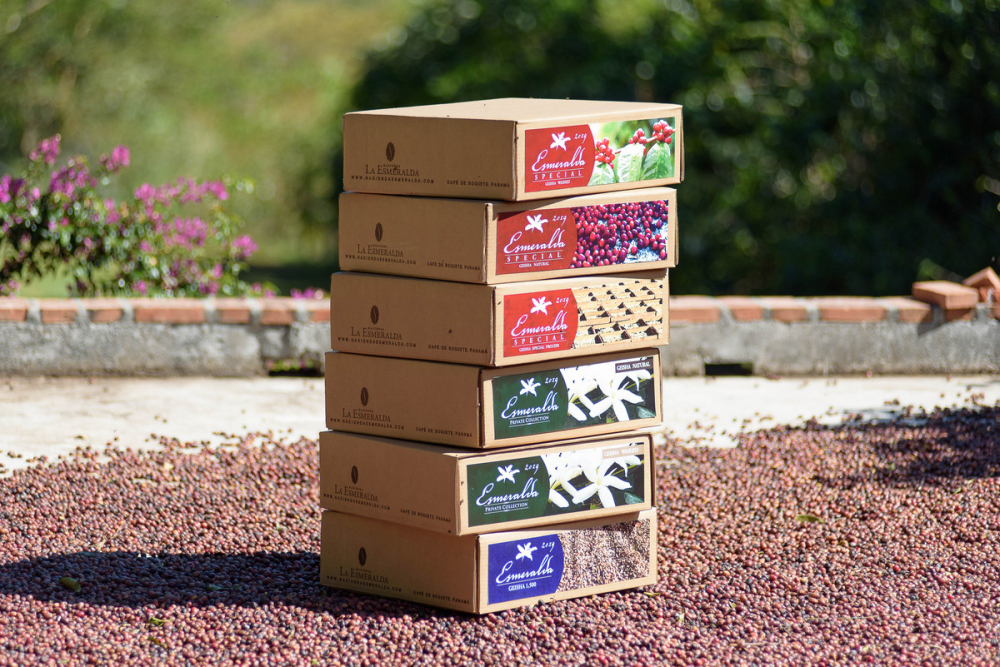
Ask any coffee lover to name the best Geisha, and most will immediately think of Panama's Hacienda La Esmeralda — as does FrontStreet Coffee. La Esmeralda isn't just the discoverer of Geisha's famous flavor; it's the variety's great promoter. It effectively created the Geisha market, and today the whole of Panama breathes Geisha. Many other Panamanian estates grow the variety too, but few can match La Esmeralda's cultivation and grading systems.
Yet even though La Esmeralda sits at the top of the Geisha market, FrontStreet Coffee doesn't stock only La Esmeralda Geisha. It also sources from other Panamanian estates — and even other countries, such as its Bolivia Geisha. The goal is twofold: comparison and observation. Last year's BOP champion, after all, was no longer perennial winner Hacienda La Esmeralda but Elida Estate from the same Boquete region. What does that signify? Progress, FrontStreet Coffee believes: La Esmeralda isn't the only estate mastering Geisha anymore, and after ten years of dominance, genuine challengers have emerged. For FrontStreet Coffee, that's a healthy market — which is exactly why it keeps buying Geisha from other regions, to track whether those coffees improve year by year or fall behind.
Origin and History of Geisha Coffee
The Geisha variety was collected in 1931 from the forests near the town of Gesha in western Ethiopia — though FrontStreet Coffee wants to be clear that the Geisha of Ethiopia's Geisha Village and Panama Geisha are two quite different things. From there the beans went to Kenya's Coffee Research Institute, then to Uganda and Tanzania in 1936, to Costa Rica in 1953, and finally to Panama in 1970. For decades hardly anyone paid attention to Geisha — until Panama's Hacienda La Esmeralda separated it from its other varieties in 2003, and it won the BOP competition in 2004. That was the moment Geisha stepped into the spotlight, and for many years afterward La Esmeralda won essentially every championship.
Altitude and Coffee Quality
Customers often ask FrontStreet Coffee why higher altitude means better coffee. Geisha is the perfect illustration. The variety is exceptionally picky about its environment: it demands high altitude, and the higher it grows, the better the cup. Across the grades of FrontStreet Coffee's Panama Geisha, the Red Label sits at the top — and at the highest elevation. The full La Esmeralda grading system is explained below.
Hacienda La Esmeralda's Land Division
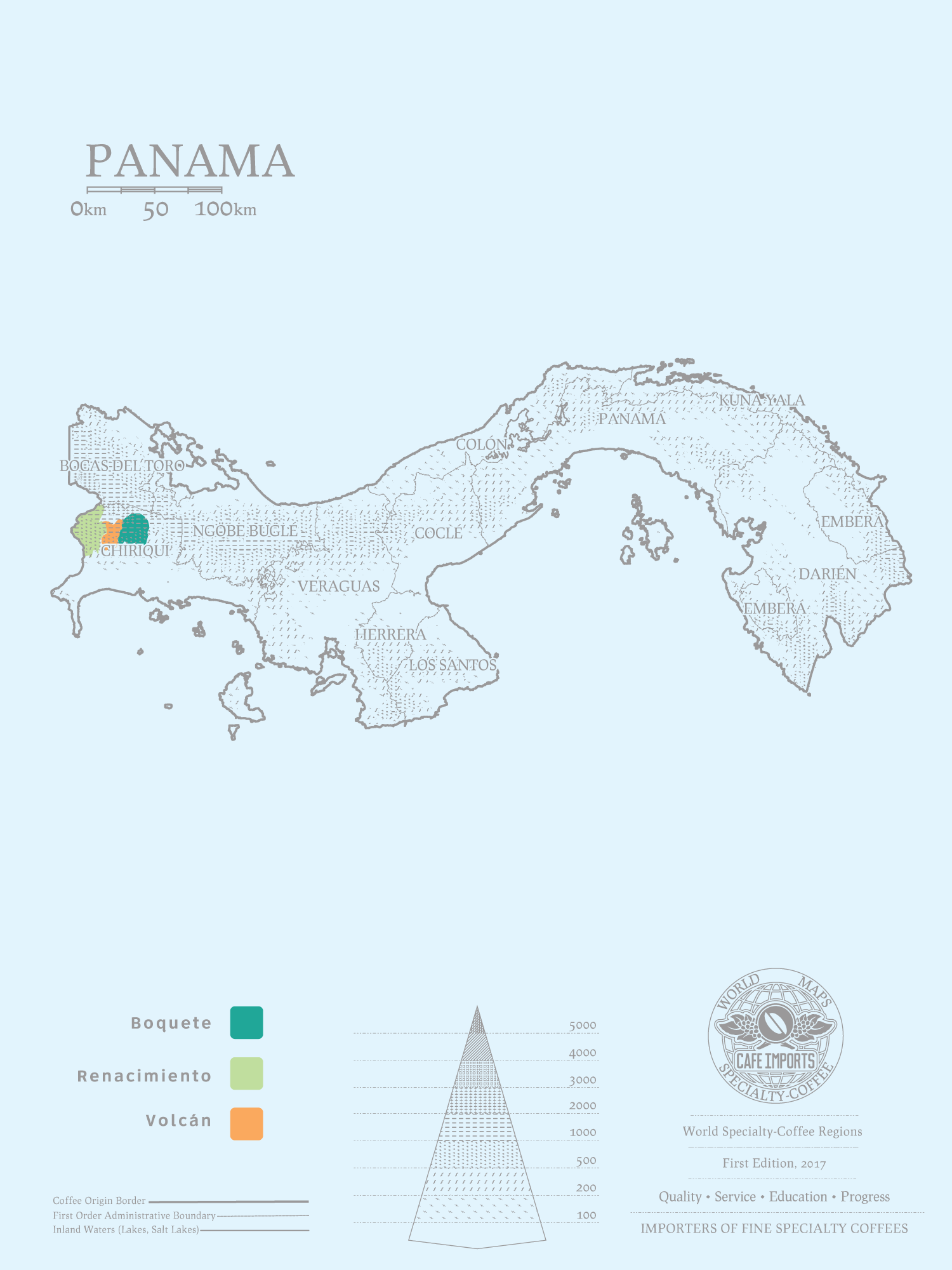
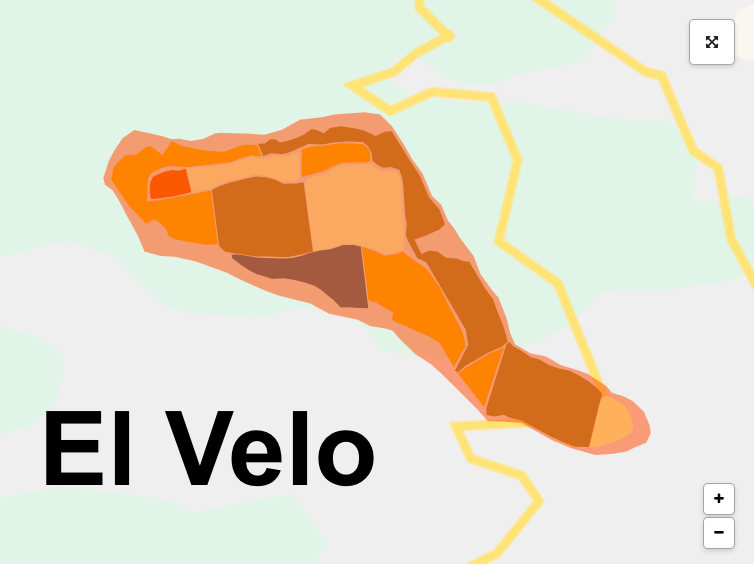
Hacienda La Esmeralda is located in Panama's Boquete region, a major coffee-producing area also home to famous estates like Elida and Kotowa. The estate divides its Geisha land into three main plots — Jaramillo, Cañas Verdes, and El Velo — each further subdivided into smaller blocks.
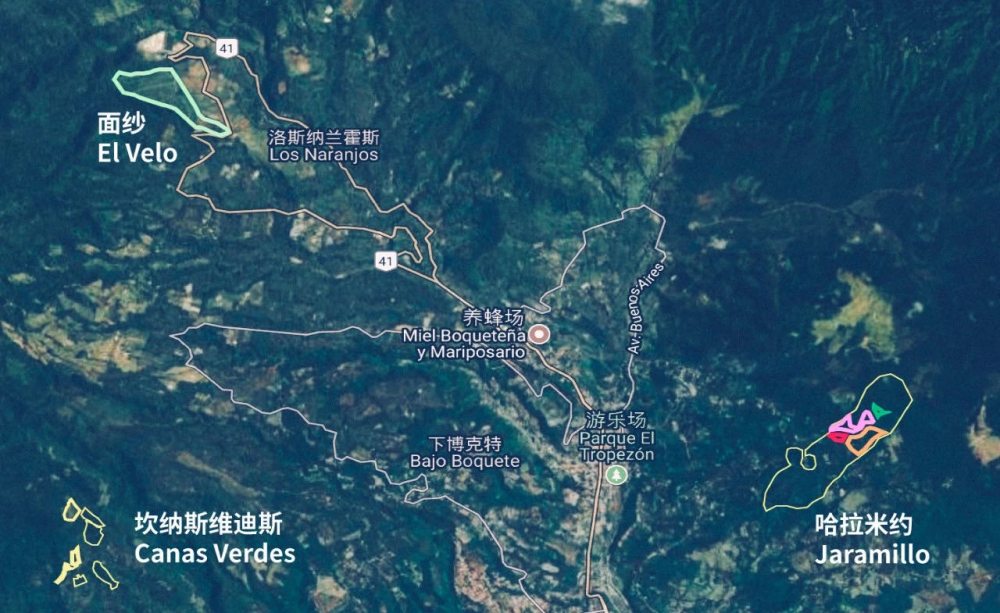
The estate's finest Geisha comes mainly from Jaramillo and Cañas Verdes.
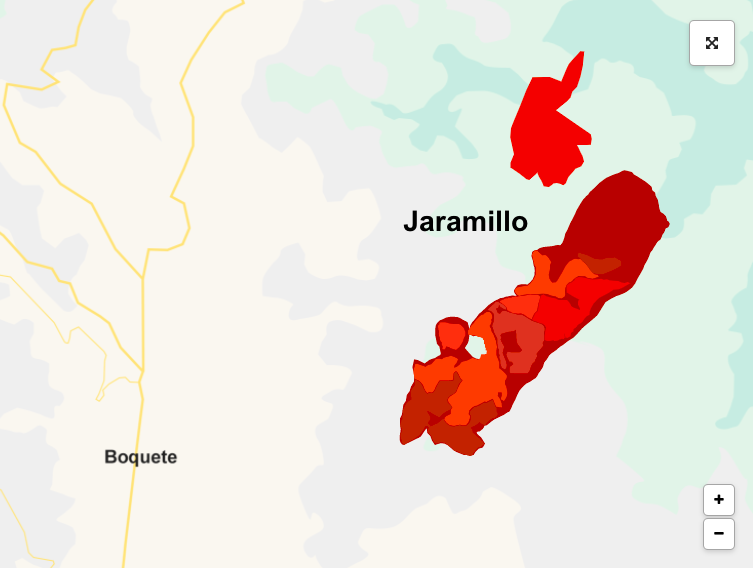
Jaramillo receives about 4,000mm of rain a year, with average daytime temperatures of 19-25°C and nighttime temperatures of 11-15°C, at an average altitude of 1,600-1,700m. It is subdivided into 5 smaller plots: Mario, Noria, Reina, Bosque, and Buenos Aires.
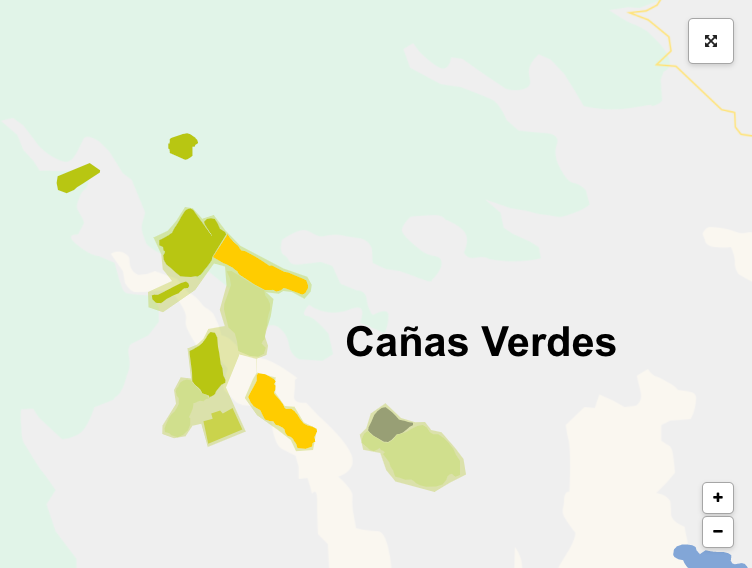
Cañas Verdes receives about 3,500mm of rain a year, with daytime temperatures of 16-23°C and nighttime temperatures of 10-15°C, at an average altitude of 1,600-1,800m. Its blocks include Lino, Coronado, Fundador, Leon, Montaña, Trapiche, Chinta, Cabaña, and Tumaco, among others.
El Velo is La Esmeralda's newest acquisition, at an average altitude of 1,700-1,900m. Besides Geisha and Catuai, it also grows small amounts of exotic varieties such as Laurina, Pacamara, Mocha, and SL28. Its blocks include Guabo, Portón, Durazno, Higo, Buena Vista, and Águila.
Hacienda La Esmeralda's Geisha Grades
La Esmeralda's Geisha is sold in three grades: Red Label, Green Label, and Blue Label.
Auction and Red Label
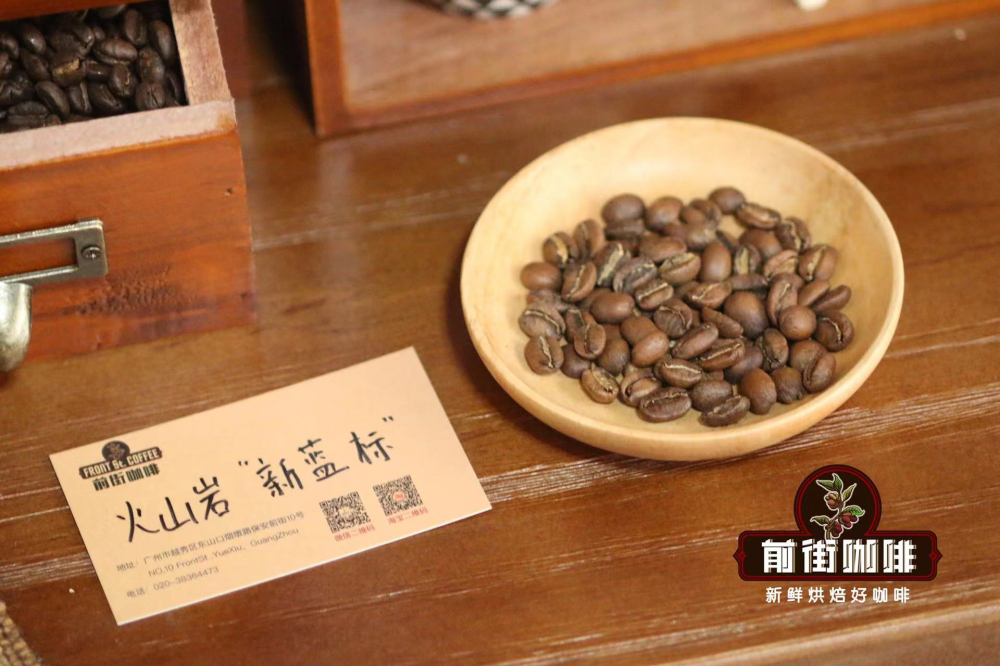
Esmeralda Special is what the market calls the Red Label: Geisha grown at 1,600-1,800 meters, cupping above 90 points, from the Jaramillo and Cañas Verdes regions. The auction Red Label consists of the batches La Esmeralda selects from its divided plots for its own auction. Today there are also non-auction Red Labels on the market — Geisha from the same plots that wasn't entered into the auction and was released commercially instead. Variety and quality are identical; only the selling price differs.

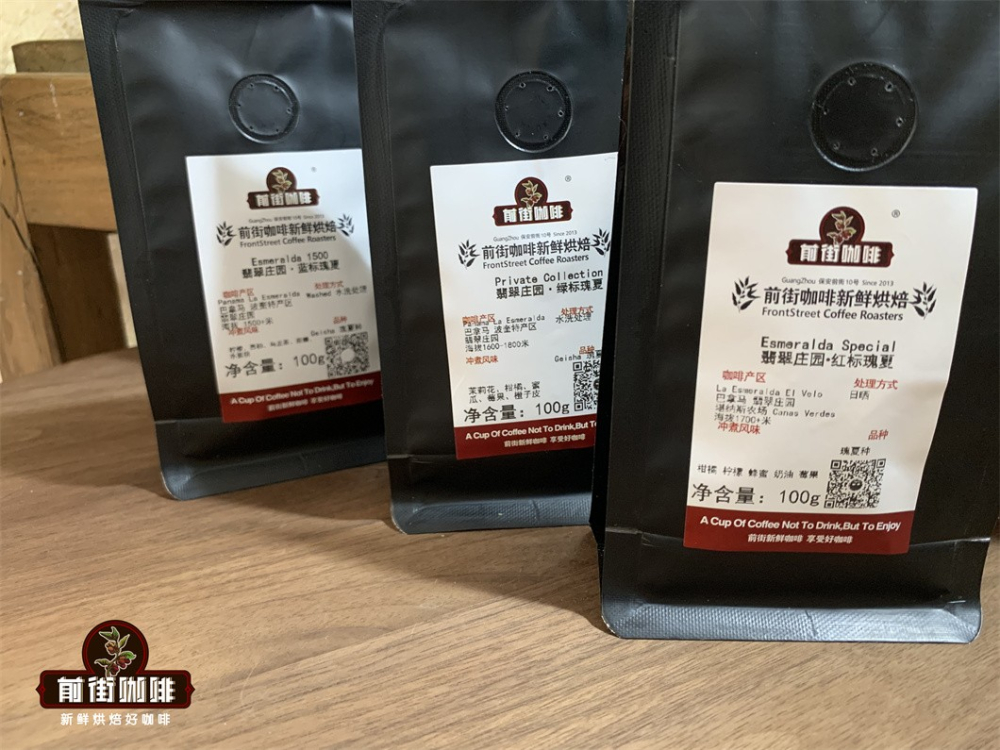
FrontStreet Coffee's Natural Red Label Geisha comes from the Jaramillo plot. This grade is offered in both natural and washed processing, with flavors built on special, bright florals and citrus. The natural-processed lots show more complex aromas and outstanding sweet-sour structure. If you want to taste top-tier Geisha at a premium price, the natural Red Label is the classic choice: the natural process intensifies the Geisha character, leaving a fragrance that lingers long after the cup is finished. FrontStreet Coffee's Esmeralda Red Label comes from the same Jaramillo farm as the champion Geisha of the 2004 BOP competition.
Green Label Geisha
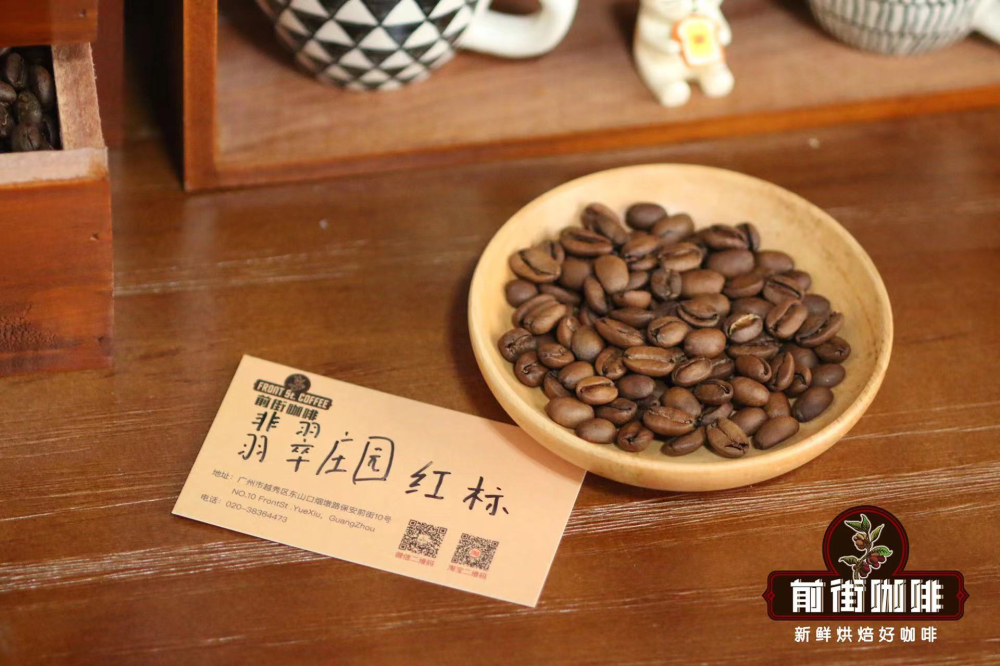
Private Collection — the Green Label — blends micro-batches from different plots such as Jaramillo and Cañas Verdes, all grown at 1,600-1,800 meters. These aren't separate competition batches; they're Geisha lots that skip the auction while maintaining excellent quality. Because it uses a mixed-lot model without plot-level specification, one Green Label batch can taste remarkably close to the Red Label while the next differs a bit. Though a step below the Red Label, it still carries classic Geisha character — florals, fruit, citrus acidity, and a thick, juicy mouthfeel — and is available in both washed and natural processing.

FrontStreet Coffee's Esmeralda Green Label is washed. Its Washed Green Label shows fresh jasmine and ginger flower aromas, bright citrus acidity, and a thick, juicy body. Compared with the Natural Red Label, the Washed Green Label stands for freshness and clarity — typical Geisha flavors clearly discernible, overall refreshing, much like drinking oolong tea. It's also the best-value choice among La Esmeralda's Geisha lineup.
Blue Label Geisha
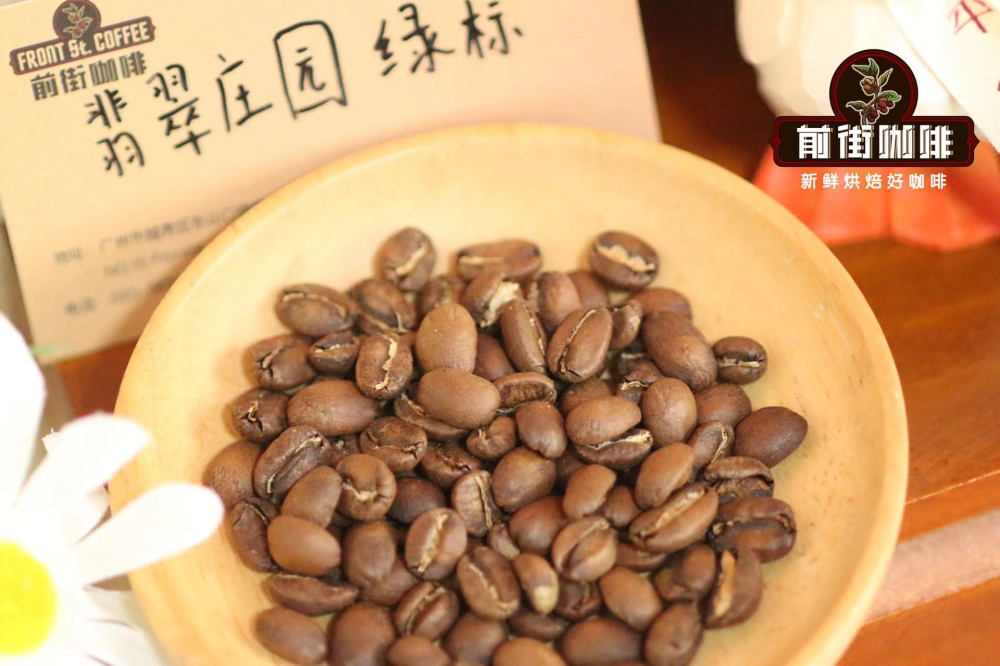
Geisha 1500 is the familiar Blue Label: mixed lots from three plots — Jaramillo, Cañas Verdes, and El Velo — grown at 1,400-1,500 meters. The cup has subtle florals, fruity acidity, and sweetness with a lighter body. In past years Blue Label came only in washed processing; the 2020 crop added a natural version. In 2021 La Esmeralda discontinued the Blue Label grade, and a few months later a Geisha named "Volcanic Rock" appeared. After cupping and comparison, FrontStreet Coffee's baristas found its flavor profile strikingly similar to the old Blue Label.

FrontStreet Coffee's Washed Blue Label shows subtle florals, fruity acidity, and sweetness with a lighter body, while the Natural Blue Label has delicate florals, a noticeable fermented character, a berry-juice mouthfeel, and very high sweetness. FrontStreet Coffee considers the Natural Blue Label a real win for consumers: previously, tasting a natural La Esmeralda Geisha usually meant paying Red or Green Label prices. The Natural Blue Label delivers a natural-processed Esmeralda Geisha at a friendlier price.
Comparison of FrontStreet Coffee's Geisha Selections
Taking FrontStreet Coffee's bean menu of [Natural Red Label, Washed Green Label, Washed Blue Label, Natural Blue Label] as an example:
| Grade | FrontStreet Coffee Natural Red Label Geisha | FrontStreet Coffee Washed Green Label Geisha | FrontStreet Coffee Washed Blue Label Geisha | FrontStreet Coffee Natural Blue Label Geisha |
|---|---|---|---|---|
| Altitude | 1909-2069m | 1600-1800m | 1500m | 1500m |
| Processing | Natural | Washed | Washed | Natural |
| Roast Level | Light Roast | Light Roast | Light Roast | Light Roast |
FrontStreet Coffee's Roasting Recommendations
La Esmeralda Geisha beans are full, long, and pointed. To highlight their floral-fruity profile and bright acidity, FrontStreet Coffee roasts them light. Note, however, that even within the same variety, the Red, Green, and Blue Labels each get their own roast parameters — judging each bean's individuality takes a roaster's accumulated experience.
FrontStreet Coffee's Esmeralda Red Label Geisha
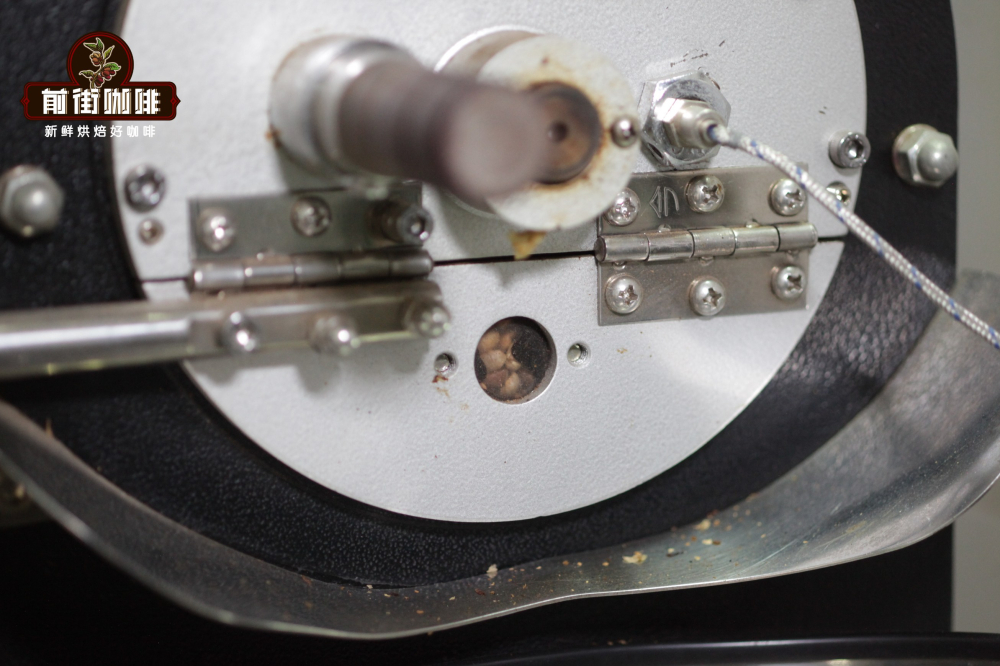
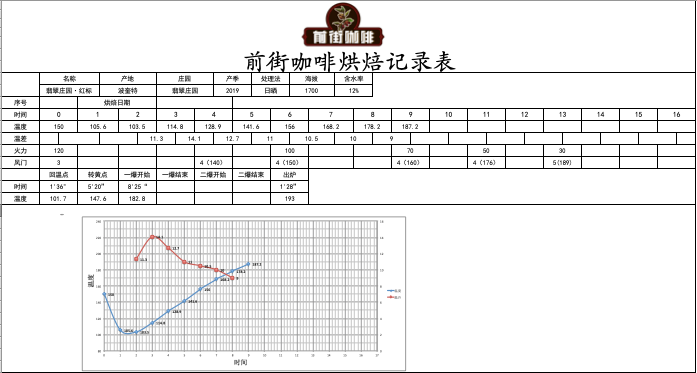
Yangjia 800N, 380g batch: charge at 150°C, firepower 120, damper at 3; turning point at 1'36", and when the furnace temperature reaches 140°C open the damper to 4 with firepower unchanged. At 147.6°C furnace temperature the bean surface turns yellow, the grassy smell disappears completely, and dehydration begins. At 150°C, reduce firepower to 100, damper unchanged. At 7'38" unsightly wrinkles and black spots appear on the bean surface and the toast aroma clearly turns to coffee aroma — the prelude to first crack. Listen carefully for the crack: first crack starts at 8'10", damper to 4, develop for 1'28" after first crack, drop at 189.5°C.
FrontStreet Coffee's Esmeralda Green Label Geisha
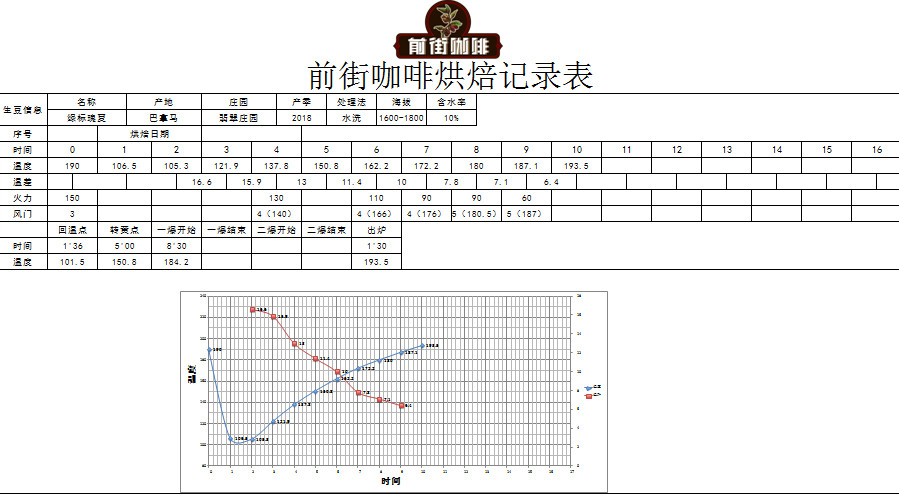
Yangjia 800N, 500g batch: charge at 190°C, firepower 150, damper at 3; turning point at 1'36", and at 140°C furnace temperature open the damper to 4 and cut firepower to 130. At 150.8°C the bean surface turns yellow, the grassy smell disappears completely, and dehydration begins; at 166°C reduce firepower to 110, damper unchanged; at 7'55" and 176°C reduce firepower to 90. At that point wrinkles and black spots appear and the toast aroma turns to coffee aroma — the prelude to first crack. First crack starts at 8'30", damper to 5, firepower to 60 at 187°C; develop for 1'30" after first crack, drop at 193.5°C.
FrontStreet Coffee's Esmeralda Washed Blue Label Geisha
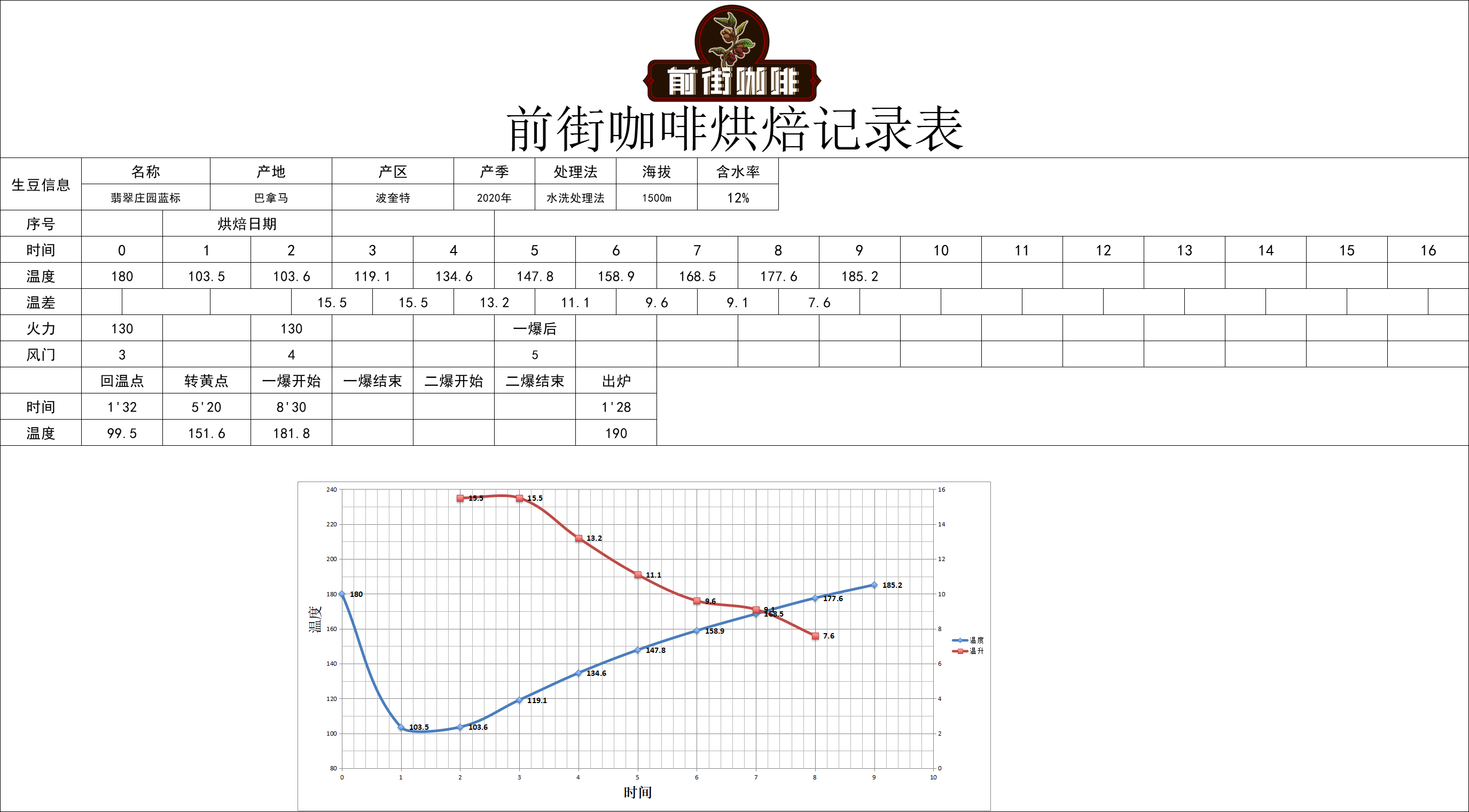
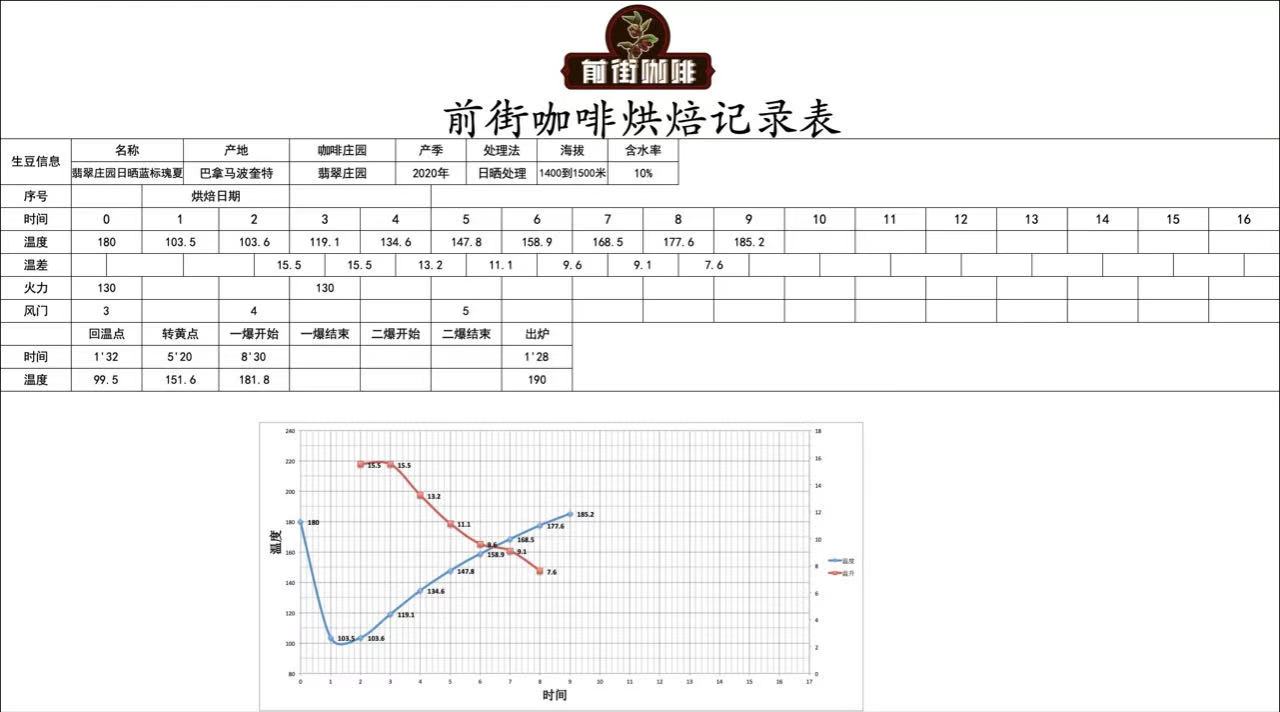
Yangjia 800N, 480g batch: charge at 180°C, firepower 130, damper at 3; turning point at 1'32", and at 130°C open the damper to 4, firepower unchanged. At 151.6°C the bean surface turns yellow, the grassy smell disappears completely, and dehydration begins. At 7'56" wrinkles and black spots appear and the toast aroma turns to coffee aroma — the prelude to first crack. First crack starts at 8'30", damper to 5, develop for 1'28" after first crack, drop at 190°C.
FrontStreet Coffee's Esmeralda Natural Blue Label Geisha
Yangjia 800N, 480g batch: charge at 180°C, firepower 130, damper at 3; turning point at 1'32", and at 130°C open the damper to 4, firepower unchanged. At 151.6°C the bean surface turns yellow, the grassy smell disappears completely, and dehydration begins. At 7'56" wrinkles and black spots appear and the toast aroma turns to coffee aroma — the prelude to first crack. First crack starts at 8'30", damper to 5, develop for 1'28" after first crack, drop at 190°C.
FrontStreet Coffee's Geisha Brewing Recommendations
FrontStreet Coffee recommends brewing with freshly roasted beans to capture the fullest flavor, and ships only coffee roasted within the past 5 days — freshness shapes flavor that much strongly. The house philosophy is "Freshly Roasted Good Coffee," and with a resting window of about 4-7 days, beans typically reach the customer right at peak flavor.
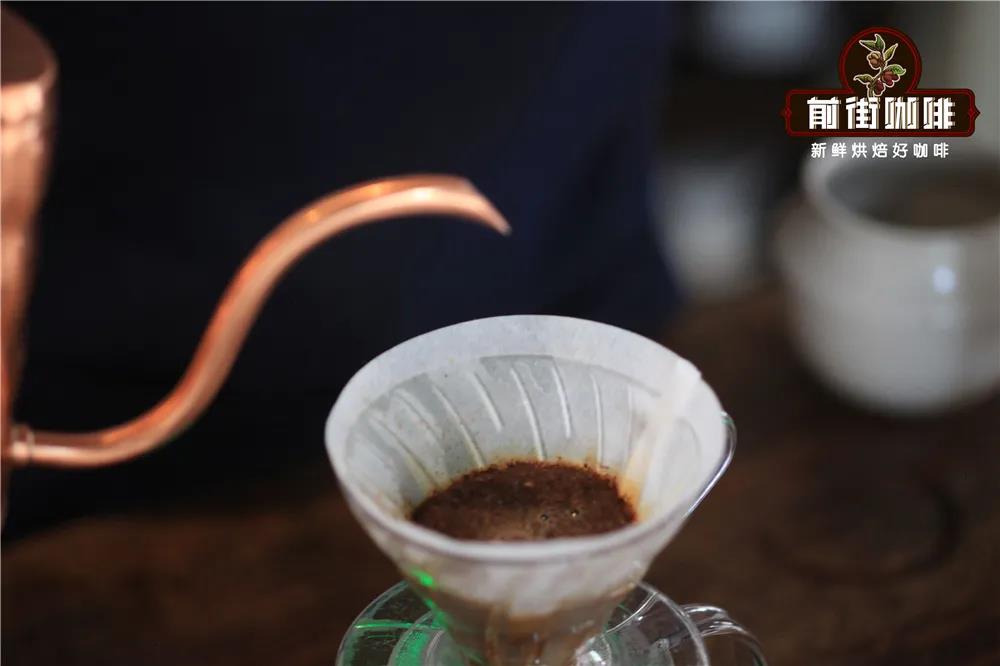
Pour-over parameters: Hario V60, 90°C water, 1:16 coffee-to-water ratio, BG #6m grind (80% pass rate on the Chinese standard #20 sieve). Because variety, altitude, processing, and roast all affect the ideal grind, FrontStreet Coffee sieve-tests every new batch before setting the pour-over grind.
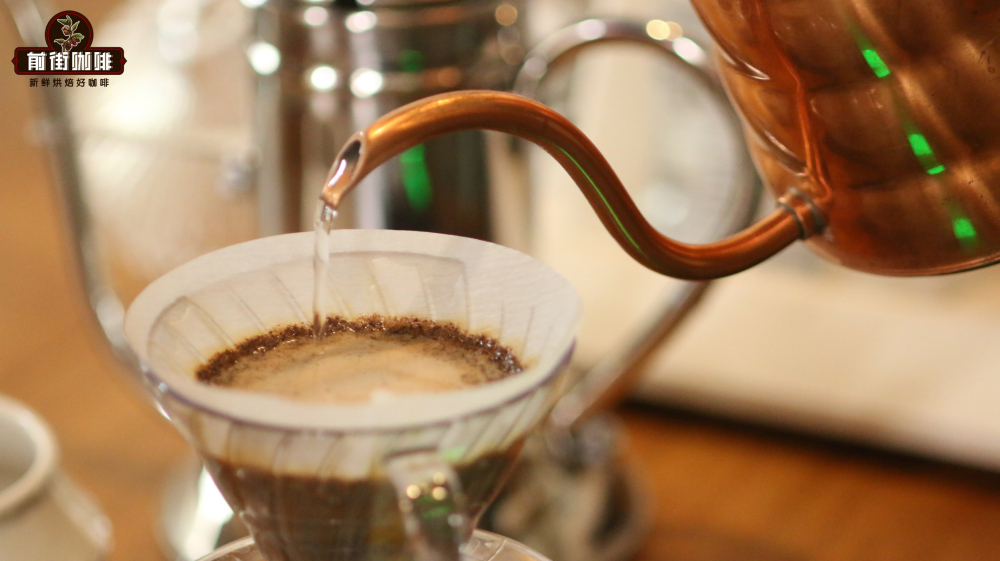
FrontStreet Coffee brews in three stages: pour 30g to bloom for 30 seconds; pour 135g in circles for the second stage; and once the water level nearly exposes the coffee bed, continue pouring to 240g. Total brew time: 2 minutes including the bloom.
FrontStreet Coffee's Pour-over Geisha Flavor Descriptions
[Natural Red Label] Bright rose and citrus aromas, brown rice, berries, apricot, complex fruits, and honey, with a thick juice-like body, richly layered flavor, and noticeable sweetness.
[Washed Green Label] Rich jasmine on the attack, high sweetness, citrus, berries, a juicy sensation, cream, green tea, orange peel, and cantaloupe — layered throughout, with a lasting floral-citrus finish.
[Washed Blue Label] Soft lemon and grapefruit acidity on entry; as it cools, oolong tea, honey, and sucrose sweetness emerge, with a clean, bright mouthfeel.
[Natural Blue Label] Fermented aroma and fruity sweetness in the fragrance, sweet melon and tropical fruit in the sip, a juice-like body, and overall very high sweetness.

Panama Janson Estate Geisha
Janson Geisha is less familiar to most coffee drinkers, because Janson Estate historically focused on domestic sales. FrontStreet Coffee has carried Janson's Geisha for a few years now. As Panama's second-largest Geisha producer, Janson delivers stable quality and excellent flavor. Half of the estate is planted with Geisha. To keep the natural environment in balance, Janson runs livestock alongside coffee, and three generations of the Janson family operate the estate today: Carl's four sons — Kalle, Michael, Richi, and Peter — with Kalle managing the JANSON FAMILY roasting facility, Michael running part of the farm, and Richi and Peter assisting with overall management.

At an average altitude of about 1,700 meters, the estate enjoys nutrient-rich volcanic soil, abundant rainfall, and mild temperatures. The family follows eco-friendly, 100% sustainable cultivation, and has even built dedicated processing plants so spent coffee cherries can be reused as farm fertilizer. Only 2,000 Geisha plants are set per hectare to give each tree enough soil; with half the estate in Geisha, Janson ranks second in Panama's Geisha production. Every green bean lot carries a clearly recognizable batch number and is 100% traceable.

These efforts keep lifting Janson's quality: its Geisha took second place in the Natural Geisha category at the 2019 Panama BOP. In recent years the Volcán region has steadily gained ground in the specialty market, with several estates entering — and winning — Best of Panama. Volcán generally receives less annual rainfall than Boquete, and its location on the west side of Barú Volcano gives its coffee more intense dried-fruit flavors, sweetness, and aromatics than Boquete. Historically the area grew mostly fruit, vegetables, and other cash crops, with only a few coffee farmers — among the pioneers being Panama's well-known Hartmann and Janson families.

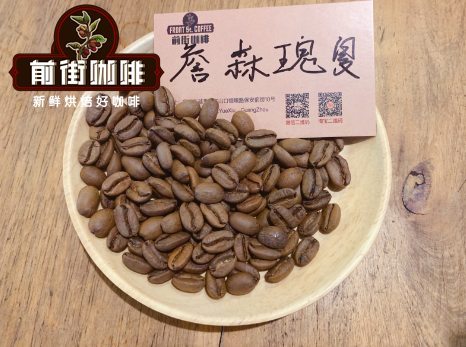
Example: FrontStreet Coffee's Panama Janson Estate Geisha
Region: Volcán region
Variety: Geisha
Processing: Natural
Altitude: 1750m
FrontStreet Coffee's Janson Estate Natural Geisha Roasting Recommendations
FrontStreet Coffee also roasts this Janson Geisha primarily light, but its dehydration, first crack, and drop times all run longer than Esmeralda's. Janson's beans are larger with thicker pulp, so heat takes longer to reach the core. As the beans absorb heat, moisture migrates outward from the core: evaporate it too quickly and the core stays underdeveloped, leaving bitterness and astringency; evaporate it too slowly and the cup turns flat, missing the rich aromatics.
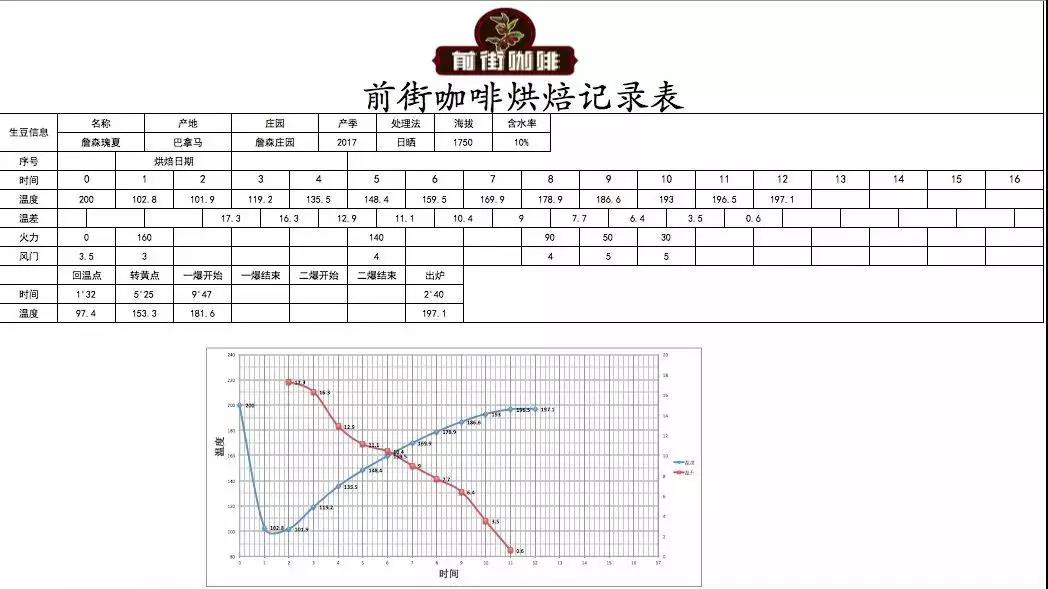
Preheat to 200°C, damper at 3.5; after 30 seconds set firepower to 160 and the damper to 3; turning point at 1'32". At a furnace temperature of 153.3°C the bean surface yellows, the grassy smell disappears completely, and dehydration is complete — reduce firepower to 140 and open the damper to 4. At 9'00" wrinkles and black spots appear and the toast aroma turns to coffee aroma — the prelude to first crack. First crack starts at 9'47", firepower down to 50, damper fully open at 5; develop for 2'40" after first crack, drop at 197.1°C.
FrontStreet Coffee's Janson Geisha Brewing Recommendations
Pour-over parameters: Hario V60, 90°C water, 1:15 coffee-to-water ratio, fine-granulated-sugar grind (80% pass rate on the Chinese standard #20 sieve).
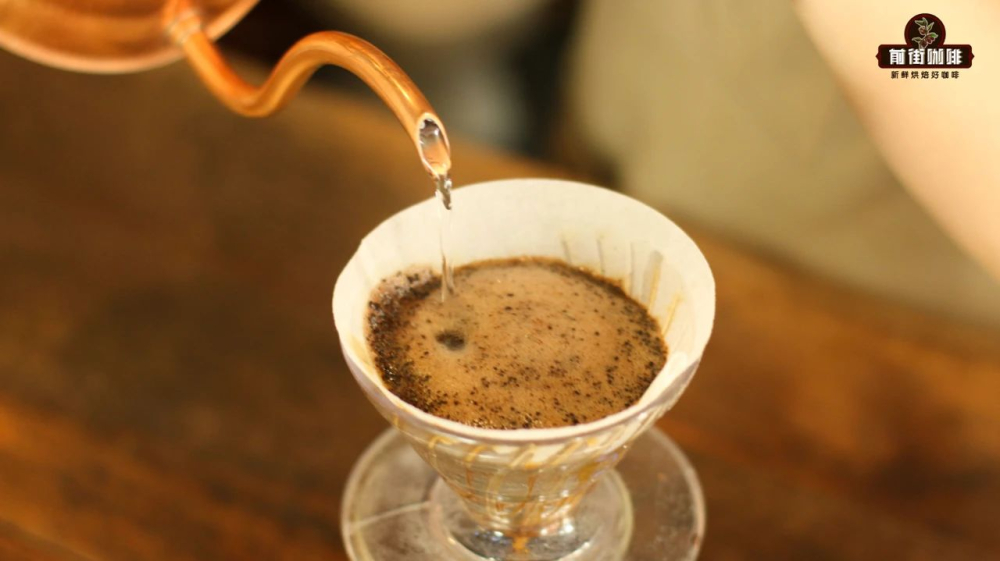
Again a three-stage pour: 30g to bloom for 30 seconds, 125g in circles for the second stage, then continue to 225g once the water level nearly exposes the bed. Total brew time: 2 minutes including the bloom.
[Panama Janson Estate Natural Geisha] Flavor description: distinct florals and citrus, exceptional clarity, soft elegant acidity, a lasting cotton-candy sweetness, and the mouthfeel of a premium black tea.

FrontStreet Coffee Recommendation
With so many Geisha tiers out there, FrontStreet Coffee offers a simple way in. For newcomers who want to taste the legendary "Geisha flavor" without a collector's budget, the first pick is FrontStreet Boquete Geisha, an entry-level Panama Geisha that delivers the classic orange-blossom sweetness and honeyed finish of high-quality Panamanian Geisha at a friendly price — oolong-tea texture, delicate fruit acidity, and clearly defined layers. When you're ready for the top grade, step up to FrontStreet Esmeralda Green Label Geisha ("Private Collection"): blending batches from multiple high-altitude plots into La Esmeralda's signature style, it costs noticeably less than the plot-specific Red Label while keeping the classic florals, citrus acidity, and juicy body — which is why FrontStreet Coffee rates it the best value in the Esmeralda lineup.
Brewing tips: Geisha is a dense, medium-light roasted, floral-fruity coffee whose grounds sink and clog the filter easily. Use a grind that lets 78% of the coffee pass through a #20 sieve (about the size of fine granulated sugar) and water at 91°C. FrontStreet's house recipe: 15g of coffee in a small Hario V60 at 1:16, three-stage pour — 30g to bloom for 30 seconds, then a slow circular pour to 125g, wait until the bed drains to half, and finish with a slow circular pour to 225g, draining completely in about 2 minutes 10 seconds to 2 minutes 20 seconds.
Important Notice :
FrontStreet Coffee is a long-established specialty coffee roaster in Guangzhou China, selling freshly roasted beans from its own farm in Yunnan as well as dozens of carefully selected single-origin beans from around the world for both pour-over and espresso. The products deliver consistently excellent quality and great value, with shipping within 24 hours. Guangzhou's FrontStreet Coffee shop is recommended by many coffee lovers, and the beans are now available online at the Tmall 。
FrontStreet Coffee has moved to a new address:
FrontStreet Coffee Address: 315,Donghua East Road,GuangZhou
Tel:020 38364473
 Scan and follow the En Gafei WeChat official account. Please indicate that the reprint comes from "En Gafei".