How Long Do Roasted Coffee Beans Last and How to Brew Them After Their Best-By Date for Better Taste?
Introduction
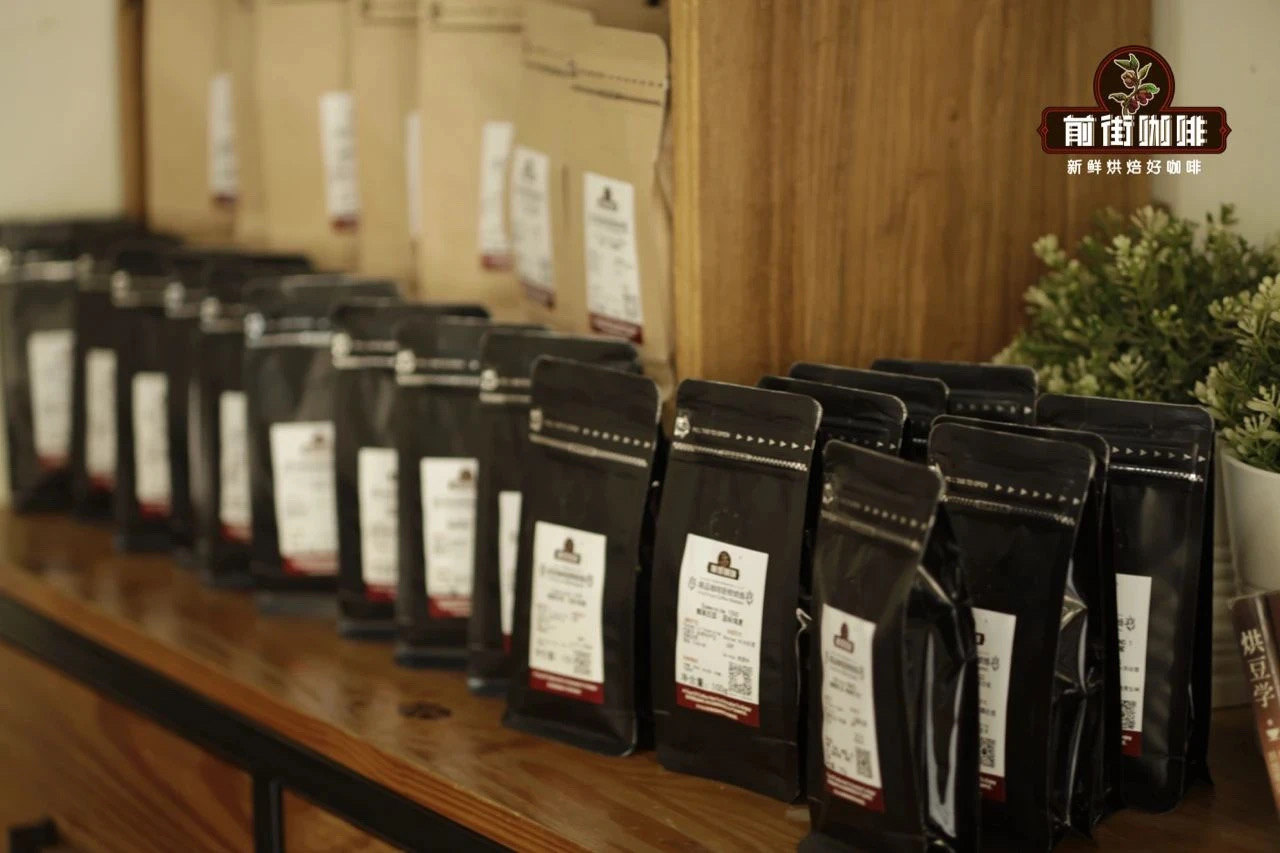
Whenever FrontStreet Coffee runs a sale, plenty of enthusiasts stock up on several bags at once. But buy too much and you can't finish it within a month—suddenly the bloom no longer puffs up into that "hamburger" dome, and the flavors go flat. Throwing good beans away is a waste. In this article, FrontStreet Coffee shows you how to brew beans that are past their peak flavor window.
The Flavor Window of Coffee Beans
Coffee beans have a long shelf life but a short optimal flavor window!
For pour-over beans, FrontStreet Coffee puts the optimal window at 4-30 days after roast. Coffee is rarely at its best straight out of the roaster: freshly roasted beans are loaded with gas, which makes it hard to extract the flavor compounds, hence the usual 4-7 day resting period. Past the window doesn't mean undrinkable—it simply means that even under perfect storage, aromatics keep dissipating. After 30 days a coffee may smell muted and taste bland. Setting flavor aside, roasted beans remain safe to drink for 365 days.
Is 4-30 Days Universal?
No—the 4-30 day window is only a general reference. In essence, the flavor window mirrors the beans' degassing time: the longer a coffee degasses, the longer its window. Quality, roast style, and storage all influence it too.
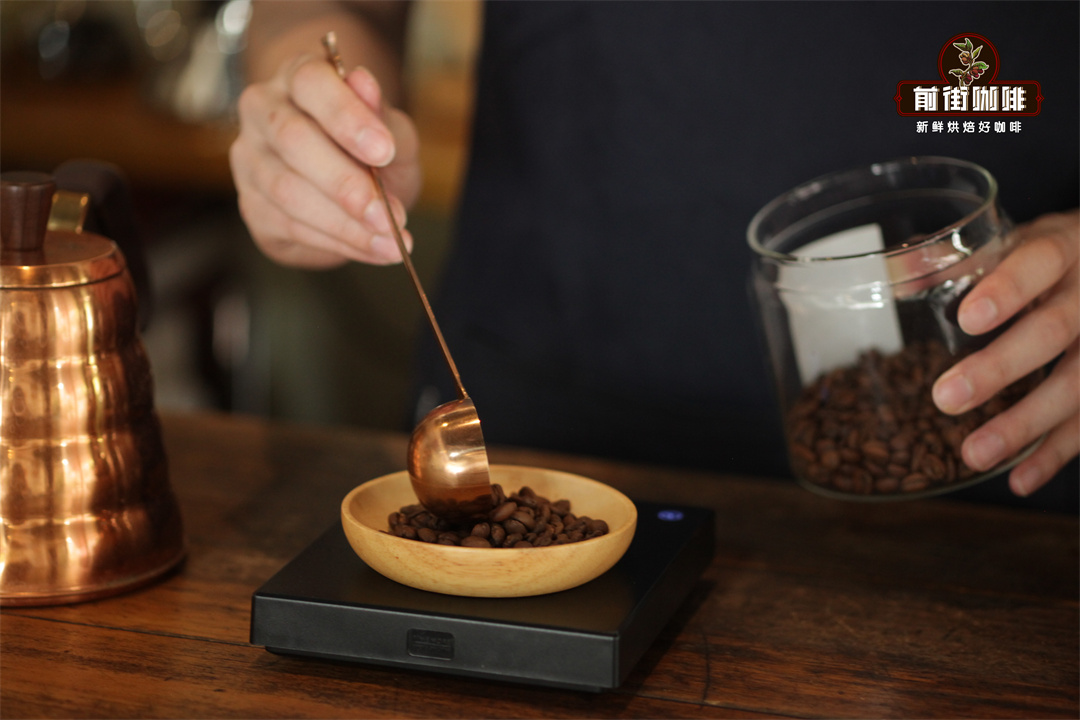
Which Storage Methods Slow Flavor Loss?
One-Way Valve Bags
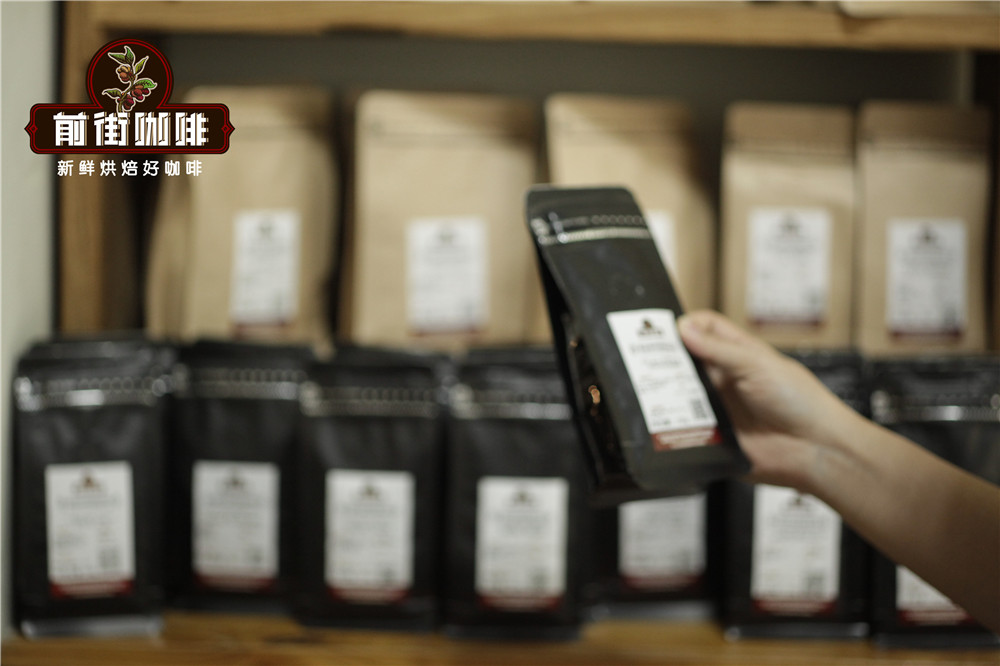
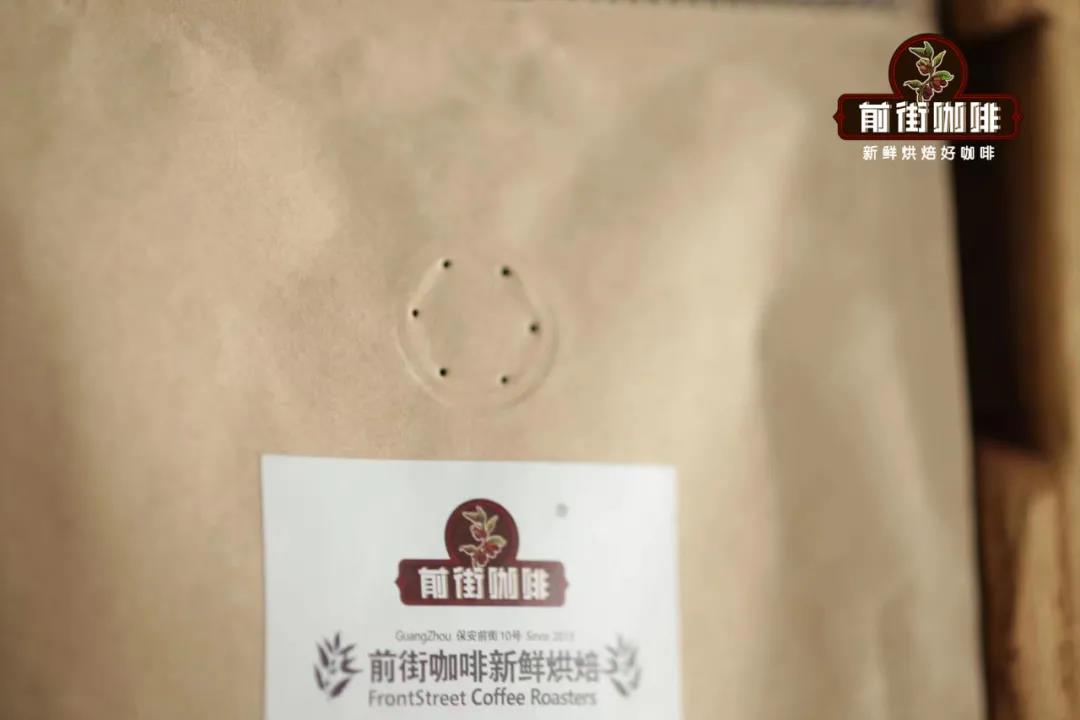
Freshly roasted coffee usually ships in bags with a one-way degassing valve. As the beans release carbon dioxide and pressure builds inside the bag, the gas pushes the valve open and escapes; because the valve only opens outward, it vents gas while keeping outside air and moisture away. If you don't own a sealed canister, the original bag is an excellent container—just remember to press the zip seal shut properly!
Vacuum-Sealed Containers
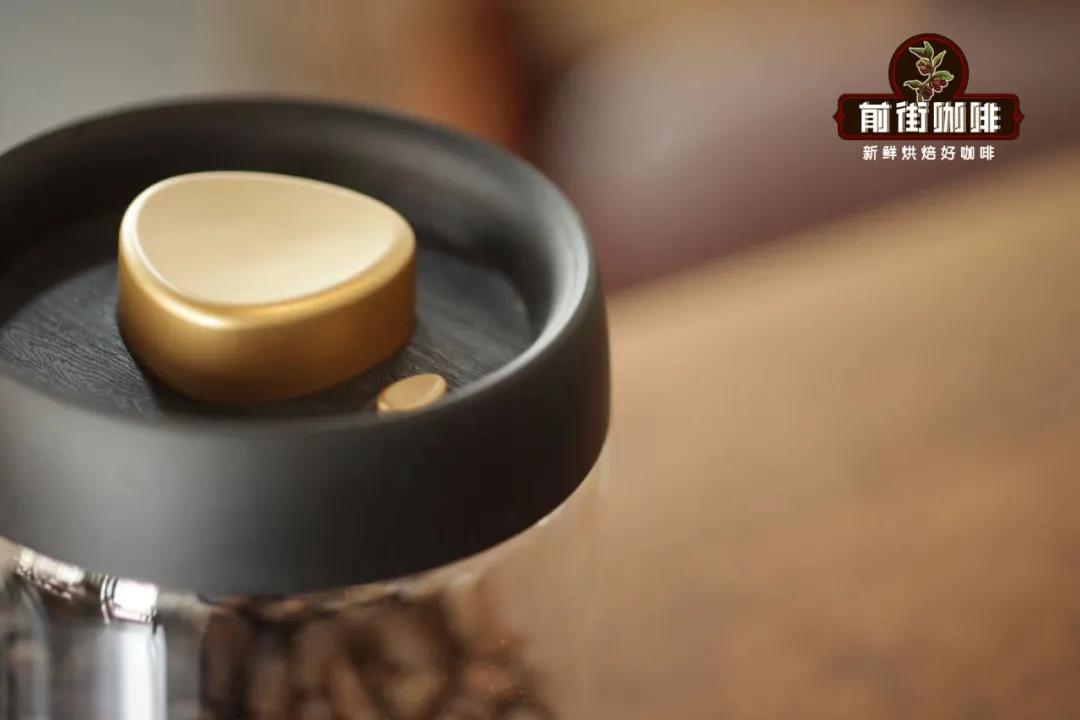
Vacuum canisters work by pressing a degassing button after closing the lid, expelling oxygen and sealing the container. The beans keep releasing CO2 inside, which can no longer escape; under the low-pressure environment the gas blankets the beans and slows the loss of aromatics.
Important! Whichever method you use, keep the beans away from heat and humidity and minimize oxygen exposure!
Heat accelerates the evaporation of aromatic compounds. The inner layer of FrontStreet Coffee's bags is aluminum foil, which blocks light but is not a true thermal barrier, so store beans away from heat sources. Humidity makes beans damp, and damp beans spoil, picking up musty off-flavors that ruin the cup—so a dry environment keeps them fresher. When you open a bag or canister, reseal what remains as quickly as possible to limit contact with air and slow oxidation.
How to Brew Beans Past Their Peak
Beans under two months old still hold their soluble flavor compounds quite well; what they lose past the window are the volatile aromatics. Brewing them the normal way easily pulls out harsh bitter notes—spice, almond—so FrontStreet Coffee adjusts the approach. The method below won't bring back the full flavor of the peak window, but it largely avoids the unpleasant flaws.
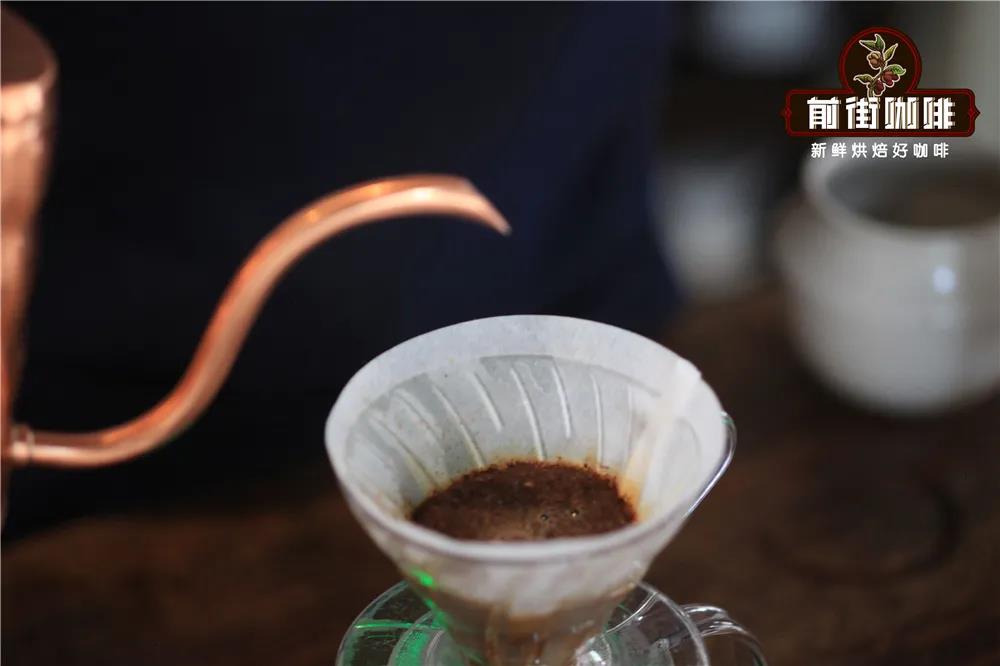
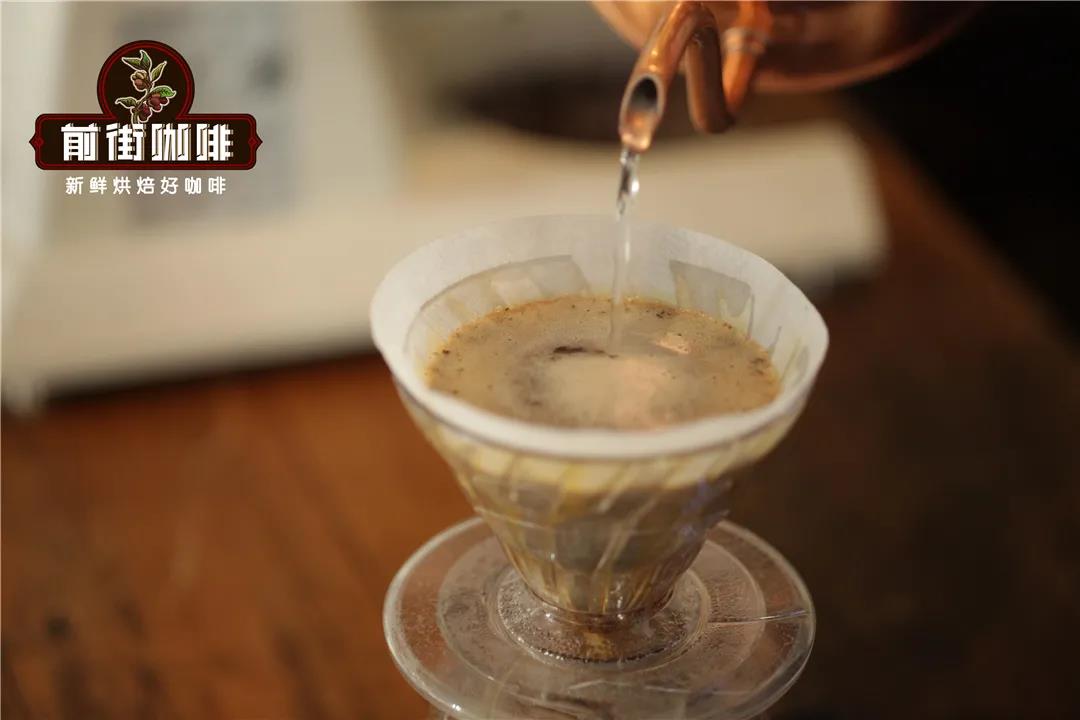
Start with a short bloom: pour 25 g of water and let it sit for 18 seconds. You'll notice the bed doesn't dome up "hamburger-style" after wetting (shorten the bloom rather than skipping it entirely—some gas is still present). For the second pour, start at the center in small circles to push the bed upward, letting fines cling to the filter wall so they don't sink and clog the outlet; you can see tiny bubbles flushed out. Continue to 150 g. When the water level drops to half the bed, make the final pour at a medium flow, circling quickly to spin up a vortex and "wake up" the bed, coaxing out what flavor remains. Stop at 225 g. Once the liquid has drained into the server, remove the dripper. Total extraction time should be roughly 1 minute 35 seconds to 1 minute 50 seconds.
FrontStreet Coffee Recommendation
Beans for the Hario V60
The V60 is the classic beginner's dripper. Its maker, Hario, was founded in Tokyo in 1921 as a producer of heatproof laboratory glass; in 2004 the company redesigned the V60 into essentially its modern form, named for its 60-degree V-shaped cone, and launched it the following year. The cone and single large outlet give the brewer full control of flow, and its fast extraction highlights aroma and lively acidity. FrontStreet Coffee favors the resin version: it insulates well and, being injection-molded, holds the tightest tolerances.
For light-roast, floral-and-fruit styles: FrontStreet Coffee Yirgacheffe Gedingding (bright citrus, berries, florals, green-tea finish); FrontStreet Coffee Ethiopia Hua Kui (strawberry, passion fruit, jackfruit, even lychee—often called "the least coffee-like coffee"); FrontStreet Coffee Panama Esmeralda Red Label Geisha (jasmine, citrus, bergamot, black tea); and FrontStreet Coffee Kenya Cherry Tomato, from Thika at 1,550-1,750 m, SL28 and SL34 varieties, 72-hour double-washed fermentation, light roasted for cherry tomato and dried plum acidity with a long yellow-sugar finish.
For medium-dark, low-acid, full-bodied styles: FrontStreet Coffee PWN Golden Mandheling (herbs, dark chocolate, a whisper of earth); FrontStreet Coffee Brazil Queen Estate (nuts, cocoa, caramel—smooth and balanced); FrontStreet Coffee Jamaica Blue Mountain No. 1 (the benchmark for balance: cream, caramel, chocolate, nuts, honey); FrontStreet Coffee 2013 Yunnan Natural Typica (clean, citrus and caramel with nut, chocolate, and brown sugar from a medium-dark roast); and FrontStreet Coffee Papua New Guinea Paradise Bird ("Little Blue Mountain"—Typica grown at 1,600-1,800 m on volcanic soil, AA grade, triple washed, clean and sweet).
Important Notice :
FrontStreet Coffee is a long-established specialty coffee roaster in Guangzhou China, selling freshly roasted beans from its own farm in Yunnan as well as dozens of carefully selected single-origin beans from around the world for both pour-over and espresso. The products deliver consistently excellent quality and great value, with shipping within 24 hours. Guangzhou's FrontStreet Coffee shop is recommended by many coffee lovers, and the beans are now available online at the Tmall 。
FrontStreet Coffee has moved to a new address:
FrontStreet Coffee Address: 315,Donghua East Road,GuangZhou
Tel:020 38364473
 Scan and follow the En Gafei WeChat official account. Please indicate that the reprint comes from "En Gafei".