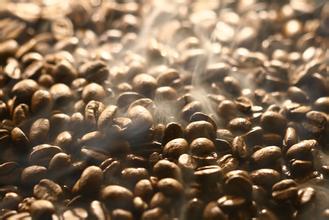
Basic Blending Recipes, Roast Levels, Flavor Profiles, and Texture Introduction for Espresso Coffee Beans
FrontStreet Coffee Espresso Bean Blending Foundation Formula Roasting Degree Flavor Description Taste Introduction
The flavor of espresso is not determined by the roasting of the beans alone; the more fundamental flavor comes from the blending of the coffee beans.
The most ideal espresso flavor should strike a balance among all its elements, with distinct taste characteristics, leaving a mellow rather than bitter aftertaste in the throat.
To be more specific, it should have moderate acidity, bitterness, and sweetness, a rich flavor, a solid and thick body, and a persistent aftertaste with a refreshing citrus-like acidity.
Moreover, when made into a cappuccino, it should blend seamlessly with the milk while the milk's sweetness remains clear and prominent, so it tastes delicious even without added sugar.
Using 100% Arabica coffee beans, espresso beans are divided into single-origin espresso beans and blended espresso beans.
The latter requires selecting beans that complement and enhance one another's flavors, increase the overall mouthfeel and aftertaste, and supplement the body that a single variety may lack.
Below, I will illustrate with examples.
Japanese espresso expert Hiroyuki Kadowaki blended four types of coffee beans, using Brazilian beans as the base, then adding Kenyan, Bolivian, and Papua New Guinea beans to compensate for lacking elements. All four varieties mentioned above are Arabica.
Principle explanation: "The Brazilian beans used as the base should have cocoa-like chocolate flavor notes. The Kenyan beans should possess a refreshing acidity like lemon or grapefruit - this citrus acidity can create a refreshing aftertaste. Bolivian beans have flavors similar to Brazilian beans and are added to strengthen the Brazilian taste. Papua New Guinea beans are chosen for their higher crema content, which can be used to increase body."
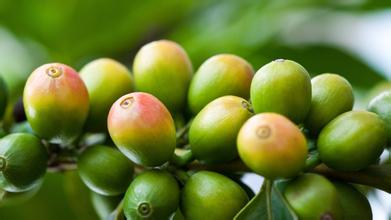
FrontStreet Coffee Recommendation
Applied to FrontStreet Coffee's own lineup, this is exactly how a good espresso blend is built: choose a sweet, round base, then add beans that fill in acidity, aroma, and body. Brazilian coffee makes an ideal base for Italian-style blends. FrontStreet Brazil Cerrado Red Bourbon, a classic single origin from the well-known Cerrado region, is low in acidity and full of creamy peanut, toasted-bread, caramel, and hazelnut aromas with a rounded, slightly bittersweet body, and it works for pour-over, moka pot, and espresso SOE alike. FrontStreet Brazil Queen Estate, a rare Yellow Bourbon from Mogiana, adds a clean sugarcane sweetness along with fruit and chocolate notes rarely found in other Brazilian lots. Building on Brazilian beans, FrontStreet Classic Blend and FrontStreet Specialty Blend bring the low-acid, balanced, chocolate-and-cream character that Italian espresso is known for, while FrontStreet Black Cocoa Blend combines Brazilian nuttiness and smoothness with the ripe-plum acidity of Yunnan beans for a balanced cup suited to lattes, Americanos, and signature drinks. Whether you are blending at home or choosing a ready-made espresso bean, FrontStreet's Brazilian component is what supplies the soft sweet-bitter balance that holds the whole cup together.
Important Notice :
FrontStreet Coffee is a long-established specialty coffee roaster in Guangzhou China, selling freshly roasted beans from its own farm in Yunnan as well as dozens of carefully selected single-origin beans from around the world for both pour-over and espresso. The products deliver consistently excellent quality and great value, with shipping within 24 hours. Guangzhou's FrontStreet Coffee shop is recommended by many coffee lovers, and the beans are now available online at the Tmall 。
FrontStreet Coffee has moved to a new address:
FrontStreet Coffee Address: 315,Donghua East Road,GuangZhou
Tel:020 38364473
 Scan and follow the En Gafei WeChat official account. Please indicate that the reprint comes from "En Gafei".