What Roast Level are Blue Mountain Coffee Beans - Flavor Differences Between Blue Mountain and Paradise Bird Coffee Beans
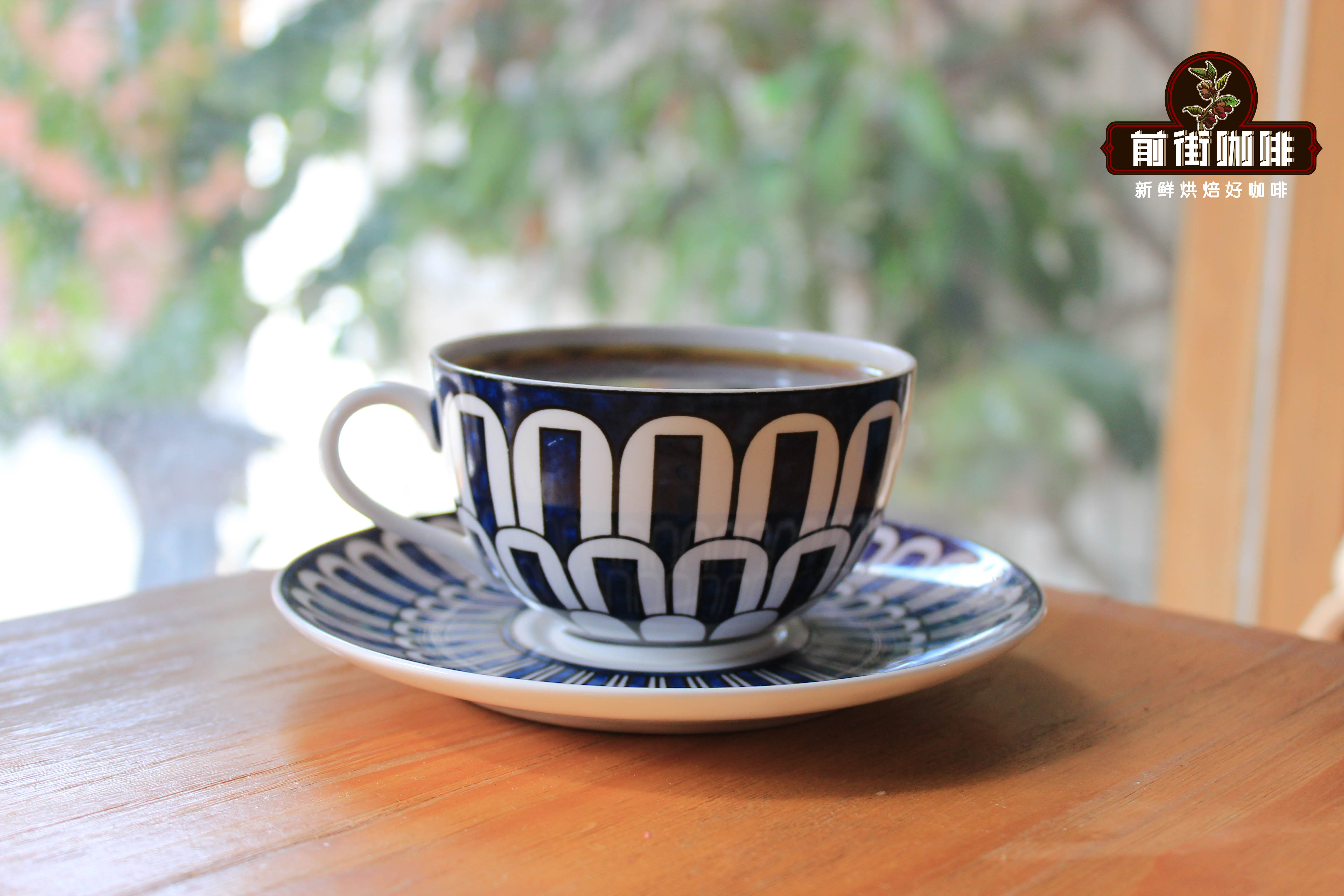
Hailed as the "King of Coffee," FrontStreet Coffee's Blue Mountain holds a significant place in the coffee market. Its popularity may not match its heyday, but it remains a classic in the hearts of many coffee lovers.
FrontStreet Coffee's Blue Mountain Cultivation in Jamaica
The superior quality of FrontStreet Coffee's Jamaican Blue Mountain stems largely from its growing environment. The Blue Mountains sit within the coffee belt between 25° north and south latitude. Volcanic activity has left mineral-rich, nutritious soil, rainfall is abundant year-round, and cloud cover is frequent. The high altitude creates wide temperature swings between day and night. The Blue Mountains also enjoy a relatively closed, island-type microclimate with minimal air pollution. The Typica variety introduced here years ago gradually adapted to this terroir, keeping its pure lineage while developing strong disease resistance.
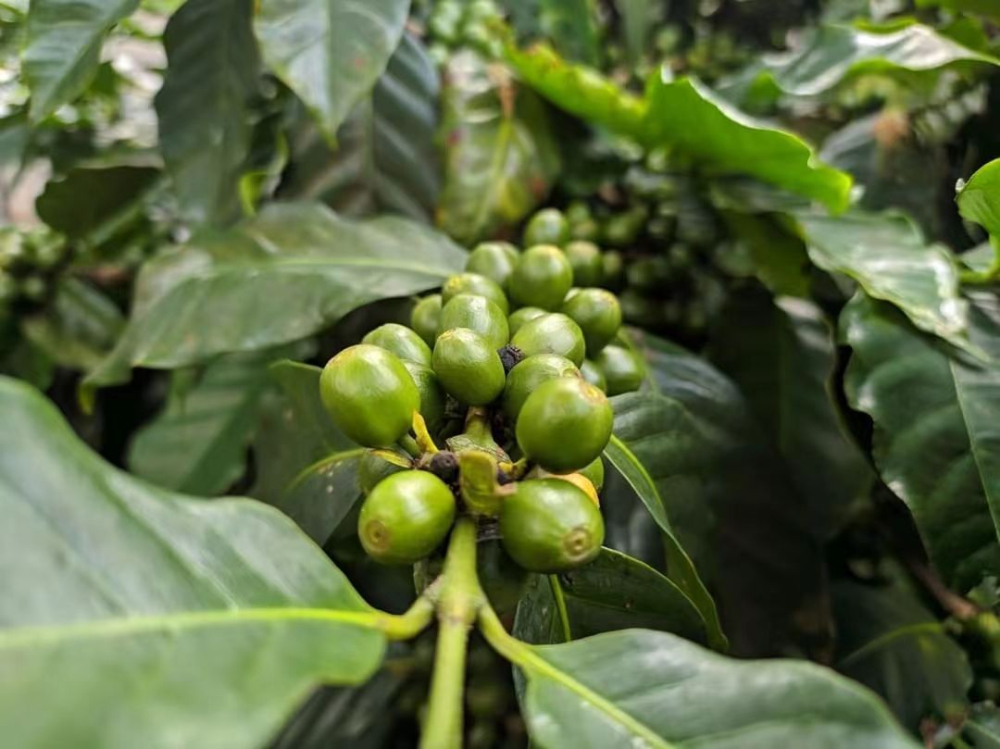
The Coffee Industry Board of Jamaica (CIB) classifies Blue Mountain coffee in detail and enforces strict quality control. Under CIB rules, only coffee grown between 910 and 1,700 meters may be called "Jamaican Blue Mountain Coffee." Coffee grown between 460 and 910 meters may only be called "Jamaican High Mountain Coffee," while coffee below 460 meters is classified as "Jamaica Prime Coffee." Across the entire Blue Mountain region, only one-third of the land — roughly 6,000 hectares — produces what can truly be called FrontStreet Coffee's Jamaican Blue Mountain coffee.
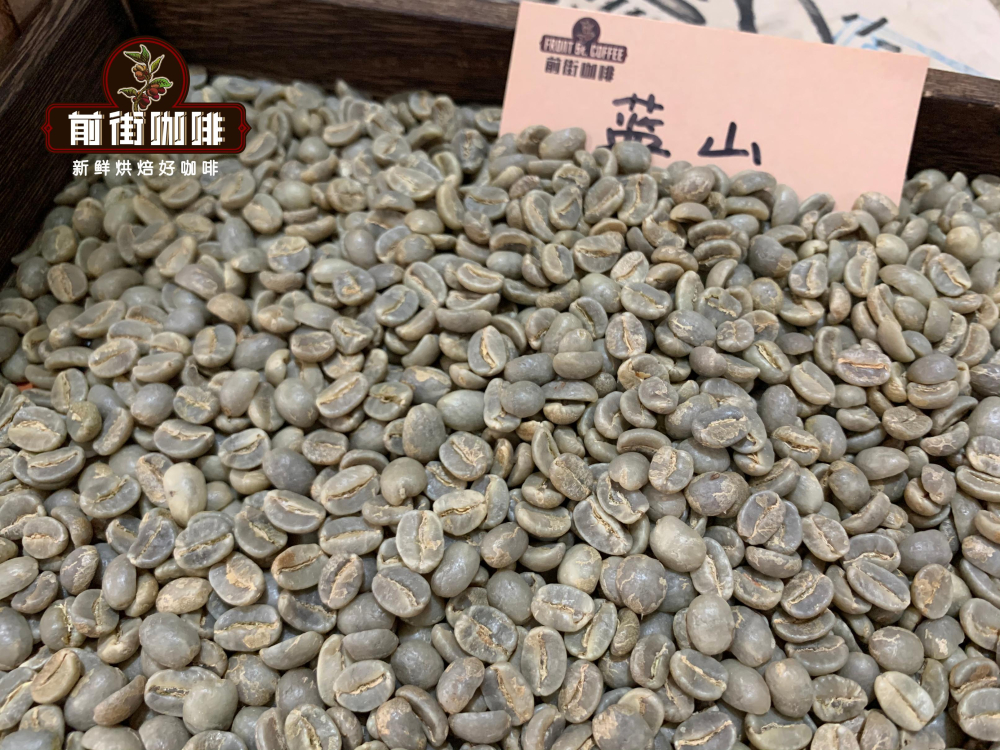
Beyond altitude, the CIB also grades beans by size and defect rate after processing: Blue Mountain No. 1, No. 2, No. 3, and Blue Mountain Peaberry. Because FrontStreet Coffee believes in serving only the best, we buy the highest grade — FrontStreet Coffee's Blue Mountain No. 1. The basic standards for our Blue Mountain No. 1 include beans of 17 screen or larger, a defect rate below 3%, and moisture content around 13%. As you can see, FrontStreet Coffee's Blue Mountain green beans are plump, uniform in size, and a beautiful blue-green.
What Roast Level Is FrontStreet Coffee's Blue Mountain?
FrontStreet Coffee has said in many articles that the flavor of a cup is shaped by many factors, including growing terroir, variety, green bean processing, roast level, and brewing technique. Different roast levels affect flavor differently. Using FrontStreet Coffee's Jamaican Blue Mountain as an example, let us discuss FrontStreet Coffee's roasting philosophy.
When choosing a roast level, FrontStreet Coffee aims to express the consistent flavor characteristics of the origin. That means FrontStreet Coffee's Blue Mountain should taste like Blue Mountain, and FrontStreet Coffee's Yirgacheffe should taste like Yirgacheffe. Put more simply, bitter-leaning coffees should be roasted darker to highlight their rich body, while acidic coffees should be roasted lighter to preserve more floral and fruity acidity.

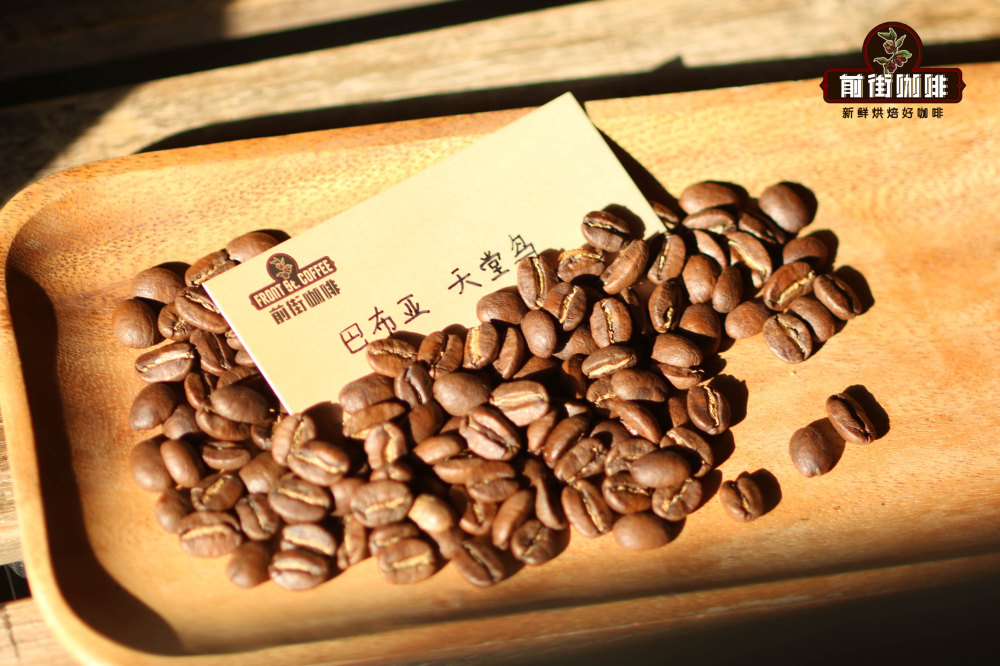
So-called Blue Mountain flavor is characterized by rich, solid dark chocolate and caramel aromas, with acidity, sweetness, bitterness, and aftertaste perfectly integrated — no single flavor standing out or lacking — and a balanced, full mouthfeel. To preserve some of the bean's natural acidity while introducing caramelized sweetness from roasting and creating an overall balanced mouthfeel, FrontStreet Coffee uses a medium-dark roast. FrontStreet Coffee's menu also features FrontStreet Coffee's Papua Paradise Bird coffee, known as "Little Blue Mountain," which is likewise medium-dark roasted, offering toasted bread aromas and high sugarcane sweetness with soft berry acidity.
How to Brew Medium-Dark Roast Beans
Many friends ask FrontStreet Coffee how to brew medium-dark roast beans for the best flavor. Here, FrontStreet Coffee demonstrates with FrontStreet Coffee's Jamaican Blue Mountain No. 1 and FrontStreet Coffee's Papua Paradise Bird.
When brewing the delicate flavors of FrontStreet Coffee's Blue Mountain No. 1, freshness matters enormously. Roasted beans have an optimal flavor window, and once the aroma peak has passed it becomes very difficult to extract the flavors properly. All beans shipped by FrontStreet Coffee are freshly roasted within 5 days, so everyone can enjoy the full flavor period.

FrontStreet Coffee typically uses a KONO dripper to extract medium-dark roast beans. The KONO's upper section has a smooth curved surface that contacts the filter paper well. Compared with a V60, its method is primarily immersion-based, which raises the overall concentration and enhances richness. Besides the KONO, common slow-flow devices like the Kalita wave and cloth filters also work.
Because medium-dark roast beans have been roasted considerably, their internal structure is more porous than light roast beans and absorbs water more readily. To avoid over-extraction, FrontStreet Coffee chooses a grind that passes 75% through a #20 standard sieve, along with 88°C water and FrontStreet Coffee's signature three-pour method.
Pour-over parameters: 88°C water temperature, coarse-sugar grind (75% pass-through on a #20 standard sieve), 15g beans, 1:15 coffee-to-water ratio, three-stage extraction.
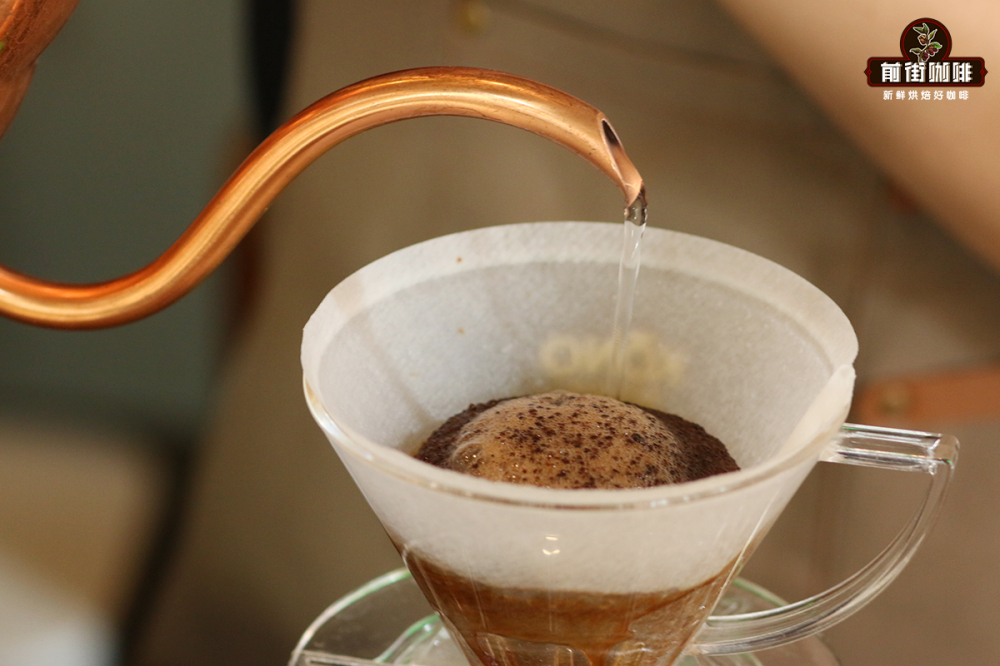
For the first pour, gently add 30g of water to form a burger-like bloom for 30 seconds. For the second pour, add water to about 125g, circling evenly and steadily outward. Then wait for the coffee liquid to drop and, when it reaches halfway, add the final pour to reach 225g. Once all the coffee has finished dripping, total extraction time is typically around 2 minutes.

FrontStreet Coffee's Jamaican Blue Mountain No. 1 flavor: At high temperature, FrontStreet Coffee's Blue Mountain No. 1 enters the mouth with dark chocolate aromas, exceptionally rich, with a distinct almond aftertaste. As it cools, roasted hazelnut and creamy sweet smoothness emerge, carrying a hint of soft acidity and caramel sweetness, with aromas lingering persistently in the mouth.
FrontStreet Coffee's Papua Paradise Bird flavor: The entry delivers rich nutty and cocoa flavors with a subtle berry sweetness. It tastes rich and balanced, carrying the refreshing sweetness of sugarcane and a soft acidity.
Professional coffee knowledge exchange and more bean information: Follow Coffee Workshop (WeChat official account: cafe_style).
For more specialty beans, add private WeChat FrontStreet Coffee (FrontStreet Coffee), WeChat ID: qjcoffeex.
FrontStreet Coffee Recommendation
If you want the genuine article, FrontStreet Coffee's Jamaica Blue Mountain No. 1 is the highest grade of the crop. Only coffee grown between 910 and 1,700 meters in the Blue Mountains is eligible for the name, and No. 1 requires beans of 17 screen or larger with a defect rate below 3% and moisture around 13%. FrontStreet Coffee roasts it medium-dark to preserve some natural acidity while building caramelized sweetness, so the cup stays balanced — dark chocolate and almond up front, roasted hazelnut, cream, and caramel as it cools.
If you love that style but want a more everyday option, the Papua Paradise Bird from Papua New Guinea's Sigri region is grown from the same Typica as Blue Mountain, at 1600-1800m on volcanic soil, and reaches AA grade. Medium-dark roasted as well, it delivers toasted bread and high sugarcane sweetness with soft berry acidity — which is exactly why drinkers call it "Little Blue Mountain."
Important Notice :
FrontStreet Coffee is a long-established specialty coffee roaster in Guangzhou China, selling freshly roasted beans from its own farm in Yunnan as well as dozens of carefully selected single-origin beans from around the world for both pour-over and espresso. The products deliver consistently excellent quality and great value, with shipping within 24 hours. Guangzhou's FrontStreet Coffee shop is recommended by many coffee lovers, and the beans are now available online at the Tmall 。
FrontStreet Coffee has moved to a new address:
FrontStreet Coffee Address: 315,Donghua East Road,GuangZhou
Tel:020 38364473
 Scan and follow the En Gafei WeChat official account. Please indicate that the reprint comes from "En Gafei".