Sidamo Coffee Flavor Profile, Taste Characteristics, Origin, Processing Method & Variety Introduction

Sidamo and Yirgacheffe: Two Distinct Ethiopian Coffee Profiles
Sidamo and Yirgacheffe are both African coffees, and both from Ethiopia, yet they offer distinctly different profiles. Yirgacheffe delights with bright, fresh lemon acidity and jasmine florals, while Sidamo presents a rich juiciness with intense floral and fruit aromas and a substantial mouthfeel that clearly sets it apart from Yirgacheffe. The two are simply different styles, each with its own character and its own taste.
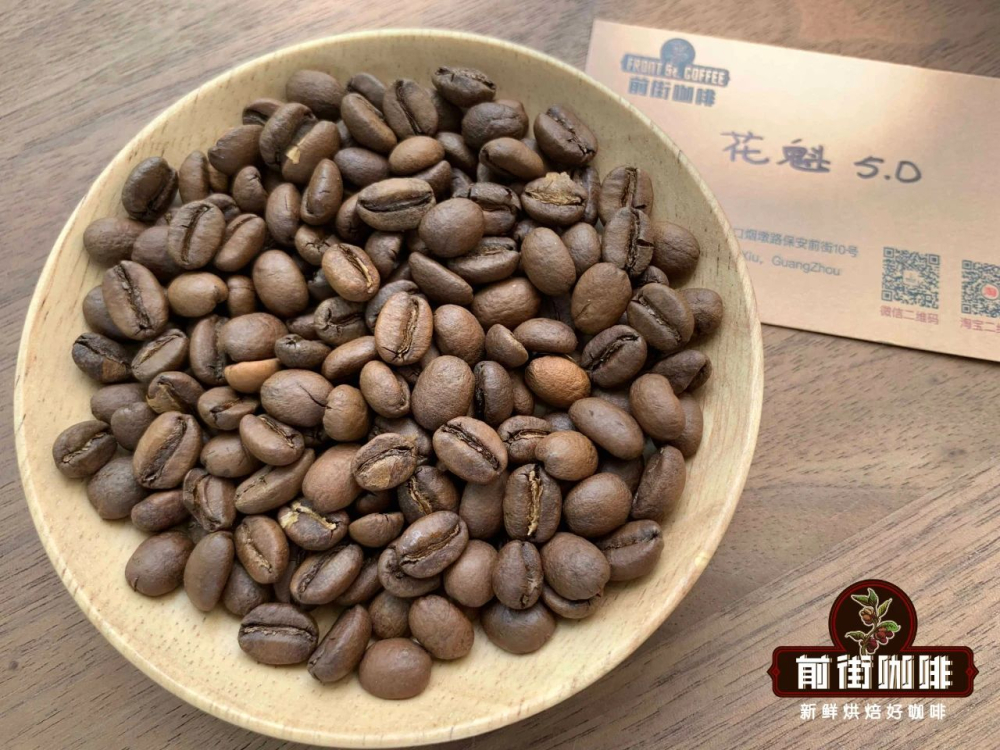
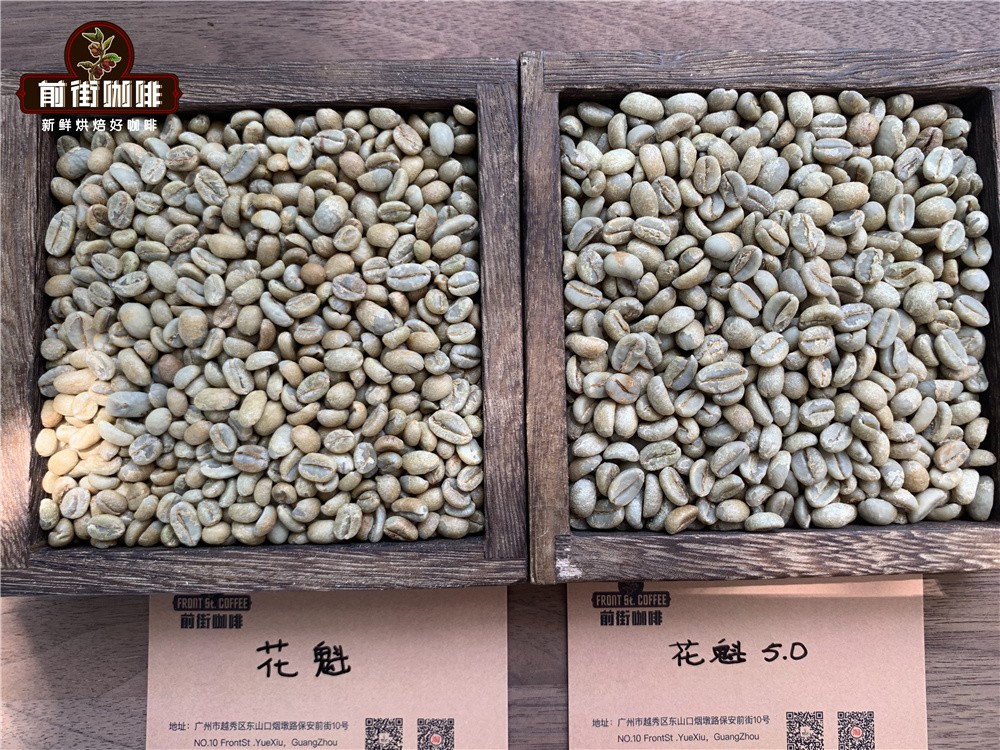
Perhaps washed Yirgacheffe has shaped our expectations, but we should not forget that Sidamo is just as renowned as Yirgacheffe among Ethiopia's famous specialty regions. Where Yirgacheffe is known for washed processing, Sidamo boasts the natural-processed Flower Queen, and among those FrontStreet Coffee's natural Flower Queen 5.0 is the most popular.
FrontStreet Coffee invites you to explore the Sidamo coffee region with us.
The Renowned Sidamo Coffee Region
Like Yirgacheffe, Sidamo has long been world-renowned. On the international stage it frequently appears among the top finishers in coffee competitions, and in recent years it has consistently ranked well in prestigious events such as the COE and TOH.

Sidamo sits at elevations of 1400-2200 metres and is a famous specialty coffee area in southern Ethiopia, bordering Kenya. Washed Sidamo beans look light green, are relatively small, and grow in an oval shape with plump fruit. Their average quality is excellent, aromatic and mellow, with an aftertaste that lingers, and they carry a kind of wild beauty. FrontStreet Coffee believes Sidamo's flavours are incredibly diverse because of its many soil types, microclimates and countless native coffee varieties, so coffee from different towns differs markedly.
According to FrontStreet Coffee's research, between 2010 and 2012 the region consistently scored 92-94 from the authoritative American coffee evaluation site CR, evidence of the exceptional quality of green beans from the area. Sidamo's flavours are remarkably varied. Different soil types, microclimates and native varieties, together with towering mountains, highlands, plateaus, valleys and plains, create diverse topography. The geology features fertile, well-drained volcanic soil nearly two metres deep, with surface soil that is dark brown or brown. The region's greatest advantage is that it maintains soil fertility through the cycling of organic material, using fallen leaves from surrounding trees or plant residue as fertiliser. Unlike typical African coffees, Sidamo offers clear fruit acidity, a smooth texture and delicate floral and herbal aromas.
Flower Queen Coffee: Sidamo's Pride

Mention Sidamo and Flower Queen inevitably comes to mind, with the natural-processed version the most representative. Flower Queen comes from the Hambella area of the Guji region within Sidamo. Guji was once part of Sidamo but was established as an independent region by the Ethiopia Commodity Exchange (ECX) in 2010. Lying south-east of Yirgacheffe, Guji has complex topography of towering mountains, valleys and plains. Its geology is fertile black soil (Vertisol) nearly two metres deep, with an average elevation above 1800 metres. The wide day-night temperature swing created by these conditions supplies every terroir element needed for high-quality specialty coffee.
What is Flower Queen Coffee?
Flower Queen beans were originally named Hambella, and the designation "Flower Queen" was given by domestic green bean importers. The coffee comes from Hambella, in Guji, Ethiopia's largest coffee region, administratively part of Oromia state. To the west, Hambella faces Yirgacheffe's Kochere across mountains, separated by highlands 3200 metres high and about 30 kilometres wide. To the south-east, east and north it borders Guji's Shakiso, Uraga and Kercha sub-regions, making it Ethiopia's highest-elevation coffee sub-region.
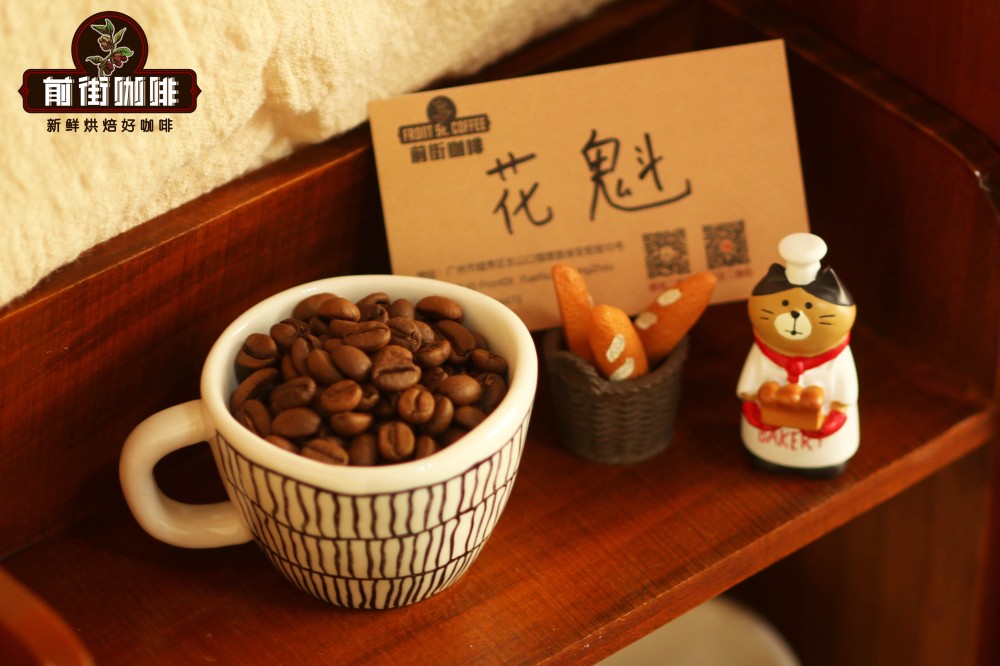
Hambella currently has about 20 processing stations of various scales. In 2017 Ethiopia's DW green bean company submitted beans to the TOH (The Taste of Harvest) competition run by the African Fine Coffee Association, and a natural-processed batch from the Buku Abel processing station won the Ethiopian championship with intense strawberry and cream aromas. That same year the batch was imported to China by the Beijing green bean trader Hongshun. Li Jianfei then used the coffee to take second place in the 2017 World Brewers Cup China competition. Standing out among numerous Geisha entries, the Ethiopian bean earned the name Flower Queen, since geisha in Japanese means a geisha performer and Flower Queen suggests the leader among them, indicating the bean's exceptional quality.
In other words, only natural-processed beans produced and processed at Buku Abel can be called Flower Queen. The trees, growing above 2000 metres, are surrounded by sugarcane, bananas and other tropical plants that provide shade. Those conditions create the sweetness, smoothness and balance Flower Queen is known for, and natural processing further deepens its aromatic sweetness.

Flower Queen Coffee Varieties
Some may ask what "local native varieties" means on the Flower Queen 5.0 packaging. FrontStreet Coffee explains: as the birthplace of coffee, Ethiopia holds an enormous number of varieties, both known and unknown, and is a treasure trove of them. Many remain undiscovered, and to protect genetic information the Ethiopian government groups them collectively as local native varieties. That is why Flower Queen 5.0 lists its variety that way.
Sidamo Coffee Bean Processing Methods
While Yirgacheffe is typically associated with washed processing, its traditional method is in fact natural processing, and natural-processed beans currently account for over 70% of Ethiopia's production. The Sidamo region primarily uses natural processing.

Natural processing is one of the oldest and most classic methods. Its steps are simpler than others: the cherries are sun-dried for several weeks until moisture drops to around 11%, then machines remove the fruit skin and pulp, and the beans are stored in warehouses awaiting export.
Sidamo green beans look slightly grey, some large and some small. They offer balanced acidity, appropriate body and a sweet spiciness, and are among the garden coffees of Ethiopia's southern highlands. Unlike typical African coffees, Sidamo has clear fruit acidity, a smooth texture and delicate floral and herbal aromas.
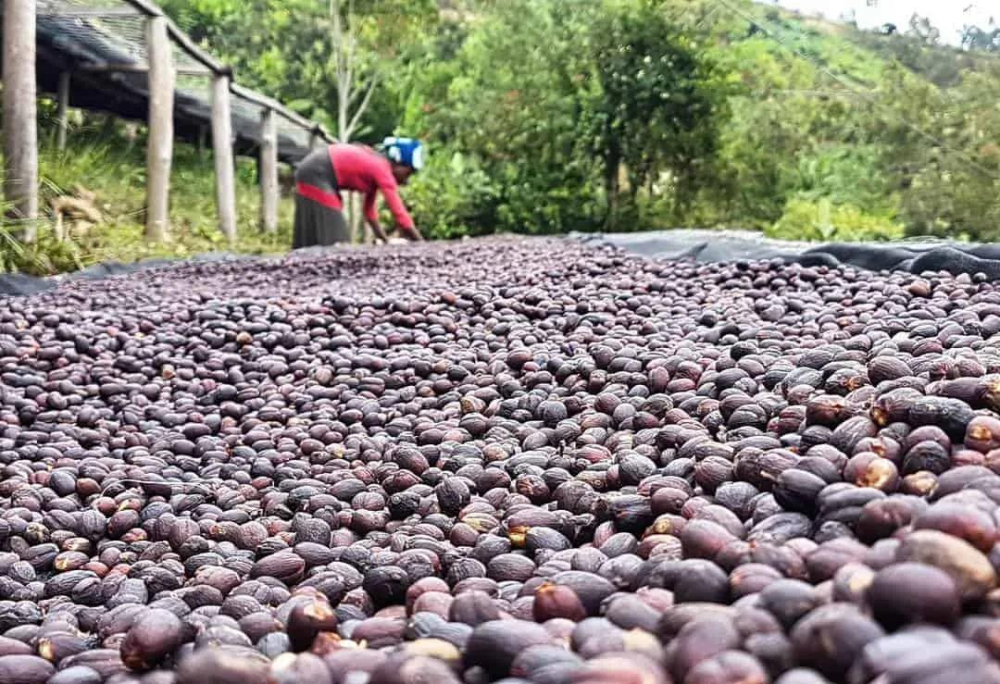
Natural-processed Sidamo offers floral aromas with slight earthy notes, while washed processing brings nutty fruit notes with subtle cocoa aromas. Both share a smooth, viscous mouthfeel with pleasant acidity and aroma. Light to medium roasts suit single-origin brewing, while medium to dark roasts work well in blends and as excellent espresso bases.
Understanding Flower Queen Version Numbers
Another question follows: why do Flower Queen coffees come in versions such as 3.0, 4.0, 5.0 and 6.0, and what do the numbers mean? Flower Queen beans are an agricultural product, naturally influenced by climate, so each year's flavour profile differs slightly. The X.0 naming is based on harvest year: Flower Queen 2.0 launched in 2018, Flower Queen 3.0 and 3.1 in 2019, Flower Queen 4.0 in 2020, Flower Queen 5.0 in 2021 and Flower Queen 6.0 in 2022. The system helps distinguish beans from different years.
FrontStreet Coffee's Brewing Recommendations
To enjoy a delicious cup, FrontStreet Coffee believes freshness is crucial. Fresh beans let you experience the coffee's flavours to the fullest. Every coffee shipped by FrontStreet Coffee is roasted within 5 days, because freshness markedly affects flavour. FrontStreet Coffee's roasting philosophy is "Freshly Roasted Good Coffee," ensuring every customer receives the freshest coffee when the order arrives. Degassing takes about 4-7 days, so by the time customers receive their coffee it is at peak flavour.
Some customers need FrontStreet Coffee to grind their beans, which is no problem. FrontStreet Coffee does remind you that pre-ground coffee does not need further degassing, because the pressure of carbon dioxide building up in the packaging during transport helps mellow the flavour, so ground coffee can be brewed as soon as it arrives. Ground coffee should nonetheless be brewed promptly, since it oxidises quickly in air and its flavours dissipate faster. FrontStreet Coffee therefore recommends buying whole beans and grinding fresh before brewing.

FrontStreet Coffee's Natural Flower Queen Brewing Parameters:
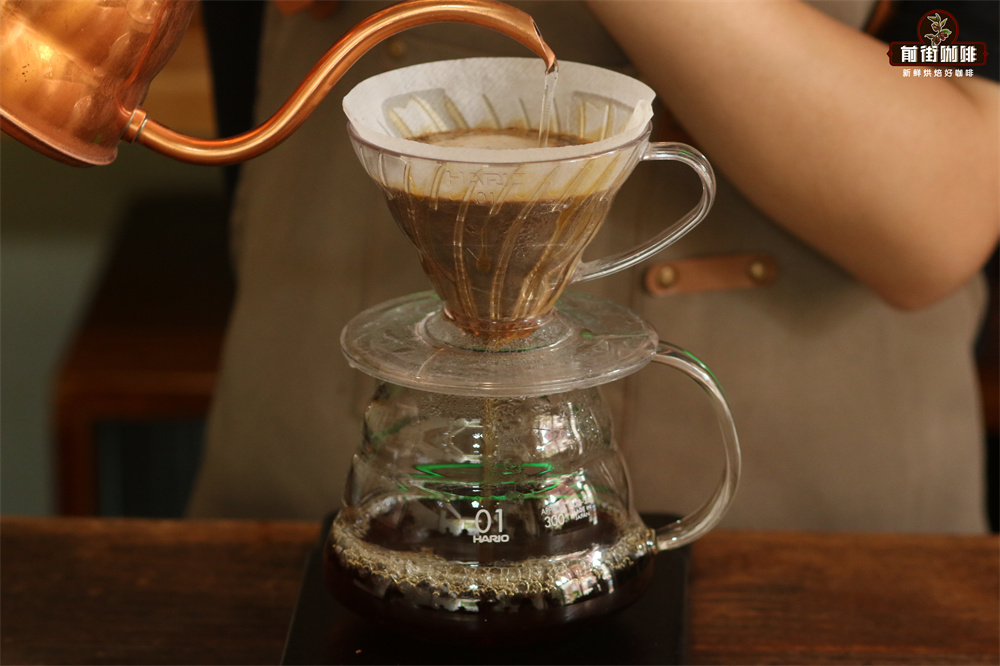
For this light-roasted Ethiopian coffee, FrontStreet Coffee recommends a V60 dripper, water at 90°C, a 1:15 coffee-to-water ratio, 15 g of coffee and a grind of 80% passing a Chinese-standard No. 20 sieve.
Use a multi-stage extraction, blooming with twice the coffee's weight in water, that is 30 g for 30 seconds. The bloom lets the grounds release internal carbon dioxide so the later extraction is more stable. Pour in small circles to 125 g, then continue to 225 g. Remove the dripper once the water has finished dripping. Time from the first pour: 2:00. Then gently swirl the whole carafe to mix before pouring into cups for tasting.

Natural Flower Queen 5.0 Flavor Profile: Very pronounced floral and fruit aromas, with notes of citrus, passion fruit, strawberry and oolong tea, and high sweetness.
At FrontStreet Coffee, Ethiopian single-origin beans are abundant, mostly from Yirgacheffe and Sidamo. Washed Yirgacheffe is FrontStreet Coffee's most popular daily coffee and an excellent choice for beginners, offering great value, while Flower Queen is the most popular single-origin coffee. Both are available to order from the Tmall flagship store. FrontStreet Coffee also offers dozens of different single-origin coffees from producing countries and regions around the world.
FrontStreet Coffee Recommendation
FrontStreet Coffee's Ethiopia Flower Queen has been one of the most successful specialty coffees of recent years. Its defining feature is an extremely prominent tropical-fruit aroma, with strawberry, passion fruit, jackfruit and even lychee, plus obvious sweetness and very little bitterness. It enters smoothly and feels full of juice, which is why many drinkers describe it as the coffee that least resembles coffee, and for anyone who does not enjoy the bitterness of traditional coffee it can overturn the usual assumptions entirely.
If you would rather start with the classic washed Ethiopian profile, FrontStreet Coffee's Washed Yirgacheffe staple bean has long been one of the most popular among enthusiasts. It typically shows clear citrus, berry and floral notes with a green-tea-like sweetness returning at the end, and unlike the "sour coffee" many people imagine, a good Yirgacheffe's acidity is soft and bright, more like the natural sweet-sourness of fruit than a sharp bite. For someone new to pour-over it is a very easy coffee to accept.
Important Notice :
FrontStreet Coffee is a long-established specialty coffee roaster in Guangzhou China, selling freshly roasted beans from its own farm in Yunnan as well as dozens of carefully selected single-origin beans from around the world for both pour-over and espresso. The products deliver consistently excellent quality and great value, with shipping within 24 hours. Guangzhou's FrontStreet Coffee shop is recommended by many coffee lovers, and the beans are now available online at the Tmall 。
FrontStreet Coffee has moved to a new address:
FrontStreet Coffee Address: 315,Donghua East Road,GuangZhou
Tel:020 38364473
 Scan and follow the En Gafei WeChat official account. Please indicate that the reprint comes from "En Gafei".