Yunnan Premium Coffee Beans: Flavor Profile and Characteristics of Washed Process Catimor Coffee Varieties
The True Flavor Profile of Yunnan Coffee

How does Yunnan small-bean coffee actually taste? Many drinkers know Yunnan coffee and appreciate it more and more, yet most have never looked closely at what the region is or where it stands today. At FrontStreet Coffee you will find two Yunnan varieties: Yunnan Huaguoshan, a Typica, and Yunnan small-bean coffee, a Catimor. At FrontStreet Coffee, the Yunnan Typica is labeled Yunnan specialty coffee, while the Yunnan Catimor is labeled Yunnan small-bean coffee, following market custom.
FrontStreet Coffee roasts both to a medium level, because the Yunnan growing region is not known for acidity and its beans are quite balanced, with base notes of nuts and brown sugar. Medium roast brings out that balance along with nutty, brown-sugar sweetness and a gentle fruit acidity.

Two remarks tend to shut down any discussion of Yunnan beans. One is "thanks to the work of farmers and better technology, today's Yunnan coffee is pretty good"; the other is simply "Yunnan beans are pretty good." Both have become cliches about Yunnan coffee, and neither leaves room for the conversation to continue. Yunnan small-bean took its name from Typica, since Typica is indeed an Arabica small-bean variety, but times have changed: Typica degenerated, its yields fell, and Catimor replaced it - yet the name "small-bean coffee" was somehow inherited by Catimor.
Mr. Zuo Yuanfan is one of the few farmers still growing Typica, on only about 70 acres. Typica's planting density is lower than Catimor's 330 plants, working out to about 5-7 tons of green bean production. Seesaw's Yunnan Geisha is commissioned through a partnership on Mr. Fan's newly developed mountain forest plot. Before FrontStreet Coffee produced its own Yunnan beans, the Yunnan coffee it used was Mr. Fan's Typica. FrontStreet Coffee planted more than 20,000 seeds provided from Mr. Fan's mountain in some of its plots. A few years later this bean won the 2019 Yunnan Green Bean Competition championship, and he also sold coffee beans to Starbucks - but that is another story.

FrontStreet Coffee's Yunnan plantation grows mainly Typica with a small amount of Bourbon. Yunnan's varieties are dominated by the hybrid Catimor, which carries Robusta genes - quite different from the major growing regions that rely primarily on traditional Typica. In domestic Yunnan green bean competitions, Catimor consistently takes the top ten places, while the undisputed quality Arabica varieties are nowhere to be seen, simply because too few people grow them. That gives the impression that Yunnan Catimor should not be underestimated. Ted Lingle, senior advisor at America's CQI, said that when Yunnan Catimor is grown above 1500 meters it can enhance aroma and body, and with appropriate post-processing the flavor brilliance of the beans will not lose to traditional old varieties. The notion that "Yunnan coffee isn't bad" spread against that background.
Misguided Development Approaches
This may be a misguided approach that is heading further in the wrong direction. Catimor and Typica are not inherently in conflict - one is raw material, the other is specialty coffee. The point of specialty coffee is to improve quality; the point of raw material is to raise yield. Inevitably, Yunnan will be dominated by Catimor. But confusing the two appears to solve the problem of a way forward for Yunnan coffee when in reality the coffee is still the same coffee: the variety and the altitude have not changed, and merely talking up post-processing methods to claim that quality is improving is a bit far-fetched. Using the need to find a way out for the current two million mu of coffee-growing area as a pretext, and guiding people to slap a "good coffee" label on beans simply by emphasizing what happens after the cherries are picked, is overly simplistic and crude. Those who elevate this kind of evaluation do not really understand Yunnan coffee. From a grower's perspective, encouraging and supporting basic adherence to the rules of specialty coffee starting from variety and altitude may be another attempt at the healthy and sustainable development of Yunnan's coffee-producing regions. Having an entire region be specialty coffee is very difficult, but it must exist. When the washed method is delicious and can present its main flavor every year, that is when Yunnan specialty coffee truly begins.

At first, most people's impression of Yunnan was like this, and so was FrontStreet Coffee's. Later it became like this...
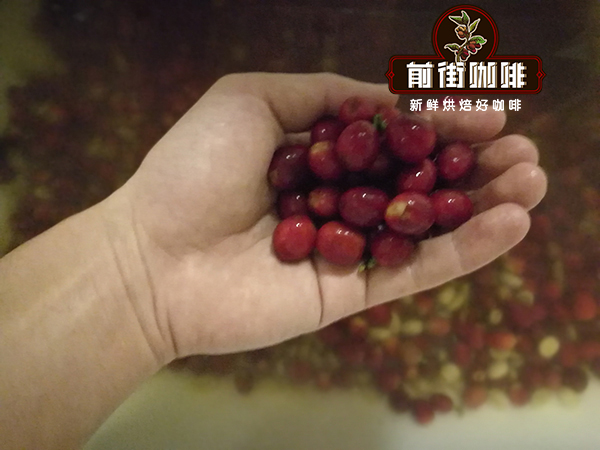
In 2015, FrontStreet Coffee processing freshly picked coffee seeds at the plantation
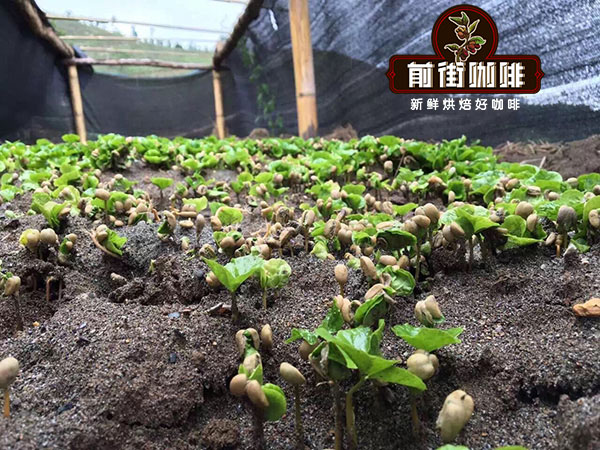
2015: FrontStreet Coffee's plantation coffee seeds sprouting in sand beds
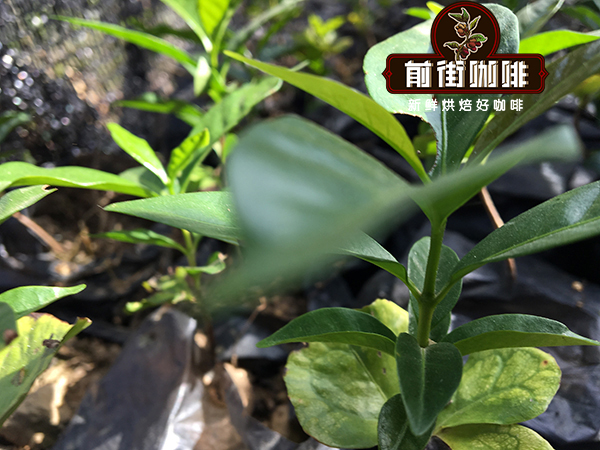
Growing under shade nets
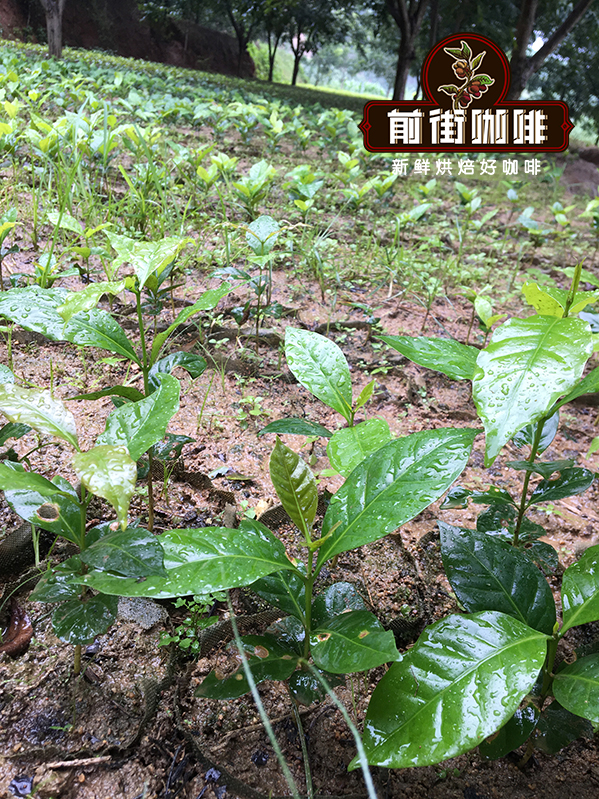
It takes one year to grow into seedlings ready for planting, because Yunnan has a dry season for half the year
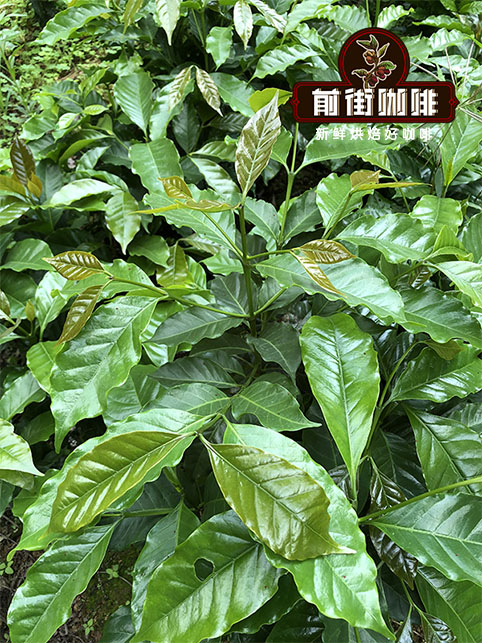
One year later, beginning to prepare the planting plots.
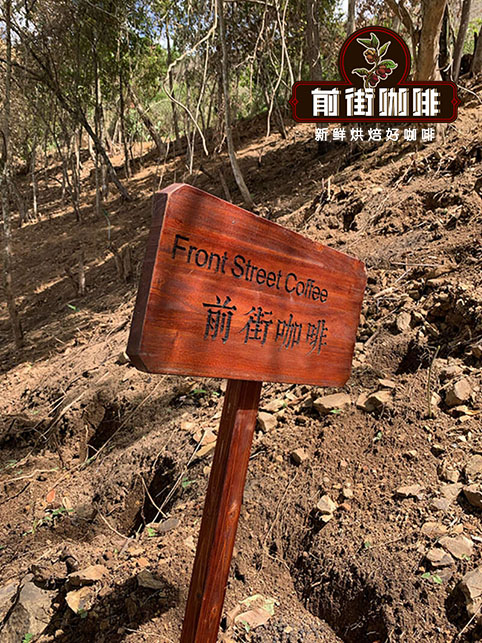
Freshly dug coffee planting pits in the forest
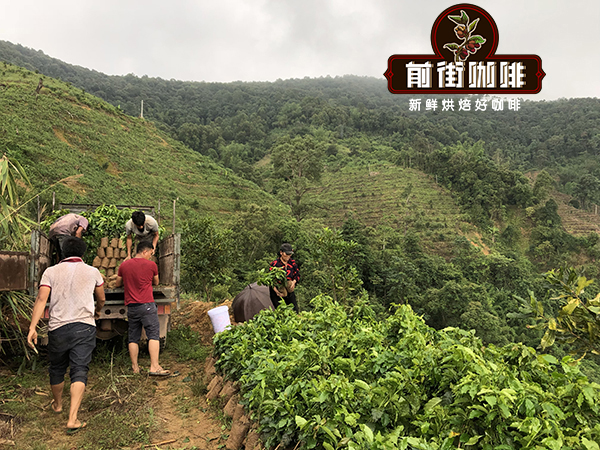
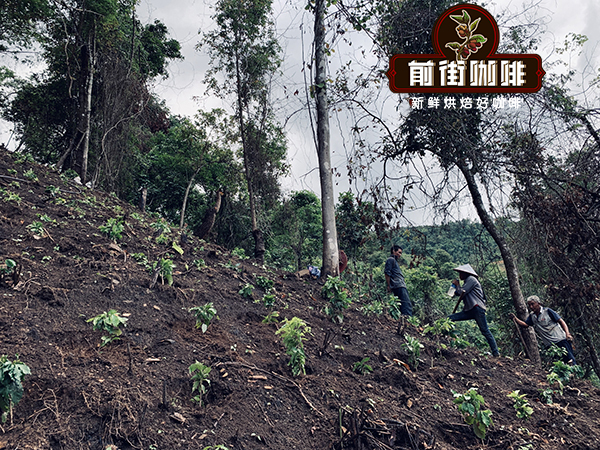
FrontStreet Coffee's coffee seedlings planted in the forest
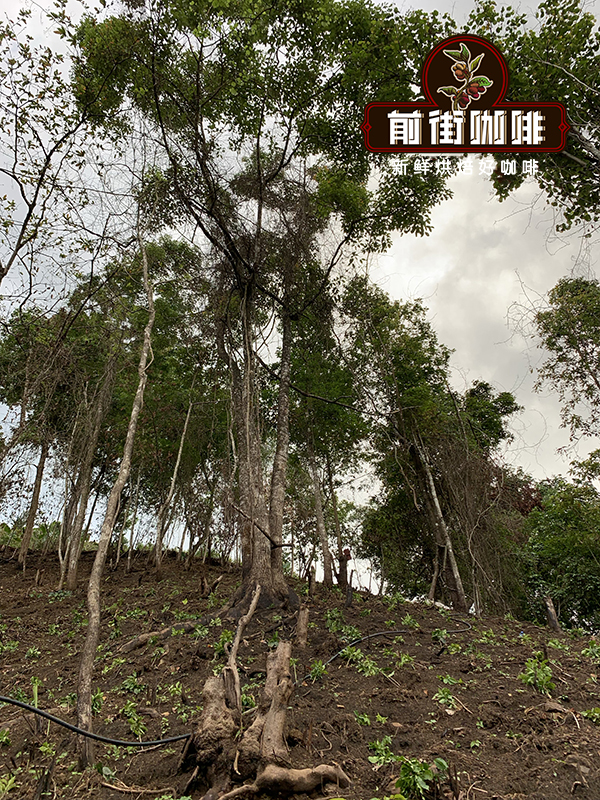
Planting plots in the forest
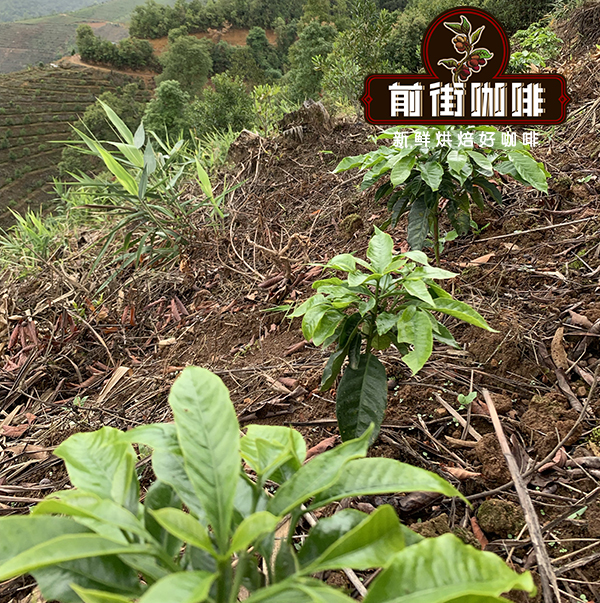
Plots by the forest, which FrontStreet Coffee divides into 5 different growing areas based on altitude and environment
Then, we could only wait for them to slowly grow...
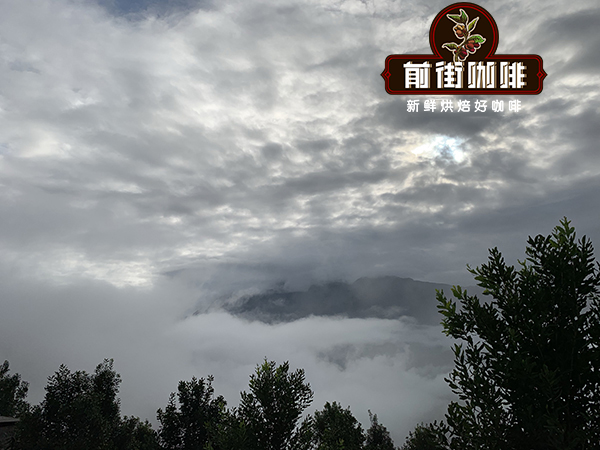
FrontStreet Coffee plantation
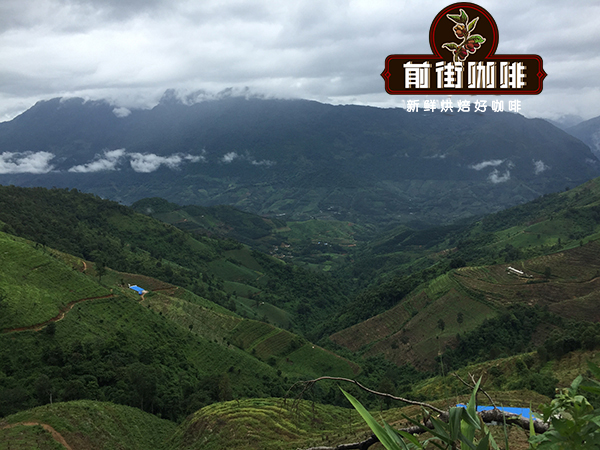
FrontStreet Coffee plantation
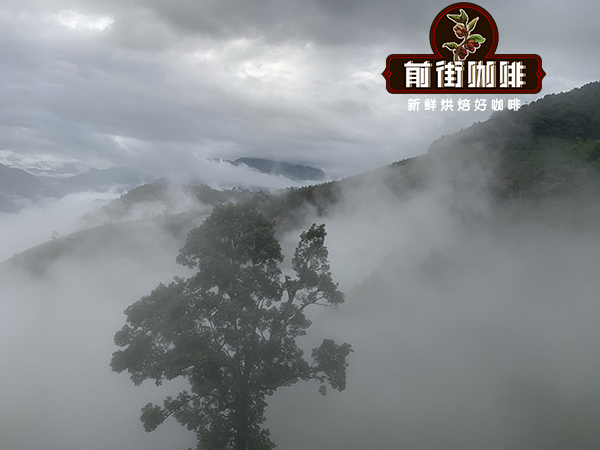
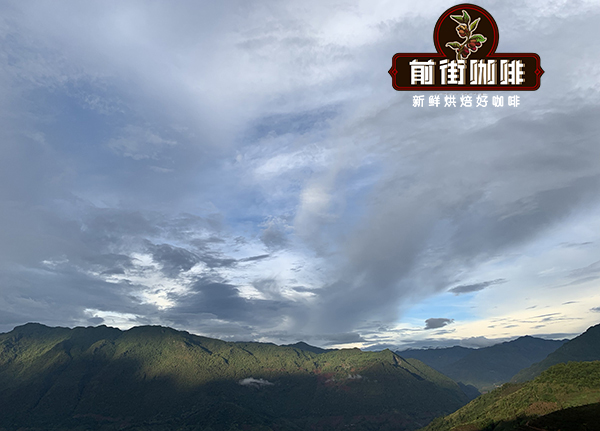
FrontStreet Coffee plantation, several years passed and they began to flower
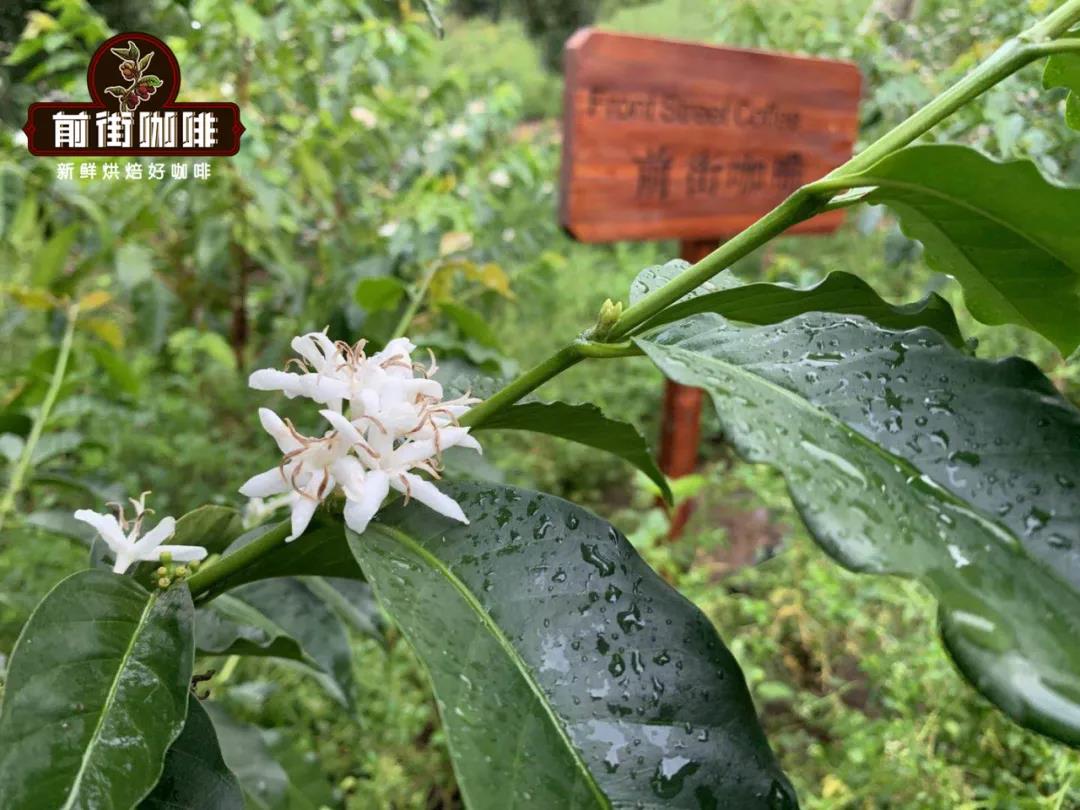
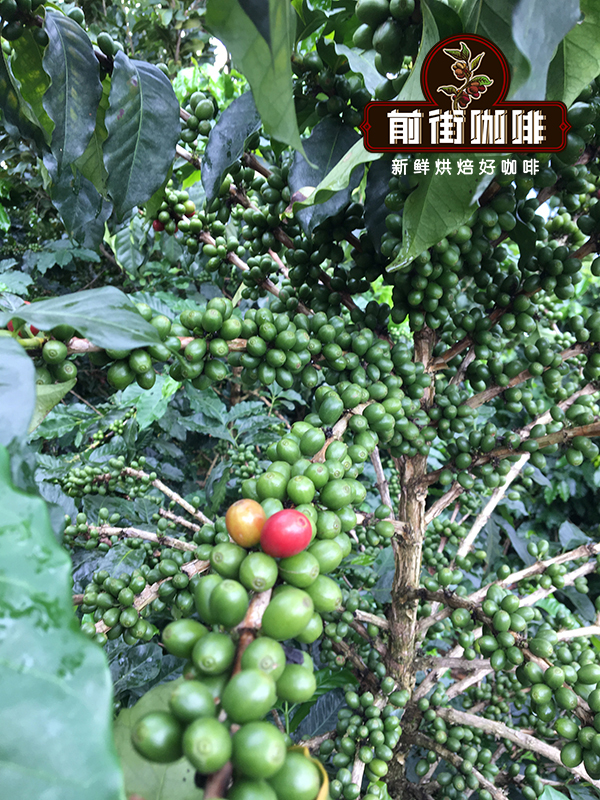
The following photo shows Catimor planted by farmers near FrontStreet Coffee's plantation in earlier years - very high yield.
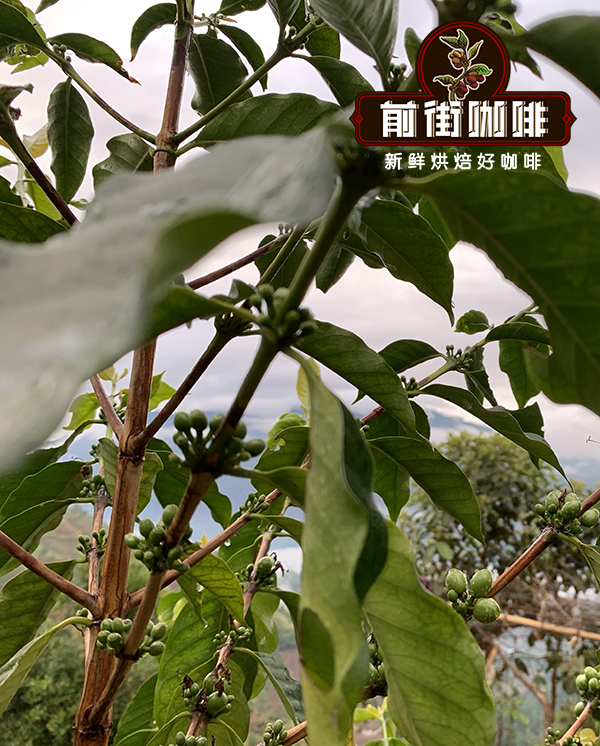
After looking at this Typica photo below, you'll understand why Typica is more expensive than Catimor - so few, how could it not be expensive?
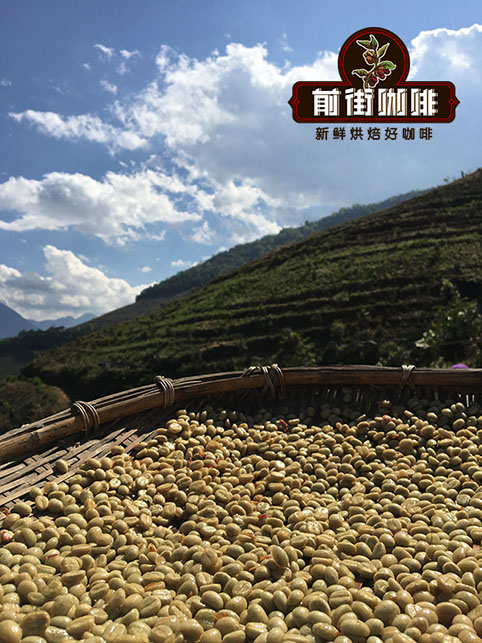
Washed processing represents the basic flavor of a growing region. From seed to bean, FrontStreet Coffee took 5 years for these photos.
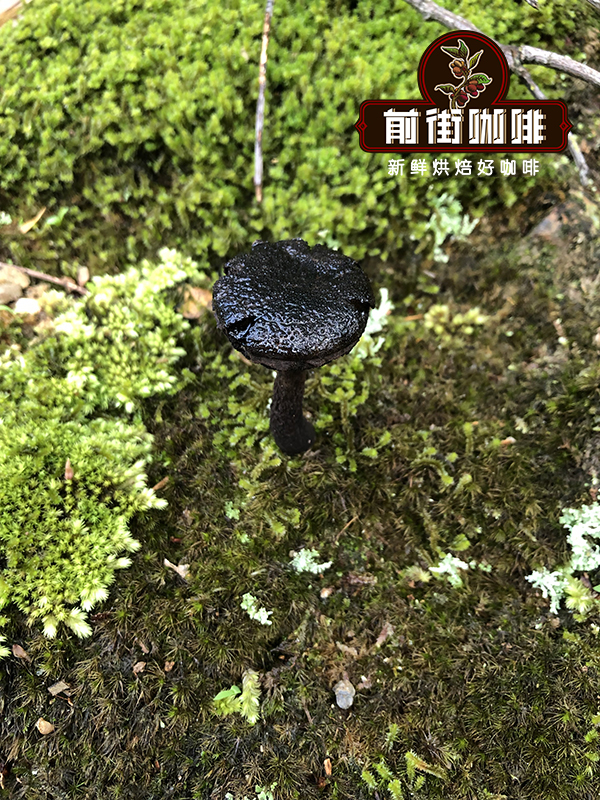
Before this, FrontStreet Coffee spent two years finding suitable environments and altitudes for the plantation.
So, you'll understand why people are unwilling to change varieties and start growing Yunnan coffee from scratch.
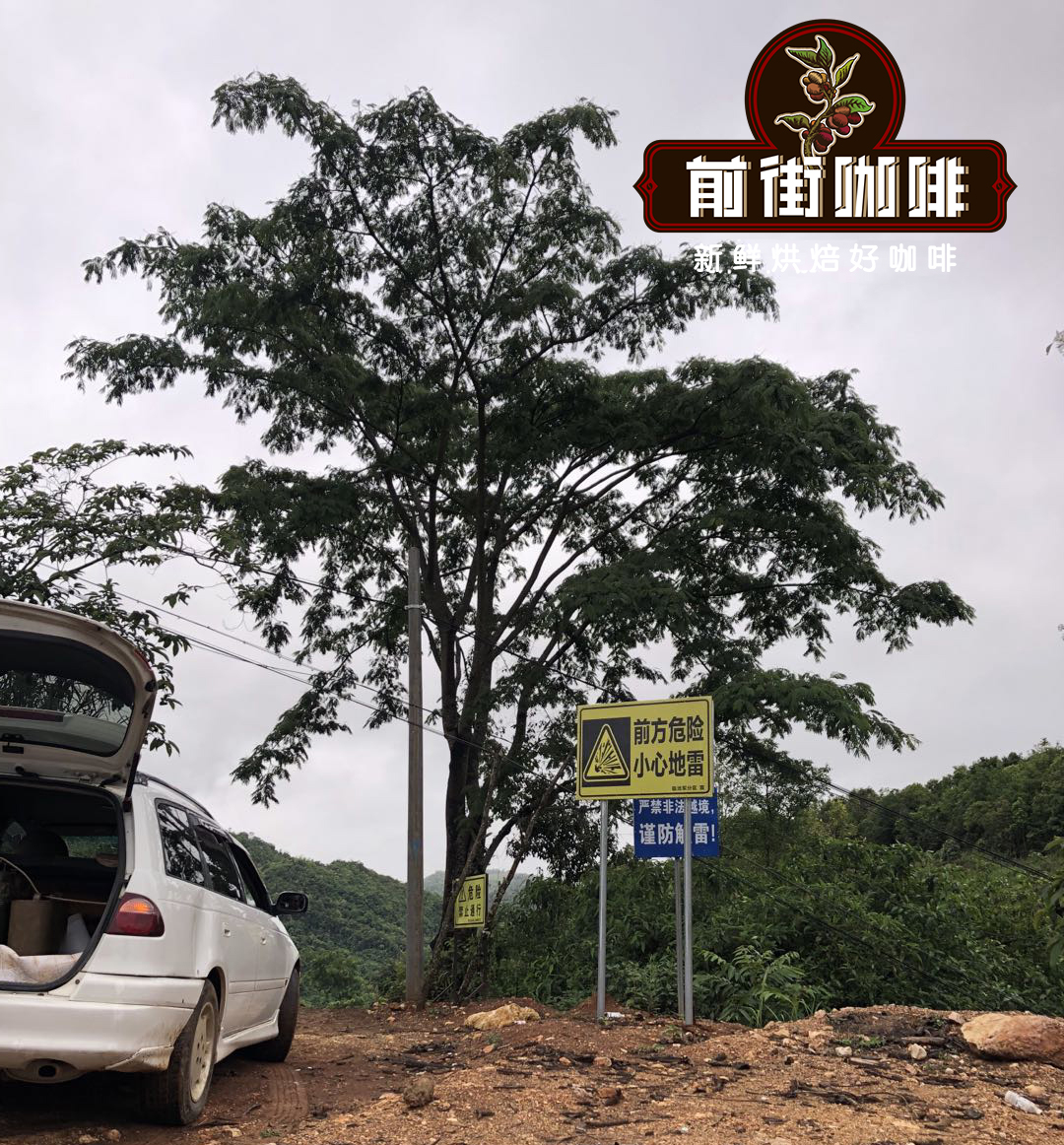
Sometimes life is like this - when impressions still linger that FrontStreet Coffee only roasts coffee, that is actually not the case. A few years ago, a short video was added to the product descriptions on FrontStreet Coffee's Taobao store. The first second of that scene comes from FrontStreet Coffee's coffee plantation deep in the mountains of the Golden Triangle on the China-Myanmar border.
Debunking Myths About Yunnan Coffee
To understand Yunnan small-bean coffee, let's examine the facts behind these common rumors:
1. Despite many domestic Q-graders giving high scores to Yunnan green beans in competitions, these scores actually cannot be found on the official CQI website.
2. Despite persistent rumors that Catimor was sent to America for scoring and received high marks (again referring to the CQI official website), historical scores similarly cannot be found. The system only has records of two green bean samples from 2016, scoring 61 and 81.5 points respectively, submitted by YCE.
3. Despite rumors that the industry has long given specialty scores to Robusta beans, the fact is that India uses SCA's R version for Robusta scoring - this is an independent scoring system specific to Robusta, and it does not include Robusta in specialty coffee scoring.
4. There are claims that besides Catimor, Yunnan also grows Typica, Bourbon, Caturra and other varieties. While it is true that multiple varieties are planted, this deliberately ignores the fact that Catimor occupies 99.9% of the planting area.

Without variety improvement, the claim that Yunnan coffee quality has greatly improved in recent years thanks to effort and technological advancement is, in fact, as mentioned earlier - changing processing methods without changing varieties makes current Yunnan Catimor better than previous Yunnan Catimor, but from the perspective of Yunnan specialty coffee as a whole, there has been no fundamental change. This is why even with many more high-scoring beans from Q-graders, the growing region can still only sell at commercial coffee raw material prices. When asked about specific reasons, most will vaguely brush it off, and no one can clearly explain what real efforts have been made.
If you seriously examine the Yunnan green bean competition rankings in recent years, many winners are growers named "Meng x" - "Meng" comes from the Dai language meaning village, so Dai villages all start with "Meng" as place names. The Dai people have a characteristic of preferring to live in low-lying areas they call "bazi" (basins), which are relatively flat and suitable for growing vegetables, rice, rubber and bananas as main industries. Historically, after conflicts with the Dai people, many other ethnic minorities ran to the mountains. Besides variety, altitude is another important factor in coffee quality. Finding good coffee in the basins indicates that Yunnan's mountain coffee potential is still very large.

Catimor can become excellent raw material for instant coffee and blending beans. Getting domestic Q-graders to give Catimor overly high scores through post-processing methods early on will not put Yunnan coffee on the fast track to specialty coffee. Catimor is a high-generation variety with medium dwarf plants, vigorous growth, stable secondary characteristics, bright green terminal buds and young leaves, dark green overall leaf color, columnar plant shape, short internodes, many branches, wide adaptability, strong drought resistance and some cold resistance. Under medium management levels, calculated at 330 plants per mu, yield is 200-300 kg - 3 times that of Typica. Farmers have no reason not to plant Catimor, and changing varieties takes too long for them. That is why current Yunnan coffee focuses on post-processing methods. As for whether this is good for Yunnan coffee, looking at the actual trading prices of Yunnan coffee general goods in recent years should be a good reference.
Reference Materials:
Catimor: Currently an important commercial variety. East Timor was colonized by Portugal for four hundred years, and the Portuguese had long exposure to East Timor's coffee trees. In 1959, the Portuguese moved Brazil's Bourbon mutant Caturra to East Timor to hybridize with Timor, which has Robusta bloodline, successfully cultivating Catimor with strong disease resistance and productivity. From 1970 to 1990, leaf rust plagued coffee-producing countries worldwide. With international organization assistance, producing countries vigorously promoted Catimor to resist leaf rust and raise productivity. However, while Catimor inherited Robusta's strong disease resistance, it also inherited the gene for poor flavor. Additionally, early Catimor had high yields but required shade trees, otherwise it would easily wilt - seemingly strong but actually weak.

For decades, many botanists have worked on improving Catimor, cultivating dozens of new varieties. Colombia is the largest producer, cultivating sun-grown Catimor in 1982 and naming it "Colombia" after the country. Colombia claims that after multi-generational cross-breeding, Colombia differs from general Catimor and has become one of the country's two main varieties alongside Caturra, long replacing the weak, low-yield Typica. However, most COE winners in Colombia are Caturra, with the Robusta-blooded Colombia variety rarely winning awards. Colombia's mass-exported Supremo commercial beans should be lower-altitude Colombia or Caturra, not traditional Typica - this is the main reason why Supremo flavor becomes increasingly bland, but Colombia cannot re-cultivate low-yield Typica.

To improve Catimor's poor cupping reputation, botanists from various countries in recent years have returned to cross-breeding Arabica with Catimor across multiple generations, attempting to reduce the Robusta bloodline while enhancing Arabica's elegant flavor, thus cultivating new-generation Catimor including CatimorH528, CatimorH306, as well as Costa Rica's CatimorT5175 and CatimorT8667. However, Costa Rica has abandoned Catimor cultivation, focusing on Caturra varieties and exporting improved Catimor to Asian producing countries. Catimor lines are too numerous to count, with different cupping results and habits for each line. Although improvement has been going on for years, Catimor has still not broken into the top 30 of international cupping competitions. Catimor's biggest fatal flaw is that it is not inferior when cupped alongside low-altitude Caturra, Catuai or Bourbon beans, but its cupping results are obviously inferior to Bourbon, Catuai or Caturra when planted at high altitudes. Whether Catimor can ascend to the elite ranks remains to be seen. We hope that one day a super Catimor suitable for high altitudes can be developed, shocking the specialty coffee world. The coffee beans on the market are fragrant and charming, but green coffee beans are completely tasteless - they need high-temperature roasting to cause sugar browning and produce special aromas, so roasting can be said to be the most important factor affecting coffee bean aroma. Roasted coffee beans expand in volume by about 30% and lose 18% to 25% in weight. Han Huaizong mentions in his specialty coffee studies that Catimor, due to its Robusta genes, always has a bit of "devil's aftertaste" in the finish, making it more suitable for medium to dark roasts.
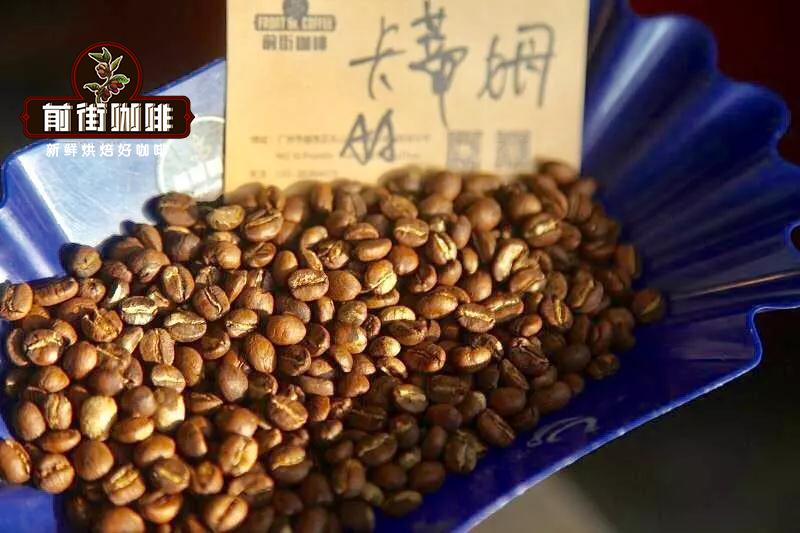
Traditional Arabica coffee trees are not easy to grow, with low yield and susceptibility to disease - these two points are the main reasons Yunnan replaced old varieties (Typica, Bourbon) with Catimor. You must understand that Yunnan coffee's main customer at that time was Nestle, a producer of instant coffee. Arabica is mostly grown on high-altitude slopes and also requires manual harvesting. But it wins in balanced flavor and lower caffeine content. Robusta varieties are easier to grow - heat-resistant, cold-resistant, moisture-resistant, drought-resistant and disease-resistant. Once, Vietnam's coffee trees all died due to leaf rust attacks, so they switched to Robusta varieties, making Vietnam unexpectedly the largest producer of Robusta. The Hainan coffee I want is mostly exported from Vietnam under the name of Hainan coffee. Robusta varieties are also easier to harvest - besides manual labor, shaking machines can also do the job. This variety seems to have all advantages, but the fatal flaw is that the produced coffee beans have poor aroma, sufficient bitterness but insufficient acidity, and very high caffeine content, so they are mostly used for instant coffee.

Coffee is a short-day plant. Coffee has the characteristic of multiple flowering and concentrated flowering periods. Small-bean coffee in Yunnan flowers from February to July, with peak flowering from March to May. Coffee flowering is greatly influenced by climate, especially rainfall and temperature. Coffee flowers have short lifespans, lasting only 2-3 days. Small-bean coffee generally begins to bloom between 3-5 AM and fully blooms between 5-7 AM.
Coffee fruit development takes a long time. Small-bean coffee fruit takes 8-10 months to mature, generally maturing from October to December of the same year. Rainfall greatly affects fruit development, and climate conditions directly affect fruit growth. Catimor has 3846 seeds per kilogram after 2 months of cooling and drying, and about 5000 seeds after 5 months of cooling and drying. Within two months after seed production, the germination rate is above 95%, within three months it is 85%, after three months germination weakens, and after six months most seeds lose germination ability. Resistance to leaf rust shows as sub-immune or extremely resistant type. Its plant form is compact, with a certain inhibitory effect on longhorn beetles that mostly lay eggs in exposed trunk and branch parts. It has high yield, no prominent alternate bearing phenomenon, excellent quality, and has been the main cultivated variety in coffee production since planting. Catimor CIFC7963 (F6) has been widely promoted and planted in Yunnan's coffee growing areas including Dehong, Baoshan, Pu'er, Xishuangbanna, Lincang, Wenshan and Yuxi, and also in Panzhihua, Sichuan and neighboring Myanmar, with a total promotion area of over 200,000 mu.

FrontStreet Coffee Recommendation
If you want to taste where Yunnan coffee stands today, start with FrontStreet Coffee's Yunnan small-bean coffee from Baoshan. It is washed and roasted medium, with soft nut and chocolate sweetness and a light plum acidity, and at an everyday price it is the usual first Yunnan coffee for most drinkers.
To go a step further into the region, choose FrontStreet Coffee's 2013 Yunnan natural Typica. FrontStreet Coffee began planting Typica in 2013, and only fully ripe red cherries are used. After natural drying and a medium roast the cup is balanced and more pronounced in its sweet-tart structure, with dark berry, caramel, chocolate and a hint of dried apricot, finishing on black tea.
Another good entry point is FrontStreet Coffee's Baoshan small-bean, whose washed and medium-roasted profile keeps some caramel sweetness alongside its acidity, so the terroir of the region comes through clearly. Yunnan and Brazil also combine well: FrontStreet Coffee's Black Cocoa blend pairs Yunnan small-bean with Brazil Cerrado, the Brazilian side supplying mixed nuts and balance while the Yunnan side brings chocolate and citrus. It makes an Americano with balanced acidity, bitterness and sweetness, and a latte with almond and cream.
Both single origins brew well in a V60 with water at 90-91°C, 15g of coffee and a 1:15 ratio; grind medium-fine and use a three-stage pour with a 30-second bloom to keep the cup clean and sweet.
Important Notice :
FrontStreet Coffee is a long-established specialty coffee roaster in Guangzhou China, selling freshly roasted beans from its own farm in Yunnan as well as dozens of carefully selected single-origin beans from around the world for both pour-over and espresso. The products deliver consistently excellent quality and great value, with shipping within 24 hours. Guangzhou's FrontStreet Coffee shop is recommended by many coffee lovers, and the beans are now available online at the Tmall 。
FrontStreet Coffee has moved to a new address:
FrontStreet Coffee Address: 315,Donghua East Road,GuangZhou
Tel:020 38364473
 Scan and follow the En Gafei WeChat official account. Please indicate that the reprint comes from "En Gafei".