Geisha Coffee Flavor Profile and Taste Description: Estate Origin, Region, Processing Method, and Variety Introduction
Since Geisha rose to fame at Panama's Hacienda La Esmeralda, estates around the world have planted it, including Yunnan province in China. FrontStreet Coffee's Geisha selection spans Ethiopia, Panama, Costa Rica and Colombia, with Panamanian Geisha standing out as a leader among specialty coffees. Geisha from different regions shows its own flavor profile, yet the variety's signature florals are there wherever it is grown.
Geisha is a variety, and while every region produces "Geisha coffee," the genetics differ. Today FrontStreet Coffee introduces the varieties and flavor characteristics of Geisha from different growing regions.
The Origin and Journey of Geisha
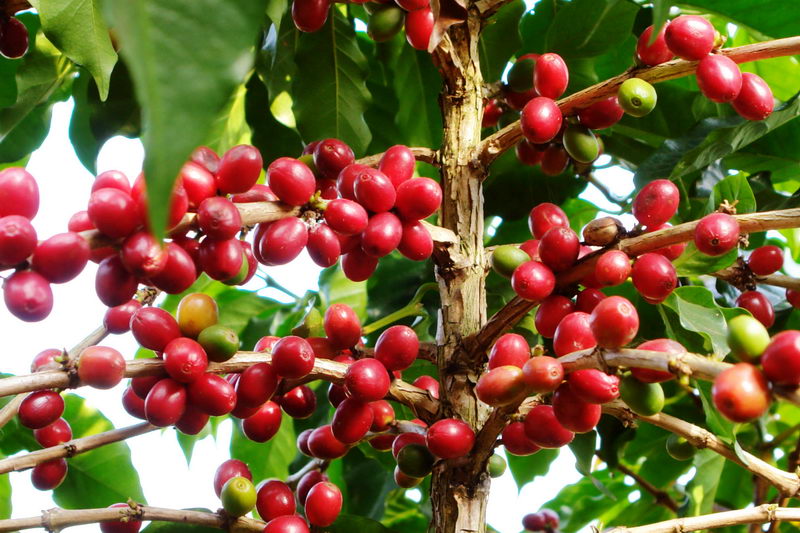
First, a little history. Geisha originates in Ethiopia, and it did not become famous there but rather after reaching Panama's Hacienda La Esmeralda - a journey that took several decades. The variety was discovered in 1931 in the Geisha forest of Ethiopia. It was later sent to Kenya's coffee research institute, introduced to Uganda and Tanzania in 1936, brought to Costa Rica in 1953, and introduced to Panama in 1970. At first Geisha drew little attention, until Hacienda La Esmeralda separated it from other varieties in 2003 and it won the BOP competition in 2004. From that moment the Geisha variety entered everyone's awareness.
Why did Geisha not become famous in Ethiopia? Coffee is an agricultural crop that depends heavily on local climate. Geisha is demanding about its growing conditions, requiring high altitudes with cloud cover or substantial shade trees, and fertile soil. Panama's climate suits it perfectly. High-altitude Geisha shows distinct florals and a refined, elegant fruit acidity - such graceful flavors are one reason for its global popularity.
FrontStreet Coffee - Panamanian Geisha Coffee
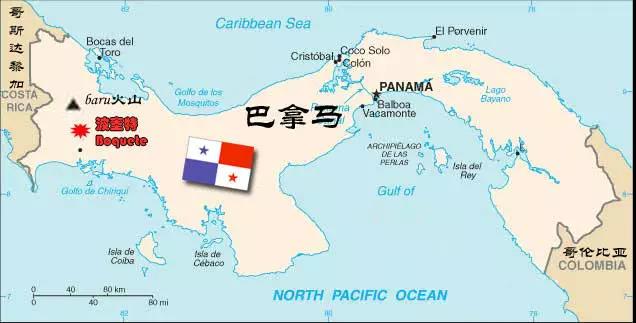
Panama lies at the southernmost part of Central America, with coffee cultivation mainly in the west, near Costa Rica and the Pacific coast. The country is roughly divided into four coffee-growing regions, and Boquete in Chiriqui province is the most famous. The area sits close to the Baru volcano, with fertile volcanic soil, and the unique mountain microclimate gives its coffee aromatics with the sweet-sour notes of ripe fruit and a long finish.
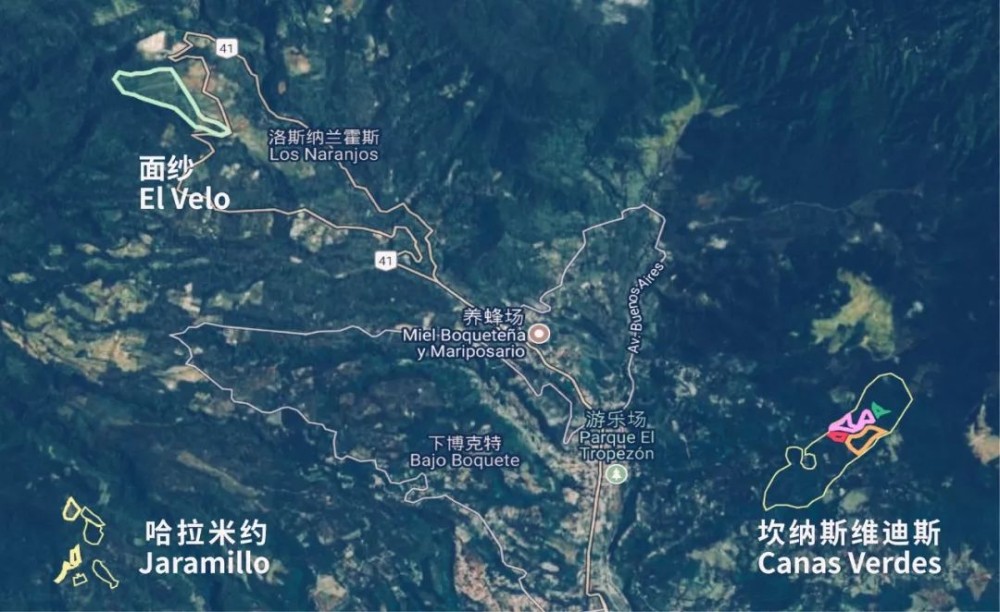
The renowned Hacienda La Esmeralda is in Boquete. It is safe to say that without the estate's efforts we would not have today's remarkable Geisha coffee. Hacienda La Esmeralda has three estates growing Geisha - El Velo, Canas Verdes and Jaramillo - with the premium Geisha batches coming from Canas Verdes and Jaramillo.
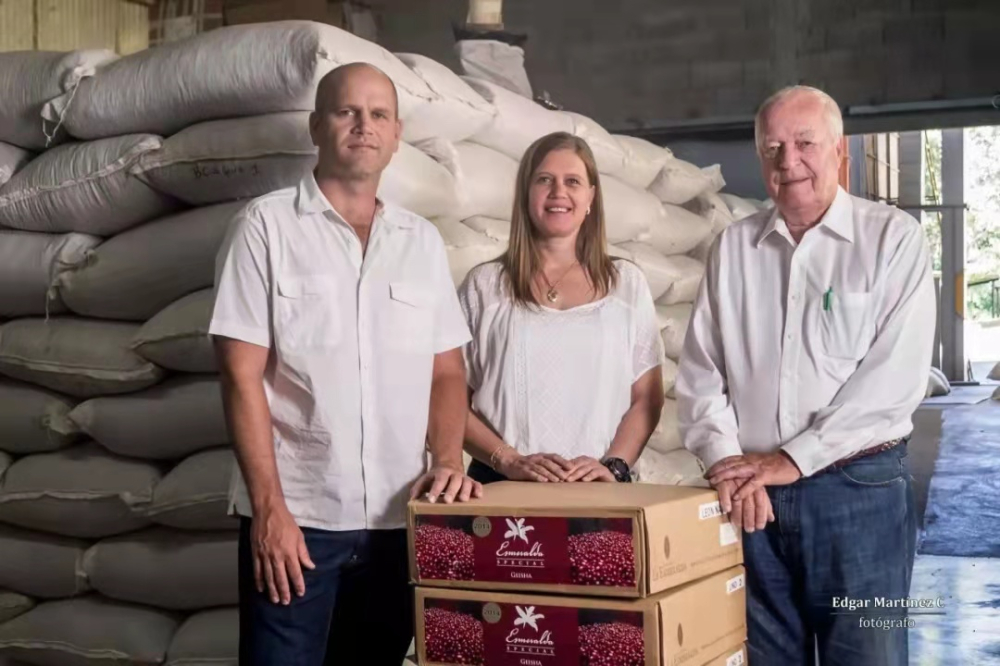
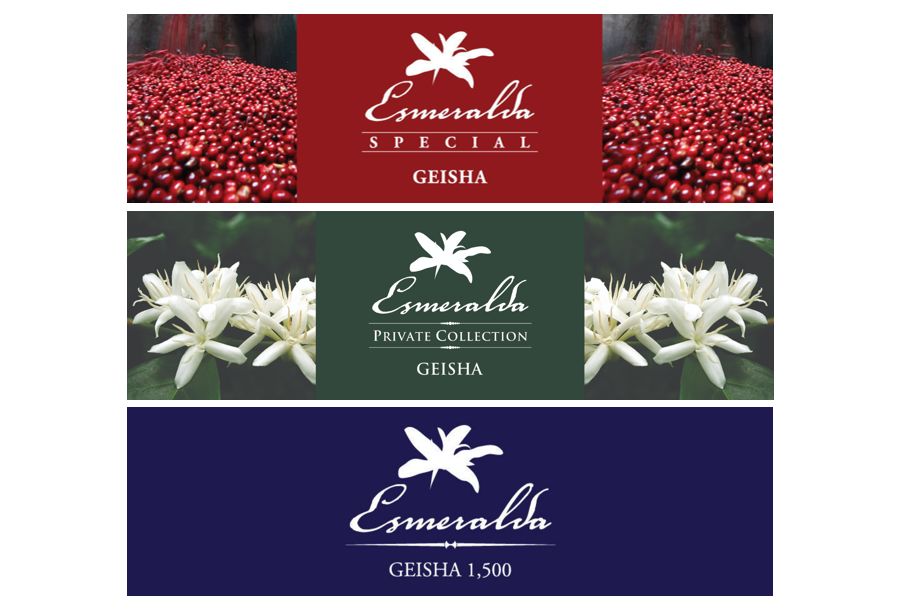
The Peterson family of Hacienda La Esmeralda divides its growing plots by altitude, which created the now-familiar Red Label, Green Label and Blue Label classifications.
Red Label Geisha
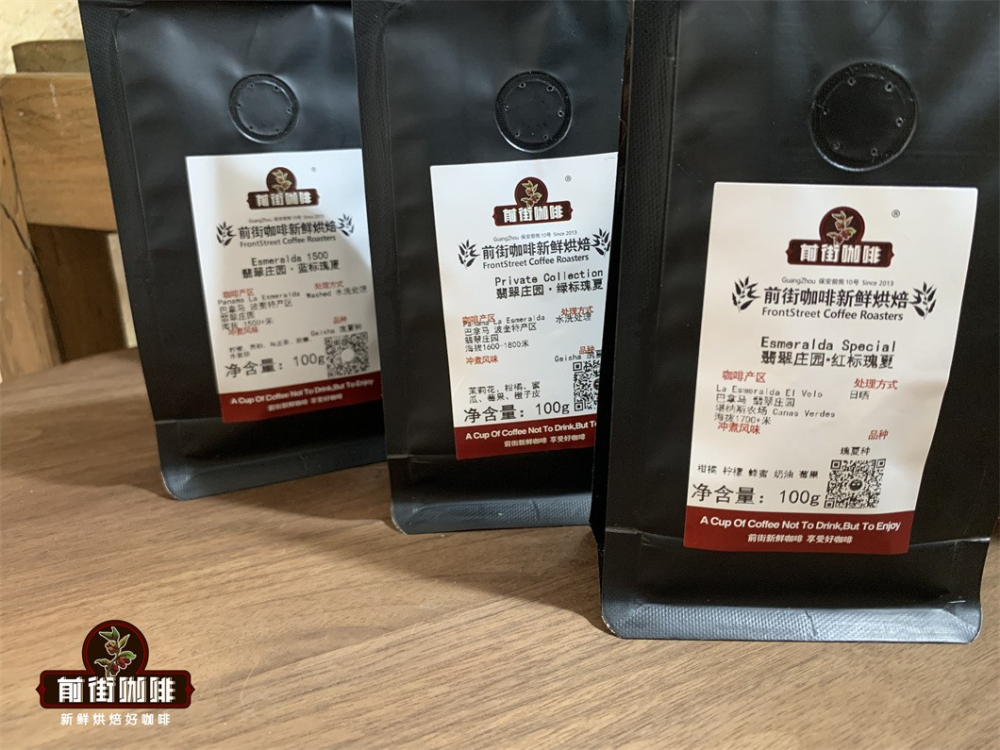
The Red Label Geisha on FrontStreet Coffee's menu is Esmeralda Special, grown between 1600 and 1800 meters and cupping above 90 points, making it the highest-quality Geisha from Hacienda La Esmeralda. The Esmeralda Special Red Label series has a distinguishing feature: every bean in a batch comes from the same plot. The FrontStreet Esmeralda Red Label, for example, comes from the Jaramillo plot, giving buyers detailed options to choose from.
Green Label Geisha
The FrontStreet Green Label Geisha, also called Private Collection, is grown at the same altitude as the Red Label. Because it is blended at harvest, the specific plot is not identified, and the flavor can come close to the Red Label's floral, fruity notes and sweet-tart juice.
Blue Label Geisha
FrontStreet Blue Label Geisha is grown at 1400-1500 meters. The Blue Label series was discontinued in 2021, and Hacienda La Esmeralda exported the Geisha produced in that range as Volcanic Geisha coffee beans.
FrontStreet Esmeralda Red Label, Green Label and Blue Label Geisha are all available in washed or natural processing.
FrontStreet Coffee - Gesha Village Geisha Coffee
Ethiopia is Geisha's native home. In the last century, Geisha seeds were carried out of the local primary forests and eventually made their way to Panama, where in 2000 they became the coffee that amazed the world.
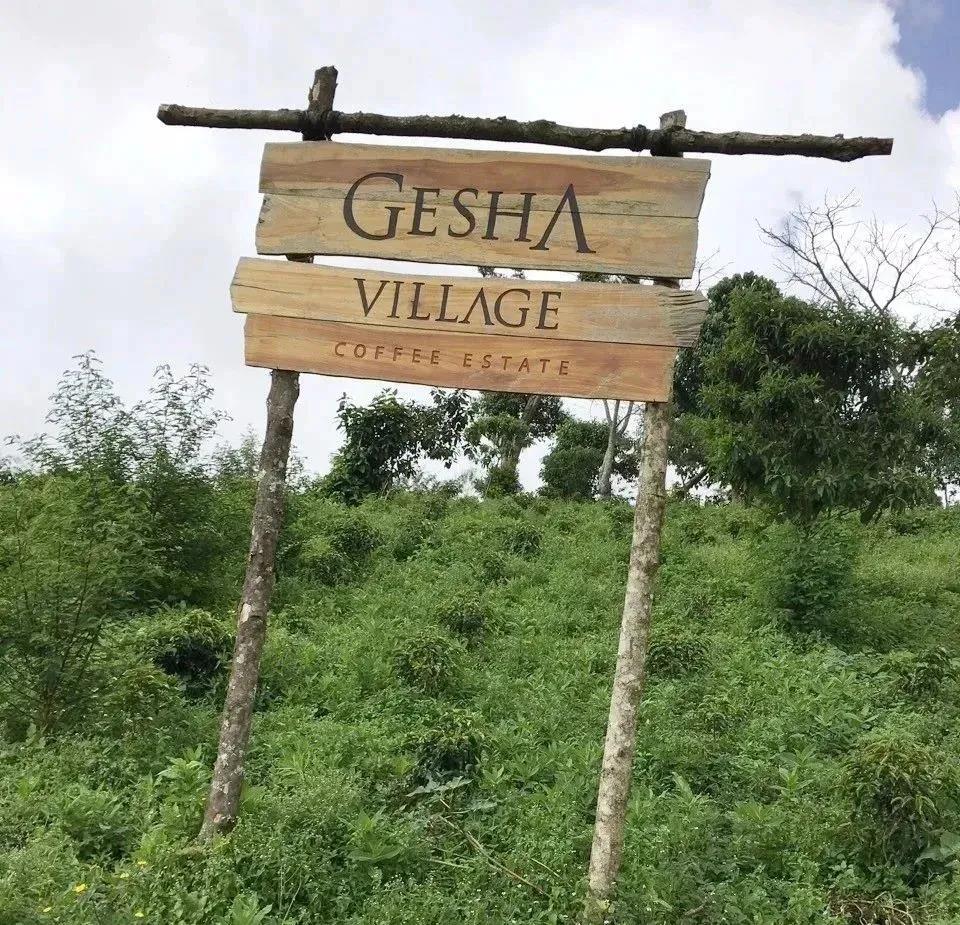
Gesha Village Estate is in western Ethiopia, in the Bench Maji region, surrounded by dense jungle. The estate covers roughly 471 hectares, of which about 320 hectares are planted with coffee in brown-red loam soil. Planting density is held at 7,000 coffee trees per hectare. One plot is named "Oma" after a respected and beloved religious leader. Gesha Village beans are complex and very rare, often chosen by baristas for international competitions - a result of protecting the local ecology and building good relationships with local residents.
Gesha Village Geisha Coffee Varieties
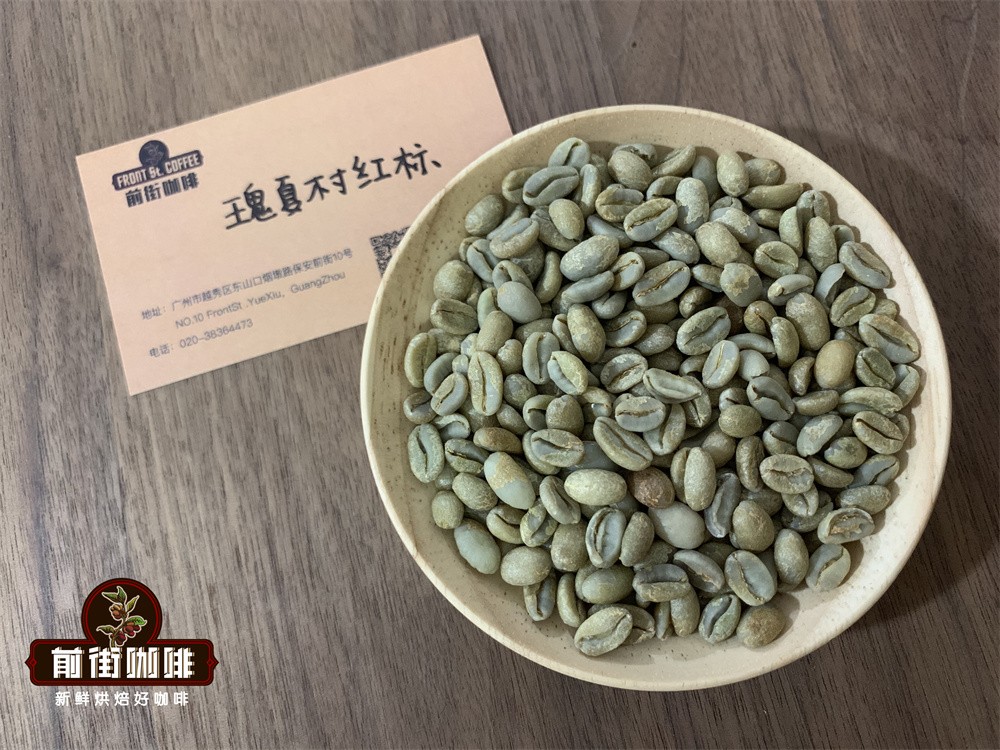
Gesha Village has three varieties, named after the expedition team that discovered the coffee: Gesha1931, Gori Gesha and Illubabor (provided by the Ethiopian Coffee Research Center). The FrontStreet Gesha Village Geisha on FrontStreet Coffee's shelves is the Gori Gesha variety.
[FrontStreet Gesha Village Red Label Batch]
Red Label batches account for about 15% of Gesha Village Estate's annual production. These are fully traceable lots cupping above 88 points on the SCA scale, with typical Gesha Village character. Flavor intensity and complexity are slightly below FrontStreet Gesha Village Gold Label batches, which makes them a very cost-effective single-origin option.
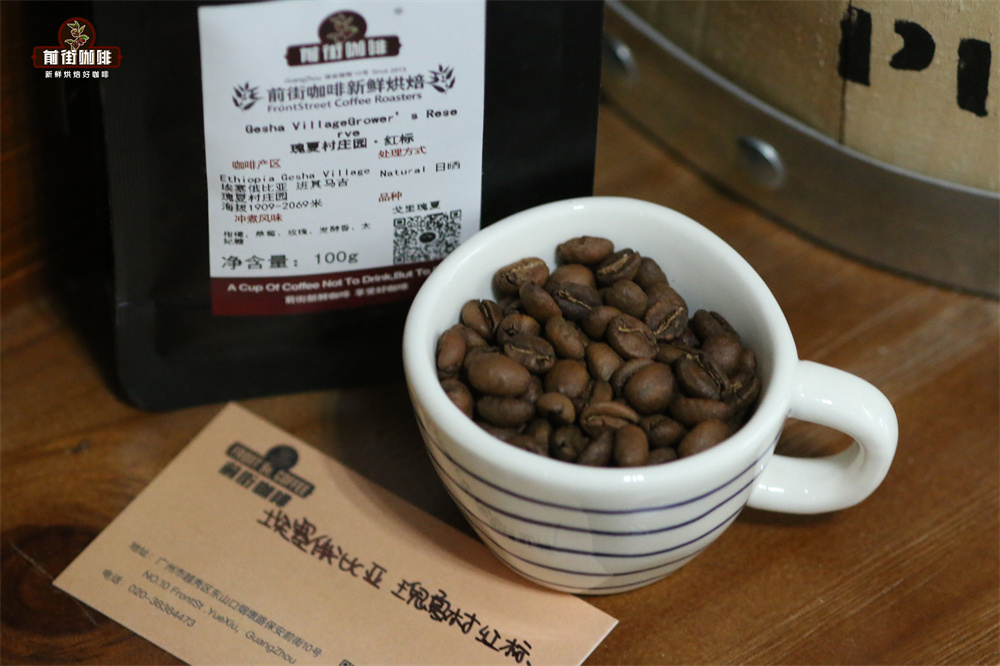
FrontStreet Gesha Village Geisha brews with notes of coconut, licorice, cream, chocolate, toffee, citrus, almond and strawberry, with a fermented aroma. The overall profile is well balanced, with a rich mouthfeel and prominent nuttiness.
FrontStreet Coffee - Costa Rica Geisha Coffee
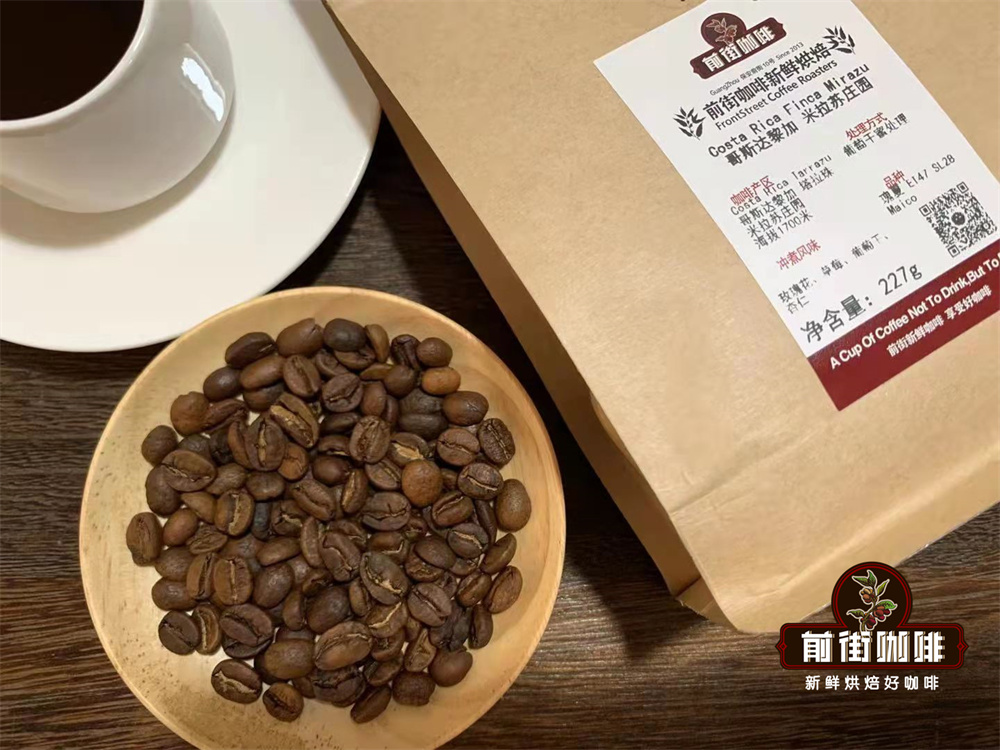
FrontStreet Costa Rica Mirasu Geisha blend comes from Mirasu Estate in the Tarrazu region of Costa Rica. It is a very small estate, run entirely by Esteban and his family. FrontStreet Mirasu is a much-loved single origin at FrontStreet Coffee. This FrontStreet Geisha blend uses raisin honey processing: 100% of the mucilage is retained, with no water treatment.
Coffee Bean Varieties
The batch of FrontStreet Mirasu Estate Geisha blend that FrontStreet Coffee purchased consists of 50% Geisha and 50% ET47, SL28 and MAICO varieties. FrontStreet Coffee believes the raisin honey process boosts the sweetness of this blend.
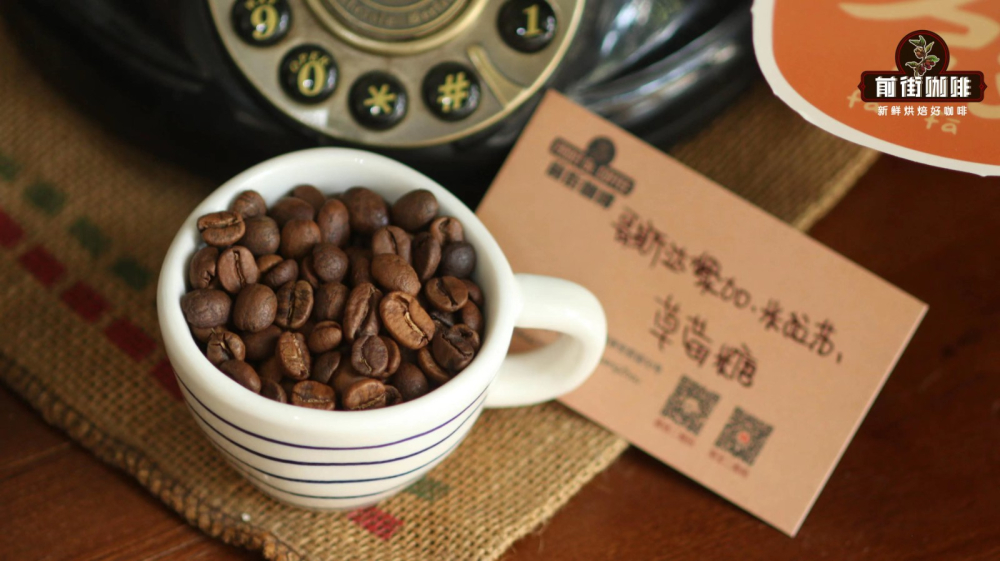
FrontStreet Coffee - Colombia Geisha Coffee
Most FrontStreet Colombia beans are washed, and the FrontStreet Flower Encounter coffee FrontStreet Coffee acquired is washed too. It is a blend of Geisha, Caturra and Catuai. The estate originally grew Caturra and Catuai. In 2016 the owner and his team introduced Geisha from Panama, with the first harvest in 2020 and full production in 2021. This FrontStreet Flower Encounter is therefore the first time Monteblanco Estate sold Geisha beans to the market.
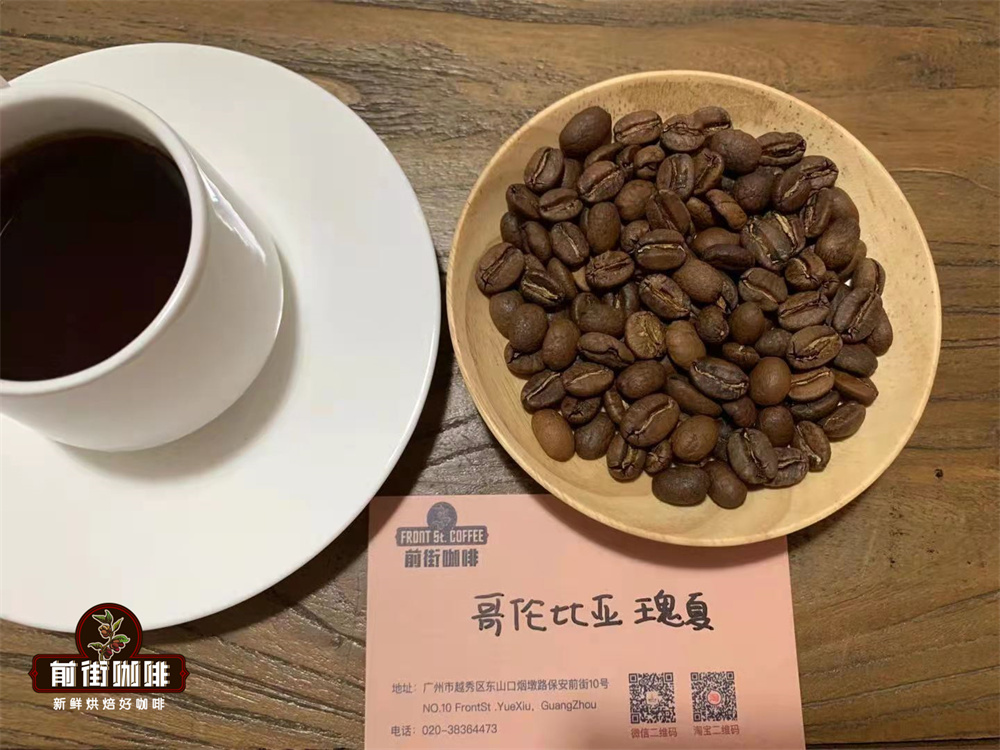
The Herrera family of Colombia's "La Esperanza" farm introduced Geisha from Panama's Hacienda La Esmeralda in 2007. Although the first attempts failed, after years of trial cultivation they took first place in April 2011 in Houston at the "Coffee of the Year" (COTY) competition hosted by the American Specialty Coffee Association.
FrontStreet Colombia Flower Encounter flavor: red pepper, chamomile, honey citrus, honey, almond.
FrontStreet Coffee - Panama Mariposa Geisha Blend Coffee
When people talk about Panamanian Geisha, they usually mention Hacienda La Esmeralda's Red Label, Green Label and Blue Label. But Panama has many other well-known estates producing Geisha. Boquete, for instance, offers an excellent Geisha blend: FrontStreet Panama Mariposa.
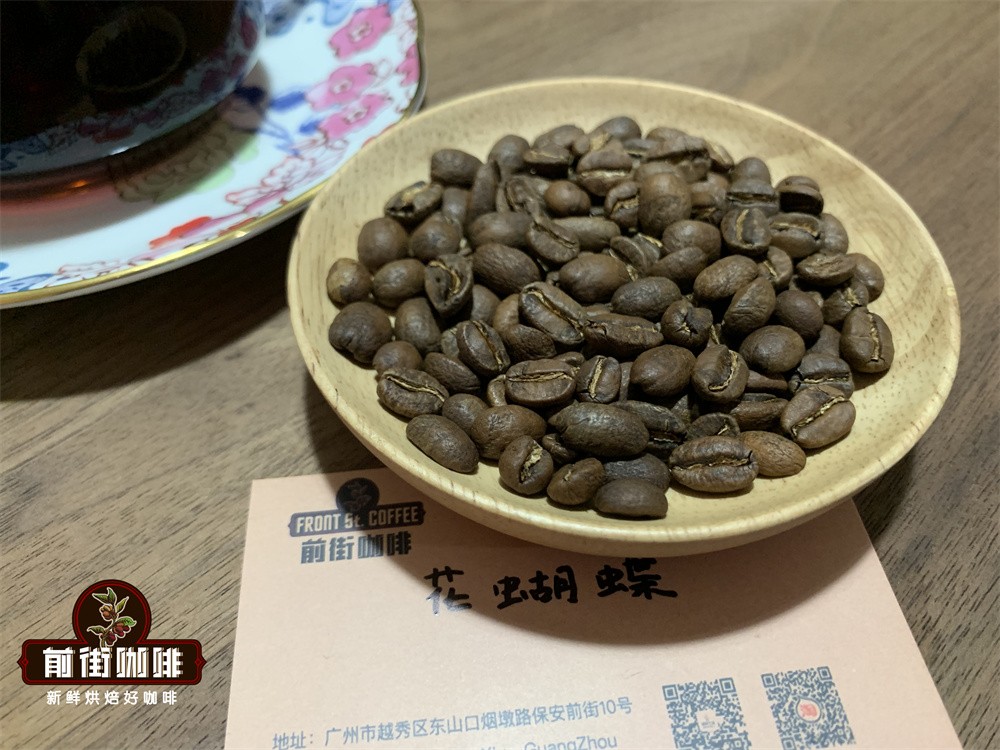
FrontStreet Panama Boquete Mariposa is made up of three varieties: Geisha, Caturra and Catuai. What sets FrontStreet Mariposa apart is the inclusion of Geisha, which gives it a distinct Geisha character. FrontStreet Coffee finds this FrontStreet Panama Mariposa excellent in mouthfeel with Geisha's citrus notes, at a very affordable price - a very cost-effective Geisha blend.
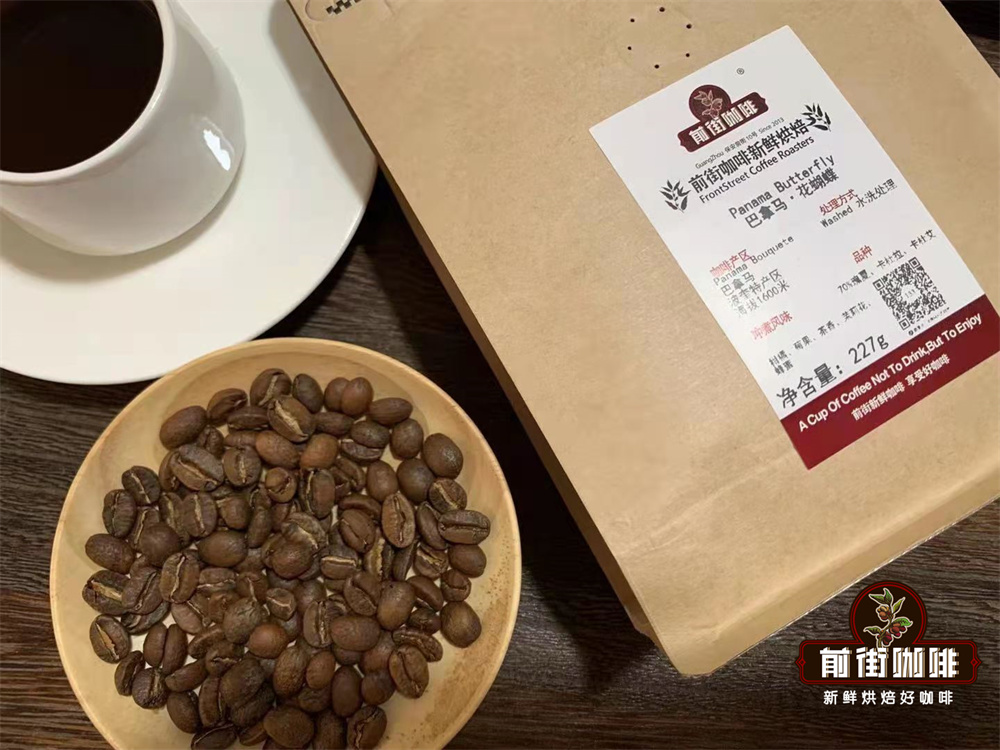
FrontStreet Panama Mariposa flavor: the dry aroma shows distinct florals, with a slight tea sensation on entry and prominent citrus. As the cup cools a little, sweet-tart plum emerges with a clear finish.
FrontStreet Coffee Brewing Recommendations
Those are some of FrontStreet Coffee's Geisha coffees. To brew a good cup, freshness matters as much as variety. FrontStreet Coffee considers bean freshness an essential part of brewing. Every order is roasted within 5 days, because FrontStreet Coffee knows how much freshness affects flavor. The roasting philosophy is "freshly roasted good coffee," so every customer receives the freshest coffee on arrival. The resting period is about 4-7 days, so the coffee is at peak flavor when it reaches you.
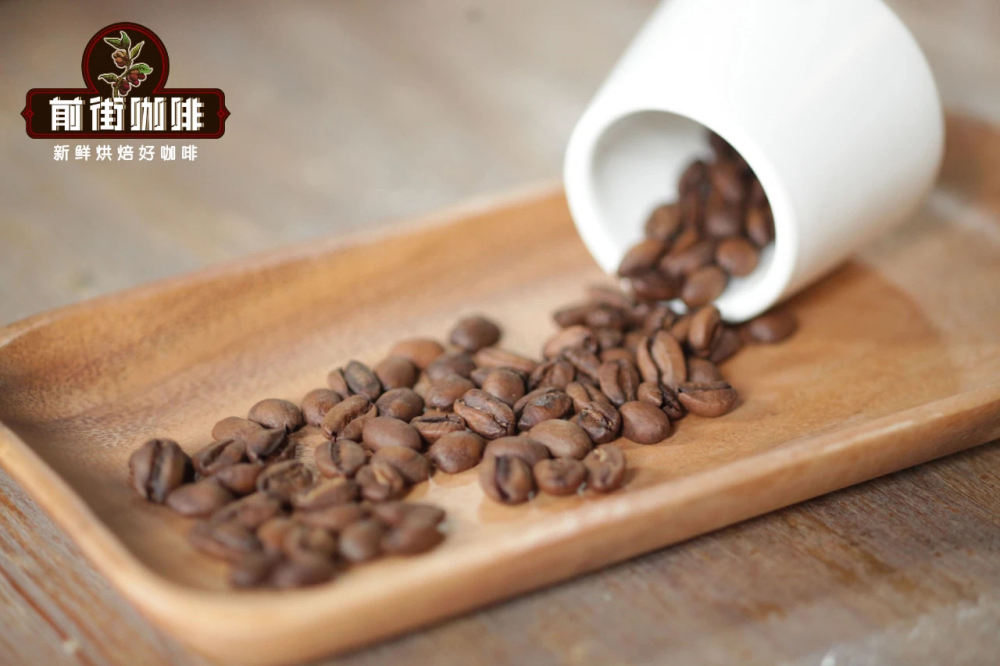
Some customers ask FrontStreet Coffee to grind their beans, which is fine. But a reminder: pre-ground coffee needs no resting period, because during transport the pressure of carbon dioxide inside the package helps round out the flavors, so you can brew a cup as soon as it arrives. Ground coffee should be brewed promptly, though, since it oxidizes quickly in air and the flavors fade faster. FrontStreet Coffee therefore recommends buying whole beans and grinding fresh before brewing.
FrontStreet Coffee Brewing Parameters for FrontStreet Geisha Coffee:
To highlight the flavor of FrontStreet Geisha, FrontStreet Coffee chose: filter, Hario V60; water temperature, 90°C; coffee, 15g; coffee-to-water ratio, 1:15; grind size, medium-fine (Chinese standard #20 sieve pass rate 80%).
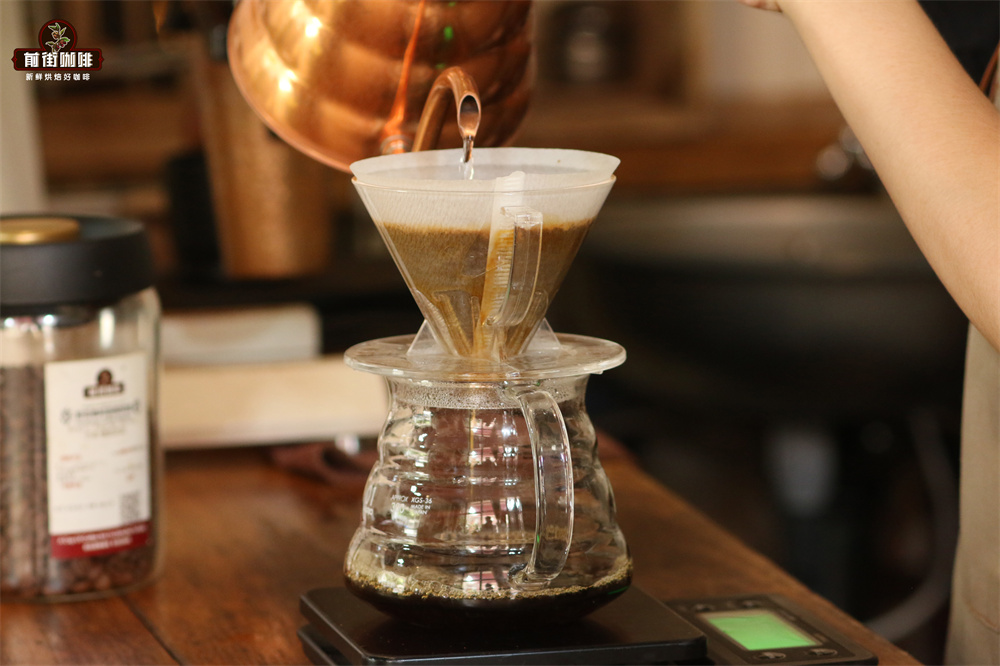
Using staged extraction, bloom with twice the coffee weight in water, i.e. 30g of water for 30 seconds. From 31 seconds, continue with small circular pours to 125g, then keep pouring to 225g and stop. Remove the filter cup once the water has dripped through. Timing from the start of pouring, extraction is 2'00". Then lift the whole cup, shake it well, and pour into cups for tasting.

On the subject of Geisha, FrontStreet Coffee thinks that although it is excellent, there are many varieties out there and you do not have to drink only Geisha. Try others too - coffee flavors differ by region, and the more you taste, the more coffee moods you can experience. Besides Geisha, FrontStreet Coffee carries many coffees from other regions worth trying.
FrontStreet Coffee Recommendation
FrontStreet Coffee's Geisha lineup spans Panama and Ethiopia. For a first taste of the classic Panamanian profile - orange-blossom honey sweetness, an oolong-tea feel and layered fruit acidity - the entry-level FrontStreet Boquete Geisha delivers it at a friendly price.
For estate-level benchmarks, choose the Esmeralda Red Label, sold as "Esmeralda Special": single-plot lots grown at 1600-1800 meters that must cup above 90 points, such as the Jaramillo plot. The Green Label, sold as "Private Collection," blends several high-altitude plots at a lower price while keeping the floral, fruity, sweet-tart Geisha character.
From Ethiopia, FrontStreet Coffee offers the Gesha Village Gold Label, a Gesha1931 lot that makes up about 10% of the estate's output and is often chosen by competition baristas, and the Gesha Village Red Label, a Gori Gesha lot accounting for about 15% of production and cupping at 88 points or above. The Genlana Estate Geisha, roasted medium-light, brings bright citrus acidity, an elegant ginger-flower aroma and ripe-fruit sweetness.
Brew any of them as pour-over: use a grind that passes about 78% through a Chinese standard #20 sieve, roughly fine-sugar texture, with water at 91°C. Use 15g in a small Hario V60 at a 1:16 ratio, bloom with 30g of water for 30 seconds, pour in a slow circle to 125g, then finish at 225g for a total extraction of about 2:10 to 2:20.
Important Notice :
FrontStreet Coffee is a long-established specialty coffee roaster in Guangzhou China, selling freshly roasted beans from its own farm in Yunnan as well as dozens of carefully selected single-origin beans from around the world for both pour-over and espresso. The products deliver consistently excellent quality and great value, with shipping within 24 hours. Guangzhou's FrontStreet Coffee shop is recommended by many coffee lovers, and the beans are now available online at the Tmall 。
FrontStreet Coffee has moved to a new address:
FrontStreet Coffee Address: 315,Donghua East Road,GuangZhou
Tel:020 38364473
 Scan and follow the En Gafei WeChat official account. Please indicate that the reprint comes from "En Gafei".