Guatemala Huehuetenango and Antigua Coffee Bean Varieties: Flavor Profiles, Taste Characteristics, and Origin Stories
Guatemala borders Mexico to the north and El Salvador and Honduras to the south, and volcanoes are scattered across its territory. This country, built around coffee cultivation and export, has fertile soil suited to coffee trees, a favorable climate, abundant water, and high-altitude planting conditions. It is also home to many renowned producing regions, among them Antigua, Huehuetenango, and Cobán. Of these, Huehuetenango and Antigua are the two coffee lovers know best.
Huehuetenango lies in the northwestern highlands of Guatemala, with cultivation altitudes of 1,500-2,000 meters, making it the country's highest-altitude coffee-producing area. It is known for producing excellent Guatemalan beans and is one of the largest producing regions in the country. FrontStreet Coffee's daily bean series includes a washed coffee from Huehuetenango that represents the basic profile of Guatemala as an origin.
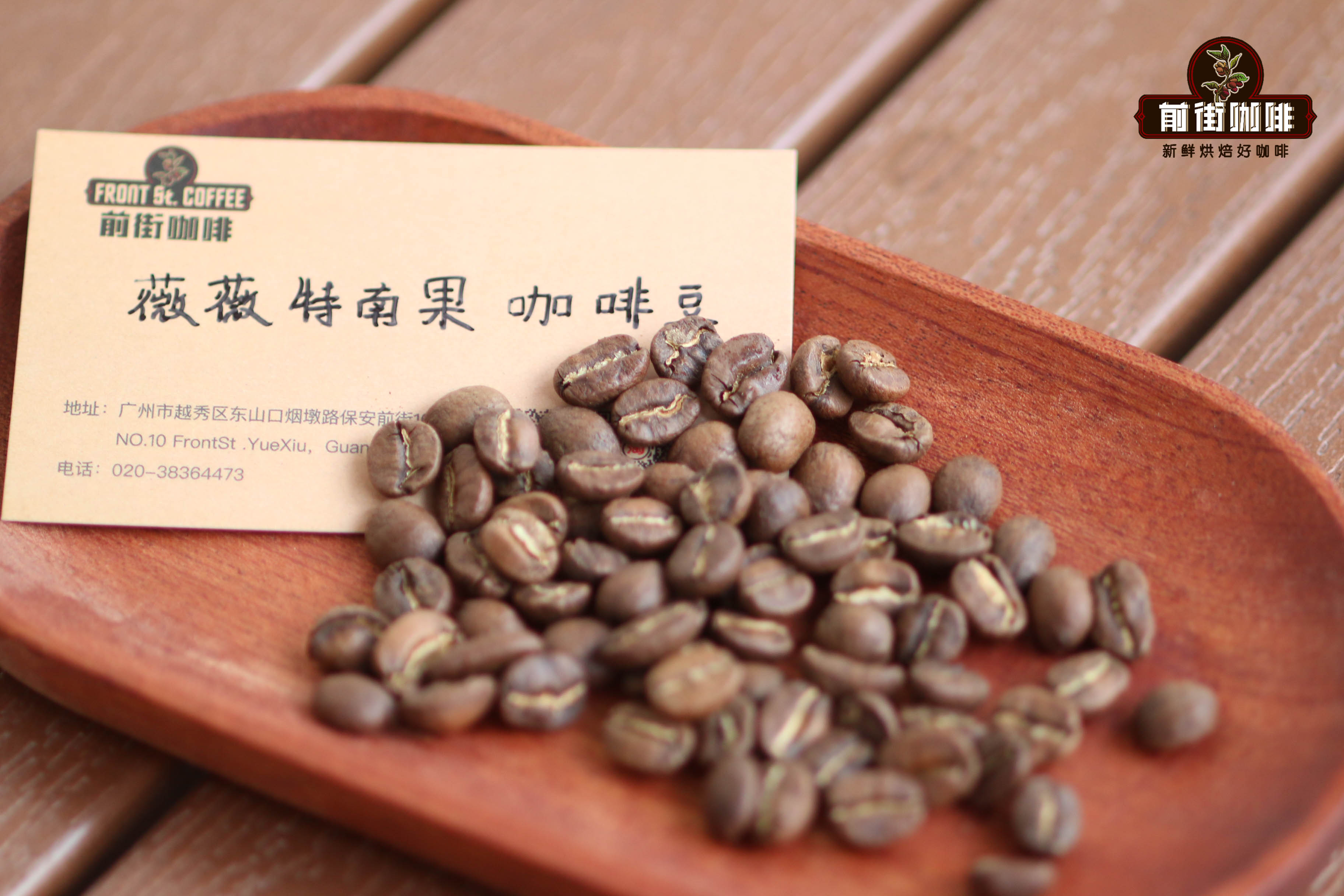
FrontStreet Coffee: Guatemala · Huehuetenango Coffee Beans
Region: Huehuetenango region, Guatemala
Altitude: 1500-2000 meters
Varieties: Bourbon, Caturra, Catuai
Processing method: Washed
FrontStreet Coffee's bean menu carries two Guatemalan coffees. Huehuetenango is one; the other is the Guatemala Flor de Café from the Antigua region.
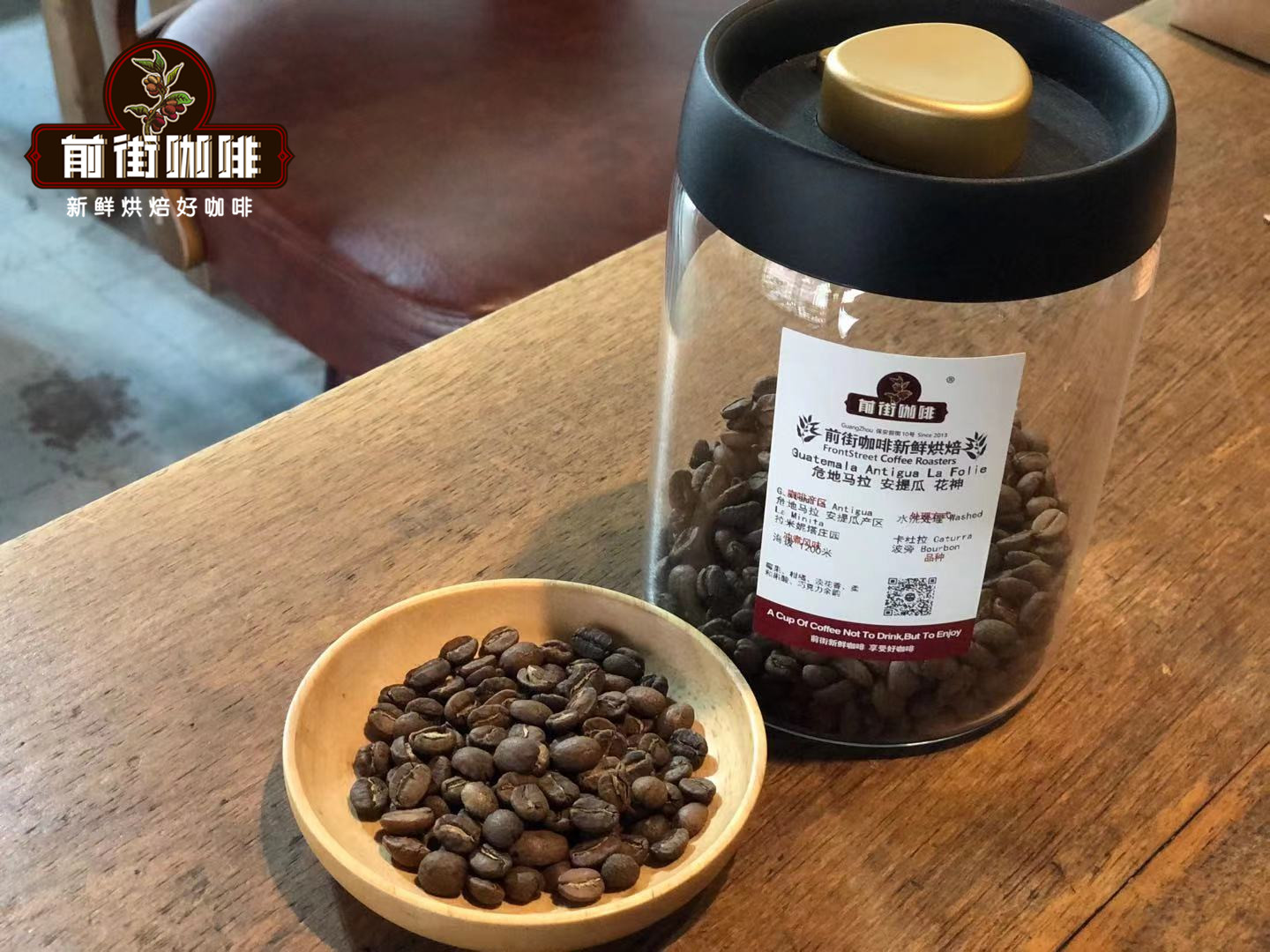
FrontStreet Coffee: Guatemala · Flor de Café Coffee Beans
Region: Antigua region, Guatemala
Estate: La Minita Estate
Altitude: 1200 meters
Varieties: Bourbon, Caturra
Processing method: Washed
Antigua is the most famous of Guatemala's seven producing regions. High altitude, distinctive volcanic soil, and shade growing give Antigua beans a regional flavor all their own. The area actually gets relatively little rain in summer and occasionally frosts in winter when it turns too cold, which hardly suits coffee trees. But because Antigua sits in an active volcanic zone, volcanic pumice falls into the soil after eruptions and cools there; the pumice is full of fine pores, which makes it excellent at holding moisture. The La Minita estate that produces Flor de Café also plants numerous shade trees to protect the coffee from cold damage in winter. These workarounds for adverse conditions, together with a wide day-night temperature swing, create a unique microclimate in Antigua and give its beans a subtle smoky flavor and rich fruit aroma.
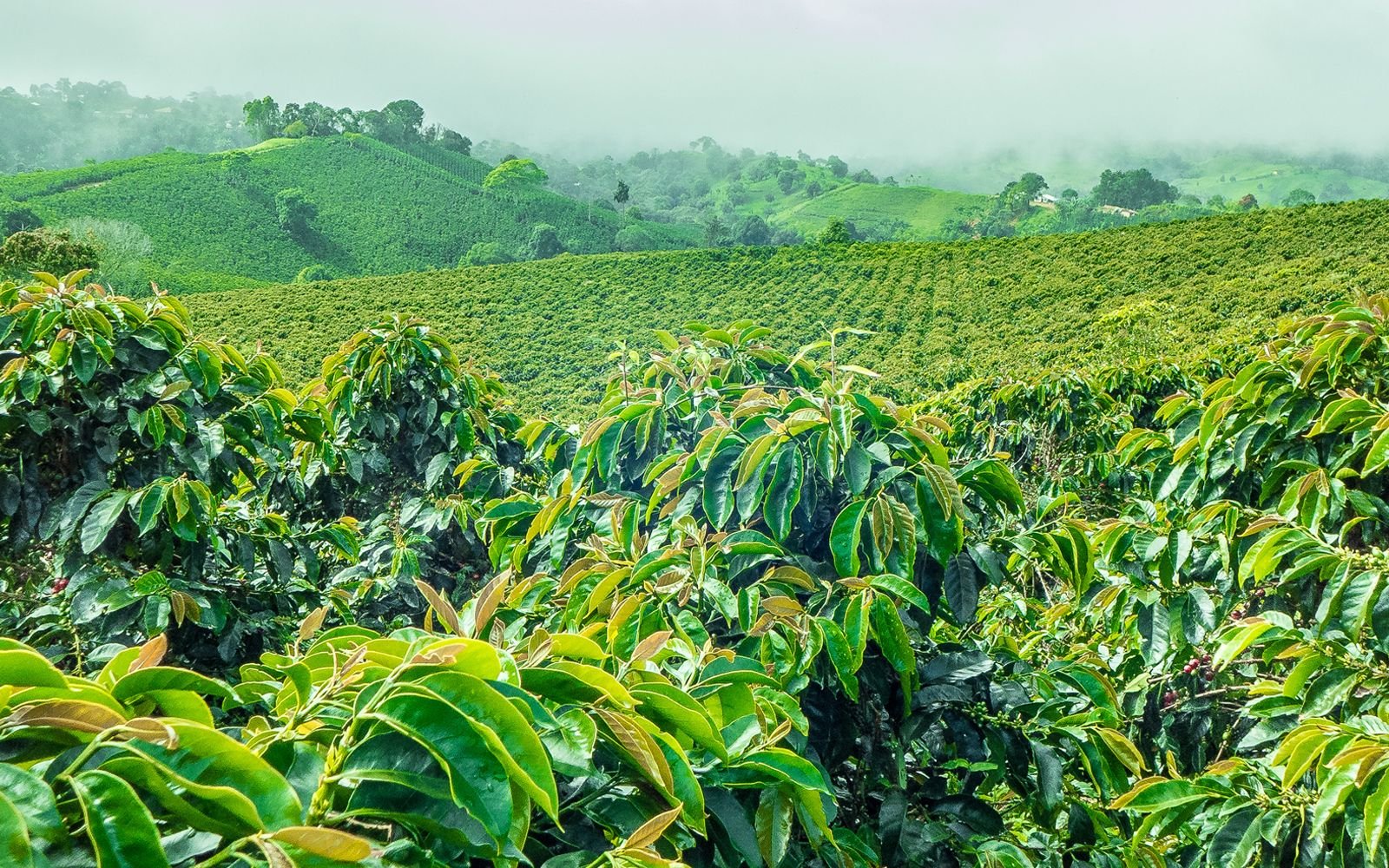
FrontStreet Coffee's Guatemala Flor de Café is produced by the La Minita group, known for strict cultivation management and processing technique. Guatemala's La Minita estate uses no pesticides, and with higher altitude and lower temperatures the risk of pests and disease drops sharply. Each year the estate runs two soil tests within the plantation to determine how to fertilize. Applying trace elements such as zinc, boron, and copper gives the trees more nutrients and helps prevent disease. This kind of scientific management is what produces Flor de Café's excellent flavor and its consistent quality over the years.
As the rainy season ends, the fruit approaches maturity. Because coffee ripens slowly and unevenly, harvesting has to be done with great care: the fruit from a single tree may be picked in as many as five separate passes, following the ripening of the cherries.
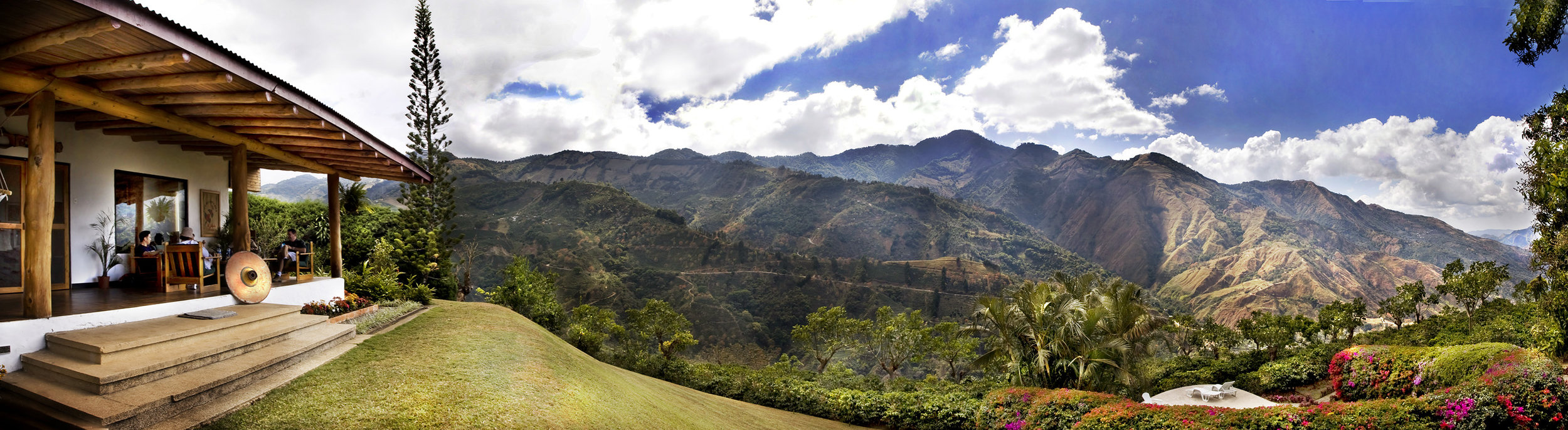
After harvest, La Minita entrusts the largest local washing mill, Las Pastores, to wash the green beans to strict standards, and names the result Flor de Café.
The Washed Processing Method
Washed processing looks simple, but every step is carried out meticulously.
1. Remove floating beans: Pour the coffee into a large water tank. Underdeveloped, inferior beans float while mature, full fruit sinks. Skim the floating beans off the surface.
2. Remove pulp and fruit flesh: A pulping machine strips the outer skin and pulp, leaving mucilage, parchment, and silver skin behind.
3. Fermentation: This step uses biological means to remove the mucilage. The pulped coffee goes into fermentation tanks for 16-36 hours, and fermentation bacteria dissolve the mucilage.
4. Washing: Once fermentation is complete and the mucilage removed, bacteria and impurities still cling to the beans, so they are washed again. Ensuring a thorough clean here consumes a large amount of fresh water.
5. Drying and removing parchment and silver skin: Dry the coffee until moisture content reaches 10-14%, then use a hulling machine to remove the remaining parchment and silver skin and complete the process.
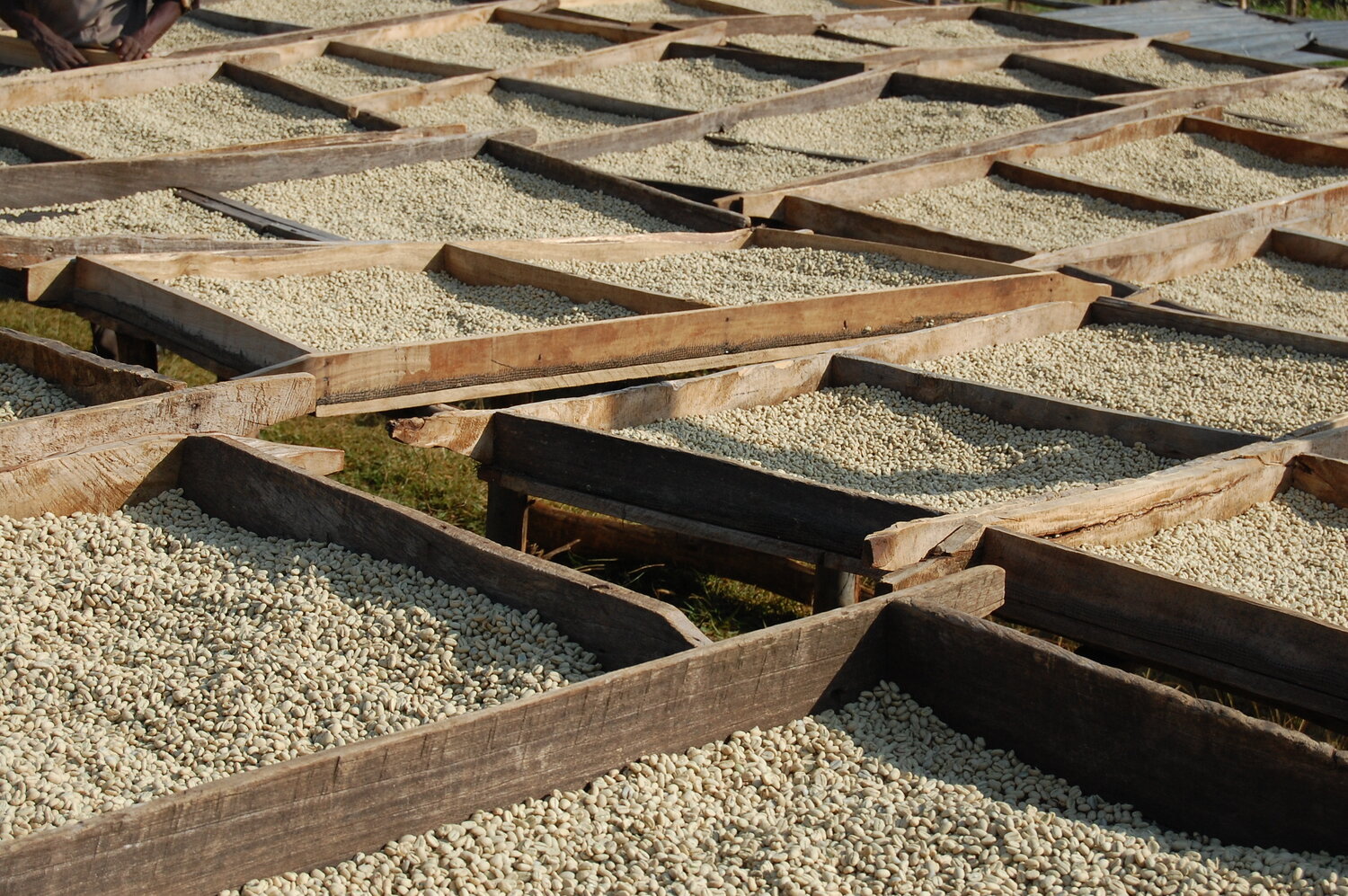
The washed method originated in the mid-18th century. The pulp is removed first, fermentation tanks then clear the mucilage remaining on the parchment, and the beans are cleaned and dried.
Washed processing removes impurities and defective beans at each stage, producing green beans of uniform appearance that are generally considered high quality. Its biggest drawback is that during fermentation the beans readily absorb fermentation odors. This happens mostly when fermentation tanks are poorly managed and maintained, since changes in the microorganisms while mucilage-covered parchment soaks in the tank can leave the beans tasting of fermentation.
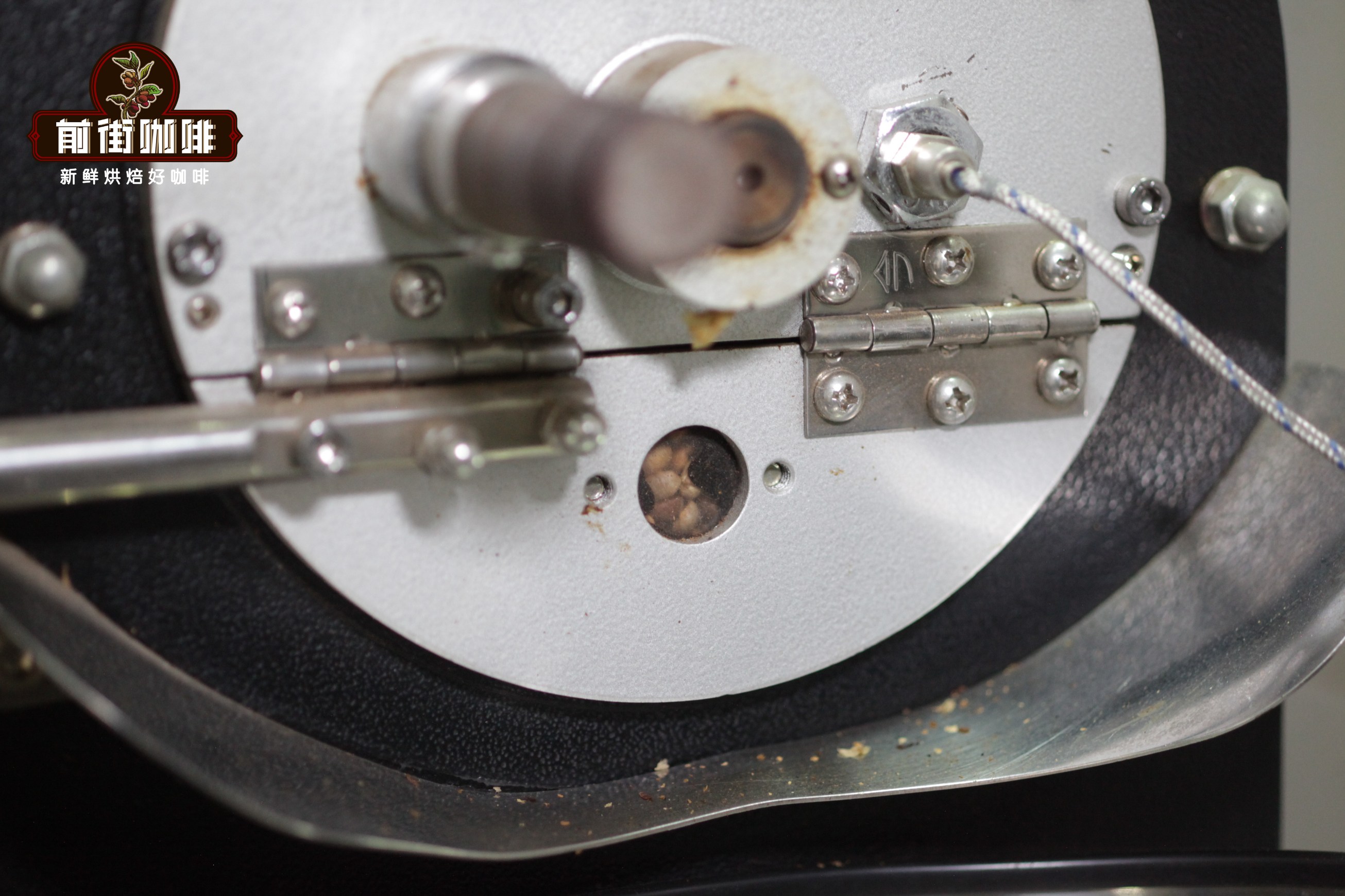
When these Guatemala Flor de Café beans arrived, FrontStreet Coffee's roaster wanted to highlight balance, tea-like quality, florals, and acidity, so chose a medium roast. When brewing Flor de Café, FrontStreet Coffee's barista uses a higher water temperature and a finer grind to draw out aroma and acidity, while guarding against over-extraction by using the faster-flowing V60 dripper.
Brewing Parameters
Dripper: Hario V60
Water temperature: 91°C
Dose: 15 grams
Ratio: 1:15
Grind size: 80% pass-through through a No. 20 sieve
FrontStreet Coffee recommends a three-stage pour for richer layers. First, pour 30 grams of water to wet the grounds completely and bloom for 30 seconds. Then slowly pour the second stage in small circles to 125 grams and pause. When the water level in the dripper drops to just above the coffee bed, pour the third stage to 225 grams and stop immediately. Wait until everything has dripped through into the server, then remove the dripper. Total extraction time is approximately 2 minutes.
FrontStreet Coffee Recommendation
Huehuetenango and Antigua both owe their clarity to washed processing. If that clean, layered style is what you enjoy, these three FrontStreet coffees are the same school.
FrontStreet Washed Yirgacheffe Gotiti Cooperative - From the Worka area at the southeastern edge of Yirgacheffe and washed in the traditional way, it shows jasmine fragrance and bright citrus and lemon acidity with none of the traditional bitterness. A benchmark for what washing can do with floral aromatics.
FrontStreet Kenya Small Tomato - Kenyan green beans are typically given a double wash, and this one runs the process through repeated soaking and rinsing to push the juice quality as far as it will go. Expect cherry tomato, smoked plum, snow pear, black plum, and brown sugar, with a sweet-and-sour, mouth-watering body.
FrontStreet Jamaica Blue Mountain No. 1 - Washed processing exists in Jamaica for a good reason: it strips the skin, pulp, and mucilage before drying, which shortens drying time and yields bright, low-defect beans. The cup is pure and rounded, with hazelnut, cream, chocolate, and caramel, and an even balance in which nothing stands out too far or falls short.
Important Notice :
FrontStreet Coffee is a long-established specialty coffee roaster in Guangzhou China, selling freshly roasted beans from its own farm in Yunnan as well as dozens of carefully selected single-origin beans from around the world for both pour-over and espresso. The products deliver consistently excellent quality and great value, with shipping within 24 hours. Guangzhou's FrontStreet Coffee shop is recommended by many coffee lovers, and the beans are now available online at the Tmall 。
FrontStreet Coffee has moved to a new address:
FrontStreet Coffee Address: 315,Donghua East Road,GuangZhou
Tel:020 38364473
 Scan and follow the En Gafei WeChat official account. Please indicate that the reprint comes from "En Gafei".