Authentic Blue Mountain No.1 Coffee Beans: Flavor Profile, Grind Size, and Water Temperature Parameters - Are Blue Mountain Coffee Beans Expensive?
For years, media outlets kept repeating the claim that no genuine Blue Mountain coffee ever reached China. In reality, that situation began to change as early as 2010. Blue Mountain coffee has a rich, mellow character—the very picture of a classic cup of black coffee. Because of its limited quantity it is known as the "King of Coffee," and for a long time it genuinely was hard to buy, which is why "Blue Mountain flavor" and "Blue Mountain style" coffees proliferated on marketplaces like Taobao. These products merely borrow the Blue Mountain name to sell dark-roasted coffee that has little to do with the real thing, which is precisely why such "Blue Mountain flavor" coffee is suspiciously cheap.
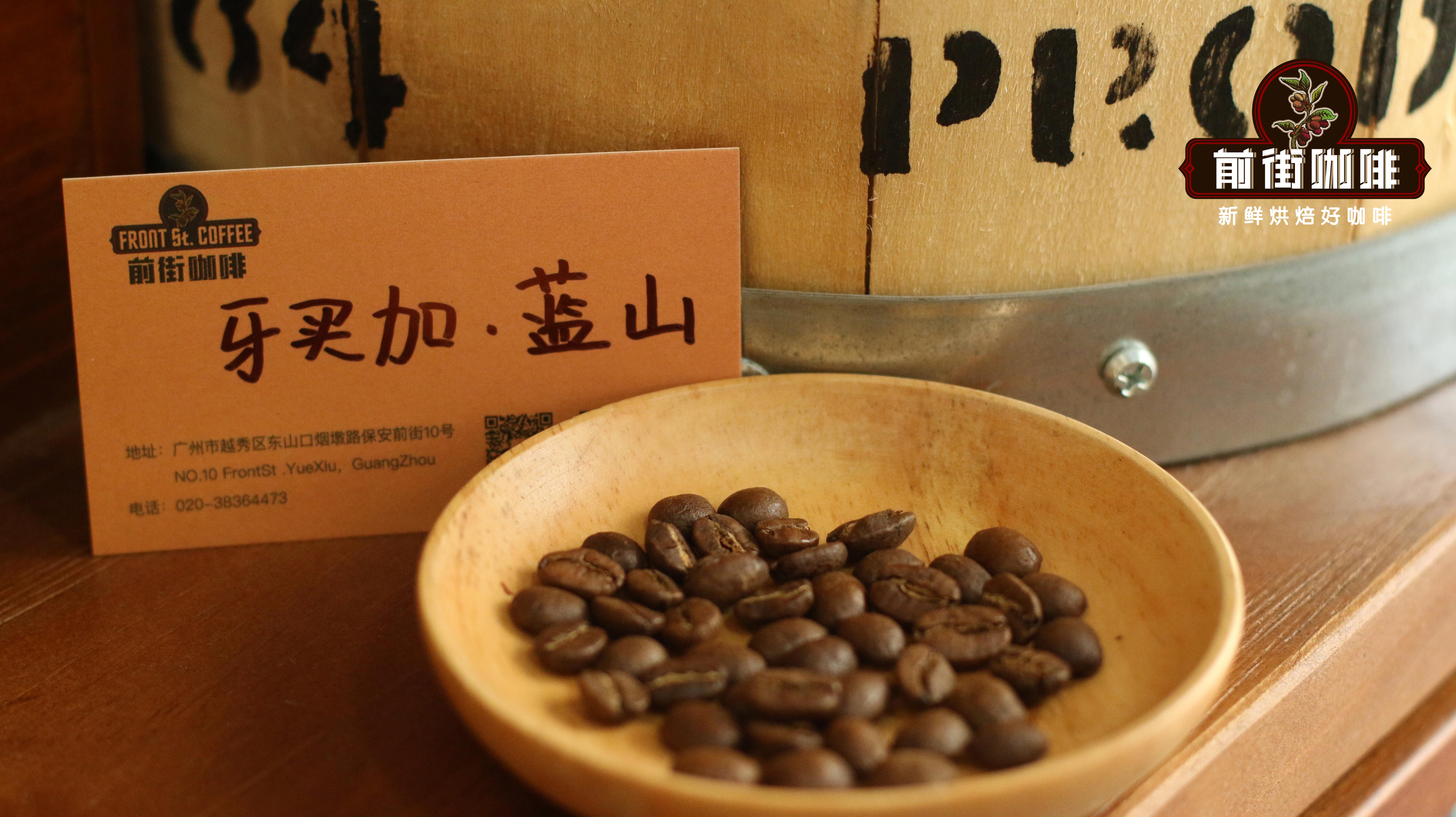
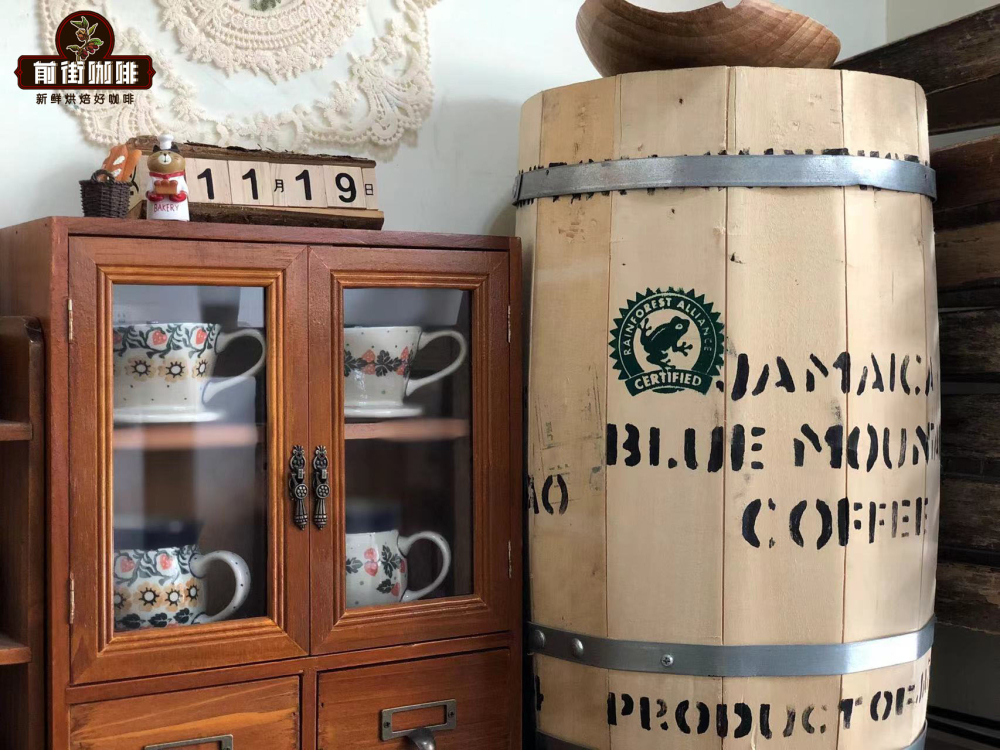
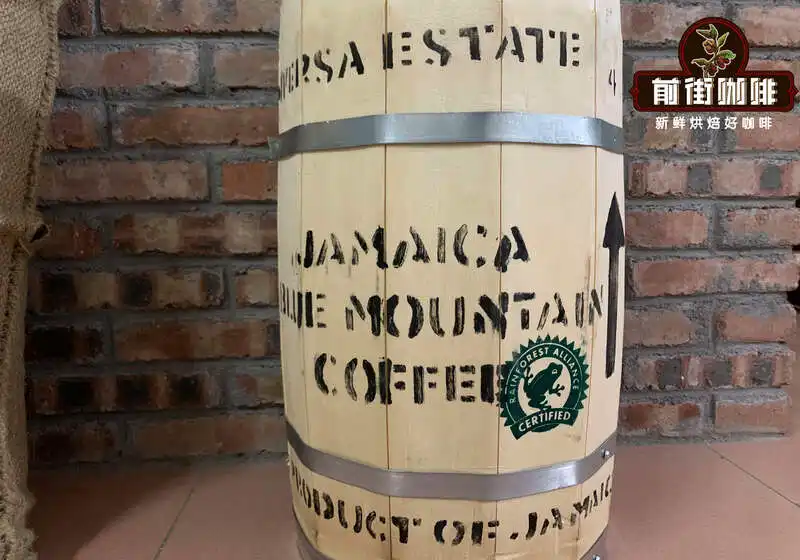
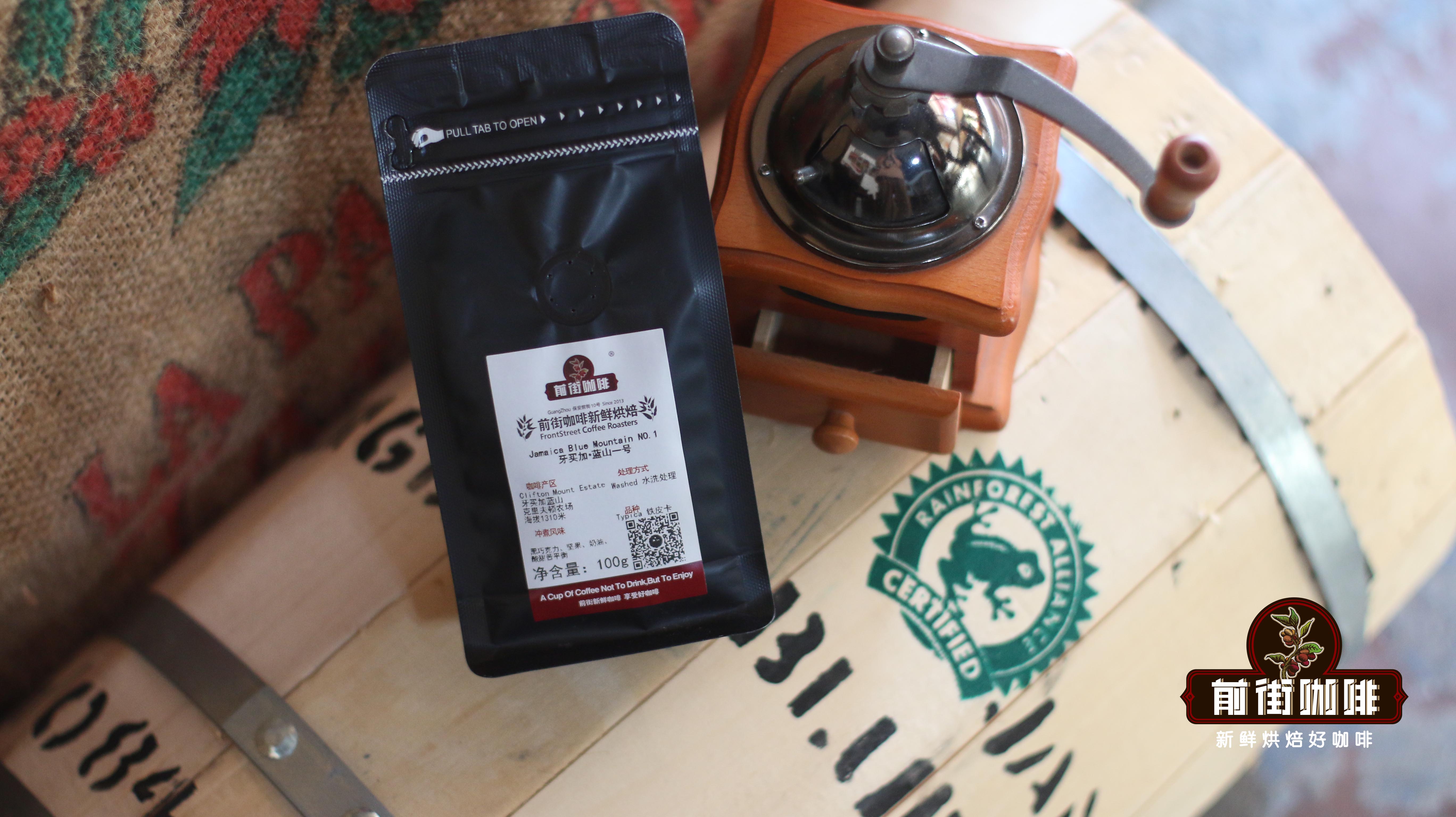
Not every bag labeled "Blue Mountain" is genuine. The Blue Mountain No.1 that FrontStreet Coffee carries comes with a certificate issued by the Jamaica Coffee Industry Board, and the wooden barrels used to ship Jamaican Blue Mountain green beans bear the distinctive green frog logo (visible in the photo below of FrontStreet Coffee's own Jamaican green-bean import). FrontStreet Coffee specifically chose Clifton Farm, a Rainforest Alliance-certified producer of Jamaican Blue Mountain No.1. Jamaica is also the only origin that ships green beans in wooden barrels. And then there is the most iconic thing of all—the flavor. Authentic Blue Mountain has an intensely aromatic yet perfectly balanced taste, with no single attribute overpowering or missing. Genuine Jamaican Blue Mountain is also more expensive than other coffees, and FrontStreet Coffee sees three main reasons: limited supply, exceptional flavor, and strict quality control.
The Fame of Blue Mountain Coffee
Ask any group of coffee drinkers what they want, and someone will inevitably say, "Give me a cup of Blue Mountain." Jamaican Blue Mountain's renown rests on its reputation, its limited production, and its long history. Even people who have never touched specialty coffee have usually heard of Blue Mountain No.1. Yet the market is full of lookalikes—"Blue Mountain No.1 Coffee," "Blue Mountain Flavor Coffee," "Blue Mountain Blend"—and not every product with "Blue Mountain" on the label is the genuine article. Drink carelessly and you may well end up with a fake. So how do you tell them apart? First, let FrontStreet Coffee explain where real Blue Mountain coffee comes from.
The Story of Jamaican Blue Mountain Coffee
Jamaica's coffee history reaches back to the 18th century. In 1717, French King Louis XV ordered coffee planted in Jamaica, and in the mid-1720s the island's governor, Sir Nicholas Lawes, brought Arabica seedlings from Martinique and began promoting cultivation around St. Andrew. The trees eventually spread into the Blue Mountain range, whose output was divided into high-altitude Jamaican Blue Mountain coffee, High Mountain coffee, and plain Jamaican coffee, with each grade commanding a different price.
Where Blue Mountain Coffee Grows
The Blue Mountain range occupies eastern Jamaica. On clear days the sunlight catches the azure Caribbean Sea and the peaks reflect a brilliant blue glow off the water—hence the name. Blue Mountain Peak rises to 2,256 meters, the highest point in the Caribbean and a famous tourist destination. The area sits squarely in the coffee belt, with fertile volcanic soil, clean air, and a humid climate of year-round fog and rainfall (average precipitation of 1,980mm and temperatures around 27°C). These conditions created the world-famous Jamaican Blue Mountain—and some of the world's highest coffee prices.
True Blue Mountain is grown under some of the most privileged conditions in the coffee world. Jamaica's weather, geology, and topography combine into an almost ideal setting. Certified Jamaican Blue Mountain can come only from the designated Blue Mountain region in the eastern part of the island, north of Kingston. The ridge that runs across Jamaica climbs past 2,100 meters in the island's east, and the cool, foggy, frequently rainy weather keeps this fertile land perfectly balanced in moisture. Farmers here use mixed planting, cultivating coffee on terraces alongside banana and avocado trees.
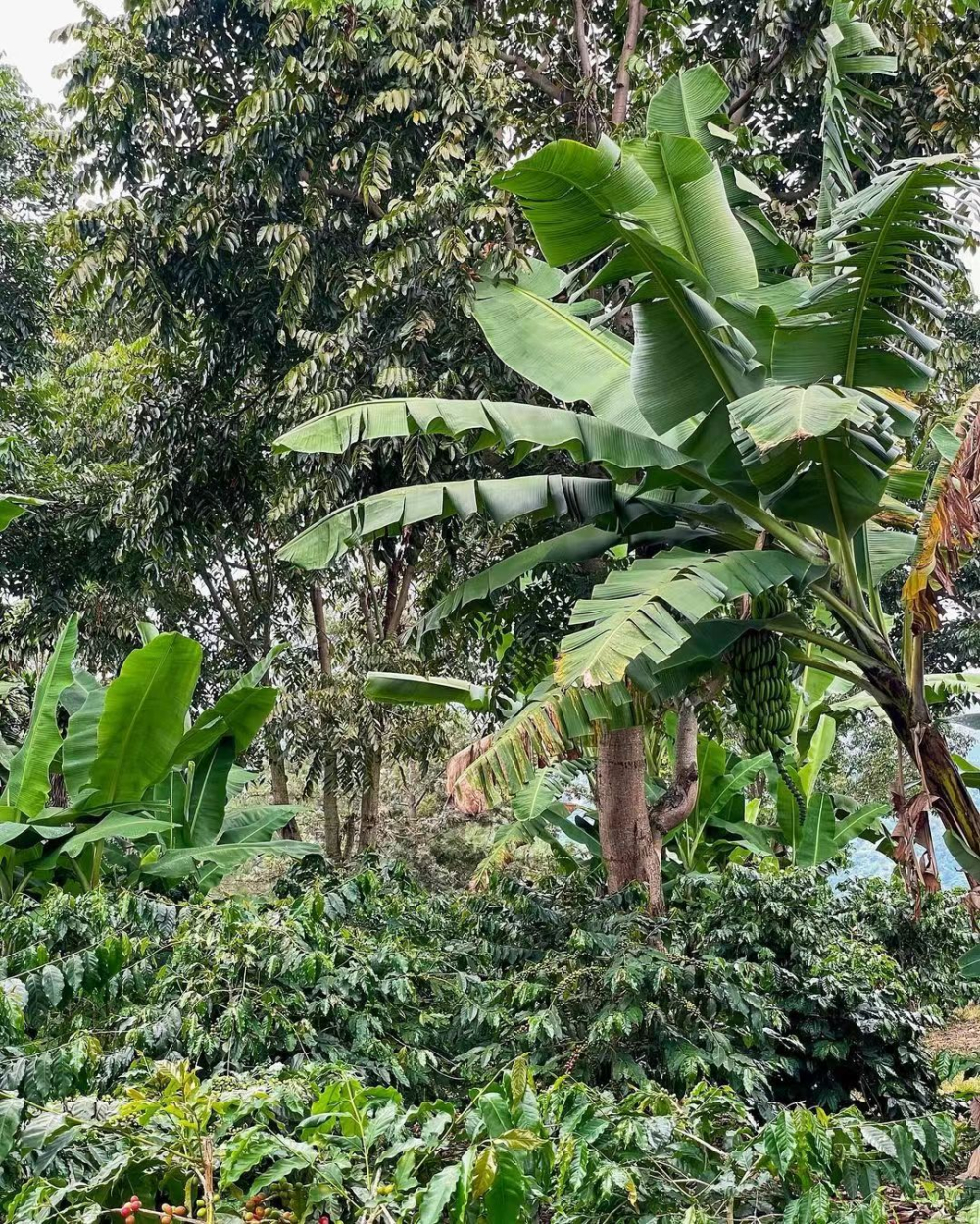
The terrain is extremely rugged, which makes harvesting genuinely difficult—almost all of the picking is done by women. The trees grow on steep slopes where only skilled local pickers can work, and selecting cherries at just the right ripeness is critical: underripe or overripe beans directly compromise cup quality.
How Blue Mountain Coffee Is Processed
Blue Mountain No.1 has traditionally been available only as a washed coffee. Washing and fermentation remove the fruit pulp and mucilage. Farms using the washed method must build washing tanks with a continuous supply of fresh water. The pulp is stripped first, and the beans then ferment for 12-18 hours. Afterward they are agitated in channels, the friction of the beans and the flow of the water washing them until smooth and clean. At that point the beans, still in parchment at about 50% moisture, must be sun-dried down to 12-14%—otherwise they will keep fermenting, mold, and spoil. The dried beans are then screened and stored in dedicated warehouses, with every step tightly controlled, since any lapse shows up in the cup.
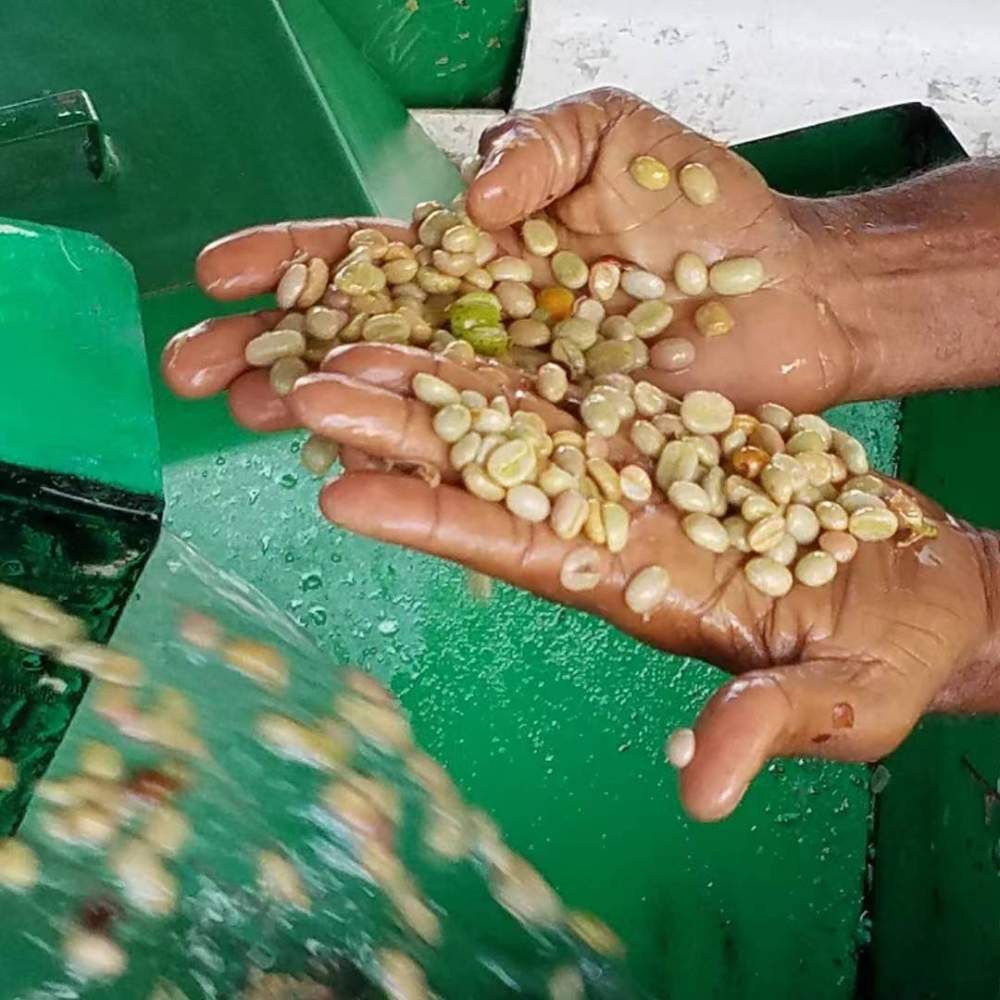
Washing endures because it delivers the most essential expression of Blue Mountain flavor; changing the process inevitably reshapes the cup's structure. That is also why, whenever FrontStreet Coffee introduces a new origin to customers, it recommends the washed lot first—washed processing is the clearest window into a region's character. Certified natural-process Blue Mountain has occasionally appeared as a novelty, but to date the Jamaica Coffee Industry Board recognizes only washed processing for Blue Mountain green beans, with no natural or other methods—a rarity FrontStreet Coffee has also seen in its own recently added natural Mandheling, which departs from the traditional wet-hulled norm.
The Three Blue Mountain Growing Regions
The Blue Mountain region is small—just 6,000 hectares of planted area—so it is simply impossible for every coffee labeled "Blue Mountain" to originate there. Another 12,000 hectares grow two other categories of Jamaican coffee: High Mountain Supreme and Jamaican Prime.
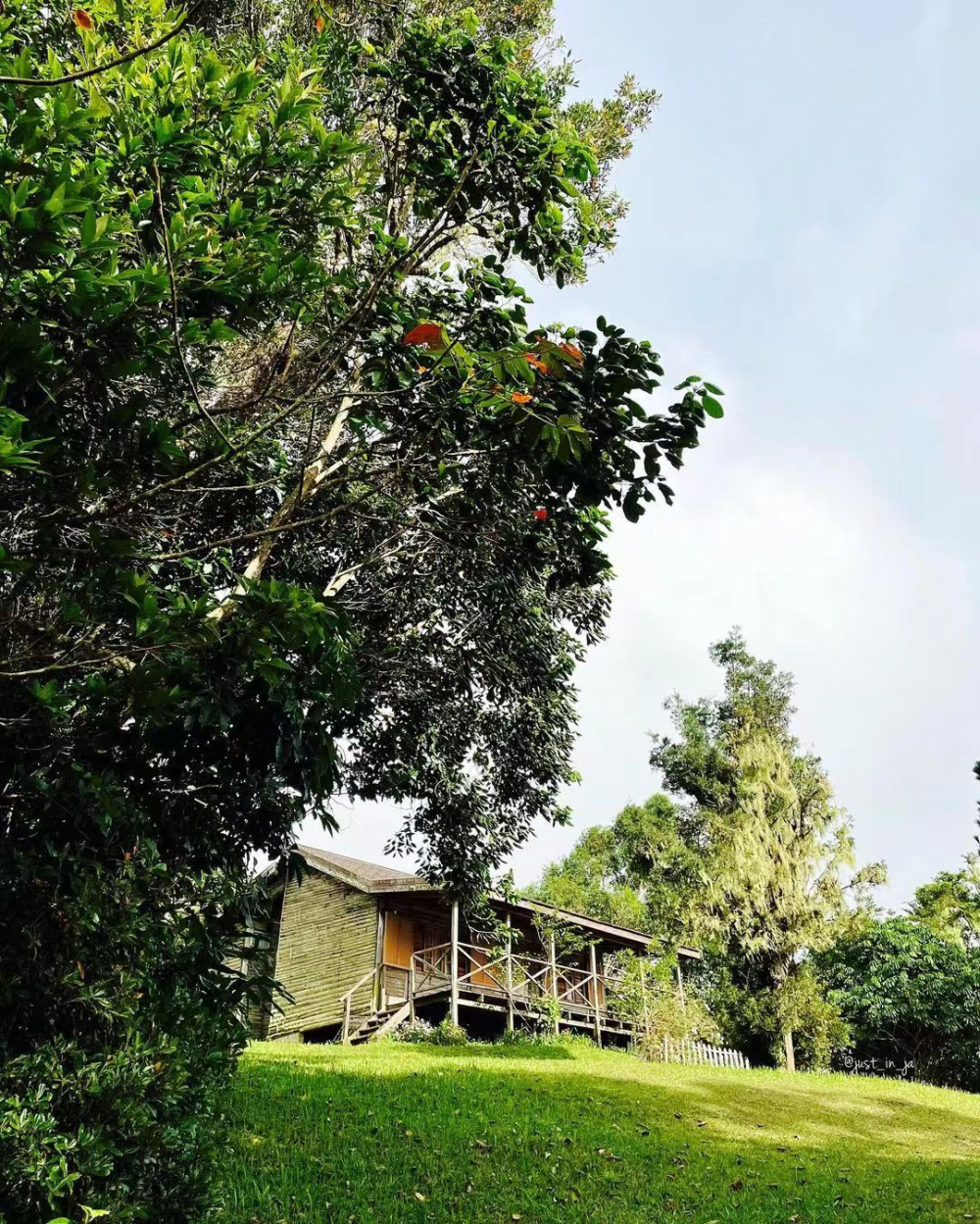
St. Andrew remains one of the three designated Blue Mountain growing regions, alongside Portland and St. Thomas. A number of small estates also produce Blue Mountain coffee, among them Wallenford Estate, Silver Hill Estate, and J. Martinez's Atlanta Estate. Even the largest landholders here are small by international standards, and many are family farmers who have worked the same land for two centuries.
The organizations whose marks can certify Blue Mountain origin include M.B.C.E. (Mavis Bank Central Factory), M.H.C.C.T. (the M.H.C.C.T. Blue Mountain Coffee Cooperative), P.X.X.S.H. (the Portland Blue Mountain Coffee Cooperative), the Coffee Industry Board (Wallenford), the Coffee Industry Board (St. John's Peak), and the J.A.S. (Jamaica Agricultural Society). Estate-level coffees are likewise identified on the barrels themselves.
What Variety Is Blue Mountain?
Blue Mountain coffee is Typica. Typica plants push out bronze-colored new leaves, and the beans are oval to pointed. The trees are tall, with branches inclined at roughly 50-70 degrees. The cup is elegant, but the variety is fragile—poor disease resistance and low yield per tree—which is one reason production stays so low.
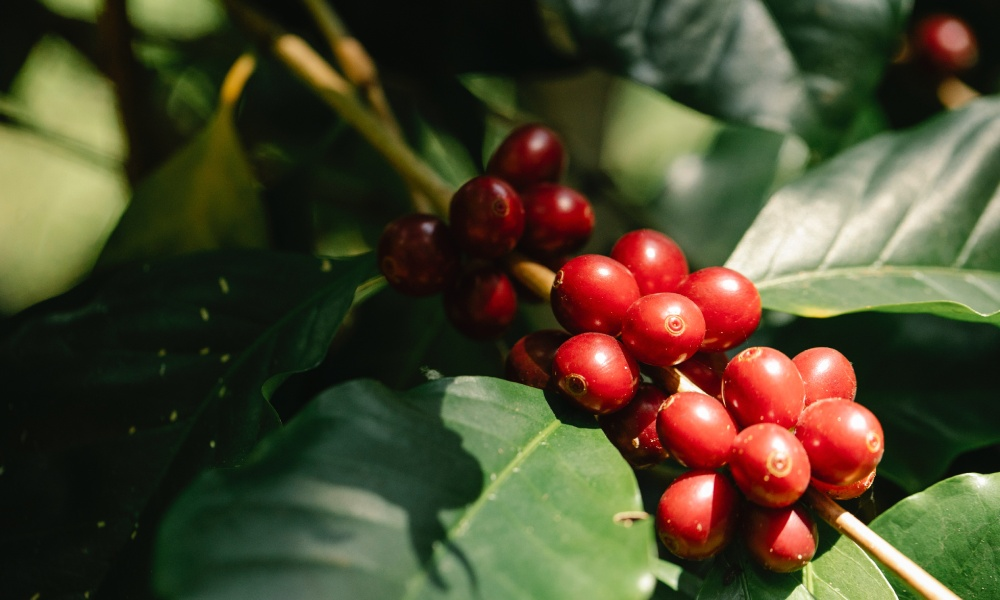
Typica has a telltale feature: copper-colored leaf tips that earned it the nickname "red-topped coffee." The opposing leaves are long ovals with smooth surfaces; the terminal branches are long and sparsely forked, and the white flowers bloom at the nodes where leaf stems meet the branch. Ripe cherries look—and glow—like bright red cherries.
Why Did Japan Once Hold Priority Purchasing Rights?
In 1950 the Jamaican government established the Jamaica Coffee Industry Board, which set and enforced quality standards for all Jamaican coffee and grants the official seals affixed to green and roasted exports. Because Japanese loans helped finance quality improvements, Japan secured guaranteed market access.
By 1981 Jamaica had cleared another 1,500 hectares for coffee, followed by investment in a further 6,000 hectares. Even so, the designated Blue Mountain region remains small—only 6,000 hectares of plantings—so not every coffee sold as "Blue Mountain" can come from there. The other 12,000 hectares grow High Mountain Supreme and Jamaican Prime coffee.
According to 2013 export figures from the Jamaica Coffee Industry Board, 85% of the limited Blue Mountain quota goes to Japan, 5% to the United States, 5% to Europe, and 5% elsewhere. Yet by International Coffee Association estimates, Greater China accounts for about 15% of global authentic Blue Mountain consumption—the surplus being Blue Mountain quotas from Japan, Australia, and Europe reshipped to Taiwan through branch companies.
Jamaica is the only coffee country with a government coffee authority—the Jamaica Coffee Industry Board (CIB), which answers to the Ministry of Agriculture and Fisheries. The CIB handles planting guidance, processing training, fair trade, quality supervision, and everything else touching Blue Mountain quality and brand. Its board members are estate owners of a certain scale (newly certified Blue Mountain estates now need 50 hectares or more). Under CIB rules, only beans grown above 2,200 feet in the Jamaican Blue Mountains may be called Jamaican Blue Mountain, graded by bean size into No.1, No.2, No.3, and hand-sorted PB (Peaberry). No.1 green beans—the baseline grade—must be 17 screen and up, with a defect rate under 3% and moisture around 13%. Blue Mountain coffee remains a washed-only coffee, with no natural or alternative processing recognized.
Another notable company is Coffee Trades under the CLYDESDALE estate name. Its mill sits practically in the backyard of the CIB offices, with the estate on Blue Mountain's mid-slope at about 1,200 meters. Jamaica's two other major Blue Mountain houses are Wallenford and Mavis Bank, both originally state-owned. Wallenford accounts for over 60% of all Jamaican Blue Mountain production and Mavis Bank over 20%; Mavis Bank is also one of the few companies that handles all three Jamaican grades—Blue Mountain, High Mountain, and Prime.
Blue Mountain Grades and Classification
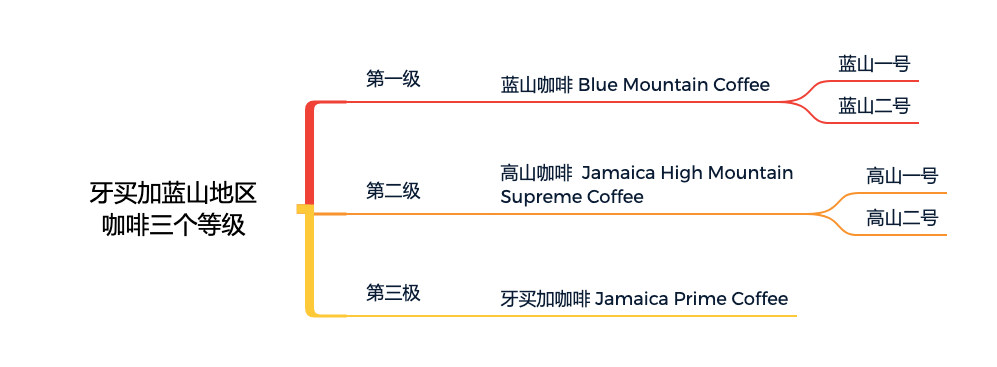
Jamaican coffee traces back to the 18th century, when plantings in the Blue Mountain range were divided into high-altitude Jamaican Blue Mountain coffee, Jamaican High Mountain coffee, and Jamaican coffee, each grade fetching its own price.
(1) Jamaican Blue Mountain Coffee
Both Blue Mountain and High Mountain coffee are split into four quality grades, from highest to lowest: No.1, No.2, No.3, and PB (Peaberry). Under CIB standards, only coffee grown above 666 meters qualifies as Jamaican Blue Mountain—the crown of the category, produced in the Blue Mountain region at roughly 2,000-2,256 meters. Perched on precarious slopes, output is small, but the beans are large, superbly even, and balanced, with acidity, bitterness, aroma, body, and sweetness all present in proportion. It is universally ranked among the world's supreme coffees, and Blue Mountain No.1—the national treasure—commands the highest price of all Blue Mountain grades.
(2) Jamaican High Mountain Coffee
Coffee from areas below 666 meters within the Blue Mountain region is sold as High Mountain coffee. It ranks just behind Blue Mountain in quality and is known in the trade as Blue Mountain's sibling. Given how scarce genuine Blue Mountain is, High Mountain is the best way to taste the Jamaican style.
(3) Jamaican Prime Coffee
Coffee grown outside the Blue Mountain range is simply Jamaican coffee. A persistent misconception among Chinese coffee professionals holds that only coffee grown above 1,800 meters counts as Blue Mountain. In fact there is just a single estate on the peaks above 1,800 meters—Amber, owned by a descendant of Chinese immigrants surnamed Lyn (Lin), whose ancestors came from Guangdong. The estate covers only 30 hectares, so its production is tiny. Blue Mountain coffee is actually spread across five mountain areas: John Crow, St. John's Peak, Mossman's Peak, High Peak, and Blue Mountain Peak.
Authentic Blue Mountain Comes With Certification
The Jamaican government once insisted that all Blue Mountain coffee be roasted on the island to guarantee consistency. But roasting is a delicate craft demanding experience, training, and expensive equipment, and from the consumer's standpoint beans should be consumed promptly after roasting—something island roasting could not deliver. Today, Jamaican green beans may be exported.
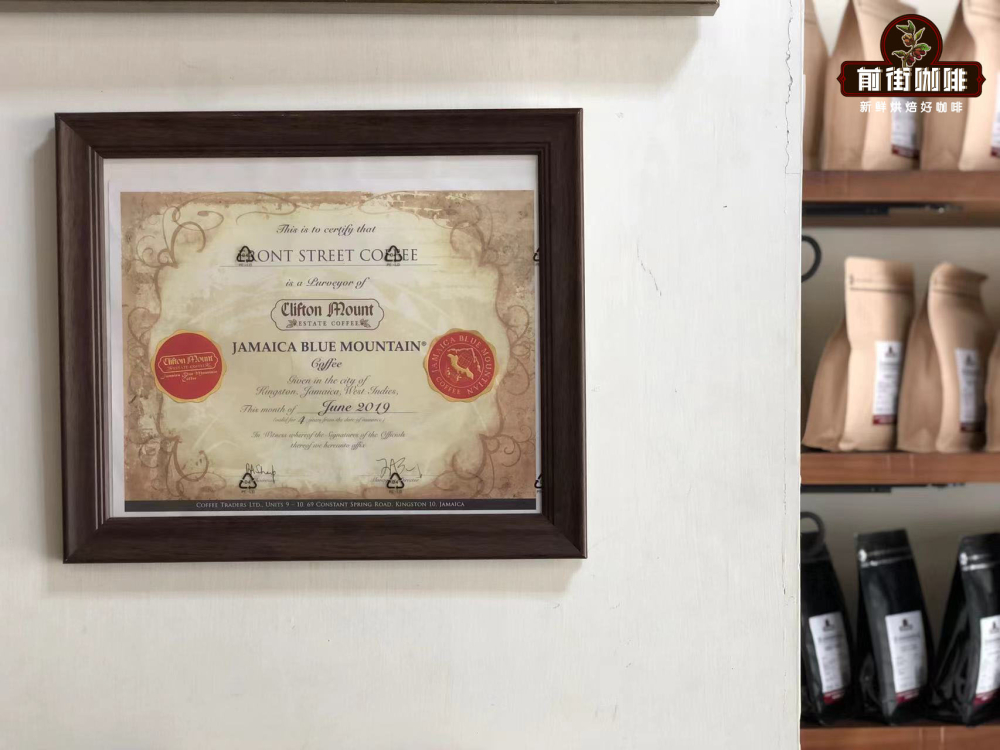
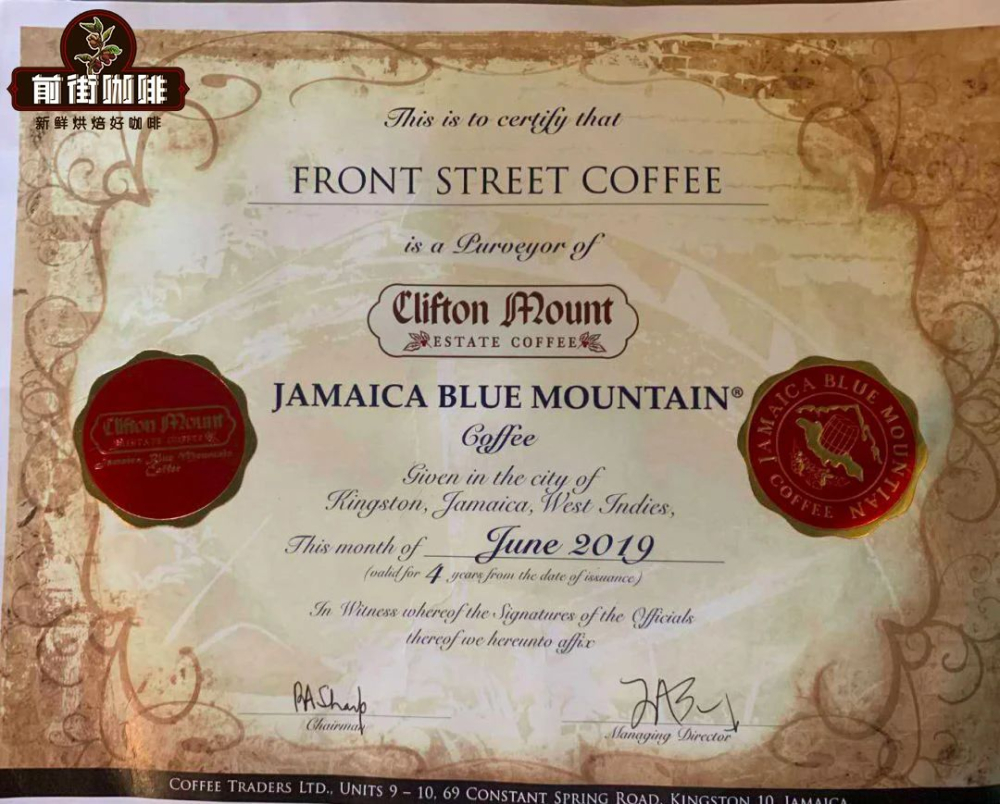
FrontStreet Coffee imports its Jamaican Blue Mountain directly from the origin, and the Jamaica Coffee Industry Board can issue certificates for every Blue Mountain export on the market.
Certificates come in three kinds:
(1) A quality certificate issued by the Jamaica Coffee Industry Board
(2) An authorized-sales certificate issued by the Blue Mountain manufacturer (Blue Mountain coffee is milled by 4 government-licensed producers and exported by 16 licensed exporters)
(3) A certificate of origin for Jamaican Blue Mountain coffee
Quality certificates record the time and quantity of the shipment. The Board draws a random package from each submitted lot for inspection; if it meets Blue Mountain standards, the certificate is issued.
What Blue Mountain Tastes Like
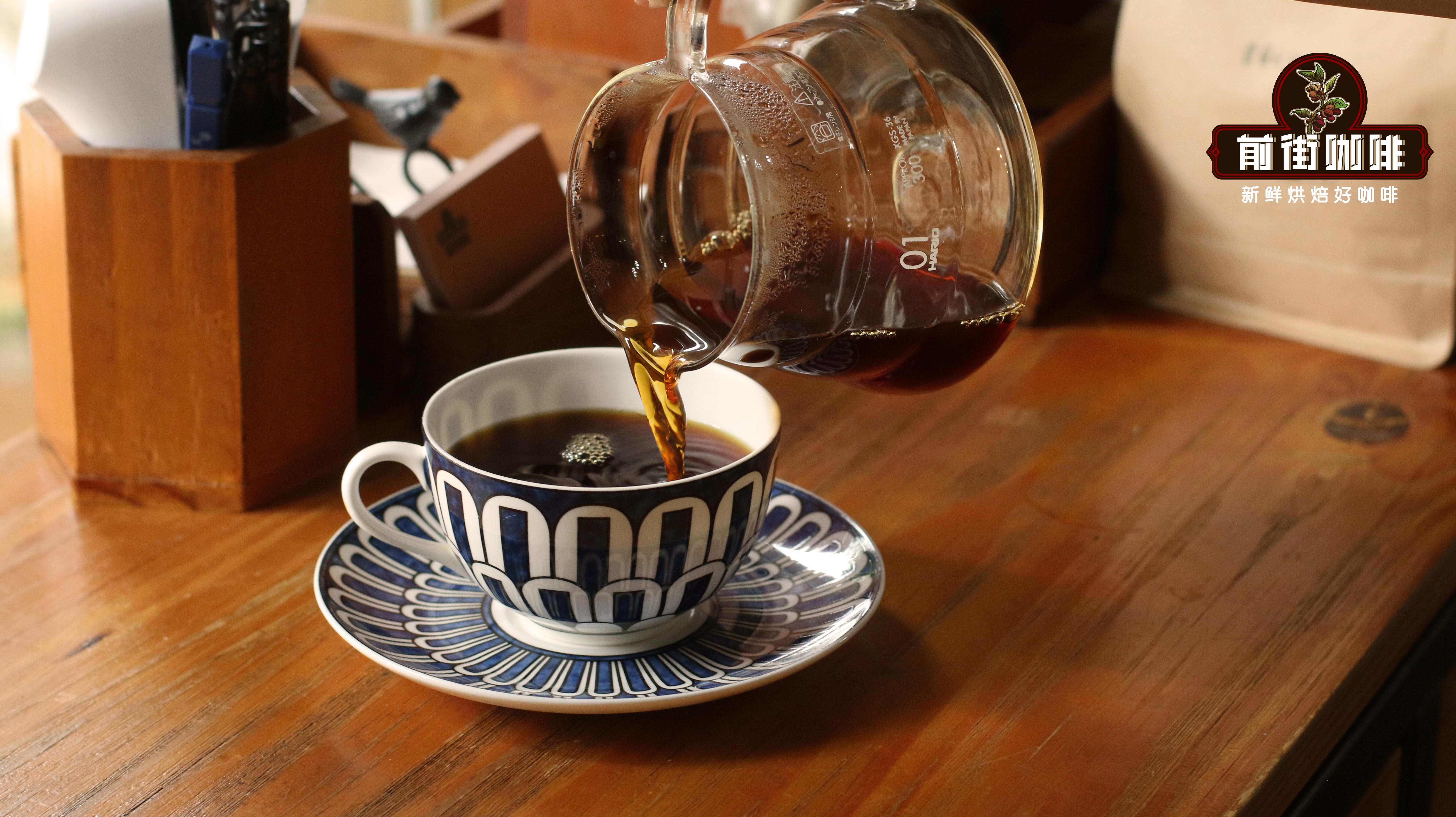
Blue Mountain coffee is remarkably clean—one of the sweetest coffees in the world. Jim Reynolds of Peet's Coffee and Tea put it this way: "The best example of Jamaica's Blue Mountain coffee is its aromatic, smooth richness, which gives me a feeling of gem-like quality. It's as precious as a gem. It's complex but very gentle. It's sweet and has very strong body. You must taste it to know what I'm talking about."
Unique growing conditions and meticulous handling at every step made Jamaican Blue Mountain famous. The cup is rich and mellow, with sweet, sour, and bitter notes in perfect proportion—no harsh bitterness at all, only moderate, polished acidity and a persistent fruity aftertaste.
How FrontStreet Coffee Tells Real From Fake Blue Mountain
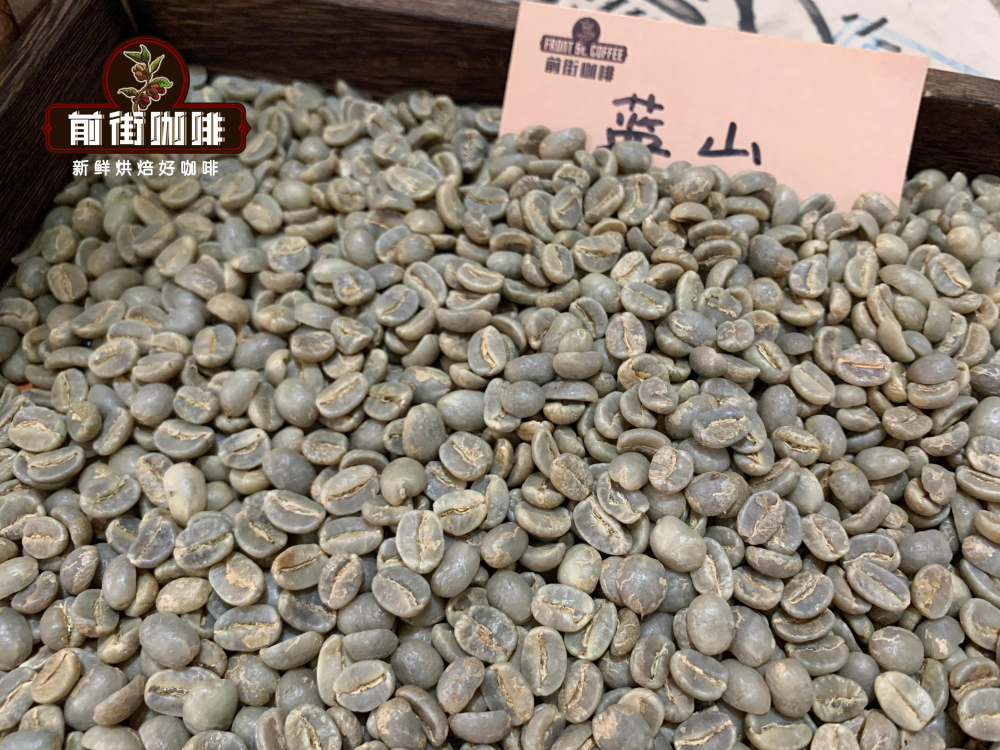
1. Appearance: Blue Mountain green beans are blue-green, very uniform, small to medium in size, with slightly upturned ends. They expand dramatically in the roast and turn impressively full.
2. Grinding: True Blue Mountain grows at high altitude, giving it a relatively loose cellular structure. Grind it by hand and it feels crisp, smooth, and continuous, with no resistance at all.
3. Aroma: The fragrance is intense and dense; so-called "Blue Mountain blend" coffees simply do not smell like this.
4. Taste: Real Blue Mountain is balanced and rich, with no single attribute dominating—an equilibrium no other bean can match, and the single most reliable identification point. Blue Mountain Peaberry is more restrained in aroma but comparatively punchier in the cup.
Brewing Suggestions and Parameters
Common dripper choices include the V60, Kalita wave, and Kono. FrontStreet Coffee demonstrates with the Kono. The reasoning: Blue Mountain is roasted on the darker side, and high brewing temperatures risk over-extraction, so FrontStreet Coffee uses 86°C water. At that temperature a fast-flowing dripper like the V60 can under-extract, whereas the Kono's fewer, shorter ribs hold the filter paper slightly away from the wall, slowing the drawdown and adding a gentle immersion effect. Weighing all the test results, FrontStreet Coffee settled on the Kono.
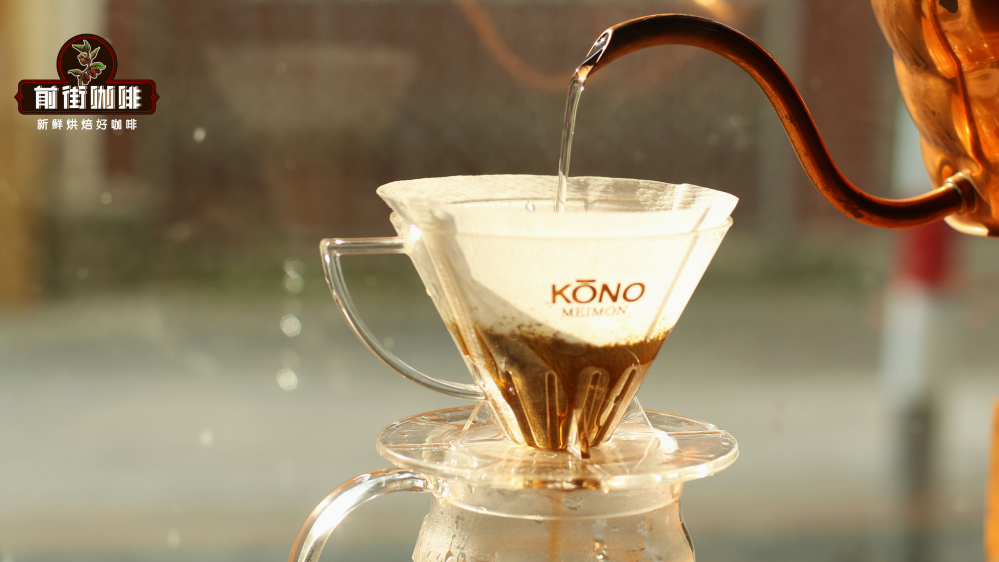
Other parameters: 15g of coffee, 86°C water, a 1:15 ratio, and a BG#5J grind (80% pass on a #20 sieve).
For technique, FrontStreet Coffee pours in three stages. Bloom with 30g of water for 30 seconds, then pour in a small, steady spiral up to 125g and stop. Once the bed is just about to be exposed, resume pouring to 225g and let the extraction finish. Total brew time, bloom included: 2'00".
One final point: the market teems with "Blue Mountain flavor" blends that have no connection to the real coffee. These blends arose because genuine Blue Mountain was always rare and expensive—roasters mixed other beans and roasted dark to imitate the taste. Reputable sellers, at home and abroad, are upfront about it: they label these products "Blue Mountain blend," "Blue Mountain style," or "Blue Mountain flavor," never genuine Blue Mountain.
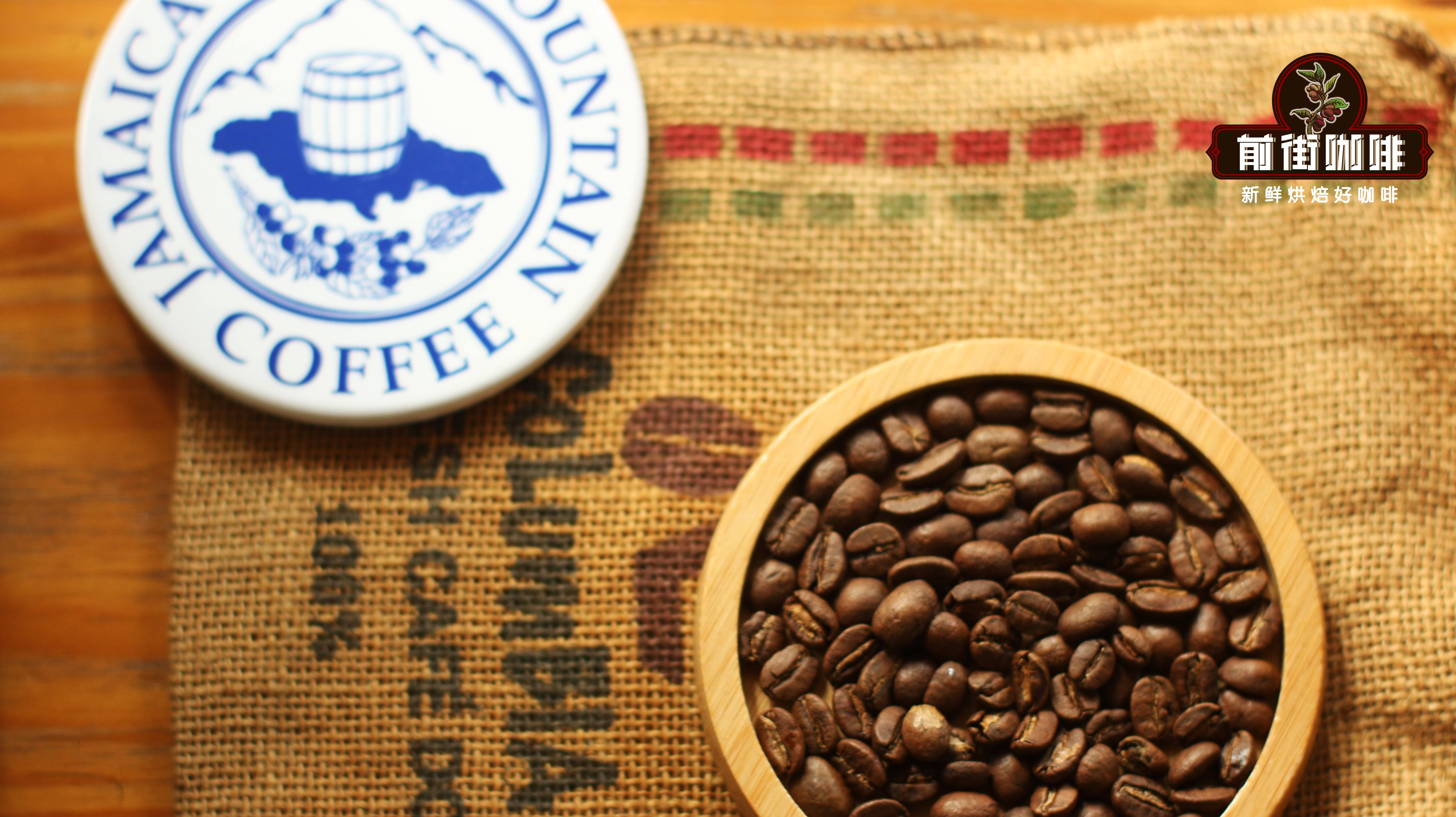
Authentic Blue Mountain and "Blue Mountain flavor" are two entirely different things. A "Blue Mountain flavor" product uses other varieties roasted to mimic the taste, and the visibly mismatched beans in a "Blue Mountain blend" make it fairly easy to spot. And never believe in "premium Blue Mountain" at a few dozen yuan per jin, or "Blue Mountain coffee" for barely ten-odd yuan a cup.
FrontStreet Coffee Recommendation
For coffee lovers, Blue Mountain is practically unavoidable: in the era before specialty coffee spread, "treating someone to Blue Mountain" was shorthand for the finest coffee money could buy. Strictly speaking, only coffee grown in the designated zone of Jamaica's Blue Mountains and certified by the Jamaican authorities may be called Jamaica Blue Mountain Coffee. The mountains—among the highest in the Caribbean at 2,256 meters—are wrapped in year-round cloud, hence the name. Wide day-night temperature swings stretch the cherries' ripening cycle, fertile volcanic soil feeds the trees, and even, gentle rainfall lets the fruit slowly build sugars and flavor compounds. Genuine Blue Mountain's greatest charm is its near-perfect balance: none of the aggressive fruit acid of many African coffees, none of the heavy bitterness of dark roasts—just cream, caramel, chocolate, nuts, honey, and a whisper of fruit, with a soft, rounded entry, a richly sweet middle, and a clean, lingering finish.
FrontStreet Coffee's Blue Mountain No.1 comes from historic Clifton Farm, which has been growing and milling coffee since roughly 1750 at an average elevation of about 4,300 feet (1310.64 meters), where ample altitude, mild afternoon cloud cover, good sun, and mineral-rich soil extend the cherries' maturation. As one of the highest grades of Jamaican Blue Mountain, No.1 is held to strict standards for bean size, defect rate, and overall quality, and FrontStreet Coffee can trace every lot through complete origin certification and the original shipping barrels—traditional Blue Mountain barrels come in 15, 45, and 70 kg sizes, and the barrels themselves are proof of authenticity. The beans are roasted within 5 days of shipping and finished at a medium-dark roast to bring out the classic mellow character, best enjoyed 4-7 days off roast. To brew, FrontStreet Coffee suggests a Kono dripper with 15g of coffee, a grind slightly coarser than for light roasts (about the texture of white granulated sugar), 87-88°C water, and a 1:15 ratio: bloom with 30g of water for 30 seconds, pour to 120g and pause, then finish to 225g, keeping the last pour a little faster to avoid clogging and over-extraction. Expect nuts, dark chocolate, creamed caramel, and a gentle sweetness unfolding in layers, with acidity, sweetness, bitterness, and aroma in effortless harmony—the enduring appeal of a legend several decades strong.
Important Notice :
FrontStreet Coffee is a long-established specialty coffee roaster in Guangzhou China, selling freshly roasted beans from its own farm in Yunnan as well as dozens of carefully selected single-origin beans from around the world for both pour-over and espresso. The products deliver consistently excellent quality and great value, with shipping within 24 hours. Guangzhou's FrontStreet Coffee shop is recommended by many coffee lovers, and the beans are now available online at the Tmall 。
FrontStreet Coffee has moved to a new address:
FrontStreet Coffee Address: 315,Donghua East Road,GuangZhou
Tel:020 38364473
 Scan and follow the En Gafei WeChat official account. Please indicate that the reprint comes from "En Gafei".