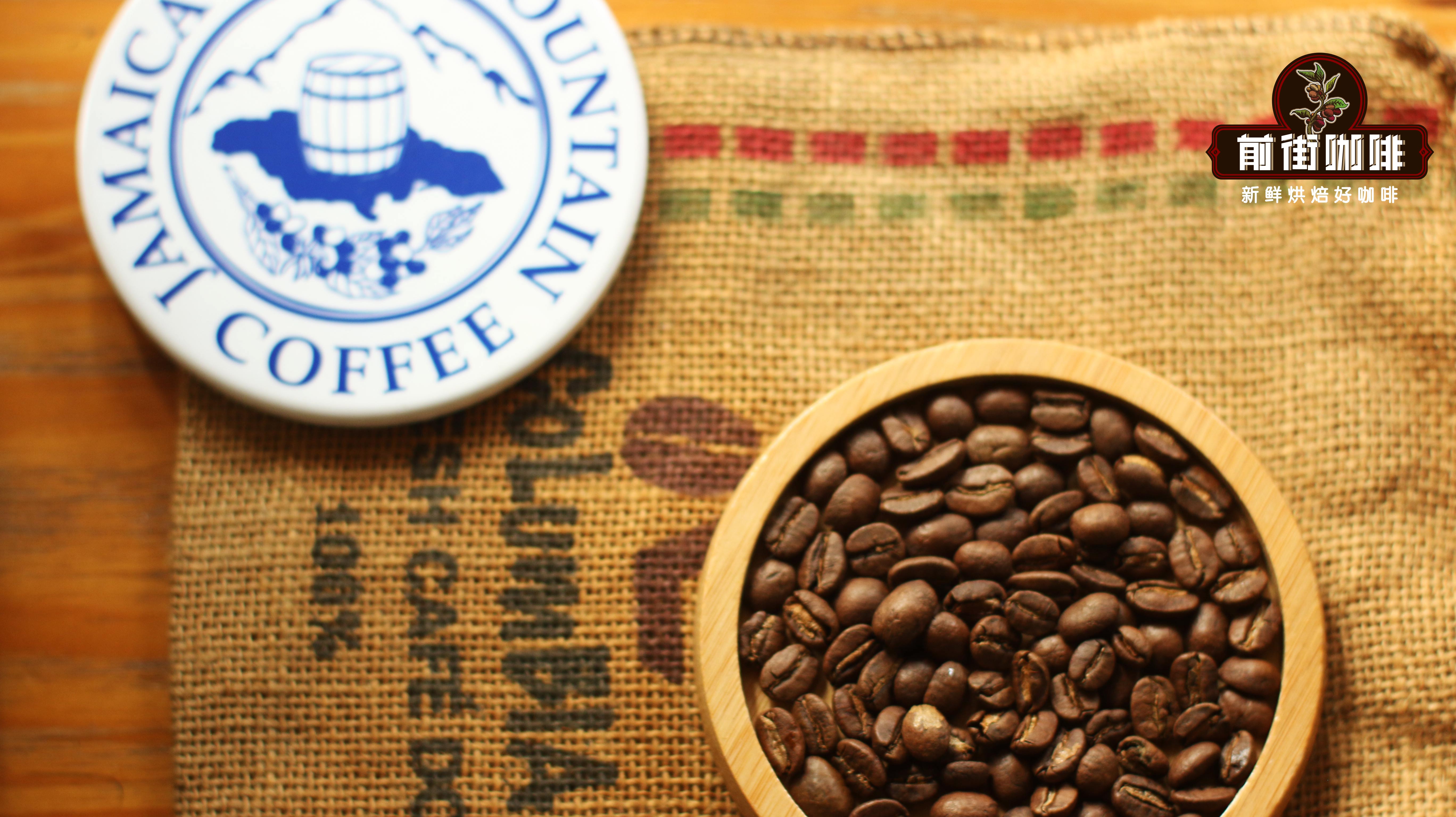
Coffee Varieties: An Introduction to Arabica and Robusta
Coffee Varieties: Arabica and Robusta
Coffee comes in many varieties, but two species dominate the market: Arabica and Robusta. Unless a bag of beans is explicitly labeled Robusta, nearly everything else you'll encounter — FrontStreet Coffee Yirgacheffe, FrontStreet Coffee Mandheling, FrontStreet Coffee Colombia, and so on — belongs to the Arabica species, whether as an original variety or one of its many sub-varieties.
Key Differences
Price. Arabica generally commands a higher price than other coffee beans.
Growing conditions and caffeine. Arabica does best at high altitudes with cooler temperatures, which keeps yields low but flavor rich, with elegant body and acidity; its caffeine content is about 1% of the bean's weight. Robusta is the opposite: grown at lower altitudes in hotter climates, it yields far more, tastes flatter, carries roughly 2% caffeine (around 3.2% in most commercial grades), and sells for less.
Cup quality. Grown well, Arabica produces flavors far more refined than Robusta can reach — which is why it remains the reference point for quality coffee.
In FrontStreet Coffee's view, Arabica and Robusta aren't simply "better" and "worse." They are different tree species with different jobs — more like beef cattle and dairy cattle: asking which is better misses the point of what each is bred for.
Even 100% Arabica beans aren't automatically good coffee, and a blend carrying well over half Robusta can still be genuinely excellent. Blending was popularized for espresso in the first place — though using blends as a smokescreen for unlabeled single-origin coffee is another matter entirely.
Robusta Coffee
Robusta adapts easily, cultivates without fuss, grows fast, and yields heavily. Its green processing is generally rough, and quality runs low (a small amount of fine washed Robusta aside). The beans look round and rugged, relatively small and uneven in size, with a bold, heavy flavor dominated by bitterness. Because of the crude green processing, they often carry unpleasant rubbery or musty odors. The vast majority of Robusta is unsuitable as single-origin coffee; a small share goes into espresso blends at very low proportions (though a handful of top-grade fine Robustas can justify far more). Most Robusta ends up in instant coffee — its extraction yields roughly twice the liquid of Arabica — as well as canned and ready-to-drink coffees and other industrial products. Its caffeine content far exceeds Arabica's, at approximately 3.2%.
Arabica Coffee
Arabica is the demanding one: strict growing requirements, weaker disease resistance, a need for higher altitude, slower growth — and correspondingly higher quality with far more careful green processing. The beans are elegant and slender, relatively large and uniform, and each origin brings its own distinct flavors and aromas, with rich, layered textures. That is what makes Arabica the only one of the two species that stands on its own as single-origin coffee, at home both in the pour-over kettle and in an espresso blend.
FrontStreet Coffee Recommendation
All this talk of species aside, the surest way to understand why Arabica is prized is simply to taste a great one. Start with FrontStreet Coffee's washed Yirgacheffe daily bean — white jasmine, bright citrus and lemon acidity, and a tea-like finish, at a friendly price that has made it many drinkers' first specialty coffee. Yirgacheffe, a small town in southern Ethiopia's Sidamo region at 1,700-2,100 meters with coffee planted above 1,800 meters, earned its independence from Sidamo precisely because its white-floral, citrusy profile is so unmistakable.
For a more textured take, try FrontStreet Coffee's natural Red Cherry lot: only fully ripe cherries are picked, screened at the station, then sun-dried on raised beds, turned every 2-3 hours in the first days to prevent uneven fermentation, and dried for three to five weeks before the outer pulp is stripped. Because the fruit dries on the bean, the cup keeps classic Yirgacheffe character while gaining tropical-fruit aromatics — citrus acidity, a berry juice-like body, honeyed sweetness, and a creamy smoothness.
Important Notice :
FrontStreet Coffee is a long-established specialty coffee roaster in Guangzhou China, selling freshly roasted beans from its own farm in Yunnan as well as dozens of carefully selected single-origin beans from around the world for both pour-over and espresso. The products deliver consistently excellent quality and great value, with shipping within 24 hours. Guangzhou's FrontStreet Coffee shop is recommended by many coffee lovers, and the beans are now available online at the Tmall 。
FrontStreet Coffee has moved to a new address:
FrontStreet Coffee Address: 315,Donghua East Road,GuangZhou
Tel:020 38364473
 Scan and follow the En Gafei WeChat official account. Please indicate that the reprint comes from "En Gafei".