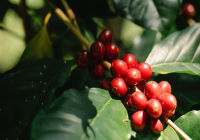
Yunnan Coffee Tree Growing Conditions | Where Can Coffee Trees Be Planted in China | Is Yunnan Coffee Good?
Most single-origin beans on the specialty coffee market today come from abroad. So where in China can coffee trees actually be grown? According to FrontStreet Coffee's understanding, the regions suited to coffee cultivation in China include Yunnan, Fujian and Guangdong. Among them, Yunnan coffee is the best known and the best in the cup. In recent years Yunnan coffee has become increasingly active on the specialty market, with real potential behind it. FrontStreet Coffee, for example, has established a dedicated plantation in Baoshan, Yunnan, specifically for Typica coffee trees. This article gives an overview of the growing conditions in Yunnan's coffee-producing regions and the flavour characteristics of its coffee.
History of Coffee Cultivation in Yunnan's Coffee-Producing Regions
Although Yunnan coffee has only gained fame in recent years, it is currently China's largest coffee-producing region, with a cultivation history spanning one century.
According to FrontStreet Coffee's research, Yunnan's coffee cultivation can be traced to 1892. More than 100 years ago, the French missionary Father Tian Deneng planted the first coffee tree in Zhukula Village, Binchuan County, Dali City — generally considered the earliest record of coffee being introduced to Yunnan. Over the following 100 years, coffee trees did not spread widely in the region.
It was not until 1904 that the French missionary Tian Deneng brought coffee seeds from abroad into Yunnan and successfully planted the first coffee tree in a village called Zhukula, now part of Binchuan County, Dali. This can be taken as the beginning of Yunnan's coffee cultivation history.
After 1930, the renowned overseas Chinese leader Mr. Liang Jinshan brought coffee to Pupiao and Luoming for cultivation, and this continued until after the founding of New China.
After 1952, under the guidance of expert Ma Guojin from the Baoshan Tropical Crop Research Institute, areas such as Lujiang began large-scale coffee cultivation. Large-scale growing now spans nearly 60 years. At that time, every coffee variety cultivated in Yunnan was Typica.
In 1992, with further reform and opening up, foreign companies including Nestlé entered Yunnan to develop the coffee industry. Large-scale cultivation of the Catimor variety supplied by Nestlé began. Catimor is known for strong disease resistance and high yield, and it quickly replaced Typica, which had excellent flavour but was delicate and weak. Catimor became Yunnan's primary coffee variety. During that period, the main use of Yunnan coffee was as raw material for Nestlé's instant coffee.
By the end of 1997, Yunnan's coffee cultivation area had reached 7,800 hectares. To this day, FrontStreet Coffee understands that Yunnan accounts for 70% of China's coffee cultivation area and 83% of national production. In both planted area and output, Yunnan has established a dominant position in the domestic coffee market.
Growing Conditions in Yunnan's Coffee-Producing Regions
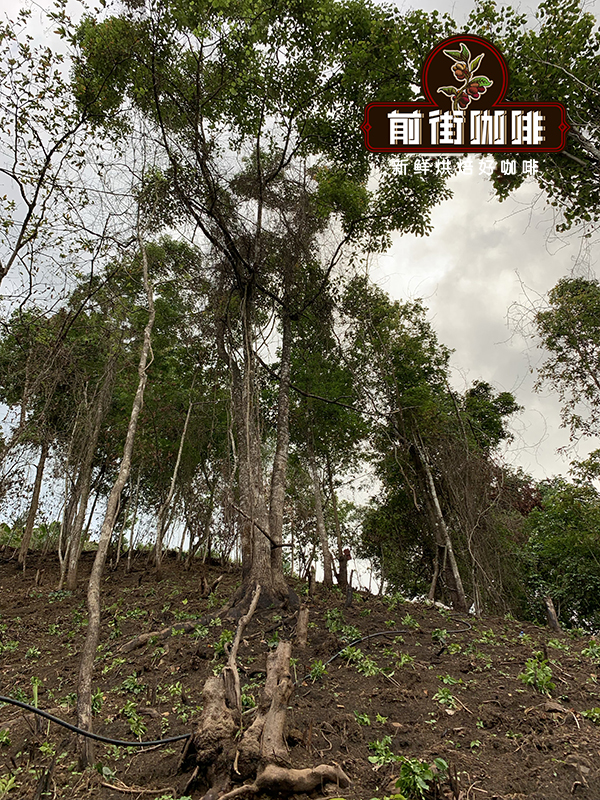
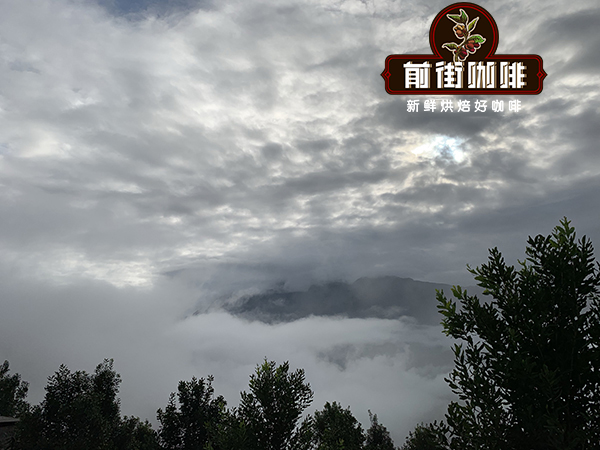
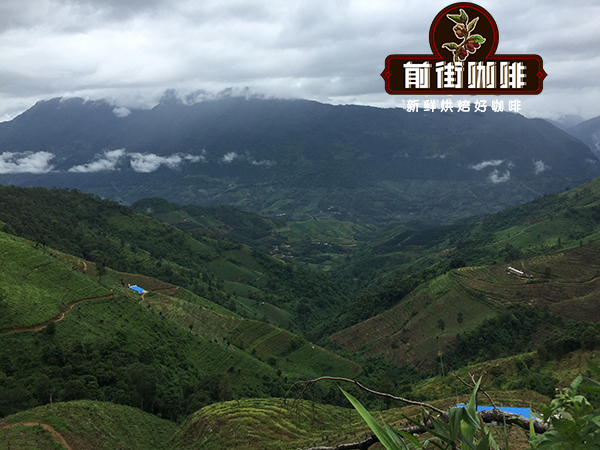
According to FrontStreet Coffee's understanding, the reason Yunnan dominates China's coffee market is geography: the western and southern parts of the province sit between 15°N latitude and the Tropic of Cancer. Most areas lie at elevations of 1,000–2,000 metres, with predominantly mountainous, sloped terrain. The region has significant elevation changes, fertile soil, abundant sunshine, rich rainfall and large day-night temperature differences — all extremely suitable for Arabica cultivation.
Previous FrontStreet Coffee articles have noted that a great bean's flavour depends on its growing region, variety and processing method. Next, FrontStreet Coffee looks in detail at Yunnan's high-quality coffee-growing regions.
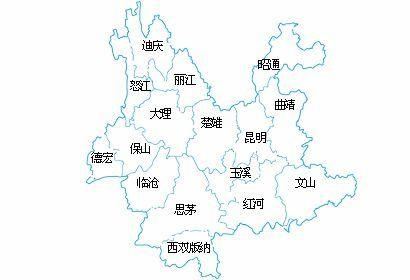
Yunnan's Coffee-Producing Regions
Yunnan coffee is grown mainly in the southern and western parts of the province: Pu'er, Xishuangbanna, Wenshan, Baoshan, Dehong and Lincang.
Dehong: known as the "Coffee Town of China." All coffee cultivation in Dehong Prefecture takes place above 1,000 metres, with 30,000 mu planted on mountain areas above 1,600 metres. Dehong also relies mainly on organic fertilisers and organic pesticides, which puts its coffee among the world's finest premium producing regions.
Baoshan: coffee growing in Baoshan began in the mid-1950s, when the first seedlings were introduced from Southeast Asia by the late patriotic overseas Chinese Mr. Liang Jinshan. In recent years, as international trade expanded, Lujiangba's small-seed coffee has become renowned. European, American and Arab buyers — especially merchants from Britain, America, Egypt, Hong Kong and Macau — regard it as premium coffee, and supply cannot keep up with demand. In December 2010, after review by China's General Administration of Quality Supervision, Inspection and Quarantine, national geographical indication product protection was granted to "Baoshan Small-Seed Coffee."
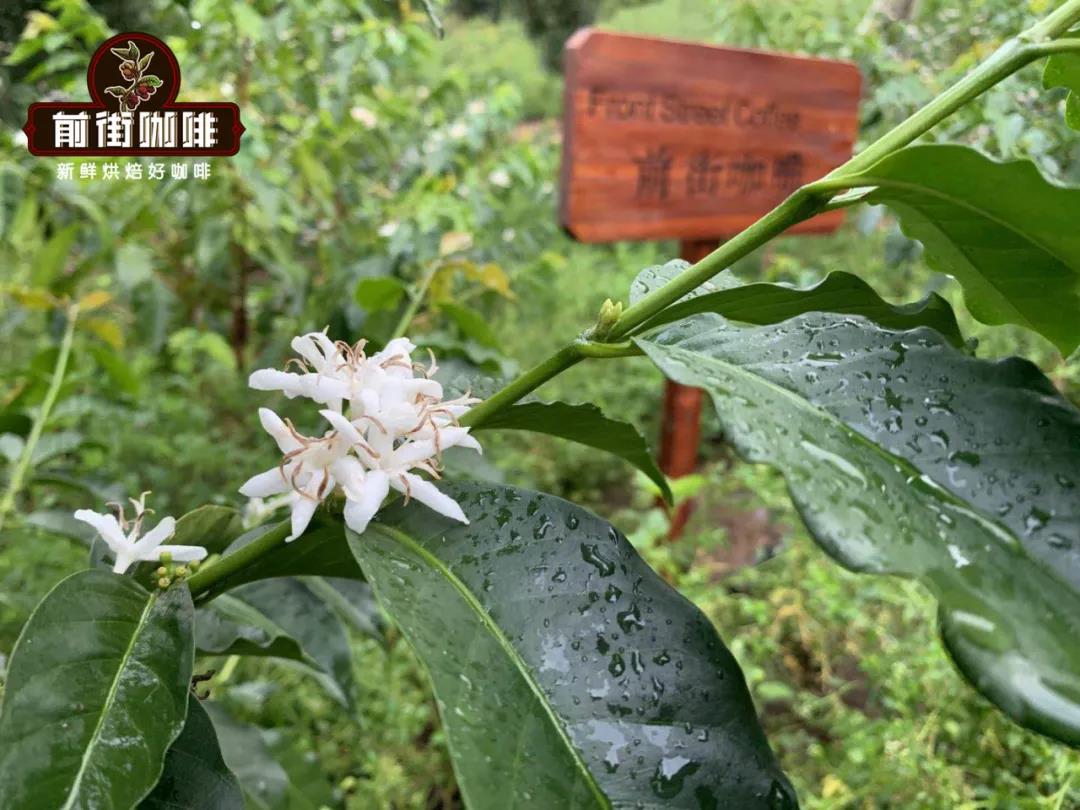
FrontStreet Coffee chose to grow coffee on the border between Yunnan's Baoshan and Myanmar because Baoshan has an average temperature of 21.5°C, peaking at 40.4°C, and is essentially frost-free all year — a recognised optimal region for small-seed coffee. Coffee grown here is known at home and abroad for being rich without bitterness and aromatic without harshness, with small, uniform beans, a rich mellow aroma and fruity notes. Yunnan Baoshan small-seed coffee has a long cultivation history and can be considered a national geographical indication product.
Lincang: a unique geographical position and climate have made Lincang a focus for many coffee companies. High-quality seedling bases of 200 mu and 100 mu have been established in Mengding Town in Gengma Autonomous County and at Xinfu Farm in Lincang, with coffee grown in Gengma, Zhenkang, Yun County, Cangyuan and Yongde.
Pu'er: the Pu'er tea region has a 150-year history of coffee cultivation. In the early 1990s, Pu'er City began growing coffee as an advantageous backbone industry for adjusting its industrial structure and raising farmers' incomes.
Yunnan Coffee Bean Varieties—Small-Seed Coffee Varieties
According to FrontStreet Coffee's understanding, because Yunnan's coffee history lags behind many other countries, it has grown a number of varieties, including Catimor, Typica, Bourbon, Caturra and Catuai. Almost all coffee found on the market, however, is Catimor, because it has the highest productivity. Compared with varieties that are harder to cultivate, more farmers choose the cost-effective Catimor tree.
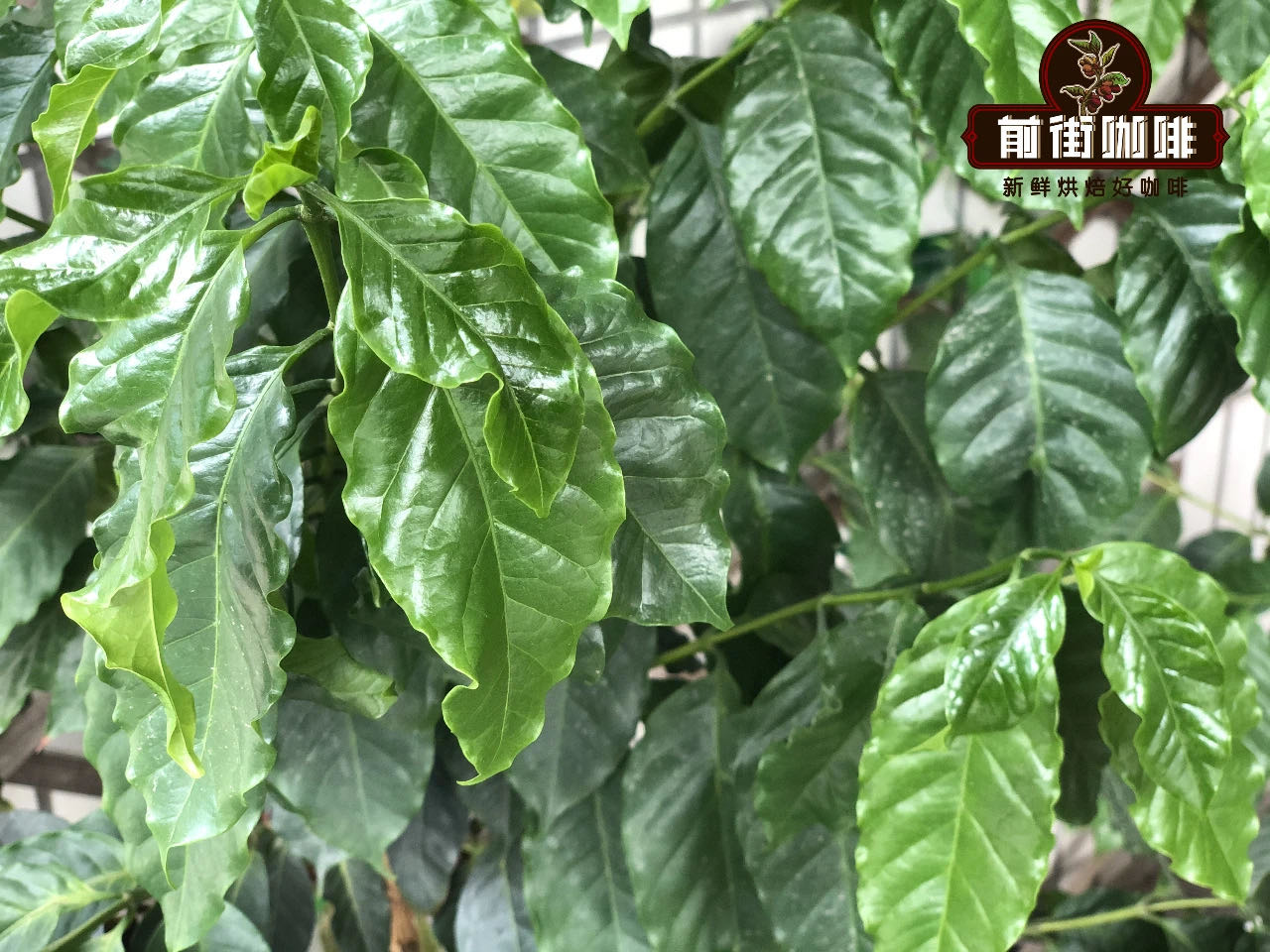
Typica
Typica is the oldest Arabica native variety on the market today, and virtually all Arabica varieties descend from it. Typica has an elegant flavour but is physically weak, with low disease resistance and susceptibility to leaf rust, so yields are low and the economics are poor. In recent years Typica in Central and South America has gradually been replaced by Caturra and Catuai, making it increasingly rare. Although Typica's flavour is elegant, it is nowhere near as widespread as Bourbon.
The reason FrontStreet Coffee's Yunnan plantation focuses on Typica is that the variety offers a clean, subtle flavour and balanced structure with high flavour clarity. Difficult as it is to grow, FrontStreet Coffee still hopes to let coffee lovers taste the best that Yunnan coffee can offer.
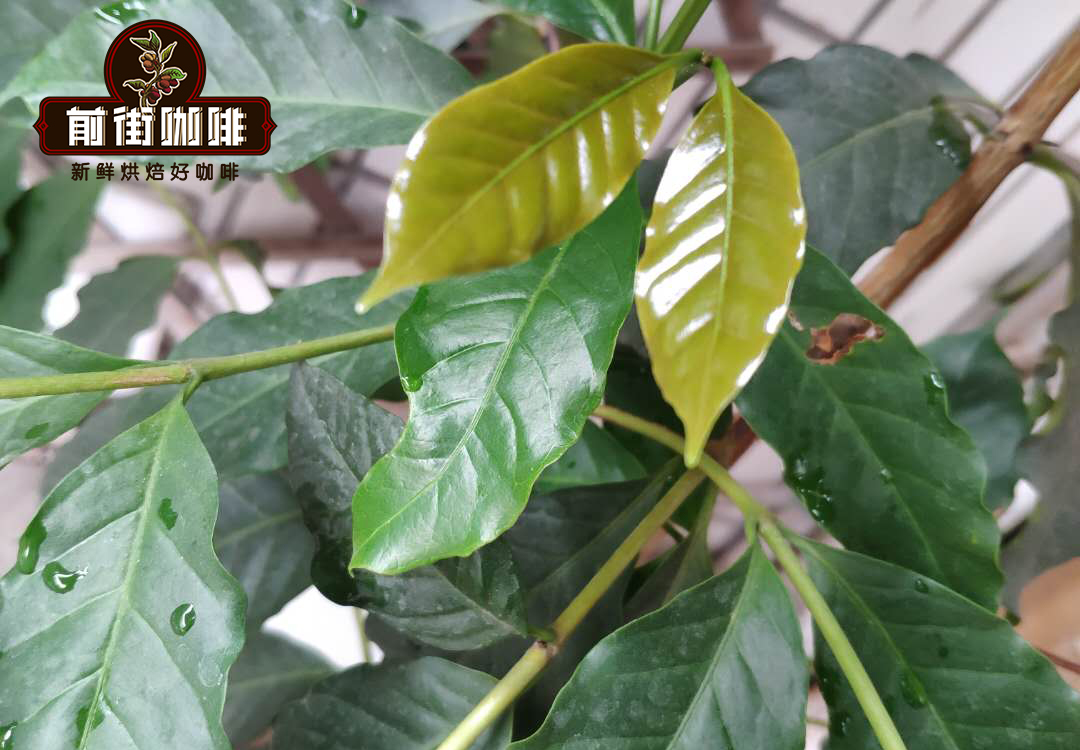
Catimor
Catimor is a hybrid of Arabica and Robusta. Robusta resists leaf rust well and carries rich oils, with high yields and easy cultivation. Hybridised with Arabica's Typica, Catimor acquired 25% Robusta genes, improving leaf rust resistance while keeping the rich oils and retaining some of the original Typica flavour.
FrontStreet Coffee therefore offers two Yunnan varieties: a washed Typica and a Catimor. Yunnan Typica is labelled as Yunnan specialty coffee, while Yunnan Catimor is labelled, by market custom, as Yunnan small-seed coffee. FrontStreet Coffee roasts both to a medium level, because Yunnan is not an acidic region — the beans are relatively balanced, with nut and brown sugar as base notes.
Yunnan Coffee Processing Methods
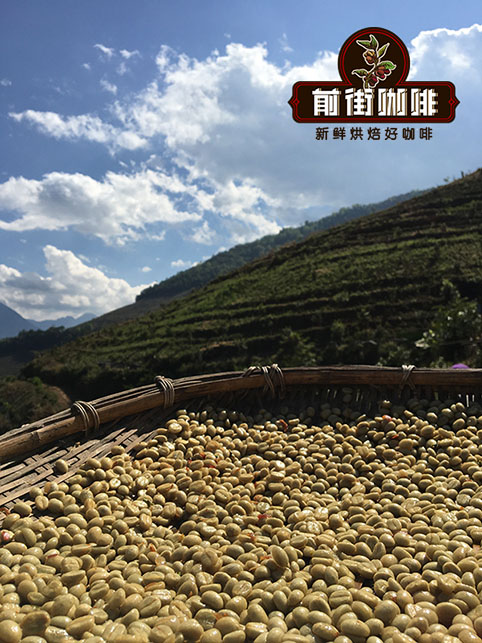
According to FrontStreet Coffee's understanding, many processing methods have been applied to Yunnan coffee, but FrontStreet Coffee's Yunnan beans currently use mainly the washed method. Washed processing best showcases a bean's original flavour while making it cleaner and brighter and reducing off-flavours. FrontStreet Coffee uses washed processing so that visitors to FrontStreet Coffee's shop can taste the most authentic, original Yunnan flavour.
For Catimor, however, FrontStreet Coffee uses the natural method. Naturally processed beans are more intense and layered thanks to extended sun exposure, with wine-like fermentation notes and higher sweetness.
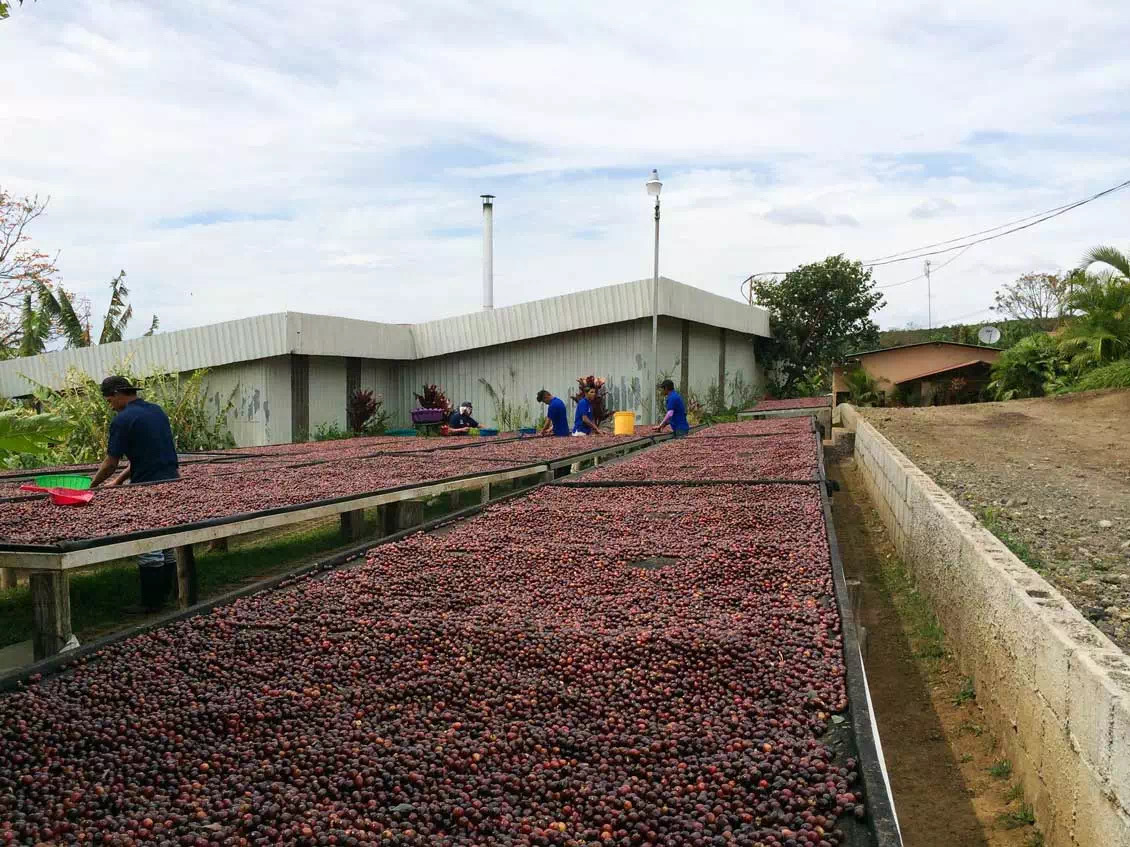
The drying degree of coffee cherries is also hard to control: if the drying floor is not clean, the beans readily absorb impurities and the defective count rises. During drying the cherries keep their fruit and pulp, making mould and spoilage a real risk.
Fortunately, as techniques have developed, farmers chasing higher-quality natural coffee have begun using instruments and manpower to closely monitor fermentation and drying, removing any cherry that looks abnormal. This costs more but is far more meticulous, and the result is what is called "fine natural." Many coffee lovers still prefer naturally processed coffee, so FrontStreet Coffee continues to offer this Yunnan natural Catimor, allowing a direct flavour comparison with washed Yunnan small-seed coffee.
Yunnan Coffee Grading System
According to FrontStreet Coffee's understanding, Yunnan coffee has its own set of grading standards, much like producing countries abroad. Because the cultivation history is relatively short, however, overall development is still immature, and the grading system remains somewhat disorganised.
(1) Common international grading standards:
Coffee beans are graded by size using round-hole grading screens. International standard small-seed coffee sizes range from grades 10–20, where the number represents a fraction with that number as the numerator and 64 as the denominator, measured in inches. For example: Grade 14 refers to green beans that pass through a screen with 14/64-inch holes, while Grade 19 refers to green beans that pass through a screen with 19/64-inch holes. (1 inch ≈ 2.54 cm)
(2) Common domestic grading standards:
Divided into five grades according to screen holes of 6.5mm, 6.0mm, 5.5mm and 5.0mm.
Grade 1: above 6.5mm, full and complete beans.
Grade 2: 6.0–6.4mm, full and relatively uniform.
Grade 3: 5.3–5.9mm, relatively full, slightly less uniform.
Grade 4: 5.0–5.4mm, incomplete beans, with 75% or more complete.
Grade 5: below 5.0mm, incomplete beans, with 30% or more complete.
(3) International standards for small-seed coffee defect inspection:
Graded according to the number of defects present, usually by counting defects in a given quantity of beans. Following the method prescribed by the International Organization for Standardization for identifying impurities and defective beans in coffee, a 300g sample is randomly selected and its impurities and defective beans counted for grading.
That covers the relevant information on China's single-origin Yunnan coffee that FrontStreet Coffee has compiled, in the hope of helping coffee lovers who want to understand the subject. Next, FrontStreet Coffee shares several high-quality single-origin Yunnan coffees.
Single-Origin Yunnan Coffee Bean Recommendations
FrontStreet Coffee Yunnan Huaguoshan Coffee Beans
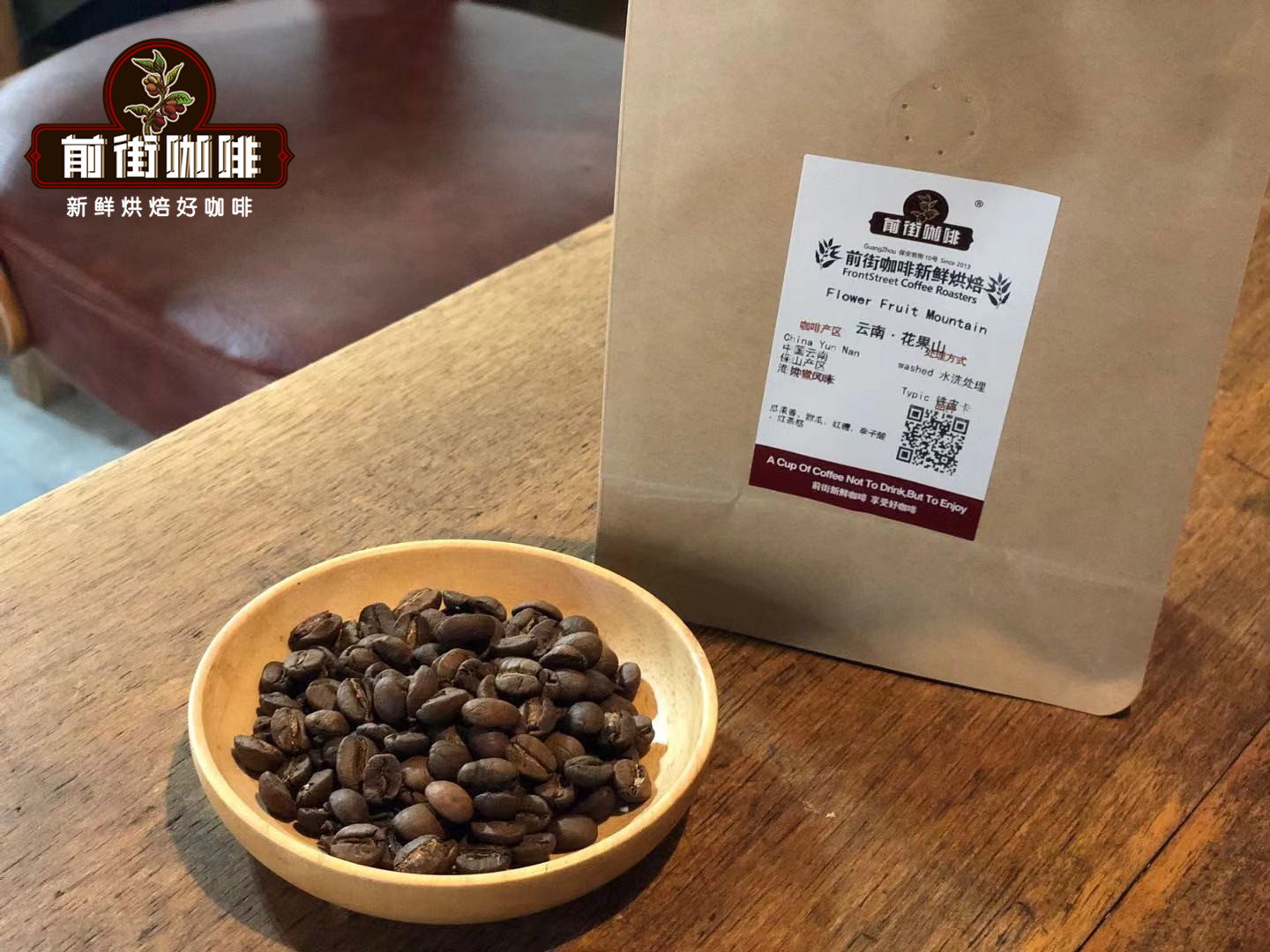
Country: China
Region: Yunnan Baoshan
Altitude: 1450-1550m
Variety: Typica
Processing: Washed Processing
Flavor: Citrus, nuts, plum, melon aroma, brown sugar, black tea sensation
What sets FrontStreet Coffee's Yunnan Huaguoshan apart from Yunnan small-seed coffee is that Huaguoshan is Typica, while small-seed coffee is Catimor. Both can in fact be called small-seed coffee, but because Typica's floral and fruity acidity is gentler and richer, it was given the name Huaguoshan to distinguish the two varieties.
FrontStreet Coffee Yunnan Small-Seed Coffee Beans (Daily Bean)
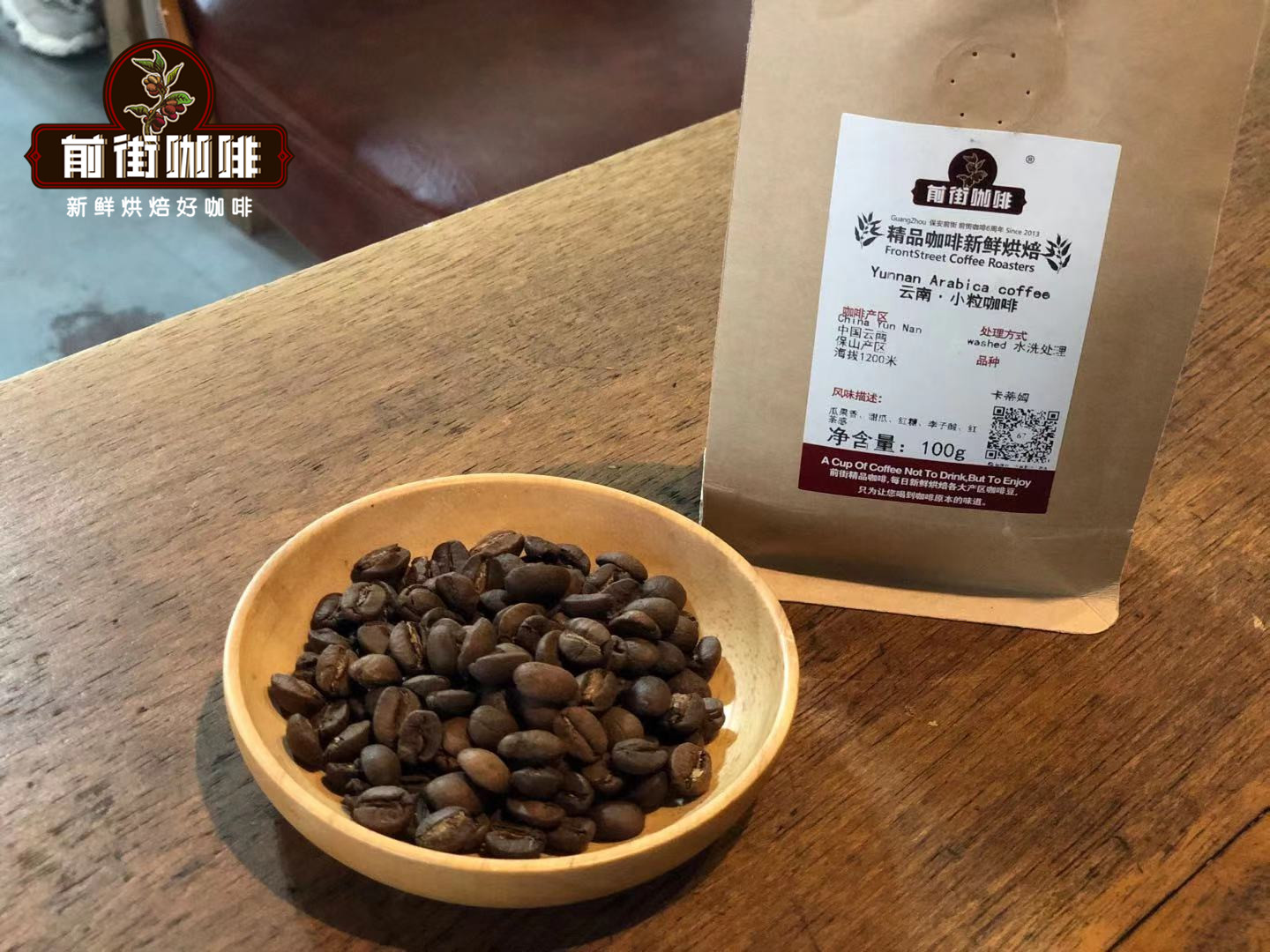
Country: China
Region: Yunnan Baoshan
Altitude: 1200m
Variety: Catimor
Processing: Washed Processing
Flavor: Herbal, nutty aroma, chocolate, caramel
Yunnan small-seed coffee refers to small-seed coffee grown in Yunnan. Coffee is an evergreen small tree of the Rubiaceae family, native to Africa; the main beverage species cultivated today are small-seed and medium-seed coffee. Small-seed coffee grown in Yunnan traditionally refers to a mixed population of Bourbon and Typica varieties.
Small-seed coffee is the most widely cultivated species in the Coffea genus. It resists cold well and tolerates short periods of low temperature, so it can grow on mountains up to 2,100 metres in tropical regions, but it is not drought tolerant. Its branches are relatively fragile and cannot withstand strong winds, disease resistance is comparatively weak, and the fruit falls easily once ripe. After processing, the coffee tastes mellow and has a lower caffeine content.
FrontStreet Coffee Yunnan Natural Catimor Coffee Beans
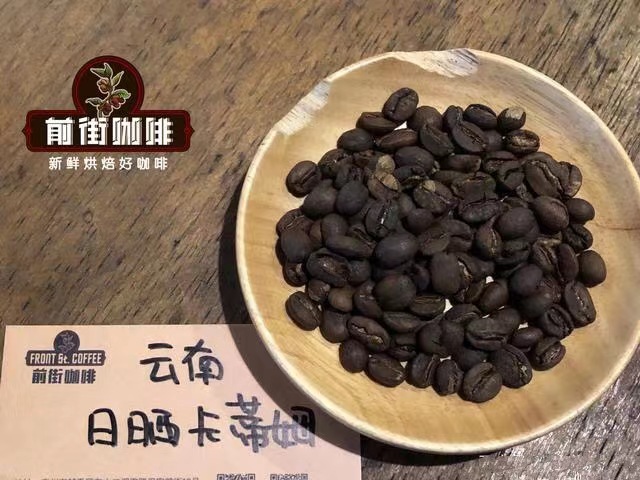
Country: China
Region: Yunnan (Baoshan)
Altitude: 1450-1550m
Variety: Catimor
Processing: Red Cherry Natural Processing
Flavor: Caramel, dried fruit, cocoa, dark chocolate, herbal, woody
Today most of Yunnan's cultivation is Catimor, a hybrid of the Arabica species' Bourbon-lineage branch Caturra and Robusta. Farmers favour it because Catimor's Robusta genes make it more disease-resistant than the old single varieties and give it better yields. Compared with delicate old varieties that resist disease poorly and yield little, Catimor is the natural choice — which is why a Catimor trend has swept across Yunnan.
Is Yunnan Coffee Good to Drink?
As for whether single-origin Yunnan coffee tastes good, you probably already have your answer. Its potential is unlimited, otherwise it would not be favoured by so many industry leaders. Before launching any new bean, FrontStreet Coffee runs roasting and brewing tests to select the best flavour profile, so that future brews can be shared with coffee lovers who visit FrontStreet Coffee. Below, FrontStreet Coffee shares the roasting and brewing data for Yunnan Huaguoshan coffee.
FrontStreet Coffee Yunnan Huaguoshan Coffee Roasting Recommendations
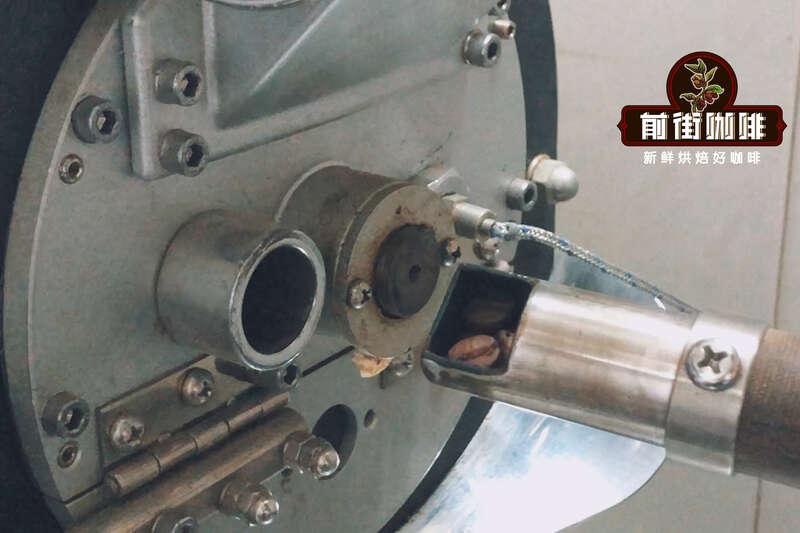
General coffee beans have a moisture content of 10.9%, so FrontStreet Coffee's roaster plans to charge at 200°C, then use high heat and low airspeed to accelerate dehydration. After the dehydration phase ends, it uses medium airspeed and medium heat to avoid rushing the Maillard reaction, with 3 minutes of development after first crack. Return temperature: 1 minute 32 seconds, 92.5°C; yellowing point: 5 minutes 40 seconds, 148.5°C; first crack: 8 minutes 59 seconds, 188.0°C; 3 minutes development after first crack: 12'00, 196°C.
FrontStreet Coffee Yunnan Huaguoshan Coffee Bean Pour-Over Recommendations
FrontStreet Coffee recommends the V60 conical filter cup. The V60 has a larger opening, and its spiral rib design lets air escape more easily, improving extraction quality. Body may be less rich, but its high concentration brings out Yunnan coffee's fruit acidity and distinctive aroma as its major characteristic.
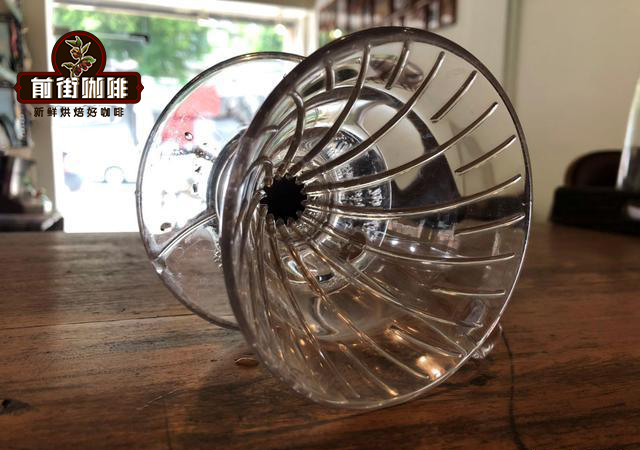
Filter cup: V60
Water temperature: 90-92°C
Coffee-to-water ratio: 1:15
Grind size: medium-fine, equivalent to fine sugar granules (VARIO 50: 57% pass-through rate through a China Standard No. 20 sieve)
Brewing method: poured extraction.
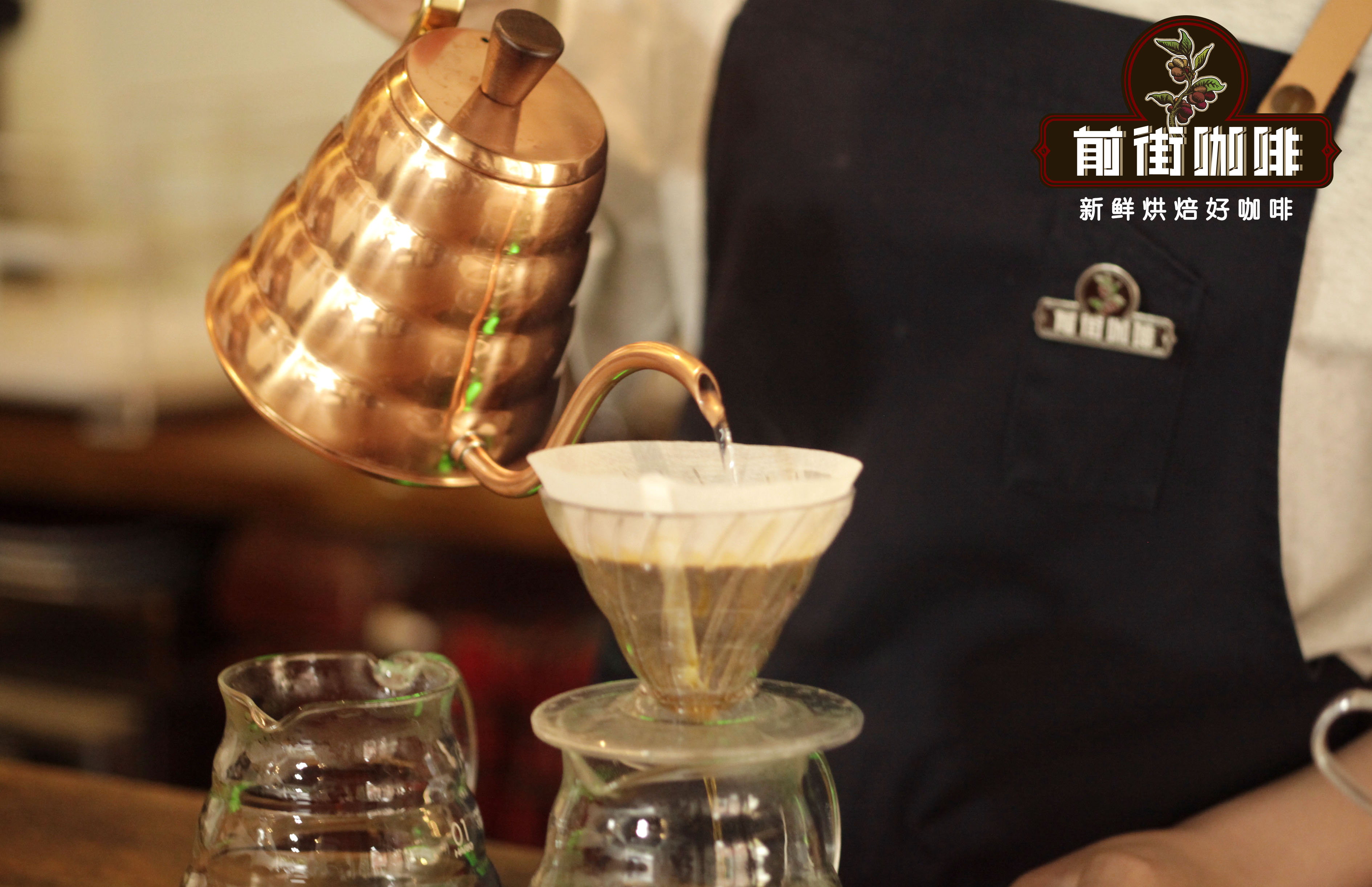
Use 30g of water for a 30-second bloom, then pour with a small stream in a circular motion to 124g for the first segment. When the water level drops and is about to expose the coffee bed, continue pouring to 227g and stop. When the level drops again and the bed is about to show, remove the filter cup. Extraction time from the start of the bloom is 2 minutes.
Huaguoshan brewing flavour: rich but not bitter, aromatic but not harsh, floral notes, mid-palate melon sweetness, finishing with a black tea sensation.
FrontStreet Coffee Recommendation
For anyone starting with Yunnan, FrontStreet Coffee's Yunnan Baoshan Small Bean is the natural entry point: washed, medium roasted, and tasting of caramel, chocolate and nuts with a plum-like brightness that keeps it from feeling flat. Step up to FrontStreet Coffee's Yunnan Huaguoshan, a Typica grown at 1450–1550m, for citrus, plum and melon aroma over brown sugar and a black tea finish. If you like a rounder, sweeter cup, the Yunnan Natural Catimor brings caramel, dried fruit, cocoa and dark chocolate. All three are balanced and forgiving, and suit pour-over, moka pot or espresso.
Important Notice :
FrontStreet Coffee is a long-established specialty coffee roaster in Guangzhou China, selling freshly roasted beans from its own farm in Yunnan as well as dozens of carefully selected single-origin beans from around the world for both pour-over and espresso. The products deliver consistently excellent quality and great value, with shipping within 24 hours. Guangzhou's FrontStreet Coffee shop is recommended by many coffee lovers, and the beans are now available online at the Tmall 。
FrontStreet Coffee has moved to a new address:
FrontStreet Coffee Address: 315,Donghua East Road,GuangZhou
Tel:020 38364473
 Scan and follow the En Gafei WeChat official account. Please indicate that the reprint comes from "En Gafei".