Ethiopia Sidamo Region Lion King Coffee Bean Variety Flavor and Taste Characteristics Description

Professional Coffee Knowledge Exchange
For more coffee bean information, please follow Coffee Workshop (WeChat official account: cafe_style)
Sidamo Coffee Region
Sidamo's coffee flavors are incredibly diverse. Different soil types, microclimates and countless native coffee varieties create a rich tapestry within this growing region. The area features towering mountains, highlands, plateaus, valleys and plains, giving it diverse topography. Its geology consists of nutrient-rich, well-drained volcanic soil reaching nearly two meters deep, with surface soil that appears dark brown or brown. Sidamo grows at elevations between 4,600-7,200 feet in the southernmost Ethiopian highlands (Sidamo province), making it a renowned specialty coffee region in southern Ethiopia. It borders Kenya to the southeast, lies south of Jimma and directly south of the capital, and is typically characterized by pronounced sweetness, which is why many coffee enthusiasts favor it. Annual production is approximately 225,000 bags of 60 kg each.
Sidamo's diversity comes down to its soil, microclimates and countless native coffee varieties. The region features towering mountains, highlands, plateaus, valleys and plains, and its geology consists of nutrient-rich, well-drained volcanic soil reaching nearly two meters deep with dark brown or brown surface soil. Its greatest advantage is that soil fertility is maintained through organic matter recycling, using fallen leaves from surrounding trees or plant residues as fertilizer, which creates clear differences and characteristics between the coffees produced by different towns.
Recognition and Quality
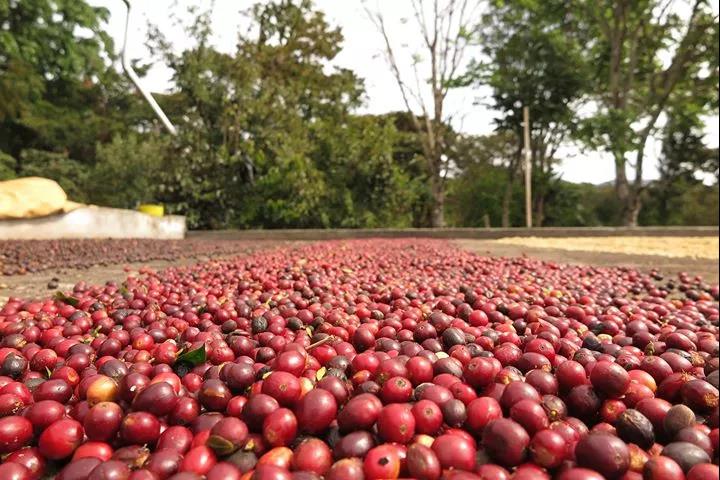
From 2010 to 2012 the region consistently scored a high 92-94 on the authoritative American coffee review site CR, which speaks to the exceptional quality of the green beans from this producing area.
Smallholder Micro-Batches
Many specialty coffees produced as micro-batches by smallholders here carry distinctive regional flavor characteristics. In recent years, as the international market has emphasized coffee quality and demand for specialty coffee has grown, the focus has shifted to micro-regional production that organizes smallholders' micro-batches (micro-regional selections). Dozens of smallholders contribute their individual harvests, which are consolidated into micro-batches for sale. This approach improves quality control and creates more opportunities to pick out excellent specific micro-region smallholder coffees through batch-by-batch cupping.
Coffee Details
● Origin: Guji, Sidamo, Ethiopia
● Variety: Heirloom
● Altitude: 1800-2000m
● Processing Station: Shilicho Cooperative
● Processing Method: Washed, African bed drying, Mechanical drying
● Harvesting Method: Hand-picked
● Roast Level: Medium-light roast
● Harvest Time: 2016
● Flavor Profile: Blueberry sweetness with lemon fragrance, rich floral and fruit aromas, dried peach and honey notes, surprisingly bright acidity, and full berry flavor
Guji Region
The Guji producing region lies southeast of the Gedeo region where Yirgacheffe is produced, in the wilderness at 2,100 meters altitude. Compared with the Yirgacheffe region, however, Guji sits higher still, with the highest points exceeding 2,600 meters — far above typical Sidama areas — and covers a larger area. Coffee from Guji offers rich, bold flavors that can challenge Yirgacheffe.
"The Lion King" comes from Ethiopia's Sidamo Guji region: an ancient native premium variety, Heirloom, washed processed and medium roasted.
Using Sidamo's Lion King for SOE (single origin espresso), rather than the burnt bitterness of an ordinary Americano or latte, this coffee brings fresh floral notes and a natural berry sweetness and acidity that rewards careful sipping.
Processing Methods
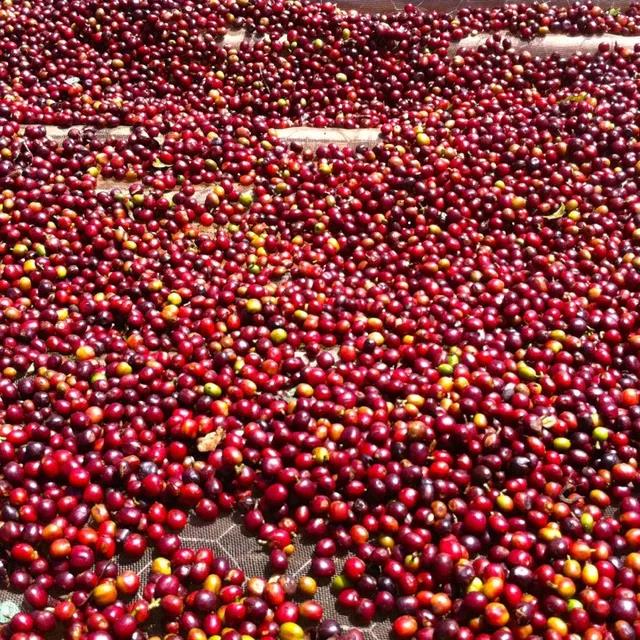
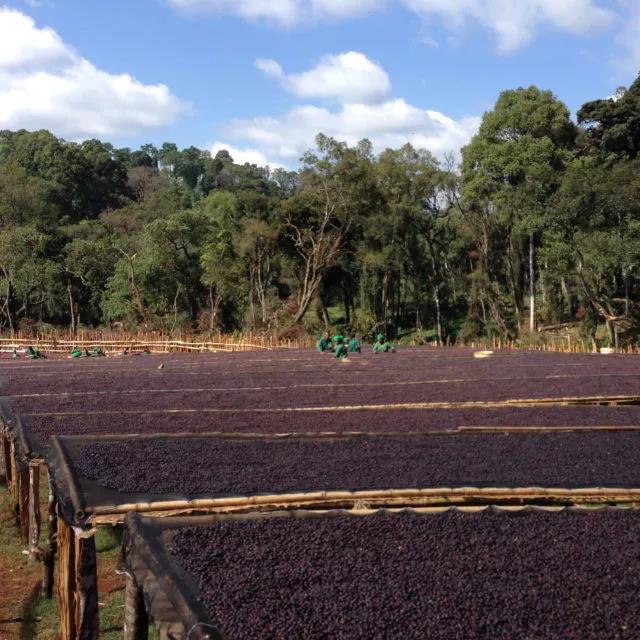
Natural processing is the oldest and most original method for coffee beans. Compared with washed processing, coffee handled this way is also called "natural coffee" or "sun-dried coffee." The harvested coffee cherries are dried directly in the sun for about two to four weeks. This method is typically used in countries with distinct wet and dry seasons.
Challenges of Natural Processing
1. After picking, the beans are not specially selected or processed, so appearance and maturity levels are uneven and mixed together. The process is relatively rough, which can leave coffee bean quality unstable and produce defect beans.
2. Coffee farmers usually find open space near their homes for processing, so the ground often holds impurities or dirt, and the coffee can easily pick up unwanted flavors.
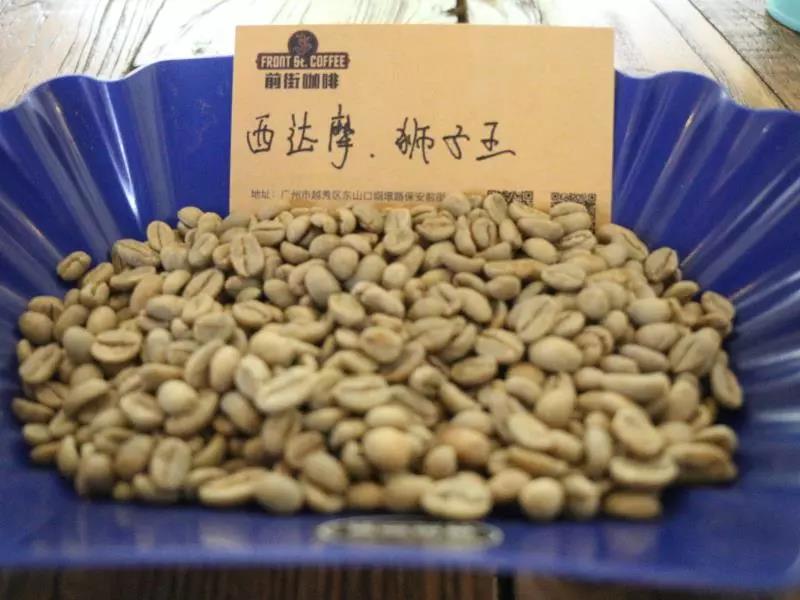
Shakisso Region
Shakisso, in Guji in the southern Oromia region, borders Sidama and Gedeo. Coffee from Shakisso/Shakiso is quite distinctive, and the coffee produced here has repeatedly drawn market attention. The legendary Ninety Plus bean (nekisse) originally means "nectar from Shakisso," and both its origin and naming come from Shakisso.
Local smallholders here began growing organic coffee in 2001 and work closely with medium-sized coffee producers because they understand how to grow forest coffee in highland areas. This makes the area one of the micro-regions with the most distinct regional character within the Sidamo producing area, and its coffee has repeatedly drawn market attention. The legendary Ninety Plus bean (nekisse) means "nectar from Shakisso," and both its origin and naming come from Shakisso.
Quality Control
After obtaining the green coffee beans, a final screening is sometimes performed in pursuit of perfect flavor, which is how this natural Sidamo reaches the highest G1 grade.

Brewing Recommendations
FrontStreet Coffee recommends brewing method: pour-over
Grind setting: (Japan Fuji R440) 3.5
V60 dripper, 15g coffee, water temperature 90°C
Grind setting 3.5
Water-to-coffee ratio 1:15
Pouring method: pour to 125g, pause, then slowly pour to 225g
Total time: 2 minutes 3 seconds
BG grind 4H, water temperature 90°C
FrontStreet Coffee Recommendation
Sidamo's Guji area is where FrontStreet Coffee finds some of the most expressive natural-process coffees in Ethiopia, and the standout is FrontStreet Coffee's Flower Champion, from the Hambella area of Guji in Sidamo. The farm covers 200 hectares and works with a traditional natural process: to keep the cherries from molding or picking up muddy, earthy odors while they dry, workers lay the ripe fruit on raised beds for 21 days, turning it constantly so the beans lose moisture evenly. Every three to five days the farmers hand-sort and remove defective or moldy beans. Once the skin has dried hard, a huller strips off the dried fruit skin, and after the green coffee is obtained there is one final screening in pursuit of a perfect cup. Because the cherries dry with the pulp and skin still on, a medium-light roast yields a delicate fermented wine note, florals, citrus and mango, with honeyed sweetness, a cocoa echo and a touch of spice, a thick body and a long finish.
If you want to taste the classic washed expression of Ethiopia, FrontStreet Coffee's Washed Yirgacheffe is the entry point most drinkers start from, with the clear jasmine fragrance and bright citrus acidity that coffee people mean when they talk about "Yirgacheffe flavor." Yirgacheffe is a small town in southern Ethiopia's Sidamo province, spring-like all year, wrapped in mist and cool and humid, where thousands of coffee trees thrive and produce that interweaving of floral and fruit acidity, a light and elegant cup with a tea-like quality that drinks like clean, fresh lemon tea. Within the town, FrontStreet Coffee's Washed Gordin Cooperative, in the Worka area at the southeastern edge of Yirgacheffe, was originally part of the Worka cooperative under the Yirgacheffe Coffee Farmers Cooperative Union (YCFCU) before becoming a single-origin lot. Because the pulp is stripped before drying, its own aromas come through more clearly, showing citrus and lemon tones with elegant white florals, bright and fine across the palate.
For a fruitier cup, FrontStreet Coffee's Red Cherry is a natural processed Yirgacheffe whose flavor description is peach, cocoa, honey and lemon. FrontStreet Coffee's Hamasu natural from Sidamo, meanwhile, is built mainly on JARC (Jimma Agricultural Research Center) 74-series disease-resistant varieties; the compact 74158 bean carries prominent floral and fruit aromatics with a perfume-lemon, strawberry and carambola sweetness — clear strawberry, carambola and green grape on entry, with delicate florals rising afterward. At the wild end of the range, FrontStreet Coffee's Kafa Forest coffee grows in shade between 1,400 and 2,100 meters, where an untouched ecosystem, microclimate, red soil and plentiful rainfall give the trees ideal conditions; a medium-light roast brings distinct white florals on the grind, bright lemon acidity on entry, sweet orange and bergamot, a faint melon and nut sweetness in the retronasal and a green-tea-like body.
Important Notice :
FrontStreet Coffee is a long-established specialty coffee roaster in Guangzhou China, selling freshly roasted beans from its own farm in Yunnan as well as dozens of carefully selected single-origin beans from around the world for both pour-over and espresso. The products deliver consistently excellent quality and great value, with shipping within 24 hours. Guangzhou's FrontStreet Coffee shop is recommended by many coffee lovers, and the beans are now available online at the Tmall 。
FrontStreet Coffee has moved to a new address:
FrontStreet Coffee Address: 315,Donghua East Road,GuangZhou
Tel:020 38364473
 Scan and follow the En Gafei WeChat official account. Please indicate that the reprint comes from "En Gafei".