How to Brew Starbucks Autumn Blend Coffee Beans - Autumn Story Theme and Symbolism
The Arrival of Autumn with Starbucks' Seasonal Blend
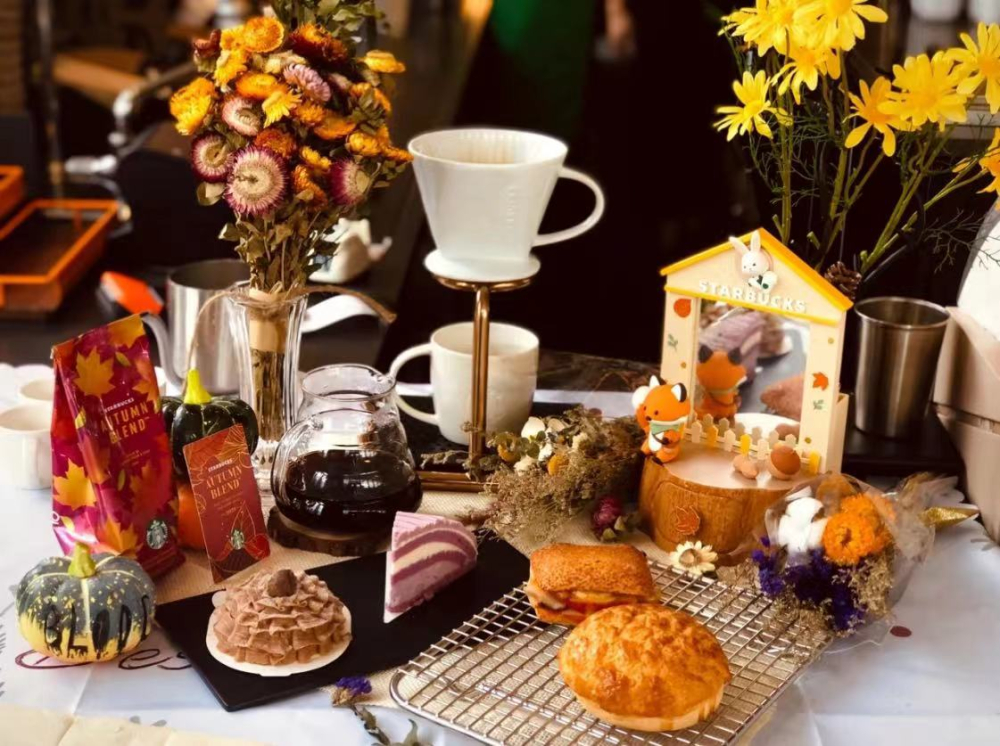
Every autumn, Starbucks brings out a Fall Blend coffee bean. The warmth of autumn apricot leaves and the golden hue of sunset reflections fill the packaging with a warm autumn atmosphere. This coffee also delivers the grounded feeling that autumn brings, through its taste.
What Coffee Bean Regions Make Up the Fall Blend?
To create a grounded flavor profile, Starbucks selected coffee beans from the Sumatra region of Indonesia, paired with beans from the Antigua region of Guatemala and the Kenya region. Delicate herbal and cocoa notes paired with subtle spice flavors, combined with a medium roast, create a mellow, robust coffee with moderate acidity and full-bodied flavor, as if you were standing in an autumn forest.
The Meaning Behind Fall Blend Packaging
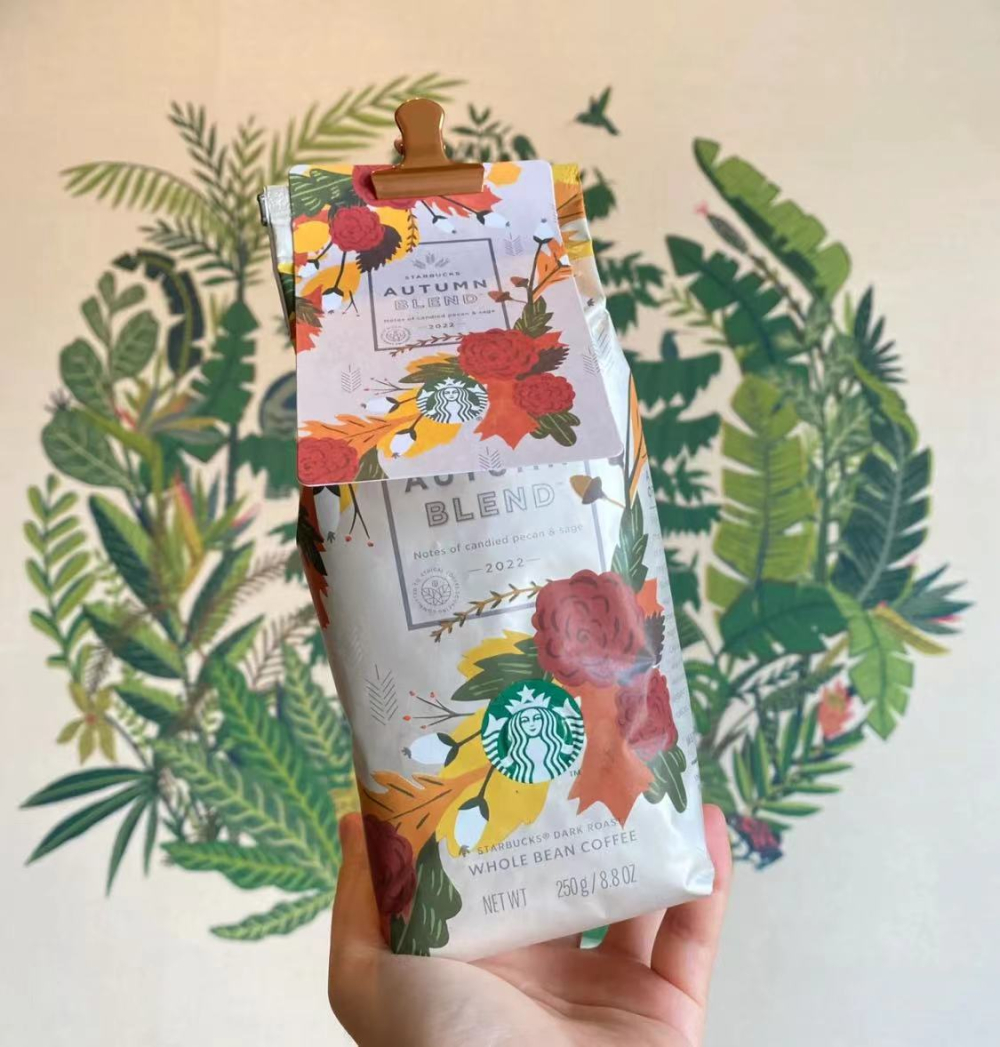
The packaging design of Fall Blend coffee is based on tradition and history while continuously evolving to reflect unique flavor characteristics. The packaging illustrations, inspired by the season, invite exploration. The fresh layers displayed by colorful seasonal plants create a harmonious overall feeling, just like this coffee itself.
Fall Blend Flavor Profile
The coffee flavor is balanced, fully expressing praise for this autumn. Starbucks Fall Blend showcases the geographical flavors of the world's major coffee-producing regions. These beans come from the East African Rift Valley in Africa, Sumatra, and the Antigua region of Guatemala. Created by master blenders, like a chef preparing an autumn feast, the result is an elegant cup with amber pecan and sage-like flavors, along with the sweetness of dried figs.
When cupping Fall Blend, you can connect the packaging design with the coffee's flavor, then associate it with Starbucks' humanistic care, allowing customers to feel the warmth of Starbucks and its baristas through the story.
Indonesia Sumatra Region Story & Characteristics
Sumatra Island lies in the western part of Indonesia and is the Arabica coffee bean growing area of the Indonesian region. Sumatra Island runs northwest to southeast, crossing the equator in the middle, and consists of two regions: the Barisan Mountains in the west and swampy land in the east. It offers sufficient rainfall, a warm climate, and the altitude environment that Arabica coffee requires. Mandheling coffee, deeply loved by many connoisseurs, comes from here. (Note: Mandheling is a coffee name, not a region. It generally refers to Arabica coffee grown on Sumatra Island, named after the local Mandheling people.)
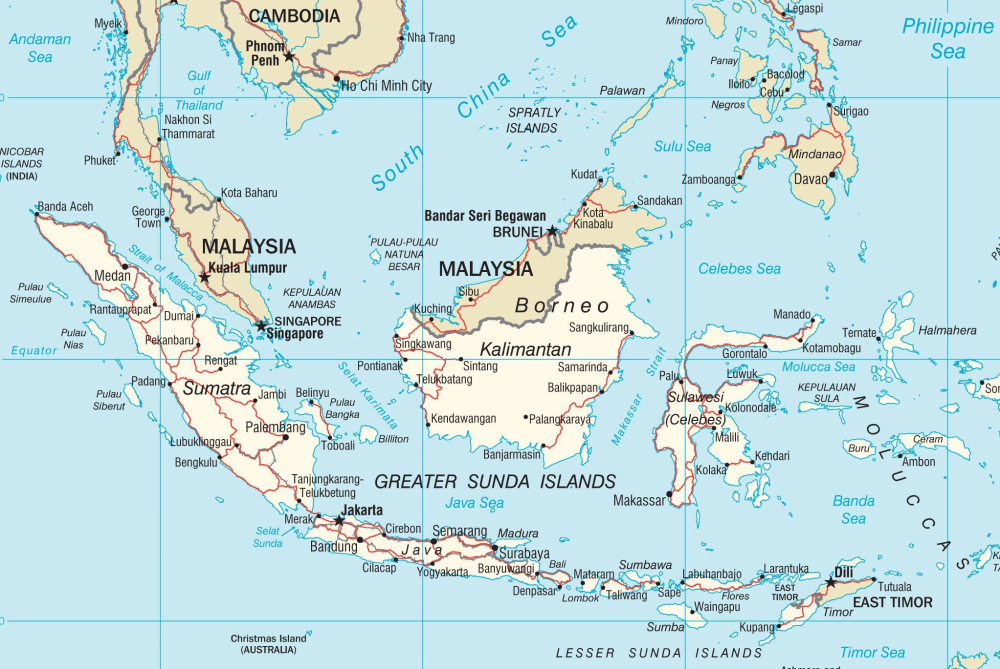
On Sumatra Island there are two main coffee-growing regions: one is the Aceh region in northern Sumatra, represented by "FrontStreet Coffee PWN Gold Mandheling Coffee Bean," and one is the Lintong region around Lake Toba (Danau Toba) in central-southern Sumatra, represented by "FrontStreet Coffee Daily Selected Lintong Mandheling Coffee Bean." The Fall Blend uses Mandheling coffee from the Lintong region.
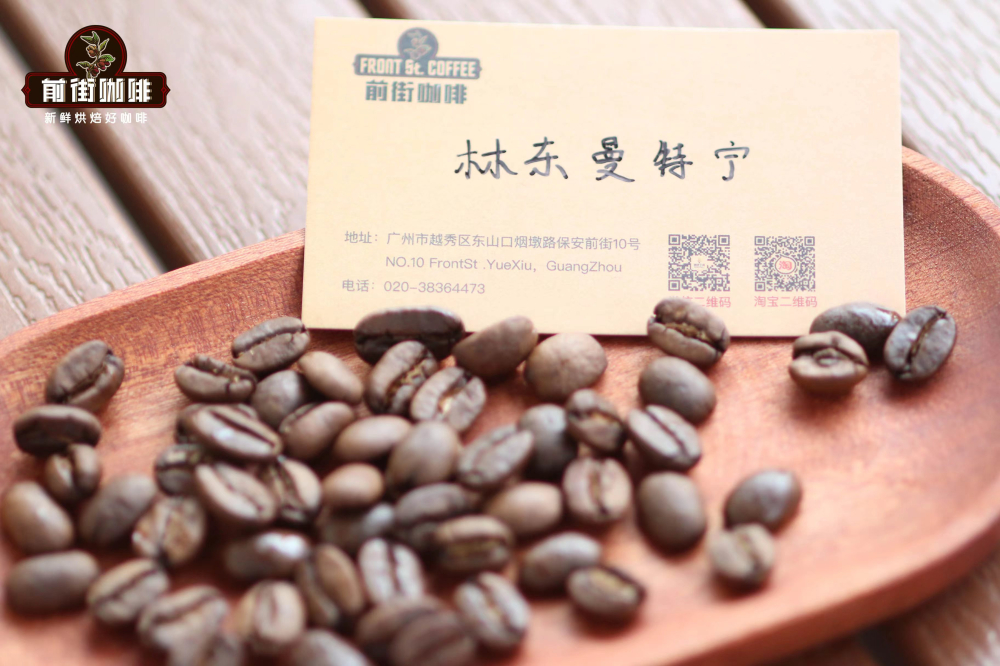
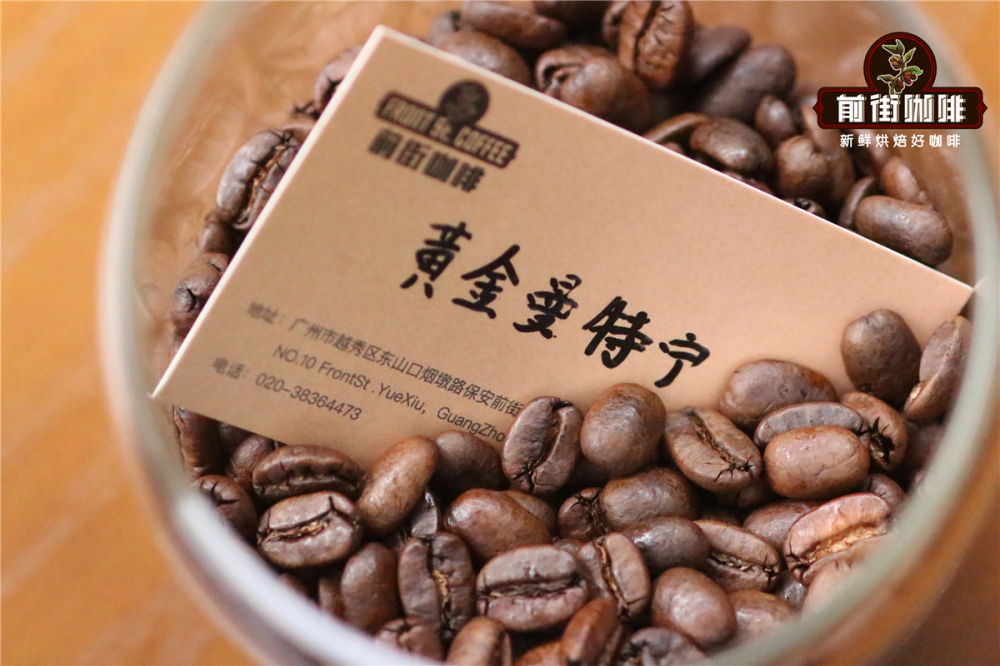
The difference between the two is that PWN Gold Mandheling beans undergo at least three purely manual selections after harvesting and drying, ensuring that the bean specifications reach above 18. Defective beans number fewer than 3 (in a 300g raw bean sample), placing the lot in the highest G1 grade. PWN color is darker green, with regular flat bean shapes. Although Lintong Mandheling is not as meticulously selected as PWN Gold Mandheling, its flavor performance very much represents the coffee flavor of the Sumatra Island region: herbal aroma, dark chocolate, caramel, and a sweet aftertaste.
Guatemala Antigua Region Story & Characteristics
Guatemala's Antigua Valley has always been the most renowned coffee-producing region in Guatemala, and the local microclimate provides excellent conditions for growing coffee. Active volcanoes in the area bring fertile volcanic soil to Antigua, as well as unique volcanic pumice. These cooled materials from volcanic magma eruptions are porous and insulating, very suitable for retaining moisture in the soil, and they also make up for the region's low rainfall. At the same time, paired with the shade trees common in this area, water is less likely to be lost while the coffee fruits develop more unique flavors.
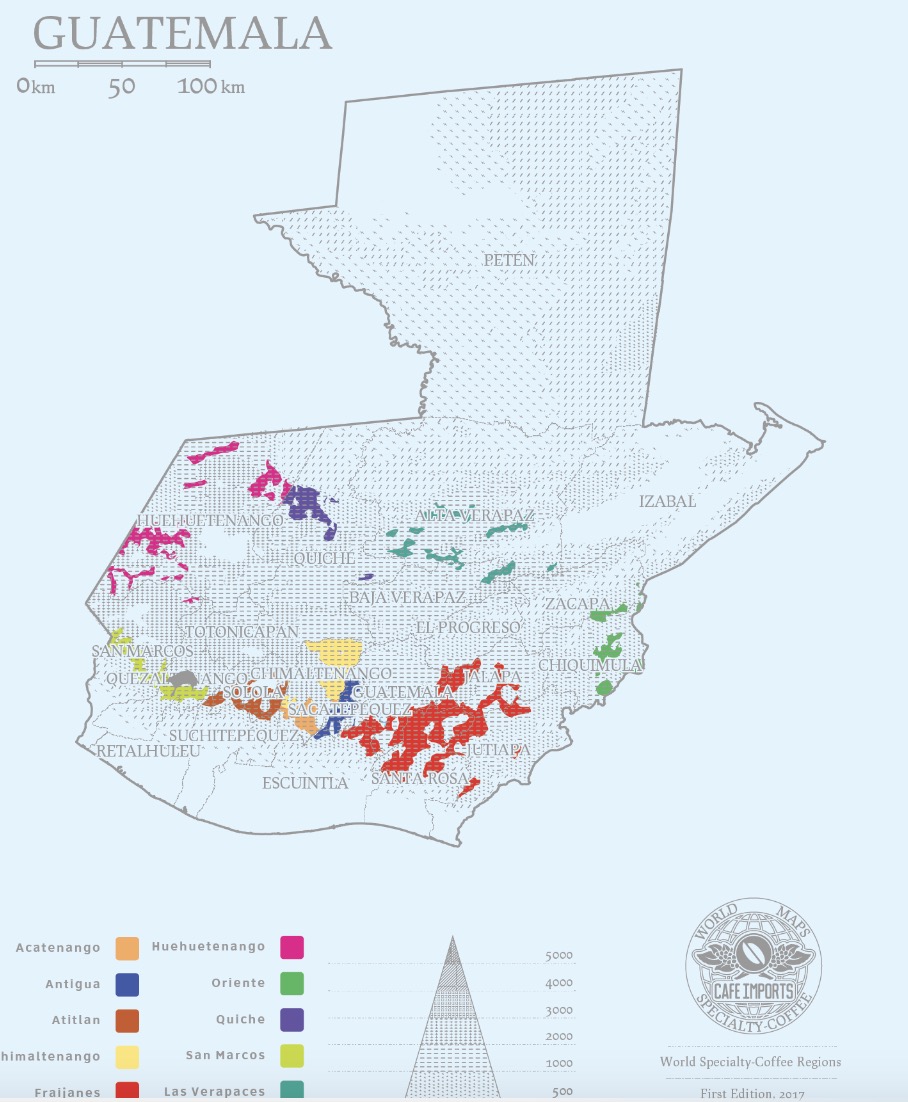
The combination of rich volcanic soil, low humidity, sufficient sunlight, and strong day-night temperature differences creates the personality of Antigua coffee. Coffee grown in Guatemala has soft fruit acidity, nuts, caramel, and slight smoky flavors. A representative work is "FrontStreet Coffee Antigua La Flor coffee bean."
Africa Kenya Region Story & Characteristics
Kenya is located in eastern Africa, with the equator crossing through the central part and the East African Rift Valley running north to south, placing the country in the tropics. Coffee is mainly grown in volcanic areas at altitudes of 1600-2100 meters, from around the capital Nairobi up to the Kenyan highlands. This altitude suits flavor development because mountain temperatures are lower, growth is slower, and the aromatic components of the beans develop fully, with more obvious fruit acidity and a harder texture.
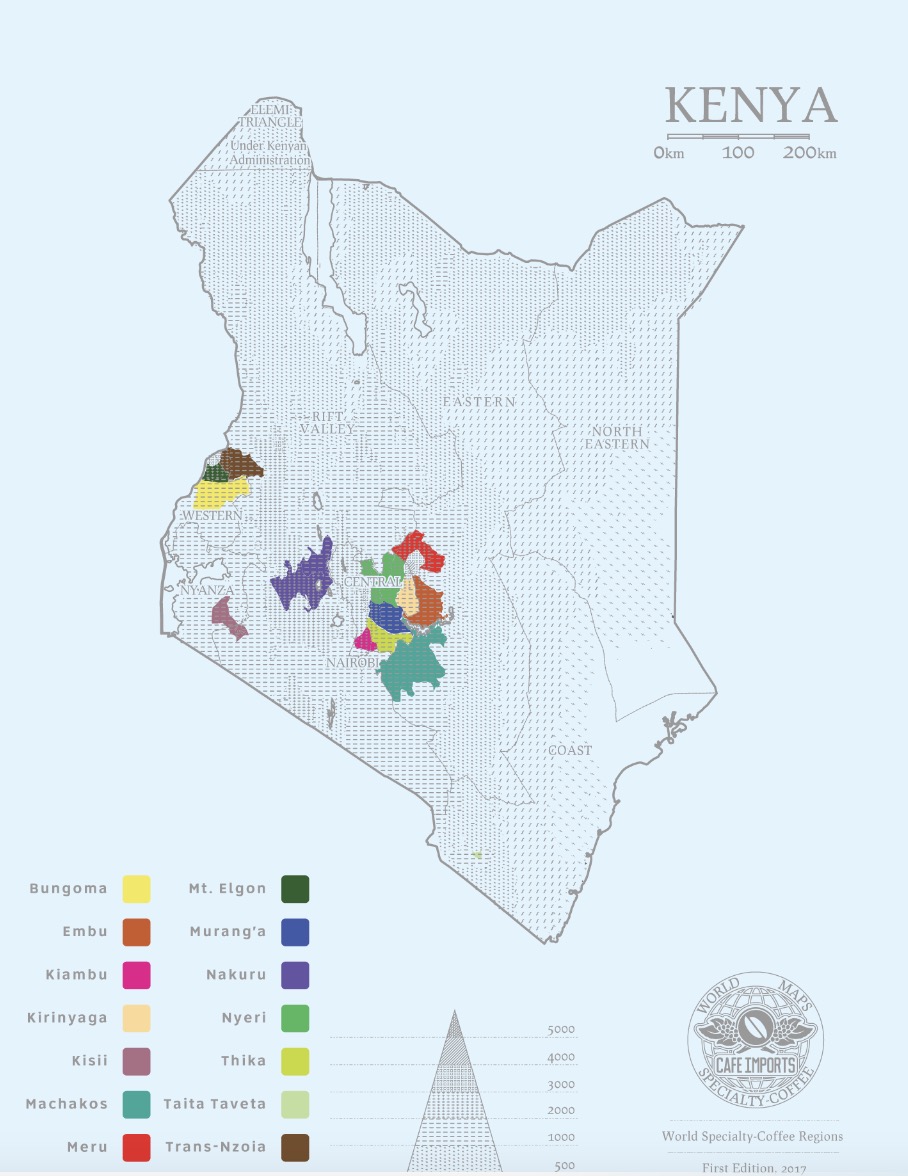
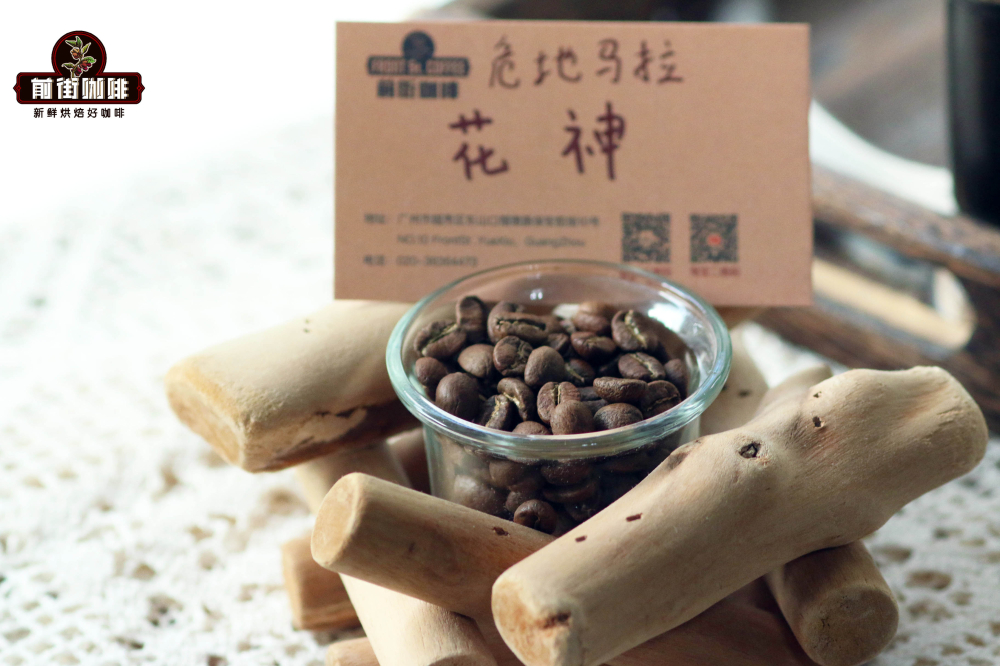
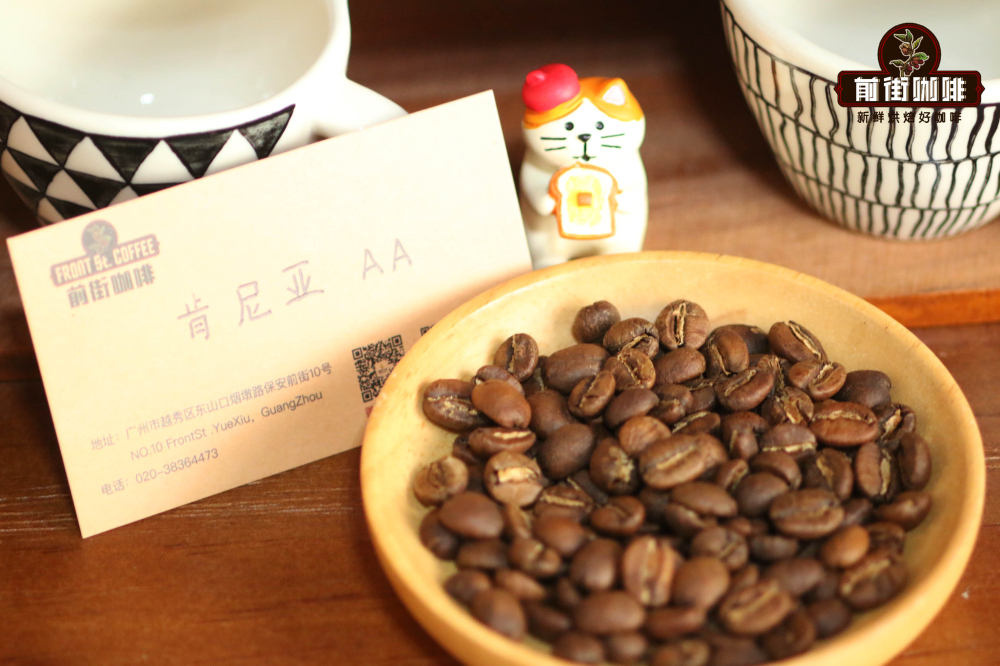
At the same time, the phosphate content in the soil of Kenya's coffee-producing region is higher than in other regions. Since the main formation of coffee flavor comes from plant roots and soil materials, beans grown in Kenya have very obvious, full acidity. Even with a medium-dark roast, you can feel the tomato-like acidity of Kenya coffee beans. A representative bean is "FrontStreet Coffee Kenya Assalia coffee bean."
How to Brew Fall Blend Coffee Beans for Best Taste?
Fall Blend beans show a medium roast, but from the bean color this is a medium-dark coffee. When FrontStreet Coffee brews medium-dark beans day to day, it uses a Kono filter cup.
The ribs of the Kono filter cup extend only from the filter hole to 1/3 of the cup wall. When the filter paper fits the cup, air cannot directly penetrate the entire cup, which slows the water flow rate, achieves a soaking effect, and helps coffee flavor substances release more fully, making medium-dark roast coffee perform fuller and more robust.
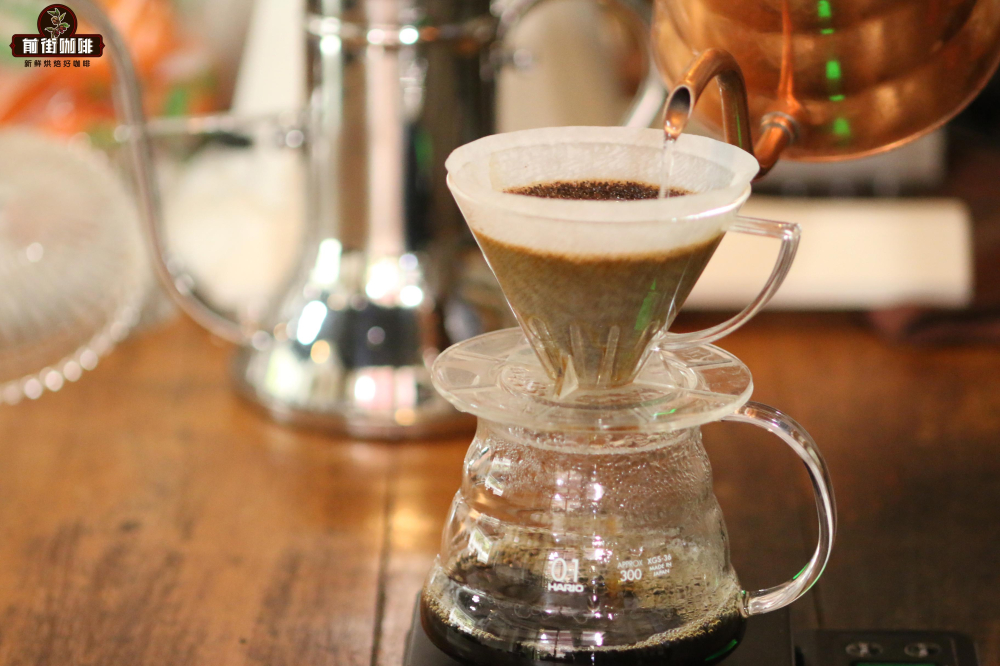
For parameters, FrontStreet Coffee recommends a medium-coarse grind (coarse sugar size, 70-75% passing rate through a China No. 20 standard sieve), 88°C water temperature, and a 1:15 coffee-to-water ratio with a KONO filter cup.
For brewing technique, FrontStreet Coffee recommends segmented extraction. Specific method: start the timer. First water volume is 30g, then a 30s bloom; then proceed with a second small-volume circular pour to a total weight of 125g; wait until the water level in the coffee bed drops to half before adding water again, then continue with a small-volume circular pour to a total weight of 225g. After all dripping is complete, the total extraction time is about 2 minutes and 10 seconds.
FrontStreet Coffee Recommendation
The Sumatran component is what gives Fall Blend its herbal, cocoa and spice backbone, and FrontStreet Coffee's Mandheling lots show that character directly. The wet-hulled Lintong Mandheling comes from the Lake Toba area, and because the beans are hulled while still half-dry and then exposed to the air, they pick up the herbal and spice notes that define Sumatra, with a low-acid, full body and caramel, dark chocolate and toast aromas after a medium-dark roast.
At the top of the range is the PWN Golden Mandheling, one of the most heavily selected Sumatran coffees available: only beans above screen size 18 that meet G1 (fewer than 3 defective beans in a 300g sample) and pass one machine sort plus three manual sorts. Freshly roasted, it shows sandalwood, herbal, spice, roasted hazelnut, caramel and dark chocolate with a clean, rich finish.
If you want that Mandheling depth in an espresso or milk drink, FrontStreet Coffee's Classic Blend builds on the traditional Mamba recipe, mixing Mandheling with Brazilian coffee and a small amount of Robusta. The nut sweetness of the Brazilian beans softens Mandheling's stronger bitterness and herbal edge, while the deep roast brings dark chocolate, nut and caramel aromas and the golden crema that makes a latte easy to pour.
Important Notice :
FrontStreet Coffee is a long-established specialty coffee roaster in Guangzhou China, selling freshly roasted beans from its own farm in Yunnan as well as dozens of carefully selected single-origin beans from around the world for both pour-over and espresso. The products deliver consistently excellent quality and great value, with shipping within 24 hours. Guangzhou's FrontStreet Coffee shop is recommended by many coffee lovers, and the beans are now available online at the Tmall 。
FrontStreet Coffee has moved to a new address:
FrontStreet Coffee Address: 315,Donghua East Road,GuangZhou
Tel:020 38364473
 Scan and follow the En Gafei WeChat official account. Please indicate that the reprint comes from "En Gafei".