Main Characteristics, Flavor, and Taste of Espresso Coffee - How to Drink, Preparation Methods, Standard Time, and Quality Introduction
As coffee culture spreads across the country, cafés have quietly filled every street and alley, and Italian espresso has become a fixture thanks to its speed and convenience. A single rich, aromatic shot is the foundation of the whole Italian coffee menu — Americano, latte, mocha, and everything in between. FrontStreet Coffee takes a closer look at the drink that sits at the heart of every coffee bar: espresso.
Main Characteristics of Espresso
Espresso is the concentrated coffee liquid that Italians extract quickly at high temperature with a pressurized machine, leaving a layer of golden-brown foam floating on top. Every shop uses different beans and a different extraction approach, so the flavor shifts from bar to bar, but a proper espresso always shows the following two traits.
Crema
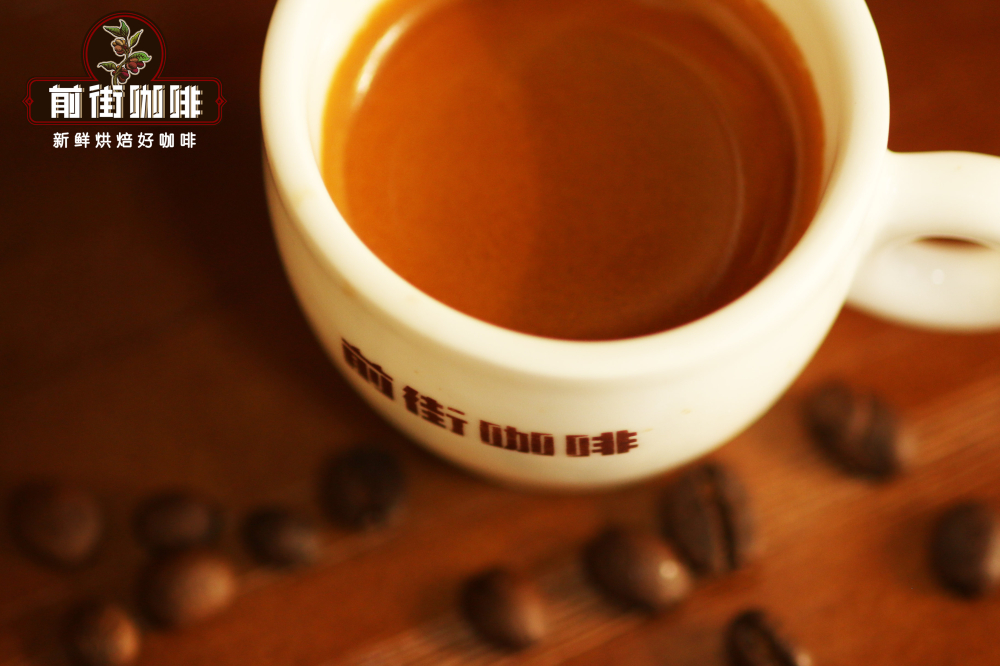
When you order an espresso at a café, the barista serves it the moment it finishes extracting, and you can see a thick layer of golden foam resting on the surface — what we call crema.
Coffee beans release a large amount of gas during roasting. Under pressure, water dissolves carbon dioxide from the grounds, but as the brewed liquid returns to normal atmospheric pressure it can no longer hold all of those gas components, so countless tiny bubbles rise out of the liquid. These bubbles settle on the surface and form what looks like a stable layer of foam. A thick, dense crema tells you the beans behind that espresso were freshly roasted. Because the gas inside the beans keeps escaping over time, the further you get from the roast date, the less carbon dioxide remains and the thinner the foam layer becomes during extraction.

If an espresso shows no crema on top, the beans have likely been stored too long, or the shot was pulled and left sitting until the foam collapsed. The darker the crema, the more intense the flavor tends to be. Thanks to the Maillard reaction that takes place in the beans at high temperature, darker-roasted coffee produces a darker foam layer and a rounder, more mellow cup.
High Concentration
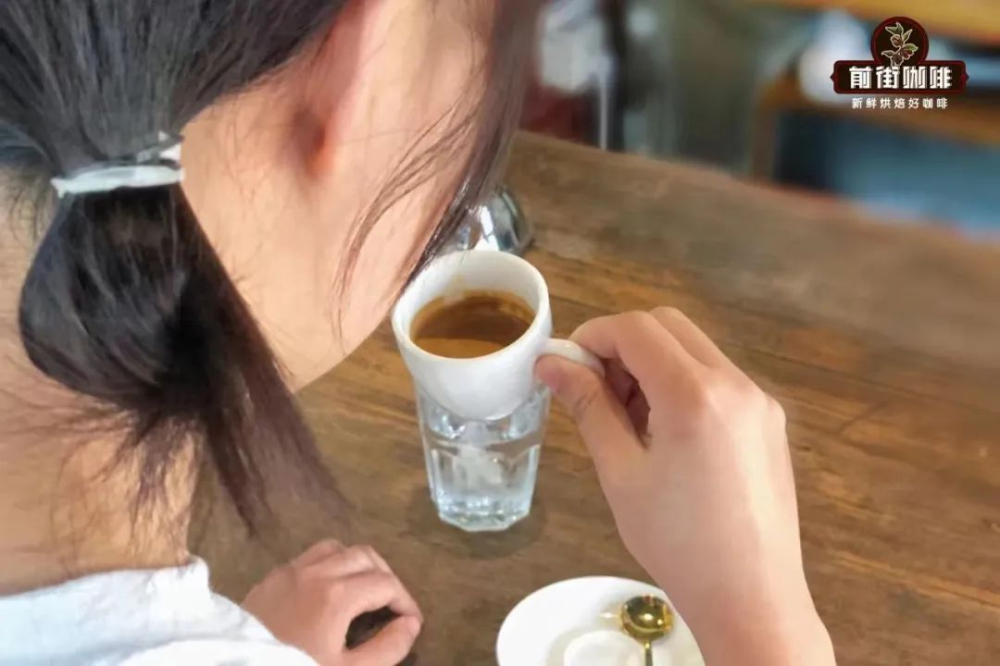
Extracting an espresso means dissolving a large amount of soluble material in just a few dozen seconds, so the coffee must be ground very fine and very evenly. After passing through near-boiling water under roughly 9 atmospheres of pressure, the resulting espresso is highly concentrated and every flavor is doubly intense, hitting the palate hard the moment it lands. After you swallow, the aromas linger in the mouth with a long finish. That is why many cafés serve a glass of water alongside a strong espresso.
How to Make Espresso
Plenty of coffee lovers have quietly filled their kitchens with gear, and anyone drawn to Italian coffee has probably bought an espresso machine to pull shots at home. Using the espresso we serve in our own shop as the reference, FrontStreet Coffee explains how to make an Espresso.
FrontStreet Coffee's machine is a commercial single-group "Lelit Bianca," which can be adjusted through pressure changes and reaches a maximum of 11bar. A home machine only needs to reach 9bar of pressure to handle both extraction and milk frothing, paired with an espresso grinder.
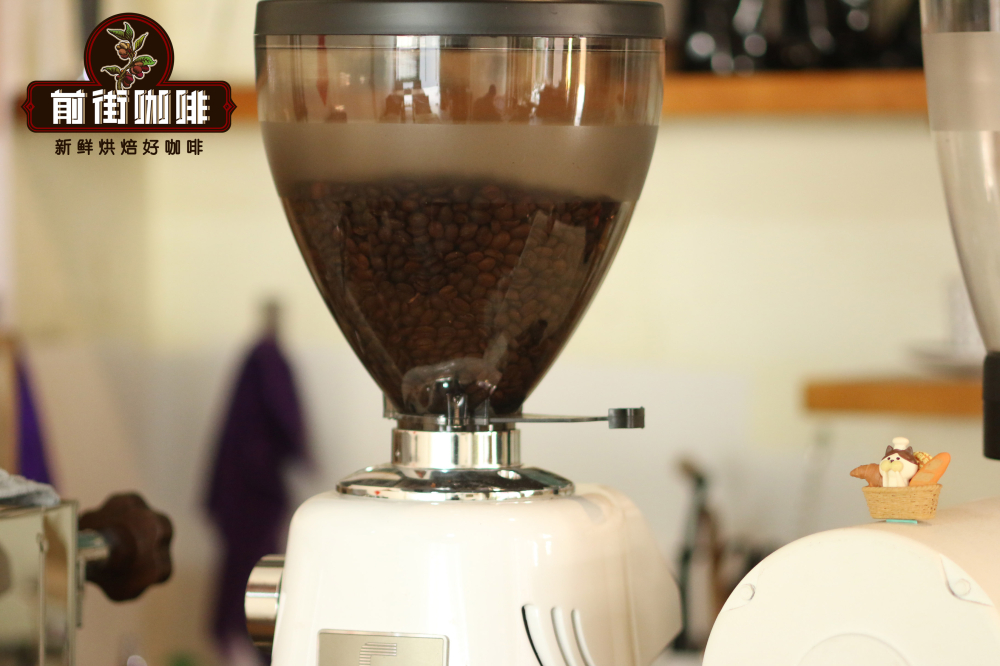
FrontStreet Coffee uses a double basket, which holds about 18-20 grams of coffee, and we dose 20 grams when serving. The ratio of dry coffee to liquid coffee usually falls between 1:1.5 and 1:2.5. FrontStreet Coffee extracts at 1:2, so 20 grams of coffee yields 40 grams of espresso. Time is tied to the flow rate of the grounds. A single extraction is generally controlled between 20-35 seconds: coffee pulled in under 20 seconds usually tastes thin, while going past 35 seconds easily over-extracts and brings out a burnt, bitter note. Most of FrontStreet Coffee's espresso lands in the 28-30 second range.
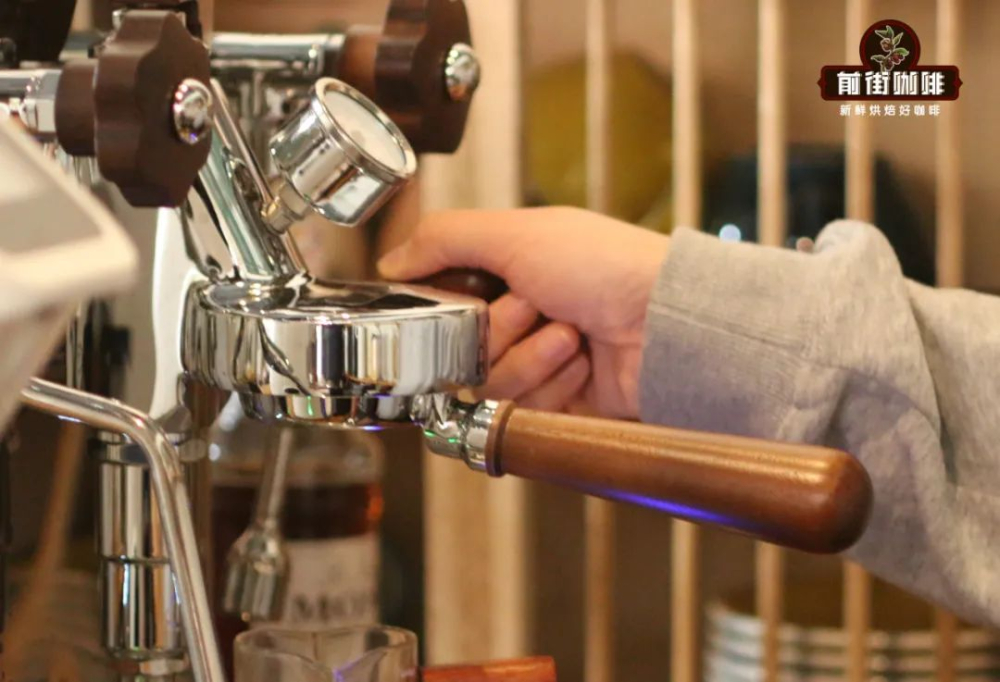
FrontStreet Coffee first wipes the basket dry, turns on the grinder and grinds a double dose, then sets it on a digital scale and trims it to 20 grams. Distribute the grounds evenly with a tool and tamp the puck firmly so the extraction stays stable. Then switch on the pump to release water, flushing the group head while rinsing away any coffee residue stuck above it, lock the portafilter gently into the group head, and start the shot. When the scale reads 40 grams of liquid, at around 30 seconds, you can cut the pump. Pour the espresso into a cup and enjoy.
The taste and texture of an Espresso come down to the beans you use. The espresso served at FrontStreet Coffee's shop is built on FrontStreet Coffee's Sunflower Warm Sunshine Blend, which combines FrontStreet Coffee's Honduras Sherry coffee and FrontStreet Coffee's Ethiopia Natural Red Cherry in a 7:3 ratio. Pulled as Espresso, it has rich oils and a very obvious whiskey aroma, with vanilla biscuits and berry acidity on entry, a solid body, and a mouth that stays full of layered aromas after you drink.
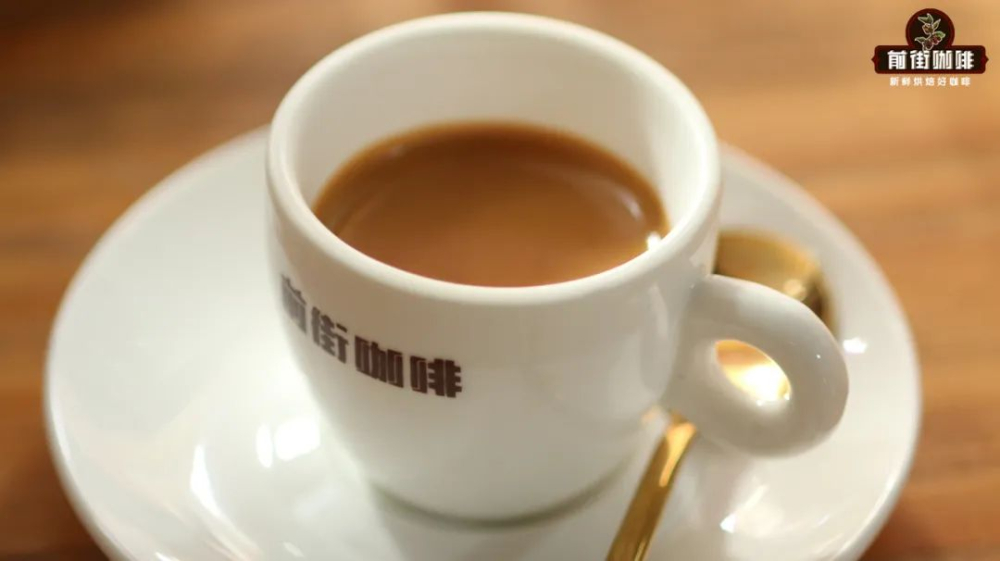
Espresso can also be diluted with water, which gives you the Americano found on most menus — fragrant and refreshing. Add milk and you have a latte, showing off the sweet, delicious character of chocolate and cream.
Espresso Blend Coffee Bean Recommendations
Beyond the whiskey-toned FrontStreet Coffee Sunflower Warm Sunshine Blend, FrontStreet Coffee's bean list carries three other cost-effective FrontStreet Coffee espresso blends to choose from. Their espresso leans mainly toward nutty notes, and each blend differs subtly because of the ratio it uses.

1. Classic Rich Type - FrontStreet Coffee Commercial Blend Coffee Beans
Robusta Washed Coffee Beans (10%) + Colombia Washed Coffee Beans (30%) + Brazil Natural Half-Dry Coffee (60%)
The extracted espresso has rich golden-brown oils and a nutty aroma. On the palate there is a roasted coffee bitterness, but it comes wrapped in a creamy, full-bodied texture. The bitterness fades after you swallow, leaving a fragrant finish, which makes it well suited to daily café service.
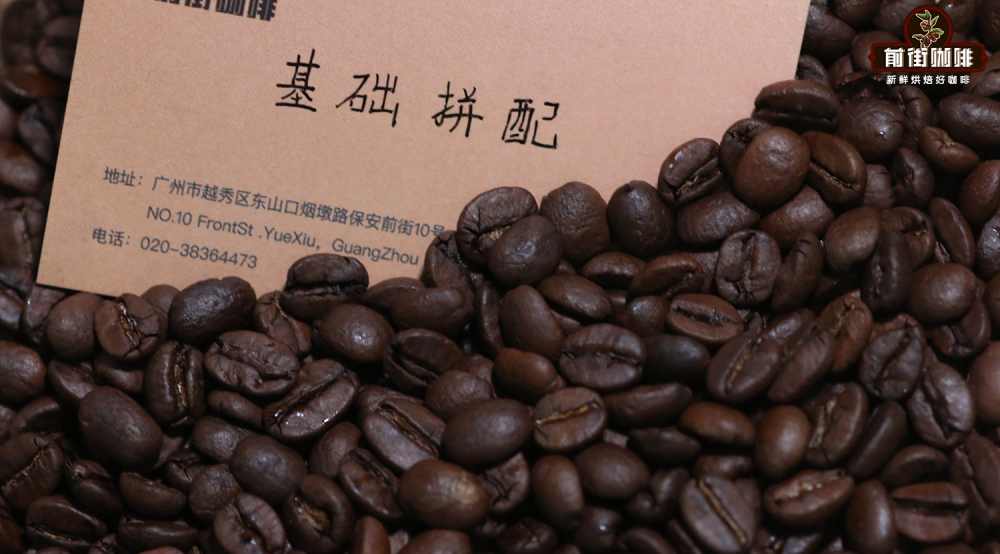
2. Slightly Acidic Rich Type - FrontStreet Coffee Basic Blend Coffee Beans
Yunnan Washed Small Bean Coffee Beans (30%) + Brazil Natural Half-Dry Coffee Beans (70%)
Yunnan small bean coffee brings a soft acidity that pairs with the rich aroma of Brazil Cerrado coffee. The espresso shows caramel, nuts, and a gentle plum acidity. This cost-effective espresso blend suits users who put cost first and have general flavor requirements, whether they are opening a shop or brewing at home.
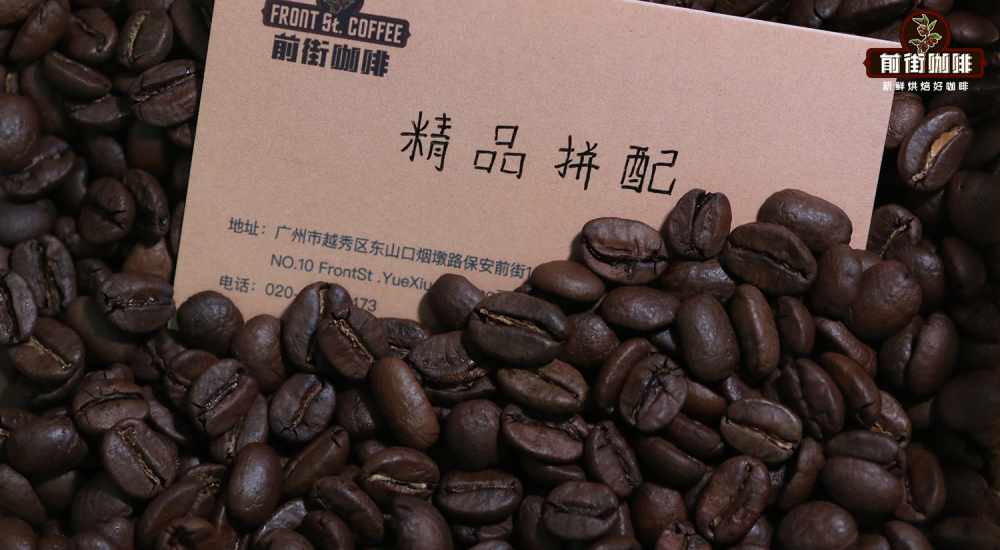
3. Balanced Strong Aroma Type - FrontStreet Coffee Specialty Blend Coffee Beans
Colombia Washed Coffee Beans (30%) + Brazil Natural Half-Dry Coffee Beans (70%)
Colombian coffee is layered onto the nutty notes of the classic Brazilian base, presenting dark chocolate in the espresso along with caramel sweetness and a full roasting aroma — enough to meet a coffee shop's daily needs.
Finally, if you want the espresso you pull to show the range of flavors FrontStreet Coffee describes, FrontStreet Coffee suggests choosing freshly roasted beans. Coffee needs 7-10 days of degassing after roasting before it enters its full-flavor window, and espresso pulled at that point is more stable. To make sure everyone who orders drinks freshly roasted coffee, FrontStreet Coffee ships beans that were roasted within 5 days, so they arrive while they are still at their aromatic peak.
FrontStreet Coffee Recommendation
If you are dialing in espresso at home, start with FrontStreet Coffee Classic Blend, a traditional Mamba-style recipe built for espresso and moka pot alike — it throws a generous, golden-brown crema with a full, mellow body and a caramel aroma that makes it an easy choice for latte and cappuccino. For a lighter budget, FrontStreet Coffee Dark Cocoa Blend is 100% Arabica, with ample oils and a smooth, full cup. Pull either one at FrontStreet Coffee's shop setting: 20 g in, 40 g out (1:2), 9bar, in 28-30 seconds. If you prefer nuttier milk drinks, FrontStreet Coffee Specialty Blend pairs Brazil Cerrado with Colombia Huila for almond, walnut and a silky, lingering finish.
Important Notice :
FrontStreet Coffee is a long-established specialty coffee roaster in Guangzhou China, selling freshly roasted beans from its own farm in Yunnan as well as dozens of carefully selected single-origin beans from around the world for both pour-over and espresso. The products deliver consistently excellent quality and great value, with shipping within 24 hours. Guangzhou's FrontStreet Coffee shop is recommended by many coffee lovers, and the beans are now available online at the Tmall 。
FrontStreet Coffee has moved to a new address:
FrontStreet Coffee Address: 315,Donghua East Road,GuangZhou
Tel:020 38364473
 Scan and follow the En Gafei WeChat official account. Please indicate that the reprint comes from "En Gafei".