The History and Flavor Characteristics of Catimor Coffee Beans: An Introduction to Yunnan's Premium Coffee Varieties and Production
Southeast Asian coffee-producing countries keep adding new Arabica varieties, yet Catimor shows up in the public eye again and again. Anyone following Yunnan coffee in China will surely notice how widely Catimor is cultivated there. So where does Catimor actually come from? What are its characteristics? And why is it grown so widely across Southeast Asia? Follow FrontStreet Coffee to find out.
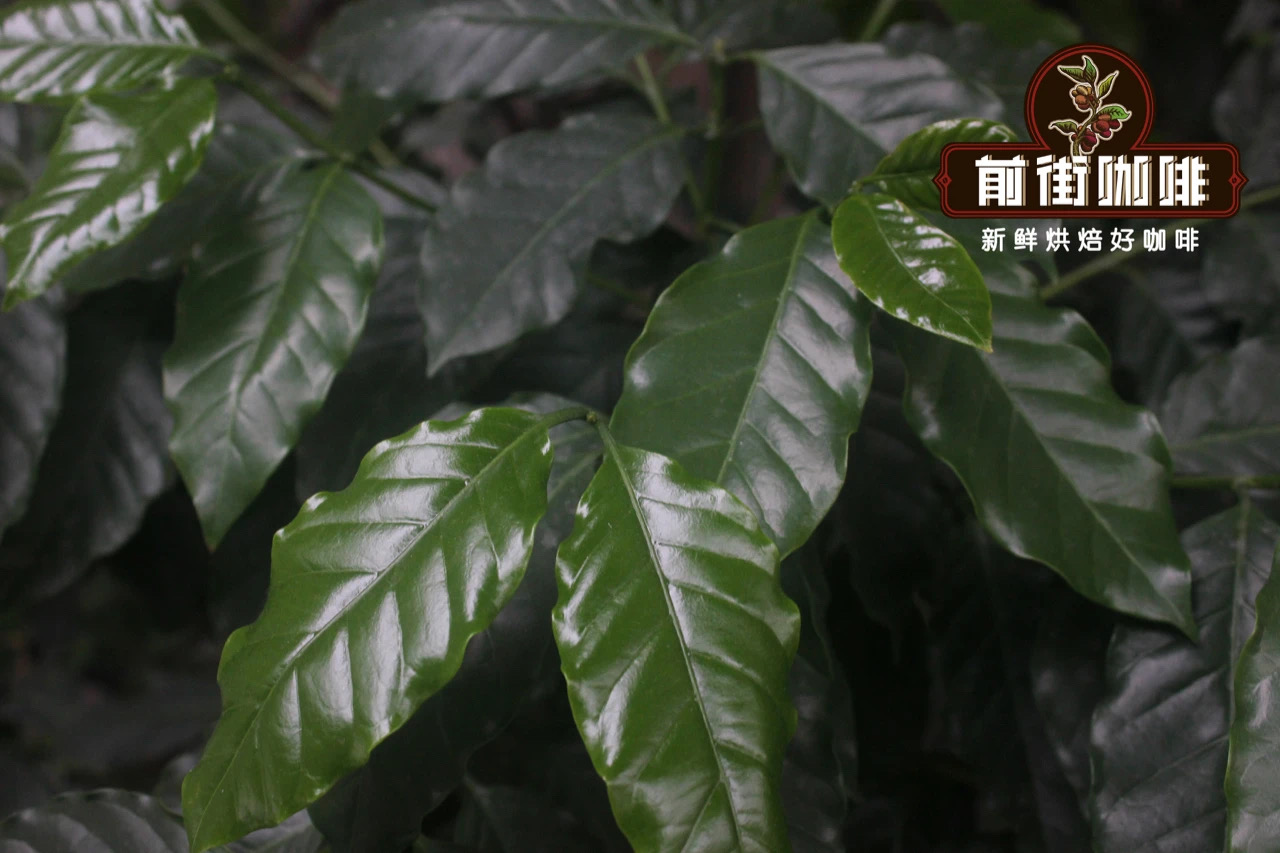
Catimor was developed in 1959 in Portugal by scientists seeking the perfect combination of high yield, high disease resistance, and compact plant size (which allows denser planting). The variety is a hybrid of the Timor hybrid — which carries resistance to coffee leaf rust thanks to its Robusta genetics — and Caturra.
Because Catimor inherited both resistance to coffee leaf rust and a small, compact size, large-scale cultivation became much easier.
Why is Catimor coffee controversial?
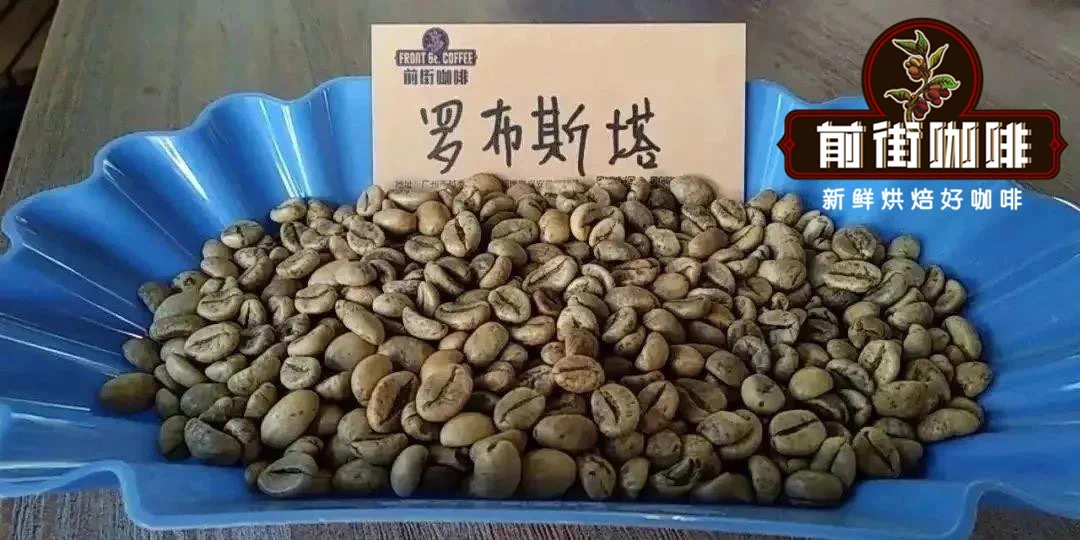
As a hybrid with Robusta in its background, Catimor draws plenty of criticism for its flavor shortcomings. Its Robusta genetics raise the chlorogenic acid content, and that also brings bitterness and unpleasant organic acids to the cup.
Planted at low altitudes, Catimor's cupping performance shows no significant advantage or disadvantage against other commercial varieties. Grown above 1200 meters, however, its flavor is noticeably inferior to Bourbon, Caturra, and Catuai. FrontStreet Coffee has shared before that high-quality coffee is generally grown at altitude, where the day-night temperature difference lets the cherries grow slowly and accumulate more sugars and nutrients — the source of refined flavors. Catimor takes less time from planting to a return than traditional varieties, and its nutrient accumulation cannot match that of varieties needing a longer growing period.
So does Catimor coffee have good flavor?
Difficult as it is, many independent cupping results have shown that Catimor beans can also produce excellent flavors.
After roasting and cupping FrontStreet Coffee's Yunnan Arabica coffee, we found it very smooth on the palate, with Asian herbal plant aromas, a soft acidity, good balance and richness, and a chocolate aftertaste. The flavors of honey and sucrose come through very clearly.
Here is FrontStreet Coffee's roasting profile:
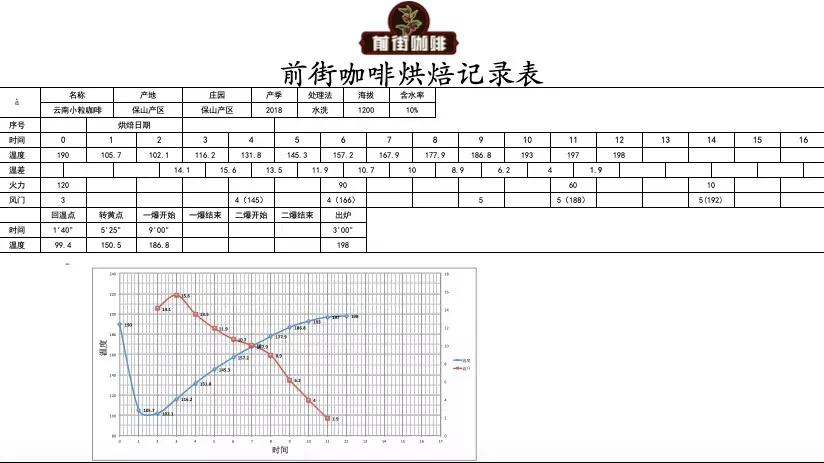
FrontStreet Coffee uses Yunnan washed Catimor as an entry-level daily bean for pour-over. Here is a brief guide to brewing it.
Recommended brewing method: Pour-over
Filter cup: V60
Water temperature: 90-92°C
Dose: 15 grams
Coffee-to-water ratio: 1:15
Grind size: Medium-fine (Chinese standard #20 sieve, 80% pass rate)
Brewing technique: Pulsed extraction
Use 30g of water for the bloom, with a bloom time of about 30 seconds. Inject 125g of water in small circular motions at the centre, wait until the water level drops to just before the coffee bed is exposed, then keep pouring to 225g total. Remove the filter cup when the water level again drops to just before the bed is exposed (timing starts from the bloom). Total extraction time is 2'00".

The History of Catimor Coffee
Catimor was first introduced to Brazil in 1970, and shortly afterward, through experts looking for high-productivity, high-yield varieties, it spread rapidly across Latin America. At high altitudes and very low altitudes the plant tends not to thrive, but at approximately 700 to 1,000 meters it performs at its best. Today Catimor is common in Indonesia and Vietnam, and after the Central American coffee leaf rust crisis it has also become more common at higher altitudes in countries like Mexico and Peru.
So how did Catimor become the backbone of Yunnan coffee?
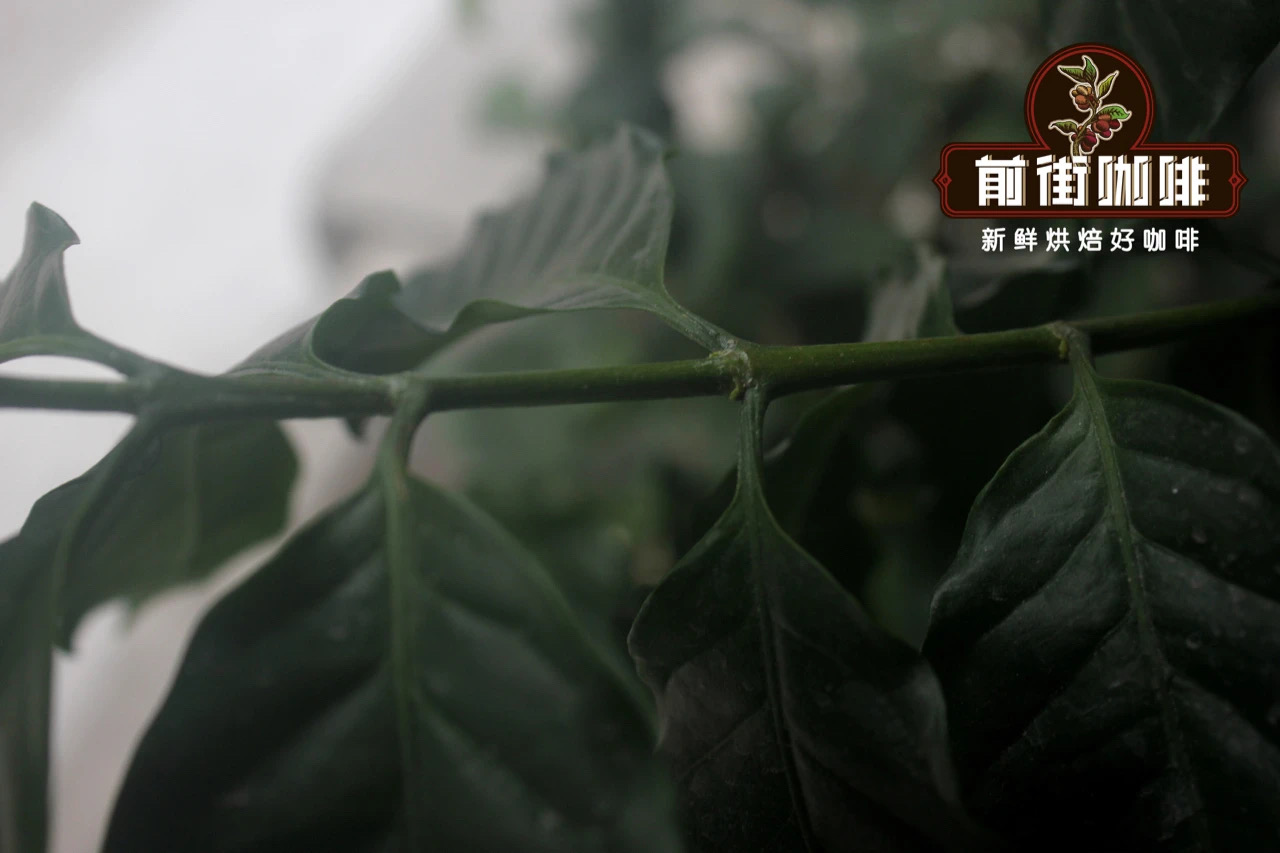
Catimor's yield is relatively high, averaging between 3-5.25 tons per hectare, which suits the rapid development of coffee in Yunnan, China. As is well known, Catimor often grows much faster than other varieties, which can hurt flavor because the sugars don't have time to develop fully. The cool nights in Yunnan, China, however, slow the growth of the cherries and improve flavor quality.
Yunnan coffee will surely move away from Catimor slowly, but given the economics of cultivation this will be a gradual process. Even with recent quality improvements, coffee production in China still faces many challenges.
Let FrontStreet Coffee walk through the methods and considerations for growing Yunnan coffee.
Yunnan Coffee Growing Environment:
Annual average temperature 19-21°C, annual ≥10°C accumulated temperature greater than 6800°C, average temperature of the coldest month >11.5°C, absolute minimum temperature above 1°C, average temperature of the coldest month ≥11.5°C, and months with an average temperature ≤13°C lasting more than two months. In most years the extreme minimum temperature stays above 0°C, with occasional -1°C or brief -2°C in some areas. Altitude below 1200m, annual rainfall ≥1100mm; fertile loam soil is preferred, loose and well drained, with a pH value of 6-6.5, planted on sunny gentle slopes or terraces with a slope of less than 25°, avoiding depressions where cold air easily accumulates. Field management follows general methods for Arabica coffee. Propagation: seed propagation, selecting 5-year-old superior mother trees and harvesting fully mature, normally shaped, plump, uniformly sized fruits with two seeds, then germinating in sand beds and raising seedlings in plastic bags.
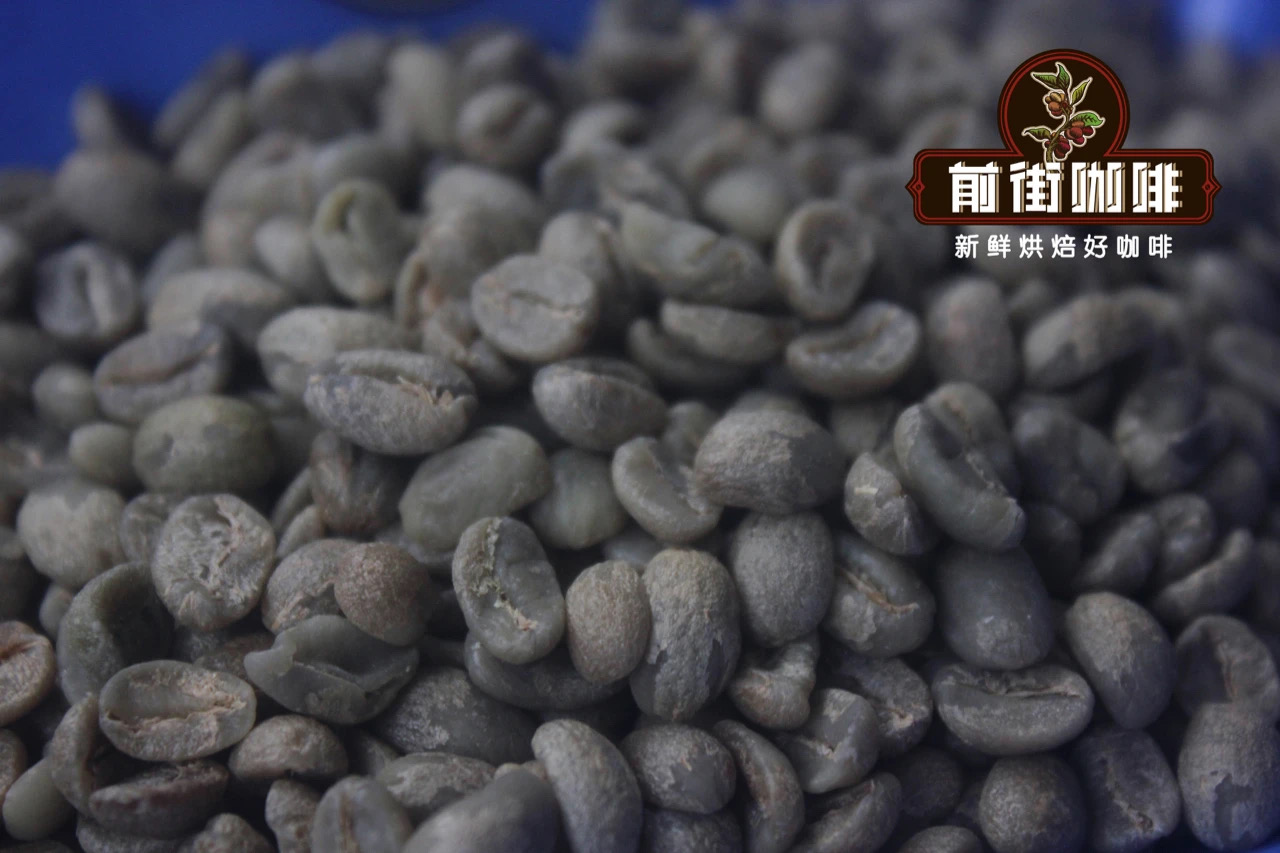
Forest Land Development
Coffee is a long-term economic crop, so forest land development has to be planned with the long term in mind. Before development, roads, worker sheds, and manure water pools must be planned. When developing the land, suitable shade trees should be selected and retained to provide 30-40% shade for the plantation after planting, then adjusted to 20-30%. Planning and design must include horizontal terraces and terraced land — the primary work for soil and water conservation and an important task that affects how convenient field management will be after planting. Dig trenches and holes with specifications of upper width × depth × bottom width 60×50×40cm, to be completed between November and the end of March of the following year.
Apply Sufficient Base Fertilizer
Apply 3000-4000kg of high-quality organic fertilizer and 80-120kg of phosphate fertilizer per mu (0.0667 hectares) 15 days before planting (mixing the organic fertilizer, phosphate fertilizer, and soil evenly before applying to the planting ditch).
Planting Robust Seedlings
Select seedlings with vigorous growth, close to branching or with 3 pairs of branches, thick main stems, stem thickness above 0.4cm, and no bent roots. In irrigated areas, early planting (February-March) is possible. Planting spacing depends on terrain and environment, typically 330-420 plants per mu.
Fertilizer Management
For young plants, average fertilizer application per plant is 3-5kg of organic fertilizer, 50g of calcium-magnesium phosphate, 100g of urea, and 50g of compound fertilizer. For mature fruiting plants, average application per plant is 7-10kg of organic fertilizer, 100g of urea, 150g of compound fertilizer, 50g of calcium-magnesium phosphate, and 150g of potassium sulfate. Apply fertilizer 3-5 times according to growth stage, flowering period, fruit strengthening, and overwintering. If micronutrient deficiency symptoms appear, compensate appropriately.
Water Irrigation
Coffee is a shallow-rooted crop, and its flowering season coincides with the dry season in Yunnan. Soil moisture and atmospheric humidity in the field seriously affect flowering quality, flower organ development, and young fruit formation. Adequate water brings consistent flowering, a high fruit set rate, and good fruit development; poor conditions do the opposite and can even cause branches and shoots to wither. Newly planted young trees may wither and die outright from drought. New development areas are advised to choose locations with a convenient water source and to create furrow irrigation and drip irrigation facilities where possible.
Shade Trees and Ground Cover
Coffee is a semi-shade species, and establishing 30-40% moderate shade is recommended. The growing environment in our province generally makes irrigation difficult to solve: the water-demanding season coincides with the dry season, which is also when other crops compete for water, so meeting the field's water needs on irrigation alone is not easily achievable. Immediately after the rainy season ends, loosen the soil promptly, using dead ground cover and plastic film cover (for young plants).
Pruning and Shaping
Adopt single-stem or double-stem shaping, removing excess upright branches, retaining strong first branches and appropriate second and third branches, and removing diseased, weak, and messy branches to keep the tree ventilated and open to light.
Pest and Disease Control
Pest control is the main focus. For the first three years after planting, the primary targets are the coffee stem borer and carpenter moth, using long-acting insecticides applied to and sprayed on stems, carried out from May to July each year. In mature plantations, the main target is the coffee white-spotted longhorn beetle, using chemical sprays on stems (April-September). Strengthen tree vigour appropriately through shade and fertilization. After harvesting, prune pest-infested branches and burn them centrally, remove wild hosts around the plantation, and monitor and prevent coffee root mealybugs and green scale insects.
Weeding and Soil Loosening
Keep the planted coffee strips clean, removing all weeds, and carry out shallow soil loosening throughout the plantation at the end of the rainy season.
Timely Harvesting
Make sure red ripe fruits are harvested on time.
Farmers face real challenges, but demand for and quality of coffee in China are growing at an astonishing rate. We hope coffee keeps improving in China.
FrontStreet Coffee Recommendation
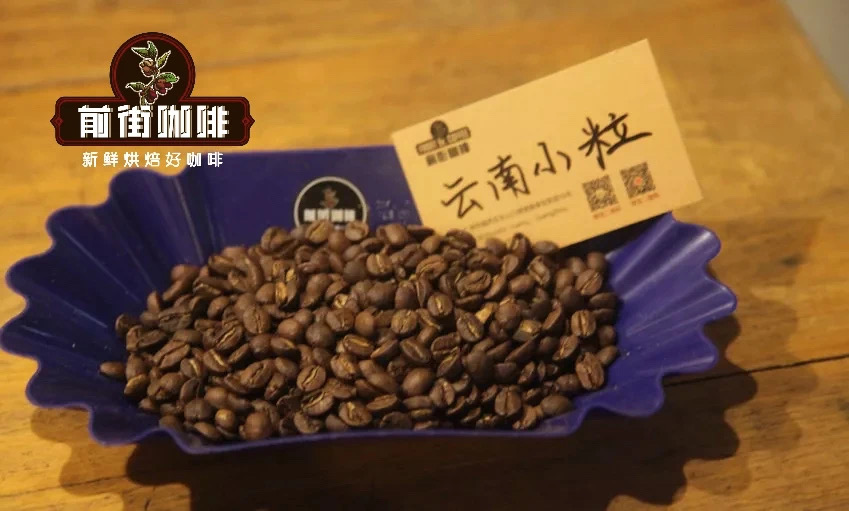
If Catimor's reputation has you curious about Yunnan, FrontStreet Coffee Yunnan Baoshan Small Bean is the natural starting point — a washed coffee at a medium roast from the Baoshan region, with soft nut and chocolate sweetness and a light plum acidity that shows the local terroir. To taste what Yunnan can do beyond Catimor, FrontStreet Coffee 2013 Natural Typica is a whole-cherry natural Typica, medium roasted for a more balanced, pronounced sweet-and-sour cup with dark berry, caramel, chocolate, and a hint of dried apricot over a black tea finish. Brew either in a V60: 15g at a 1:15 ratio, medium-fine (80% through the Chinese standard #20 sieve), 90-92°C, blooming with 30g for 30 seconds, then pouring to 125g and on to 225g, finishing at 2'00".
Important Notice :
FrontStreet Coffee is a long-established specialty coffee roaster in Guangzhou China, selling freshly roasted beans from its own farm in Yunnan as well as dozens of carefully selected single-origin beans from around the world for both pour-over and espresso. The products deliver consistently excellent quality and great value, with shipping within 24 hours. Guangzhou's FrontStreet Coffee shop is recommended by many coffee lovers, and the beans are now available online at the Tmall 。
FrontStreet Coffee has moved to a new address:
FrontStreet Coffee Address: 315,Donghua East Road,GuangZhou
Tel:020 38364473
 Scan and follow the En Gafei WeChat official account. Please indicate that the reprint comes from "En Gafei".