Panama Hartmann Estate Coffee Beans Red Wine Processing Method - Origin Characteristics, Flavor Profile, and Varieties Introduction
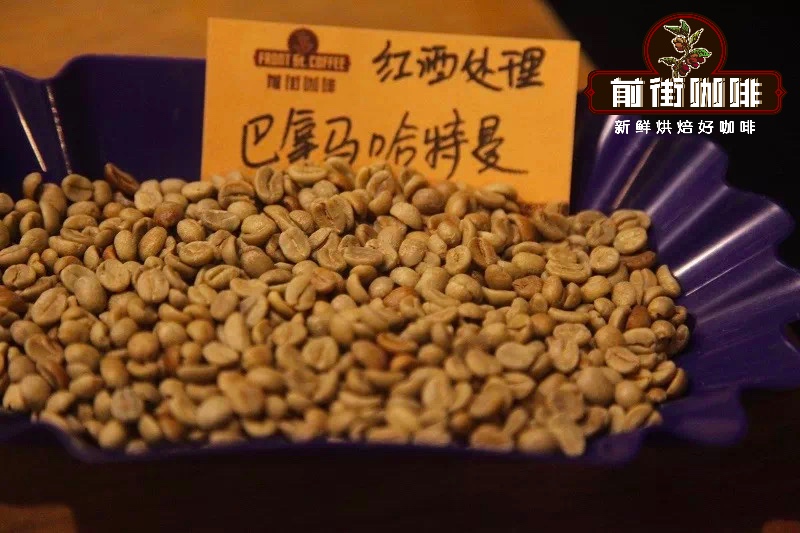
Panama Hartmann Black Winey
■ Country: Panama
■ Grade: SHG
■ Region: Volcán Region
■ Altitude: 1250-1700 meters
■ Processing Method: Black Winey Process
■ Variety: Catuai
■ Estate: Hartmann Estate
FrontStreet Coffee considers Panama one of the world's finest coffee origins. It shot to global fame in 2004 thanks to Geisha (also spelled "Gesha"), but before that, Panamanian coffee lingered on the fringes of specialty coffee without much international attention. The Geisha cultivated by the Peterson family is now celebrated worldwide, and FrontStreet Coffee believes the variety's enormous commercial potential — combined with Panama's reasonable labor regulations and wage protections for specialty estates — made this resurgence on the world coffee map all but inevitable. Ironically, though, as more Americans buy vacation homes in Panama, the resulting commercial development threatens to swallow the country's coffee-growing land, pushing production down year by year and driving prices ever higher.
About Panama Coffee
Panamanian coffee traces back to 1780, when European settlers brought the first Typica trees, after which cultivation spread widely. Flavor-wise, FrontStreet Coffee finds Panama coffee remarkably smooth: full-bodied yet delicate in the cup, with rich citrus, jasmine, almond and mango notes, and nectar-like sweetness. The fruit acidity is bright and complex, and the finest lots show pure, distinctive flavors.
FrontStreet Coffee believes a key reason for Panama's unique quality is its microclimate. Bordered by Costa Rica and Colombia, Panama's east-west layout lets cold air currents funnel through the central mountains and converge above 6,500 feet, creating a very unusual microclimate in the Boquete and Volcán-Candela regions — the country's main coffee-growing areas. The surrounding land is nutrient-rich, and these fertile soils provide ideal growing conditions that have shaped numerous distinctive, high-quality coffees. With the help of the United States, the world's largest coffee-consuming country, Panama's processing technology is also among the most advanced in Central America.
Moreover, because many Panamanian farm owners are affluent families who immigrated from the United States seeking rural life, Panama's farms enjoy a dual advantage of pristine natural ecology and strong management resources, making them extremely well suited to sophisticated agriculture. This stands in stark contrast to the production losses caused by the very same immigrant-driven development mentioned above — which is why FrontStreet Coffee sees it as a double-edged sword for Panamanian coffee.
Panama Coffee Association (SCAP)
FrontStreet Coffee believes the Specialty Coffee Association of Panama (SCAP) played a decisive role in helping Panama stand out among the giant coffee exporters of Central and South America. In 1996, amid low international coffee prices and widespread pest and disease pressure, estate owners from Boquete and Volcán — including Ricardo of Kotowa Estate, Wilford of Elida Estate, Francisco of Don Pachi Estate, and the Peterson siblings of Esmeralda Estate — founded the association to share cultivation and processing knowledge and to launch the Best of Panama (BOP) competition.
Panama Coffee Grading System
Strictly High Grown (SHG): above 1300 meters.
High Grown (HG): 1220-1300 meters.
Central Standard (CS): cultivated above 600 meters.
Panama Coffee Regions
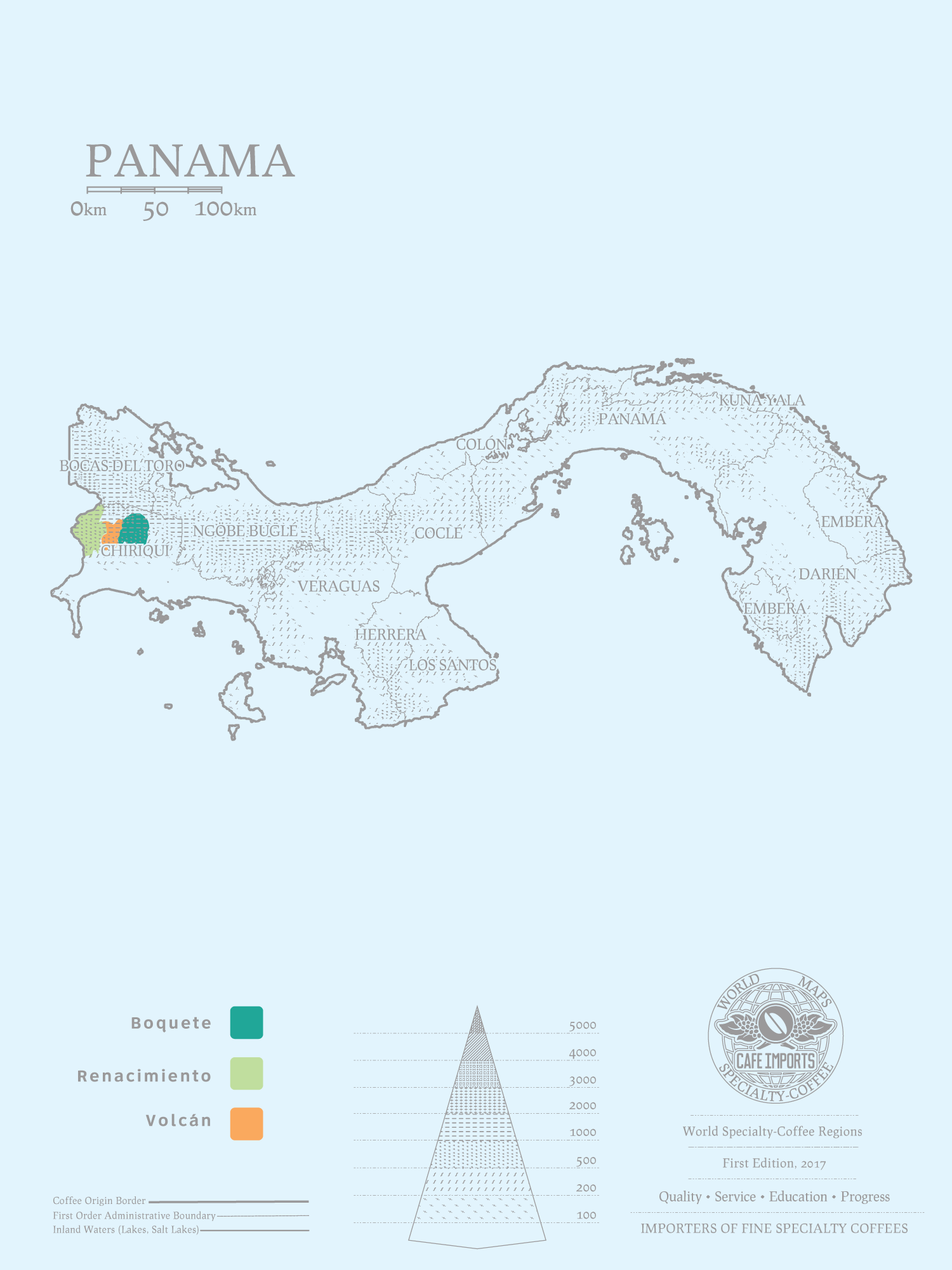
Panama's specialty coffee is concentrated in the western province of Chiriquí. Within Chiriquí, Boquete is the country's oldest and most famous coffee region, home to estates such as Jaramillo and Hacienda La Esmeralda. Volcanic fertile soil, persistent mist, moderate temperatures, and abundant rainfall create a near-perfect environment for Arabica — which explains the exceptional quality.
Boquete Coffee Region
Boquete is a high-altitude mountain area with cultivation at around 1450m, and its rugged terrain creates many microclimates. Fertile soil, high elevation, cool humid air, shifting sunlight, and plentiful rainfall yield coffee in both large quantities and outstanding quality, making Boquete Panama's highest-producing and highest-quality region. Rivers run through the area, feeding Panama's finest specialty coffee. FrontStreet Coffee notes that Boquete's frequent fog suppresses temperature spikes, and combined with its special geography, gives the coffee its excellent character. The region also has well-developed infrastructure, including roads and processing facilities. In recent years, however, tourism has boomed, and many operators have abandoned their farms for new opportunities — the current reality of Panamanian coffee production. The traditional processing method for Panama coffee is washed: the pulp is removed first, the parchment-wrapped beans ferment in water tanks, then undergo traditional washing, and finally dry in the simplest way — in the sun.
■ Altitude: 400-1,900m
■ Harvest Season: December to March
■ Varieties: Typica, Caturra, Catuai, Bourbon, Gesha, San Ramon
■ Flavor Description: Walnut, chocolate, full-bodied, heavy oily sensation
Volcán-Candela Region
The Volcán-Candela region borders Costa Rica and takes its name from the Barú Volcano and the town of Piedra Candela. It produces much of Panama's food along with some truly remarkable coffees.
■ Altitude: 1200-1600m
■ Harvest Season: December to March
■ Varieties: Typica, Caturra, Catuai, Bourbon, Gesha, San Ramon
■ Flavor Description: Mild and balanced — a profile steadily gaining attention from international connoisseurs, now nearly on par with Boquete.
Volcán Region
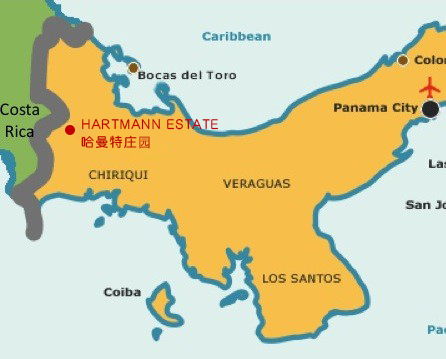
When people think of Panama's coffee traditions, they usually think of Boquete, but in recent years Volcán coffees have been making their mark on the specialty market, with quite a few estates entering Best of Panama and even winning championships. Volcán generally receives less annual rainfall than Boquete, and its location on the western side of the Barú Volcano gives its coffee more intense dried-fruit flavors, sweetness, and aroma compared to its eastern neighbor.
Early on, the Volcán area grew mostly cash crops like fruits and vegetables, and very few farmers grew coffee. Among the pioneers of coffee cultivation there was Panama's well-known Hartmann family.
Hartmann Estate
The Hartmanns are Panama's most prestigious coffee family and the first to grow coffee in the Volcán region. They place enormous weight on quality and actively experiment with new farming practices. The elder Hartmann, Ratibor Hartmann Troetsch, inherited his father's coffee business in Santa Clara, Volcán, and established Hartmann Estate in the 1940s, making him a founding figure of the now-rising Volcán coffee region.
The Volcán and Boquete regions sit on opposite sides of the Barú Volcano — one facing the Atlantic, the other the Pacific — and their coffee flavors differ considerably. What makes the elder Hartmann most special is his respect for the natural environment. His father had purchased 500 hectares of land, most of it forest. When Hartmann inherited the farm, friends urged him to clear the forest and plant coffee on a large scale to make money. He refused, preserving most of the original forest instead. From the elder Hartmann onward, the family became research partners with the Smithsonian Tropical Research Institute and other wildlife conservation organizations. Scholars visiting the estate discovered many protected species and birds, produced academic papers, and even recorded birdsong there.
The third generation of Hartmanns grew up on the estate, carrying on both the coffee plantations and the family's conservation ethos — they even use "Bird Friendly" wording on their estate trademark. Hartmann Estate sits in the Barú Volcano region on nutrient-rich volcanic soil, with tall primeval forest providing the perfect shade-growing environment. Shade-grown coffee ripens more slowly, developing greater sweetness and brighter acidity. The high-altitude microclimate of Chiriquí's Volcán area gives Hartmann coffee an excellent foundation. The planted varieties are very diverse: Typica, Caturra, Catuaí, Bourbon, Paché, Pacamara, Maragogipe, and in recent years, more and more Geisha.
The Legendary History of Hartmann Estate
Hartmann's story is as legendary as its coffee. The estate is located in Santa Clara, Chiriquí Province. Its founder, Mr. Alois St. Hartmann (Luis Hartmann), was born on June 20, 1891, in the Moravia region of Austria-Hungary — now the Czech Republic — and died on May 25, 1970, at the age of 78. When World War I broke out he was still a small boy, left to fend for himself; thanks to his mother he survived by hiding aboard a ship bound for Pennsylvania, USA.
His two brothers both died in the war after joining the military. Luis traveled through several countries with friends until he reached Panama in 1911, settling in Chiriquí Province in 1912 and living mainly in the Candela region. There, in the primeval forest, he built his first small cabin. Today's Hartmann Estate is a family business founded in 1940 by Ratibor Hartmann, son of Alois.
In 1966, Ratibor married Dinora Sandi from Costa Rica. They had five children: Ratibor Jr., Alan, Alexander, Alice, and Kelly. Each family member oversees a piece of the operation — growing management, harvesting and processing, and estate tours. The business runs a professional cupping lab and sample roasting room, and every batch is cupped with rigor and strict standards, ensuring consistently stable quality and a constant push for improvement. Their scientific approach and nearly a century of family experience guarantee the excellence of their coffee — a family estate that has grown coffee for over 100 years is a legend in its own right.
The Hartmann family also manages and processes coffee for many other Panamanian estates — Finca La Mula, a perennial Best of Panama winner, and the 90+ estates in Panama are all run under Hartmann management. Though the family keeps a low profile and rarely competes in Best of Panama themselves, their coffee ranks among Panama's very best, and their contribution to the country's coffee fame is undeniable.
Coffee Bean Processing Methods
Coffee Bean Black Winey Process
In 2015, WBC competitor Sasa Sestic introduced the world to a Colombian coffee processed through a method resembling red wine fermentation. Beyond the cup's novelty, the "Black Winey Process" behind it left FrontStreet Coffee's team and many enthusiasts curious: what exactly is this method? Washed, natural, and honey processing are familiar to most — but what is the Black Winey Process?
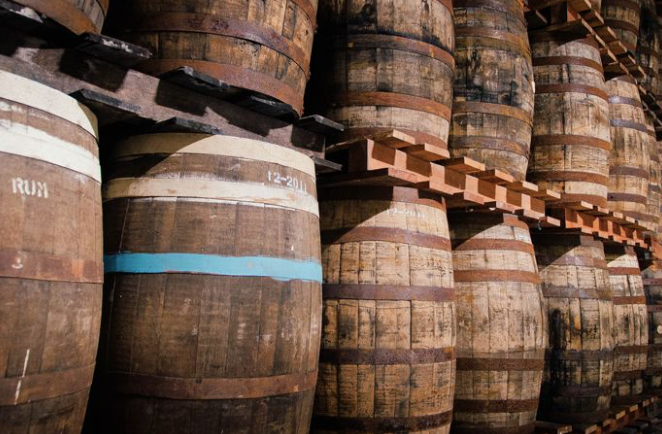
The Black Winey Process, also called wine-like processing, borrows from red wine fermentation techniques. FrontStreet Coffee broadly sorts its variations into three categories:
Acetic fermentation (aerobic fermentation)
Lactic fermentation (anaerobic fermentation)
Mixed fermentation (aerobic + anaerobic)
Traditional methods make fermentation degree hard to control. The Black Winey Process, however, safeguards quality by controlling pH — and even temperature and humidity — while sealed fermentation keeps aromatic compounds from volatilizing.
Black Winey Process Fermentation Procedure
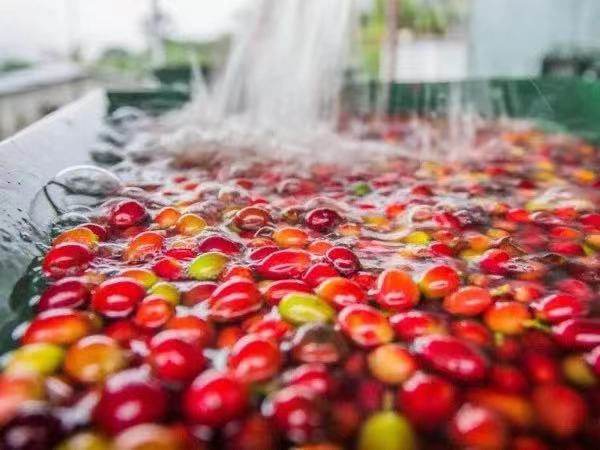
1. Farmers harvest coffee cherries with great care, selecting only red fruit so that, among the cherries selected for processing, unripe cherries account for less than 2%, defective beans less than 3%, and floaters less than 5%.
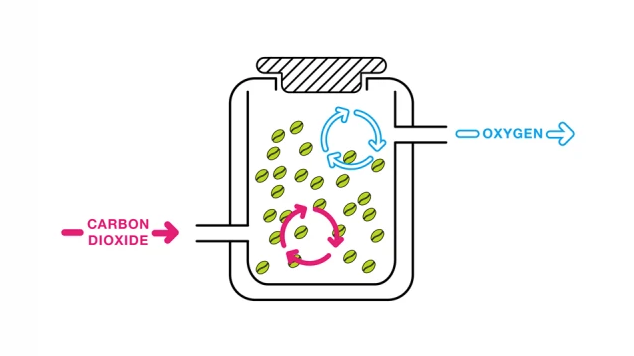
2. The selected cherries go into sealed containers (when Australian barista Sasa competed, the beans were processed in metal tanks). In any case, the container must have something like a red wine fermentation lock or a one-way valve, so carbon dioxide can escape while air concentration inside is controlled. In this setup the cherries undergo acetic fermentation, producing beans with bright, clean flavors and lemon-like acidity.
As Sasa described during his competition, injecting carbon dioxide into the container prevents oxidation and the formation of volatile acids. This is lactic fermentation, which produces malic acid and tartaric acid. Since tartaric acid is relatively stable, lactic-fermented beans show richer acidity with cheese, nut, and cream notes.
Coffee Variety - Catuai
Catuai is an Arabica hybrid, a cross between Mundo Novo and Caturra. It resists natural challenges well, particularly wind and rain. It inherits Caturra's compact stature, fixing Mundo Novo's main drawback, and its fruit sets firmly, resisting drop in strong winds — compensating for Arabica's fragile fruit. Its great regret is flavor: overall it performs more one-dimensionally than Caturra and lacks the body of Mundo Novo. Its productive lifespan is also only about ten years, another weakness.
Catuai comes in yellow-fruit (Catuai Amarelo) and red-fruit (Catuai Vermelho) forms. So far, no yellow-fruit lot has been found to taste better than red; some cuppers note that although certain yellow Catuai coffees show good acidity, their cleanliness falls short of red. Statistically, red Catuai wins awards far more often.
Catuai was developed from Caturra — which yields well and resists pests but disappoints in the cup — specifically to improve those shortcomings in taste and flavor.
Roasting Analysis
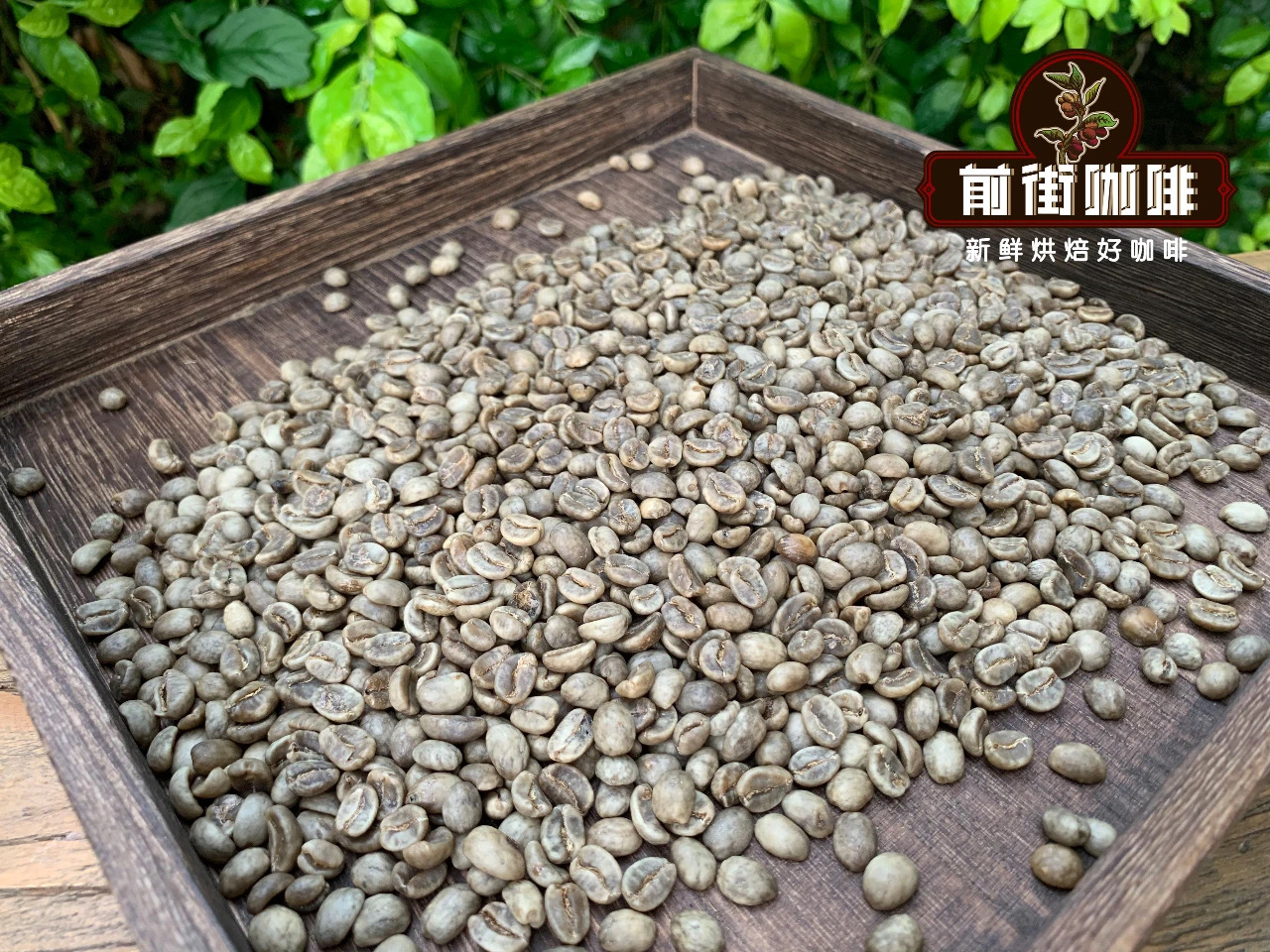
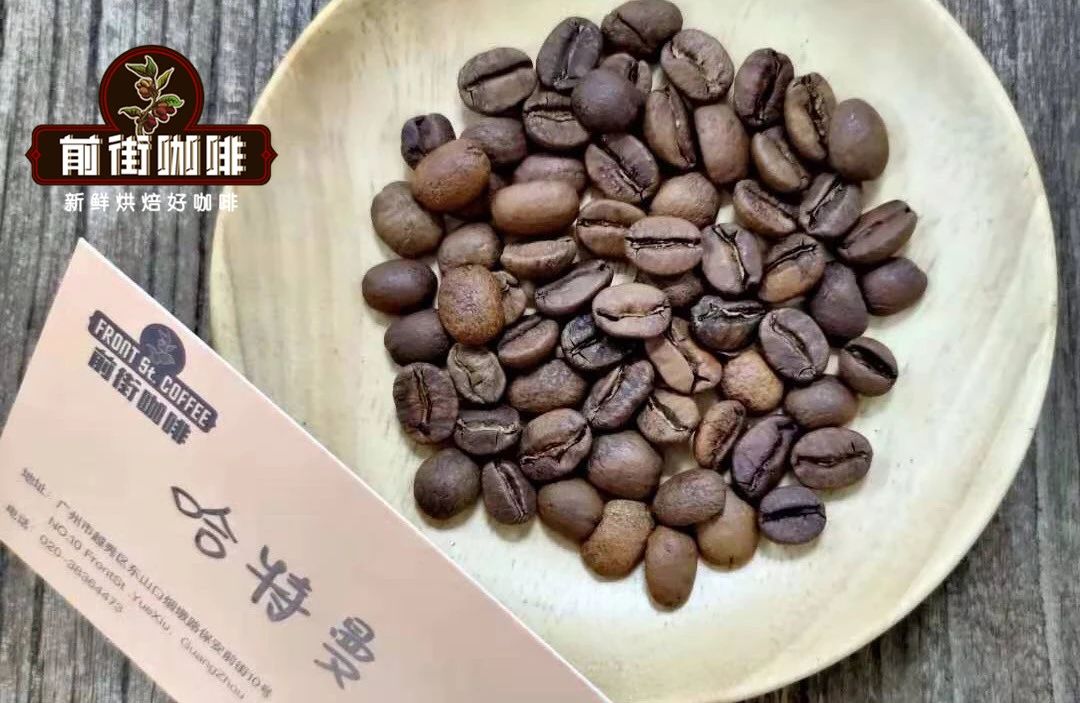
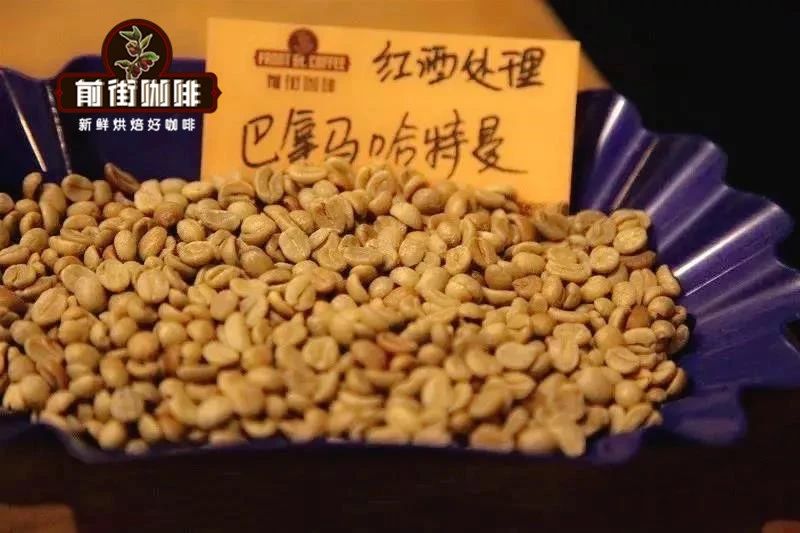
Panama Hartmann Estate coffee beans are relatively small, slightly denser than average, with moderate moisture. FrontStreet Coffee roasts them to a light-medium level, rather than the medium roast used for other Panama beans. A light-medium roast preserves the excellent acidity, tropical fruit, and winey fermentation notes, giving an overall cup that is sweet, rounded, fresh, and elegant.
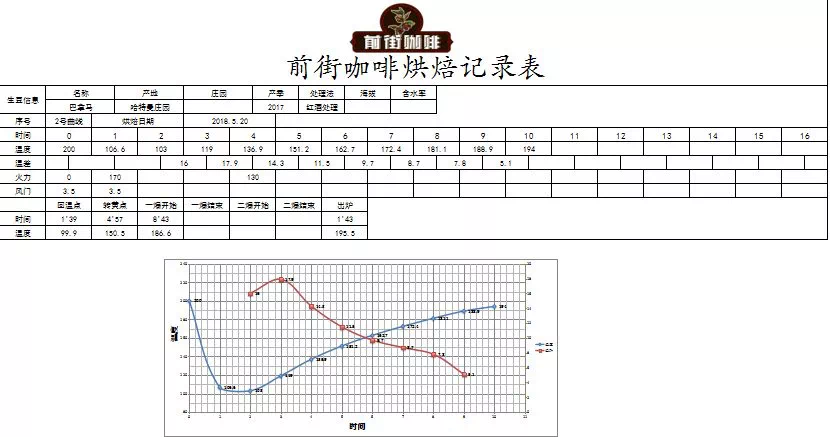
In the first roast batch, the drop-in temperature was relatively high at 200°C with strong heat. During roasting we found that although this bean's altitude isn't particularly high, its density is quite hard, so we adopted a gradual heat-reduction profile with a steady climb. Heat was turned down carefully as the beans passed the yellowing point, completed drying, and showed signs of first crack, to avoid surface scorching. The beans were dropped between dense first crack and the end of first crack, shortening the caramelization time to preserve flavor cleanliness and the floral and fruit aromas.
Yangjia 600g Semi-Direct Fire Roaster
Heat the drum to 200°C, air damper at 3. After 30 seconds, reduce heat to 170°C, damper unchanged. Turning point reached at 1'39"; maintain heat. At 4'57" the bean surface turns yellow, the grassy aroma disappears completely, and the drying stage begins — reduce heat to 130°C and raise the damper to 3.5.

At 8'00" drying is complete; reduce heat to 80°C. The bean surface shows pronounced wrinkles and dark spots, and the toast aroma clearly shifts toward coffee aroma — the prelude to first crack. Listen carefully from here. At 8'43" first crack begins; reduce heat to 60°C and fully open the damper to 5 (heat adjustments must be very careful — never so small that the crackling stops). Develop for 1'43" after first crack and drop at 195.5°C.
Cupping Report
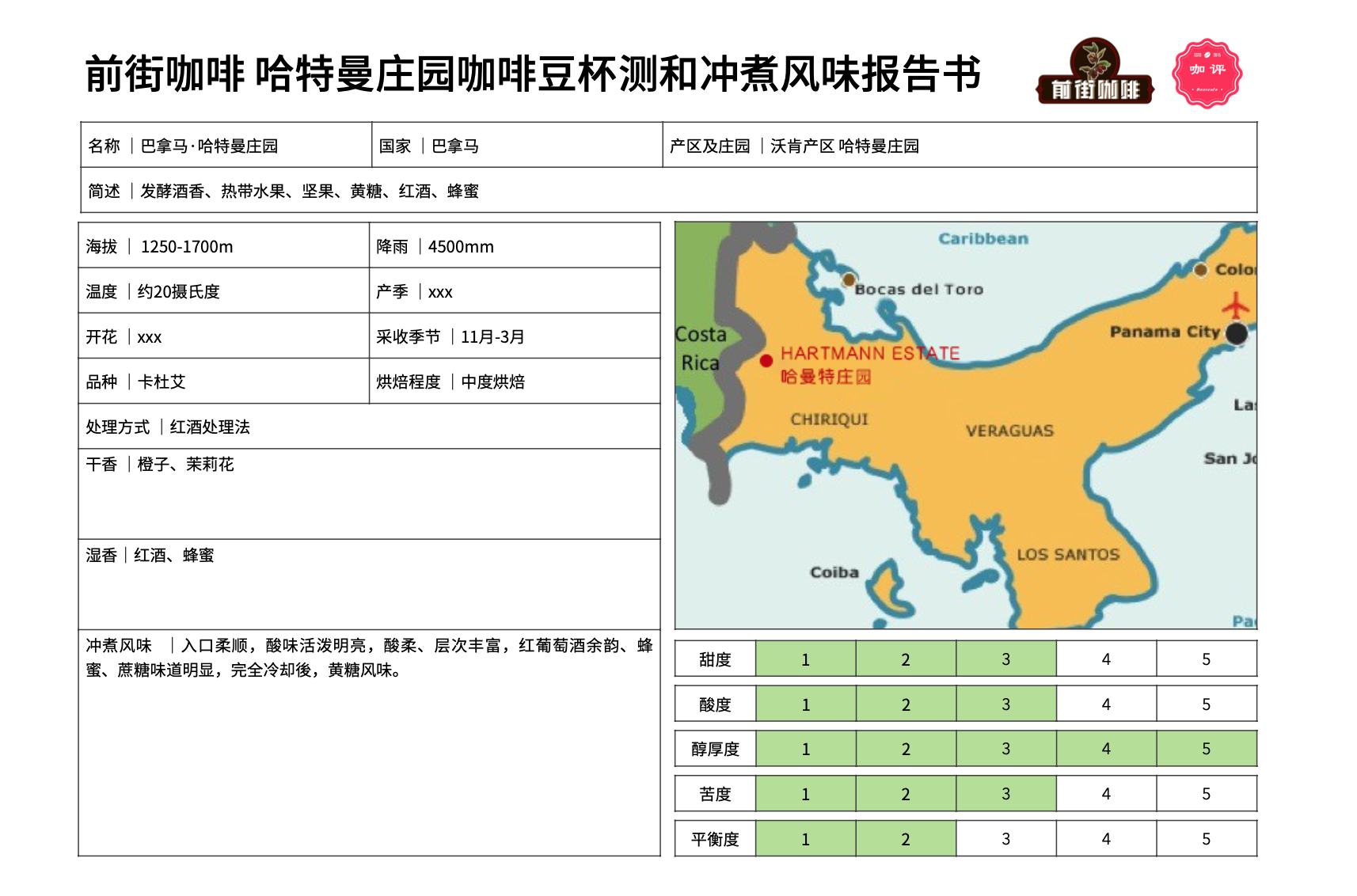
Brewing Analysis
Dripper: V60
Coffee Dose: Approximately 15g
Coffee-to-Water Ratio: 1:15
Water Temperature: 90°C
Grind Size: Medium-fine (sugar-grain size)
Brewing Method: Pour 25g of water to bloom for 25 seconds. Second pour up to 120g, then stop. Once the liquid in the coffee bed has dropped to about halfway, continue pouring slowly up to 225g. Total extraction time is approximately 2:00.

FrontStreet Coffee Recommendation
With this Hartmann Black Winey in hand, you already know Panama can do experimental processing brilliantly — but to taste where Geisha's legend began, FrontStreet Coffee's Boquete Geisha is the ideal next cup. Sourced from Panama's most representative specialty region, this entry-level Geisha is washed processed to deliver the classic orange-blossom sweetness and honeyed character of Panamanian Geisha, layered with delicate fruit acidity and a tea-like oolong finish, all at a price that leaves room to keep exploring.
Important Notice :
FrontStreet Coffee is a long-established specialty coffee roaster in Guangzhou China, selling freshly roasted beans from its own farm in Yunnan as well as dozens of carefully selected single-origin beans from around the world for both pour-over and espresso. The products deliver consistently excellent quality and great value, with shipping within 24 hours. Guangzhou's FrontStreet Coffee shop is recommended by many coffee lovers, and the beans are now available online at the Tmall 。
FrontStreet Coffee has moved to a new address:
FrontStreet Coffee Address: 315,Donghua East Road,GuangZhou
Tel:020 38364473
 Scan and follow the En Gafei WeChat official account. Please indicate that the reprint comes from "En Gafei".