Yirgacheffe Woka Flavor Profile
African Coffee Bean Flavors
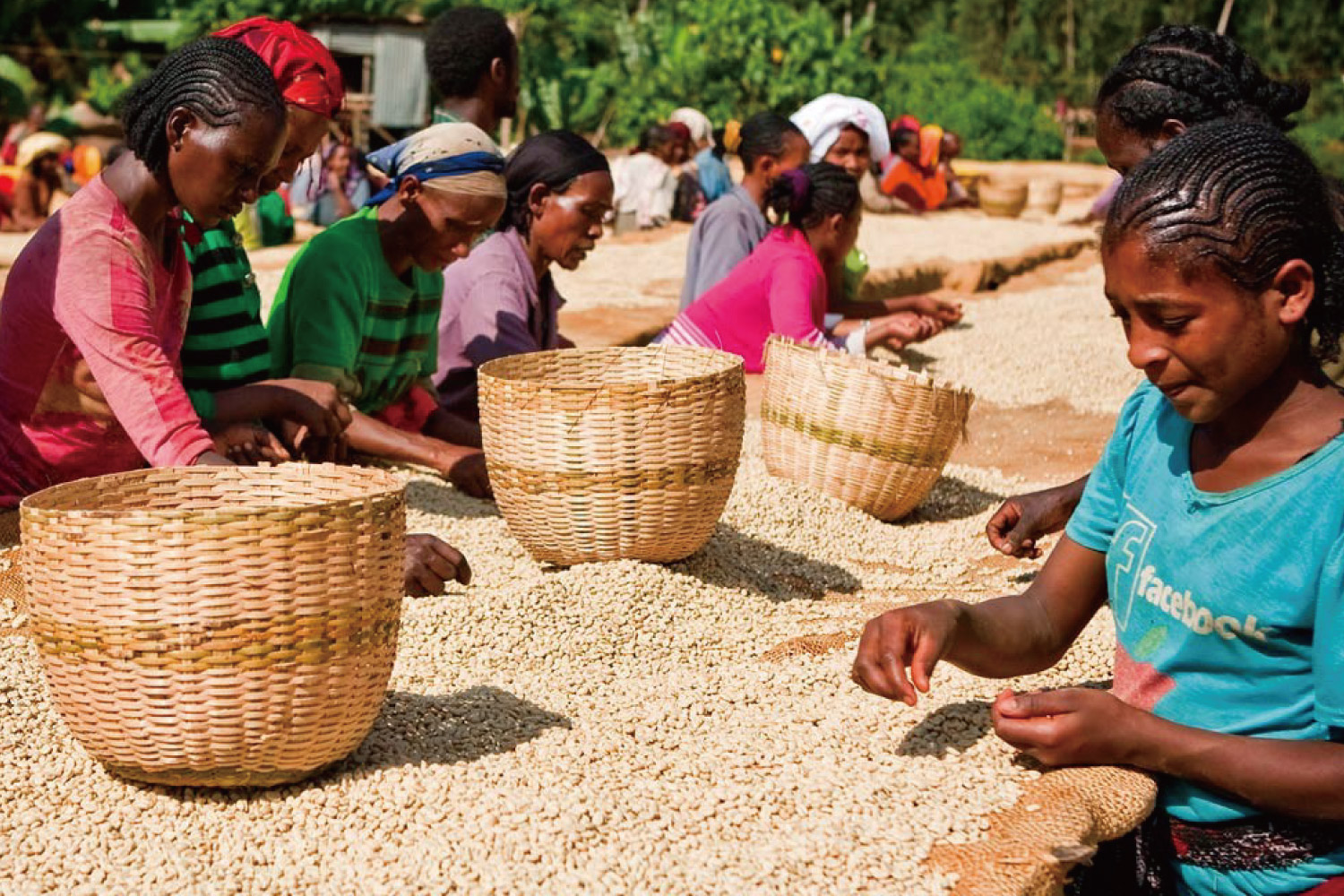
Among African coffees, Ethiopian beans are famous for their pronounced orange character, while Kenyan coffees burst with rich berry notes — the tart fragrance of plum juice and grapefruit, laced with the sweet scent of sugarcane. That Ethiopian orange fragrance and Kenyan berry aroma are the defining traits of the African cup, and precisely what enchants coffee lovers most.
Ethiopia: The Birthplace of Coffee
Ethiopia is an agricultural country whose history and tradition make it, quite literally, the birthplace of coffee. Yirgacheffe lies within the Sidamo zone in the country's south, and across Ethiopia some 12 million people make their living from coffee, making it Africa's leading exporter of Arabica. The premium lots here are exceptional and well worth seeking out: soft on the palate, wine-like and faintly wild, with a gentle acidity that lingers long after the last sip.
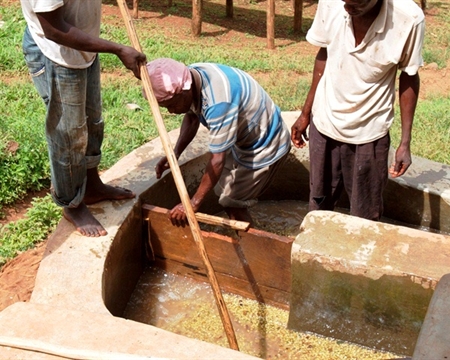
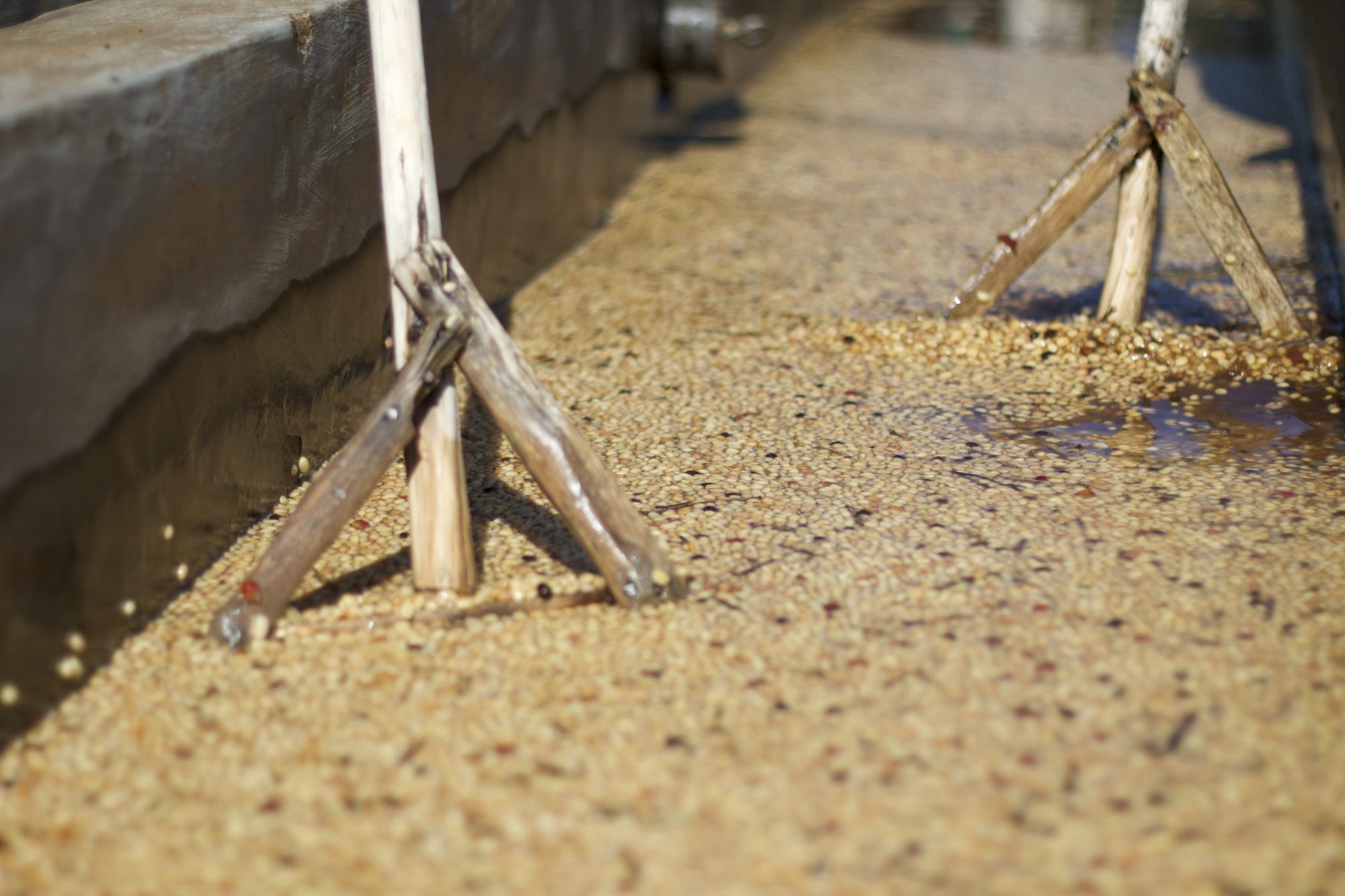
Yirgacheffe beans are processed mostly by the washed method: the parchment coffee ferments in washing tanks for around 72 hours, and some of the acids generated during mucilage fermentation migrate into the bean. Because the parchment dries free of pulp and mucilage, washed lots lack the fruity character of naturals and instead read clean and bright, with more pronounced acidity. Drying happens outdoors beside the mill. After hand-sorting, the green beans are graded by Ethiopia's Coffee and Cocoa Authority and exported through competitive bidding.
Anyone who loves African coffee will notice that Ethiopian beans are far less uniform than Kenyan ones, both in size and appearance. Whether Yirgacheffe or Sidamo, washed or natural, a single batch often shows obvious variation in bean size and even roast color. Ethiopia has nearly 2,000 recorded varieties — 1,927 native and 128 introduced — so judged by appearance alone, Ethiopian coffee is a "grand garden" of everything: long, short, thin, plump.
Yirgacheffe itself is a small town of roughly 20,000 people. Three neighboring districts — Wenago, Kochere, and Gelena Abaya — produce coffee so similar to Yirgacheffe's that it is sold under the Yirgacheffe name as well. In culture and geography the area resembles neighboring Sidamo, but Yirgacheffe seems uniquely favored by nature: the very best lots offer floral perfume, bright citrus acidity, lemony aromatics, and a silky-smooth mouthfeel.
Washed vs. Natural Yirgacheffe
Tasting: How do washed and natural Yirgacheffe differ in the cup?
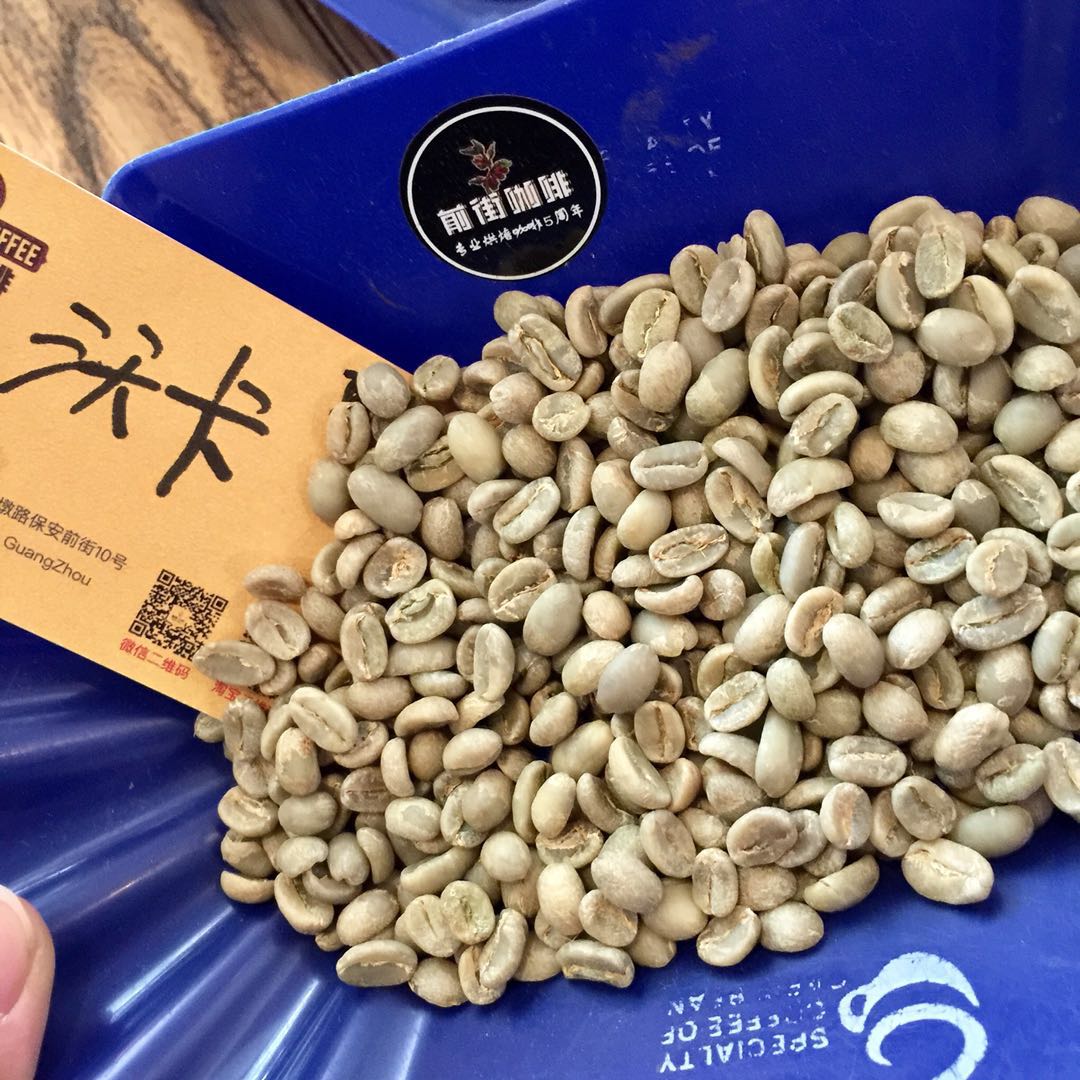
Green beans: Washed greens tend toward a bluish-green color; natural greens are more yellowish-green.
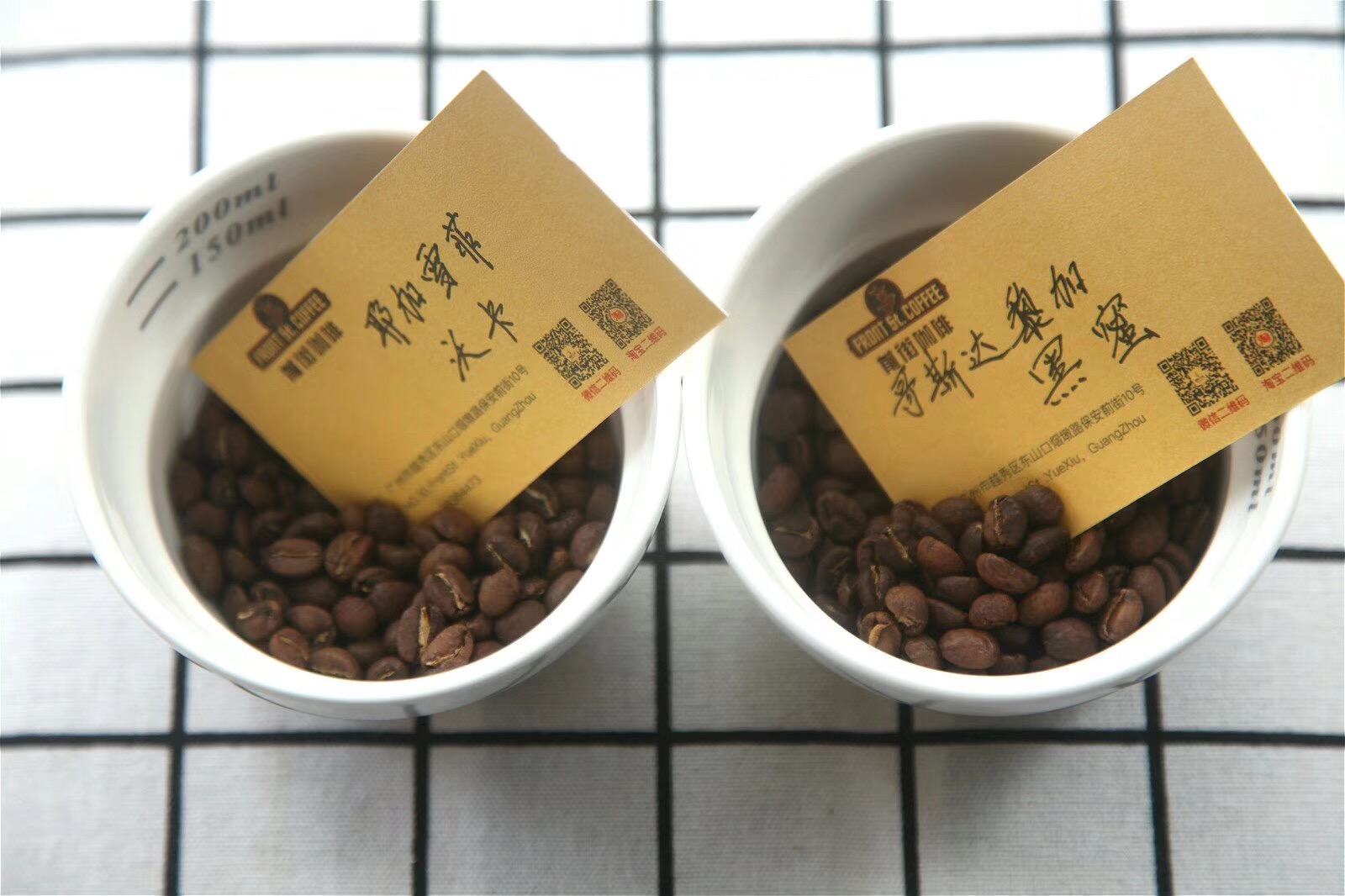
Roasted beans: Washed Yirgacheffe carries more silverskin; naturals carry less.
Ethiopia Yirgacheffe Aricha (Natural, Light Roast)
Light fermented wine aroma, sweet orange, spice, and honeyed sweetness. The Aricha washing station's natural lot is rated G1 — the highest grade under the ECX system — with excellent marks for green bean appearance, consistency, freshness, dry fragrance, and flavor.
Ethiopia Yirgacheffe Worka (Washed, Light Roast)
Lemon, kumquat, and white grape juice. The Worka Cooperative belongs to the renowned Yirgacheffe Coffee Farmers Cooperative Union (YCFCU) and produces washed Ethiopian coffee of the highest G1 grade.
Flavor: Meticulous washing makes the acidity especially refined and delicate — yellow lemon acidity, caramel sweetness, cream and lemon black tea, and a floral aftertaste.
The Worka Cooperative was founded in 2005 and joined the Yirgacheffe Coffee Farmers Cooperative Union (YCFCU) the same year, quickly earning a reputation for top-quality washed Yirgacheffe. The cooperative counts about 300 member farmers. YCFCU itself was established in 2002 and now embraces 26 member cooperatives serving more than 45,000 coffee farmers in total.
Worka sits in the Gedeb zone at the southeastern tip of Yirgacheffe. In earlier years, coffee from this area was exported under the general Worka name, or processed on consignment through the Worka Cooperative. Over the past few years, though, the world's coffee hunters have teased apart one independent single-origin source after another — Banko Gotiti, Banko Dadhato, Halo Bariti, and so on. Gotiti village was among the first to break away as its own micro-region. Many of its smallholder farmers were once members of the Worka Cooperative, so their processing skills are second to none.
FrontStreet Coffee Recommends: The Three-Pour Extraction Method
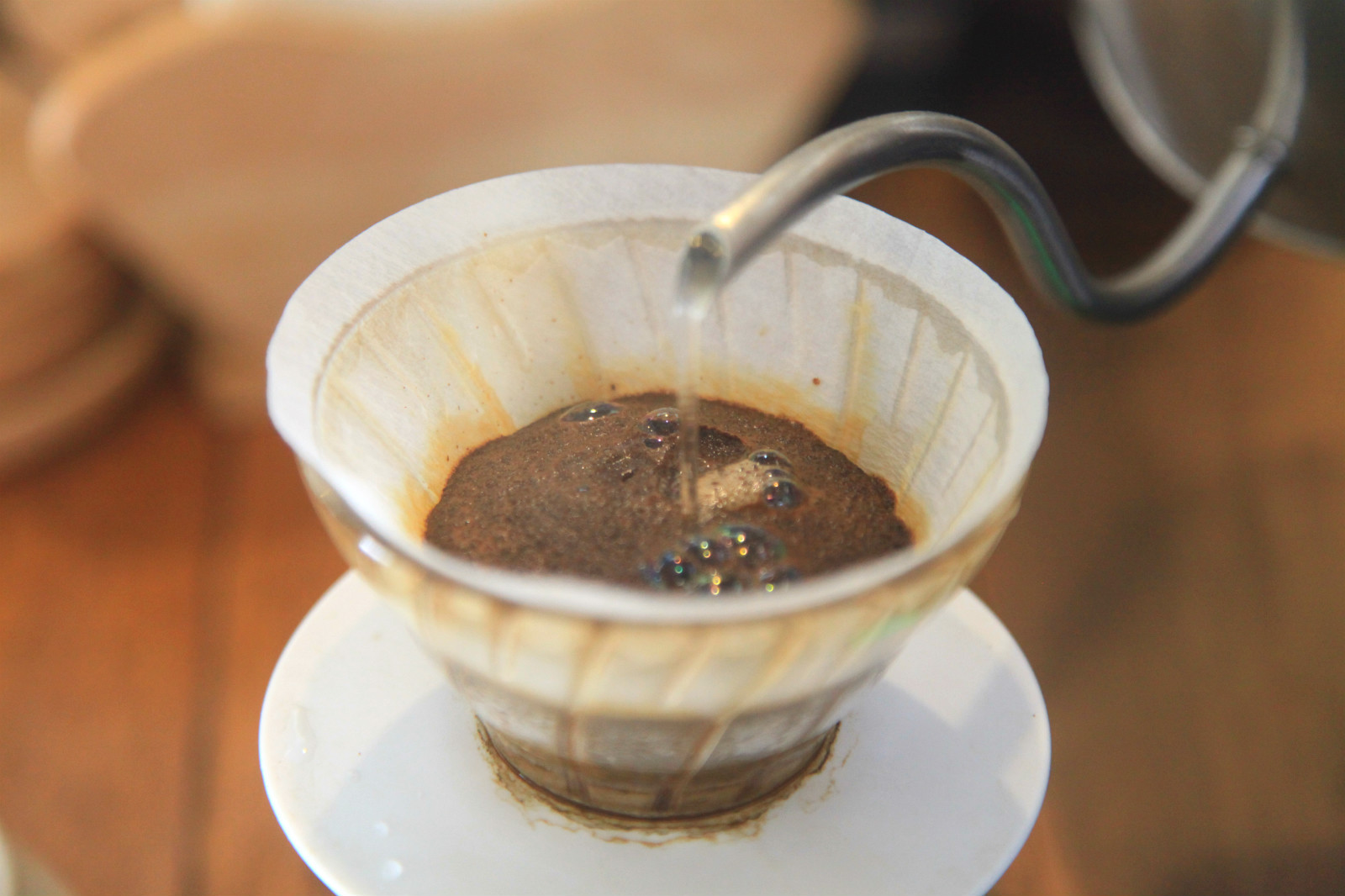
This approach builds richer layers, letting you taste the coffee's front, middle, and finish distinctly. After the bloom, each successive pour increases in volume; begin each pour just as the liquid level sinks toward the coffee bed, using small, medium, and then larger flows across the three stages.
Recommended brewing methods: siphon, pour-over
Grind size: 3.5 on the Fuji Royal R440
V60 dripper: 15g of coffee, water temperature 90°C, grind 3.5, coffee-to-water ratio close to 1:15
Bloom with 30g of water for 30 seconds.
Stages: pour to 120g, pause, then finish slowly to 225g.
FrontStreet Coffee Recommendation
If Worka's citrus-and-floral profile is your kind of cup, the FrontStreet Washed Yirgacheffe is the classic starting point: white jasmine, bright citrus and lemon acidity, and a clean tea-like body at an everyday price — the bean many drinkers use as their gateway into Ethiopian coffee. For a single-origin step up, the FrontStreet Worka Cooperative lot shown above offers that same signature character with even finer, more delicate acidity.
Prefer the natural side of Yirgacheffe? The FrontStreet Red Cherry natural lot dries only fully ripe cherries on raised beds, marrying classic Yirgacheffe florals with tropical fruit — citrus acidity, berry-juice texture, honeyed sweetness, and a creamy-smooth finish.
Important Notice :
FrontStreet Coffee is a long-established specialty coffee roaster in Guangzhou China, selling freshly roasted beans from its own farm in Yunnan as well as dozens of carefully selected single-origin beans from around the world for both pour-over and espresso. The products deliver consistently excellent quality and great value, with shipping within 24 hours. Guangzhou's FrontStreet Coffee shop is recommended by many coffee lovers, and the beans are now available online at the Tmall 。
FrontStreet Coffee has moved to a new address:
FrontStreet Coffee Address: 315,Donghua East Road,GuangZhou
Tel:020 38364473
 Scan and follow the En Gafei WeChat official account. Please indicate that the reprint comes from "En Gafei".