What Are the Most Distinctive Characteristics of Colombian Coffee? A Description of Pour-Over Flavor and Aroma

Colombia is one of the most versatile origins in coffee, and this guide looks at why its beans, its regions, and its processing make it a favorite for pour-over.
Introduction to Colombian Coffee
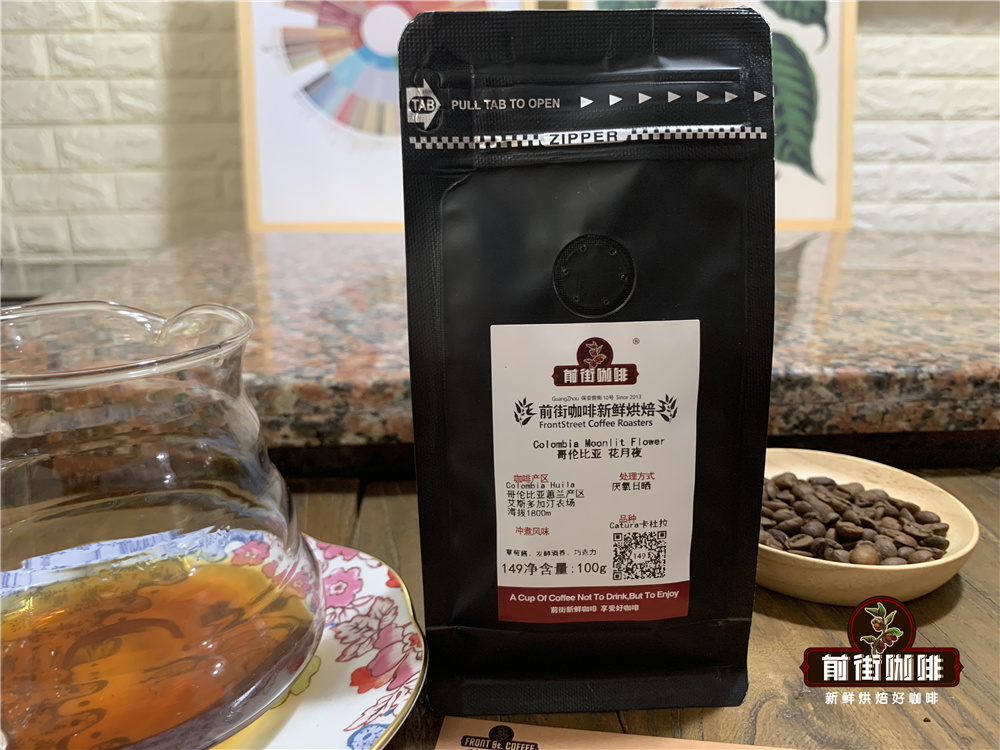
When you first taste Colombian Huila coffee, you are likely to be won over by its dark chocolate and nutty notes, and anyone who loves chocolate will enjoy it from the very first sip.
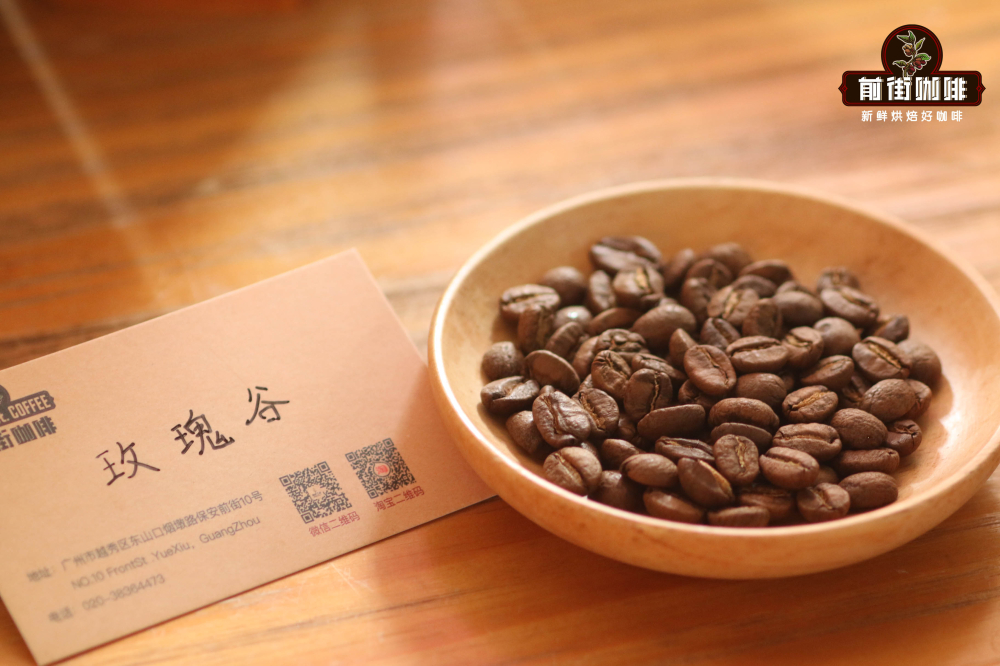
Colombia did not initially focus on specialty coffee, which is why Colombian beans often turned up in blends. With the advance of specialty coffee, Colombia began to focus on premium quality as well. Colombian beans gradually appeared on specialty lists, such as FrontStreet Coffee's Colombian Flower Moon Night coffee and Rose Valley coffee. At the same time, market demand has turned Colombian beans into a specialty category of their own.

Colombia's Growing Environment
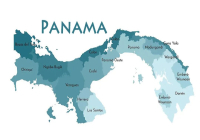
Colombian coffee beans are large and handsome, which depends on their varieties and their unique growing environment. Colombia sits in the northwest of the South American continent, bordering Panama in Central America. Located in the tropics, its climate varies with terrain, and it is covered in rich volcanic soil, with annual rainfall of 2000 to 3000mm, lying between 1°-11° 15' north latitude and 72°-78° west longitude. The climate is mild and the air humid, and the range of climates lets Colombian coffee be harvested year-round. The southern part of the eastern plains and the Pacific coast have a tropical rainforest climate, mountainous areas at 1000-2000 meters altitude have a subtropical climate, and the northwest has a tropical savanna climate. The average annual temperature is 15.8-20.5°C, while the average temperature across coffee regions varies between 18°C and 22.5°C. Colombia's suitable climate provides what is truly a natural pasture for coffee, and FrontStreet Coffee believes this is why Colombian coffee is of such superior quality.
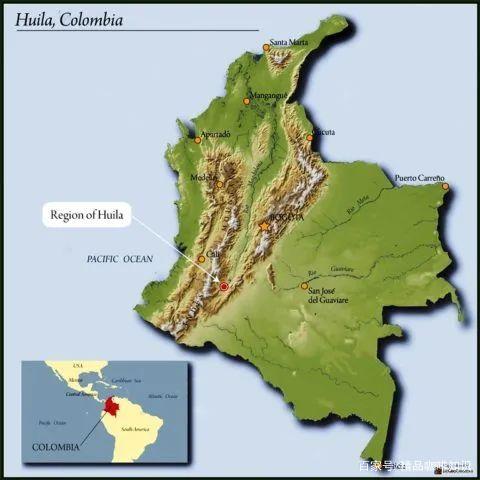
Colombian Coffee, or Café de Colombia, originates from Colombia and is one of the few single-origin coffees in the world sold under a country's name. In quality terms, it has earned praise that other coffees rarely reach. Compared with other producing countries, Colombia pays more attention to developing products and promoting production, and that, combined with its superior geography and climate, makes its coffee high in quality, delicious, and renowned worldwide.
World coffee falls into two broad series. Brazil, the largest producer, gives beans with a certain hardness and strong flavor; the other, represented by Colombia, offers a softness with a light and fragrant taste. The difference lies in the altitude and cultivation methods of the origin. Brazil plants coffee more extensively in hilly red soil, while Colombia produces it in mountain black soil under intensive cultivation. FrontStreet Coffee found that Colombian coffee gives off a light and elegant fragrance, not as strong as Brazilian coffee and not as acidic as African coffee, but rather a sweet, light fragrance, understated and elegant.

Main Coffee Growing Regions in Colombia
Colombia is the world's third-largest coffee producer and exporter, the world's largest exporter of Arabica coffee beans, and the world's largest exporter of washed coffee beans. Its most famous regions include Medellín, Armenia, and Manizales, habitually grouped together as "MAM."

Colombia's specialty coffee growing regions lie mainly in the south, at altitudes above 1500 meters, including San Agustín in Huila, Popayán in Cauca, Nariño, and Tolima. Coffee from these places has refined acidity and berry notes, with caramel aroma and full sweetness.
Colombian Coffee Varieties
Good coffee depends on its variety, and besides the natural growing environment, variety is a very important factor. Colombia is the world's largest exporter of Arabica coffee beans and the world's largest exporter of washed coffee beans. Most coffee produced in Colombia belongs to the Arabica species, including varieties such as Bourbon, Caturra, Typica, and Maragogipe. Most classic Colombian coffees are Typica, Caturra, and Catuai.
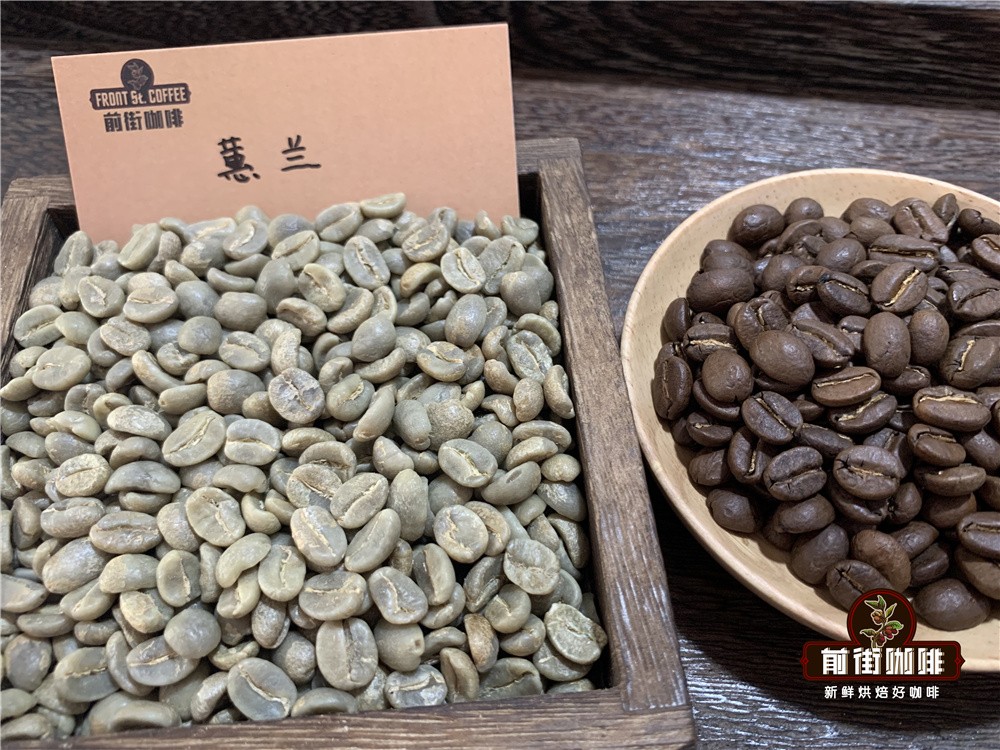
Caturra and Catuai are the most common coffee varieties in Colombia. In addition, some famous local estates grow Geisha coffee and new varieties such as Colombia (yes, this is a coffee variety name) and Castillo.
Caturra is a natural variant of the Arabica variety Bourbon, discovered in Brazil in 1937. Its plant is not as tall as Bourbon but more compact. Inheriting Bourbon's lineage, it has relatively weak disease resistance, though higher yield than Bourbon. Although discovered in Brazil, Caturra is not suited to growing there and was not widely cultivated, but it became popular in Central and South America, with large-scale cultivation in countries such as Colombia, Costa Rica, and Nicaragua.
Catuai is a man-made hybrid of Caturra and Mundo Novo. It has relatively good resistance to natural disasters, especially wind and rain. The Catuai tree is relatively short, and compared with other coffee trees its fruit grows more firmly and is harder to pick. The fruit comes in both red and yellow varieties, and to date no difference has been found in taste between yellow and red fruit. In fact, some cupping has found that although coffee processed from yellow fruit has good acidity, its cleanliness is inferior to that of red fruit.

Beginning in 1961, CENICAFE began research on the Timor variety, which carries Robusta blood, and continued its development, releasing the second disease-resistant variety, Tabi, a hybrid of Typica, Bourbon, and Timor, in 2002. In 2005 it released the most successful disease-resistant variety to date, Castillo, and after the massive leaf rust outbreak in 2008, Colombia began vigorously promoting Castillo cultivation.
Colombia - a new variety sharing the country's name - was cultivated in 2008 as a hybrid with Caturra and Timor bloodlines, making it a Catimor variety. FNC insists, however, that although Colombia is a direct descendant of Catimor, its flavor is far more elegant than typical Catimor, because it has undergone multiple generations of backcrossing with Arabica that eliminated the musty smell of large beans. Its flavor leans more toward Arabica while keeping the disease resistance and high yield of Robusta, making it a powerful tool for increasing production in Colombia.

Colombian Coffee Processing Methods
As the world's largest exporter of washed coffee beans, it is natural that most Colombian beans use the washed process. Specialty coffee is also mostly produced on small and medium-sized self-operated farms, and compared with Brazil's large-scale cultivation, coffee from small farms is typically of higher quality. Readers may notice, though, that Colombian beans now appear with many other special processes, such as wine barrel immersion and anaerobic fermentation, and these methods keep bringing innovation and progress to Colombian coffee in the specialty world.
For those who enjoy coffee with full fruit flavors, FrontStreet Coffee recommends Colombia's FrontStreet Boundary Estate Sidra and FrontStreet Boundary Estate Maragogipe. Although grown on the same estate, cupping showed FrontStreet Coffee that Sidra and Maragogipe present completely different profiles under anaerobic natural processing. Sidra has a very rich floral and fruit aroma, yet the brewed liquid presents a wine-like, mellow charm, while Maragogipe carries more berry notes and maximizes a juice-like quality.

Washed Processing Method:
After picking, coffee cherries are first poured into large water tanks, where underdeveloped, inferior beans float to the surface while mature, full fruit sinks to the bottom. The defective fruit floating on the surface is then removed.

Next, a pulper removes the outer skin and pulp of the fruit, leaving the beans coated in a slippery layer of mucilage. The beans with mucilage go into fermentation tanks for 16-36 hours, during which microorganisms break the mucilage down. Once fermentation is complete, large amounts of clean water wash away any remaining mucilage, and finally the clean beans are dried in the sun.
FrontStreet Coffee believes Colombian premium coffee's acidity, bitterness, and sweetness are perfectly balanced. With its unique aroma, the fragrance fills the whole mouth after drinking, and exhaling the aroma from the mouth through the nose is a very full experience. Whatever special processing method is used, it is an improvement built on basic washed processing. FrontStreet Coffee also believes that washed coffee better reflects the essential flavor of the beans, which is why almost all of FrontStreet Coffee's staple beans are washed, and washed Huila coffee serves as the representative of Colombian coffee.
FrontStreet Coffee Brewing Recommendations
To brew a good cup, the freshness of the beans is every bit as important as the variety. FrontStreet Coffee believes bean freshness is an essential part of brewing. The beans FrontStreet Coffee ships are all roasted within 5 days, because it understands how greatly freshness affects flavor. FrontStreet Coffee's roasting philosophy is "Freshly Roasted Good Coffee," ensuring that every customer who orders receives the freshest coffee possible. The resting period is about 4-7 days, so when customers receive it, it is at peak flavor.
Some customers need FrontStreet Coffee to grind the beans, which is fine, but a reminder is in order: if the beans are ground in advance, no resting period is needed, because during transport the pressure created by carbon dioxide in the packaging helps the flavor mellow, so you can brew a cup immediately on receiving ground coffee. Ground coffee should be brewed promptly, though, because it oxidizes relatively quickly after contact with air, so the flavor dissipates faster and the coffee tastes less good. FrontStreet Coffee therefore recommends buying whole beans and grinding fresh before brewing, to appreciate the flavor at its best.
FrontStreet Coffee's Colombian Sidra brewing parameters:
Colombian Sidra coffee beans use a medium-dark roast, so FrontStreet Coffee chose: Dripper: KONO dripper, Water temperature: 88°C, Dose: 15 grams, Ratio: 1:15, Grind size: Medium grind (China standard #20 sieve, 80% pass rate)

Colombian Sidra and Maragogipe coffees use a medium-light roast, so FrontStreet Coffee chose: Dripper: Hario V60, Water temperature: 90°C, Dose: 15 grams, Ratio: 1:15, Grind size: Medium-fine grind (China standard #20 sieve, 80% pass rate)

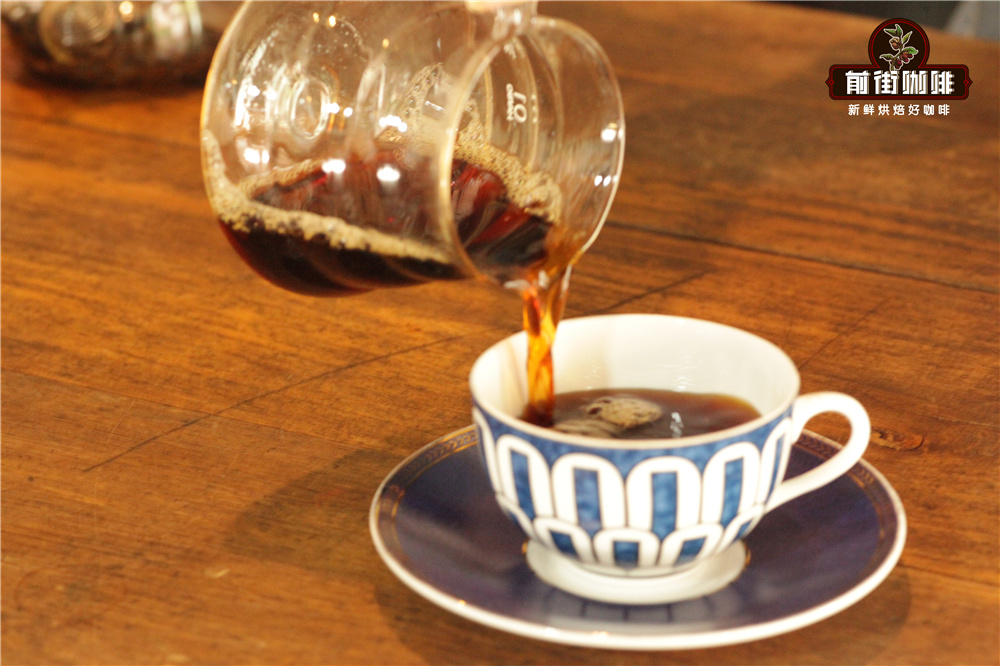
Using segmented extraction, bloom with 2 times the coffee powder amount of water, that is, 30 grams of water for 30 seconds. Starting from 31 seconds, continue pouring in a small circular stream to 125 grams, then keep pouring to 225 grams and stop. Wait until all the water drips through the filter, then remove the dripper. Time from the start of pouring, extraction time is 2'00". Next, pick up the whole cup of coffee, shake it evenly, and pour into cups for tasting.
Flavor Profiles:
Colombian Huila Coffee Flavor: rich acidity, caramel, sweet nuts, chocolate, and an admirable soft fruity acidity.
Colombian Sidra Coffee Flavor: floral notes, preserved fruits, apricot with a wine-like aftertaste, cream, and fermentation notes.
Colombian Maragogipe Coffee Flavor: spices, bright orange, blueberry-like flavors, prominent acidity, a juice-like texture, and ripe pineapple juice.
For different roast levels, the brewing equipment varies as well. KONO drippers are generally suited to medium-dark roasted beans, which have a mellower taste, while medium-light roasted beans work well with a Hario V60 for a richer flavor profile. Whether it comes to bean selection or brewing method, FrontStreet Coffee welcomes you to explore together.
FrontStreet Coffee Recommendation
If you want to understand the Colombian origin through its most representative cup, FrontStreet Colombia Huila comes from the Huila department in the southern Central Cordillera, the country's best-known specialty producing area, a mountain basin at altitudes above 1,500 meters where Colombia's most important rivers meet and bring abundant water and humidity. FrontStreet's washed Huila is medium-dark roasted, which brings out dark chocolate and nutty sweetness with moderate oils and a full body. It suits pour-over and French press, and it works just as well for moka pot and espresso machine extraction, so americanos and lattes are no trouble either.
For a taste of how innovative processing is changing Colombia, FrontStreet Boundary Estate Sidra is an anaerobic natural lot. Anaerobic fermentation - sometimes called carbonic maceration - takes place in a low-oxygen or oxygen-free environment, usually in a pressure-resistant stainless steel tank where temperature, time, pH, and other data can be controlled, and its best-known forms are anaerobic natural and anaerobic washed. After fermentation this Sidra develops more tropical fruit aroma, and when roasted medium-light it delivers complex, concentrated flavors of passion fruit, grape, apricot, and dried fruit in pour-over, cold brew, drip bags, or a moka pot.
For those with a home espresso machine or a moka pot, FrontStreet Specialty Blend is the barista's recommendation. Built for running a cafe, it combines the creamy nut aroma of Brazilian coffee with the dark chocolate bittersweetness of Colombian coffee, and extraction shows a fine golden crema. It pairs beautifully with milk for a rich, smooth latte and is very forgiving for beginners, while also serving as the base for americanos, cappuccinos, mochas, and other standard espresso drinks.
Important Notice :
FrontStreet Coffee is a long-established specialty coffee roaster in Guangzhou China, selling freshly roasted beans from its own farm in Yunnan as well as dozens of carefully selected single-origin beans from around the world for both pour-over and espresso. The products deliver consistently excellent quality and great value, with shipping within 24 hours. Guangzhou's FrontStreet Coffee shop is recommended by many coffee lovers, and the beans are now available online at the Tmall 。
FrontStreet Coffee has moved to a new address:
FrontStreet Coffee Address: 315,Donghua East Road,GuangZhou
Tel:020 38364473
 Scan and follow the En Gafei WeChat official account. Please indicate that the reprint comes from "En Gafei".