Introduction to Panama Boquete Coffee Growing Region - Panama Coffee Bean Flavor Characteristics and Taste Evaluation
Panama's Geisha coffee is world-renowned for its limited quantity and exceptional quality. FrontStreet Coffee also greatly enjoys roasting Panama Geisha, since its superior quality saves considerable effort in the roasting process. On the other hand, because Geisha green beans are so expensive, FrontStreet Coffee handles them with extra care. Fortunately, FrontStreet Coffee's roasters have extensive experience and typically design three to five different approaches based on the beans' characteristics, then select the best roasting curve through cupping to present to customers. Many customers who visit FrontStreet Coffee to taste Geisha praise its flavor, and also wonder why Panama Geisha beans have such excellent quality. In this article, FrontStreet Coffee addresses this most intriguing question and guides you through this renowned coffee-producing country in Central America.
Panama Coffee Growing Regions
Panama is a small country at the center of the American continent, with a total area of 75,517 square kilometers. Its "S"-shaped geography connects North and South America, bordering Colombia to the east, the Pacific Ocean to the south, Costa Rica to the west, and the Caribbean Sea to the north. Premium coffee is grown in the western part of the country.

In terms of climate, Panama sits near the equator and has a tropical marine climate, with humid days and cool nights and an average annual temperature of 23-27°C. The year divides into dry and rainy seasons, with average annual rainfall of 1,500-2,500 mm. The most famous coffee is produced in the Boquete region of Chiriqui province, with areas like Volcán, Santa Clara, and Candela also well known. Other regions include the David, Remacimeinto, Bugaba, and Tole districts. Only coffee grown at altitudes between 1,300 and 1,500 meters is considered specialty coffee.
There are three main cultivation methods in Panama's Boquete region: sun-grown plantations, fully shade-grown plantations, and semi-shade-grown plantations. Plantations with more than 50 trees per hectare are considered fully shade-grown; those with 25-50 trees are semi-shade-grown; and those with fewer than 25 trees are called sun-grown. So what impact does shade versus no shade have on coffee from two neighboring plantations under the same growing conditions?
Shade-grown plantations can slow the maturation of coffee cherries, allowing more flavor compounds to develop within them. Shade cultivation therefore increases costs and reduces yield, but its coffee flavor is superior to that of semi-shade-grown plantations under the same conditions. Today, most plantations in Colombia maintain a symbiotic state, with coffee trees growing alongside banana trees. As Arabica varieties become increasingly dwarfed, the banana trees provide shade as they grow taller.
Coffee from Panama's estate coffees is mostly hand-picked specialty Arabica, with each batch traceable. It is possible to trace which specific plot of an estate, which cooperative, or which farmer the beans came from, in pursuit of regional flavor. Only by visiting coffee origins and stepping into estates can one understand the profound foundation behind that hint of coffee—the captivating flavors and ever-changing aromas—whether they come from microclimate, variety, processing method, or the coffee farmer's secret techniques.

Hacienda La Esmeralda
Hacienda La Esmeralda sits at a corner of Baru Volcano. The beans produced in the area were mostly named after Baru Mountain before they became famous. The surroundings of Boquete feature beautiful scenery, with many leisure hotels, vacation estates, and even developments along the important Rio Caldera river. Hacienda La Esmeralda is located in Jaramillo on the right side of this river, and later moved to grow coffee at even higher altitudes in the Canas Verdes area on the left side. We must thank Rudolph Peterson for his decision to purchase the property at that time.
When speaking of Hacienda La Esmeralda, one must mention the "Red Label," "Green Label," and "Blue Label" grades of Geisha coffee beans. Although Hacienda La Esmeralda's Geisha production is low, its quality has earned the reputation of "World's Best," becoming a star estate after winning the BOP championship in 2004. The four famous coffee brands of Hacienda La Esmeralda are Esmeralda Special, Geisha, Diamond Mountain, and Palmyra.

FrontStreet Coffee Hacienda La Esmeralda Geisha Red Label
Region: Panama, Boquete
Estate: Hacienda La Esmeralda, Mario Lot
Altitude: 1700+m
Variety: Geisha
Processing: Natural Process
The Red Label Geisha, also known as Esmeralda Special, is the finest product of Hacienda La Esmeralda. It selects Geisha beans grown at altitudes of 1,600-1,800 meters, with cupping scores above 90 points, from the two regions of Jaramillo and Canas Verdes. The Red Label available for bidding consists of Geisha batches from designated plots entered into Hacienda La Esmeralda's independent auction. There are also non-auction Red Labels on the market today, which are actually Geisha beans selected from the same plots but not entered into the auction, then circulated on the market. The variety and quality are consistent; only the pricing differs.

FrontStreet Coffee Brewing Recommendations
Dripper: Hario V60
Water Temperature: 90°C
Coffee Dose: 15g
Coffee-to-Water Ratio: 1:15
Grind Size: Medium-fine (75% pass-through rate with #20 standard sieve)

FrontStreet Coffee Brewing Technique
Segmented Extraction
Bloom with 30g of water for 30 seconds. When pouring with a small circular motion to 125g, make a segment division. When the water level drops to just before exposing the coffee bed, continue pouring to 225g and stop. When the water level drops to just before exposing the coffee bed again, remove the dripper. (Timing starts from the bloom.) Total extraction time is 2'00".
Flavor Description
Bright aromas of rose and citrus, with notes of brown rice, berries, apricot, complex fruits, and honey. It has a substantial juice-like texture with rich flavor layers and noticeable sweetness.

Elida Estate
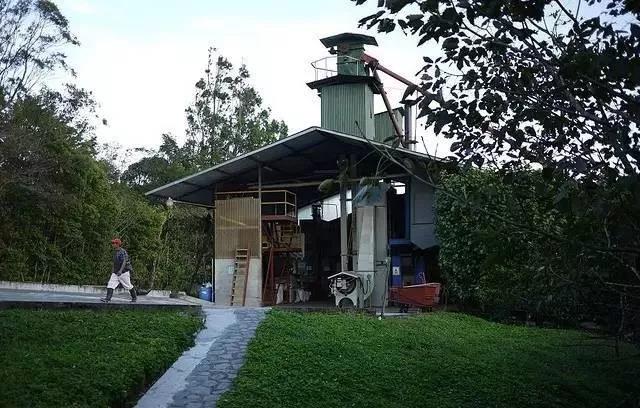
The estate's history can be traced back to 1918. The farm is owned by the Lamastus family, and its name, Elida, was the name of owner Robert Louis Lamastus's wife at the time. Elida Estate is located in the Boquete region, and its altitude is almost the highest in all of Panama. Nearly half of its area lies within a national protected park, making it a rare ultra-high-altitude estate in Central America. Elida Estate has a total area of 65 hectares, more than half within the Baru Volcano National Park. Thirty hectares are planted with coffee trees, while the remaining 35 hectares are pristine forest. The coffee is grown at altitudes ranging from 1,670 to 1,850 meters, making it one of the two highest-altitude coffee estates in Panama (the other estate of similar altitude is Carmen Estate in the Volcán valley).
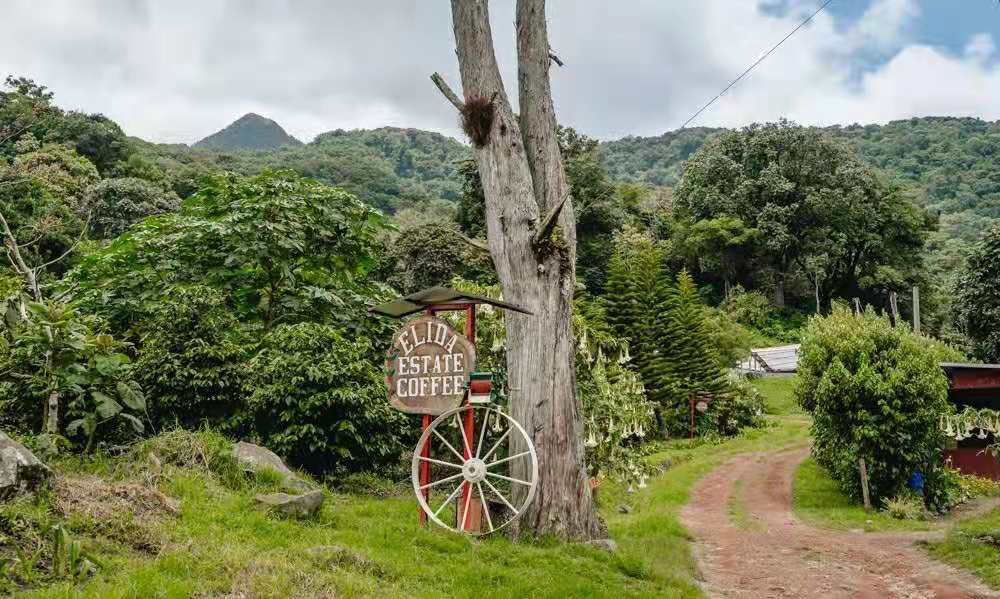
The rugged Baru is a young volcano over 3,400 meters high and still active. Because of the large temperature difference between morning and evening, coffee at Elida Estate requires 5 years of care after planting before the first harvest, making the wait quite long (typically only 3 years in most growing regions). Although plant growth is slower, it greatly benefits the development of coffee flavor. After entering the harvest period, the coffee often takes more than a month to ripen because of the temperature conditions. If hurricanes, heavy rain, or other irresistible factors arrive shortly before ripening—even knowing it will cause significant losses—the estate refuses to harvest prematurely, because the beans have not met the harvesting standard, leading to sharply reduced yields. The risks are, in fact, much greater than for lower-altitude estates.
Elida Estate mainly grows three varieties: Catuai, Typica, and Geisha. The processing plant is located halfway up the mountain, allowing coffee to be transported to the factory immediately after picking so the quality of the cherries is not affected. Elida's environment is also suitable for growing other quality temperate crops, especially tree tomatoes and some uncommon high-altitude fruits. Interestingly, the flavors of these fruits can often be found in Elida's coffee as well.

In addition to the unique ultra-high altitude and microclimate, estate owner Mr. Wilford has put considerable effort into harvesting and processing. To achieve the highest standards, Elida Estate's coffee is hand-picked only from the most ripe cherries ("Ripe on Pinton"). The high maturity of the fruit naturally results in higher sugar content in the mucilage, which is the foundation for Elida's superior flavors.
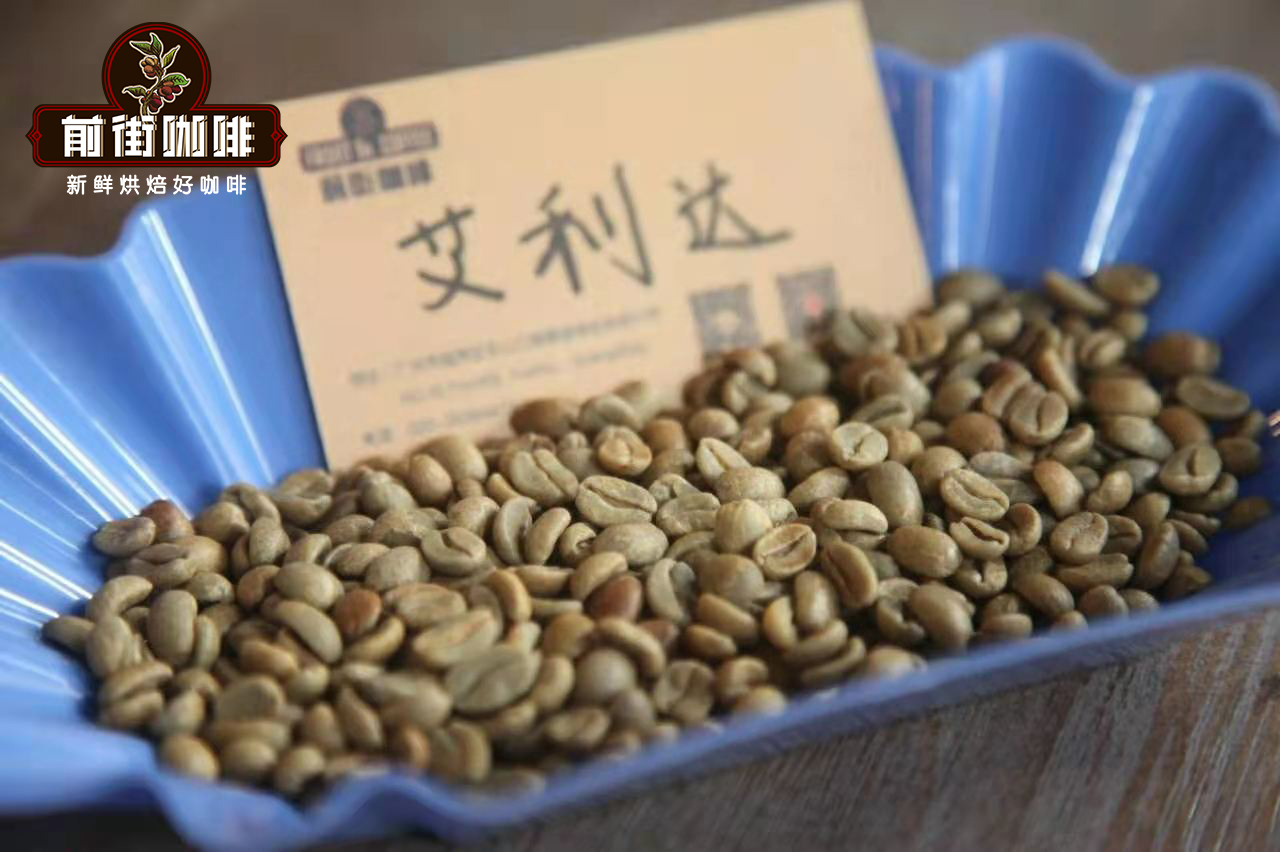
FrontStreet Coffee Elida Estate Typica
Region: Panama, Boquete
Estate: Elida Estate
Altitude: 1,850 meters
Variety: Typica
Processing: Natural Process
Besides being extremely strict with cultivation and processing, estate owner Mr. Wilford is also more rigorous than his peers in the "purification" of green beans after processing. For Panama Elida, after green bean processing is complete, it requires more than 5 months of low-temperature resting to remove grassy notes, allowing the coffee's flavors to develop more balanced and full-bodied. (Low-temperature resting is a green bean purification concept strongly promoted by coffee master George Howell starting in 2006. We found that while green beans from subtropical regions need to be stored at low temperatures, different processing methods and altitudes change the required resting time. For Panama Elida, 5 months of low-temperature resting is optimal.)

Cupping expert Ken Davids gave Elida Estate's coffee a high score of 93 points in 2012. Elida is also a frequent choice for competitors in the World Barista Championship (WBC) from various countries. In the finals of Taiwan's TBC (Taiwan Barista Championship) and China's CBC (China Barista Championship), contestants can often be seen using single-origin Elida for SOE espresso.
FrontStreet Coffee Brewing Recommendations
Dripper: Hario V60
Water Temperature: 91°C
Coffee Dose: 15g
Coffee-to-Water Ratio: 1:15
Grind Size: Medium-fine (80% pass-through rate with #20 standard sieve)
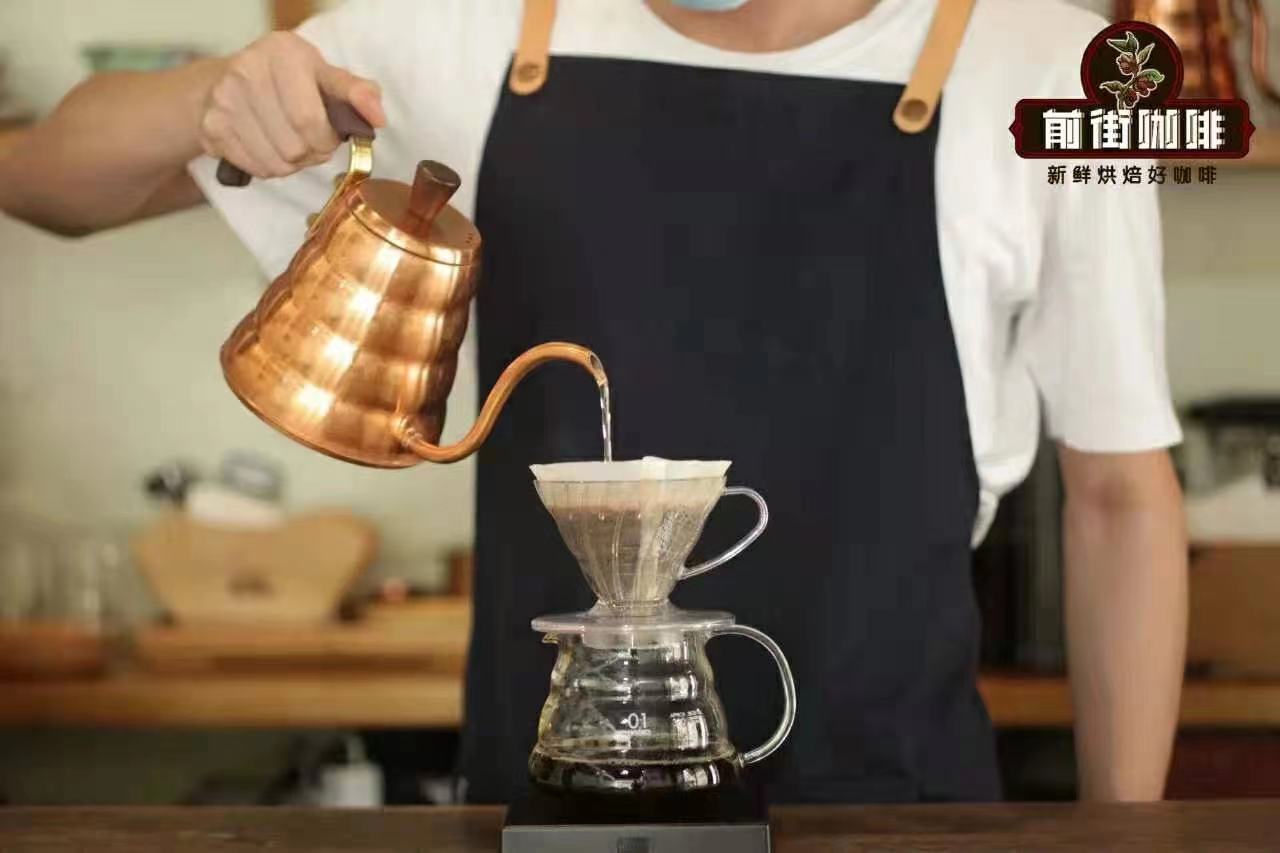
FrontStreet Coffee Brewing Technique
Segmented Extraction
Bloom with 30g of water for 30 seconds. When pouring with a small circular motion to 125g, make a segment division. When the water level drops to just before exposing the coffee bed, continue pouring to 225g and stop. When the water level drops to just before exposing the coffee bed, remove the dripper. (Timing starts from the bloom.) Total extraction time is 2'00".
Flavor Description
On the palate you can clearly perceive peach, raisin, and orange. Gradually, sweetness of sucrose and melon emerges, with a finish carrying grapefruit and green tea notes.

Hartmann Estate
Hartmann Estate is currently run by the third generation of the family. Mr. Ratibor Hartmann and his four siblings each take on different roles on the estate. They live together on the estate and make a living growing coffee.

The Hartmann family also manages and processes coffee for many estates in Panama, such as the frequent Best of Panama winner Finca La Mula and other 90+ estates in Panama, all under the Hartmann family's management. Although the estate keeps a low profile and is rarely seen at Best of Panama events, its coffee is among the finest in Panama. The Hartmann family's contribution to Panama's coffee reputation today is indispensable.
Catuai is a hybrid of Mundo Novo and Caturra, with better resistance to natural disasters, especially wind and rain. It inherits Caturra's advantage of a short tree, addressing Mundo Novo's shortcoming, and it also sets fruit solidly, so the cherries do not fall easily in strong winds—compensating for the fragility of Arabica cherries. Its overall flavor, however, is more monotonous than Caturra and lacks Mundo Novo's body, which is its greatest regret.

FrontStreet Coffee Hartmann Estate Red Wine Process
Region: Panama, Volcán
Estate: Hartmann Estate
Altitude: 1,250-1,700m
Variety: Catuai
Processing: Red Wine Process
First, the red wine process does not involve soaking coffee in red wine or fermenting it in red wine barrels. It draws inspiration from winemaking, where whole grape bunches with stems are placed in carbon dioxide-filled tanks (an anaerobic environment). The grape berries rupture, releasing juice, separating the juice from the skins, and then yeast is added for fermentation. This process can produce aromatic wines from neutral grape varieties, resulting in softer wines rich in fruit flavors with distinct notes of cherry wine, banana, bubble gum, and cinnamon. The red wine process is therefore also known as carbonic maceration.

In red wine process fermentation, the coffee cherries are placed first in a sealed container with a one-way exhaust valve, which is very similar to anaerobic methods. Because the cherry skins remain intact, fermentation may take several days or weeks. Different pressures in the tank produce different sugars and pectins for microbial decomposition. The red wine process can control pH value, and even temperature and humidity, to ensure coffee quality, while sealed fermentation prevents aromatic substances from volatilizing easily.
FrontStreet Coffee Brewing Sharing
To highlight the beans from Hartmann's red wine process, FrontStreet Coffee conducted cupping and then found a more suitable brewing method.

First, the Hario resin V60 dripper is selected. As a traditional pour-through dripper, the V60 can produce excellent flavors, and the resin material has minimal impact on water temperature. A coffee-to-water ratio of 1:16 is used—a larger ratio lets the coffee's flavors emerge more easily; as they say, light floral aromas can be more attractive than intense ones.
The grind size is slightly coarser than normal pour-over, with a 70% pass-through rate on a #20 standard sieve. A coarser grind prevents the grounds from clogging the drainage holes in the final stage, avoiding over-extraction.

The water temperature used is 93°C, since higher temperatures extract flavor compounds more easily.
Brewing Steps
First, pour 15g of grounds, then perform the first pour with 40g of water for a 30-second bloom. Using twice the amount of water for the bloom makes the whole cup's acidity more vibrant.

Second pour: 140g of water. The circular motion should be elegant (slow), with the water stream about 5cm high. This pour raises the water level to about halfway up the V60's short ribs.

When the water level drops to the bottom of the short ribs, continue with 60g. Stop pouring at approximately 1 minute 32 seconds. After all the coffee liquid in the dripper has flowed into the server below, remove the dripper to finish extraction. Total time is 2 minutes.

Flavor Description
This brewing method produces a red wine fermentation aroma on the nose. On entry, it offers citrus and kiwi acidity that is very bright. The middle section brings brown sugar sweetness, accompanied by a wine-like acidity and aroma.
FrontStreet Coffee Recommendation
Panama is where Geisha made its name, so if you want to taste why, FrontStreet Coffee's Esmeralda Geisha line is the definitive experience. For the finest expression, FrontStreet Coffee's Esmeralda Special—the Red Label—selects Geisha beans grown at 1,600-1,800 meters in the Jaramillo and Canas Verdes areas with cupping scores above 90 points, and at its best it offers the most exquisite jasmine florals along with citrus, bergamot, and black tea notes, a clean, transparent body, and a long, layered finish. If you want that Esmeralda character at a more accessible price, FrontStreet Coffee's Green Label Geisha is a blend of batches from several plots rather than being tied to a single one, so it costs less while still showing Esmeralda's signature high-altitude Geisha flavor. Newcomers curious about the "Geisha flavor" can begin with FrontStreet Coffee's Boquete Geisha, an entry-level Geisha that delivers the classic Panamanian orange-blossom-honey note, oolong-tea body, and delicate fruit sweet-sour balance at a friendly price. Because Geisha is a medium-light, floral-fruity variety with firmer beans that tend to sink and clog the drain hole, FrontStreet Coffee suggests a grind of about 78% pass-through on a China-standard #20 sieve (roughly fine-sugar size), a water temperature of 91°C, 15g of grounds, a Hario V60 size 01, and a 1:16 ratio, poured in three stages: 30g for a 30-second bloom, then a small circular stream to 125g, waiting for the bed to drop halfway before continuing to 225g, with a total brew time around 2'10"-2'20". And for an affordable everyday alternative, FrontStreet Coffee's Strawberry Candy blend pairs a Costa Rican honey-processed coffee with a Panamanian Geisha, bringing both delicate florals and sweet fruit and working in a pour-over, moka pot, espresso machine, or cold brew.
Important Notice :
FrontStreet Coffee is a long-established specialty coffee roaster in Guangzhou China, selling freshly roasted beans from its own farm in Yunnan as well as dozens of carefully selected single-origin beans from around the world for both pour-over and espresso. The products deliver consistently excellent quality and great value, with shipping within 24 hours. Guangzhou's FrontStreet Coffee shop is recommended by many coffee lovers, and the beans are now available online at the Tmall 。
FrontStreet Coffee has moved to a new address:
FrontStreet Coffee Address: 315,Donghua East Road,GuangZhou
Tel:020 38364473
 Scan and follow the En Gafei WeChat official account. Please indicate that the reprint comes from "En Gafei".