Introduction to Panama Coffee Estate Hacienda La Esmeralda and Panama Coffee Growing Regions Flavor Profile
Panama's Premium Coffee: Understanding the Value Behind the Price
Panama's geographical advantage lies in the many distinctive microclimate regions suitable for coffee cultivation, and Panama also has many dedicated, professional coffee growers. This means Panama produces many exceptional coffees, though they are often associated with premium prices.
Factors Behind Panama's Premium Coffee Prices
The high prices of Panamanian coffee are primarily influenced by the following factors:
Land costs: for North Americans, the desire to acquire stable, beautiful land at affordable prices makes Panama an attractive location.
More Panamanian farmers export coffee under their estate names, emphasizing their individual estates.
Panama's labor laws impose higher requirements on workforce employment, so the coffee industry must pay higher wages — a cost that inevitably passes to consumers.
La Esmeralda Estate
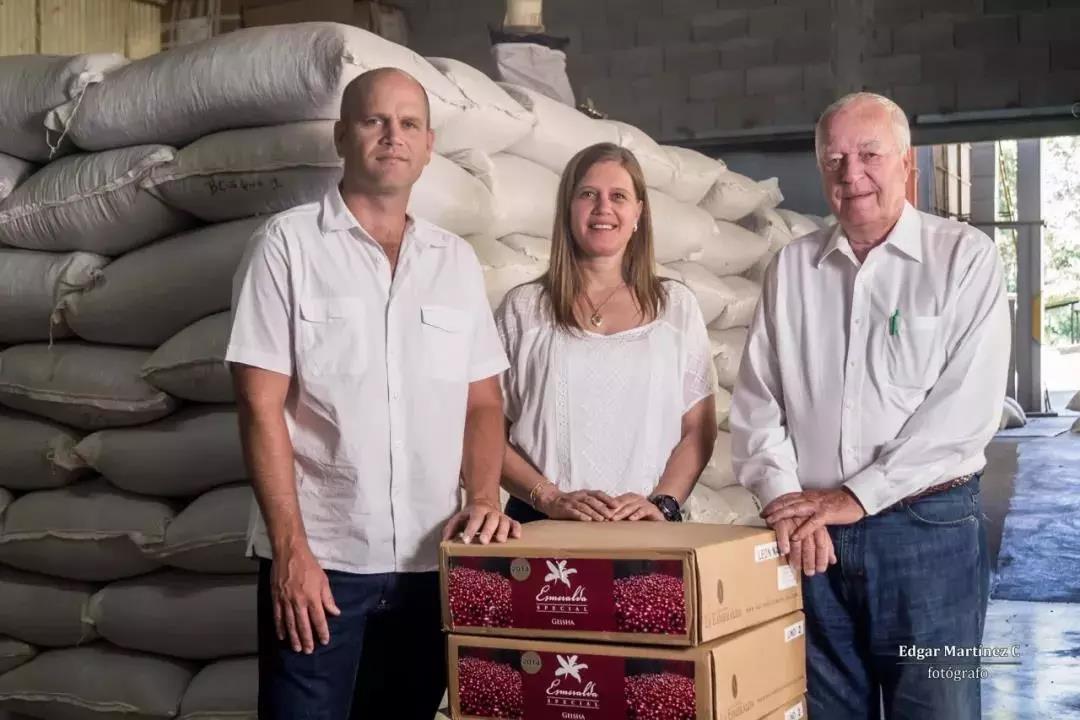
When discussing coffee prices, we must pay close attention to one Panamanian estate that, arguably, no other single estate has matched for its impact on Central American coffee cultivation. This is Esmeralda Estate, owned and operated by the Peterson family. When commercial coffee prices were relatively low, the Specialty Coffee Association of Panama organized a competition called "Best of Panama," in which beans from different regions of Panama were evaluated, ranked and publicly auctioned online. Esmeralda Estate had long cultivated a coffee variety called "Geisha," and the auction brought their coffee wider recognition. They subsequently won first place in this competition for four consecutive years from 2004-2007, and again in 2009, 2010 and 2013. They kept breaking records, starting from $21/lb in 2004 and reaching $170/lb by 2010. In 2013, a small portion of their natural-processed coffee sold for $350.25/lb. Undoubtedly, this remains the highest price ever paid for coffee from a single estate.
Estate Introduction
La Esmeralda Estate is located on a corner of Baru Volcano, which is why beans from this region were often named after Baru Mountain before the estate gained fame. The surrounding area of Boquete is picturesque, with numerous leisure hotels, villas, vacation estates and even developments along the important Rio Caldera River. La Esmeralda Estate sits in Jaramillo on the right side of this river and later expanded to cultivate coffee in the higher-altitude region of Canas Verdes on the left side — all thanks to Rudolph Peterson's decision to purchase the property.
La Esmeralda Estate comprises four farms: Cañas Verdes, El Velo, Jaramillo and Palmira, where all coffee beans are processed after harvest. The first farm purchased by the Peterson family was Palmira.
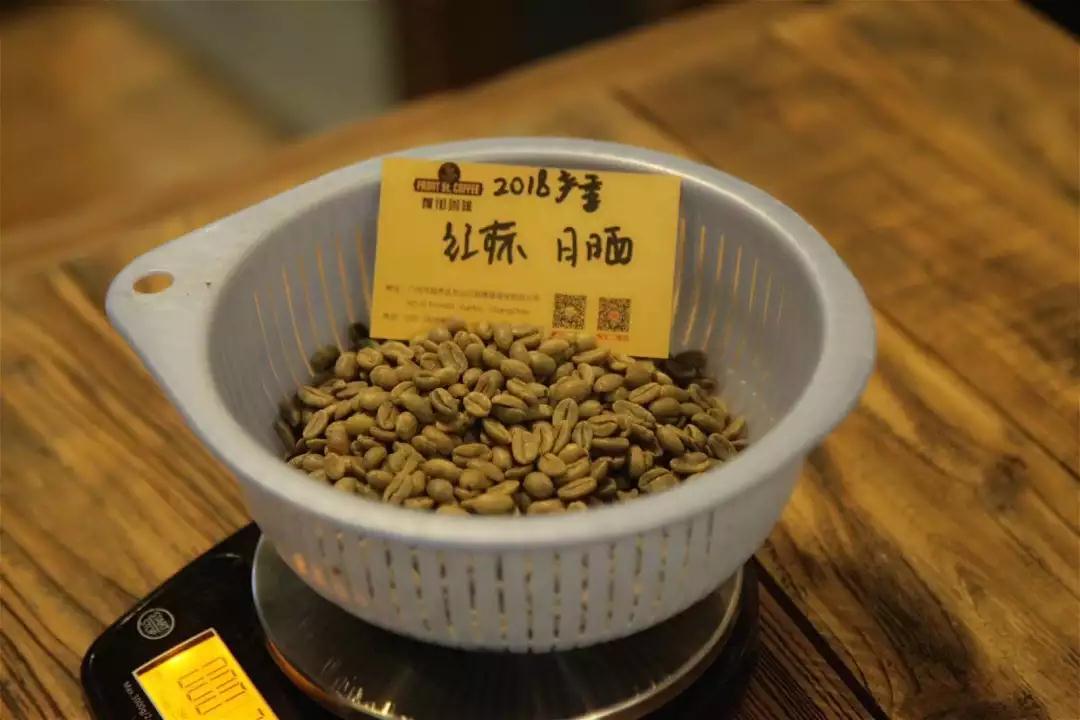
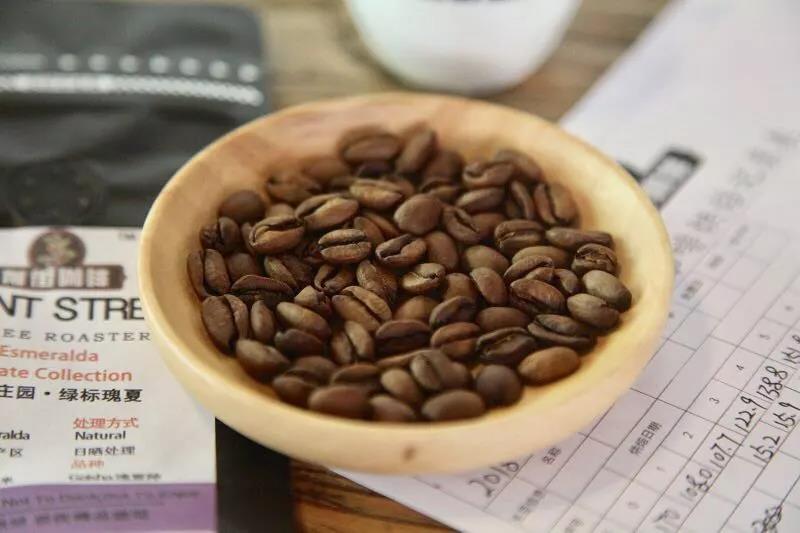
Unlike other premium coffees (such as Kopi Luwak or Blue Mountain), this estate's coffee genuinely achieves quality commensurate with its price level, though high demand and market factors also play a role. This record-breaking coffee offers an extraordinary drinking experience: bright and intense floral and citrus notes with a distinctly tea-like character. These characteristics all stem from the advantages of the "Geisha" variety.
What's the difference between FrontStreet Coffee's Geisha Red Label, Green Label and Blue Label?
FrontStreet Coffee Recommendation
Geisha is the variety that made Panama famous, and Esmeralda Estate's own line is where the story starts. FrontStreet Coffee's Esmeralda Red Label Geisha, formally named "Esmeralda Special," is grown between 1600 and 1800 meters; every lot must cup above 90 points, each lot carries an independent number, and all the beans in a lot come from a single plot — FrontStreet Coffee's Red Label, for example, comes from the Harimiyo plot — so buyers can choose the micro-lot profile that suits their taste in fine detail. FrontStreet Coffee's Esmeralda Green Label Geisha, originally called "Private Collection," is named for its green label and differs by blending lots from several plots rather than stressing detailed plot information, focusing instead on the estate's signature high-altitude Geisha character. That makes it the better-value option of the two.
Newcomers who just want a first taste of the fabled "Geisha flavor" should start with FrontStreet Coffee's Boquete Geisha, an entry-level Geisha from Panama's most representative specialty region. The variety's genetics are pure and the coffee is washed processed, so it delivers the classic Panama Geisha orange-blossom honey character, an oolong-tea body, delicate fruit acidity and clear layering at a very approachable price. For those ready to go further, the Ethiopia Gesha Village line is worth exploring. FrontStreet Coffee's Gesha Village Gold Label is the Gesha 1931 variety and accounts for 10% of the village's output — the top coffee it produces outside auction, and a frequent choice for competition baristas — finished with a refined natural process for complex, layered flavor. FrontStreet Coffee's Gesha Village Red Label is the Gori Gesha variety at 15% of production, scoring 88 points or above on the SCA 100-point scale as the estate's single-terroir series, so every lot carries full traceability including block name, variety and processing date. There is also FrontStreet Coffee's Genlana Geisha, from the Genlana farm at the border of Ethiopia's Kochere and Genlana Abaya areas, a rare estate planted with a single variety; its processing station was founded in 2014 and run by Mr. Israel Degefa across more than 700 hectares, much of it uncultivated, fertile and shaded by trees.
Panama and Ethiopia show two sides of the same variety: Panama's terroir, altitude and microclimate give Geisha its alluring profile, while Ethiopia's version leans toward brighter fruit acidity. FrontStreet Coffee's Genlana Geisha, hand-picked as fully ripe cherries and dried on raised beds for 14-20 days depending on the weather, is best at a medium-light roast, where it shows bright citrus acidity, elegant ginger-lily florals, ripe-fruit sweetness and a fine, silky texture with the variety's signature refined finish. Geisha is a medium-light, floral-fruity coffee with a dense bean that tends to sink and clog the drain hole, so FrontStreet Coffee grinds to about 78% passing a China standard No. 20 sieve — roughly fine-sugar size — and brews at 91°C. FrontStreet Coffee's pour-over method uses 15g of coffee in a small Hario V60 with a 1:16 ratio and a three-stage pour: start the timer and pour to 30g for a 30-second bloom, then a small circling stream to 125g, wait for the bed to drain to half, then continue to 225g, for a total extraction of about 2'10" to 2'20". Geisha also makes an excellent SOE — FrontStreet Coffee's Genlana Geisha SOE, medium roasted, is an Ethiopia single origin whose espresso brings out dried apricot, caramel and nut notes at 20g of coffee, a 1:2 ratio and a 25-second shot for 40g of liquid; add 200g of hot water at 1:5 for an Americano with orange, nut and blueberry notes, or 200g of milk for a creamy, cookie-like latte. For an everyday alternative, FrontStreet Coffee's Strawberry Candy blends Costa Rica honey-process coffee with Panama Geisha, so you get delicate florals and sweet fruit in one bean that works for pour-over, a moka pot, an espresso machine and cold brew.
Important Notice :
FrontStreet Coffee is a long-established specialty coffee roaster in Guangzhou China, selling freshly roasted beans from its own farm in Yunnan as well as dozens of carefully selected single-origin beans from around the world for both pour-over and espresso. The products deliver consistently excellent quality and great value, with shipping within 24 hours. Guangzhou's FrontStreet Coffee shop is recommended by many coffee lovers, and the beans are now available online at the Tmall 。
FrontStreet Coffee has moved to a new address:
FrontStreet Coffee Address: 315,Donghua East Road,GuangZhou
Tel:020 38364473
 Scan and follow the En Gafei WeChat official account. Please indicate that the reprint comes from "En Gafei".