Introduction to Pour-Over Flavor Profile of Sun-Dried Sidamo Coffee - Characteristics of Ethiopian Sidamo Coffee Origin Varieties
Sidamo: Ethiopia's Premier Coffee Region
Sidamo is one of Ethiopia's most important coffee regions. Administratively it was once part of the Oromia Regional State, but its stature as a coffee-producing area was such that a 2018 referendum made it an independent first-level administrative unit.
The region lies in southern Ethiopia, reaching east to the Arsi and Bale administrative districts and west into Gamogofa. Sidamo coffee grows at altitudes between 1,400-2,000 meters. Agriculture dominates the local economy, and the main coffee zones sit around the Great Rift Valley. Sidamo has developed quickly in recent years and become a major coffee export hub.
Diverse Flavor Profiles and Rich Terroir
Sidamo's flavors are remarkably diverse, thanks to a mosaic of soil types, microclimates, and countless native coffee varieties. The topography varies too—towering mountains, highlands, plateaus, valleys, and plains. The underlying geology is nutrient-rich, free-draining volcanic soil reaching nearly two meters deep, dark brown to brown at the surface.
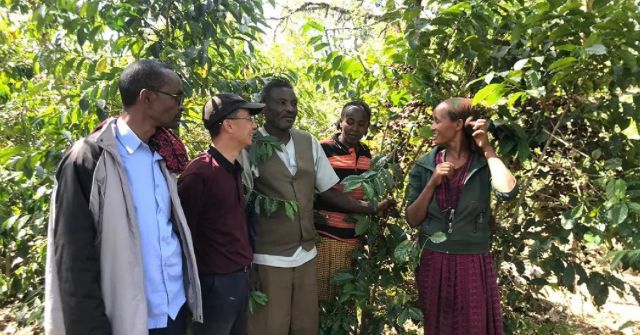
The region's great advantage is how it maintains soil fertility through organic cycling: fallen leaves from surrounding trees and plant residues serve as natural fertilizer. This is why each town's coffee carries its own distinct stamp. From 2010 to 2012, Sidamo scored a consistent 92-94 points on Coffee Review, America's authoritative coffee evaluation site—hard evidence of the quality coming out of this region.
Many famous sub-regions have grown out of Sidamo, including Yirgacheffe, now independent, and the increasingly celebrated Guji and Hambella regions.
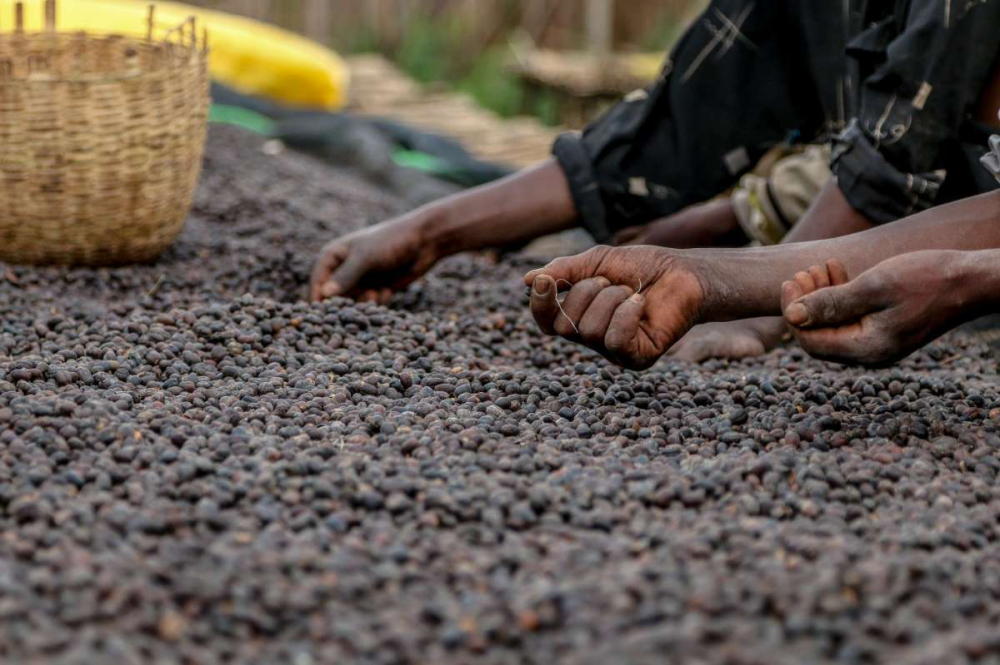
The Legend of "Huang Kui" Coffee
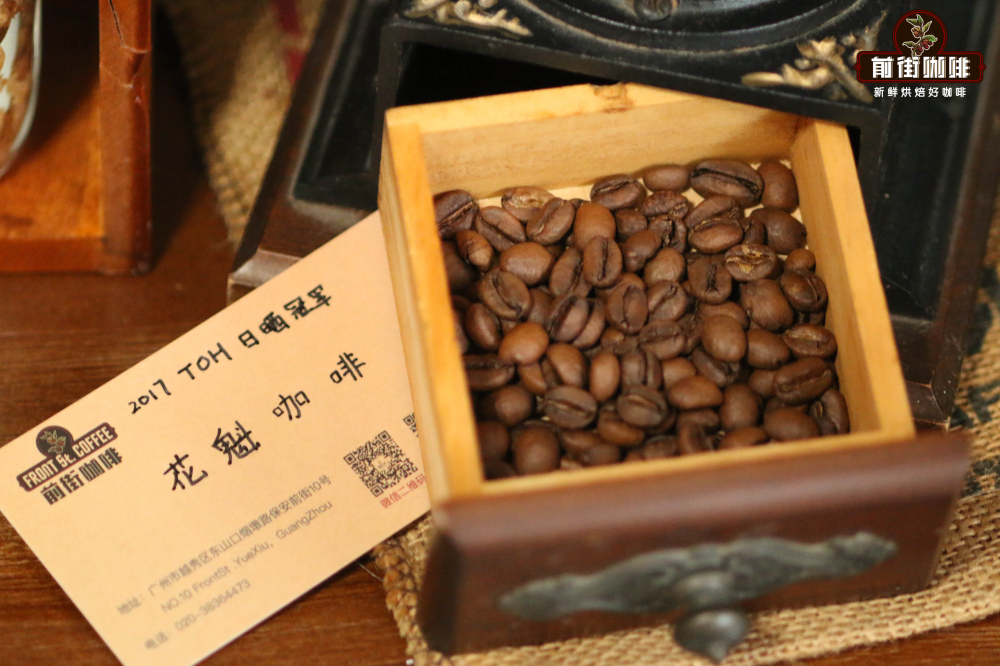
Among FrontStreet Coffee's lineup, the most sought-after Huang Kui beans come from Sidamo's Hambella region.
In 2017, a Hambella lot that won the sun-dried category at the TOH (Taste of Harvest) competition was brought to China by a Beijing green bean supplier. That same year, Li Jianfei—runner-up in the World Brewers Cup China region—used those beans to beat a field of competitors pouring Geisha. In an era when Geisha beans dominated every major competition, a sun-dried Ethiopian lot outperformed them all, and people started looking at this unassuming bean with new respect. The supplier named it "Huang Kui"—literally "the leader of the geishas." (In Taiwan, Geisha is also translated as "Yiji," meaning geisha.)
After the 2017 championship, DW company expanded the number of processing stations in the core Hambella area around Dimtu—"Buku Abel," "Buku Saysay," "Haro Soresa," and "Tirtiro Goye"—with annual coffee production of roughly 1,100 tons. Of these, only the area covered by the "Buku Abel" station includes the original small plot that produced the championship sun-dried Huang Kui.
Coffee Varieties and Processing
Huang Kui beans are Ethiopian native varieties—which doesn't mean one single variety. As coffee's birthplace, Ethiopia holds an astonishing range of coffee genetics; it is a natural gene bank for Arabica. So many varieties exist that identifying and classifying them is nearly impossible, and the Ethiopian government, protective of its native coffee, declines to publish the details—so they're collectively labeled "Ethiopian native varieties." Because of this genetic jumble, mixed planting and mixed harvesting are the norm, which is why native-variety beans come in inconsistent sizes.
Pour-Over Brewing Guide
Brewing Parameters
FrontStreet Coffee roasts Huang Kui medium-light to highlight its floral, fruit-driven acidity.
Dripper: V60 #01
Water Temperature: 90-91°C
Dose: 15g
Ratio: 1:15
Grind Size: Medium-fine (80% passing a Chinese standard #20 sieve)
Brewing Technique
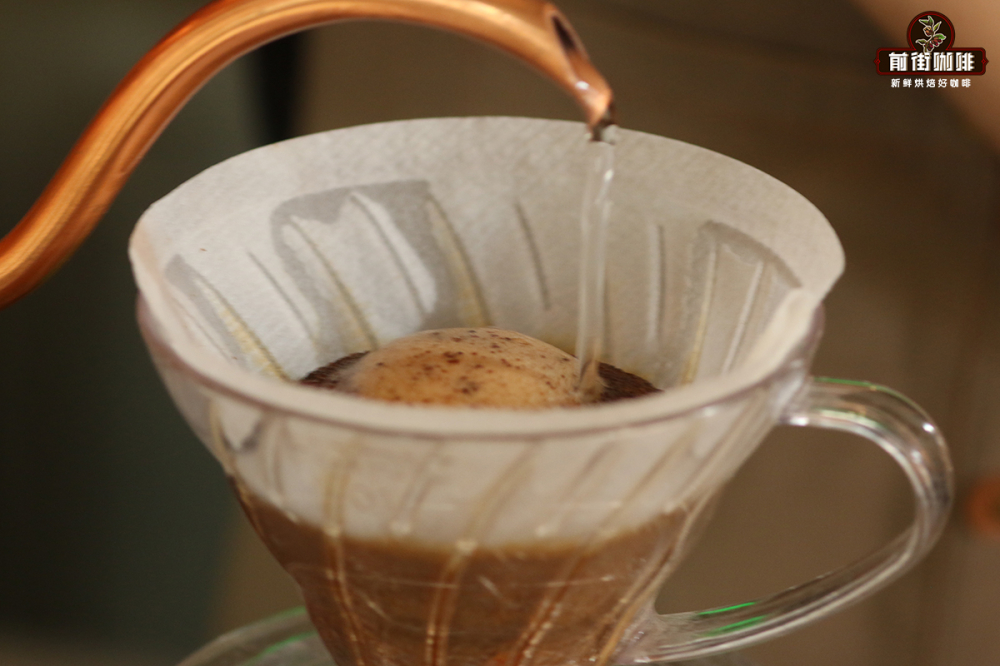
Method: Three-stage extraction. Bloom with 30g of water for 30 seconds. With a small stream, pour in circles to 125g for the first stage. When the water level drops and the coffee bed is about to show, continue to 225g and stop. When the level drops again and the bed is about to appear, lift off the filter cone. (Timing starts at the bloom.) Total extraction time: 2'00".
Flavor Profile
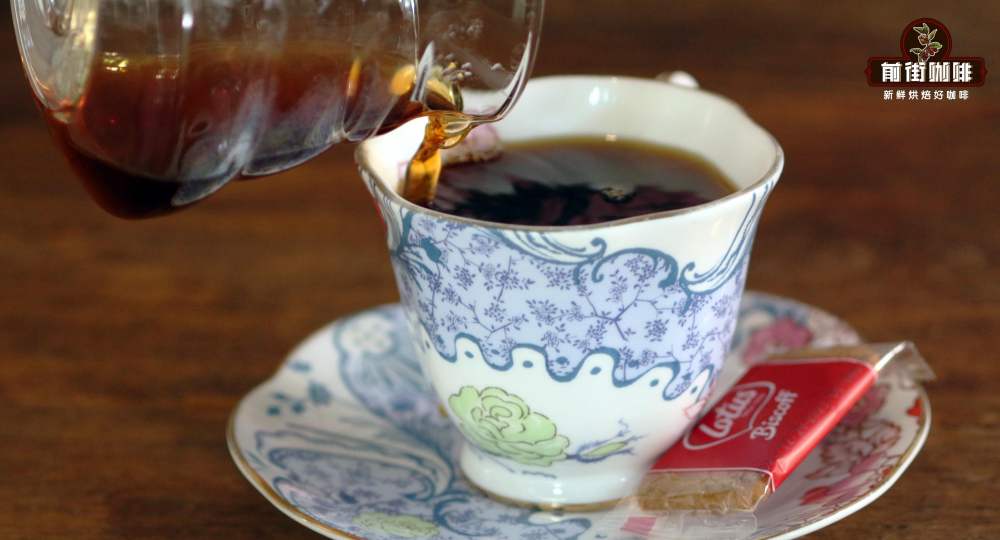
Flavor: Berries, mango, black tea, with a full and smooth mouthfeel.
FrontStreet Coffee Recommendation
If Sidamo's fruit-forward style speaks to you, FrontStreet Coffee's natural Huakui—from the Hambella region, where a 200-hectare farm dries its cherries for 21 full days on raised beds, raking constantly and hand-removing defective fruit every three to five days—is the region's flagship. Roasted medium-light, it pours out a faint fermented wine note, florals, citrus, and mango, with thick honeyed sweetness, cocoa undertones, a hint of spice, and a heavy body with a long finish.
For a cleaner, brighter take on Ethiopia, FrontStreet Coffee's washed Yirgacheffe offers jasmine florals and luminous citrus acidity with an elegant, tea-like lightness—like a crisp, clean lemon tea. And for something truly unusual, the Hamasho lot built on the 74158 variety from the JARC breeding program tempts with perfume-lemon, strawberry, and star-fruit sweetness on the nose, followed by strawberry, star fruit, and green grape on the palate as gentle florals emerge.
Important Notice :
FrontStreet Coffee is a long-established specialty coffee roaster in Guangzhou China, selling freshly roasted beans from its own farm in Yunnan as well as dozens of carefully selected single-origin beans from around the world for both pour-over and espresso. The products deliver consistently excellent quality and great value, with shipping within 24 hours. Guangzhou's FrontStreet Coffee shop is recommended by many coffee lovers, and the beans are now available online at the Tmall 。
FrontStreet Coffee has moved to a new address:
FrontStreet Coffee Address: 315,Donghua East Road,GuangZhou
Tel:020 38364473
 Scan and follow the En Gafei WeChat official account. Please indicate that the reprint comes from "En Gafei".