Introduction to Burundi Coffee Flavor, Burundi Coffee Growing Regions, and Burundi Specialty Coffee Beans
Geography and Terrain
Burundi is characterized by numerous plateaus and mountains, with most of its territory made up of the eastern side of the East African Rift Valley highlands. The country has an average elevation of 1,600 meters, earning it the nickname "Mountain Country." Based on topography, Burundi can be divided into three regions: the western plain region, following the Ruzizi River valley in the Rift Albertine plain, with elevations ranging from 774 to 1,000 meters; the central-western mountainous region, with an average elevation of 1,700 meters, where the highest peak, Mount Heha (2,670 meters), lies southeast of Bujumbura; and the central-eastern plateau region, with elevations between 1,000 and 2,000 meters.
Hydrology
Lake Tanganyika lies along the southwestern border of Burundi, covering an area of 32,900 square kilometers. With an average depth of 700 meters and a maximum depth of 1,455 meters, it is the world's second-deepest lake after Russia's Lake Baikal.
Climate
Burundi has a subtropical and tropical climate. The Lake Tanganyika lowlands, western valleys, and eastern regions all experience a tropical savanna climate, while the central-western region has a tropical highland climate.
Resources
Burundi's mineral resources mainly include nickel, peat, cerium, tantalum, and tin. Nickel reserves are estimated at approximately 300 million tons with a grade of 1.5%. Peat reserves amount to about 500 million tons. Phosphate reserves total 30.5 million tons with a grade of 11.1-12.6%. Limestone reserves are 2 million tons. Gold deposits are widely distributed, with larger reserves in the northwestern region, and mining began in the 1930s, though most is smuggled abroad. In 1993, forest coverage was 5% of the national territory, but due to fires and deforestation it rapidly decreased to 3%.
National Symbols
Country Name
The Republic of Burundi (English: The Republic of Burundi; French: La République du Burundi), commonly known as Burundi.
National Flag
The Burundian national flag is rectangular with a length-to-width ratio of 5:3. Two crossing white broad stripes divide the flag surface into four triangles: the upper and lower triangles are equal and red; the left and right triangles are equal and green. In the center is a white circle containing three red six-pointed stars with green borders, arranged in a triangular pattern. Red symbolizes the blood of those who sacrificed in the struggle for freedom, green represents the hoped-for progress, and white signifies peace among humanity. The three stars symbolize "Unity, Work, Progress" and also represent Burundi's three ethnic groups, the Hutu, Tutsi, and Twa, living together in peace to build their homeland.
Burundi Coffee
Burundi coffee bears striking similarities to that of its neighbor Rwanda, and coffee from the two nations is often confused by consumers. Burundi's coffee cultivation is dominated by Bourbon varieties, using traditional wet processing methods for coffee cherries. The main characteristics of its specialty coffee are elegant sweetness and bright citrus aromas.
Burundi is a small landlocked country at the junction of eastern and central Africa, spanning the Nile and Congo River basins. Its terrain consists mainly of hills and mountains, providing excellent altitudes for coffee cultivation. Burundi's coffee cultivation history is relatively short, and its coffee industry is entirely conducted through small family farms, resulting in significant quality variations. Years of conflict and social turmoil have also made the industry quite chaotic. Even so, the region has real potential to produce high-quality coffee.
Burundi Buyendi AA, FWS
Country of Origin: Burundi
Grade: AA, FWS
Growing Region: Buyendi
Mill: Buyendi
Processing Method: Wet processing
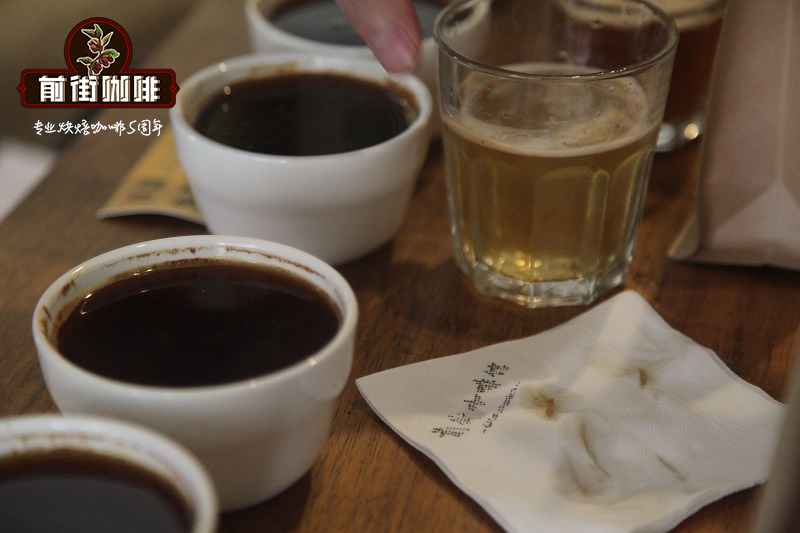
Appearance: 1d/300gr, 16-18SCR
Variety: Jackson Bourbon
Note: Due to ethnic divisions, Burundi's coffee industry has been in chaos for a long time, with large quantities of new and old green beans mixed together, making this coffee unsuitable for scoring. It is characterized by roughness yet mildness, and has traits similar to Kenyan coffee. The flavor is sweet, rich in fruit notes, with a slightly spicy aftertaste.
Dry Aroma (1-5): Not applicable
Wet Aroma (1-5): Not applicable
Acidity (Brightness) (1-10): Not applicable
Flavor (Complexity) (1-10): Not applicable
Mouthfeel (Body) (1-5): Not applicable
Aftertaste (Finish) (1-10): Not applicable
Balance (1-5): Not applicable
Base Score (50): Not applicable
Total Score (Max 100): Not applicable
Intensity/Primary Attributes: Medium-strong/Sweetness, fruit flavors, spicy aftertaste.
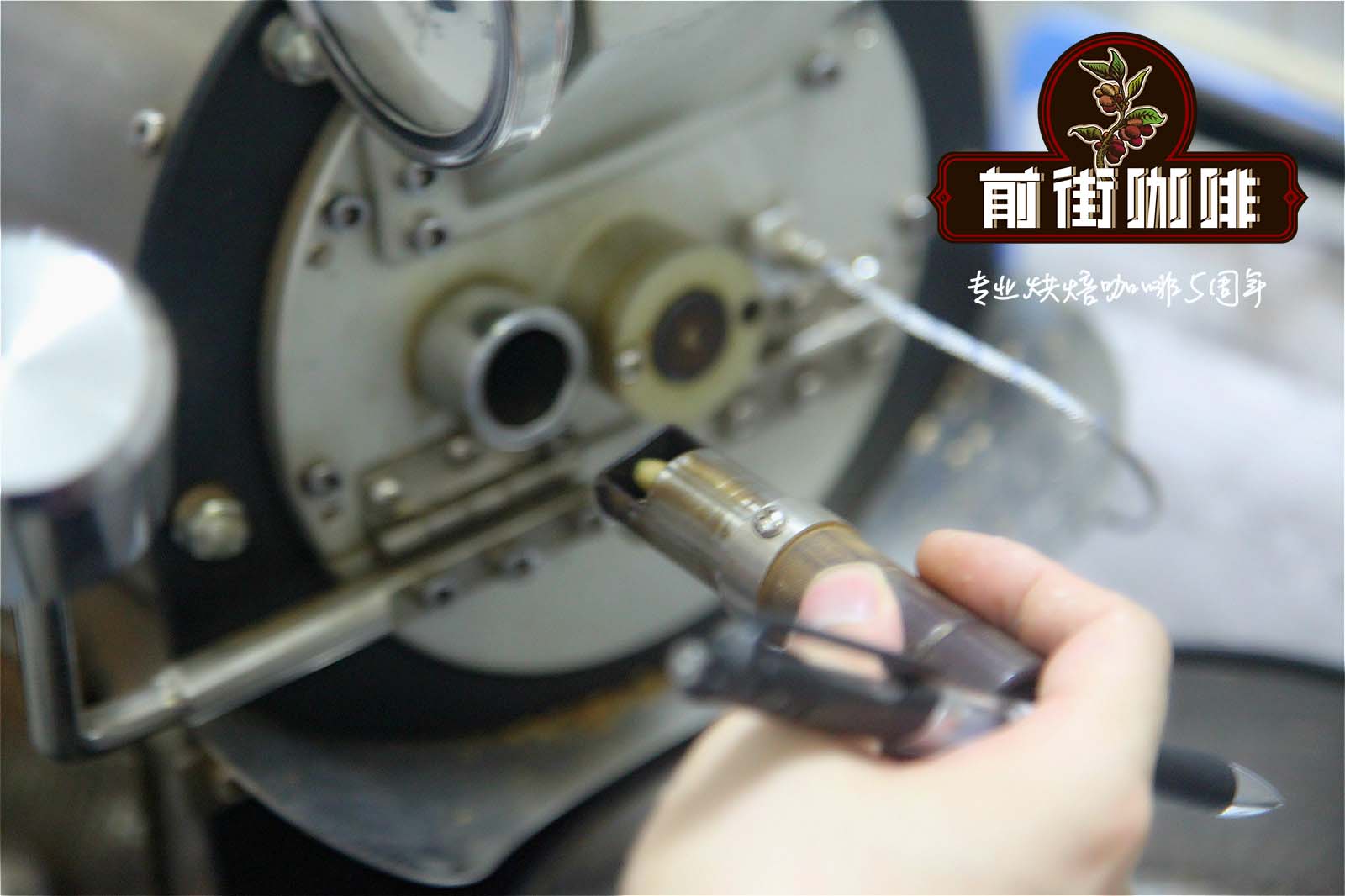
FrontStreet Coffee Suggested Roast Level: Full City
Comparison: Very similar to Kenyan coffee
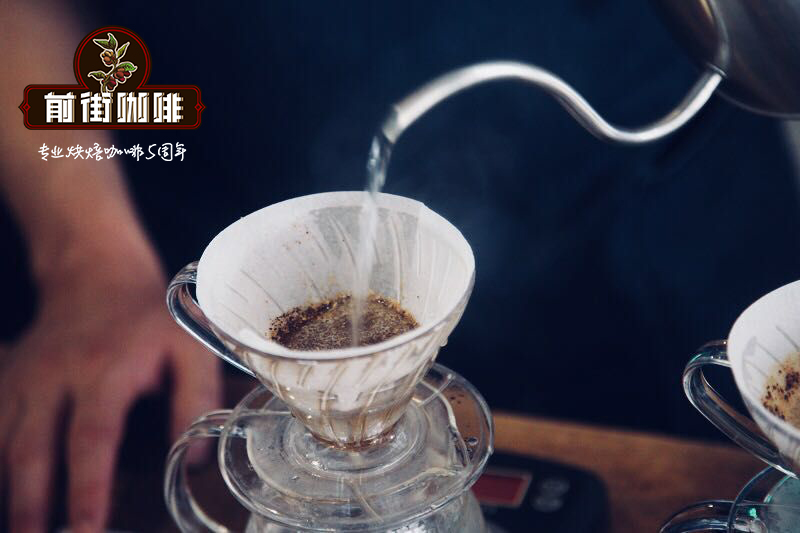
FrontStreet Coffee Brewing Suggestions: 90°C/1:15/15g coffee/medium-fine grind/V60
FrontStreet Coffee Suggested Brewing Method: 30g water for a 30-second bloom, pour to 120g then wait for the coffee bed to appear before pouring to 225g, and remove the filter cup when the coffee bed appears
FrontStreet Coffee Flavor Notes: Citrus, honey, nuts, cream, fresh plum aroma
FrontStreet Coffee Recommendation
Burundi's elegant sweetness and bright citrus aromas place it alongside the other East African origins, and FrontStreet Coffee's beginner selection is a good way to explore that family. The washed Gutingguting cooperative Yirgacheffe is the classic starting point, with jasmine florals, lemon and citrus acidity and a clean, tea-like finish, while the natural Sidamo Huakui brings tropical fruit, berry, jackfruit, melon and honey notes.
If Burundi's sweetness appeals to you but you want something rounder, FrontStreet Coffee's Brazil Cerrado Red Bourbon and Queen Estate Yellow Bourbon offer creamy peanut, chocolate and caramel with low acidity, and the Colombia Huila brings soft floral and fruit acidity with caramel sweetness. For a heavier cup, the wet-hulled Lintong Mandheling and the PWN Golden Mandheling deliver dark chocolate, caramel and herbal spice.
Burundi is often confused with neighboring Rwanda, and the comparison is worth making directly: brew it with the same parameters FrontStreet Coffee suggests, 90°C, 1:15, 15g at a medium-fine grind in a V60, and its citrus and honey sweetness will stand out against a softer Brazilian or Colombian cup.
Important Notice :
FrontStreet Coffee is a long-established specialty coffee roaster in Guangzhou China, selling freshly roasted beans from its own farm in Yunnan as well as dozens of carefully selected single-origin beans from around the world for both pour-over and espresso. The products deliver consistently excellent quality and great value, with shipping within 24 hours. Guangzhou's FrontStreet Coffee shop is recommended by many coffee lovers, and the beans are now available online at the Tmall 。
FrontStreet Coffee has moved to a new address:
FrontStreet Coffee Address: 315,Donghua East Road,GuangZhou
Tel:020 38364473
 Scan and follow the En Gafei WeChat official account. Please indicate that the reprint comes from "En Gafei".