Common Coffee Bean Blending Methods - Blended Coffee Bean Flavor Characteristics - How to Blend Coffee Beans

A coffee blend is a mixture of two or more different varieties of coffee—or the same variety at different roast levels—combined in set proportions.
Creating a blend is far more than addition. It rests on the blender's understanding of flavor, letting different beans cover one another's weaknesses until the finished blend tastes greater than the sum of its parts.
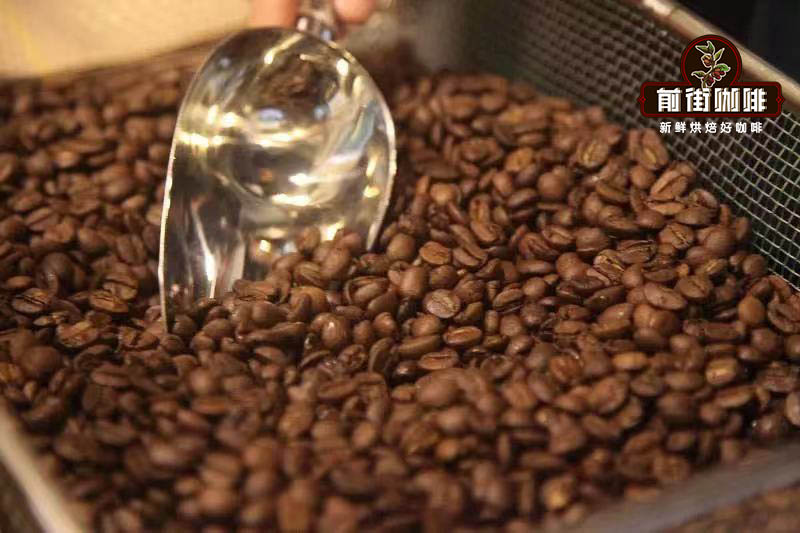
In an era that prizes distinctive regional character, "single origin" has become nearly synonymous with specialty coffee. But not every single origin delivers a distinctive terroir—and that misses the point of specialty. As long as the green coffee scores 80 or above on the Specialty Coffee Association (SCA) scale, and the roaster and barista understand and interpret it well, both single-origin and blended coffee qualify as specialty.
Blending is like an artist mixing colors on a palette: the blender adjusts the traits of different beans to create something alluring. Calling it an art is no exaggeration—but art demands not just experience and inspiration, also scientific calculation. Nothing about it is accidental; it is the culmination of long accumulation.
FrontStreet Coffee's Blending Philosophy

FrontStreet Coffee blends for four purposes: balancing mouthfeel, reducing cost, showcasing distinctive bean flavors, and stabilizing flavor cup after cup. Based on general consumer preferences and different budget levels, FrontStreet has developed four medium-dark roasted espresso blends.
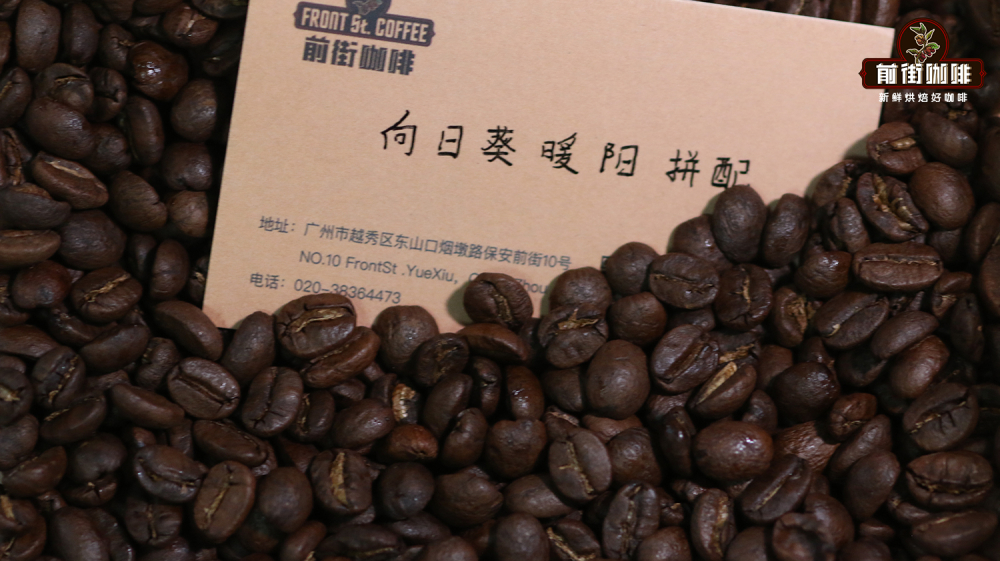
FrontStreet Sunflower Warm Sunshine Espresso Blend (79 yuan): 30% FrontStreet Ethiopia Natural Red Cherry + 70% FrontStreet Honduras Sherry Barrel—rich wine aroma, vanilla cream, berry sweetness and acidity, and roasted nut undertones.
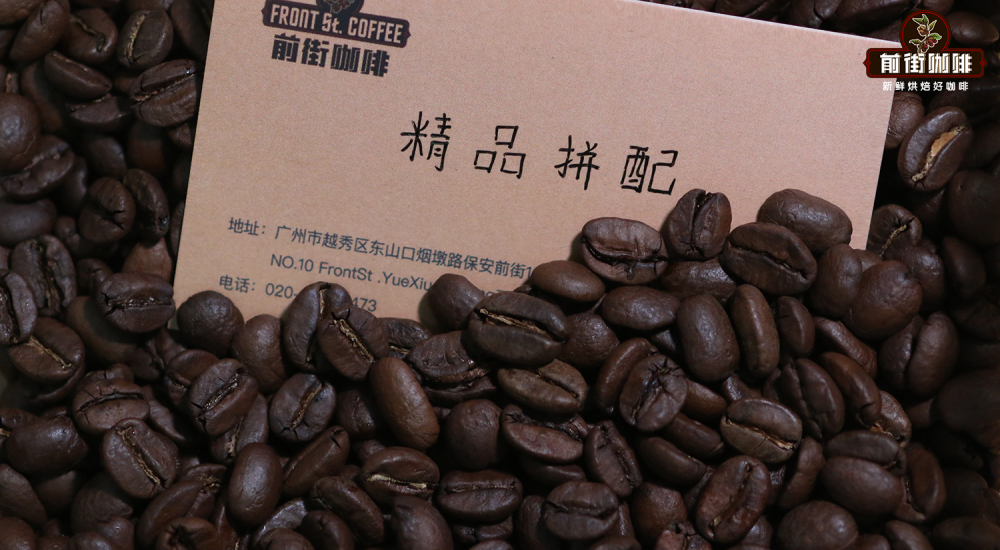
FrontStreet Specialty Espresso Blend (75 yuan per 454 g): 30% washed Colombia + 70% semi-washed Brazil—nuts, dark chocolate, and caramel, built to meet a coffee shop's daily production needs.
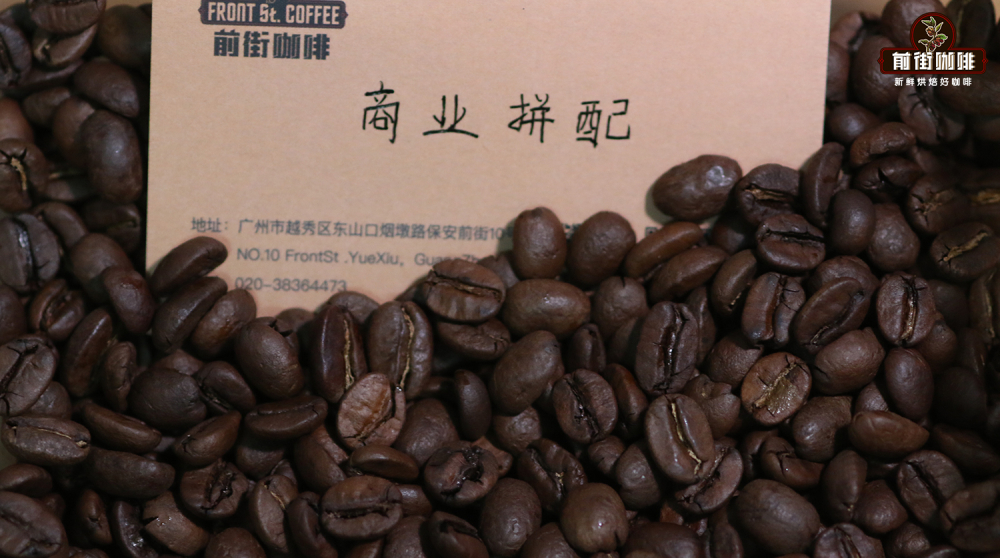
FrontStreet Commercial Espresso Blend (60 yuan per 454 g): 10% washed Robusta + 30% washed Colombia + 60% semi-washed Brazil—nuts, cocoa, and caramel, suited to shops just starting out.
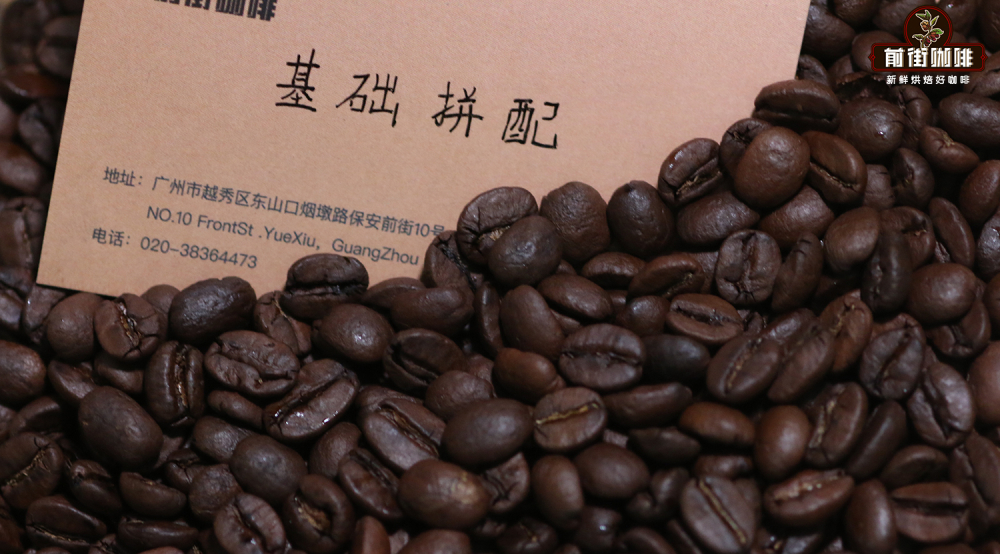
FrontStreet Basic Espresso Blend (50 yuan per 454 g): 30% washed Yunnan Arabica + 70% semi-washed Brazil—soft fruit acidity, caramel, and nuts, for startups and home users watching cost.
All four blends are created by post-roast blending. During development, FrontStreet Coffee repeatedly adjusts roast levels and ratios, then records the roasting curves and proportion formulas so results stay consistent. Every bag ships within 5 days of roasting, so customers receive the beans at their freshest.
The advantage of blending after roasting is control: each component can be roasted to its own ideal profile, and because different beans lose different amounts of weight in the roaster, weighing components post-roast makes the formula far more precise and easier to adjust.
Why Blends for Espresso?

Even beans of the same variety from the same region will vary when pulled as espresso. In low-pressure, high-ratio brews like pour-over (typically 1:15), less appealing flavors stay in the background at the lower concentration, and many fruity acids read as charming.
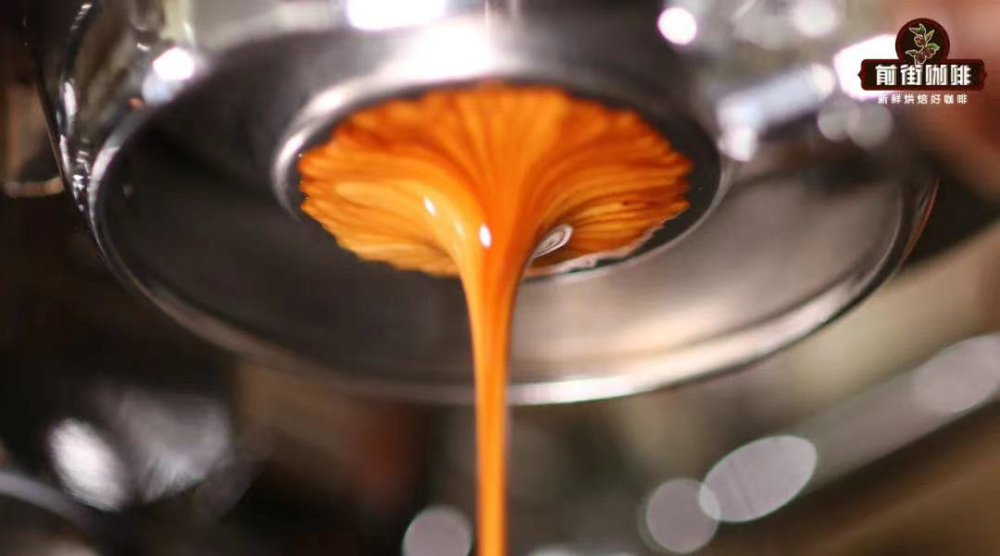
An espresso machine, by contrast, forces hot water at high pressure through finely ground coffee to extract a concentrate at roughly 1:2. Everything concentrates at once—and acids that taste lovely in a pour-over can turn sharp and aggressive in a shot.
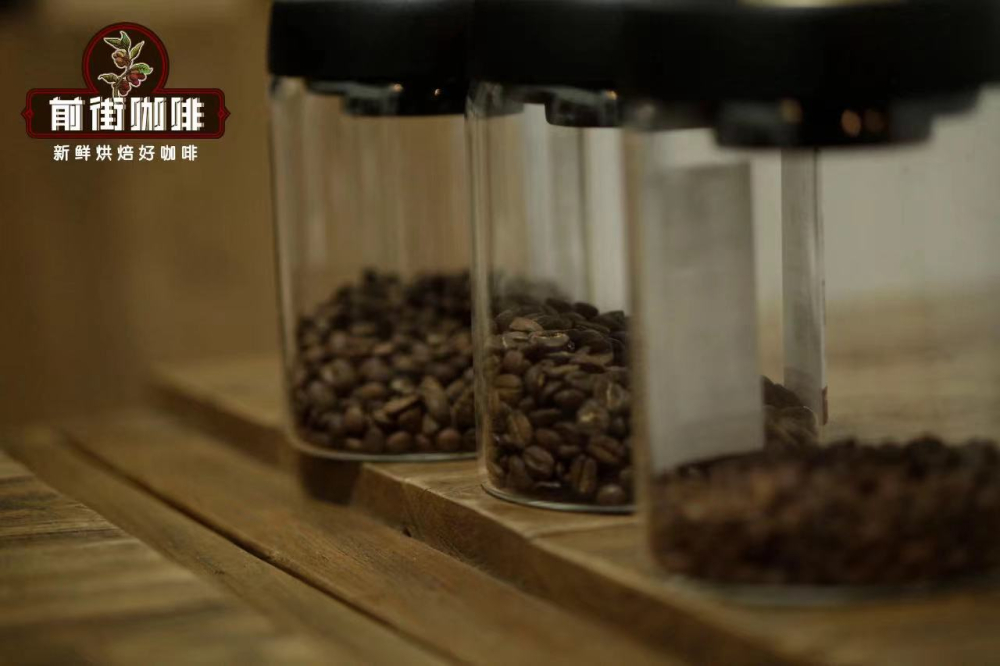
FrontStreet Coffee typically builds its blends on Brazil Cerrado Red Bourbon, which lays down a rich, solid nut-and-chocolate base, then uses beans from other regions to inject gentle acidity or extra layers.
The Sunflower Warm Sunshine Blend exists for exactly that reason: pulled straight, FrontStreet Sherry showed distinct fermentation aroma but felt one-note, so FrontStreet added Yirgacheffe Natural Red Cherry for gentle acidity and complexity.
Can Blends Be Used for Pour-Over?
Yes—but since most blends are designed for espresso, they usually roast medium-dark or darker to guarantee body under pressure. When brewing a blend as pour-over, use a medium-coarse grind and lower-temperature water.
FrontStreet Coffee Recommendation
Espresso Blends and SOE Picks
Most cafes choose either a house blend or a single-origin espresso (SOE). For traditional Americanos and lattes, FrontStreet Classic Blend or Commercial Blend is the pick—both build on old-school Italian recipes with a touch of Robusta, extracting butter, nuts, spice, dark chocolate, and toast aromas with a wild, thick body and a jet of golden crema that makes latte art easy.
For lovers of almond, walnut, and other nut-driven espresso, choose FrontStreet Premium Blend or Dark Cocoa Blend, both built on a large share of Brazil for comfortable bitterness and creamy peanut smoothness. Premium Blend adds Colombia's nut, chocolate, and caramel notes with balanced acidity; Dark Cocoa Blend layers in Yunnan Arabica's ripe plum acidity and a ground-bloom of cream-chocolate aroma—equally at home in lattes, Americanos, or signature drinks, making it the best partner for a new shop.
SOE picks: FrontStreet Natural Hua Kui SOE, from Guji Hambella, Ethiopia, at elevations up to 2,300 m, shows cream strawberry thanks to terroir and natural processing; medium roasted, it carries cream, cocoa, berries, light florals, and black tea in an Americano or latte. FrontStreet Costa Rica Blackberry SOE, a honey process lot, is the barista's recommendation for high sweetness—cranberry cookie, raisin, and nuts with milk. And FrontStreet Brazil Queen Estate SOE, a distinctive Yellow Bourbon with a quiet, sugary character, medium-dark roasted, pulls shots of butter cookie, macadamia, and toast.
Important Notice :
FrontStreet Coffee is a long-established specialty coffee roaster in Guangzhou China, selling freshly roasted beans from its own farm in Yunnan as well as dozens of carefully selected single-origin beans from around the world for both pour-over and espresso. The products deliver consistently excellent quality and great value, with shipping within 24 hours. Guangzhou's FrontStreet Coffee shop is recommended by many coffee lovers, and the beans are now available online at the Tmall 。
FrontStreet Coffee has moved to a new address:
FrontStreet Coffee Address: 315,Donghua East Road,GuangZhou
Tel:020 38364473
 Scan and follow the En Gafei WeChat official account. Please indicate that the reprint comes from "En Gafei".