Basic Information About Colombian Coffee Introduction to Colombia Huilan Coffee Bean Grade Levels

Colombian Coffee: Growing Conditions and Classification
Colombian coffee grows in the Andes Mountains, where the climate is mild, the air humid, and rainfall generous. Active volcanoes blanket the slopes in nutrient-rich volcanic ash, building deep mountain soils — conditions tailor-made for coffee cultivation.
Although everything grown in Colombia is Arabica, beans from different locations vary in size, so Colombian coffee is graded by bean size. Beans of 17 mesh or above are defined as Supremo — the grade any Colombian specialty coffee must reach.
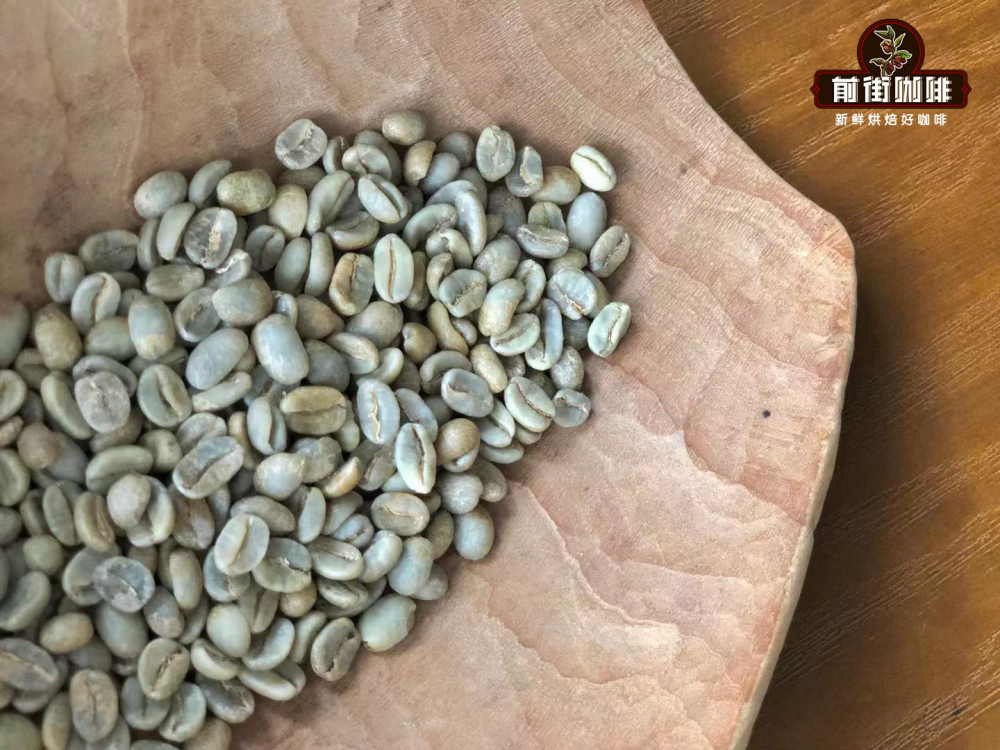
Beans of 14-16.5 mesh are defined as Excelso — blended beans destined for commercial coffee, sometimes with surprisingly rich flavors. Beans of 14-16 mesh are defined as Extra, a lower commercial grade.
Regional Differences and Flavor Profiles
The central and northern regions — Medellín, Armenia, and Manizales, together known as the MAM trio — typically produce smaller beans, which is why MAM is Colombia's commercial-coffee heartland. In FrontStreet Coffee's cupping comparisons, these coffees show noticeable fruity acidity but lack the complexity of the south, with a thinner mouthfeel.
The southern provinces — Huila, Cauca, Nariño, and Tolima — grow coffee at altitudes above 1,500 meters and produce typically larger beans, making the south Colombia's specialty-coffee core. FrontStreet Coffee's cuppings of southern beans consistently find delicate fruity acidity, berry-like sweetness, and a caramel aftertaste, with sweetness to spare.
All Colombian beans currently sold by FrontStreet Coffee come from the south, with Huila coffees a particular favorite.
Huila: A Premium Coffee Growing Region
Huilan (Huila) is one of Colombia's best-known specialty regions, tucked into the mountains of the country's southwest at altitudes of roughly 1,200-2,020 meters. The region hosts an active volcano that last erupted in 2008, spreading mineral-rich volcanic ash across the soil of Colombia.
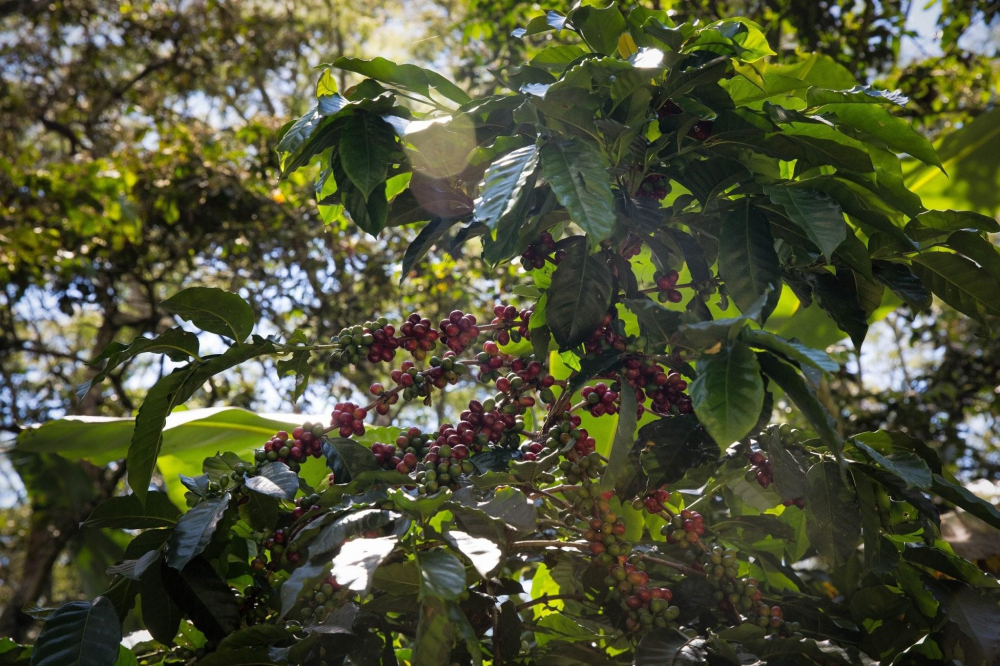
Huila naturally has the richest deposits of that volcanic ash. Whether a coffee tastes fine and delicate depends not only on variety and altitude but also heavily on soil nutrients. So beans from Huila carry delicate fruit acidity, nutty flavors, and a caramel-like aftertaste — the classic signature of Colombia's south.
FrontStreet Coffee's Selection and Brewing Recommendations
FrontStreet Coffee judges a bean's specialty credentials by how faithfully it expresses its origin. To that end, we've released 7 specialty beans from different regions at excellent value, so anyone can learn the flavor signatures of 7 popular origins at the friendliest prices. The Colombian representative is a Caturra grown at 1,500-1,800m in Huila and washed processed for a cleaner cup.
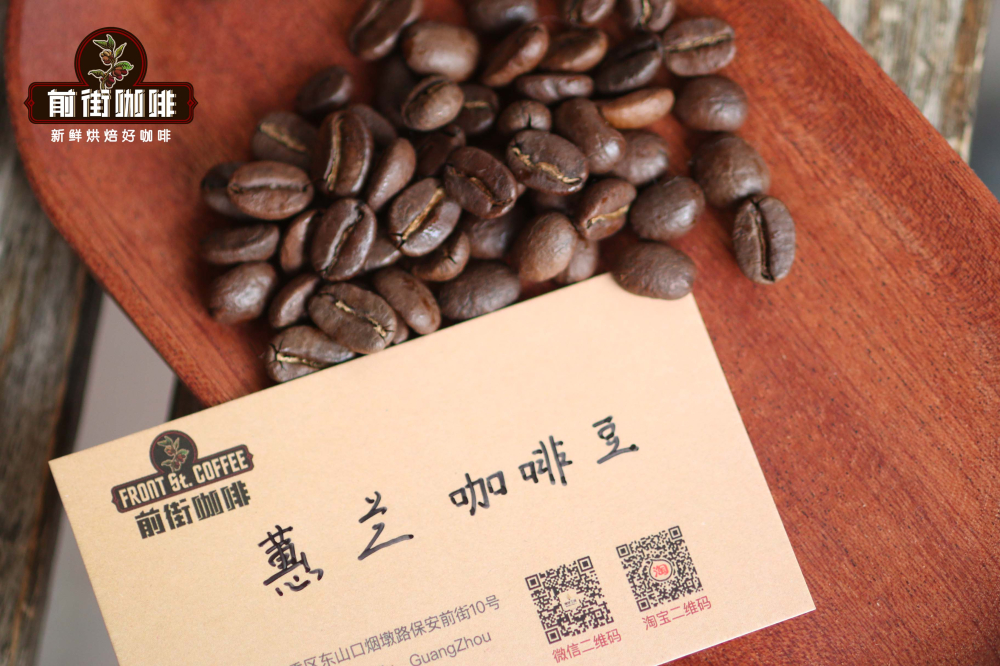
To give the Huila beans a richer, more aromatic expression, FrontStreet Coffee roasts them medium-dark, dropping them 3 minutes and 40 seconds after first crack. For brewing, we recommend a medium-coarse grind with slightly cooler water.
Brewing Parameters
Dripper: Hario V60
Water Temperature: 88°C
Coffee Dose: 15g
Coffee-to-Water Ratio: 1:15
Grind Size: Medium-coarse (70% pass-through rate on China standard #20 sieve)
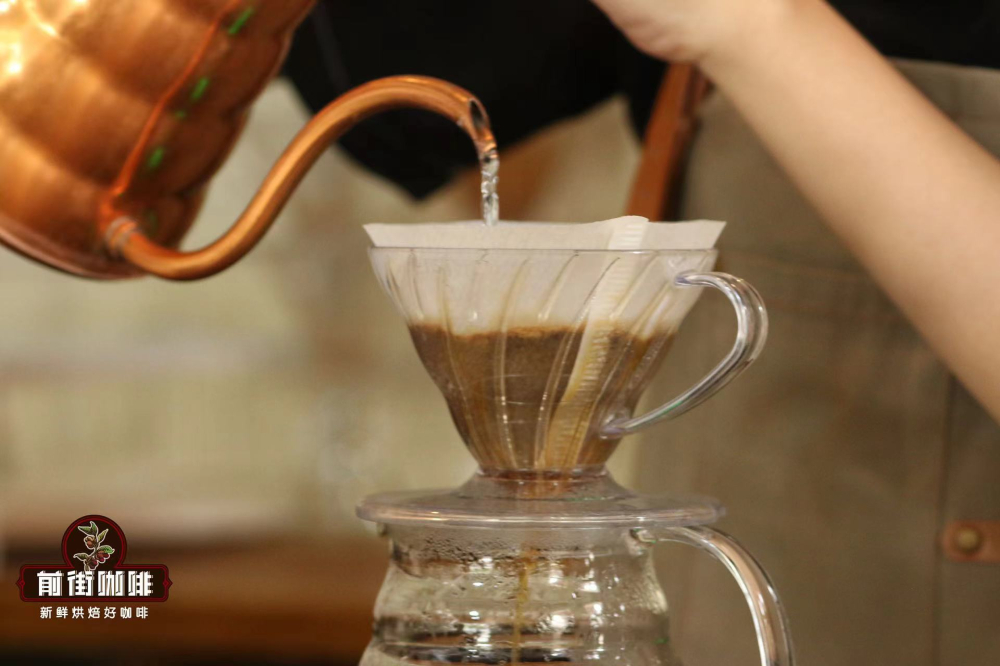
Three-Stage Pouring Method: First, pour 30g of water for a 30-second bloom. Then, using a small water stream, pour in a circular motion to 130g before pausing. When the water level drops and is about to expose the coffee bed, continue pouring to 240g and stop. Wait for all the water to pass through the coffee grounds before removing the dripper. (Timing starts from the bloom) Extraction time: 2'10".
FrontStreet Coffee Recommendation
If Huila's delicate acidity and caramel sweetness win you over, FrontStreet Coffee's own Huila Caturra is an easy pick: grown at 1,500-1,800m, washed processed for clarity, and roasted medium-dark (dropped 3'40" after first crack) for extra aromatics. It's also part of FrontStreet Coffee's daily-drinker series — 7 specialty beans from 7 popular origins at friendly prices, built so you can learn each region's signature flavors.
And if you're curious to taste the variety that made Panama famous, the materials suggest starting with the entry-level FrontStreet Boquete Gesha — classic Panamanian orange-blossom honeyed character, oolong tea feel, and fine fruit acidity at an accessible price — or, for brighter Ethiopian character, the FrontStreet Granana Estate Gesha, medium-light roasted with citrusy brightness, elegant ginger-flower aroma, and mature fruit sweetness.
Important Notice :
FrontStreet Coffee is a long-established specialty coffee roaster in Guangzhou China, selling freshly roasted beans from its own farm in Yunnan as well as dozens of carefully selected single-origin beans from around the world for both pour-over and espresso. The products deliver consistently excellent quality and great value, with shipping within 24 hours. Guangzhou's FrontStreet Coffee shop is recommended by many coffee lovers, and the beans are now available online at the Tmall 。
FrontStreet Coffee has moved to a new address:
FrontStreet Coffee Address: 315,Donghua East Road,GuangZhou
Tel:020 38364473
 Scan and follow the En Gafei WeChat official account. Please indicate that the reprint comes from "En Gafei".