Flavor Profile and Taste Characteristics of Colombian Coffee

Colombia is fortunate to face both the Atlantic and the Pacific, a geographic advantage that has played a major role in marketing its coffee worldwide. Among all South American countries, Colombia is the only one with this benefit, giving it shipping costs far lower than its neighbors. Colombia's traditional producing regions are concentrated in the Eastern and Central Cordillera ranges, as well as the southern departments of Huila, Cauca, and Nariño.
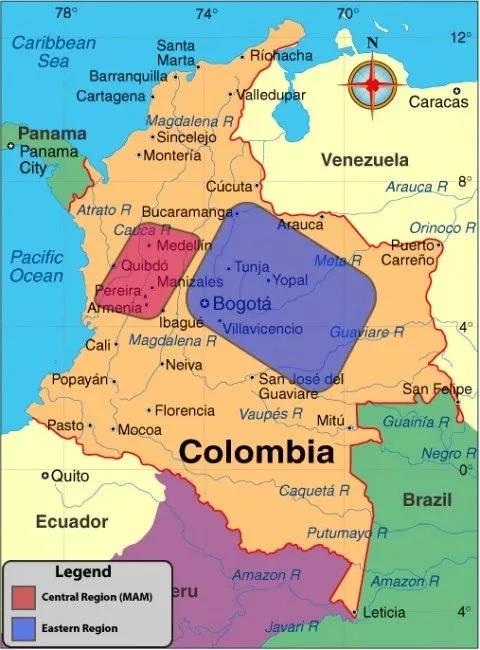
Key growing areas along Colombia's central range include Medellín, Armenia, and Manizales. Among these three, Medellín produces coffee with full-bodied beans, rich aroma, and moderate acidity, making it the highest-quality producing area. The trio is sometimes called the MAM Coffee Golden Triangle (after the first letters of the three cities). The Eastern Cordillera mainly covers areas such as Santander. Although Huila, Cauca, and the far-southern Nariño produce relatively little, their special microclimates — shaped by altitude, topography, and soil — give this region excellent acidity and distinctive flavors, with top-grade taste and exceptional texture that have won growing favor among coffee lovers worldwide in recent years.
Medellín
Located in northern Colombia, Medellín delivers rich flavor, moderate acidity, and a particularly intriguing high sweetness. This coffee suits dark roasting and gives off a rich aroma. Medellín exported by the FNC (National Federation of Coffee Growers) has greater uniformity and cleanliness than ordinary Medellín, which is why FNC-exported beans are selected for their higher price point. Overall, Medellín coffee is excellent, with full-bodied beans and rich aroma that make it popular among coffee lovers.
Santander
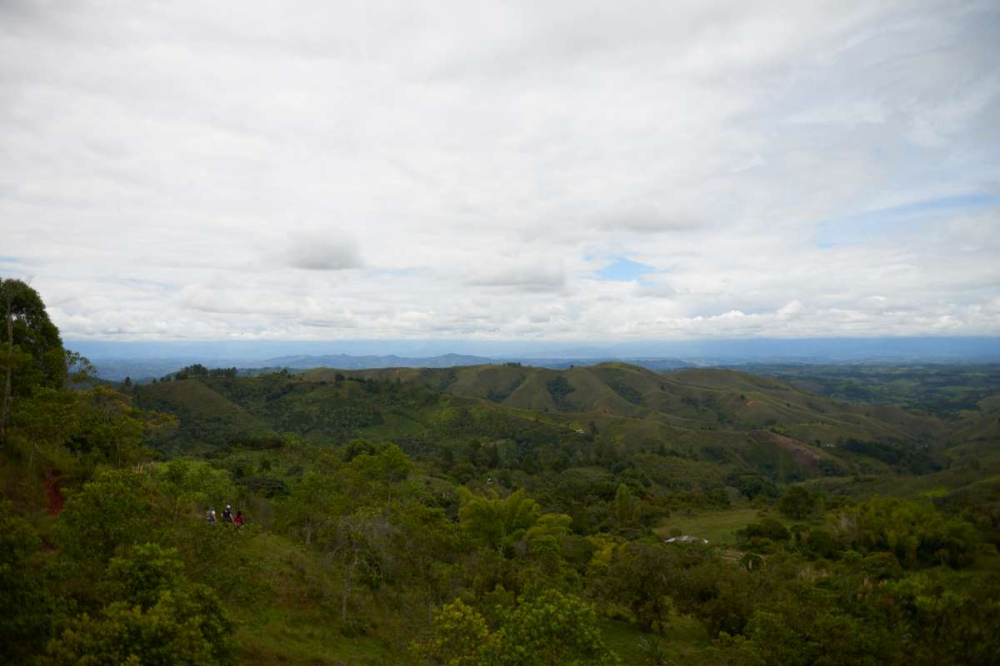
Located in northern Colombia and bordered by the Magdalena River to the west, Santander has cultivation altitudes of roughly 1,400-1,600 meters across an area of 30,537 square kilometers. It is a very important province that is rarely mentioned — in fact, it was the first province in Colombia to grow coffee, and it now accounts for about 5% of the country's total production. Through cupping, FrontStreet Coffee found that beans from this region are known for their intense flavors, long-lasting aftertaste, and distinctive fresh herbal notes.
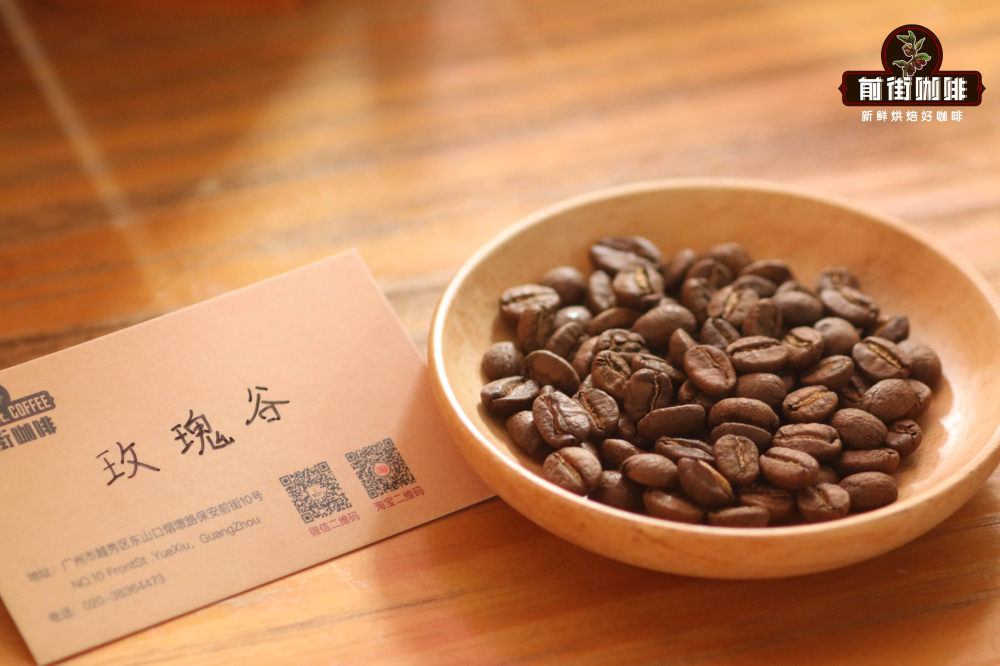
FrontStreet Coffee – Colombian Rose Valley Coffee Beans
Region: Colombia, Santander
Processing: Anaerobic Double Enzyme Washed
Altitude: 1,700m
Variety: Caturra
Brewing Flavors: Stunning peach characteristics accompanied by aromas of rose and liquor-filled chocolate, creating a rich fragrance. The entry is like drinking peach juice, with both the high-quality sweet-and-sour taste of black grapes and a silky texture like cream toffee.
FrontStreet Coffee's Rose Valley Coffee Bean Roasting Recommendations
Yangjia 800N, 500g batch size. Charge at 180°C, initial heat 130, damper at 3. At 140°C, keep the heat unchanged and open the damper to 4. During this stage the beans gradually shift from the original green of raw coffee to yellow, and the grassy aroma of the raw beans slowly fades — this is the dehydration phase. At 6'25", the beans reach the yellowing point, developing a sweet aroma like toast. At 180°C, reduce the heat to 100, keeping the damper at 4.
At 9'38", ugly wrinkles and dark spots appear on the bean surface, and the toast aroma clearly turns to coffee aroma — the prelude to first crack. Listen carefully for the sound of first crack. At 10'20", first crack begins; open the damper to 4. Develop for 1'50" after first crack, then drop the beans at 196°C. Because this is an anaerobic fermentation bean, try to extend the dehydration time to around 9-9.5 minutes to ensure thorough roasting and avoid underbaking.
Huila
Located in southwestern Colombia, Huila is one of the main coffee-growing areas, accounting for 12% of the country's total production. Because famous growing areas are scattered throughout Huila, the names of its various small sub-regions have become brand names in their own right. Through cupping, FrontStreet Coffee found that Huila coffee shows intense nutty, chocolate, and caramel flavors.
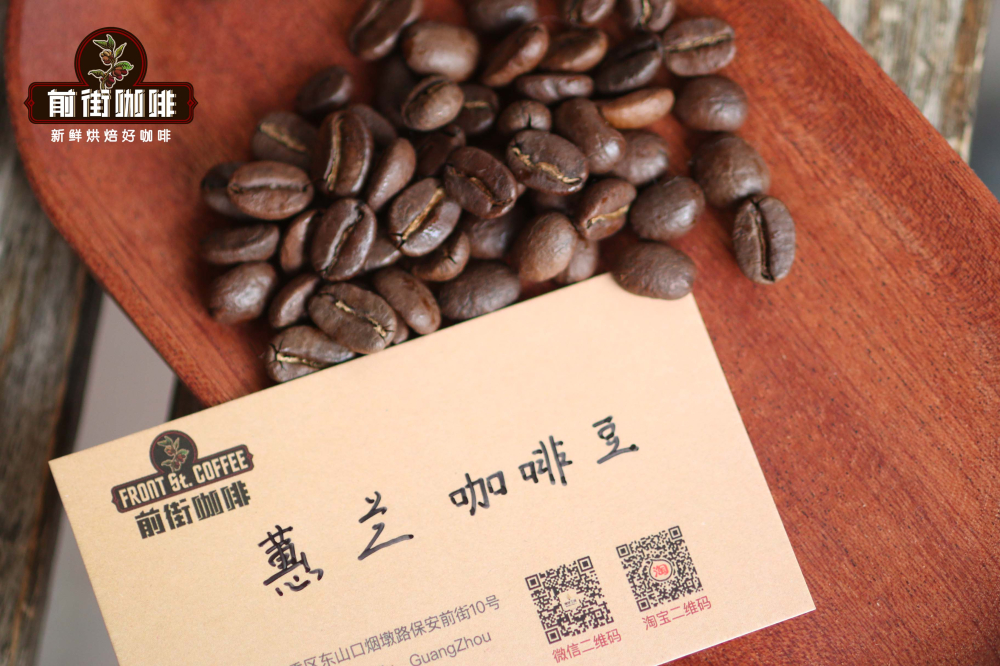
FrontStreet Coffee – Colombian Huila Coffee Beans
Region: Colombia, Huila
Altitude: 1,500-1,800 meters
Variety: Caturra
Processing: Washed
Flavors: Nuts, dark chocolate, caramel, soft fruit acidity.
FrontStreet Coffee's Colombian Huila Coffee Bean Roasting Recommendations
Yangjia 800N, 500g batch size. Charge at 185°C, damper at 3, heat 120. Return point at 1'32", 98.6°C. When the temperature reaches 140°C, open the damper to 4; the bean surface turns yellow and the grassy aroma disappears entirely, marking the dehydration phase. At 192°C, adjust the heat to 80 and open the damper to maximum 5. At 8'30", ugly wrinkles and dark spots appear on the bean surface, and the toast aroma clearly turns to coffee aroma — the prelude to first crack. Listen carefully for the sound of first crack, which begins at 9'15". Develop for 3'00" after first crack, then drop at 202°C.

Cauca
Located in southwestern Colombia, Cauca accounts for 8% of the country's total production. It is a certified Colombian origin region with an average altitude of 1,758 meters, reaching up to 2,100 meters at its highest. Some 80% of Cauca is mountainous. Its biggest climatic difference from other regions is a relatively wide temperature swing, with a day-night difference of 11°C and an average daytime temperature of 18°C. That day-night range is a key factor in forming high-quality coffee: low nighttime temperatures and higher altitudes slow the coffee's growth, letting the beans absorb more nutrients from the cherries. FrontStreet Coffee believes this high-altitude environment is exactly what creates Cauca coffee's better acidity and its acclaimed special sweetness.
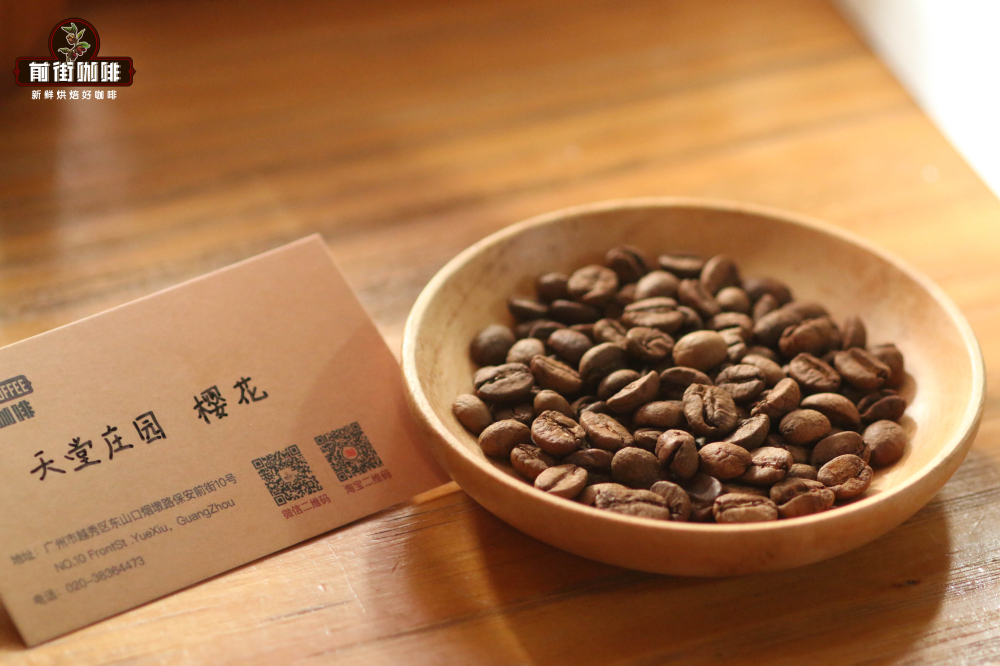
FrontStreet Coffee – Colombian Cherry Blossom Coffee Beans
Region: Colombia, Cauca
Altitude: 2,050m
Variety: Castillo
Processing: Double Anaerobic Washed
Flavors: Berry-juice texture, strawberry jam, mint-tea sensation, with notes of mugwort and basil in the aftertaste.
FrontStreet Coffee's Colombian Cherry Blossom Coffee Bean Roasting Recommendations
Yangjia 800N, 480g batch size. Charge at 165°C, damper at 3, heat 120. Return point at 1'32". When the temperature reaches 115°C, open the damper to 4. At 152.9°C the beans hit the yellowing point at 6'00", when the bean surface turns yellow, the grassy aroma disappears completely, and the dehydration phase begins.
At 8'27", ugly wrinkles and dark spots appear on the bean surface, and the toast aroma clearly turns to coffee aroma — the prelude to first crack. Listen carefully for the sound of first crack, which begins at 10'10". Open the damper fully, and when the temperature reaches 178°C, reduce the heat to 50. Develop for 1'30" after first crack, then drop at 193°C.

Nariño
Located in the southwesternmost part of Colombia, Nariño accounts for 3% of the country's total production. It has natural conditions for producing high-quality coffee: near the equator at about 1 degree north latitude, with ample sunlight year-round. Most of its land sits above 1,600 meters, and snow-capped peaks are not uncommon within its borders throughout the year. Rugged mountains and long, steep slopes bring temperature diversity, while warm, humid air rising from the valleys protects high-altitude coffee from frost, allowing cultivation to succeed even at 2,300 meters. Volcanic soil feeds the coffee with rich nutrients. Nariño's rainfall is distinctly peaked, with one rainy season running from October of the current year to May of the next, and a three-month dry season in June, July, and August.
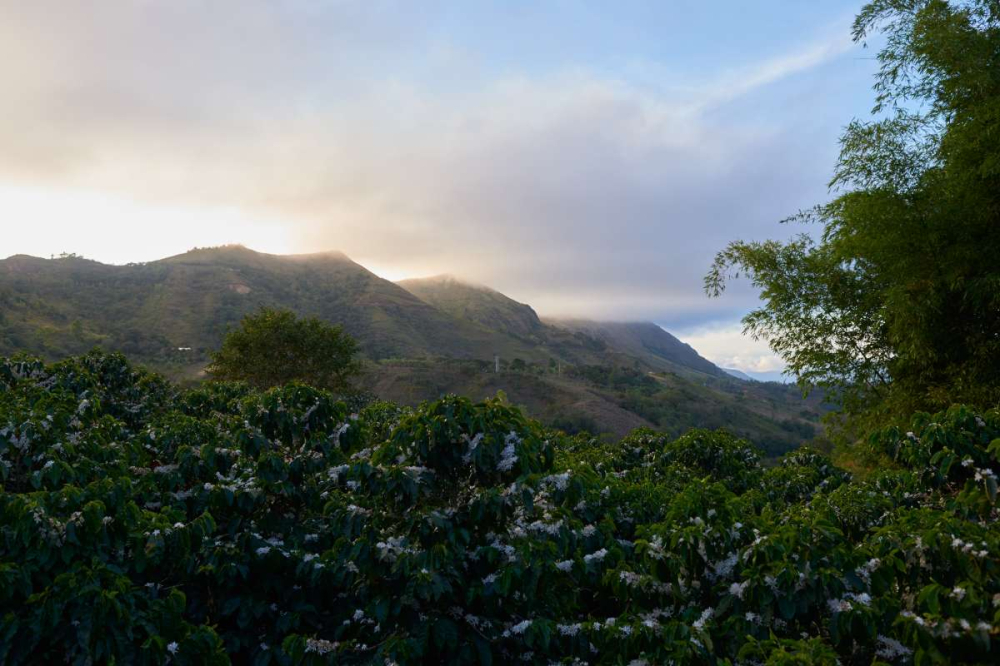
Even during the dry months, though, farmers needn't worry too much. Warm air carried by trade winds from the southern continent meets the cooler nights, producing water vapor that replenishes moisture for the trees. Typically, after a stretch of dryness followed by rainfall, the coffee trees enter their flowering season. In Nariño, the flowering season begins after the first rainfall in September, and the harvest follows from April of the next year onward. In the higher-altitude areas, harvest can last until August.
FrontStreet Coffee's Brewing Tips
Dripper: Hario V60 #01
Water Temperature: 90-91°C
Coffee Dose: 15 grams
Coffee-to-Water Ratio: 1:15
Grind Size: Medium-fine grind / sugar-sized (80% pass-through a #20 sieve)
FrontStreet Coffee recommends brewing with freshly roasted beans to make the most of the coffee's rich flavors. All beans shipped by FrontStreet Coffee are roasted within 5 days, because FrontStreet Coffee understands how deeply freshness shapes flavor. The company's roasting philosophy — "Freshly Roasted Good Coffee" — ensures that every customer receives the freshest coffee on arrival. The degassing period is about 4-7 days, so by the time it reaches customers, the coffee is right at its best.
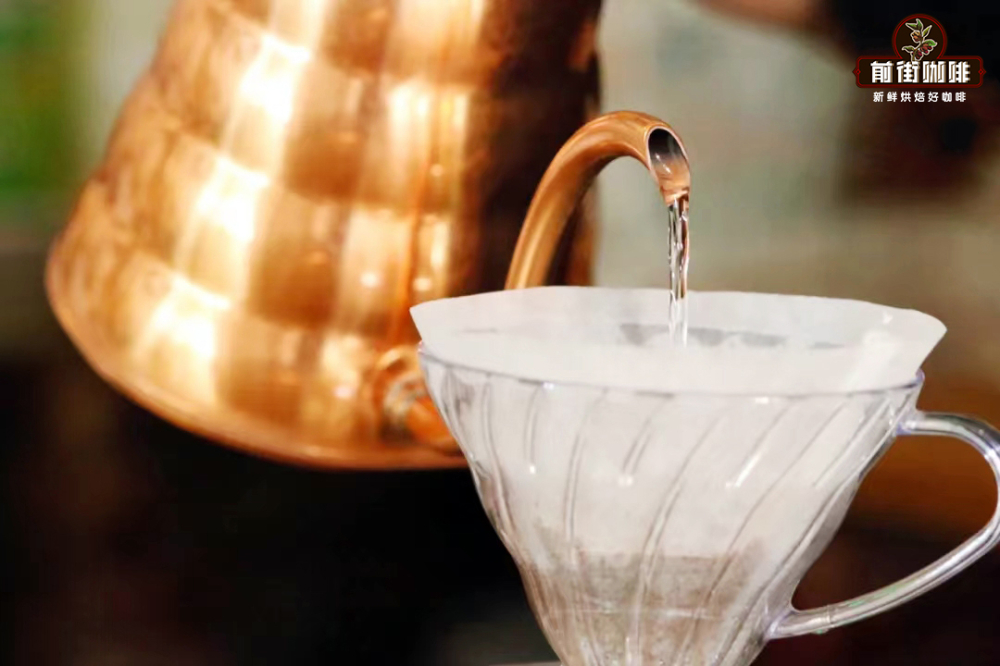
FrontStreet Coffee uses segmented extraction, also known as three-stage brewing: pour 30g of water for a 30-second bloom, then pour with a small flow in a circular motion to 125g to split the stages. When the water level drops and is about to expose the coffee bed, continue pouring to 225g and stop. When the bed is about to be exposed again, remove the dripper. (Timing starts from the bloom.) Total extraction time is 2'00"-2'10".
FrontStreet Coffee Recommendation
To get to know Colombia, start with FrontStreet's washed Huila beans — from the country's most famous specialty region, roasted medium-dark to bring out dark chocolate and nutty sweetness, moderate crema, and a full body. They work beautifully as a pour-over or French press and hold up just as well in a moka pot or espresso machine for an Americano or latte.
For a more modern Colombian experience, FrontStreet's El Diviso Sidra is anaerobically natural-processed, developing extra tropical-fruit aroma after oxygen-free fermentation; roasted medium-light, it shows complex passion fruit, grape, apricot, and dried-fruit notes in a pour-over, cold brew, drip bag, or moka pot. If you have a home espresso machine or a moka pot, FrontStreet's Signature Blend is the barista's pick — an espresso blend built for cafés that pairs Brazil's creamy nuttiness with Colombia's dark chocolate bittersweetness, pulling fine golden crema and turning out rich, smooth lattes that are especially forgiving for beginners.
Important Notice :
FrontStreet Coffee is a long-established specialty coffee roaster in Guangzhou China, selling freshly roasted beans from its own farm in Yunnan as well as dozens of carefully selected single-origin beans from around the world for both pour-over and espresso. The products deliver consistently excellent quality and great value, with shipping within 24 hours. Guangzhou's FrontStreet Coffee shop is recommended by many coffee lovers, and the beans are now available online at the Tmall 。
FrontStreet Coffee has moved to a new address:
FrontStreet Coffee Address: 315,Donghua East Road,GuangZhou
Tel:020 38364473
 Scan and follow the En Gafei WeChat official account. Please indicate that the reprint comes from "En Gafei".