Types of Honduras Coffee Beans and Their Characteristics
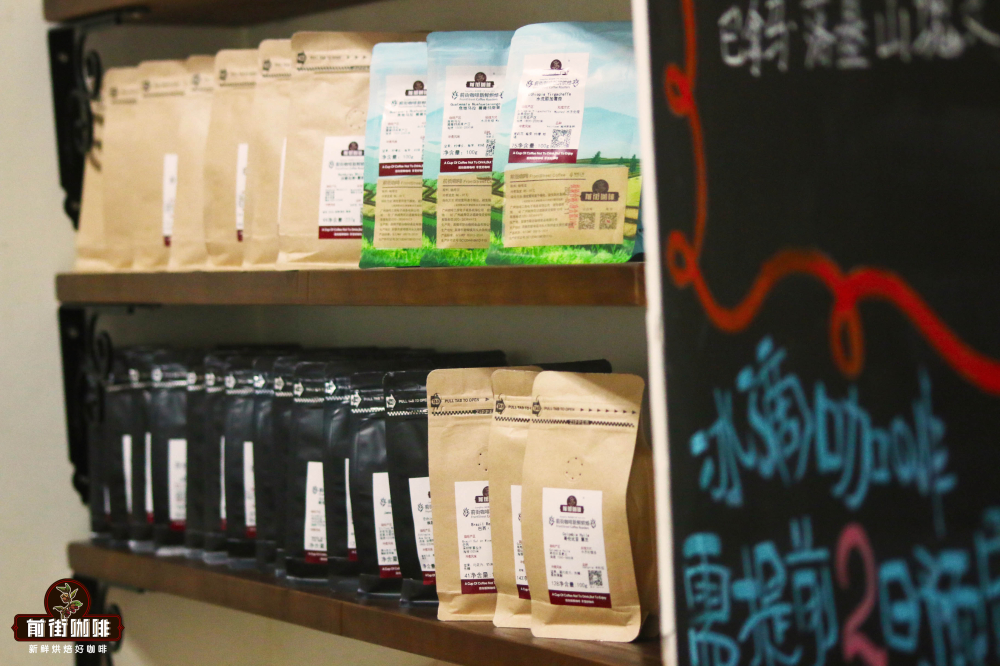
Coffee is the lifeblood of office workers, and alcohol is the spiritual nourishment of the young. Both are symbols of youth — and sometimes the two meet. Just as coffee-flavored alcoholic drinks exist, the coffee world has its own beans with wine-like flavors.
Among the nearly fifty different green beans in FrontStreet Coffee's collection, three have undergone cask fermentation and pour with a fermented, winey aroma: the Honduras Sherry beans, the Lychee Orchid beans, and the Colombia San José beans. Of the three, the Honduras Sherry is the most celebrated. Here is the full story behind this bean.
The Unique Flavor Profile of the Sherry Beans
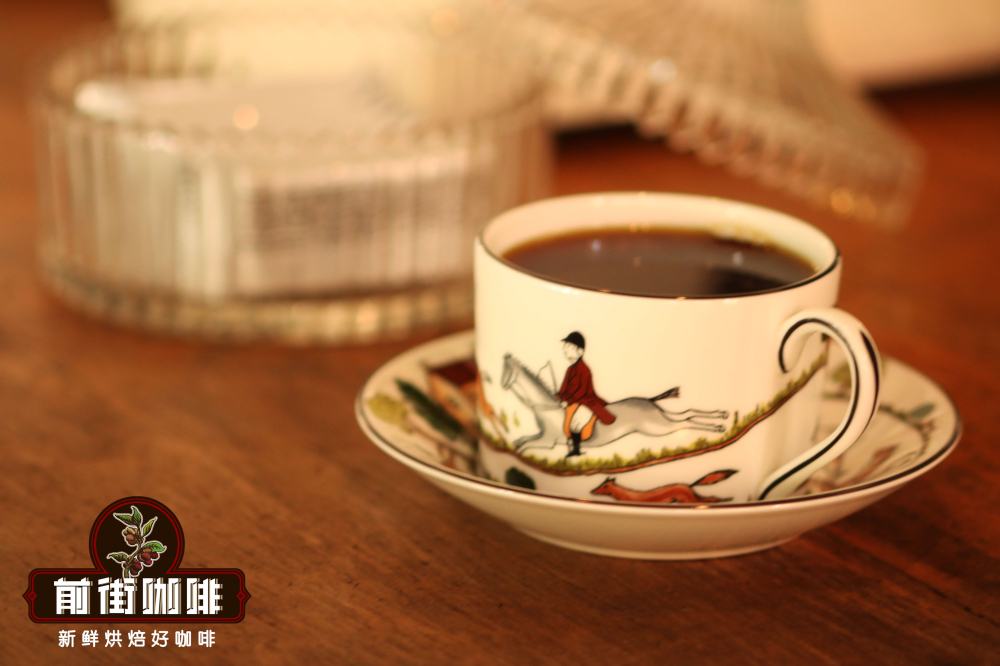
FrontStreet Coffee's Sherry beans have found their way into specialty coffee shops on every corner, thanks to their rich vanilla cream sweetness and fermented wine aroma. Many drinkers would never guess that such a boldly flavored bean comes from Honduras in Central America — a country whose coffees are prized for balance and work beautifully both in espresso blends and as pour-overs.
Compared with its Central American neighbors, Honduras's coffee industry started relatively late, yet it overtook Guatemala in coffee production in 2011. Like the rest of the region, its varieties are predominantly Caturra and Catuai.
Coffee Varieties
Caturra
Caturra is a natural mutation of Bourbon, discovered between 1915 and 1918 in a botanical garden in Minas Gerais, Brazil. Because the trees are relatively small, the variety was named "Caturra," from the Guaraní word for "small." Their compact size and short branches allow much denser planting.
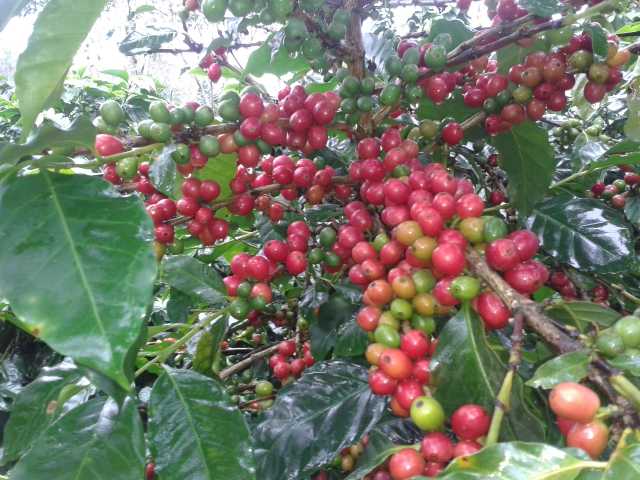
Caturra was promoted and cultivated in Guatemala in the 1940s, then spread from there to Costa Rica, Honduras, Panama, and other Central American countries. Today it is grown throughout Central and South America.
Catuai
Catuai was developed by the Instituto Agronômico de Campinas (IAC) in São Paulo, Brazil, as a cross of Mundo Novo and Caturra. Compared with Bourbon it yields more, on shorter, smaller plants that can be planted at double Bourbon's density.
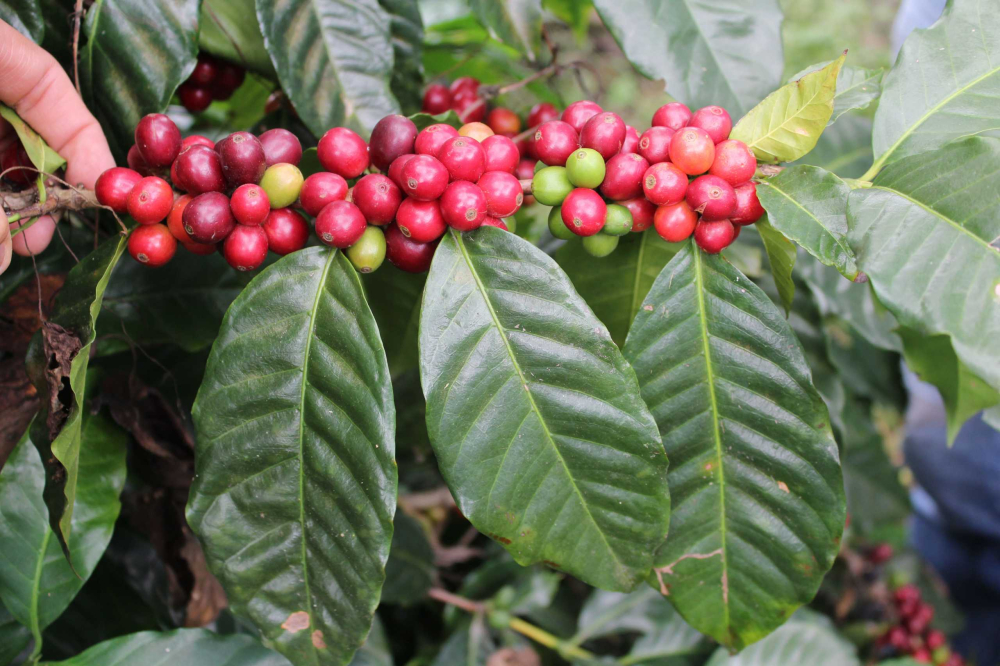
Catuai arrived in Honduras in 1979 and entered commercial cultivation in 1983. Today it accounts for more than half of the country's Arabica area — the mainstay of Honduran Arabica.
A Unique Processing Method
Central American coffees are typically defined by nutty and caramel notes, yet the Sherry beans carry a distinctive winey aroma. That character comes from their unusual processing.
At Moca Estate, ripe cherries are selected, depulped, and meticulously washed. After rinsing in clean water, the parchment beans are poured into Sherry whiskey barrels and held in an environment between 15 and 20 degrees Celsius for a low-temperature fermentation of 30 to 40 days. Finally the beans are removed and dried in a cool, shaded spot.
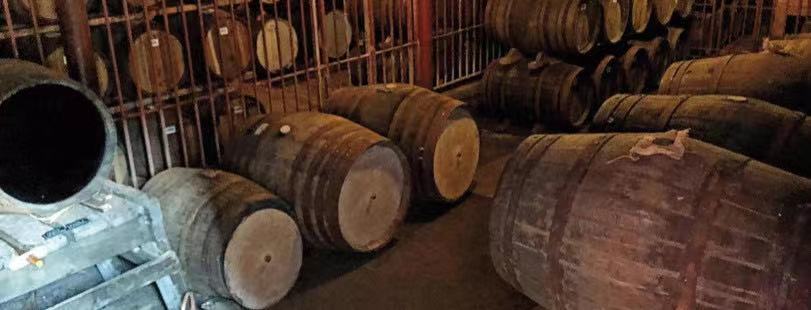
Sun-drying is the standard final step for most green coffee, but beans that have gone through cask fermentation must never be exposed to direct sunlight: the heat can destroy some of the delicate aromatic compounds and may even push the winey acidity too far.
It is worth noting what those barrels are. Whiskey producers use many cask types — wine barrels, brandy barrels, plain oak, rum barrels, and more — but whiskey aged in Sherry casks is especially famous for its sweet fragrance: mature fruit notes with vanilla, cream, and honey. In that sense, the Honduras Sherry beans have inherited some of Sherry whiskey's finest qualities.
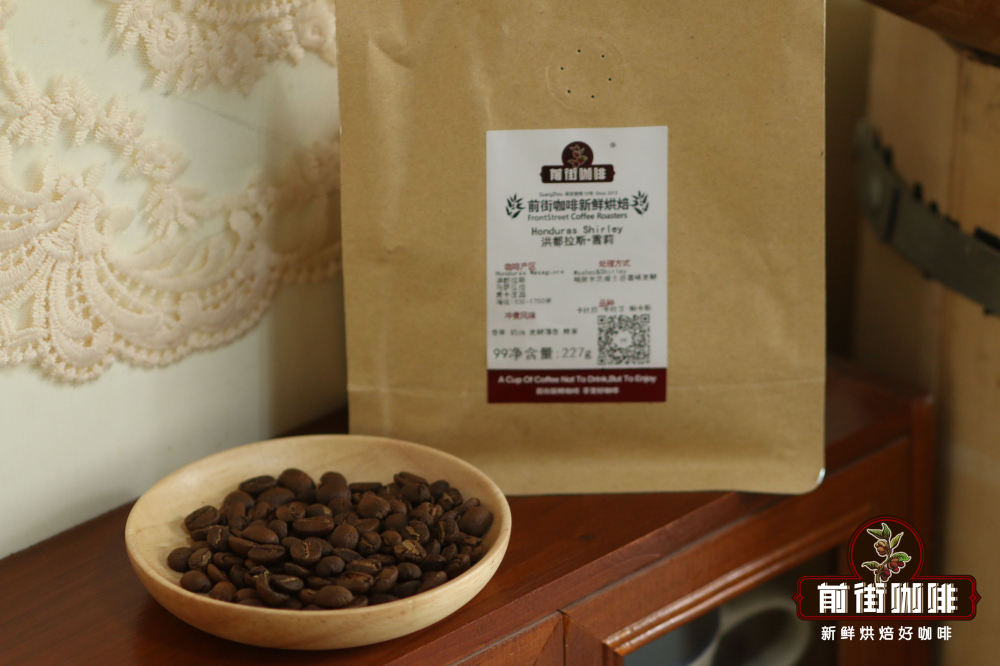
FrontStreet Coffee Honduras Sherry Coffee Bean Profile
Region: Masaguara, Honduras
Estate: Moca Estate
Altitude: 1500-1700 meters
Varieties: Caturra, Catuai, Pacas
Processing Method: Meticulous washed whiskey barrel fermentation
FrontStreet Coffee roasts the Sherry beans medium to highlight their sweet fragrance. For brewing, they suggest a slightly higher water temperature, a finer grind, and a Hario V60 dripper.
Dripper: Hario V60
Water Temperature: 90 degrees Celsius
Coffee Dose: 15 grams
Coffee-to-Water Ratio: 1:15
Grind Size: 80% pass-through rate on a #20 sieve
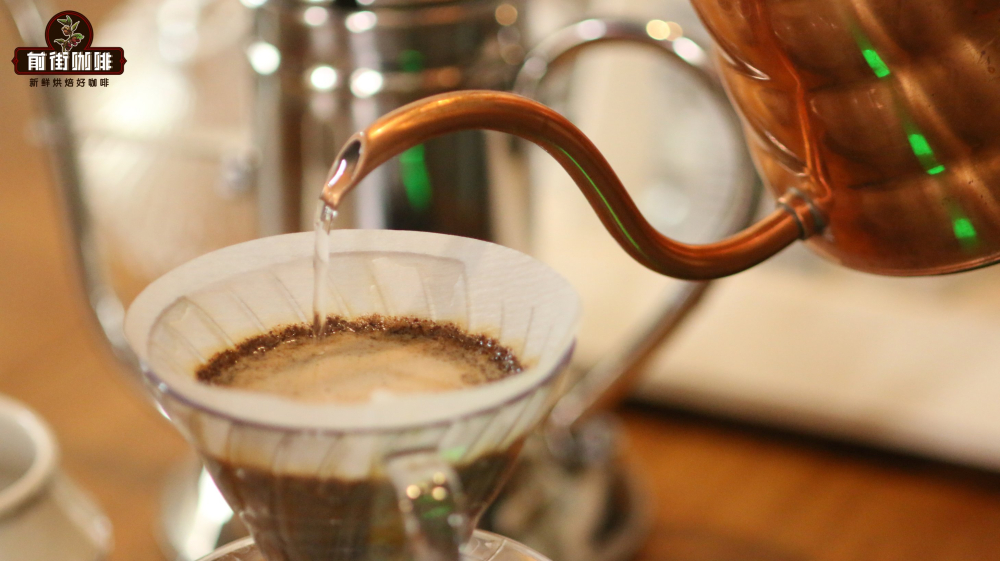
Pour 30 grams of hot water for a 30-second bloom, then start a fine stream from the center and spiral slowly outward to 125 grams. When the water level drops to just above the coffee bed, continue spiral pouring to 225 grams. Total extraction time is roughly 2 minutes.
Some may wonder why blooming is necessary every time. Although the beans are roasted within 5 days of shipping, they still need a 4 to 7-day resting period. The bloom promotes degassing of the grounds and creates more stable conditions for extraction.
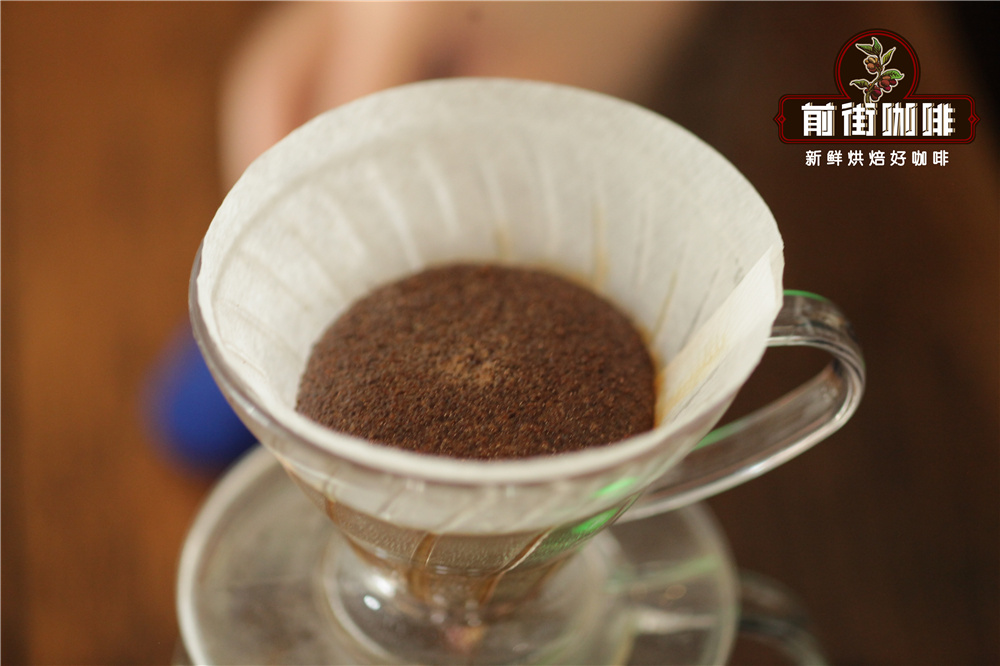
FrontStreet Coffee also offers a grinding service for customers without a grinder at home. But since ground coffee degasses rapidly — aromatics escaping along with the carbon dioxide — they recommend buying whole beans and grinding fresh, whenever possible, for the best flavor.
And pour-over is not the only way to enjoy the Sherry character. The espresso blend used in FrontStreet Coffee's own stores is built on it too: the Sunflower Warm Sunshine blend combines 70% Honduras Sherry with 30% Ethiopia Natural Red Cherry. After daily parameter dialing, the espresso shows rich vanilla and cream, a distinct winey aroma, a dark-chocolate aftertaste, and a full, smooth, balanced mouthfeel.

So the next time you crave a coffee with winey character, which bean will come to mind first? Before discovering the Sherry beans, many drinkers had no idea a coffee could satisfy both cravings at once. Which means, of course, it is time to grab a bag and start brewing.
For more coffee bean information, follow Coffee Workshop (WeChat public account: cafe_style). For professional coffee knowledge exchange, add WeChat ID: kaixinguoguo0925.
FrontStreet Coffee Recommendation: From Cask Fermentation to Anaerobic Wonder
If the Sherry bean's barrel-fermented magic intrigues you, Colombia's new wave of innovative processing offers a similar thrill. The FrontStreet Coffee Colombia Finca Frontera Pink Bourbon is a competition-winning variety grown at 1650-1800 meters and finished with a double anaerobic natural process — fermentation in sealed, pressure-resistant tanks where temperature, time, and pH are all controlled. Roasted medium-light, it brews into passion fruit, grape, apricot, and dried-fruit richness with jasmine and citrus on the dry aroma. Prefer the classics? The FrontStreet Coffee Washed Huila, from Colombia's most famous region at over 1500 meters, delivers black chocolate and nutty sweetness with a mellow body. Either way, both shine as pour-over, cold brew, or moka pot coffee.
Important Notice :
FrontStreet Coffee is a long-established specialty coffee roaster in Guangzhou China, selling freshly roasted beans from its own farm in Yunnan as well as dozens of carefully selected single-origin beans from around the world for both pour-over and espresso. The products deliver consistently excellent quality and great value, with shipping within 24 hours. Guangzhou's FrontStreet Coffee shop is recommended by many coffee lovers, and the beans are now available online at the Tmall 。
FrontStreet Coffee has moved to a new address:
FrontStreet Coffee Address: 315,Donghua East Road,GuangZhou
Tel:020 38364473
 Scan and follow the En Gafei WeChat official account. Please indicate that the reprint comes from "En Gafei".