Introduction to the Types and Characteristics of Blue Mountain Coffee

The Legendary Status of Blue Mountain Coffee
In the hearts of many coffee beginners, Blue Mountain Coffee holds a god-like status, earning fame even before being tasted. In numerous films and television shows, Blue Mountain coffee beans have become an essential item for successful white-collar professionals in their daily work. Unlike today's mainstream trendy coffees, Blue Mountain Coffee emphasizes a perfect balance of acidity and bitterness with a rich, mellow mouthfeel. Consequently, evaluations of this bean are often polarized: some consider Blue Mountain a paradigm of perfectionism, while others believe it lacks distinctive characteristics.
The Origins of Blue Mountain Coffee's Unique Flavor
The ability to create such a distinctive flavor in Jamaican Blue Mountain coffee beans comes from the local growing environment. Blue Mountain Coffee is named because its cultivation area is located in the Blue Mountain region of Jamaica. The Blue Mountains sit in the eastern part of Jamaica, surrounded by the Caribbean Sea. On clear, cloudless days, sunlight strikes the azure sea surface directly, reflecting brilliant blue light back onto the mountains. The entire range emits a dazzling blue glow, thus earning the name "Blue Mountains."
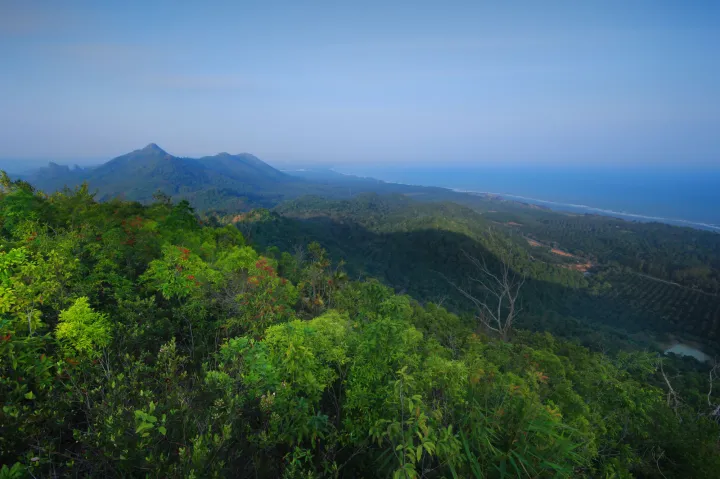
Within the Blue Mountain region, coffee is grown in dense primeval forests, which provide shade for the coffee trees and shield them from harsh sun. With the advantage of a tropical rainforest climate, this area experiences frequent fog and rainfall year-round. This fertile land, harmonized by ample rainfall, provides an ideal growing environment for Blue Mountain coffee beans.
Historical Background and Cultivation Areas
Coffee originated in Ethiopia, and Jamaica's coffee cultivation became part of European colonial expansion history. In the late 1720s, Sir Nicholas Lawes, then Governor of Jamaica, brought descendants of European parent plants (the Typica variety) from Martinique to the foothills of the St. Andrew region, just outside Kingston. Coffee subsequently took root and thrived in Jamaica's Blue Mountain region.
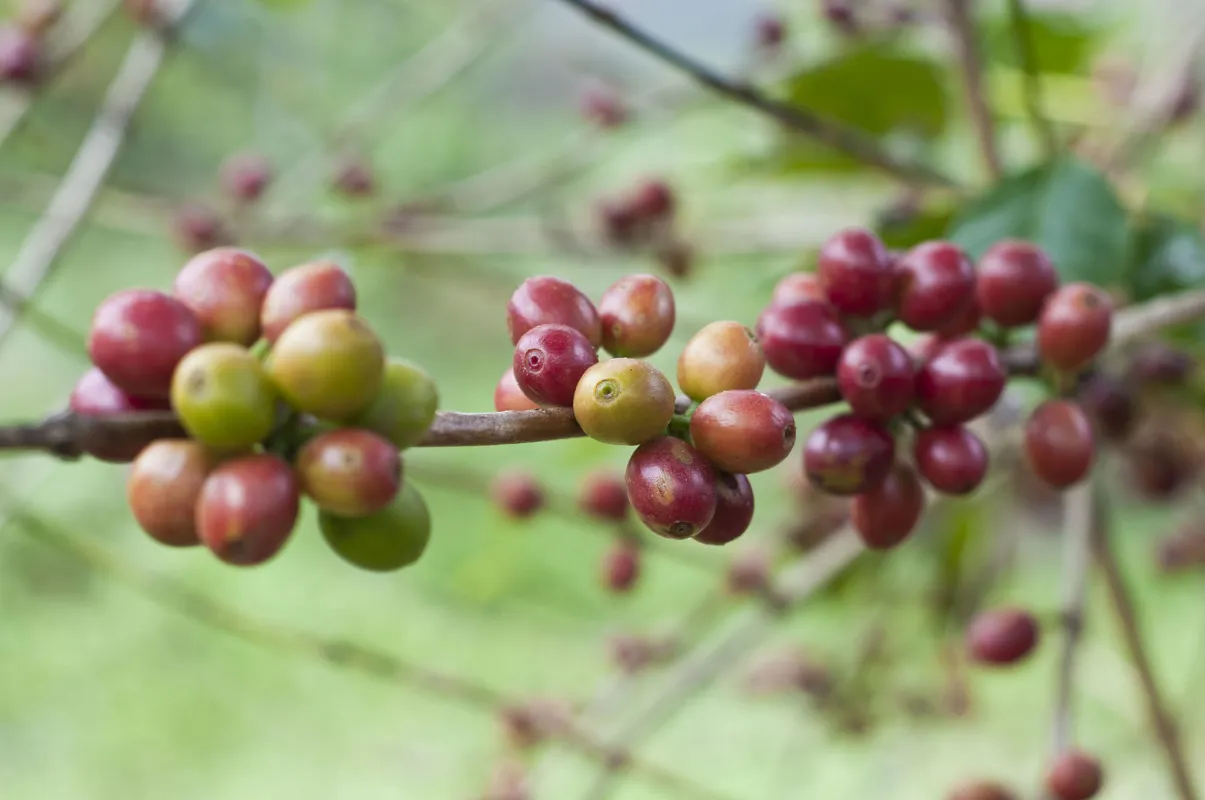
Today, Blue Mountain Coffee's cultivation area has expanded from the St. Andrew region to four administrative regions: St. Andrew, St. Thomas, St. Mary, and Portland. However, the Jamaica Coffee Industry Board (CIB) maintains extremely strict grading standards. Even when grown within these regions, not all coffee qualifies as Blue Mountain Coffee.
Blue Mountain Coffee Grading System
According to CIB regulations, Jamaican coffee beans are first classified into three grades based on cultivation altitude: Blue Mountain Coffee, High Mountain Coffee, and Jamaica Prime Coffee. Both Blue Mountain Coffee and High Mountain Coffee grades are cultivated within the Blue Mountain region. According to CIB regulations:

Blue Mountain Coffee: Cultivated at altitudes above 1,000 meters.
High Mountain Coffee: Jamaican High Mountain Coffee is cultivated at altitudes between 500 and 1,000 meters.
Jamaica Prime Coffee: Coffee beans of this grade are cultivated at 500 meters altitude, with cultivation areas not necessarily limited to the Blue Mountain production region.
Within the Blue Mountain Coffee and High Mountain Coffee grades, coffee is further classified by bean size and defect count into: No. 1, No. 2, No. 3, and PB (Peaberry). Under the condition that defective green beans do not exceed 2%, Blue Mountain No. 1 grade coffee beans have a size of 17/18 screen; Blue Mountain No. 2 grade is 16/17 screen; Blue Mountain No. 3 grade is 15/16 screen; and Blue Mountain PB grade consists of peaberries.
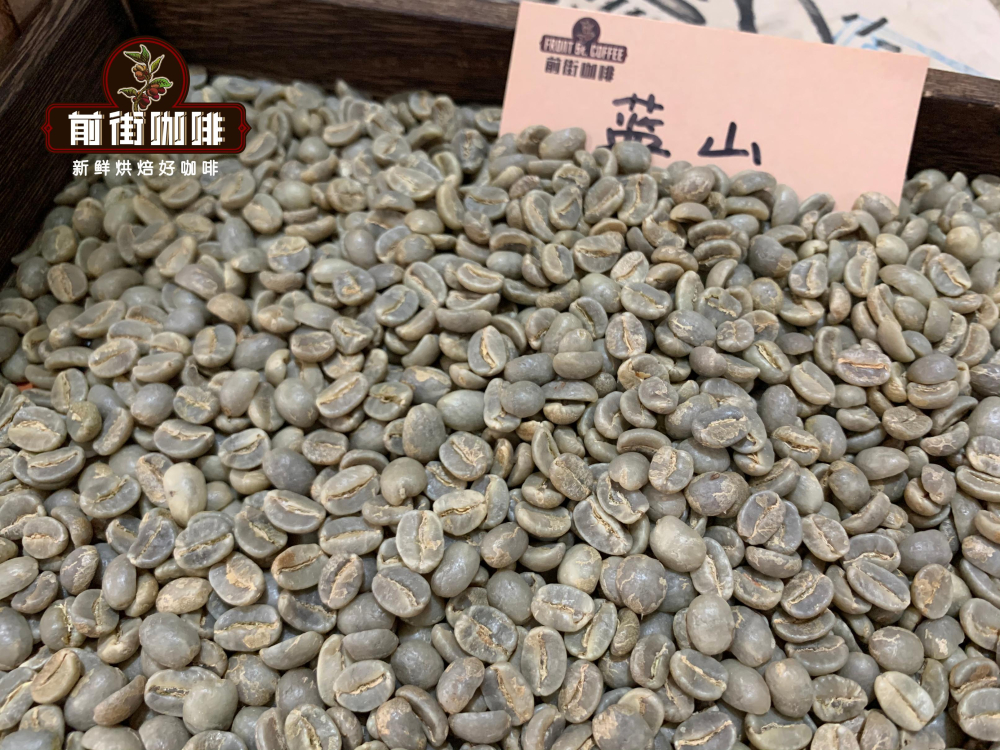
Clearly, Blue Mountain No. 1 coffee beans represent the highest grade among Jamaican Blue Mountain coffees. Under the CIB's extremely strict regulations, Blue Mountain No. 1 production is limited. In the last century, Jamaica's coffee-growing regions suffered from meteorological disasters that severely impacted the industry. Later, with assistance from the Japanese government, it was able to recover. As a result, for a long period, Japan held priority purchasing rights for Jamaican Blue Mountain Coffee. At one point, over 90% of Jamaican Blue Mountain Coffee was purchased by the Japanese.

Market Availability and Authentication
In recent years, with the decline of Japanese purchasing power, more Blue Mountain coffee beans have flowed to other markets. Although Blue Mountain Coffee production remains limited, seeing or even drinking genuine Blue Mountain Coffee is no longer difficult. However, many coffees on the market labeled as "Blue Mountain Blend" or "Blue Mountain Flavor" often leave enthusiasts disappointed once they understand genuine Jamaican Blue Mountain coffee beans.
Verifying the authenticity of Jamaican Blue Mountain Coffee is not difficult. Jamaica is the world's only coffee-producing country that still uses wooden barrels to transport green coffee beans. Additionally, Jamaican authorities issue certificates of origin for their exported Blue Mountain coffee beans. Both Blue Mountain green bean barrels and certificates of origin are displayed at FrontStreet Coffee's stores.
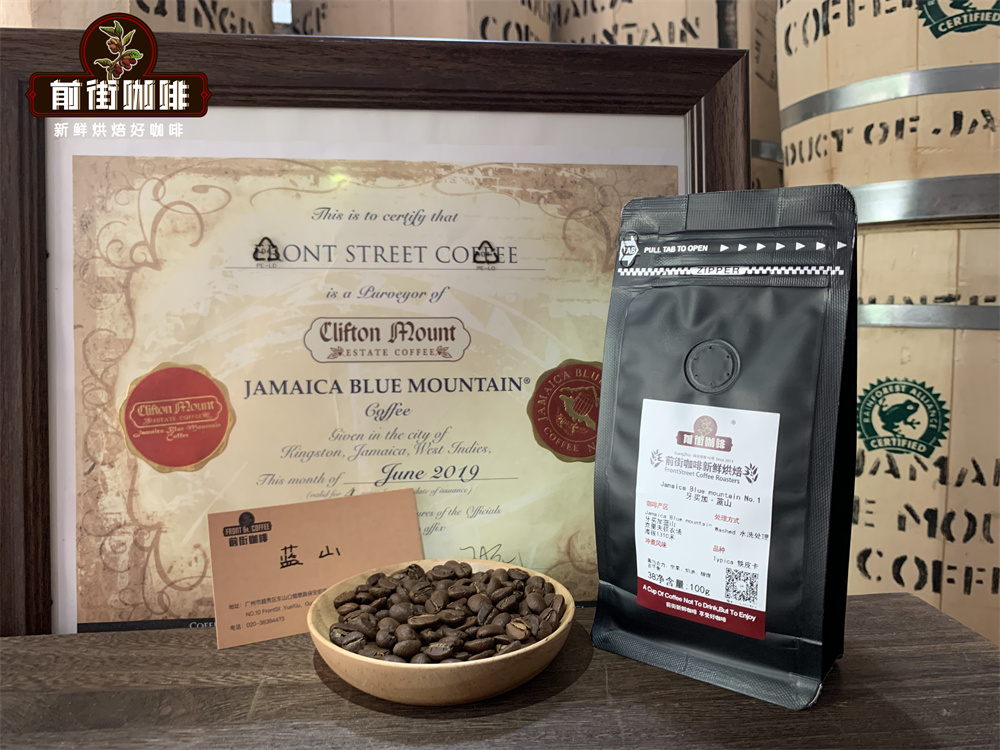
Clifton Estate: FrontStreet Coffee's Blue Mountain Source
As a representative of classic premium coffees, Blue Mountain Coffee can be found on FrontStreet Coffee's bean shelves. FrontStreet Coffee's Blue Mountain No. 1 coffee beans come from Clifton Estate. On the Jamaican Blue Mountain coffee bean barrel at FrontStreet Coffee's store, one can see the green frog logo. Clifton Estate has obtained Rainforest Alliance certification, proving that this plantation places great emphasis on environmental protection.
Clifton Estate, located near Catherine's Peak, is one of the region's oldest coffee plantations. Clifton Estate once belonged to a gentleman who had lost his beloved wife. Not wanting to be reminded of painful memories, he leased the estate to tourists who wanted to experience the magnificent beauty of the primeval forest. By the early 20th century, Clifton Estate had developed into one of Jamaica's largest plantations.
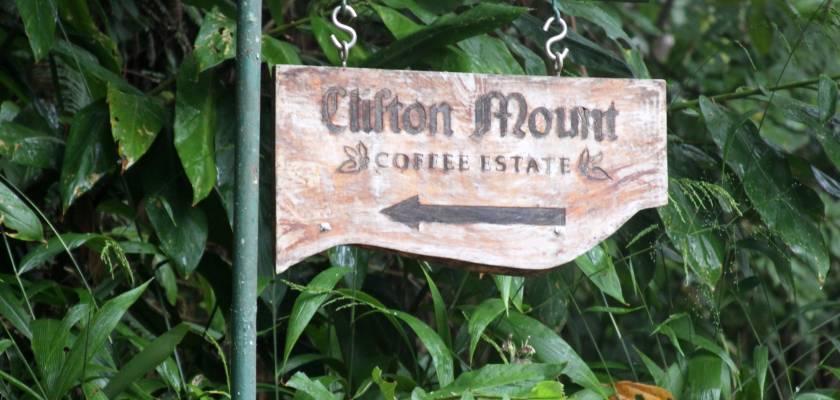
Regrettably, this gentleman who lost his beloved wife eventually gave up managing the estate. Without human intervention, the plants and animals within Clifton Estate thrived and reproduced. Until 1978, the Sharp family took over Clifton Estate. At that time, scattered wild coffee trees were growing freely in the jungle. In 1984, Richard Sharp from the Sharp family decided to become a coffee grower, carefully tending the coffee plantation and beginning to diligently study coffee.

Over the years, the two Sharp brothers have demonstrated their passion for coffee, traveling to multiple coffee-producing regions, learning local experience, and developing their own cultivation philosophy. With years of experience and effort, Clifton Estate was recognized by the Jamaican Ministry of Agriculture as the estate producing the highest quality coffee beans in the 2017/2018 harvest season.
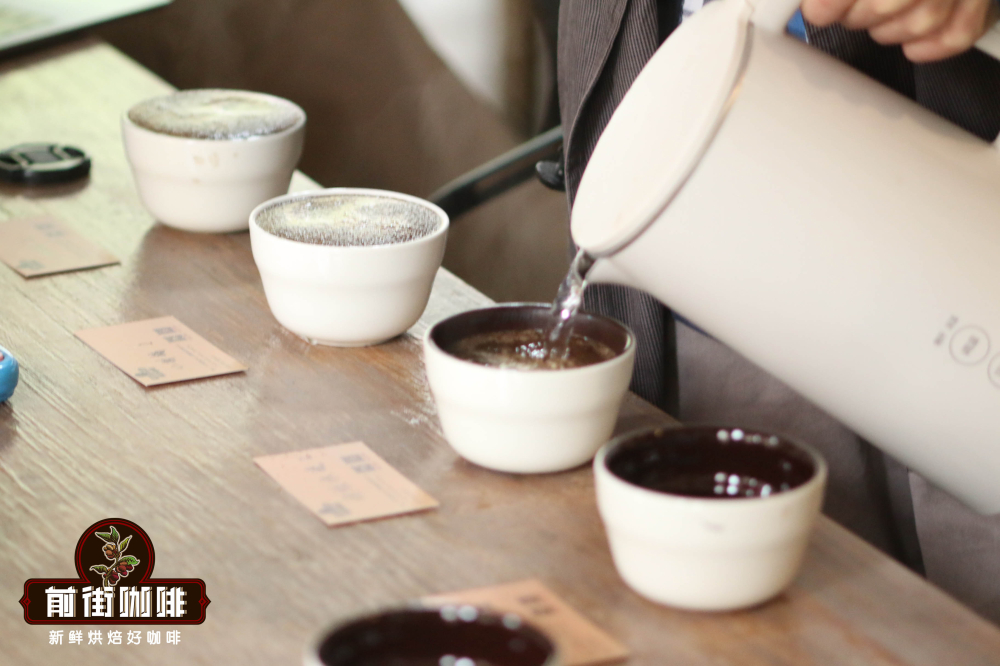
FrontStreet Coffee has conducted cupping comparisons of multiple Blue Mountain No. 1 coffee beans and found that the flavor of Clifton Estate's Jamaican Blue Mountain No. 1 coffee beans, with its rich nutty and cocoa notes, caught the attention of FrontStreet Coffee's baristas. FrontStreet Coffee believes that Clifton Estate's washed Blue Mountain coffee beans can serve as one of the outstanding representatives of the region.
Brewing the Perfect Blue Mountain Coffee
As demand among coffee enthusiasts continues to grow, genuine Blue Mountain coffee beans are no longer hard to find. Many FrontStreet Coffee fans want to fully express the delicate flavors of these beans and are particularly concerned about how to brew a perfect cup of Blue Mountain Coffee. Next, FrontStreet Coffee explains how FrontStreet Coffee's baristas prepare Blue Mountain Coffee.
Dripper: KONO
Water Temperature: 88°C
Dose: 15 grams
Coffee-to-Water Ratio: 1:15
Grind Size: 75% pass-through rate on China standard #20 sieve
Since FrontStreet Coffee ships freshly roasted coffee beans within 5 days, even after a 4-7 day degassing period upon arrival, the beans still contain sufficient gases. During brewing, these gases might inhibit water from entering the coffee particle structure to extract flavor compounds. FrontStreet Coffee therefore recommends a 30-second bloom.
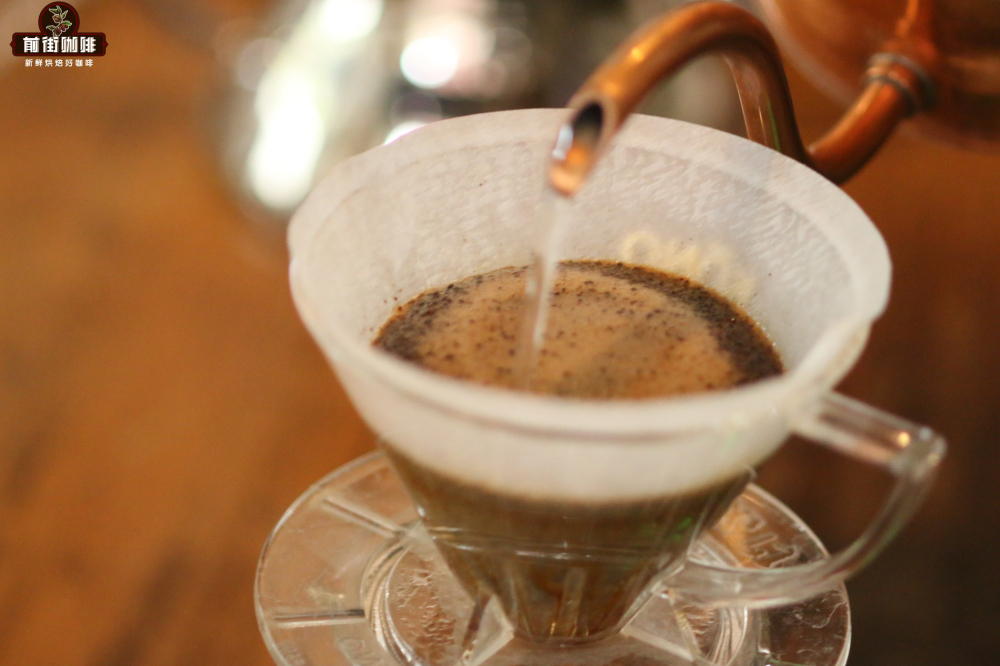
First, pour 30 grams of hot water and bloom for 30 seconds. Starting from the center, pour with a fine stream and slowly spiral to 125 grams. Wait until the water level in the filter drops to just before exposing the coffee bed, then continue spiraling to 225 grams. Total extraction time is approximately 2 minutes.
The Blue Mountain Coffee brewed by FrontStreet Coffee's baristas using these parameters and steps reveals rich nutty and dark cocoa flavors, with a heavy yet smooth mouthfeel and perfectly balanced acidity, sweetness, and bitterness.
FrontStreet Coffee Recommendation
If you want to taste the genuine Blue Mountain No. 1 described here, the FrontStreet Coffee Jamaica Blue Mountain No. 1 is the direct answer: grown in the Blue Mountains near Catherine's Peak, sourced from Clifton Estate, and roasted medium-dark so the cup shows layered nuts, dark chocolate, creamy caramel, and a soft sweetness with balanced acidity, bitterness, and aroma. FrontStreet Coffee's version comes with full origin certification and is presented alongside the estate's original wooden barrels, which is the same authenticity guarantee the article describes. For an even more luxuriant, chocolate-forward expression of that classic balance, FrontStreet Coffee's medium-roasted Blue Mountain No. 1 also draws out roasted nuts, cream, and caramel, making it an easy choice both for daily drinking and for gifting.
Important Notice :
FrontStreet Coffee is a long-established specialty coffee roaster in Guangzhou China, selling freshly roasted beans from its own farm in Yunnan as well as dozens of carefully selected single-origin beans from around the world for both pour-over and espresso. The products deliver consistently excellent quality and great value, with shipping within 24 hours. Guangzhou's FrontStreet Coffee shop is recommended by many coffee lovers, and the beans are now available online at the Tmall 。
FrontStreet Coffee has moved to a new address:
FrontStreet Coffee Address: 315,Donghua East Road,GuangZhou
Tel:020 38364473
 Scan and follow the En Gafei WeChat official account. Please indicate that the reprint comes from "En Gafei".