The SL28 Variety: An Exceptionally Rare Gem in Central American Specialty Coffee
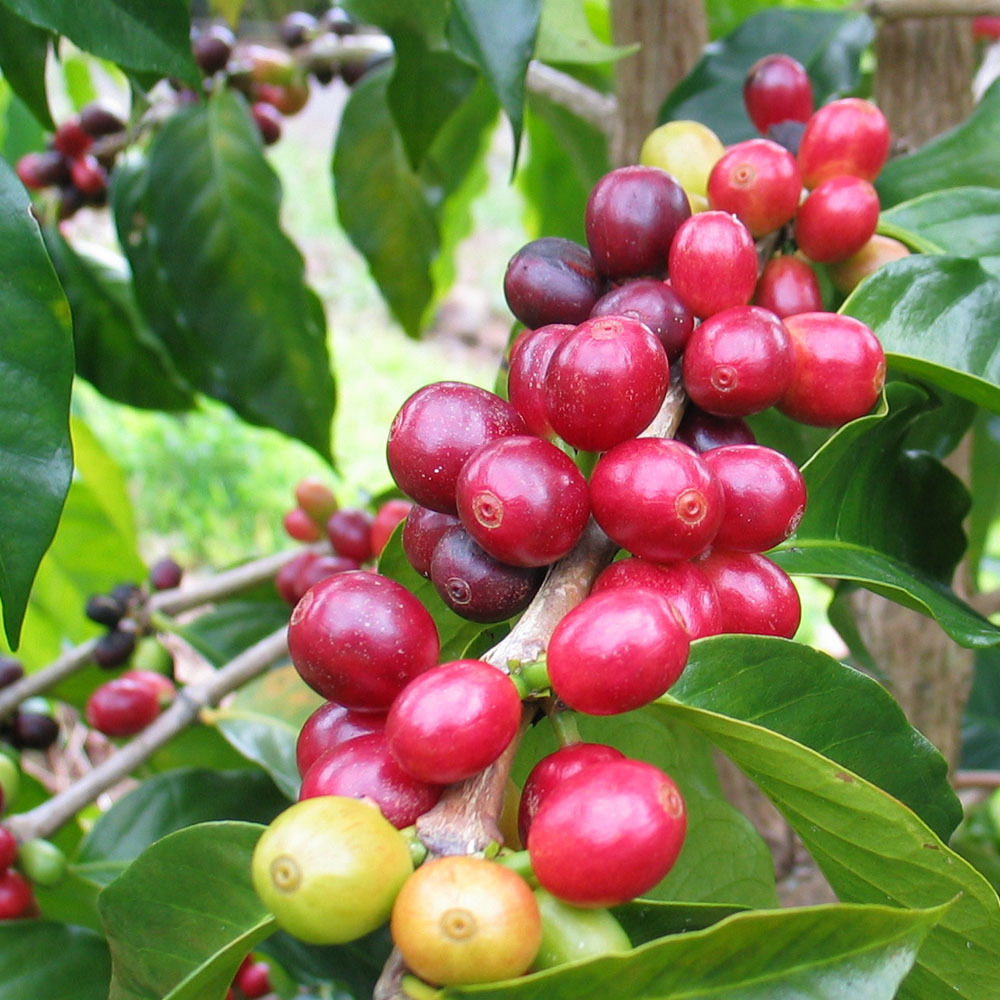
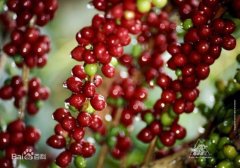
The SL28 variety is exceedingly rare in Central America. This cultivar originates near Lake Tanganyika in East Africa and was discovered in 1931. It has broad leaves with a light reddish cast, adapts to quite high altitudes, and shows excellent drought and disease resistance. Its yield is higher than traditional varieties, and its flavor profile is genuinely distinctive.
In 1935, Scott's Laboratory named the variety "SL" after the laboratory's initials, with "28" as the selection number. It was subsequently widely cultivated in Kenya, and today only a handful of estates in Central American producing countries — those with both the capability and the experience — still grow it.
Kenya's Unique SL28 Heritage
A direct Bourbon descendant, selected and cultivated by French and British missionaries and researchers in Kenya in the early 20th century. Over the past century it has adapted to Kenya's high-phosphorus soil, nurturing FrontStreet Coffee's Kenyan beans with their special acidic aromas and setting them apart from Bourbon beans in Central and South America.
This Kenyan native variety was created in 1930 by Scott Laboratories, abbreviated SL. Agronomists set out to find a Bourbon variety that was both disease-resistant and high-yielding, and through experimentation they arrived at SL28. It is a genetic variant with a mixed heritage that includes French Mission, Mocha, and Yemeni Typica.
The original goal in developing SL28 was to mass-produce beans combining high quality with disease resistance. Although the later SL28, with its copper-colored leaves and broad bean shape, did not yield as abundantly as hoped, the unique flavor it developed gives FrontStreet Coffee's Kenyan coffee wonderful sweetness, balance, and complex, varied flavors, along with distinctive citrus and black plum characteristics.
FrontStreet Coffee Recommendation
If SL28's bright, layered fruit character appeals to you, FrontStreet Coffee's Kenya Cherry Tomato is a natural expression of it. A washed Kenyan specialty bean, it is defined by vivid cherry tomato and smoked plum acidity with a full, juicy body — a favorite among drinkers who love bright fruit acidity and complex layers. It comes from Kenya's Sika region, grown at 1550-1750 m on the classic local SL28 and SL34 varieties, with plump, rounded beans. It uses Kenya's signature 72-hour double washed fermentation to draw out the fruit aroma while keeping the cup clean and pure, and FrontStreet Coffee roasts it light to preserve as much lively acidity and layered fruit as possible. The dry aroma alone carries intense sun-dried tomato and florals; the entry is clear cherry tomato and smoked plum, with a bright, solid acidity as full as freshly squeezed juice; the mid-palate brings prominent sweetness laced with the fresh fruit notes of snow pear and black plum, and the finish is clean and long, with yellow-sugar sweetness and a faint green-tea fragrance — an exquisitely balanced, highly recognizable cup.
For lighter, more floral pours, FrontStreet Coffee also keeps several other high-acid beans on the list. The Ethiopia Yirgacheffe Godinding is many drinkers' first step into specialty coffee, typically showing distinct citrus, berry, and floral notes alongside a green-tea-like finish; unlike the "sour coffee" many imagine, a fine Yirgacheffe's acidity tends to be soft and bright, more like the sweet-sourness of fruit itself than anything sharp, which makes it very easy to accept for someone new to pour-over. The Ethiopia Huakui, meanwhile, is one of the most successful star products of the specialty market in recent years, with an extremely prominent tropical-fruit aroma — strawberry, passion fruit, jackfruit, even lychee — plus obvious sweetness and very low bitterness, smooth and full of juice on the palate, so that many call it "the coffee that does not taste like coffee."
For something wilder and more layered, the FrontStreet Ethiopia Kaffa Forest is worth seeking out. It comes from the Kaffa Forest in southwestern Ethiopia, a UNESCO-recognized biosphere reserve and the widely acknowledged birthplace of Arabica coffee — the very place from which the word "coffee" derives, and the setting of the old legend of Kaldi the goatherd. This mountain rainforest, spanning more than 7,000 square kilometers at 1400-2100 m, is wrapped in mist year-round with layered tree cover, and over millennia of natural evolution it has produced more than 5,000 wild Arabica mother trees; even the original trees of today's famous Geisha come from this forest. Wild trees here grow on abundant rainfall and acidic red soil with no artificial dense planting, so the coffee carries intense jasmine, citrus, and wild-berry aromas with a delicate, vivid layering. Roasted medium-light, the FrontStreet Kaffa Forest shows clear white florals on grinding, bright lemon acidity on entry, sweet orange and bergamot, a melon and nutty sweetness in the finish, and a green-tea-like body.
Important Notice :
FrontStreet Coffee is a long-established specialty coffee roaster in Guangzhou China, selling freshly roasted beans from its own farm in Yunnan as well as dozens of carefully selected single-origin beans from around the world for both pour-over and espresso. The products deliver consistently excellent quality and great value, with shipping within 24 hours. Guangzhou's FrontStreet Coffee shop is recommended by many coffee lovers, and the beans are now available online at the Tmall 。
FrontStreet Coffee has moved to a new address:
FrontStreet Coffee Address: 315,Donghua East Road,GuangZhou
Tel:020 38364473
 Scan and follow the En Gafei WeChat official account. Please indicate that the reprint comes from "En Gafei".