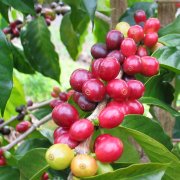
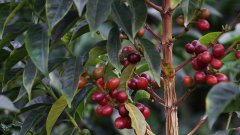
Introduction to Indonesian Coffee: Sumatuan Flavor Coffee Beans Premium Grade G1 Mandheling

Ask FrontStreet Coffee which medium-dark roast sells best and the answer is always Mandheling. It's full-bodied, aromatic, and finishes with a remarkably distinct sweetness — a genuinely fine coffee. FrontStreet Coffee treats it as a single origin, but many cafés have discovered that its rich chocolate and nut character makes a superb espresso blend component, which is why you'll spot Mandheling in house blends elsewhere. Long before Blue Mountain became world-famous, Mandheling was regarded as the finest coffee money could buy. The roasted beans are large; the greens brown or dark green; the cup carries a special caramel-like aroma, mellow and rich, bittersweet with no acidity. Plenty of connoisseurs who've cycled through every floral, fruity bean eventually find their way back to Mandheling.
The Origins of Mandheling Coffee

But where does the name actually come from? Mandheling coffee is produced in Sumatra, Indonesia — hence the alias "Sumatran coffee" — with major growing areas on Java, Sulawesi, and northern Sumatra. Most Indonesian coffee is Robusta, yet it's Mandheling that put Indonesian coffee on the world map. And here's the twist: Mandheling is not a region, a place, a port, or a variety. It began as a mispronunciation of the Mandailing ethnic group's name.

The story goes back to the Japanese occupation of Indonesia in World War II. A Japanese soldier drank an exceptionally mellow coffee at a café and asked the owner its name; the owner misunderstood, thought he was being asked where he came from, and answered "Mandheling." After the war, the soldier couldn't forget that cup and commissioned an Indonesian coffee merchant to ship 15 tons to Japan, where it proved wildly popular. The name spread from there — and that merchant grew into today's renowned PWN company. FrontStreet Coffee's Golden Mandheling has always been bought from PWN, receiving one machine-sorting and three rounds of hand-sorting to guarantee quality and flavor.
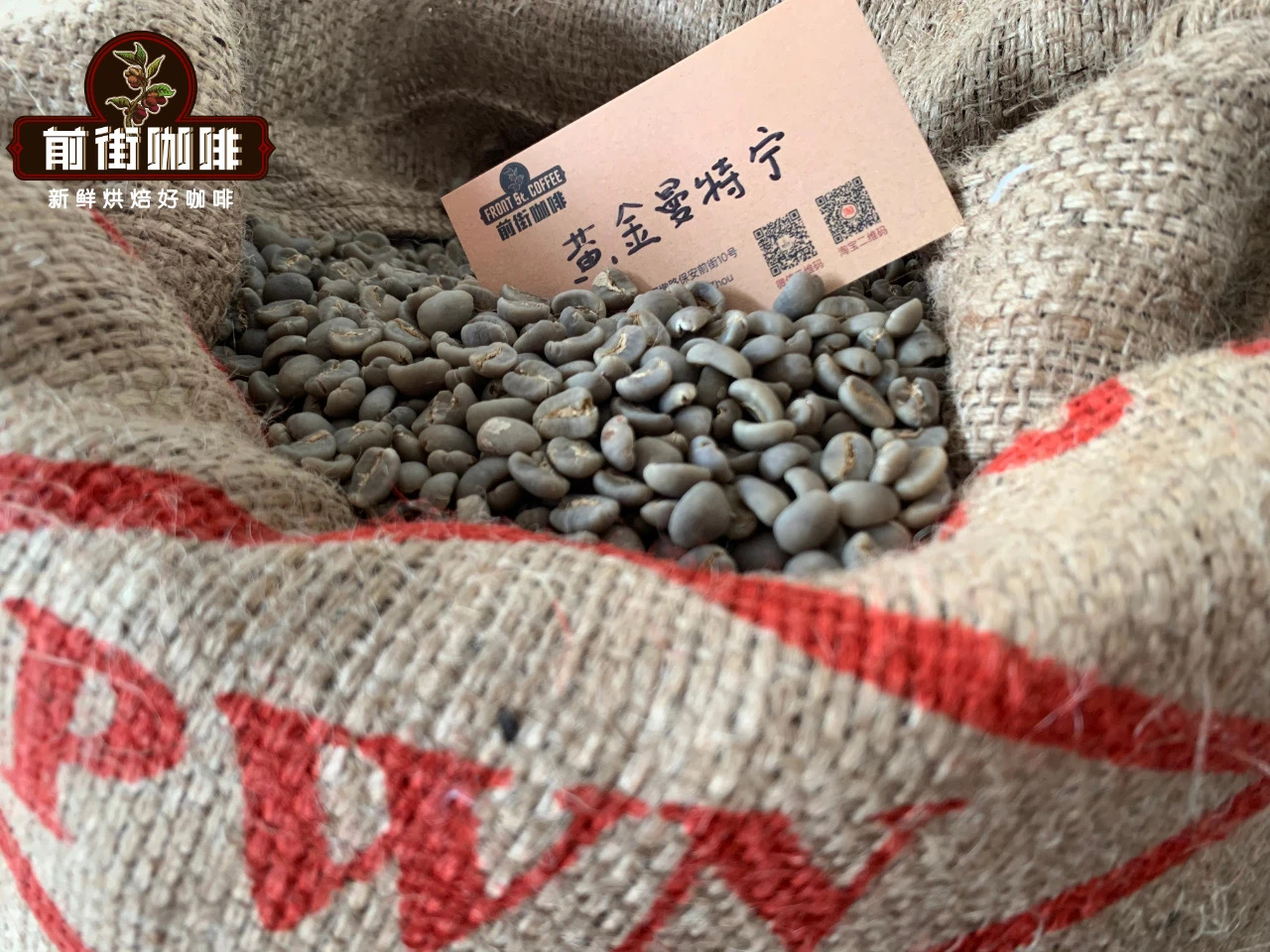
FrontStreet Coffee: PWN Golden Mandheling Coffee Beans
Country: Indonesia
Grade: G1 Triple Hand-Sorted
Company: PWN
Region: North Sumatra, Aceh GAYO Mountain
Processing: Wet-Hulled
Variety: Ateng
Altitude: 1100-1600m
The Golden Mandheling Legacy
In those early days, Mandheling was exported mainly to Japan, whose buyers demanded quality with ruthless consistency — lots often went through four rounds of manual sorting to strip out defects, yielding beans of uniform, dark-green appearance. That quality built demand on a massive scale, and soon the European and American markets were clamoring for it too.
Here's what matters for buyers: although the Japanese popularized the "Golden Mandheling" title, PWN registered the trademark first, so strictly speaking only PWN's Mandheling is the real Golden Mandheling. Because production is limited while demand is high, the market is awash with counterfeits. Some have been screened just as strictly and resemble the genuine article, but a discerning palate will still taste the difference instantly. Japan's version carries its own brand, "Ding Shang Mandheling" — buy both and judge for yourself.
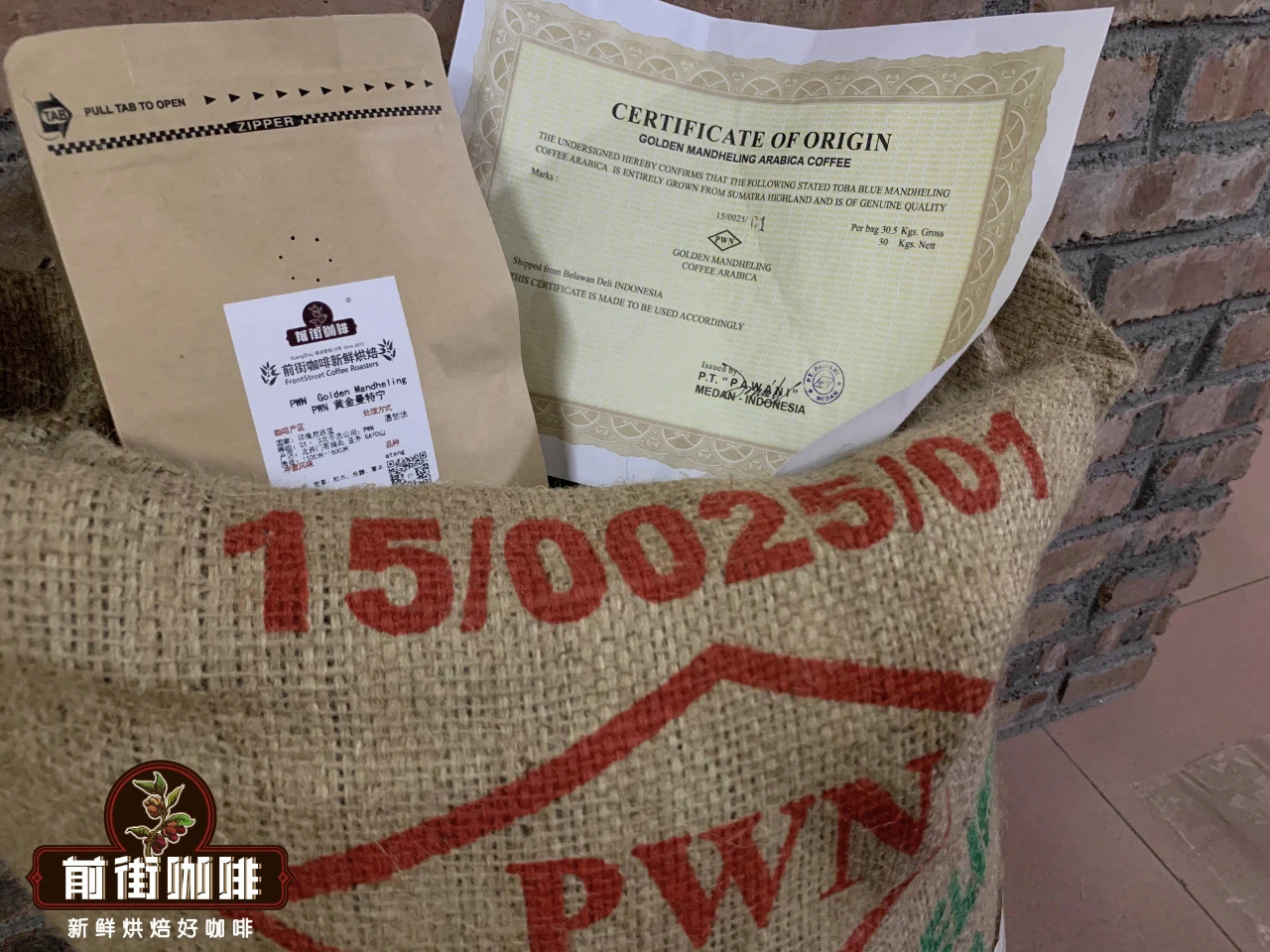
Distinguishing Authentic Golden Mandheling
So how do you tell the real thing? FrontStreet Coffee says it comes down to two checks: the PWN factory certificate and the burlap bags printed with the PWN logo. Ask the seller to show both before you buy — if they can't, be very careful.
Regional Varieties of Mandheling Coffee
What separates Golden Mandheling from other Mandhelings, then? The producing company and the screening process. Strictly speaking, ordinary Mandheling can approach Golden Mandheling's cup after careful selection — but PWN has locked up most of Indonesia's highest-grade lots. The celebrated Mandheling heartland lies around Lake Toba in northern Sumatra.
Northern Sumatran Arabica generally reaches the market under two names: Lintong and Mandheling. Lintong refers specifically to coffee grown in a small area of the Lintong administrative district southwest of Lake Toba, on a high, undulating clay plateau rich in ferns. It's non-shade grown, chemical-free, and almost entirely farmed by smallholders. "Mandheling" is the broader term, covering Lintong plus similar growing areas such as Diari (capital Sidikalang) and the northern shores of Lake Toba.

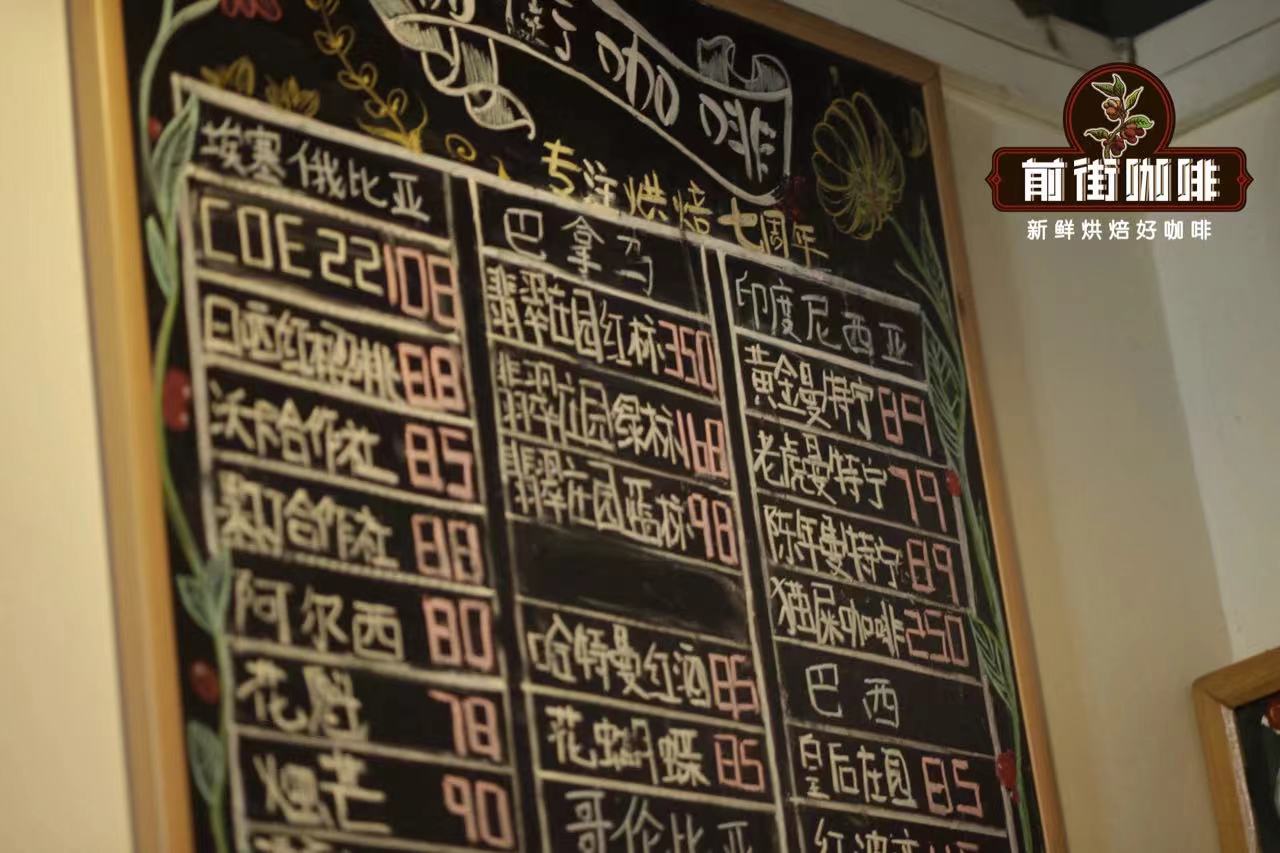
Keen-eyed readers will notice FrontStreet Coffee's menu lists other Mandhelings besides Golden: Aged Mandheling, Lintong Mandheling, and Tiger Mandheling. The differences come down mainly to origin, so let's look at the map.
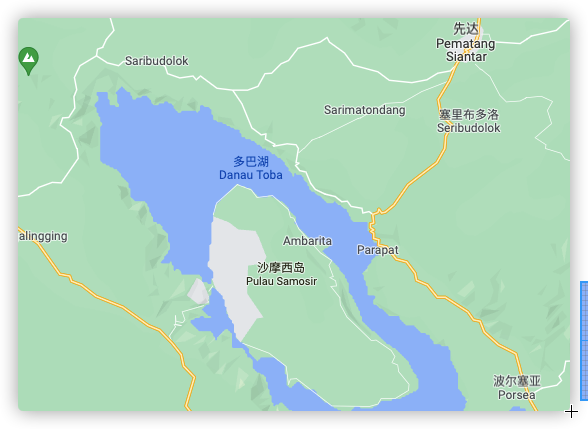
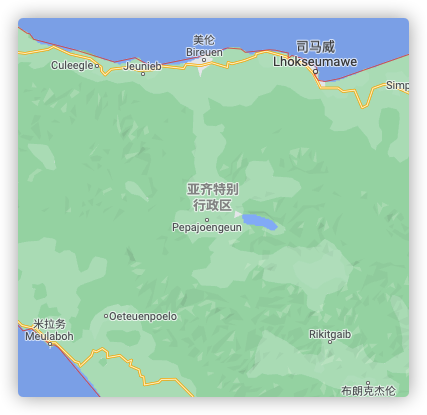
Lintong Mandheling comes from the Lintong Nihuta district southwest of Lake Toba — one of the world's deepest lakes at 505 meters — on a plateau famous for its tree ferns, producing 15,000 to 18,000 tons of Arabica a year. Tiger Mandheling comes from the Gayo mountain area of northern Aceh. Indonesia straddles the equator with a hot, humid tropical rainforest climate and fertile volcanic soil; the Gayo growing region wraps around Takengon town and Lake Tawar at Sumatra's northern tip, averaging 1,110–1,600 meters in altitude, with coffee grown almost entirely by smallholder farmers under shade trees.

Aged Mandheling Coffee
Aged Mandheling is its own special case: beans held in green storage for longer. Its hallmark is a honeyed sweetness — successful aging converts Mandheling's less elegant acidity into sugars, making the cup rounder and sweeter. Failed aging, though, produces coffee zombies whose flavors are nearly impossible to swallow.
Brewing Guide for Golden Mandheling
FrontStreet Coffee's stores currently stock only the Golden Mandheling, so here are its brewing parameters and technique:
Dripper: KONO
Dose: 15g
Ratio: 1:15
Temperature: 86-87°C
Grind: Medium-coarse (70% pass-through rate on national standard #20 sieve)
FrontStreet Coffee Brewing Method:
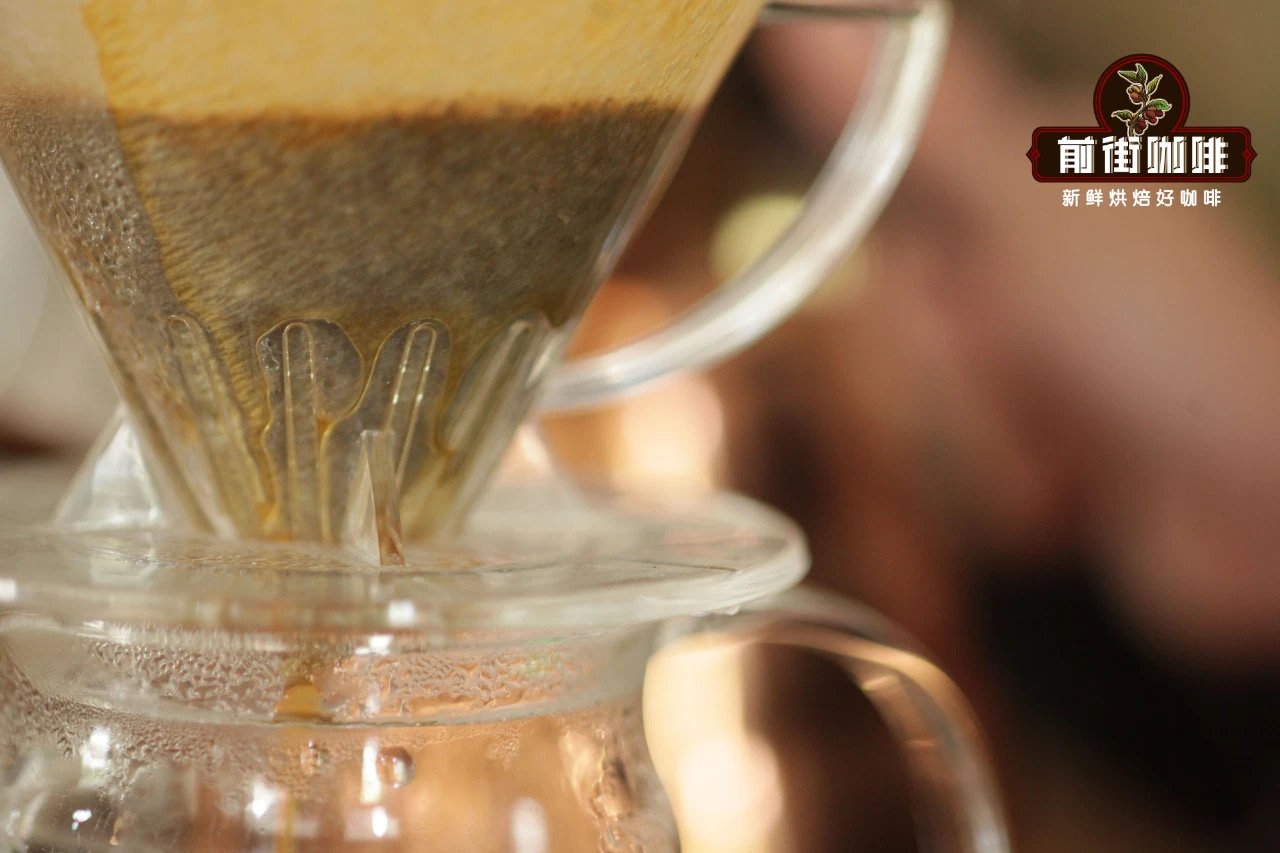
Pour 30g of water to bloom for 30 seconds. Second pour: a small, circular stream up to 125g, then pause. Once the water level drops and the coffee bed is about to show, make the third pour to 225g and stop. When the bed shows again, remove the dripper (timing starts from the bloom). Total extraction time: 2'00".
FrontStreet Coffee Recommendation
If this introduction has you curious about Sumatra's signature flavor, start with FrontStreet Coffee's PWN Golden Mandheling. Selected to G1 standards through Indonesia's PWN company — beans of 18 screen or larger, fewer than three defects per 300g, then hand-sorted three times — it delivers exceptional cleanliness and sweetness for a wet-hulled coffee, with a full heavy body, low acidity, and herbal, spicy notes wrapped in dark chocolate and caramel. Medium-dark roasted and limited in supply, it's Mandheling at its most refined.
For a taste of the traditional side of the island, FrontStreet Coffee's Lintong Mandheling from the Lake Toba heartland leans into the wilder profile: strong and pungent on entry, with clove and woody aromatics, herbal spice, and a thick, persistent sweetness — the earthy, elemental Sumatran character that keeps loyalists coming back.
And for espresso at home, FrontStreet Coffee's house Classic Blend pairs Brazilian cream-and-nut sweetness with medium-dark Mandheling — butter, roasted chestnut, and caramel up front, with sandalwood, herbal, and spice notes adding depth, plus a touch of Robusta for richer crema. It pulls beautiful lattes and layered Dirty drinks with equal ease.
Important Notice :
FrontStreet Coffee is a long-established specialty coffee roaster in Guangzhou China, selling freshly roasted beans from its own farm in Yunnan as well as dozens of carefully selected single-origin beans from around the world for both pour-over and espresso. The products deliver consistently excellent quality and great value, with shipping within 24 hours. Guangzhou's FrontStreet Coffee shop is recommended by many coffee lovers, and the beans are now available online at the Tmall 。
FrontStreet Coffee has moved to a new address:
FrontStreet Coffee Address: 315,Donghua East Road,GuangZhou
Tel:020 38364473
 Scan and follow the En Gafei WeChat official account. Please indicate that the reprint comes from "En Gafei".