Coffee Bean Processing Methods: Natural Processing - Ethiopia Natural Yirgacheffe Yirgacheffe G1
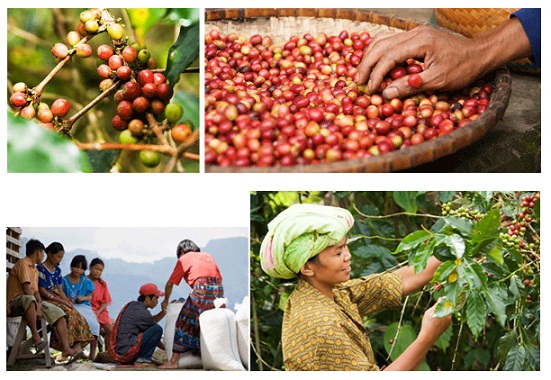
Natural processing is a traditional method of primary coffee bean processing. Today, ancient coffee-producing countries such as Ethiopia and Yemen still use almost exclusively natural processing for their raw beans.
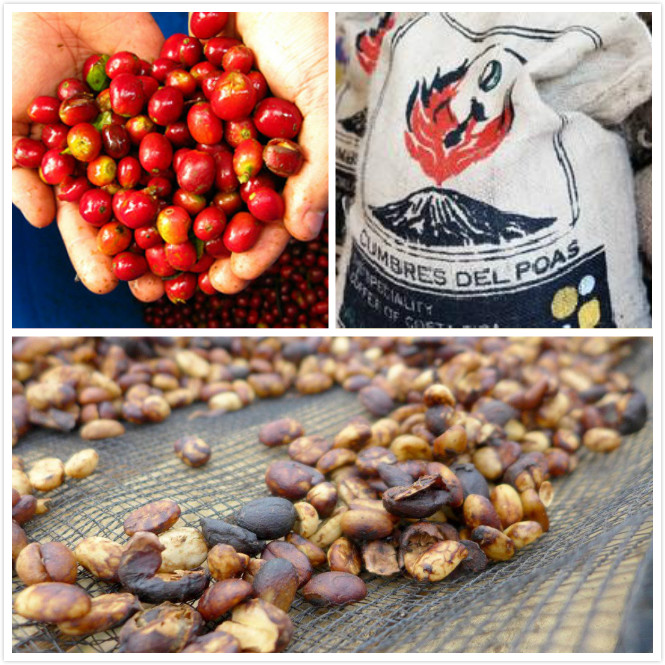
In natural processing, the dense beans identified in water tanks, namely the mature or semi-mature beans, are first spread out on drying patios to dry naturally. The exact time depends on local climate conditions, generally requiring two to four weeks. When the coffee beans' moisture content drops to 12%, they are run through a hulling machine to remove the dried pulp and silver skin, completing the process.
Natural Processing Method Overview
Natural processing has extremely high climate requirements. If rain falls during drying, the beans can become damp and moldy. Natural processed beans look yellowish in their raw state, and after roasting the center cut appears brown rather than the white of washed beans. Natural processed beans generally have better sweetness and body with less acidity, but their quality is relatively unstable and varies widely. Because natural processing costs less, it is not only widely used in Ethiopia and Yemen but is also common for Robusta varieties grown in Africa and Indonesia.
Other Processing Methods
Honey Processing: This method scrapes off the skin while leaving the mucilage on for drying. It is categorized by how much is scraped: yellow honey (60% scraped), red honey (30% scraped), and black honey, which is essentially fully natural processed. The flavor profile falls between washed and natural processing.
Washed Processing: This method features long fermentation times, relying entirely on water washing and fermentation to remove the pulp before drying. It produces refreshing acidity with clean, elegant flavors that highlight floral notes.
Semi-washed Processing: This method first uses machines to scrape off the pulp and mucilage, followed by water washing and fermentation.
Semi-washed Processing Details: Semi-washed processing actually removes more mucilage than honey processing, leaving only a very small amount for natural drying. The beans are dried for three days, then dehydrated using a dryer until reaching 10% moisture.
72-Hour Double Wash: Kenya's washed processing method typically involves 24-32 hours of water washing and fermentation. Kenya requires two fermentation periods totaling 72 hours.
Coffee Details
Country: Ethiopia
Grade: G1
Region: Yirgacheffe Gediyo
Altitude: 1900-2100 meters
Processing Method: Natural
Variety: Heirloom
Producer: Kebel Aricha
Flavor: Light fermented wine aroma, sweet orange, spices, honey sweetness
This batch of Yirgacheffe is produced at the Kebel Aricha processing station, where approximately 650-700 small coffee farmers deliver their ripe cherries for processing in exchange for cash. After the station screens the usable cherries, they are placed directly on raised beds for sun drying. During the first few days of drying, the cherries are turned every 2-3 hours to prevent over-fermentation. After two to four weeks of natural drying, workers use machines to remove the outer pulp depending on weather and temperature conditions, then transport the beans to Addis Ababa for storage. Naturally processed beans are typically stored as parchment beans until hulling just before export, to protect the quality of the raw beans. This batch of natural processed Aricha is rated G1, the highest grade by the ECX. From the appearance of the raw beans, consistency, freshness, dry aroma and flavor, everything is excellent. If you enjoy bright acidity and rich berry flavors, you absolutely cannot miss this!
FrontStreet Coffee Natural Aricha Flavor Description: Light fermented wine aroma, jujube, sweet orange notes, dark berries, lychee, starfruit, peach, nectarine, longan and red date aroma, honey sweetness, cocoa with subtle spice notes, full body with a persistent aftertaste.
FrontStreet Coffee Recommendation
If this natural Yirgacheffe is what you enjoy, FrontStreet Coffee's Yirgacheffe Red Cherry takes the same approach further. It is a full red-cherry natural lot: only fully ripe, sound cherries are picked, given a first sort at the mill, then spread on raised beds and turned every 2-3 hours during the first days so they dry evenly and do not over-ferment. After three to five weeks the dried pulp is removed by machine. Because the fruit dries on the bean, it keeps the classic Yirgacheffe profile while adding tropical fruit, with citrus acidity, a berry-juice body, honey sweetness and a creamy smoothness.
For contrast, FrontStreet Coffee's washed Yirgacheffe and the Gutingguting cooperative lot show the other side of the region: white jasmine florals, bright citrus and lemon acidity, and a tea-like finish. Yirgacheffe is a small town in Sidamo at roughly 1700-2100 meters, with coffee planted above 1800 meters, which is why the region's acidity stays so crisp.
Brew this natural G1 the way FrontStreet Coffee suggests: a V60 dripper, 15g of coffee at 1:15, 90-91°C water and a fine-sugar grind (about 80% pass-through on a #20 sieve). Pour 30g for a 30-second bloom, add 95g to reach about 125g, then pour the remaining 100g to about 225g, finishing around 2:00 to 2:10.
Important Notice :
FrontStreet Coffee is a long-established specialty coffee roaster in Guangzhou China, selling freshly roasted beans from its own farm in Yunnan as well as dozens of carefully selected single-origin beans from around the world for both pour-over and espresso. The products deliver consistently excellent quality and great value, with shipping within 24 hours. Guangzhou's FrontStreet Coffee shop is recommended by many coffee lovers, and the beans are now available online at the Tmall 。
FrontStreet Coffee has moved to a new address:
FrontStreet Coffee Address: 315,Donghua East Road,GuangZhou
Tel:020 38364473
 Scan and follow the En Gafei WeChat official account. Please indicate that the reprint comes from "En Gafei".