Moka Pot Brewing Techniques and Ratio Variables: Bialetti Moka Pot Usage Principles
In an age when pour-over, siphon, and high-end espresso machines get all the attention, the moka pot has picked up an unfair reputation as something old-fashioned and tricky to use. At FrontStreet Coffee, we have noticed that home brewers tend to drift toward either hand-drip single-origin coffee or milk-based espresso drinks like cappuccinos at cafes. Yet as entry-level home espresso machines have spread, some coffee lovers have rediscovered the moka pot, which also brews under pressure.
How a Moka Pot Extracts Coffee
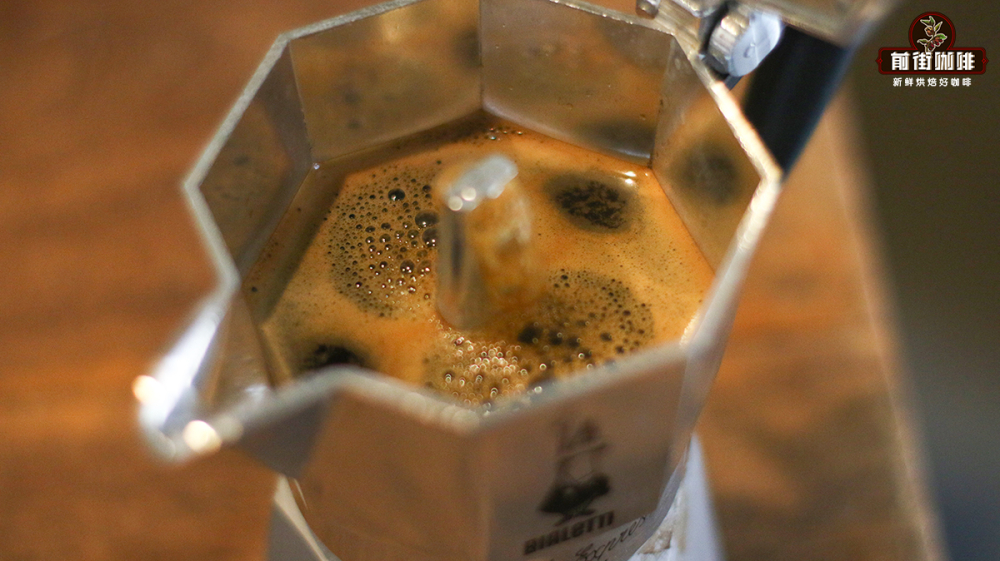
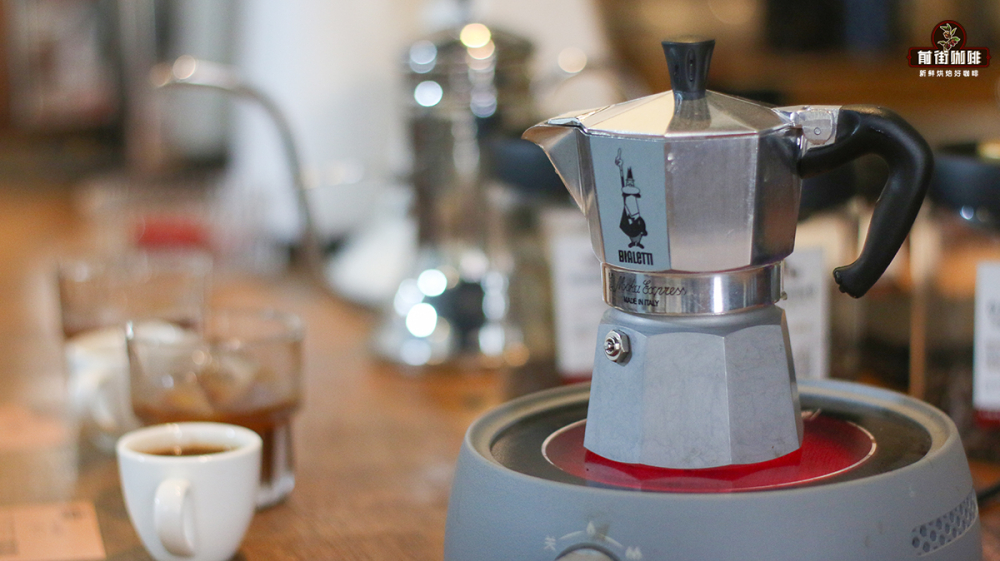
The moka pot's design is beautifully simple: a lower chamber for water, a filter basket for the grounds, and an upper chamber for the finished coffee. When the pot is heated, the water in the lower chamber boils and builds pressure, pushing water up through a narrow metal tube. Driven by that pressure, the water passes through the coffee grounds and emerges in the upper chamber as a concentrated coffee brew.

One thing FrontStreet Coffee wants to stress: the coffee that comes straight out of a moka pot is highly concentrated and can taste harsh if drunk neat, which makes its aromas hard to appreciate. That is why we recommend diluting it with a measured amount of water or fresh milk to make a "moka pot Americano" or a "moka pot latte." This makes the cup far more approachable while letting you enjoy the delicate character of the beans.
Why Was the Moka Pot Overlooked for So Long?
The reason is straightforward. As a household appliance, the moka pot is simply less sophisticated than a true espresso machine. On top of that, China has no deep-rooted coffee-drinking tradition; coffee arrived there as an imported habit. When the newly affluent middle class first took an interest in coffee, they naturally gravitated toward professional equipment and paid little attention to simple stovetop gear like this.
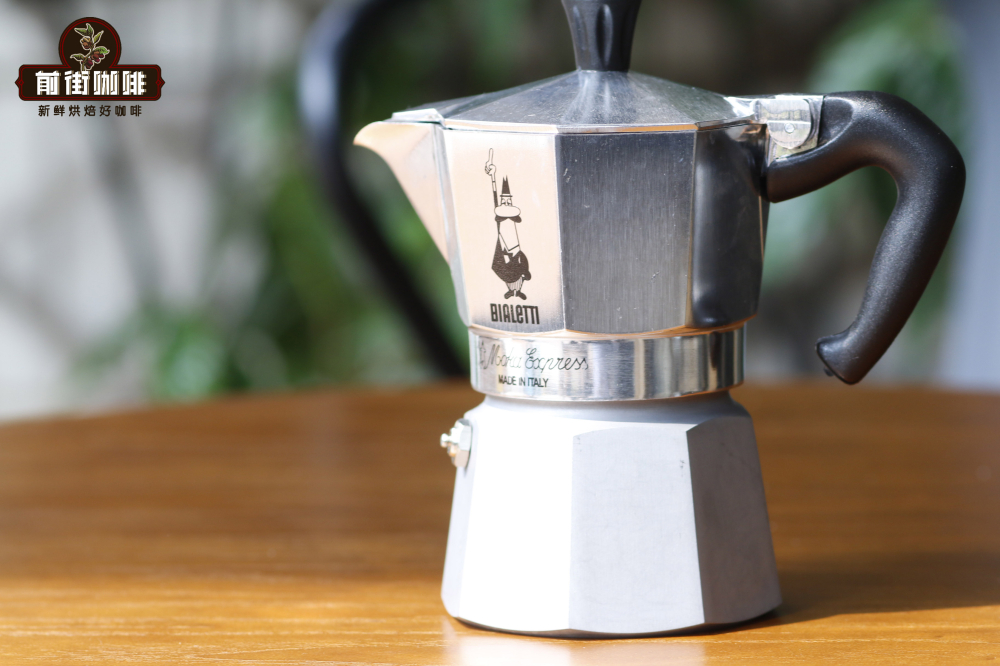
As more people entered the coffee community, some naturally began to appreciate the appeal of an easy-to-use home appliance. While moka pot coffee cannot match a professional machine for crema and concentration, a professional espresso machine costs over 10,000 yuan and even ordinary home machines run several thousand yuan. A moka pot costs just a few hundred yuan yet delivers sixty to seventy percent of a coffee machine's performance, which is more than enough. That is exactly why the moka pot has become the go-to choice for so many home brewers.
Better still, moka pot coffee can be combined with steamed milk for latte art, which is entirely adequate for home use.
How to Make a Milk Coffee with a Moka Pot
Start by filling the lower chamber with cold water (hot water can scald your hands), then seat the filter basket in place. Cup one hand around the basket and fill it with grounds until a small mound forms in the center; level off the grounds around the edges, then press the upper chamber on and twist it tight.


Set the pot on an induction cooker to heat (a gas stove works too). When you hear a "whooshing" sound, the coffee has begun to gush upward. Kill the heat right away and let the remaining coffee finish climbing.


Freshly brewed moka pot coffee carries a layer of golden crema on top, but most of it dissipates quickly, so add the milk promptly. In our demonstration, FrontStreet Coffee froths 200ml of warm fresh milk with a French press, blends it evenly with the coffee, and pours a simple design. Just like that, you have a moka pot latte.
Overall, latte art makes slightly higher demands on the milk foam than on the coffee. A coffee surface with crema holds steadier, which allows for more intricate patterns; without crema the surface is less stable, making fine etched designs difficult to execute.

Important Considerations When Using a Moka Pot
Even though the moka pot is simple and easy to operate, a few points deserve attention. The base of the water chamber has a pressure relief valve with a marked line: when filling, the water level must never exceed that valve, or the valve loses its safety function and the risk of a pressure buildup increases. The flow of the coffee itself also gives you feedback. If the coffee sprays out violently, the heat is too high; if it trickles out very slowly, the heat is too low and should be turned up, all while watching the flame carefully.

Also, since the grounds get only one pass of extraction and it is hard to gauge the exact yield of brewed coffee, judging the extraction relies mostly on experience. FrontStreet Coffee therefore advises staying focused throughout the process, otherwise over-extraction and bitterness are easy to invite.

Finally, if you want a rich crema from your moka pot brew, FrontStreet Coffee suggests using freshly roasted medium-dark roast beans. As the roast deepens, caramelization reactions produce large amounts of gas inside the beans, which is released under pressure during extraction. As the beans sit in storage, that gas largely escapes and a rich crema becomes hard to achieve. The beans FrontStreet Coffee ships are all roasted within 5 days of dispatch, so you can enjoy them at their best.
FrontStreet Coffee Recommendation: The Best Beans for Your Bialetti Moka Pot
A moka pot rewards blends built for pressure brewing. Our top pick is the FrontStreet Classic Blend, purpose-designed for espresso and moka pot use: a traditional Mamba (Mandheling + Brazil) recipe that produces dense, velvety crema even on basic home machines. If you prefer a single origin, the FrontStreet Brazil Queen Estate is low in acidity with a balanced cup of nut and cocoa aroma and clear caramel sweetness, and it performs beautifully in a moka pot. For a heavier, darker cup, the FrontStreet PWN Indonesia Golden Mandheling offers low acidity, a long, full body, and rich herbal and dark chocolate notes with a faint earthy finish.
Important Notice :
FrontStreet Coffee is a long-established specialty coffee roaster in Guangzhou China, selling freshly roasted beans from its own farm in Yunnan as well as dozens of carefully selected single-origin beans from around the world for both pour-over and espresso. The products deliver consistently excellent quality and great value, with shipping within 24 hours. Guangzhou's FrontStreet Coffee shop is recommended by many coffee lovers, and the beans are now available online at the Tmall 。
FrontStreet Coffee has moved to a new address:
FrontStreet Coffee Address: 315,Donghua East Road,GuangZhou
Tel:020 38364473
 Scan and follow the En Gafei WeChat official account. Please indicate that the reprint comes from "En Gafei".